More like Accursed Ground
anchored on:horror
but
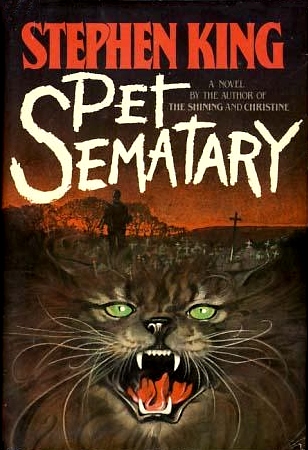
- Pet Sematary
Stephen Kingstandalone novel1983
similar bycurseshorrorcontemporarydarkeerie
Pet Sematary is a 1983 horror novel by American writer Stephen King. It tells the story of a family moving to Maine and settling closer to a pet cemetery in the woods, which is home to a terrifying force that brings death and sorrow. The novel was nominated for a World Fantasy Award for Best Novel in 1984, and adapted into two films: one in 1989 and another in 2019 as well as several spinoffs.
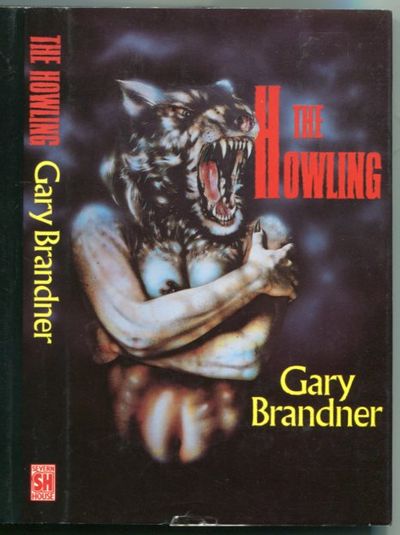
- The Howling
series3 books1977
completed
similar byhorrorour worldcontemporarydark
The Howling, Gary Brandner's 1977 novel, sets a woman recovering from trauma against a small California town that turns out to be sheltering a colony of werewolves. Brandner wrote two further novels under the same title banner, The Howling II and The Howling III, but by the author's own account they're only loosely connected sequels rather than a continuous story, and neither maps onto the better-known film series the first book inspired.
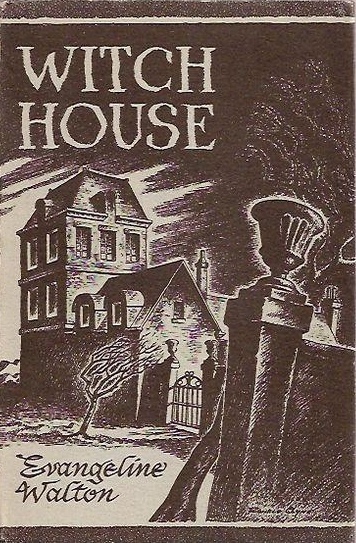
- Witch House
Evangeline Waltonstandalone novel1945
similar bycurseshorrorour worldcontemporarydarkeerie
Witch House is a fantasy novel by American writer Evangeline Walton. It was published in 1945 by Arkham House in an edition of 3,000 copies. It was the first full-length novel to be published by Arkham House and was listed as the initial book in the Library of Arkham House Novels of Fantasy and Terror. An expanded version, with a newly written 20,000-word prologue, was published in England in 1950. In 2013, Centipede Press issued the first American edition of this revised version, also including previously unpublished writings by Walton and several of her short stories.
- Jerusalem's Lot
series3 books1975
similar byhorrorour worldcontemporarydarkeerie
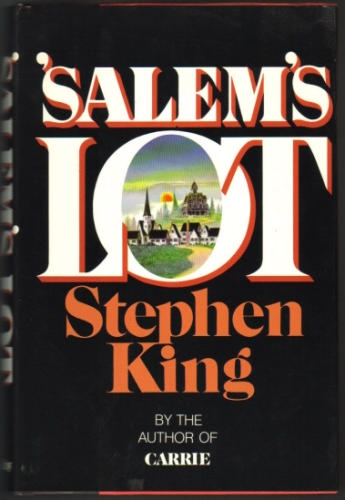
Stephen King's 1975 novel 'Salem's Lot follows writer Ben Mears as he returns to his childhood town of Jerusalem's Lot, Maine, only to discover that its residents are being turned into vampires by a newly arrived stranger. It transplants Gothic vampire horror into a small New England community, tracking that community's collapse under a supernatural siege. It is a single, self-contained novel.
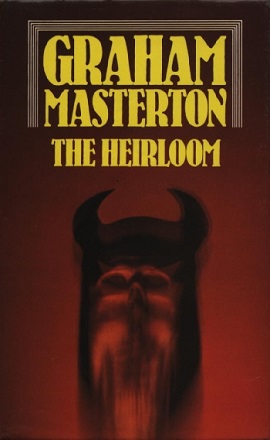
- The House That Jack Built
Graham Mastertonstandalone novel1996
similar byhorrorour worldcontemporarydarkeerie+1 more
When he and his wife stumble across a derelict house, "Valhalla", Craig Bellman becomes fascinated by it, even to the extent of trying to buy it, regardless of local tales which say the house is dogged by tragedy. As Craig becomes more obsessed day by day, injury and death return to "Valhalla"
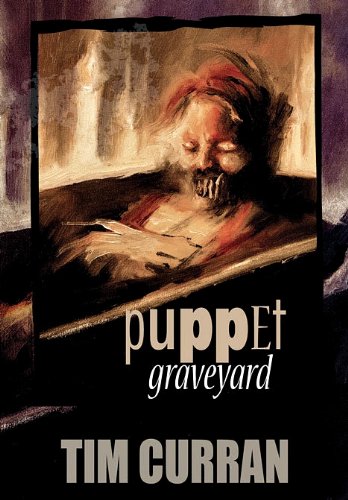
- Puppet Graveyard
Tim Curranstandalone novel2012
similar byhorrorour worldcontemporarydarkeerie+1 more
"Five months after her sister Gloria disappeared, Kitty Seevers receives a lock of Gloria's hair in the mail. No return address. Just a cryptic message that brings Kitty to the Bamboo Lounge and into the twisted realm of ventriloquist Ronny McBane and his dummy, Piggy. Kitty descends into a haunted place where reality is frayed, where the puppetmaster and puppet seem to have reversed roles--a nightmare place where a dummy moves and speaks when his master is nowhere near him. Kitty suspects not only is there something wrong with McBane and his dummy, but a greater evil is at work as those named by the dummy are dying horrible deaths. And now she has been named by the same soul-eater that destroyed her sister." -- quoted from Amazon.com's product page for this book on 2017-06-17
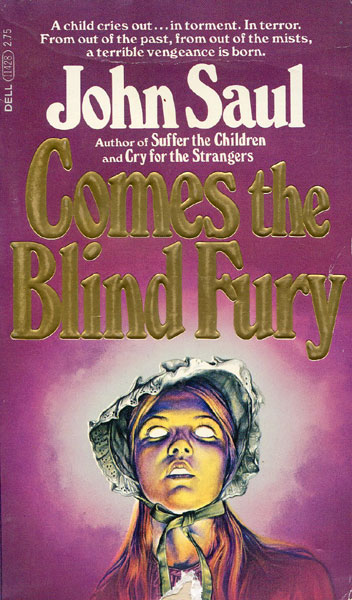
- Comes the Blind Fury
John Saulstandalone novel1980
similar bycurseshorrorcontemporaryeerie+1 more
WorldCat: When Michelle comes to visit on Paradise Point, she sees the hand of a blind girl who died a century ago, reaching out to her from the swirling mists.
- Anthony Monday
series4 books1978
completed
similar byhorroreerie+2 more
Anthony Monday is a fictional 14-year-old American boy featured in a series of four children's gothic horror novels by John Bellairs that were published from 1978 to 1992. Anthony and his friends generally overcome evil forces bent on ending the world. Alternatively, Anthony Monday is the book series, as in ISFDB. Brad Strickland, who has completed Bellairs' works posthumously and written new novels based on his characters, has noted that Anthony Monday was disliked by those in charge of publishing and any book ideas with Anthony as the character were rejected. This is why there has not been an Anthony Monday book since John Bellairs died.
- Rosemary Reilly
series2 books1967
completed
similar byhorror+4 more
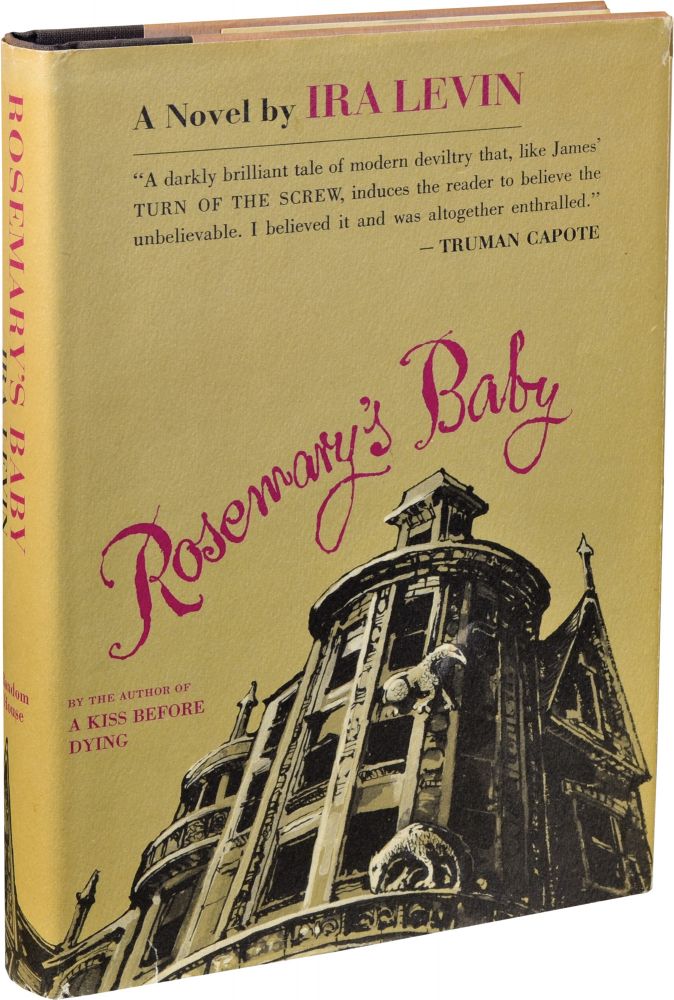
Rosemary's Baby follows a young wife in a Gothic Manhattan apartment building who grows increasingly convinced that her elderly neighbors, and even her own husband, are part of a conspiracy surrounding her pregnancy. Ira Levin returned to the character thirty years later in the 1997 sequel Son of Rosemary. Together the two novels form a short, self-contained horror series about faith, control, and motherhood.
- Bruce Coville's Chamber of Horror / Spirit World
series4 books1983
similar byour worldcontemporary+3 more
- Ghost Monster
Simon Clarkstandalone novel2009
similar bycurseshorrorour worldcontemporarydarkeerie
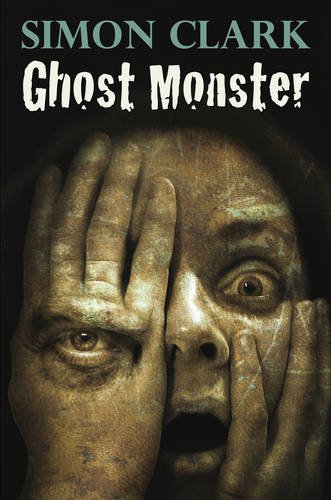
The local children call it "ghost monster," a disturbing mosaic on a mausoleum wall in the old cemetery. For centuries the grim portrait has imprisoned the spirits of the notorious Justice Murrain and his vicious gang of misfits. But now somone has taken the portrait, and the spirits of the sadists are free to enjoy the darkest of pleasures.
- The Fifty Year Sword
Mark Z. Danielewskistandalone novel2012
similar bycurseshorrorour worldcontemporarydarkeerie
The Fifty Year Sword is a novella by Mark Z. Danielewski. Danielewski created the book with the Dutch artist Peter van Sambeek. The recto pages of the book are empty except for page numbers and van Sambeek's art. The Dutch publishing house De Bezige Bij published 1000 first editions on October 31, 2005, and 1000 second editions on October 31, 2006.
- The Halloween Moon
Joseph Finkstandalone novel2021
similar bycurseshorrorour worldcontemporaryeerie
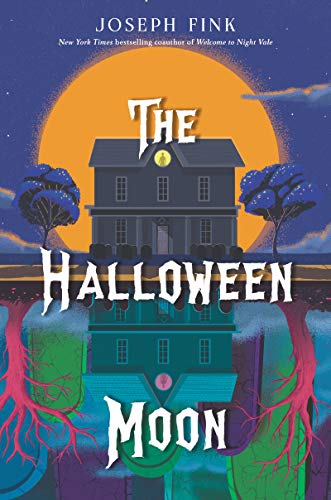
Esther Gold loves Halloween more than anything in the world. So she is determined to go trick-or-treating again this year despite the fact that her parents think she is officially too old. Esther has it all planned out, from her costume to her candy-collecting strategy. But when the night rolls around, something feels... off. No one is answering their door. The moon is an unnatural shade of orange. Strange children wander the streets, wearing creepy costumes that might not be costumes at all. And it seems like the only people besides Esther who are awake to see it all are her best friend, her school bully, and her grown-up next-door neighbor. Together, this unlikely crew must find a way to lift the curse that has been placed upon their small town before it’s too late. Because someone is out to make sure Halloween never comes to an end. And even Esther doesn’t want to be trapped in this night forever.
- Dracula
universe144 books1897
Start hereDracula · Start here
similar byhorror
"Come freely. Go safely. And leave something of the happiness you bring" — so the Count greets his guest at the threshold of the Carpathians, and the great door shuts behind. Bram Stoker's Dracula (1897) is the wellspring of the modern vampire: the account of a centuries-old Transylvanian nobleman who quits his crumbling castle for the crowded lodging-houses of London, and the handful of ordinary people — a young solicitor, a doctor of the mad, a professor of stranger learning — who must piece together what he is before he makes the whole city his fold. It is told wholly in fragments: journal entries, letters, telegrams, ships' logs, phonograph cylinders, each hand recording only its own sliver of the dark. Around that single novel a whole crypt of continuations has grown, raised by many writers across a century. Fred Saberhagen's Dracula Sequence hands the Count the microphone, retelling the old events from his own wry, aggrieved lips and following him into later intrigues. Robert Lory's brisk 1970s Dracula Horror Series revives him as a reluctant weapon turned against fouler things; Peter Tremayne's trilogy reaches back along his bloodline; and further sequels, a Quincey Morris spin-off, and Dracula's Children carry the shadow onward. This is a loose shared world built upon a public-domain figure, not one governed continuity — each author remakes him as villain, antihero, or sympathetic narrator. Begin, always, with Stoker's original; the letters and the mounting dread stand entirely on their own. From there follow whichever door tempts you — Saberhagen's The Dracula Tape for the monster's own confession, Lory or Tremayne for tales that never glance back at the Borgo Pass again.