Loreful
HomeDiscover
Search series, authors…⌘K
Loreful

Reading orders for SF/F series and shared universes — with your place kept in every one.

Explore

UniversesSeriesWorksAuthorsAtlas

Help

FAQAboutSite map

Account & legal

Sign inCreate accountPrivacyTerms

Data

Built on ISFDB, Wikipedia, Wikidata and Open Library. Curated reading orders carry their reasoning on the page; the rest follow publication order. Data sources & licenses

© Loreful · data: ISFDB · CC BY

More like Again

anchored on:horror

but

Mood

The mood the book leaves you in.

  • The reading experience is propelled by journeys, exploration, and physical risk; excitement and forward momentum dominate over dread or introspection.
  • Joy and loss are deliberately mixed; the resolution grants characters something real while taking something else away, leaving warmth and sorrow together.
  • The book demands work from the reader — dense prose, difficult structure, unfamiliar ideas, or morally uncomfortable material — as part of its intended effect.
  • Grim events, cruelty, or despair dominate the atmosphere, and the book does not soften them with comfort or comic relief.
  • The atmosphere is quietly unsettling — wrongness, unease, and the uncanny pervade the book without necessarily escalating into overt horror.
  • The book is built to move the reader; character feeling is foregrounded and major scenes aim at a strong emotional response.
  • Humor is a primary aim and the prose plays for laughs — comic situations, wit, or dialogue produce sustained comedy, not occasional levity.
  • The book insists that things can improve; effort and decency are shown to matter, and the arc bends toward better outcomes even through hardship.
  • The book teaches as it goes — real facts, history, science, or craft are conveyed in enough depth that learning is part of the reading experience.
  • The overall register is cheerful and easygoing; stakes are kept gentle and the book avoids dwelling on pain or dread.
  • Withheld information drives the experience; the book sustains enigmas and secrets the reader wants resolved, whatever its genre.
  • The book is contemplative and inward-looking, giving more weight to thought, memory, and meaning than to external events.
  • The book works as comfort reading — low tension, a soothing pace, and an atmosphere the reader can unwind in.
  • Grief, loss, or melancholy set the dominant register, and the book lets sorrow stand rather than resolving it into comfort.
  • Sustained suspense is the point; the book keeps the reader braced for what happens next through danger, pressure, or impending revelation.
  • Playful invention and charm define the register — fanciful conceits, light absurdity, and a narration that delights in its own oddity.

About

What the story runs on.

  • Stories centered on vampires — blood-drinking undead — whether as predators, love interests, or protagonists.
  • Stories in which demons or devils — infernal beings, their bargains, possessions, and hierarchies — drive the plot.
  • Stories about the raised or restless dead — necromancers and their arts, liches, skeletons, and revenants.
  • Stories driven by a curse laid on a person, family, or place, and the struggle to live under it or break it.
  • Stories in which staying alive against nature, catastrophe, or scarcity is the central problem.
  • Stories in which a friendship — its making, testing, or loss — is the emotional center.
  • Stories of growing up — a young protagonist crossing from childhood into adult knowledge and responsibility.
  • Stories about who a character truly is — self-discovery, doubled lives, and the search for a self.
  • Stories about mental unraveling — descent into madness, delusion, and minds at war with themselves.
  • Stories about mourning — living through the death of a loved one and what loss does to the survivors.
  • Stories in which a buried family truth — hidden parentage, crimes, or shames — surfaces and reorders the present.
  • Stories organized around investigating a killing — the case, the clues, and the pursuit of the killer, in any genre's clothing.

Shelf

Where it sits in the library.

    • Fiction built on magic or other supernatural elements that have no scientific explanation.
    • Secondary-world fantasy at large scale, where the fate of nations or the world turns on the protagonists' struggle.
    • Fantasy set in a recognizably modern city or contemporary world where the supernatural intrudes on everyday life.
    • Fantasy that blends in horror's atmosphere and imagery, keeping a fantastical frame around grim or frightening material.
    • Action-driven fantasy following warriors or rogues with personal stakes against sorcerous threats, rather than world-spanning conflicts.
    • Fantasy set in a real historical period or a close analogue of one, with magic woven into the era.
    • Fantasy in which protagonists cross from the ordinary world into another world through a portal or similar passage.
    • Fiction that retells or reworks a traditional fairy tale in a new form or setting.
    • Fantasy drawing directly on myths, legends, and folklore, retelling them or building on their figures and logic.
    • Fantasy of ghosts, vampires, shapeshifters, psychics, and similar phenomena, usually set in an otherwise ordinary world.
    • Fiction mixing science-fictional trappings with overtly magical or impossible elements in one setting.
    • Low-stakes fantasy emphasizing comfort, community, and everyday pleasures over conflict and peril.
    • Speculative fiction of pervasive moral ambiguity, violence, and cynicism that rejects heroic conventions — fantasy and SF alike.
      • Fiction that extrapolates from science and technology — future societies, space travel, or speculative inventions — within at least nominally natural laws.
      • Science fiction of interstellar scope — starships, galactic polities, and adventure across star systems.
      • Science fiction committed to scientific rigor, where technical plausibility constrains the story.
      • Science fiction centered on armed forces and warfare, told largely from a military point of view.
      • Science fiction of networked, corporate-dominated near futures, pairing high technology with social decay.
      • Science fiction styled on nineteenth-century steam-powered technology, often in a Victorian or pseudo-Victorian setting.
      • Fiction depicting an oppressive or catastrophic society, presented as a warning.
      • Fiction set after civilization's collapse, following survivors in the ruins of the old world.
      • Fiction in which characters move between past and future, and the mechanics or consequences of that travel drive the plot.
      • Fiction exploring a world where a historical event went differently and history diverged from ours.
      • Science fiction about humanity's first encounter and communication with an alien intelligence.
      • Science fiction in which extraterrestrial forces attack or occupy Earth and humanity resists.
      • Fiction whose primary aim is to frighten or unsettle the reader through dread, menace, or the monstrous.
      • Horror of vast, indifferent, incomprehensible entities before which humanity is insignificant, in the Lovecraft tradition.
      • Horror of decaying houses, buried family secrets, and oppressive atmosphere in the Gothic literary tradition.
      • Horror centered on hauntings and the returning dead.
      • Horror located in the mind — paranoia, obsession, and unreliable perception rather than external monsters.
      • Horror built around the reanimated dead and survival amid their outbreaks.
      • Horror defined by explicit, transgressive gore that refuses to cut away from violence.
      • Speculative fiction of the strange and uncanny that resists both natural explanation and standard genre categories.
      • Fiction organized around solving a crime or puzzle, typically following an investigator toward the identification of a culprit.
      • A puzzle-first mystery that lays out clues so the culprit's identity can be deduced before the reveal.
      • Crime fiction of moral ambiguity, fatalism, and hard-edged style, set among the corrupt and the doomed.
      • A mystery following the realistic routines of police work — forensics, interviews, and case-building.
      • A gentle mystery with an amateur sleuth, a small community, and violence kept off the page.
      • A mystery set in a past era, where the investigation works within that period's methods and society.
      • Fast-paced fiction driven by imminent danger, pursuit, or high-stakes conspiracy, built to sustain tension.
      • A thriller of espionage — agents, tradecraft, and intelligence services in conflict.
      • A thriller centered on lawyers and the courtroom, where litigation carries the suspense.
      • A thriller driven by detailed contemporary or near-future technology, often military or scientific.
      • A thriller whose tension comes from mental states and manipulation between characters rather than external action.
      • Fiction whose central plot is a romantic relationship and its development toward an emotionally satisfying resolution.
      • Romance in which one or both partners are supernatural beings, blending fantasy elements into the love story.
      • A fantasy-romance hybrid in which the romantic arc and the fantasy plot carry equal weight.
      • Romance set in a past era, with courtship shaped by the period's society and manners.
      • Romance set in the present day, without supernatural or historical elements.
      • Fiction set in a real past period, where the historical setting materially shapes characters and events.
        • General and literary fiction emphasizing prose style, character interiority, or formal ambition over genre plot conventions.
        • Fiction in a realistic world where magical events occur and are treated as ordinary, in the tradition of Latin American literature.
        • Fiction that ridicules people, institutions, or society in order to criticize them.
        • Fiction of dreamlike, irrational imagery and logic that breaks from realistic representation.
        • Fiction that plays with narrative convention through metafiction, fragmentation, and self-reference.
        • Fiction propelled by journeys, exploration, and physical peril, where action and survival carry the plot.
        • Adventure fiction of ships and seafaring — naval engagements, voyages, and life at sea.
        • Fiction of the American frontier West — gunmen, ranchers, and lawmen, typically in the late nineteenth century.
        • Fiction centered on soldiers, campaigns, and the experience of warfare, historical or imagined.
          • Fiction written primarily to amuse, using comedic situations, wit, or parody as its organizing principle.
            • Multi-generational fiction following a family or dynasty across decades, with inheritance and kinship as the through-line.
              • Fiction whose world runs on explicit game mechanics — levels, stats, and skills that characters can see and exploit.
                • Fiction about costumed or superpowered heroes and their conflicts with comparable villains.

                Practical

                How long a commitment, whether it stands alone, and whether it has finished.

                Tap a chip to ask for it · tap again to rule it out · once more to clear. Numbers show what would be left.

                • Cover of The House on the Borderland
                  The House on the Borderland

                  William Hope Hodgson · standalone novel · 1908

                  similar byhorror+1 more

                  The House on the Borderland (1908) is a supernatural horror novel by British fantasist William Hope Hodgson. The novel is a hallucinatory account of a recluse's stay at a remote house, and his experiences of supernatural creatures and otherworldly dimensions.

                • Cover of The Cabin at the End of the World
                  The Cabin at the End of the World

                  Paul Tremblay · standalone novel · 2018

                  similar byhorrorpsychological horror+1 more

                  The Cabin at the End of the World is a 2018 horror novel by American writer Paul Tremblay. The novel won the Horror Writers Association's Bram Stoker Award for Best Novel in 2019. It was adapted into the 2023 film Knock at the Cabin by director M. Night Shyamalan.

                • Cover of The Turn of the Screw
                  The Turn of the Screw

                  series · 3 books · 1898

                  similar by+3 more

                  Henry James's 1898 novella The Turn of the Screw follows a governess at an isolated English country house who becomes convinced that the two children in her care are being stalked by malevolent ghosts, narrated entirely through her own increasingly uncertain account. Its ambiguity over whether the haunting is real has made it one of the most discussed ghost stories in English literature and prompted later works built around it, including Michael Hastings's The Nightcomers, a 1971 prequel imagining events at the house before the governess's arrival. A stage adaptation of James's original text also exists.

                • Cover of Let's Go Play at the Adams'
                  Let's Go Play at the Adams'

                  Mendal W. Johnson · standalone novel · 1974

                  similar byhorrorpsychological horror+1 more

                  Let's Go Play at the Adams' is a 1974 psychological horror novel by Mendal W. Johnson and originally published by Thomas Y. Crowell Co. Its plot focuses on a group of rural Maryland children who drug, incapacitate, and eventually torture the college student babysitter hired by their parents while they are away in Europe for two weeks.

                • Cover of Bag of Bones
                  Bag of Bones

                  Stephen King · standalone novel · 1998

                  similar byhorrorcountryside & village

                  Bag of Bones is a 1998 horror novel by American writer Stephen King. It focuses on an author who suffers severe writer's block and delusions at an isolated lake house four years after the death of his wife. It won the 1999 Bram Stoker Award for Best Novel, the 1999 British Fantasy Award for Best Novel, and the 1999 Locus Award for Best Dark Fantasy/Horror Novel.

                • Cover of Maynard's House
                  Maynard's House

                  Herman Raucher · standalone novel · 1980

                  similar byhorrorcountryside & villagepsychological horror

                  Amazon: At its heart, this is the story of a young bedeviled Vietnam war vet with issues, Austin Fletcher, who is willed a small house deep in the woods of northern Maine by a fellow soldier and confidante, Maynard Whittier, killed in action by a wayward mortar shell. Austin--"a sailboat awaiting a breeze"--makes the trip for his new home. The landscape is an intoxicating blend of claustrophobic interiors and endless frozen wastelands. Little by little, the mysterious force in the house asserts itself until neither Austin nor the reader is exactly sure what is in his mind and what is real. Raucher plays to his strength here: "A man can be crazy only if there's someone around to tell him that such is the case." Austin's disturbing isolation is well managed and chillingly realized. And just when our hero's had enough and is ready to quit the place, a blizzard arrives and the real haunting begins.

                • Cover of The Tommyknockers
                  The Tommyknockers

                  Stephen King · standalone novel · 1987

                  similar byhorror+1 more

                  The Tommyknockers is a 1987 science fiction horror novel by Stephen King. The novel is an excursion into the realm of science fiction for King, as the residents of the Maine town of Haven gradually fall under the influence of a mysterious object buried in the woods. King has since soured on The Tommyknockers, describing it as "an awful book", due to his drug addiction while writing the novel, though acknowledges the story's potential: "There's really a good book in here, underneath all the sort of spurious energy that cocaine provides, and I ought to go back." A miniseries adaptation was released in 1993.

                • Cover of The Other
                  The Other

                  Thomas Tryon · standalone novel · 1971

                  similar byhorrorcountryside & village

                  On a rural New England farm in 1935, thirteen-year-old identical twins Niles and Holland Perry share an unnervingly close bond, finishing each other's thoughts the way twins in family lore are supposed to. But the boys are not alike underneath: one is gentle and well-liked, the other carries something cold and cruel that the adults around them keep failing to notice. As a string of unsettling accidents and small cruelties start happening around the family's property, the people who love the twins begin, too slowly, to wonder whether both of them are really still there to blame. Thomas Tryon's debut novel, a work of quiet, Gothic-inflected horror.

                • Cover of Scowler
                  Scowler

                  Daniel Kraus · standalone novel · 2013

                  similar byhorrorcountryside & villagepsychological horror

                  In the midst of a 1981 meteor shower in Iowa, a homicidal maniac escapes from prison and returns to the farm where his nineteen-year-old son, Ry, must summon three childhood toys--Mr. Furrington, Jesus Christ, and Scowler--to protect himself, his eleven-year-old sister, Sarah, and their mother.

                • Cover of Shadowland
                  Shadowland

                  Peter Straub · standalone novel · 1980

                  similar byhorrorcountryside & village

                  WorldCat: Two apprentices studying under a master magician spend a season residing in a dark house located in the deep recesses of the Vermont forest. Learning secrets best left unlearned, they enter a world of incalculable evil and terror. Only one of them will survive the ordeal.

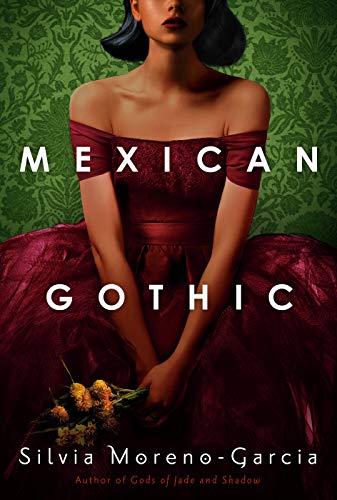
                • Cover of Mexican Gothic
                  Mexican Gothic

                  Silvia Moreno-Garcia · standalone novel · 2020

                  similar byhorrorcountryside & village

                  It centers on a young woman investigating her cousin's claims that her husband is trying to murder her. (en.wikipedia)

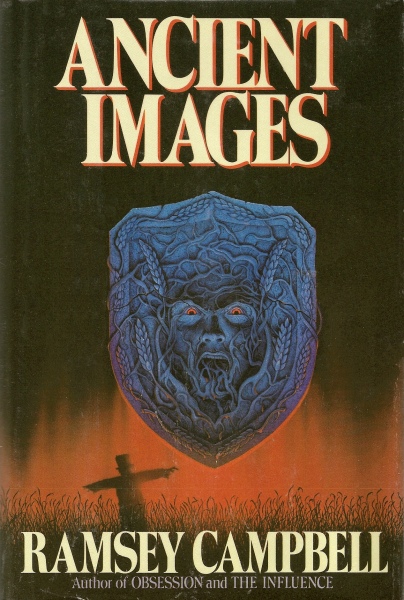
                • Cover of Ancient Images
                  Ancient Images

                  Ramsey Campbell · standalone novel · 1989

                  similar byhorrorcountryside & village

                  A lost horror film holds the key to terrifying secrets. The legends have persisted for decades of a lost horror film starring Boris Karloff and Bela Lugosi that was never released. Rumor has it that, for reasons long forgotten, powerful forces suppressed the film and burned all known prints. Nobody now living has seen the finished film. But that might no longer be true… Film researcher Sandy Allan is invited to a screening of a newly-discovered sole-surviving print, but then the film disappears and the real horror begins. Sandy’s search for the film leads her to Redfield, a rural community known its rich soil, fertilized by blood from an ancient massacre. But Redfield guards its secrets closely, with good reason. During every step of her search, Sandy is watched, shadowed by strange figures. Is it paranoia, or is someone—or something—determined to keep the lost film and the secrets it reveals buried forever?

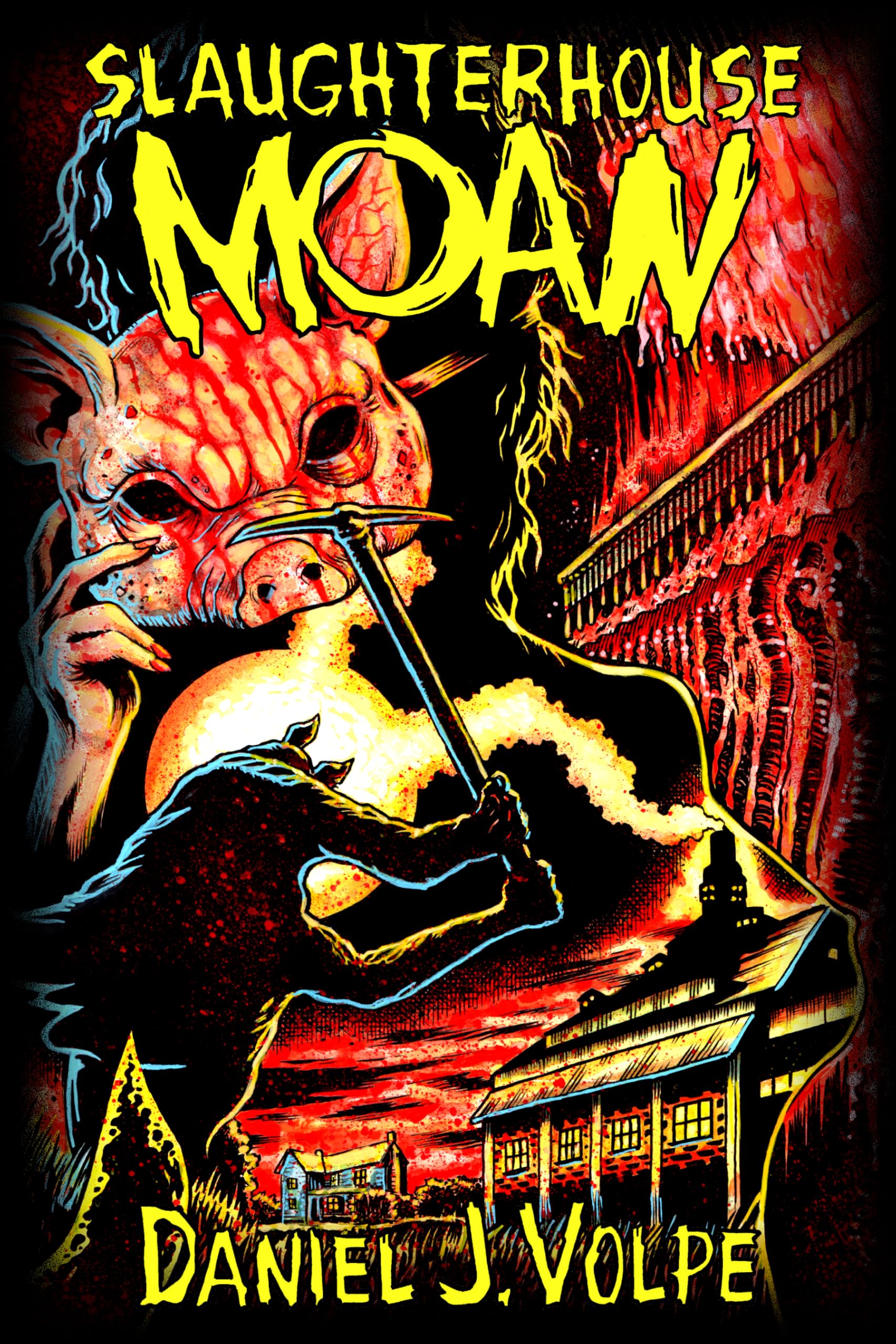
                • Cover of Slaughterhouse Moan
                  Slaughterhouse Moan

                  Daniel J. Volpe · standalone novel · 2025

                  similar byhorrorcountryside & village+1 more

                  ● "The Winslow Farm is a dying slice of Americana. Run by Bellah Winslow, the "Princess of Pork," and has seen better days, and along with her deformed daughter Hattie, Beulah performs unspeakable acts to keep the farm running. Meanwhile, Davey, with the threat of jail looming, he needs to secure a job to keep his probation officer off his case. He soon realizes by being a farmhand, jail might not be the worst fate. Also, JD, Ari, Rich, and Danielle have a flat tire, and that puts a damper on their plans. With limited funds, and nowhere to turn, the teens find themselves stuck in an old hunting cabin on the Winslow Farm. They soon find out that the screams from the slaughterhouse are nothing compared to what lurks in the woods." ― paraphrased from this book's product page on Amazon.com as 2025-10-10.

                • Cover of David Ash
                  David Ash

                  series · 3 books · 1988

                  completed

                  similar byhorror+1 more

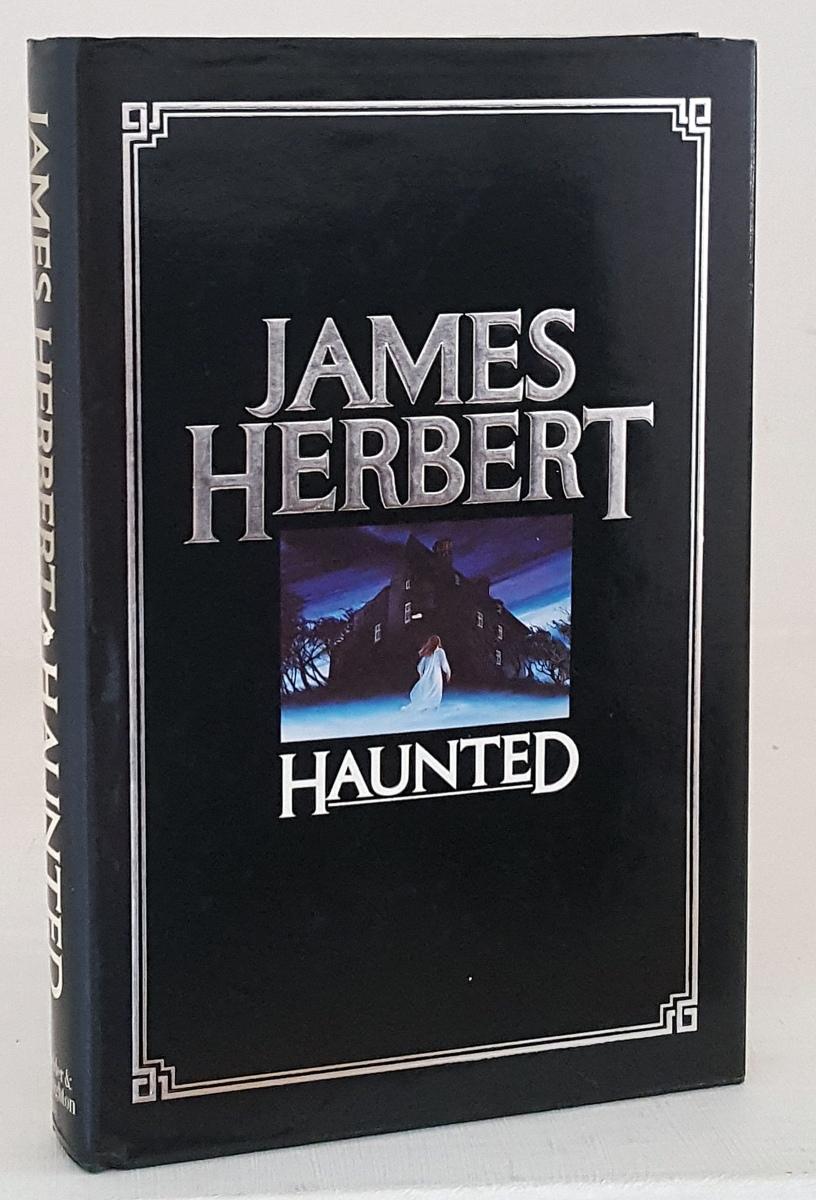
                  David Ash is a professional skeptic, a paranormal investigator who makes his living debunking hauntings until a case in an old English house convinces him something genuinely malicious is at work. James Herbert's Haunted, which began life as a BBC screenplay, launches Ash into a trilogy that continues through The Ghosts of Sleath and Ash, each pitting his hard-won doubt against increasingly undeniable horrors. The character's skepticism is the series' throughline, making each haunting a test of what he's willing to believe.

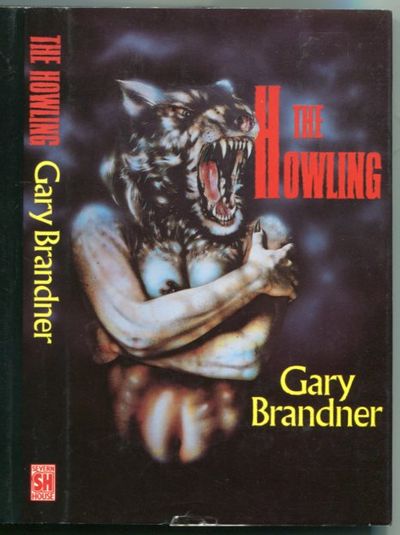
                • Cover of The Howling
                  The Howling

                  series · 3 books · 1977

                  completed

                  similar byhorror+1 more

                  The Howling, Gary Brandner's 1977 novel, sets a woman recovering from trauma against a small California town that turns out to be sheltering a colony of werewolves. Brandner wrote two further novels under the same title banner, The Howling II and The Howling III, but by the author's own account they're only loosely connected sequels rather than a continuous story, and neither maps onto the better-known film series the first book inspired.

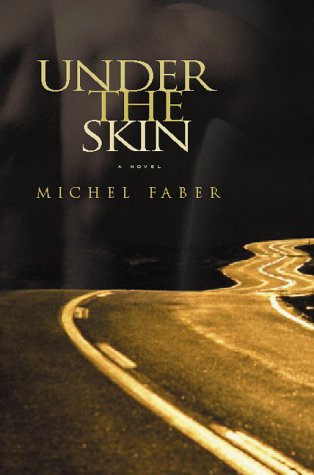
                • Cover of Under the Skin
                  Under the Skin

                  Michel Faber · standalone novel · 2000

                  similar byhorrorcountryside & village

                  Under the Skin is a 2000 science fiction novel by Michel Faber. Set on the coast in north-central Scotland, it traces an alien who, assuming human form, drives around the countryside picking up male hitchhikers whom she drugs and delivers to her home planet. The novel, which was Faber's debut, was shortlisted for the 2000 Whitbread Award. It was later loosely adapted into a 2013 film of the same name directed by Jonathan Glazer.

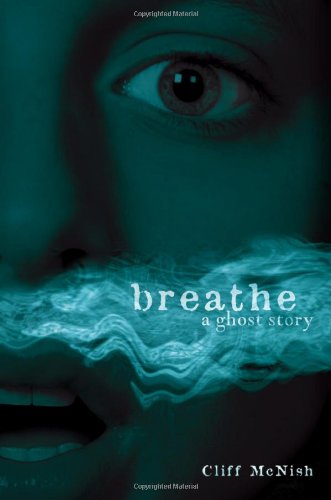
                • Cover of Breathe
                  Breathe

                  Cliff McNish · standalone novel · 2006

                  similar byhorrorcountryside & village

                  Breathe: A Ghost Story is a novel by English author Cliff McNish published in 2006 as McNish's first stand-alone novel. It is about a group of ghost children trapped inside an old farmhouse by a malignant spirit known as the Ghost Mother. Twelve-year-old Jack, suffering from chronic asthma, has just moved into the old house with his widowed mother, and discovers that the Ghost Mother wants him to herself.

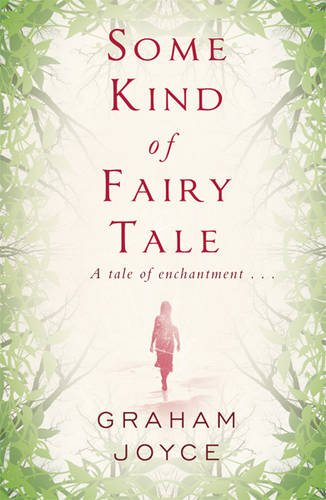
                • Cover of Some Kind of Fairy Tale
                  Some Kind of Fairy Tale

                  Graham Joyce · standalone novel · 2012

                  similar byhorrorcountryside & village

                  Some Kind of Fairy Tale is a 2012 novel by the British author Graham Joyce. A work of speculative fiction, it won the British Fantasy Society's Fantasy Novel of the Year award in 2013, and was nominated for the 2013 British Fantasy Award for Best Horror Novel, and the 2013 World Fantasy Award for best Novel.

                • Cover of Carrie
                  Carrie

                  Stephen King · standalone novel · 1974

                  similar byhorrorpsychological horror

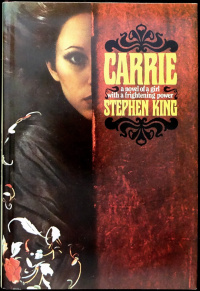
                  In one way or another, everybody abused Carrie. This sixteen-year-old misfit was forbidden everything that was young and fun by her fanatical mother. She was teased and taunted by her classmates, misunderstood by her teachers, and given up as hopeless by almost everyone. But Carrie had a secret: She possessed terrifying telekinetic powers that could make inanimate objects move, a lighted candle fall, or a door lock. Carrie could make all kinds of startling bizarre, and malevolent things happen. (WorldCat)

                • Cover of The Ceremonies
                  The Ceremonies

                  T. E. D. Klein · standalone novel · 1984

                  similar byhorrorcountryside & village

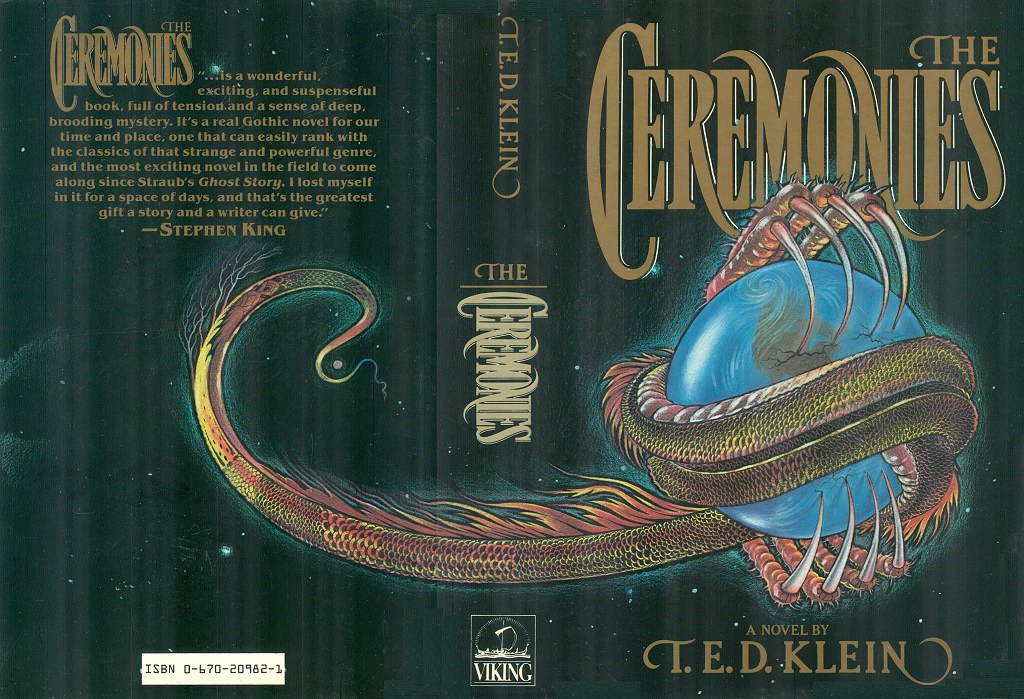
                  The Ceremonies is a novel by T. E. D. Klein published in 1984. The Ceremonies is an extension of Klein's earlier novella, "The Events at Poroth Farm", which he released in 1972.

                • Cover of My Brother's Keeper
                  My Brother's Keeper

                  Tim Powers · standalone novel · 2023

                  similar byhorrorcountryside & village

                  This is a ghost story. It is a story about werewolves, and things that go bump in the night. It is a story of an ill-fated land, the pathless moors of Northern England so well chronicled in Wuthering Heights. And it is the story of a real family whose destiny it is to deal with this darkly glamorous and dangerous world. When young Emily Brontë helps a wounded man she finds at the foot of an ancient pagan shrine in the remote Yorkshire moors, her life becomes contentiously entwined with his. He is Alcuin Curzon, embittered member of a sect working to eradicate the resurgent plague of lycanthropy in Europe and northern England. But Emily’s father, curate of the Haworth village church, is responsible for having unwittingly brought a demonic werewolf god to Yorkshire forty years ago—and it is taking possession of Emily’s beloved but foolish and dissolute brother. Curzon must regard Emily’s family as a dire threat. In spite of being at deadly odds, Emily and Curzon find themselves thrown together in fighting werewolves, confronting pagan gods, even saving each other from the lures of moorland demons. And in a final battle that sweeps from the haunted village of Haworth to a monstrous shrine far out on the moors, the two of them must be reluctant allies against an ancient power that seems likely to take their souls as well as their lives.

                • Cover of The Ocean at the End of the Lane
                  The Ocean at the End of the Lane

                  Neil Gaiman · standalone novel · 2013

                  similar bycountryside & village+1 more

                  A seven year old farm boy becomes friends with an eleven year old neighbor girl, who he discovers is ancient and powerful and intervenes when a nonhuman entity attempts to make a home in earthly reality.

                • Cover of The Shining
                  The Shining

                  series · 5 books · 1977

                  similar byhorror+1 more

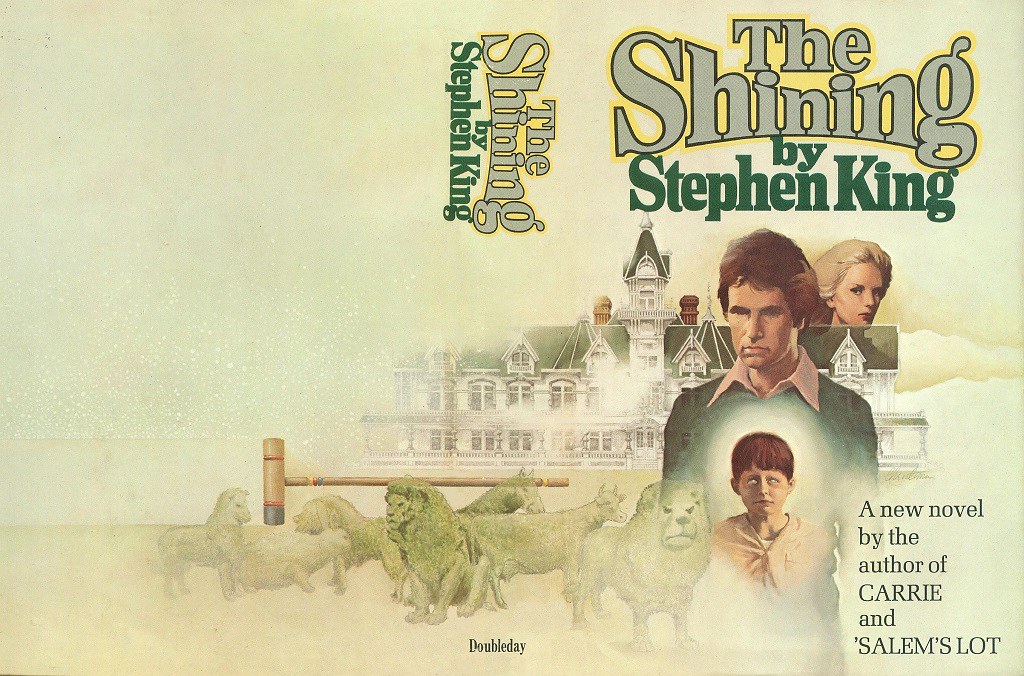
                  Stephen King's 1977 novel The Shining follows the Torrance family as winter caretakers of the isolated, malevolent Overlook Hotel, where father Jack is gradually consumed by the hotel's influence while his young son Danny's psychic "shining" draws its attention. Doctor Sleep (2013) picks up the story decades later, following Danny as an adult still marked by that childhood ordeal. Together the two form a horror duology spanning nearly forty years of real-world publication.

                • Cover of Benighted
                  Benighted

                  J. B. Priestley · standalone novel · 1927

                  similar byhorrorcountryside & village

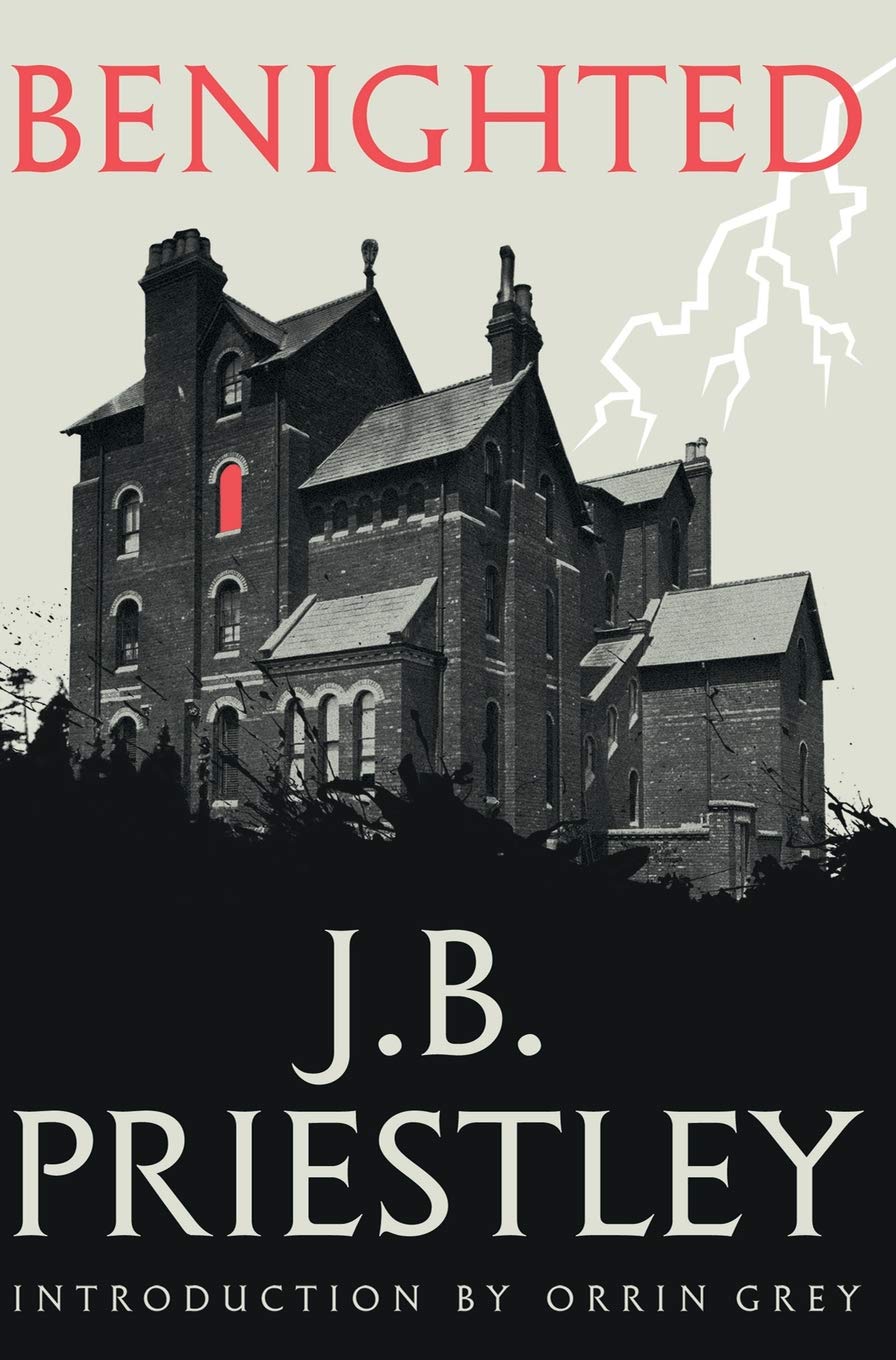
                  A story of post-First World War disillusionment. A number of travellers are forced to take shelter at an old country house during a storm. [Wikipedia]