More like Alien Prey
anchored on:horroraliensour worldcontemporaryyoung adultscience fiction+3 more
but
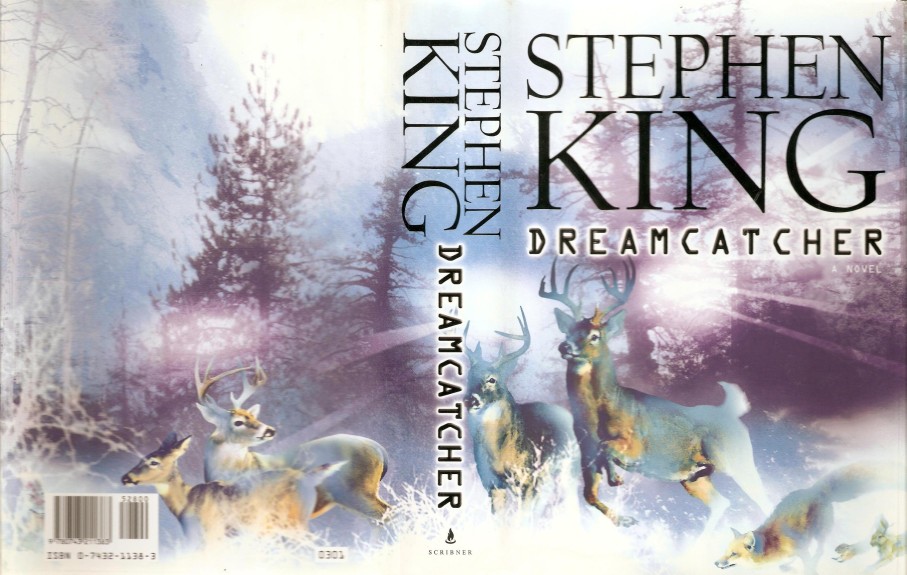
- Dreamcatcher
Stephen Kingstandalone novel2001
similar bytensealienscontemporaryhorrorsurvivalscience fiction
Dreamcatcher is a 2001 science fiction horror novel by American writer Stephen King, featuring elements of body horror, suspense and alien invasion. The book, written in longhand, helped the author recuperate from a 1999 car crash, and was completed in half a year. According to the author in his afterword, the working title was Cancer. His wife, Tabitha King, persuaded him to change the title. A film adaptation was released in 2003.
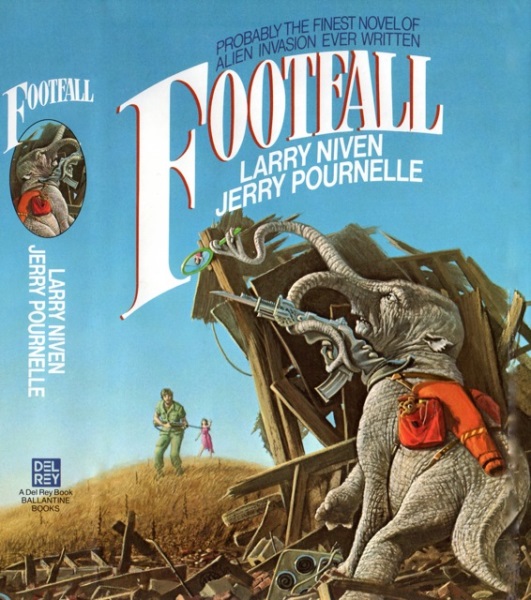
- Footfall
Larry Niven & Jerry Pournellestandalone novel1985
similar bytensealienscontemporarysurvivalscience fictionour world
When aliens travel to Earth from Alpha Centauri, differences between alien and human psychology result in an unprovoked invasion, and the resulting resistance results in the aliens' use of a devastating weapon.
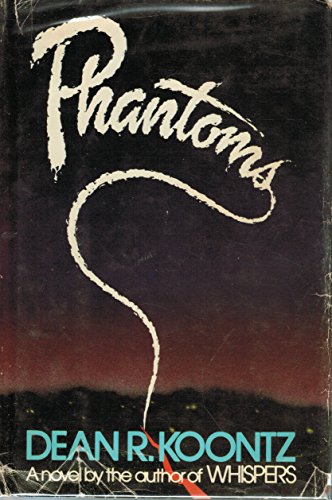
- Phantoms
Dean R. Koontzstandalone novel1983
similar bytensecontemporaryhorroralienssurvivalscience fictionsmall town
A doctor and her young sister find all the residents of their town have been brutally slaughtered by a giant intelligent synctial organism millions of years old, whose periodic emergences from its underground lair to feed cause events ranging from mass disappearances to mass extinctions. In order to defeat it and save humanity, they must outwit it.
- Cell
Stephen Kingstandalone novel2006
similar bytensecontemporaryhorrorsurvivalscience fictionour world
In Cell, King taps into readers fears of technological warfare and terrorism. Mobile phones deliver the apocalypse to millions of unsuspecting humans by wiping their brains of any humanity, leaving only aggressive and destructive impulses behind. Those without cell phones, like illustrator Clayton Riddell and his small band of "normies," must fight for survival, and their journey to find Clayton's estranged wife and young son rockets the book toward resolution.
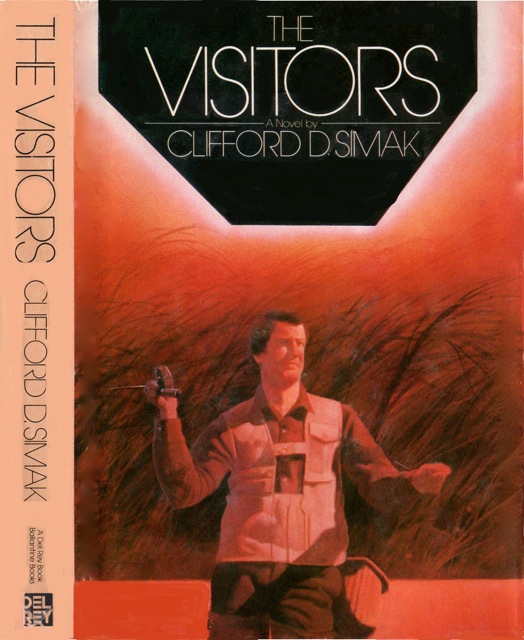
- The Visitors
Clifford D. Simakstandalone novel1980
similar bytensealienscontemporarysurvivalscience fictionour world
WorldCat: Intelligent, alien creatures arrive on Earth from outer space, threatening world stability and presaging the destruction of civilization.
- Jerusalem's Lot
series3 books1975
similar bytensecontemporaryhorrorour worldsmall town+1 more
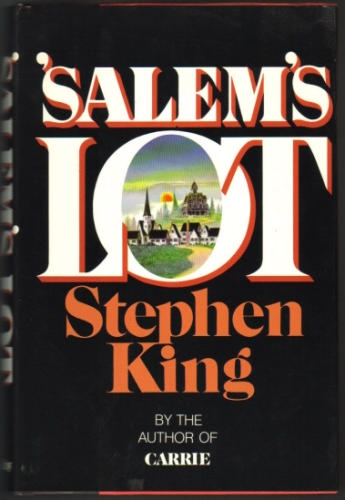
Stephen King's 1975 novel 'Salem's Lot follows writer Ben Mears as he returns to his childhood town of Jerusalem's Lot, Maine, only to discover that its residents are being turned into vampires by a newly arrived stranger. It transplants Gothic vampire horror into a small New England community, tracking that community's collapse under a supernatural siege. It is a single, self-contained novel.
- The Wanderer
Fritz Leiberstandalone novel1964
similar bytensecontemporaryalienssurvivalscience fictionour world
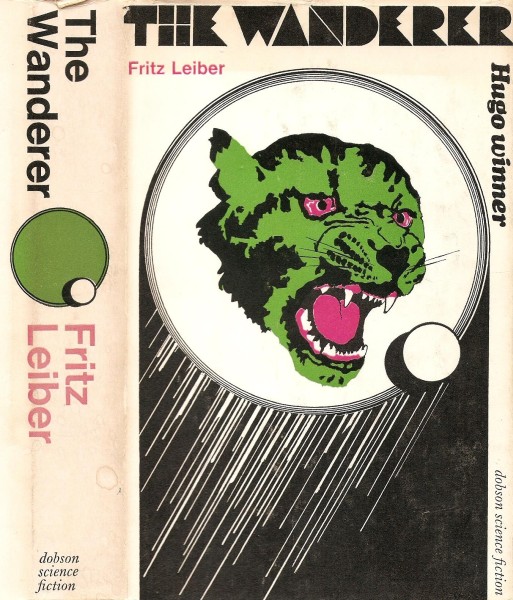
The Wanderer is a science fiction novel by American writer Fritz Leiber, published as a paperback original by Ballantine Books in 1964. It won the 1965 Hugo Award for Best Novel.
- The Andromeda Strain
series2 books1969
similar bytensecontemporarysurvivalscience fiction+2 more
Michael Crichton's 1969 novel The Andromeda Strain follows a team of scientists racing to contain a lethal extraterrestrial microorganism that crash-lands in Arizona, told in the clinical, document-driven style that helped establish the techno-thriller genre. Daniel H. Wilson's authorized 2019 sequel The Andromeda Evolution revisits the same threat five decades later. Together the two books form a two-part outbreak story separated by a fifty-year gap in publication.
- Coldbrook
Tim Lebbonstandalone novel2012
similar bytensecontemporaryhorroralienssurvivalscience fictionour world
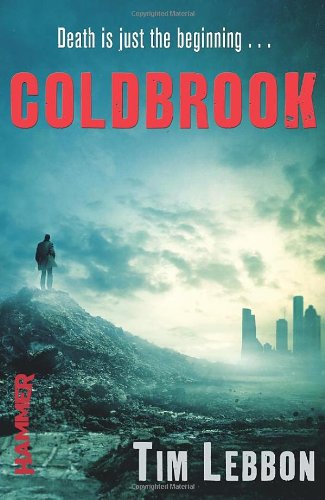
The world as we know it has changed forever. The reason is Coldbrook. The facility lay deep in Appalachian Mountains, a secret laboratory called Coldbrook. Its scientists had achieved the impossible: a gateway to a new world. Theirs was to be the greatest discovery in the history of mankind, but they had no idea what they were unleashing.
- The Fog
James Herbertstandalone novel1975
similar bytensecontemporaryhorrorsurvivalour world+1 more
The Fog is a horror novel by English writer James Herbert, published in 1975. It is about a deadly fog that drives its victims insane when they come into contact with it.
- Island Red
Matt Serafinistandalone novel2016
similar bytensealienscontemporarysurvivalscience fictionhorrorour world
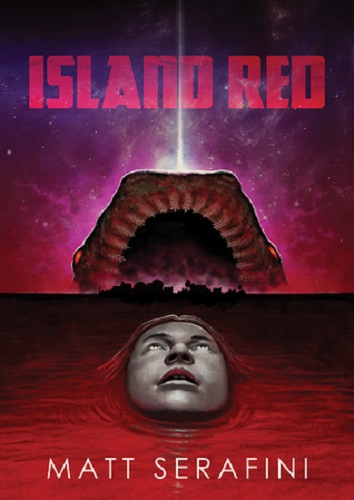
●"Crystal Key is the perfect island getaway...until a frilled shark turns the waters around it into a feeding ground. That's just the start of the carnage, because a bloodthirsty predator is also out to get the island's residents. An alien parasite that will transform friends and family into mindless, murderous husks. Then when a hurricane descends, a teenage boy, his estranged father, and a low-level gangster must band together to escape the extraterrestrial onslaught." ― paraphrased from this book's product page on Amazon.com as of 2022-12-20.
- The Black Cloud
Fred Hoylestandalone novel1957
similar bytensealienssurvivalscience fictionour world
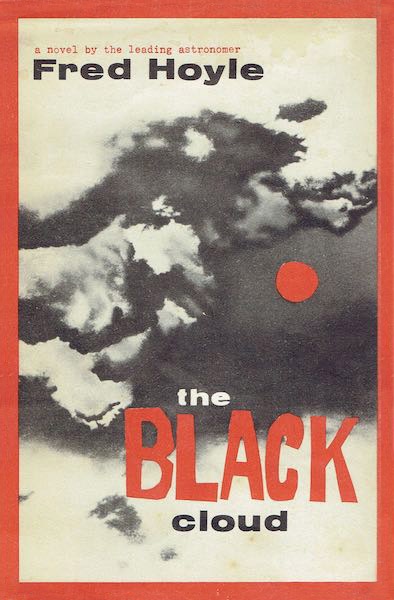
The Black Cloud is a 1957 science fiction novel by British astrophysicist Fred Hoyle. It details the arrival of an enormous cloud of gas that enters the Solar System and appears about to destroy most of the life on Earth by blocking the Sun's radiation.
- The Kraken Wakes
John Wyndhamstandalone novel1953
similar bytensealienssurvivalscience fictionour world
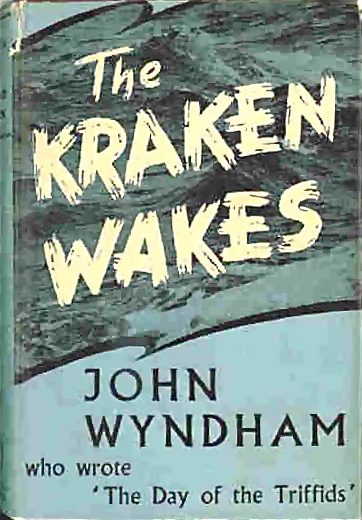
" Behind a spectacular meteor shower actually hides the beginning of an invasion by a mysterious and powerful alien race. Earth's life is disrupted by the attacks of extraterrestrials whose war machines, emerging from the depths of the oceans, seem indestructible. The coalitioned forces of the whole world are worthless, powerless in the face of the indecipherable and deadly plans of a superior intelligence, capable of bringing the entire planet to the brink of catastrophe" Goodreads May 20, 2022
- Sleeping Beauties
Stephen King & Owen Kingstandalone novel2017
similar bytensecontemporaryhorrorsurvivalscience fictionsmall town
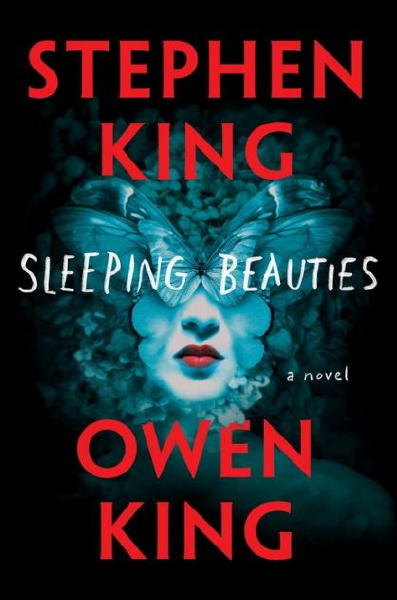
Sleeping Beauties is a novel by Stephen King and his son Owen King, released on September 26, 2017. The book was first mentioned during a promotional appearance on the CBC radio program q. Of the novel, Stephen King stated, "Owen brought me this dynamite idea and I've collaborated a couple of times with Joe. I'm not going to say what the idea is because it's too good."
- Into the Out of
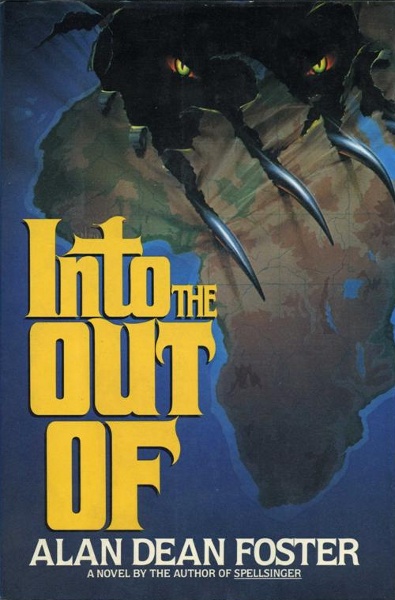
Alan Dean Fosterstandalone novel1986
similar bytensecontemporaryhorroraliensscience fiction+2 more
Into the Out Of (1986) is a horror-science fiction novel by American writer Alan Dean Foster.
- Our Children's Children
Clifford D. Simakstandalone novel1974
similar bytensecontemporaryalienssurvivalscience fictionour world
From the back cover of the first DAW printing: "They were our children's children, and they came one day from nowhere - walking through holes in the air into our world. By means of one-way time tunnels, they fled the ravening beasts with teeth, claws and tentacles, that reproduced like bacteria and were intelligent. They fled to escape the uncontrolled horror of their own far future, and we, their distant ancestors, housed and fed and comforted them, content in their assurance that the tunnel was securely guarded from the beasts, whatever or whoever they were. But then somebody up there slipped and the beasts were abroad..."
- Under the Dome
Stephen Kingstandalone novel2009
similar bytensecontemporarysurvivalscience fictionhorrorsmall town
A small town in Maine finds itself suddenly cut off from the outside world by an impenetrable barrier, and the clash of personalities of the trapped people takes its inexorable devastating course.
- I Am Legend
Richard Mathesonstandalone novel1954
similar bytensehorrorsurvivalscience fictionour world
The last human survivor of the vampire epidemic has to maintain his defences against their onslaught, while attempting to research the cause and possibly solution to the plague. Robert Neville is the last living man on Earth... but he is not alone. Every other man, woman and child on the planet has become a vampire, and they are hungry for Neville's blood. By day he is the hunter, stalking the undead through the ruins of civilization. By night, he barricades himself in his home and prays for the dawn. How long can a man survive like this?
- The Nightmare People
Lawrence Watt-Evansstandalone novel1990
similar bytensecontemporaryhorroraliensour worldsmall town+2 more
One night Ed Smith thought he was having a waking nightmare when he saw a monstrous face at his window, but in the morning his neighbors were missing. The people who later turned up were not quite right, and gradually Smith realized they not only weren't his neighbors, but weren't even human--they were the creatures he had seen ? Watt-Evans has created a terrifying new monster in the classic tradition of Frankenstein and Dracula!
- Tripods
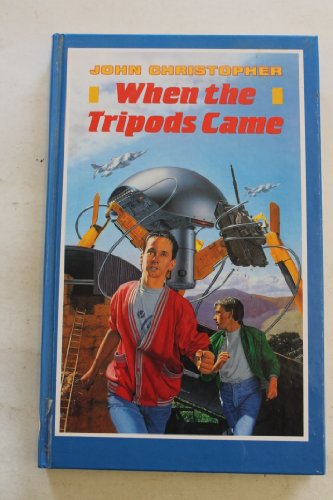
series4 books1967
completed
similar bytensealiensscience fictionour worldyoung adult+1 more
The Tripods is a series of young adult science fiction novels by John Christopher. The series takes place in a post-apocalyptic world where humanity is enslaved by "Tripods"—gigantic three-legged walking machines piloted by an alien race later identified as the "Masters". The first two books were the basis of a science fiction TV series, produced in the United Kingdom in the 1980s.
- Invasion
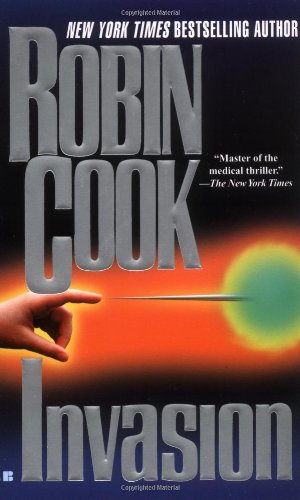
Robin Cookstandalone novel1997
similar bytensealienscontemporaryscience fictionour world+1 more
Earth is bombarded from space by small disks which, in addition to having powerful physical armaments, when handled activate latent viral DNA which causes humans to mutate into alien beings; a small group recognize the danger and attempt to develop a biological counterweapon.
- Rats
series4 books1974
completed
similar bytensecontemporaryhorrorsurvival+2 more
The Rats, James Herbert's 1974 debut novel, imagines a plague of giant mutant rats overrunning London, told through a rotating cast of victims and survivors in the tradition of British disaster horror. It was followed by two sequels, Lair and Domain, which widen the outbreak first to the countryside and then to a besieged, apocalyptic city, completing a three-book trilogy.
- The Body Snatchers
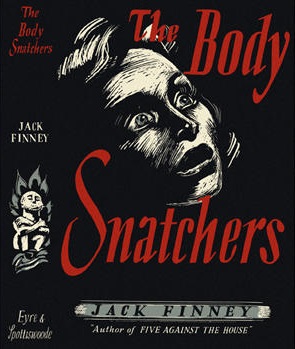
Jack Finneystandalone novel1955
similar bytensealienshorrorscience fictionsmall town+1 more
The Body Snatchers is a science fiction horror novel by American writer Jack Finney, originally serialized in Collier's magazine in November–December 1954 and published in book form the following year.