More like AMPED
anchored on:science fictiongenetic engineeringnear futuretensetechno-thrillerour world
but
- Wired (Douglas E. Richards)
series2 books2012
similar bygenetic engineeringtensenear futureour worldscience fictiontechno-thriller
Wired opens Douglas E. Richards's two-book techno-thriller about genetic engineer Kira Miller, whose discovery of a way to unlock temporary savant-level intelligence turns her into both a scientific breakthrough and a fugitive, and David Desh, the former special-forces operative sent to track her down. The story escalates from a bioterror investigation into a fight over the future of engineered human cognition, continuing directly into the 2012 sequel Amped. Richards, primarily a science-fiction and thriller writer, built both books into New York Times and USA Today bestsellers rather than a longer franchise.
- Darwin
series2 books1999
completed
similar bygenetic engineeringnear futurescience fictiontense+2 more
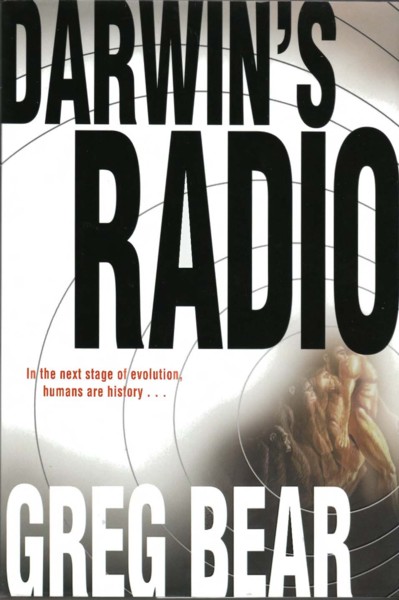
Greg Bear's Darwin's Radio imagines a dormant retrovirus in human DNA activating worldwide, triggering an accelerated leap in human evolution that governments respond to as a plague. The 1999 novel won the Nebula Award; its sequel Darwin's Children follows the first generation of changed children as society decides what to do with them. Together they're speculative near-future science fiction grounded in genetics rather than space opera.
- Blood Music
Greg Bearstandalone novel1985
similar bygenetic engineeringnear futureour worldscience fiction+1 more
Blood Music is a 1985 science fiction novel by American writer Greg Bear. It is an expanded version of a short story of the same title, originally published in the June 1983 issue of Analog and the winner of both the 1983 Nebula and 1984 Hugo awards for Best Novelette. The novel won the 1986 Prix Apollo Award, given to the best science fiction novel published in France during the preceding year, under the title La Musique du sang.
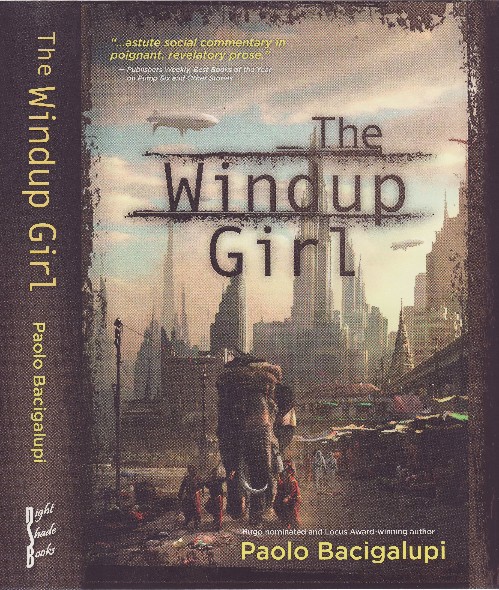
- The Windup Universe
series3 books2005
similar bygenetic engineeringnear futureour worldscience fiction+1 more
- Seveneves
Neal Stephensonstandalone novel2015
similar bygenetic engineeringnear futurescience fictionour worldtensechallenging
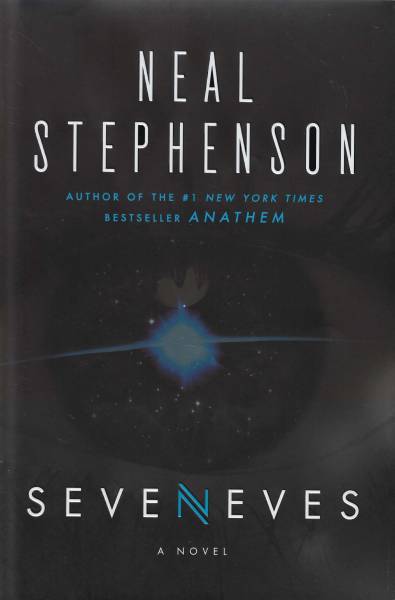
Seveneves is a science fiction novel by Neal Stephenson published in 2015. The story tells of the desperate efforts to preserve Homo sapiens in the wake of apocalyptic events on Earth after the unexplained disintegration of the Moon and the remaking of human society as a space-based civilization after a severe genetic bottleneck.
- The Eyes of Heisenberg
Frank Herbertstandalone novel1966
similar bygenetic engineeringtenseour worldscience fiction
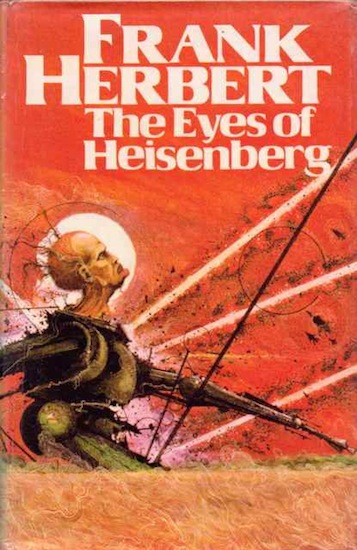
Tens of thousands of years in the future, Earth is ruled by the Optimen, a genetically engineered aristocracy that has made itself functionally immortal, while ordinary people, the Folk, live under strict reproductive control. When Harvey and Lizbeth Durant arrive to have their embryo genetically screened, the examining doctor finds something in the child no one has seen in a very long time: real potential for both fertility and life span, traits the Optimen have arrogated to themselves. Rather than destroy the embryo as policy demands, the doctor hesitates, setting off a chain of surveillance, suspicion and resistance. A tightly wound Frank Herbert thriller about genetic caste and rebellion.
- Stand on Zanzibar
John Brunnerstandalone novel1968
similar bygenetic engineeringnear futureour worldscience fictionchallenging
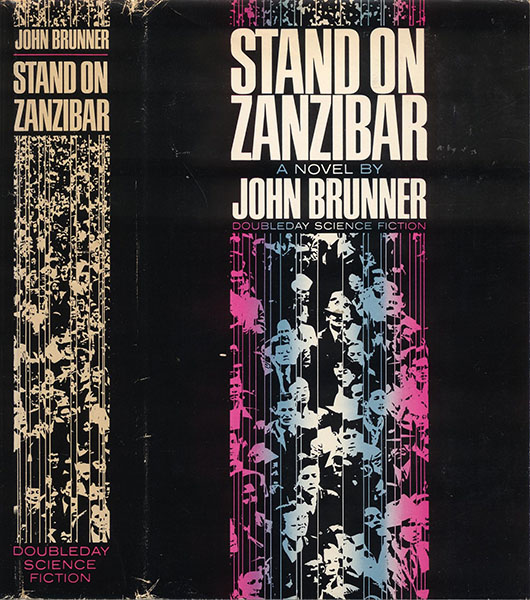
Stand on Zanzibar is a dystopian New Wave science fiction novel written by John Brunner and first in part published in New Worlds magazine in 1967 and in book form in 1968. The book won a Hugo Award for Best Novel at the 27th World Science Fiction Convention in 1969, as well as the 1969 BSFA Award and the 1973 Prix Tour-Apollo Award.
- Limit of Vision
Linda Nagatastandalone novel2001
similar bygenetic engineeringnear futureour worldscience fictiontense+1 more
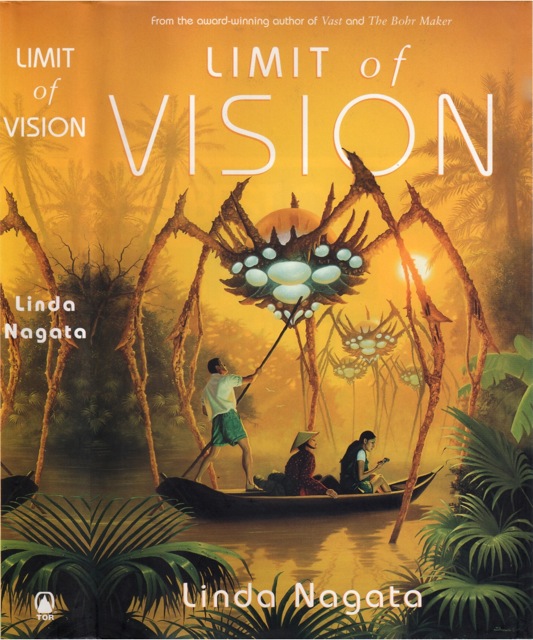
Limit of Vision is a 2001 science fiction book by American writer Linda Nagata. Like many of Nagata's novels, it contains themes of nanotechnology and genetic engineering, as well as government and corporate corruption, in this case as suppressors of positive and liberating transhumanizing technology.
- Friday
Robert A. Heinleinstandalone novel1982
similar bygenetic engineeringnear futurescience fictiontense
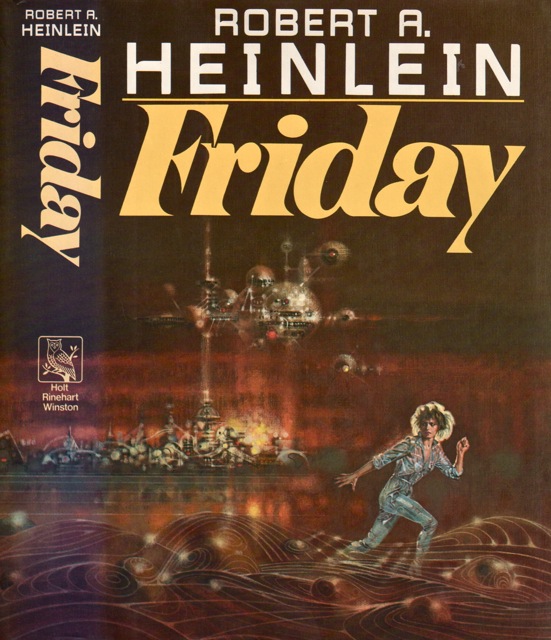
Friday is a 1982 science fiction novel by American writer Robert A. Heinlein. It is the story of a female "artificial person", the eponymous Friday, genetically engineered to be stronger, faster, smarter, and generally better than normal humans. Artificial humans are widely resented, and much of the story deals with Friday's struggle both against prejudice and to conceal her enhanced attributes from other humans. The story is set in a Balkanized 21st century, in which the nations of the North American continent have been split up into a number of smaller states.
- Upgrade
Blake Crouchstandalone novel2022
similar bygenetic engineeringtensenear futurescience fiction+1 more
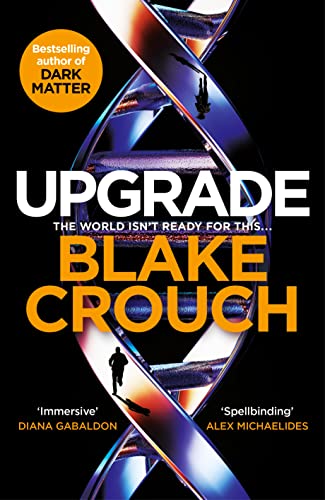
Upgrade is a 2022 novel by Blake Crouch. It is his tenth stand-alone novel, published three years after Summer Frost (2019). The novel explores the ethical and existential ramifications of genetic engineering, set in a near-future world where humanity grapples with the consequences of advanced human genetic enhancement.
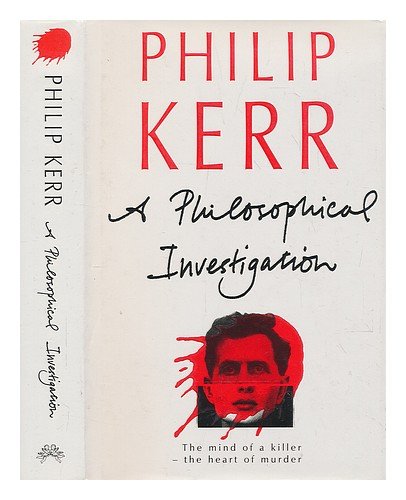
- A Philosophical Investigation
Philip Kerrstandalone novel1992
similar bygenetic engineeringtensenear futureour worldscience fiction+1 more
A near future thriller about a medical breakthrough that allows to identify violent sociopaths and the social changes that it triggers.
- Prey
Michael Crichtonstandalone novel2002
similar bygenetic engineeringtenseour worldscience fictiontechno-thriller
Prey is the thirteenth novel by Michael Crichton under his own name and his twenty-third novel overall. It was first published in November 2002, making it his first novel of the twenty-first century. An excerpt was first published in the January–February 2003 issue of Seed magazine. Prey brings together themes from two earlier Crichton best-selling novels, Jurassic Park and The Andromeda Strain, and serves as a cautionary tale about developments in science and technology: in particular, nanotechnology, genetic engineering, and distributed artificial intelligence.
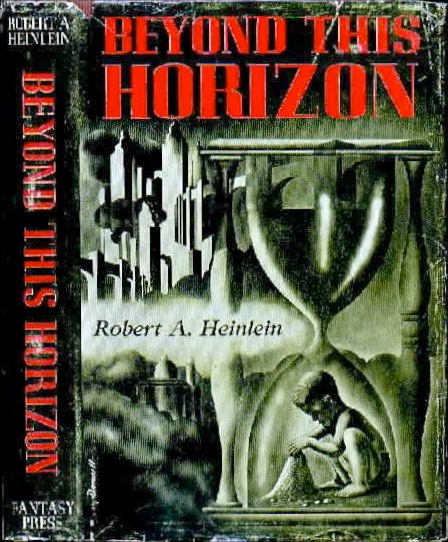
- Beyond This Horizon
Robert A. Heinleinstandalone novel1948
similar bygenetic engineeringour worldscience fiction+1 more
From the front flap of a 2001 Baen reprint: "Utopia has been achieved. For centuries, disease, hunger, poverty, and war have been things found only in the history tapes. And applied genetics has given men and women the bodies of athletes and a lifespan of over a century. They should all have been very happy... But Hamilton Felix is bored. And he is the culmination of a star line, each of his last thirty ancestors chosen for superior genes. Hamilton is, as far as genetics can produce one, the ultimate man. And this ultimate man can see no reason why the human race should survive, and has no intention of continuing the pointless comedy. However, Hamilton's life is about to become less boring. A secret cabal of revolutionaries who find utopia not just boring, but desperately in need of leaders who know just What Needs to be Done, are planning to revolt and put themselves in charge. Knowing of Hamilton's disenchantment with the modern world, they have recruited him to join their Glorious Revolution. Big mistake! The revolutionaries are about to find out that recruiting a superman was definitely not a good idea..."
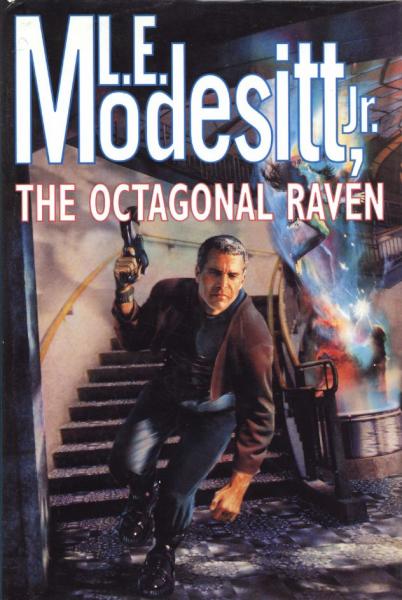
- The Octagonal Raven
L. E. Modesitt & Jr.standalone novel2001
similar bygenetic engineeringtensenear futureour worldscience fictiontechno-thriller
From the front flap of the first edition: Someone is trying to kill Daryn Alwyn. Born to privilege with preselected genetic advantages and the best nanotech augmentation his father's fabulous fortune can buy, Daryn spurned the lucrative family Media Network to seek his own path, a craft raven among soaring eagles. After serving with distinction as a space pilot in the military, he enjoys success as a media consultant. But when he finds himself the target of sophisticated murder attempts, his world is turned upside down. It seems unlikely that his success outside the family business could have inspired such expensive assassination attempts, and his father and brother and sister would be more obvious targets within the family. Then is sister is killed, and Daryn is her heir - suddenly he is one of the richest and most powerful men in the world. Modesitt's new SF thriller lays bare the prejudices of the powerful in a fascinating future society, and it reads like an express train.
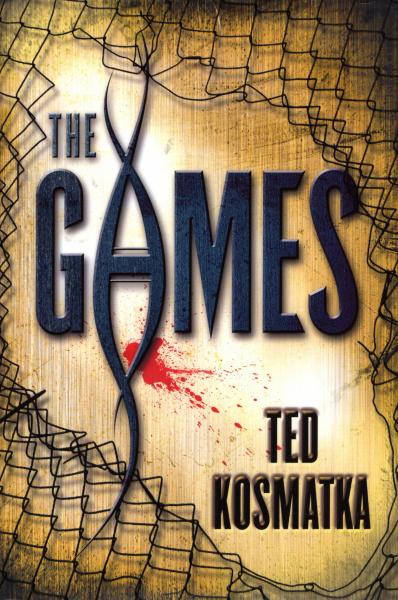
- The Games
Ted Kosmatkastandalone novel2012
similar bygenetic engineeringnear futureour worldscience fictiontense
The Games is a 2012 science fiction novel by Ted Kosmatka, exploring the effects of advances in artificial intelligence and genetics on sport. It was a finalist for the 2013 Locus Award for Best First Novel.
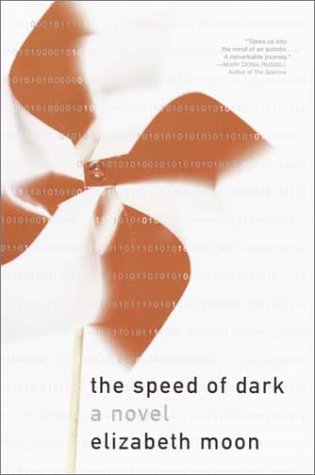
- The Speed of Dark
Elizabeth Moonstandalone novel2002
similar bygenetic engineeringnear futureour worldscience fiction
From the Penguin Random House website In the near future, disease will be a condition of the past. Most genetic defects will be removed at birth; the remaining during infancy. Lou Arrendale, a high-functioning autistic adult, is a member of the lost generation, born at the wrong time to reap the rewards of medical science. He lives a low-key, independent life. But then he is offered a chance to try a brand-new experimental "cure" for his condition. With this treatment Lou would think and act and be just like everyone else. But if he was suddenly free of autism, would he still be himself? Would he still love the same classical music — with its complications and resolutions? Would he still see the same colors and patterns in the world—shades and hues that others cannot see? Most important, would he still love Marjory, a woman who may never be able to reciprocate his feelings? Now Lou must decide if he should submit to a surgery that might completely change the way he views the world ... and the very essence of who he is.
- Defenders
Will McIntoshstandalone novel2014
similar bygenetic engineeringnear futureour worldscience fictiontense
Summary from copyright page: "When Earth is invaded by telepathic aliens, humanity responds by creating the defenders. They are the perfect warriors - seventeen feet tall,knowing and loving nothing but war, their minds closed to the aliens. The question is, what do you do with millions of genetically engineered warriors once the war is won? A novel of power, alliance, violence, redemption,sacrifice, and yearning for connection, Defenders presents a revolutionary story of invasion, occupation, and resistance."
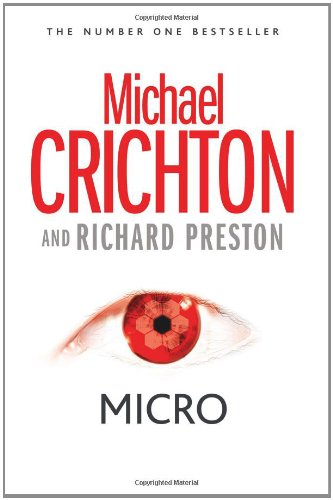
- Micro
Michael Crichton & Richard Prestonstandalone novel2011
similar bygenetic engineeringtenseour worldscience fictiontechno-thriller
Micro is a techno-thriller novel by Michael Crichton, the seventeenth under his own name and second to be published after his death, published in 2011. Upon his death in 2008, an untitled, unfinished manuscript was found on his computer, which would become Micro. Publisher HarperCollins chose science writer Richard Preston to complete the novel from Crichton's remaining notes and research, and it was finally published in 2011. Micro followed the historical thriller Pirate Latitudes, which was also found on his computer and published posthumously in 2009.
- Caitlyn (Sigmund Brouwer)
series2 books2008
similar bygenetic engineeringtensenear futureour worldscience fiction
- The Twilight of Briareus
Richard Cowperstandalone novel1974
similar bygenetic engineeringnear futureour worldscience fictiontense
It took the light of the supernova Briareus Delta one hundred and thirty-two years to cross space to the Solar System. But the night it exploded in our sky was a night that would never be forgotten in the history of the world. For in that bath of cosmic particles, all things changed. Not only the weather and the flora and fauna, but humanity itself received what seemed to be its death sentence. Sterility signalled the end of man, until the strange children known as the Zeta-mutants began to appear. Richard Cowper, author of Clone and other sf novels, has produced in this new novel a gripping story of how one man coped with the terrible dilemma of his world - how he attempted to solve the problem of the girls with the amber eyes and what he did when he found out what he himself had become during The Twilight of Briarseus. (from the back cover of the DAW Books first printing)
- Toys
James Patterson & Neil McMahonstandalone novel2011
similar bygenetic engineeringnear futureour worldscience fictiontense
Toys is a novel by James Patterson and Neil McMahon published by Little, Brown and Company in December 2011. Set in the future where humans are seen as an inferior species, Toys revolves around an "Elite" Hays Baker, who is endowed with superhuman attributes and is a high-ranking government official; however, in an unexpected turn of events, he is made to flee for his life.
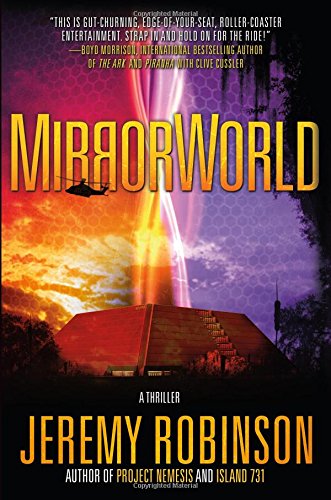
- MirrorWorld
Jeremy Robinsonstandalone novel2015
similar bygenetic engineeringtensenear futureour worldscience fiction
"Crazy has no memory and feels no fear. Dangerous and unpredictable, he's locked away in SafeHaven, a psychiatric hospital, where he spends the long days watching Wheel of Fortune and wondering what the outside world smells like. When a mysterious visitor arives and offers him a way out Crazy doesn't hesitate to accept. But outside the hospital Crazy is faced with a world on the brink of nuclear annihilation, and find himself relocated to Neuro Inc., a secretive corporation with strange government ties. When he discovers evidence of human experimentation he escapes with a syringe, the contents of which are unknown to him but precious to Neuro. Cornered and with a complete disregard for the results, Crazy makes himself indispensable by injecting the substance into his leg. As the substance enters his bloodstream, though, his eyes are opened to a world beyond human experience, where fear is a tool and the shadows hide the source of mankind's nightmares. Struggling to understand his new abilities, Crazy allies himself with the company he fled and begins peeling back the layers of his past, the brewing war between worlds, how he can stop it and what he did to start it. With Crazy, Robinson, whose trademarked pacing and inventive plots have been highly praised by bestselling authors like Jonathan Maberry, Scott Sigler and James Rollins, treats readers to a wildly imaginative, frenetically paced thriller exploring the origins of fear"--
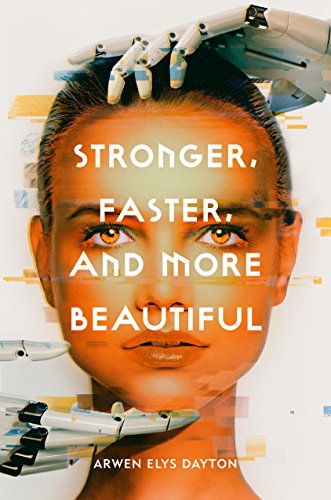
- Stronger, Faster, and More Beautiful
Arwen Elys Daytonstandalone novel2018
similar bygenetic engineeringnear futureour worldscience fictionchallenging
Stronger, Faster and More Beautiful is a 2018 science fiction novel by Arwen Elys Dayton. It explores the ethical question of how far humans will go in their pursuit of physical perfection. It was well received critically, with Tom Shippey of the Wall Street Journal citing it as one of the best science fiction novels of 2018, and has won a number of awards.