More like Ashes & Bones
but
- The Old Kingdom / Abhorsen milieu
series11 books1995
similar bysecondary worldfantasy+4 more
The Old Kingdom, or Abhorsen in North America and the UK, is a fantasy series written by Australian author Garth Nix. It originated in 1995 with the novel Sabriel and has continued in the novels Lirael (2001), Abhorsen (2003), Goldenhand (2016), and Terciel & Elinor (2021), as well as a prequel novel titled Clariel (2014). The Old Kingdom also consists of the novella The Creature in the Case (2005) and various other short fiction.
- The Scholomance
series3 books2020
similar bytensemagic schoolscoming of agesecondary worldfantasydark fantasydark
The Scholomance Trilogy is a series of three fantasy novels written by American author Naomi Novik. The books follow the adventures of Galadriel "El" Higgins during and after attending a dangerous and magical boarding school for wizards named after the magic school Scholomance from Romanian folklore.
- The Ancestor
series4 books2017
similar bymagic schoolscoming of agesecondary worldfantasydark fantasydark+1 more
The Book of the Ancestor trilogy is a series of three fantasy novels by Mark Lawrence. It comprises Red Sister (2017), Grey Sister (2018), and Holy Sister (2019). The three novels tell the story of Nona Grey, a peasant girl with mystical abilities. Red Sister was nominated for the 2018 David Gemmell Awards for Fantasy.
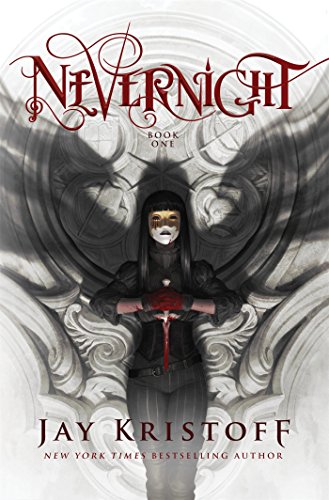
- Nevernight
series3 books2016
similar bysecondary worlddark fantasydark+4 more
The Nevernight Chronicle is a trilogy of adult fantasy novels by Australian novelist Jay Kristoff.
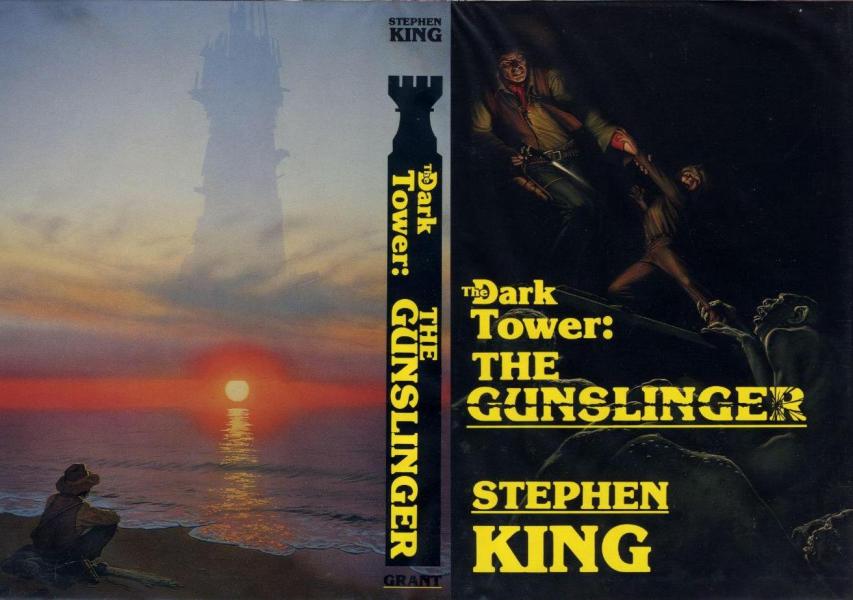
- Stephen King multiverse
universe46 books1967
Start hereThe Gunslinger · Start here
similar bydark+4 more
The man in black fled across the desert, and the gunslinger followed. So begins the long walk of Roland Deschain, last of an order of knight-errant pistoleers, across a land that has "moved on" — where the compass points drift, dead machines rot toward sentience, and the weave of what's real wears thin. His quest is the Dark Tower itself: a spire standing at the hub of every world that exists, the linchpin that holds all of them back from ruin. Roland's road runs eight volumes, from The Gunslinger through the closing Dark Tower, with the later, interleaved tale The Wind Through the Keyhole folding a story-within-a-story back into his youth. Along the way he draws a ka-tet — a fellowship bound by fate, not choosing — through doorways between worlds: a heroin-shackled New Yorker, a woman of two minds, a boy who dies twice. The Tower is also the secret axle around which the wider shelf of King's work turns; threads from The Stand, 'Salem's Lot and beyond wind quietly toward it. Expect a mongrel of Western, high fantasy, horror and decayed science fiction, told in a dusty, incantatory dialect all its own — ka, thankee-sai, the world that has moved on. This is King at his most mythic and most personal, a decades-spanning circle that rewards a patient reader. Begin at the beginning: The Gunslinger, then walk forward in publication order. There are other worlds than these — but this door opens first.
- A Song of Ice and Fire
series14 books1996
part of World of Ice and Fire
similar bysecondary worldfantasydark+2 more
A Song of Ice and Fire is a series of high fantasy novels by the American author George R. R. Martin. Martin began writing the first volume, A Game of Thrones, in 1991, and published it in 1996. Martin, who originally envisioned the series as a trilogy, has released five out of seven planned volumes. The most recent entry in the series, A Dance with Dragons, was published in 2011. Since then, Martin has been working on the sixth novel, titled The Winds of Winter. A seventh novel, A Dream of Spring, is planned to follow.
- The Nikolai Duology
series2 books2019
part of Grishaverse
similar bytensesecondary worldfantasydark+2 more
Leigh Bardugo's Nikolai Duology picks up Nikolai Lantsov and Zoya Nazyalensky from her earlier Grishaverse trilogy set in Ravka, now dealing with the kingdom's fallout as king and general, and adds Nina Zenik from the Six of Crows spin-off working a mission out of Ketterdam. King of Scars and its sequel Rule of Wolves tie together threads from across the wider Grishaverse rather than starting fresh, raising the stakes to a hidden threat inside Nikolai himself. It functions as the convergence point for Bardugo's separate Grishaverse story lines.
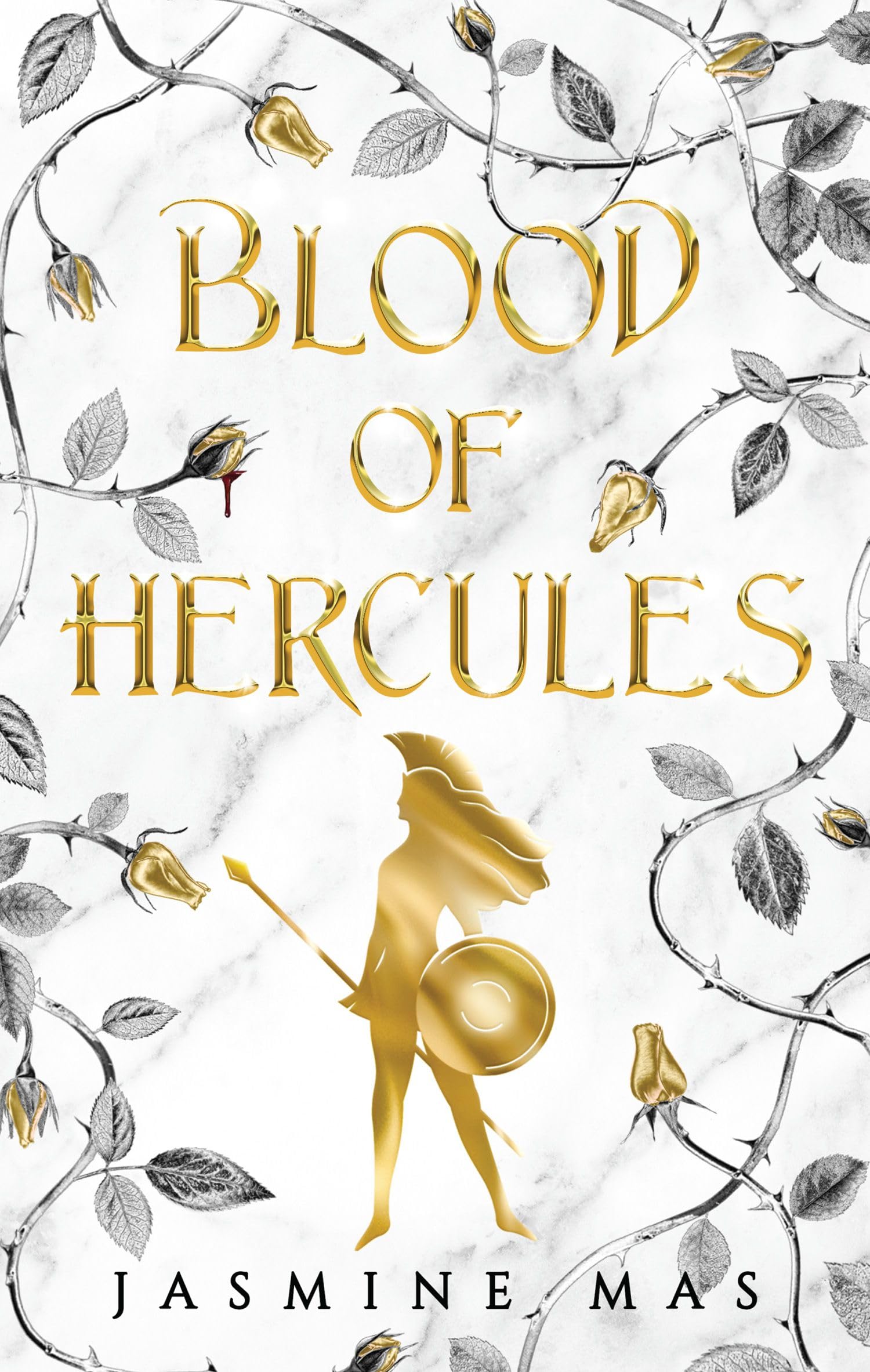
- Villains of Lore
series2 books2024
similar bytensesecondary worldfantasy+3 more
Blood of Hercules opens Jasmine Mas's series with a shy, scarred foster teenager who discovers a blood test marks her as one of the Spartans, an immortal elite ruling over a Titan-infested world, and finds herself forced into the brutal trials of the Spartan War Academy under mentors drawn from Greek myth. The book reframes her as a version of Hercules rather than a traditional chosen-one hero, surrounded by rivals who see her as a threat rather than an ally. The series continues with Bonds of Hercules.
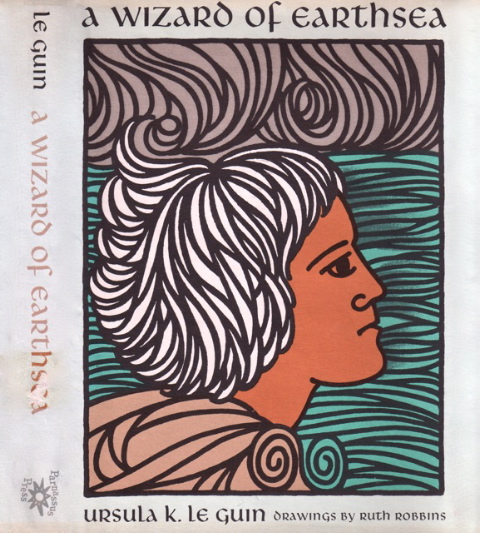
- Earthsea Cycle
series18 books1964
completed
part of Earthsea
similar bysecondary worldfantasy+1 more
The Earthsea Cycle, also known as Earthsea, is a series of high fantasy books written by American author Ursula K. Le Guin. Beginning with A Wizard of Earthsea (1968), The Tombs of Atuan (1970), and The Farthest Shore (1972), the series was continued in Tehanu (1990), and Tales from Earthsea and The Other Wind. In 2018, all the novels and short stories were published in a single volume, The Books of Earthsea: The Complete Illustrated Edition, with artwork by Charles Vess.
- The Half Bad Trilogy
series4 books2014
similar bytensefantasydark+3 more
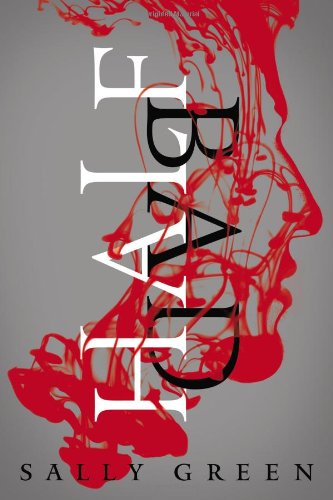
Sally Green's Half Bad is set in a modern Britain where witches live alongside ordinary humans, split between a persecuted Black witch minority and a dominant White witch majority. It follows seventeen-year-old Nathan Byrn, son of a White witch mother and the most feared Black witch in history, who must escape the Council's custody before his seventeenth birthday to receive his father's gifts or die. The story continues across Half Wild and Half Lost, with the novella Half Lies also part of the same catalog entry.
- The Black Magician Trilogy
series3 books2001
part of Kyralia series
similar bymagic schoolssecondary worldfantasy+2 more
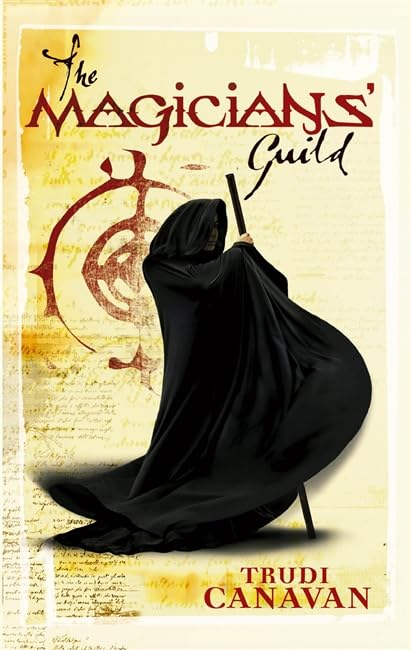
Trudi Canavan's Black Magician Trilogy (The Magicians' Guild, The Novice, The High Lord, 2001-2003) opens in the city of Imardin, where the ruling magicians' guild's annual purge of the slums goes wrong when a street girl named Sonea unknowingly shatters their protective shield with raw, untrained power. The guild must hunt her down and decide whether to control her or train her, and the trilogy follows Sonea's forced initiation into magical society and the guild's internal politics. It's Canavan's best-known trilogy and the founding story of her Kyralia setting.
- Hierarchy
series2 books2023
similar bytensemagic schoolscoming of agesecondary world
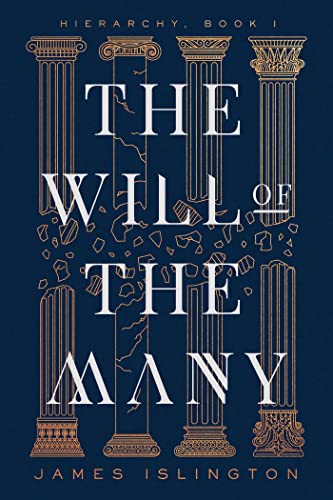
James Islington's Hierarchy series opens with The Will of the Many, set in the Catenan Republic, an empire built on 'Will' — citizens' personal strength and drive, ceded upward to those in power. Its protagonist infiltrates the empire's most prestigious academy under a false identity to investigate a murder and search for a hidden weapon, refusing to surrender his own Will to the empire that killed his family. The Strength of the Few continues the story as book two.
- Shattered Sea
series4 books2014
similar bycoming of agesecondary worldfantasydark+1 more
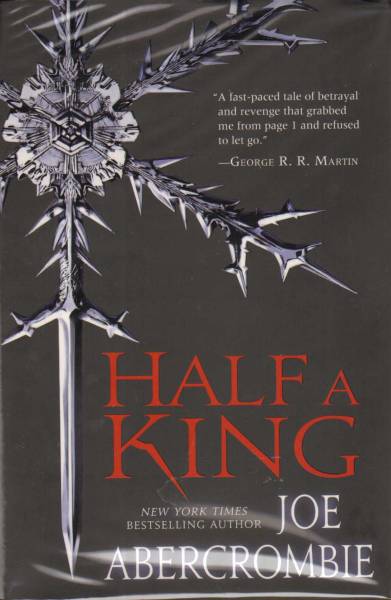
Shattered Sea is a young adult fantasy series written by the British author Joe Abercrombie. The trilogy was published by Del Rey in the United States and Harper Voyager in the UK.
- The Tapestry
series4 books2007
similar bymagic schoolsfantasy+3 more
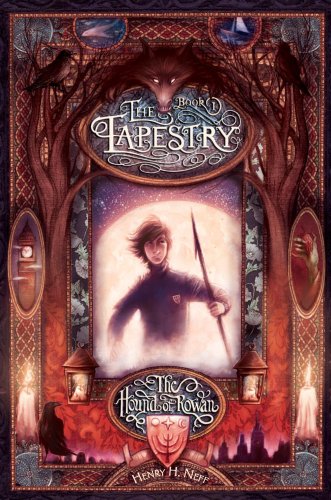
The Hound of Rowan opens Henry H. Neff's Tapestry series with Max McDaniels, a twelve-year-old who discovers a strange Celtic tapestry in a museum's secret room and finds a letter afterward directing him to Rowan Academy, a hidden school for gifted children like him. The series follows Max's education and the wider magical conflicts Rowan is drawn into across The Second Siege, The Fiend and the Forge, and The Maelstrom. Neff both wrote and illustrated the series.
- Word and the Void
series5 books1991
part of Shannara
similar bytensefantasydark+2 more
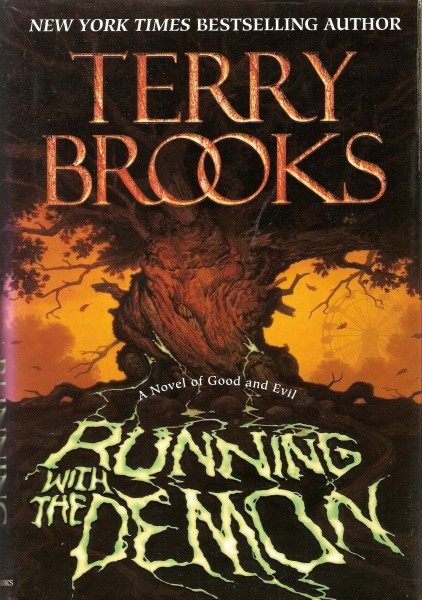
Shannara is a series of high fantasy novels written by Terry Brooks, beginning with The Sword of Shannara in 1977 and concluding with The Last Druid which was released in October 2020; there is also a prequel, First King of Shannara. The series blends magic and primitive technology and is set in the Four Lands, which are identified as Earth long after civilization was destroyed in a chemical and nuclear holocaust called the Great Wars. By the time of the prequel First King of Shannara, the world had reverted to a pre-industrial state and magic had re-emerged to supplement science.
- An Ember in the Ashes
series4 books2015
similar bytensesecondary worldfantasy+1 more
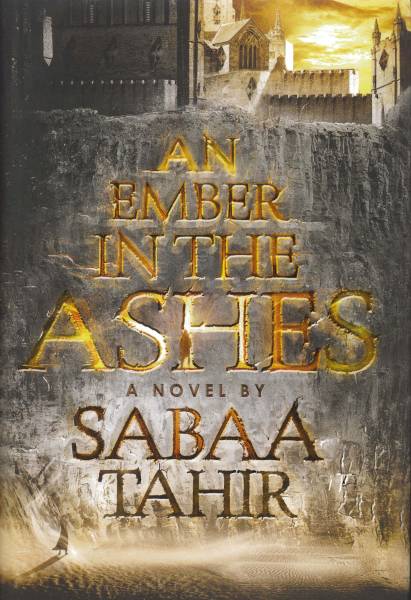
An Ember in the Ashes, set in a fantasy world modeled on ancient Rome, alternates between Laia, who spies on a brutal military academy for rebels in exchange for help freeing her imprisoned brother, and Elias, one of that academy's most skilled soldiers trying to break free of the empire he's been raised to serve. Sabaa Tahir's quartet, continuing through A Torch Against the Night, A Reaper at the Gates, and A Sky Beyond the Storm, follows the two toward a reckoning with the empire that trained one of them to enforce it.
- Malazan
universe36 books1999
Start hereMalazan Book of the Fallen · Start here
similar bysecondary worlddark+3 more
Pity the historian who tries to map this world; pity more the god who thinks he rules it. The Malazan Empire marches across continents on the boots of its common soldiers, and above them move Ascendants — mortals grown into something like gods, and gods worn thin as old coin. Magic is drawn from Warrens, roads of power threaded through reality; the dead keep their grudges; and every empire, however vast, is a wager against time. This is epic fantasy told from the mud, where a sapper cracking a joke weighs as much as an immortal settling a feud older than the human race. The world began as a tabletop campaign two friends built in the 1980s, and it still moves by two hands. Steven Erikson's ten-volume Malazan Book of the Fallen is the spine — Gardens of the Moon, Deadhouse Gates, Memories of Ice, on through The Crippled God — each book a near-standalone campaign that only later reveals how it locks together. Ian C. Esslemont walks the same years from a different vantage in his Novels of the Malazan Empire (Night of Knives, Return of the Crimson Guard onward). Around them stand the prequels: Erikson's Kharkanas Trilogy, archaic and elegiac, chronicling a doomed elder people, and Esslemont's brisker Path to Ascendancy, following two adventurers before they became legends. Erikson's Witness sequence carries the tale forward, and novellas of the genial necromancers Bauchelain and Korbal Broach supply the gallows comedy. Nothing is explained to you; comprehension is earned, and that is the pleasure. The themes run deep — compassion set against cruelty, the toll empires charge, civilizations that fall and are mourned. Begin where the saga does, with Erikson's Gardens of the Moon, and read the ten in publication order; the prequels are for the already-initiated. Trust that confusion is the price of entry.
- Malazan Book of the Fallen
series20 books1999
part of Malazan
similar bysecondary worldfantasydark fantasydark+1 more
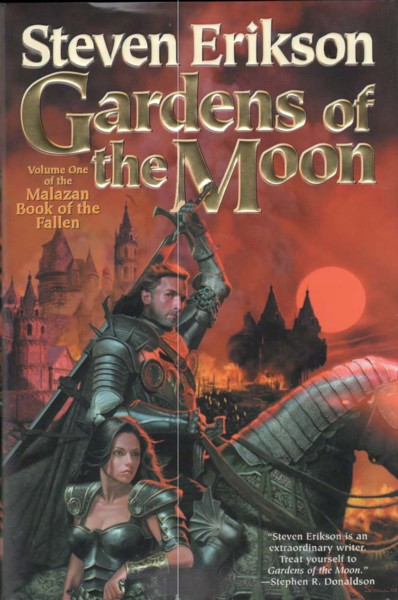
The Malazan Book of the Fallen is a series of epic fantasy novels written by the Canadian author Steven Erikson. The series, published by Bantam Books in the U.K. and Tor Books in the U.S., consists of ten volumes, beginning with Gardens of the Moon (1999) and concluding with The Crippled God (2011). Erikson's series presents the narratives of a large cast of characters spanning thousands of years across multiple continents.
- The Riftwar Universe
universe44 books1982
Start hereRiftwar Saga · Start here
similar bysecondary worldfantasy+1 more
On the world of Midkemia a tear opens in the air itself, a rift hung between stars, and through it march the armies of an empire from another world entirely. So begins the chronicle Raymond E. Feist has kept for three decades: the tale of Pug, a castle kitchen boy apprenticed to a magician on the very day the invasion lands, and of Tomas, his friend, who inherits the armor and the ancient fury of a dead dragon-lord. Around these two the Riftwar Cycle turns, widening book by book from one besieged frontier keep into the whole history of a world of kingdoms, guilds, thieves' dens and mage-towers. The cycle runs to roughly thirty novels, gathered into arcs a newcomer can enter and finish on their own. The founding Riftwar Saga (Magician, Silverthorn, A Darkness at Sethanon) sets the board; the Serpentwar Saga, Krondor's Sons and the Conclave of Shadows carry the story down the generations; the Darkwar, Demonwar and Chaoswar sagas bring it toward its close. Crossing the rift to the rival world of Kelewan, Feist and Janny Wurts wrote the Empire trilogy, opening with Daughter of the Empire, a court intrigue told wholly from the invaders' side and for many the finest thing here. Shorter Legends of the Riftwar and the game-born Riftwar Legacy fill the corners; later still, Feist opens an altogether new world in the Firemane books. Feist writes fantasy in its most companionable key: apprentices who grow into archmages, tavern boys who become spies and dukes, a world you return to the way you return to an old inn. The mood is adventure before dread, friendship and rank and hard-won craft, wars that cost something, all of it rendered plainly and at a gallop. Begin where it began, with Magician, then follow the arcs in the order they were written, and the rift will carry you the rest of the way.
- Coldfire
series5 books1991
similar bytensesecondary worlddark fantasydark+1 more
C. S. Friedman's Coldfire Trilogy is set on the human colony world of Erna, where settlers survive alongside the fae, a reality-warping force that gives physical shape to belief and fear. Opening with Black Sun Rising, it follows the uneasy partnership between a priest, Damien Vryce, and the ruthless, centuries-old sorcerer Gerald Tarrant against a shared threat neither can face alone.
- Darwath
series7 books1982
similar bysecondary worldfantasydark+2 more
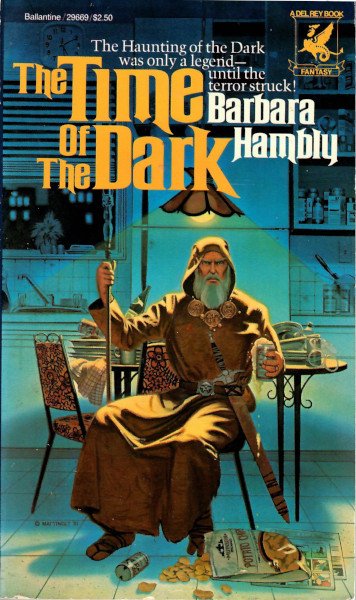
Darwath begins with two modern-day Californians pulled through a portal into a dying medieval world under siege from the Dark, shape-shifting monsters that hunt by night and are driving civilization underground. The Time of the Dark, The Walls of Air, and The Armies of Daylight make up the original trilogy; Barbara Hambly returned to the same characters decades later in Mother of Winter and Icefalcon's Quest. It's portal fantasy built around practical, unglamorous survival rather than chosen-one heroics.
- Lightbringer
series5 books2010
similar bysecondary world+3 more
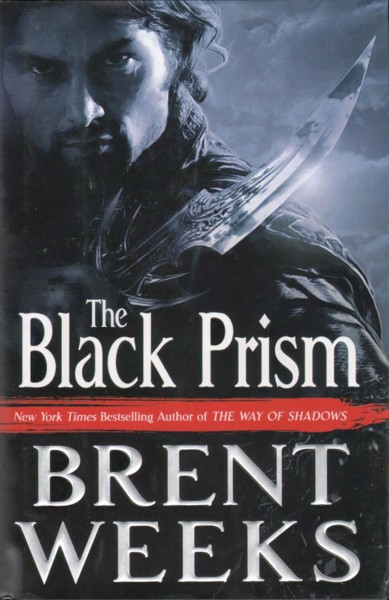
The Black Prism introduces Gavin Guile, the Prism — supreme religious and political authority over the Seven Satrapies, and the only person able to draft every color of magical light into solid, structural "luxin" — as an uprising and a hidden family secret both threaten to unravel the fragile peace he's built. Brent Weeks's five-book Lightbringer series pushes its chromaturgy magic system toward its physical and moral limits: drafters who overuse their color eventually "break the halo" and turn into monsters called wights.
- Gormenghast
series6 books1946
completed
similar bysecondary worldfantasydark+1 more
Gormenghast is a fantasy series by British author Mervyn Peake, about the inhabitants of Castle Gormenghast, a sprawling, decaying, Gothic structure. Originally conceived as a single on-going novel, the series was ended by Peake's death and comprises three novels: Titus Groan (1946), Gormenghast (1950) and Titus Alone (1959); and a novella, Boy in Darkness (1956). Peake was writing a fourth novel, Titus Awakes, at the time of his death in 1968. The book was completed by Peake's widow Maeve Gilmore in the 1970s, but was not published until 2011 after it was discovered by their family.