Loreful
HomeDiscover
Search series, authors…⌘K
Loreful

Reading orders for SF/F series and shared universes — with your place kept in every one.

Explore

UniversesSeriesWorksAuthorsAtlas

Help

FAQAboutSite map

Account & legal

Sign inCreate accountPrivacyTerms

Data

Built on ISFDB, Wikipedia, Wikidata and Open Library. Curated reading orders carry their reasoning on the page; the rest follow publication order. Data sources & licenses

© Loreful · data: ISFDB · CC BY

More like Axeman

but

Mood

The mood the book leaves you in.

  • The reading experience is propelled by journeys, exploration, and physical risk; excitement and forward momentum dominate over dread or introspection.
  • Joy and loss are deliberately mixed; the resolution grants characters something real while taking something else away, leaving warmth and sorrow together.
  • The book demands work from the reader — dense prose, difficult structure, unfamiliar ideas, or morally uncomfortable material — as part of its intended effect.
  • Grim events, cruelty, or despair dominate the atmosphere, and the book does not soften them with comfort or comic relief.
  • The atmosphere is quietly unsettling — wrongness, unease, and the uncanny pervade the book without necessarily escalating into overt horror.
  • The book is built to move the reader; character feeling is foregrounded and major scenes aim at a strong emotional response.
  • Humor is a primary aim and the prose plays for laughs — comic situations, wit, or dialogue produce sustained comedy, not occasional levity.
  • The book insists that things can improve; effort and decency are shown to matter, and the arc bends toward better outcomes even through hardship.
  • The book teaches as it goes — real facts, history, science, or craft are conveyed in enough depth that learning is part of the reading experience.
  • The book is designed to uplift and motivate, presenting perseverance or achievement in a way that invites the reader to aspire or act.
  • The overall register is cheerful and easygoing; stakes are kept gentle and the book avoids dwelling on pain or dread.
  • Withheld information drives the experience; the book sustains enigmas and secrets the reader wants resolved, whatever its genre.
  • The book is contemplative and inward-looking, giving more weight to thought, memory, and meaning than to external events.
  • The book works as comfort reading — low tension, a soothing pace, and an atmosphere the reader can unwind in.
  • Grief, loss, or melancholy set the dominant register, and the book lets sorrow stand rather than resolving it into comfort.
  • Sustained suspense is the point; the book keeps the reader braced for what happens next through danger, pressure, or impending revelation.
  • Playful invention and charm define the register — fanciful conceits, light absurdity, and a narration that delights in its own oddity.

About

What the story runs on.

  • Stories in which extraterrestrial beings are central — as characters, cultures, or the object of the plot.
  • Stories about venturing into space to explore — survey missions, astronauts, and the frontier of the unknown beyond Earth.
  • Stories structured as a quest — a journey undertaken to find, deliver, or destroy something of great import.
  • Stories in which staying alive against nature, catastrophe, or scarcity is the central problem.
  • Stories of lovers kept apart by law, family, faith, or station, where the obstacle to love is the plot.
  • Stories in which a friendship — its making, testing, or loss — is the emotional center.
  • Stories of growing up — a young protagonist crossing from childhood into adult knowledge and responsibility.
  • Stories about who a character truly is — self-discovery, doubled lives, and the search for a self.
  • Stories driven by maneuvering for power — factions, conspiracies, and statecraft conducted in shadow.
  • Stories about rising against rulers — uprisings, resistance movements, and revolutions and their aftermaths.
  • Stories in which war itself is the subject — combat, occupation, and what warfare does to soldiers and civilians.
  • Stories organized around investigating a killing — the case, the clues, and the pursuit of the killer, in any genre's clothing.

Shelf

Where it sits in the library.

    • Fiction built on magic or other supernatural elements that have no scientific explanation.
    • Secondary-world fantasy at large scale, where the fate of nations or the world turns on the protagonists' struggle.
    • Fantasy set in a recognizably modern city or contemporary world where the supernatural intrudes on everyday life.
    • Fantasy that blends in horror's atmosphere and imagery, keeping a fantastical frame around grim or frightening material.
    • Action-driven fantasy following warriors or rogues with personal stakes against sorcerous threats, rather than world-spanning conflicts.
    • Fantasy set in a real historical period or a close analogue of one, with magic woven into the era.
    • Fantasy in which protagonists cross from the ordinary world into another world through a portal or similar passage.
    • Fiction that retells or reworks a traditional fairy tale in a new form or setting.
    • Fantasy drawing directly on myths, legends, and folklore, retelling them or building on their figures and logic.
    • Fantasy of ghosts, vampires, shapeshifters, psychics, and similar phenomena, usually set in an otherwise ordinary world.
    • Fiction mixing science-fictional trappings with overtly magical or impossible elements in one setting.
    • Low-stakes fantasy emphasizing comfort, community, and everyday pleasures over conflict and peril.
    • Speculative fiction of pervasive moral ambiguity, violence, and cynicism that rejects heroic conventions — fantasy and SF alike.
      • Fiction that extrapolates from science and technology — future societies, space travel, or speculative inventions — within at least nominally natural laws.
      • Science fiction of interstellar scope — starships, galactic polities, and adventure across star systems.
      • Science fiction committed to scientific rigor, where technical plausibility constrains the story.
      • Science fiction centered on armed forces and warfare, told largely from a military point of view.
      • Science fiction of networked, corporate-dominated near futures, pairing high technology with social decay.
      • Science fiction styled on nineteenth-century steam-powered technology, often in a Victorian or pseudo-Victorian setting.
      • Fiction depicting an oppressive or catastrophic society, presented as a warning.
      • Fiction set after civilization's collapse, following survivors in the ruins of the old world.
      • Fiction in which characters move between past and future, and the mechanics or consequences of that travel drive the plot.
      • Fiction exploring a world where a historical event went differently and history diverged from ours.
      • Science fiction about humanity's first encounter and communication with an alien intelligence.
      • Science fiction in which extraterrestrial forces attack or occupy Earth and humanity resists.
      • Fiction whose primary aim is to frighten or unsettle the reader through dread, menace, or the monstrous.
      • Horror of vast, indifferent, incomprehensible entities before which humanity is insignificant, in the Lovecraft tradition.
      • Horror of decaying houses, buried family secrets, and oppressive atmosphere in the Gothic literary tradition.
      • Horror centered on hauntings and the returning dead.
      • Horror located in the mind — paranoia, obsession, and unreliable perception rather than external monsters.
      • Horror built around the reanimated dead and survival amid their outbreaks.
      • Horror defined by explicit, transgressive gore that refuses to cut away from violence.
      • Speculative fiction of the strange and uncanny that resists both natural explanation and standard genre categories.
      • Fiction organized around solving a crime or puzzle, typically following an investigator toward the identification of a culprit.
      • A puzzle-first mystery that lays out clues so the culprit's identity can be deduced before the reveal.
      • Crime fiction of moral ambiguity, fatalism, and hard-edged style, set among the corrupt and the doomed.
      • A mystery following the realistic routines of police work — forensics, interviews, and case-building.
      • A gentle mystery with an amateur sleuth, a small community, and violence kept off the page.
      • A mystery set in a past era, where the investigation works within that period's methods and society.
      • Fast-paced fiction driven by imminent danger, pursuit, or high-stakes conspiracy, built to sustain tension.
      • A thriller of espionage — agents, tradecraft, and intelligence services in conflict.
      • A thriller centered on lawyers and the courtroom, where litigation carries the suspense.
      • A thriller driven by detailed contemporary or near-future technology, often military or scientific.
      • A thriller whose tension comes from mental states and manipulation between characters rather than external action.
      • Fiction whose central plot is a romantic relationship and its development toward an emotionally satisfying resolution.
      • Romance in which one or both partners are supernatural beings, blending fantasy elements into the love story.
      • A fantasy-romance hybrid in which the romantic arc and the fantasy plot carry equal weight.
      • Romance set in a past era, with courtship shaped by the period's society and manners.
      • Romance set in the present day, without supernatural or historical elements.
      • Fiction set in a real past period, where the historical setting materially shapes characters and events.
        • General and literary fiction emphasizing prose style, character interiority, or formal ambition over genre plot conventions.
        • Fiction in a realistic world where magical events occur and are treated as ordinary, in the tradition of Latin American literature.
        • Fiction that ridicules people, institutions, or society in order to criticize them.
        • Fiction of dreamlike, irrational imagery and logic that breaks from realistic representation.
        • Fiction that plays with narrative convention through metafiction, fragmentation, and self-reference.
        • Fiction propelled by journeys, exploration, and physical peril, where action and survival carry the plot.
        • Adventure fiction of ships and seafaring — naval engagements, voyages, and life at sea.
        • Fiction of the American frontier West — gunmen, ranchers, and lawmen, typically in the late nineteenth century.
        • Fiction centered on soldiers, campaigns, and the experience of warfare, historical or imagined.
          • Fiction written primarily to amuse, using comedic situations, wit, or parody as its organizing principle.
            • Multi-generational fiction following a family or dynasty across decades, with inheritance and kinship as the through-line.
              • Fiction whose world runs on explicit game mechanics — levels, stats, and skills that characters can see and exploit.
                • Fiction about costumed or superpowered heroes and their conflicts with comparable villains.

                Practical

                How long a commitment, whether it stands alone, and whether it has finished.

                Tap a chip to ask for it · tap again to rule it out · once more to clear. Numbers show what would be left.

                • Cover of The Courier's Daughter Trilogy
                  The Courier's Daughter Trilogy

                  series · 3 books · 2012

                  similar byscience fiction+1 more

                  The Courier's Daughter Trilogy is C. J. Redwine's YA fantasy series: Defiance (2012), Deception and Deliverance. Set in a walled, post-collapse city ruled by rigid survival laws, it follows a young woman searching for her missing father against the city's authorities and the monstrous forces beyond its walls. The trilogy follows one continuous search and its fallout across all three books.

                • Cover of In Watermelon Sugar
                  In Watermelon Sugar

                  Richard Brautigan · standalone novel · 1968

                  similar bypost-apocalypticscience fiction

                  In Watermelon Sugar is an American postmodern post-apocalyptic novel by Richard Brautigan written in 1964 and published in 1968.

                • Cover of Crescent City (Sarah J. Maas)
                  Crescent City (Sarah J. Maas)

                  series · 3 books · 2020

                  similar byurban fantasy+1 more

                  Crescent City follows Bryce Quinlan, a half-Fae, half-human young woman in the magical city of Lunathion, whose life is upended by a violent murder and pulls her into an uneasy partnership with the fallen angel Hunt Athalar as they dig into a conspiracy reaching into the city's ruling powers. Sarah J. Maas set the trilogy — House of Earth and Blood, House of Sky and Breath, House of Flame and Shadow — in Midgard, a world built separately from her earlier series, with political intrigue and romance driving events as much as the mystery.

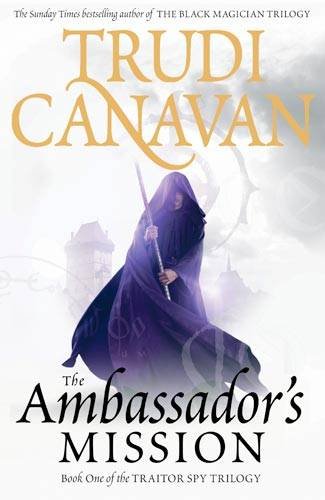
                • Cover of The Traitor Spy Trilogy
                  The Traitor Spy Trilogy

                  series · 3 books · 2010

                  part of Kyralia series

                  similar by+1 more

                  Trudi Canavan is an Australian writer of fantasy novels, best known for her best-selling fantasy trilogies The Black Magician and Age of the Five. While establishing her writing career she worked as a graphic designer. She completed her third trilogy, The Traitor Spy trilogy, in August 2012 with The Traitor Queen. Subsequently, Canavan has written a series called Millennium's Rule, with a completely new setting consisting of multiple worlds which characters can cross between. Though originally planned as a trilogy, a fourth and final book in the Millennium's Rule series was published.

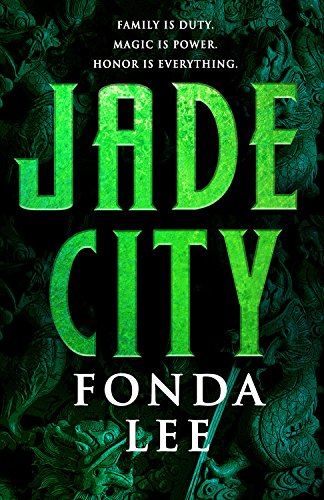
                • Cover of The Green Bone Saga
                  The Green Bone Saga

                  series · 5 books · 2017

                  similar by+1 more

                  Jade City opens Fonda Lee's Green Bone Saga, following the Kaul family, leaders of one of two rival jade-dealing crime clans on the island nation of Kekon, where magic jade grants enhanced abilities to trained warriors and its trade underpins the whole social order. The series follows the Kaul siblings across decades as their clan's power is challenged from within and without, blending gangster-family drama with epic fantasy. It runs across three novels plus shorter companion works.

                • Cover of The Scholomance
                  The Scholomance

                  series · 3 books · 2020

                  similar by+1 more

                  The Scholomance Trilogy is a series of three fantasy novels written by American author Naomi Novik. The books follow the adventures of Galadriel "El" Higgins during and after attending a dangerous and magical boarding school for wizards named after the magic school Scholomance from Romanian folklore.

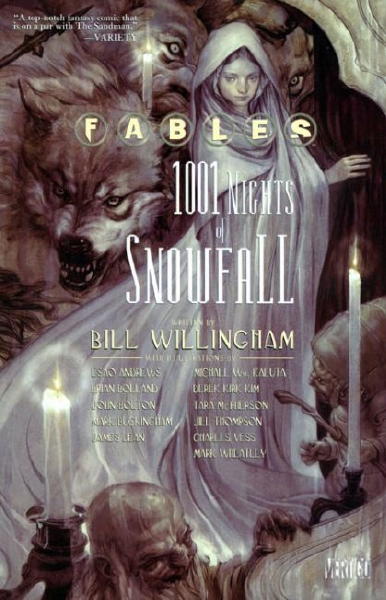
                • Cover of Fables (Bill Willingham)
                  Fables (Bill Willingham)

                  series · 2 books · 2006

                  similar byurban fantasy

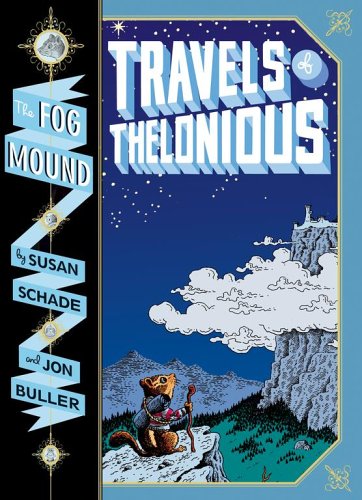
                • Cover of The Fog Mound
                  The Fog Mound

                  series · 3 books · 2006

                  similar bypost-apocalyptic+1 more

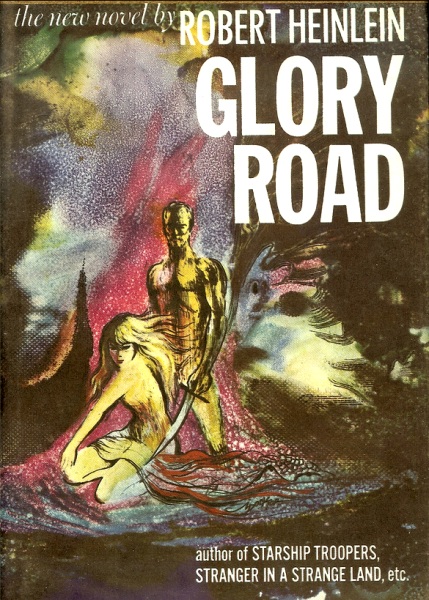
                • Cover of Glory Road
                  Glory Road

                  series · 2 books · 1963

                  similar by+1 more

                • Cover of Jennifer Talldeer
                  Jennifer Talldeer

                  series · 2 books · 1994

                  similar by+3 more

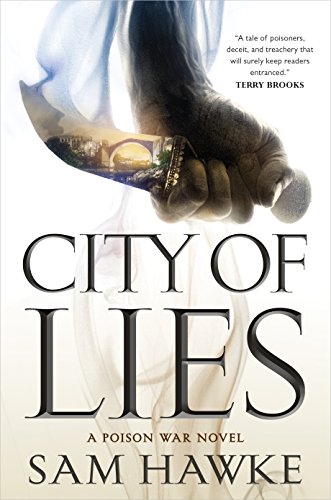
                • Cover of Poison War
                  Poison War

                  series · 2 books · 2018

                  similar byurban fantasy

                • Cover of Ruthless Boys of the Zodiac
                  Ruthless Boys of the Zodiac

                  series · 5 books · 2019

                  similar by+1 more

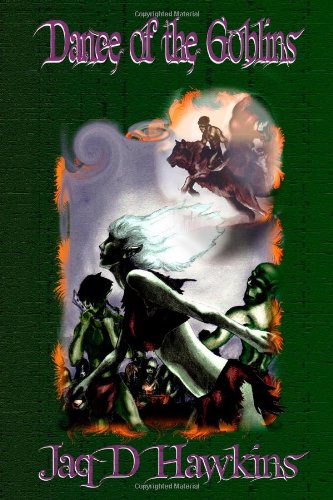
                • Cover of The Goblin Trilogy
                  The Goblin Trilogy

                  series · 3 books · 2005

                  similar by+1 more

                • Cover of The Tribe (Ambelin Kwaymullina)
                  The Tribe (Ambelin Kwaymullina)

                  series · 3 books · 2012

                  similar byscience fiction+1 more

                • Cover of Shannara
                  Shannara

                  universe · 50 books · 1977

                  Start hereWord and the Void · The very beginning of the timeline

                  Long after the world we know has burned itself to slag in the Great Wars, the Four Lands rise green over the bones of the old age. Science is a forbidden memory; magic has come back into the world, and with it the old divisions — Men, Elves, Dwarves, Trolls, and Gnomes, each Race a splinter of what humanity became. This is the far-future Earth of Shannara, where the ruins buried beneath the soil are ours, and the only keepers of the vanished knowledge are the Druids of Paranor, who wake once a generation to meet the darkness rising again. Terry Brooks opened the Four Lands in 1977 with The Sword of Shannara and has charted its history for four decades since — a legendarium ordered not by throne but by a single bloodline, the Ohmsfords, each generation inheriting an Elfstone, a blade, or a wishsong when the age demands a hero. The original trilogy gives way to the Heritage of Shannara, the Voyage of the Jerle Shannara, the High Druid, Dark Legacy, Defenders, and the concluding Fall of Shannara; the Genesis of Shannara books reach back to the apocalypse itself, and the Word and the Void trilogy back further still, into a demon-haunted version of our own present that is the root of everything after. In 2025 Brooks passed the histories to Delilah S. Dawson to carry forward. What sets these books apart is their long memory: a world where every triumph is provisional, where the same evil returns wearing a fresh shape each age, and magic always exacts its price. The reading is warm and headlong — questing companies, old talismans, journeys across a mapped and named wilderness — shadowed by the knowledge that all of it stands on the wreckage of a former world. Enter as readers first did: with The Sword of Shannara, then onward in publication order. The chronological path, beginning with Word and the Void, rewards a second journey, once the Four Lands already feel like home.

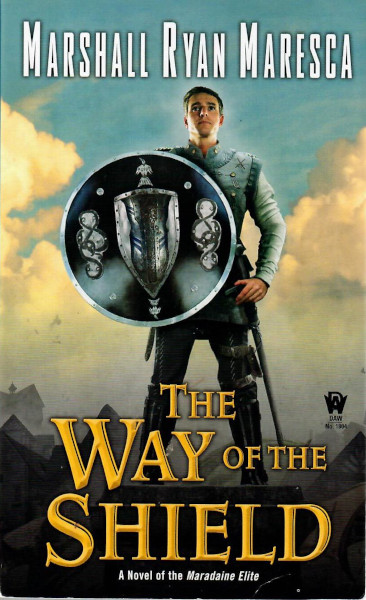
                • Cover of Maradaine Elite
                  Maradaine Elite

                  series · 3 books · 2018

                  part of Maradaine

                  similar by+1 more

                • Cover of The Divine
                  The Divine

                  series · 7 books · 2013

                  similar by+1 more

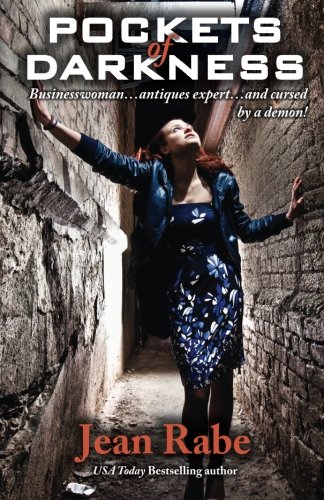
                • Cover of Pockets of Darkness
                  Pockets of Darkness

                  Jean Rabe · standalone novel · 2015

                  similar by+1 more

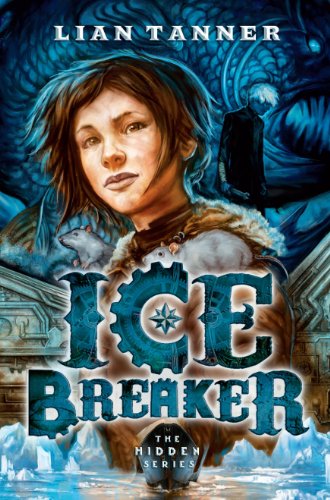
                • Cover of The Hidden (Lian Tanner)
                  The Hidden (Lian Tanner)

                  series · 3 books · 2013

                  similar by+2 more

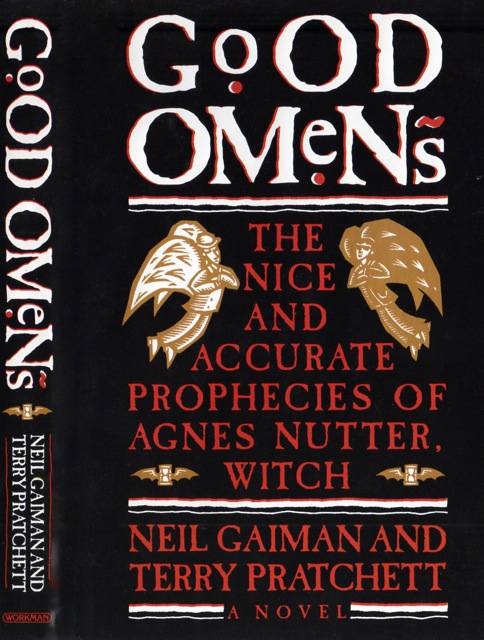
                • Cover of Good Omens
                  Good Omens

                  series · 2 books · 1990

                  similar by+2 more

                  Good Omens is Terry Pratchett and Neil Gaiman's 1990 comic fantasy novel in which an angel and a demon, both grown fond of life on Earth, try to head off an apocalypse foretold in a seventeenth-century witch's uncannily accurate prophecies, complicated by the fact that no one can find the misplaced Antichrist. Paired with it here is The Quite Nice and Fairly Accurate Good Omens: Script Book, a companion volume collecting the screenplay for the television adaptation rather than a second novel.

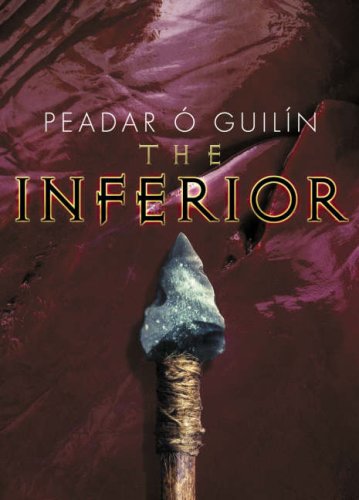
                • Cover of The Bone World Trilogy
                  The Bone World Trilogy

                  series · 3 books · 2007

                  similar byscience fiction+1 more

                  The Bone World Trilogy is a trilogy for young adults by Irish author Peadar Ó Guilín. The series has elements of science fiction and fantasy.

                • Cover of Restoree
                  Restoree

                  Anne McCaffrey · standalone novel · 1967

                  similar byscience fiction

                  Torn from Earth by a bizarre and nameless black force, Sara has no idea where she is or why she inhabits a beautiful new body. Controlled by brutal guards and tamed by terror, she can not comprehend her role as a nurse for a man who appears to be an idiot. She discovers that the planet she had been brought to was Lothar and that the man she was caring for was its Regent, Sara knows the restorees had to escape. When they do, they become fugitives on a world of multiple evils. (adapted from the back cover of the Baen edition)

                • Cover of The Witch's Child
                  The Witch's Child

                  series · 3 books · 2016

                  similar by+1 more

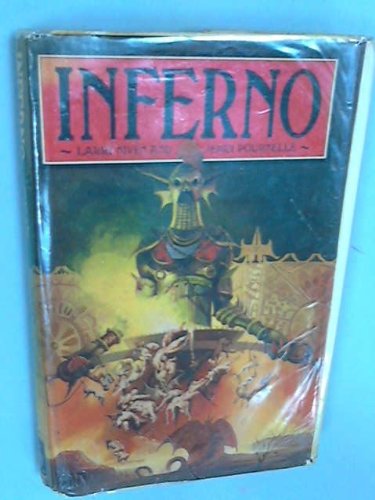
                • Cover of Inferno
                  Inferno

                  series · 2 books · 1976

                  similar by+1 more

                  In Inferno, Larry Niven and Jerry Pournelle send a science fiction writer to his death and drop him into a modern-dress version of Dante's nine circles of Hell, where he must reason his way toward understanding why he has been damned. The 1976 novel was nominated for both the Hugo and Nebula awards, and the authors returned to the same character decades later in a sequel, Escape from Hell. Together the two books form a self-contained pair rather than an open-ended series.