More like Baltic Gambit
anchored on:science fictionvampiresfar futuredarkdark fantasypost-apocalyptic+3 more
but
- The Hunger Games
series3 books2008
part of The Hunger Games Universe
similar byfar futurenorth americadarktensescience fictionpost-apocalypticrebellion and revolution+1 more
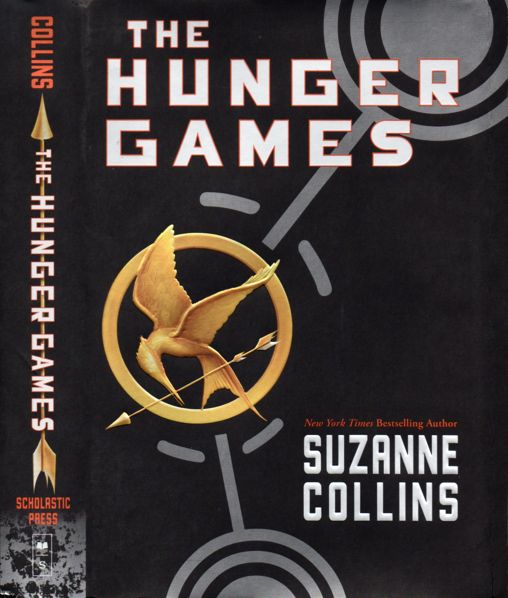
The Hunger Games is a series of young adult dystopian novels written by American author Suzanne Collins. The series consists of a trilogy that follows teenage protagonist Katniss Everdeen, as well as two prequels. The Hunger Games universe is a dystopia set in Panem, a post-apocalyptic North American country consisting of the wealthy Capitol and 12 districts in varying states of poverty. As punishment for rebellion, the Capitol hosts an annual battle royale competition called The Hunger Games. Each of the 12 districts must send two children between the ages of 12 and 18 to participate, and the last surviving child is dubbed the victor.
- The Vampire Earth
series12 books2003
similar bynorth americadarkvampirestensescience fictionwardark fantasypost-apocalyptic+5 more
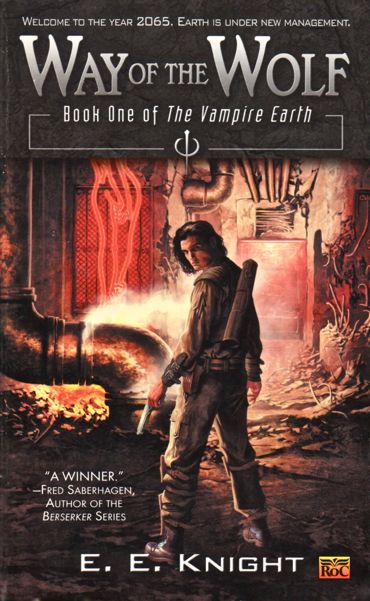
Vampire Earth is a series of science fiction/dark fantasy novels by American writer E. E. Knight.
- The Hunger Games Universe
universe5 books2008
Start hereThe Hunger Games · Start here
similar byfar futurenorth americadarktensescience fictionrebellion and revolution+2 more
Panem, they call it now — a nation raised on the drowned bones of North America, a glittering Capitol ringed by twelve districts it once starved into obedience. Every year the Capitol collects its debt in children: two tributes from each district, drawn by lottery, dropped into an engineered arena, and made to kill one another on live television while the whole country is required to watch. This is the Hunger Games — entertainment, punishment, and government at once. Suzanne Collins tells it in a compact, unified body of work. The founding trilogy — The Hunger Games, Catching Fire, and Mockingjay — follows Katniss Everdeen, a girl from the coal-mining District 12 who volunteers in her sister's place and becomes something the Capitol never scripted. Two prequels reach back into the same machinery: The Ballad of Songbirds and Snakes traces a young Coriolanus Snow long before he is President, and Sunrise on the Reaping returns to District 12 a generation ahead of Katniss. Begin with the trilogy, in order — it is Katniss's voice, close and present-tense, that makes Panem breathe, and the prequels land hardest once you know how her story ends. Beneath the spectacle sits one steady, uncomfortable question: who profits when we agree to look away.
- I Am Legend
Richard Mathesonstandalone novel1954
similar bynorth americadarktensevampiresscience fictionpost-apocalyptic
The last human survivor of the vampire epidemic has to maintain his defences against their onslaught, while attempting to research the cause and possibly solution to the plague. Robert Neville is the last living man on Earth... but he is not alone. Every other man, woman and child on the planet has become a vampire, and they are hungry for Neville's blood. By day he is the hunter, stalking the undead through the ruins of civilization. By night, he barricades himself in his home and prays for the dawn. How long can a man survive like this?
- City at World's End
Edmond Hamiltonstandalone novel1951
similar byfar futurenorth americadarktensescience fictionpost-apocalyptic
An experimental atomic weapons test in small-town America goes catastrophically wrong, hurling the entire town of Middletown, buildings, streets and all, untold ages into Earth's future, to a time when the sun is dying and humanity's last city struggles on beneath a darkening sky. Cut off from everything and everyone they knew, the townspeople have to find a way to survive in a world that has nothing left to spare for latecomers. Edmond Hamilton's novel strands a slice of mid-century America at the literal end of the world.
- The Gate to Women's Country
Sheri S. Tepperstandalone novel1988
similar byfar futurenorth americadarkscience fictionwarpost-apocalyptic+1 more
The Gate to Women's Country is a post-apocalyptic novel by American writer Sheri S. Tepper, published in 1988. It describes a world set three hundred years into the future after a catastrophic war which has fractured the United States into several nations.
- Ship Breaker
series3 books2010
similar bydarknorth americatensescience fictionpost-apocalyptic+3 more
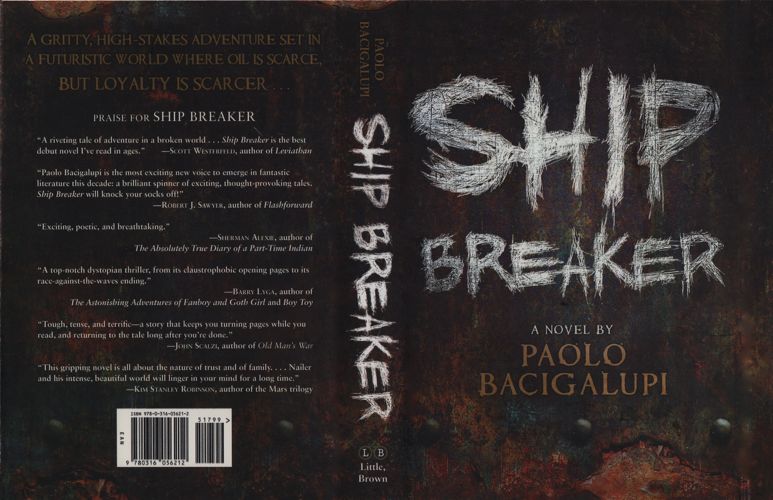
Nailer works a light-crew scavenging copper wire and scrap from beached oil tankers on a Gulf Coast reshaped by rising seas and vanished order, until a wrecked clipper ship washes ashore carrying a half-drowned girl from the wealthy world he'll never belong to. Paolo Bacigalupi's Ship Breaker follows Nailer as helping her pulls him out of his abusive father's orbit and into a much larger, more dangerous game involving her family's fortune. The sequels The Drowned Cities and Tool of War widen the same flooded, resource-scavenging future to new characters and coastlines.
- The Passage
series3 books2010
similar bynorth americadarktensevampiresscience fictionpost-apocalyptic
The Passage is a novel series by Justin Cronin. There are three published books in the series. The film rights were acquired by Fox Entertainment Group in 2007 for adaptation into a film trilogy, but after 12 years of development and planning, it was changed to a television series, which premiered in January 2019 and was canceled after the first season.
- The 5th Wave
series4 books2013
similar bynorth americatensedarkscience fictionpost-apocalypticaliensalien invasion
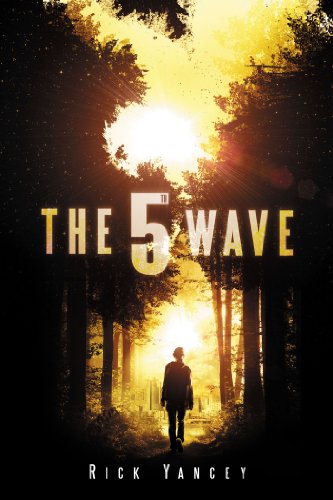
Rick Yancey's The 5th Wave opens after a series of escalating alien attacks has already devastated Earth's population and infrastructure, following sixteen-year-old survivor Cassie Sullivan as she searches for her younger brother while trying to work out who, among the remaining humans, can still be trusted. The trilogy is young-adult science fiction that treats its alien-invasion premise as a survival and paranoia story more than a war story.
- Armor
John Steakleystandalone novel1984
similar byfar futuredarktensescience fictionwaraliensmilitary science fiction
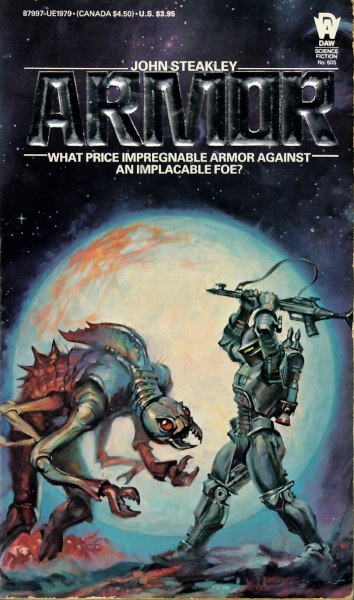
Armor is a military science fiction novel by John Steakley. It features the military use of exoskeletons and insect-like alien enemies but concentrates on the psychological effects of violence on human beings.
- Saint Leibowitz
series6 books1955
completed
similar byfar futurenorth americascience fictionpost-apocalyptic+1 more
Walter M. Miller Jr.'s A Canticle for Leibowitz (1959), assembled from three novellas he had published earlier in the decade, follows the monks of a Catholic monastery in the post-nuclear American Southwest as they preserve fragments of scientific knowledge across centuries, watching civilization slowly rebuild itself and edge back toward the mistakes that destroyed it. Miller's posthumous sequel, Saint Leibowitz and the Wild Horse Woman, completed by Terry Bisson from his notes after his death and published in 1997, returns to the same abbey and its world decades later. Together the two novels form a sparse, decades-spanning series about memory, faith, and the cycles of civilization.
- The Last Book in the Universe
Rodman Philbrickstandalone novel2000
similar byfar futurenorth americadarktensescience fictionpost-apocalyptic
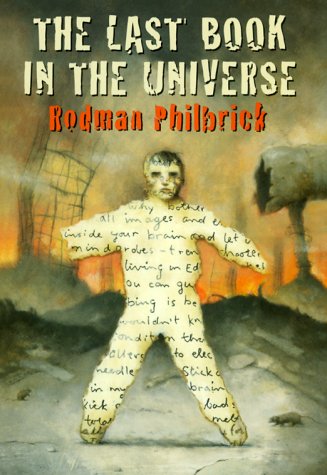
The Last Book in the Universe is a 2000 post-apocalyptic science fiction novel by Rodman Philbrick. Set in a cyberpunk dystopia, its protagonist and narrator is a teenage boy named Spaz who has epilepsy.
- War Against the Chtorr
series7 books1983
similar bynorth americatensedarkscience fictionpost-apocalypticwaraliens+1 more
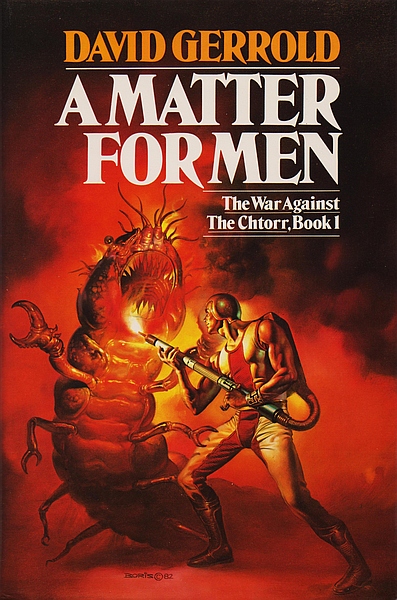
The War Against the Chtorr is a series of science fiction novels by American writer David Gerrold. The Chtorr series was originally planned as a trilogy, but as the story became more intricate, Gerrold realized that three books would not be enough for him to tell the entire story. For a time, he was uncertain how many books there would be in the end but plans on seven. As of 2022, four books have been completed. As of 2017, a fifth and sixth were in the works, 24 years after the publication of the fourth book.
- Deus Irae
Philip K. Dick & Roger Zelaznystandalone novel1976
similar byfar futurenorth americadarkscience fictionpost-apocalyptic
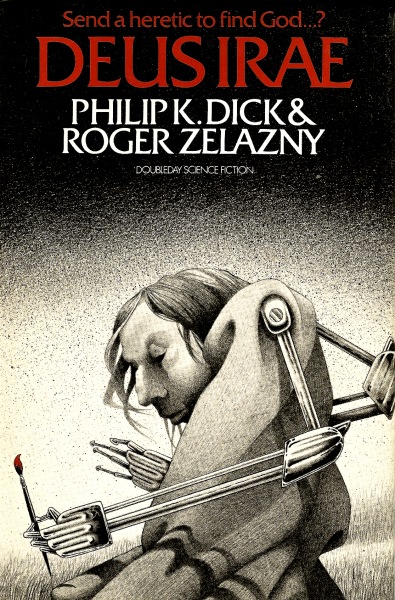
Deus Irae is a post-apocalyptic science fiction novel written by two American authors; it was started by Philip K. Dick and finished with the help of Roger Zelazny. It was published in 1976. The novel's title, Deus irae, means 'God of Wrath' in Latin; the title is a play on words on the phrase Dies Irae, meaning 'Day of Wrath' or 'Judgment Day'. The novel was based on Dick's short stories "The Great C" and "Planet for Transients".
- Down to a Sunless Sea
David Grahamstandalone novel1979
similar bynorth americadarktensescience fictionwarpost-apocalyptic
David Graham's Down to a Sunless Sea (1979) is a post-apocalyptic novel about a planeload of people during and after a short nuclear war, set in a near-future world where the USA is critically short of oil. The title of the book is taken from a line of the poem Kubla Khan by Samuel Taylor Coleridge.
- Jerusalem's Lot
series3 books1975
similar bynorth americadarktensevampires
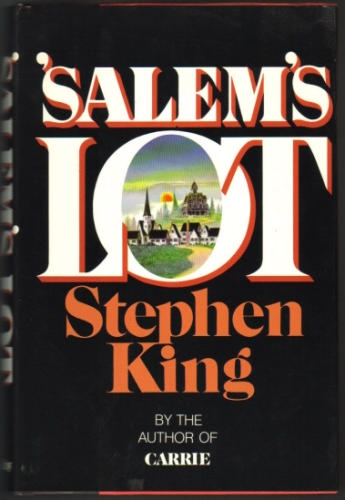
Stephen King's 1975 novel 'Salem's Lot follows writer Ben Mears as he returns to his childhood town of Jerusalem's Lot, Maine, only to discover that its residents are being turned into vampires by a newly arrived stranger. It transplants Gothic vampire horror into a small New England community, tracking that community's collapse under a supernatural siege. It is a single, self-contained novel.
- The Handmaid's Tale
series3 books1985
similar bynorth americadarktensescience fictionrebellion and revolution
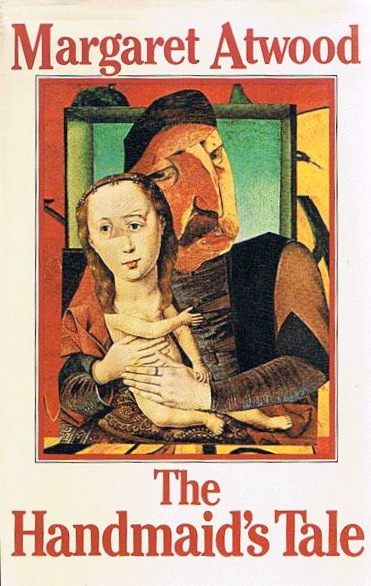
The Handmaid's Tale is Margaret Atwood's 1985 novel set in Gilead, a totalitarian theocracy that has overthrown the United States and forces fertile women into reproductive servitude as Handmaids; it is narrated by one such woman, Offred. Atwood returned to the world in her 2019 sequel The Testaments, set fifteen years later and narrated by three women, including the regime's Aunt Lydia. Together the two novels move from Gilead's grip on power toward the first cracks in it.
- Forge of God
series2 books1987
completed
similar bydarktensescience fictionaliens+3 more
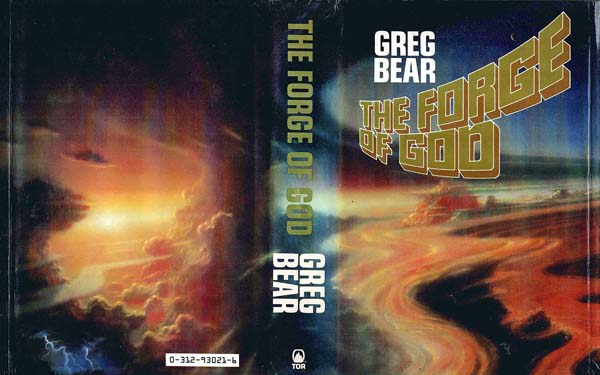
The Forge of God (1987) is Greg Bear's science fiction novel about Earth's discovery that it is the target of an incomprehensible, overwhelming alien attack, following scientists and ordinary people as they try to understand what is destroying the planet. Its 1992 sequel, Anvil of Stars, follows a group of young survivors sent on a mission of interstellar retaliation, continuing directly from the first book's ending.
- Xan-Sskarn War
series1 book2010
similar byfar futuredarktensescience fictionwaraliensmilitary science fiction+1 more
- Our Friends from Frolix 8
Philip K. Dickstandalone novel1970
similar byfar futuretensescience fictionaliensrebellion and revolution+2 more
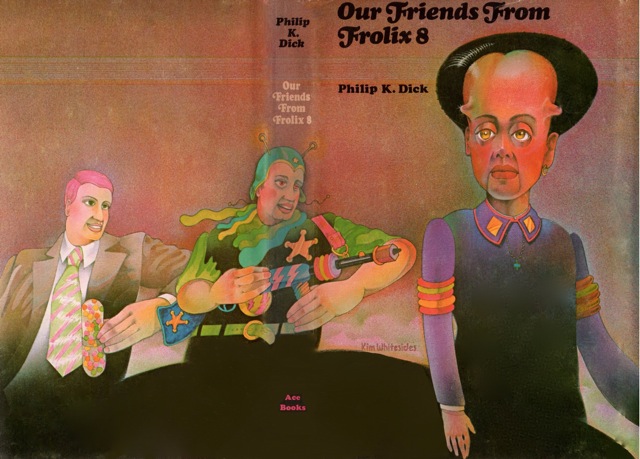
Our Friends from Frolix 8 is a science fiction novel by American writer Philip K. Dick. It was written from 1968 to 1969 and was published in 1970 by Ace Books. The novel is set in the 22nd century, when humanity is ruled by mutated humans, "New Men" and "Unusuals", while normal "Old Men" are discriminated against. The story follows Nick Appleton, a low-class Old Man worker who becomes a subversive to the system, and Willis Gram, the Unusual ruler of the Earth. Separately, resistance leader Thors Provoni has left the planet to find an ally to the Old Men, finally returning with an alien from far away in space. The novel is best known for a single scene where the characters discuss the dead body of God having been found in space.
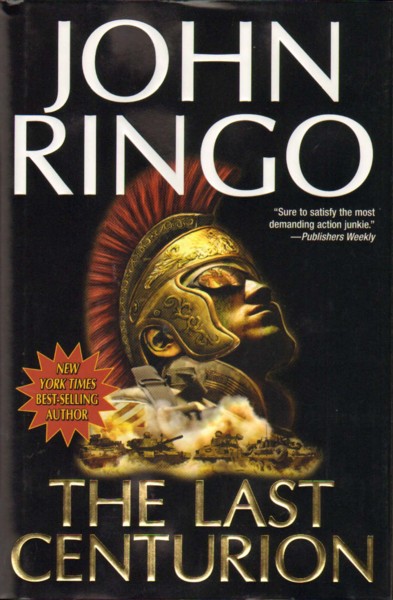
- The Last Centurion
John Ringostandalone novel2008
similar bynorth americadarktensescience fictionwarpost-apocalypticmilitary science fiction
The Last Centurion is a 2008 stand-alone novel by John Ringo. It is written in "blog style" from the point of view of a U.S. Army officer known as "Bandit Six". The novel is set in a post apocalyptic world that has been ravaged by a brief ice age and disease.
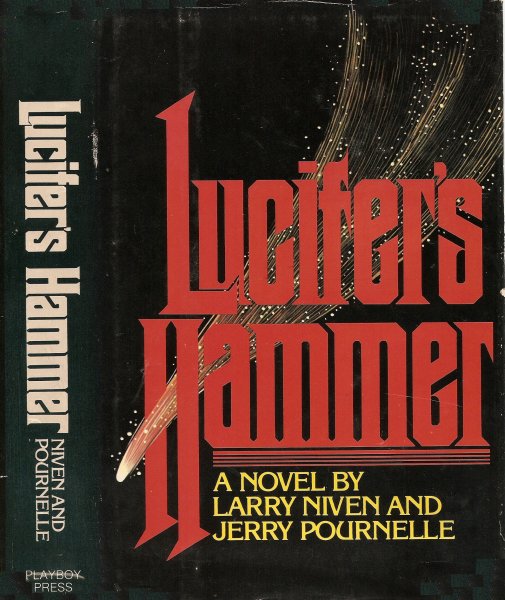
- Lucifer's Hammer
Larry Niven & Jerry Pournellestandalone novel1977
similar bynorth americadarktensescience fictionpost-apocalyptic
Lucifer's Hammer is a science fiction post-apocalypse-survival novel by American writers Larry Niven and Jerry Pournelle that was first published in 1977. It was nominated for the Hugo Award for Best Novel in 1978.
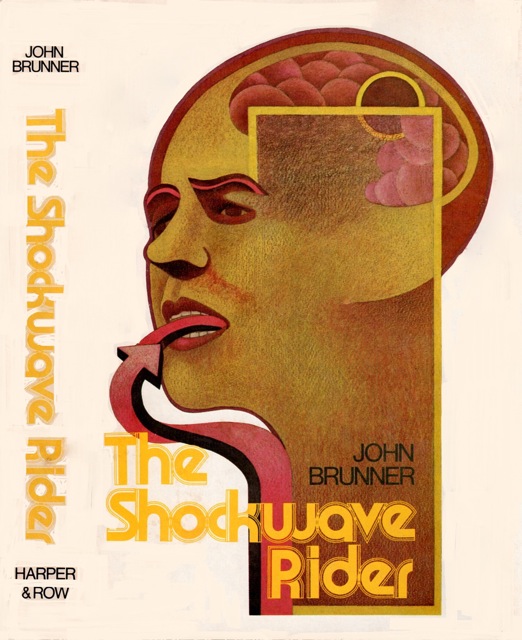
- The Shockwave Rider
John Brunnerstandalone novel1975
similar bynorth americadarktensescience fictionpost-apocalyptic+1 more
The Shockwave Rider is a science fiction novel by John Brunner, originally published in 1975. It is notable for its hero's use of computer hacking skills to escape pursuit in a dystopian future, and for the coining of the word "worm" to describe a program that propagates itself through a computer network. It also introduces the concept of a Delphi pool, perhaps derived from the RAND Corporation's Delphi method – a prediction market on world events which bears close resemblance to DARPA's controversial and cancelled Policy Analysis Market.
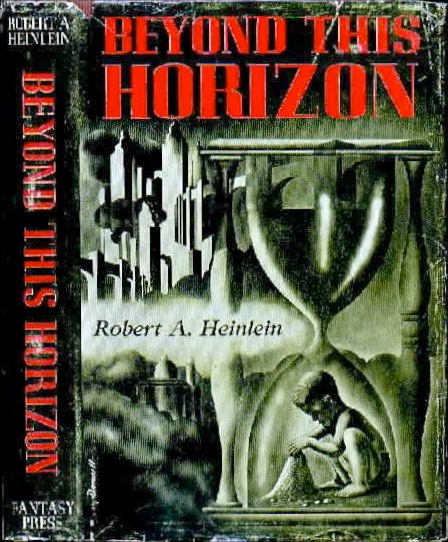
- Beyond This Horizon
Robert A. Heinleinstandalone novel1948
similar byfar futurenorth americascience fictionrebellion and revolution+1 more
From the front flap of a 2001 Baen reprint: "Utopia has been achieved. For centuries, disease, hunger, poverty, and war have been things found only in the history tapes. And applied genetics has given men and women the bodies of athletes and a lifespan of over a century. They should all have been very happy... But Hamilton Felix is bored. And he is the culmination of a star line, each of his last thirty ancestors chosen for superior genes. Hamilton is, as far as genetics can produce one, the ultimate man. And this ultimate man can see no reason why the human race should survive, and has no intention of continuing the pointless comedy. However, Hamilton's life is about to become less boring. A secret cabal of revolutionaries who find utopia not just boring, but desperately in need of leaders who know just What Needs to be Done, are planning to revolt and put themselves in charge. Knowing of Hamilton's disenchantment with the modern world, they have recruited him to join their Glorious Revolution. Big mistake! The revolutionaries are about to find out that recruiting a superman was definitely not a good idea..."