More like Basecrackers
anchored on:science fictionnear futurecyberpunkbig city
but
- Sprawl Trilogy
series10 books1981
similar bynear futurescience fictionbig citydarktensecyberpunk
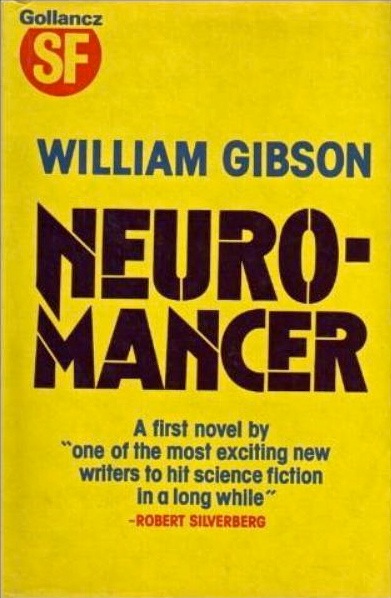
The Sprawl Trilogy is William Gibson's foundational cyberpunk sequence: Neuromancer (1984), in which hacker Case is drawn into a high-stakes heist alongside an artificial intelligence and a damaged ex-soldier, followed by Count Zero (1986) and Mona Lisa Overdrive (1988), which widen the same near-future world of corporate power and networked cyberspace to new characters. Johnny Mnemonic, an early short story set in the same fictional milieu, predates the novels and introduces the courier Molly Millions before her role in the trilogy. Together these works established much of cyberpunk's visual and thematic vocabulary.
- Budayeen
series13 books1973
completed
similar bynear futurescience fictiondarkbig citycyberpunk+2 more
George Alec Effinger's Budayeen sequence reimagines the French Quarter of New Orleans as a 22nd-century red-light district in a future Middle Eastern city, where body modification has gone electronic: cybernetic 'moddies' and 'daddies' let people plug in new personalities and skills at will. Its hero, hustler-turned-investigator Marid Audran, works the Budayeen's back alleys across the novels When Gravity Fails, A Fire in the Sun, and The Exile Kiss. Budayeen Nights, published after Effinger's death, gathers his shorter fiction set in the same neon-lit quarter.
- Blade Runner Universe
series6 books1968
similar bynear futurescience fictiondarkbig citycyberpunk+2 more
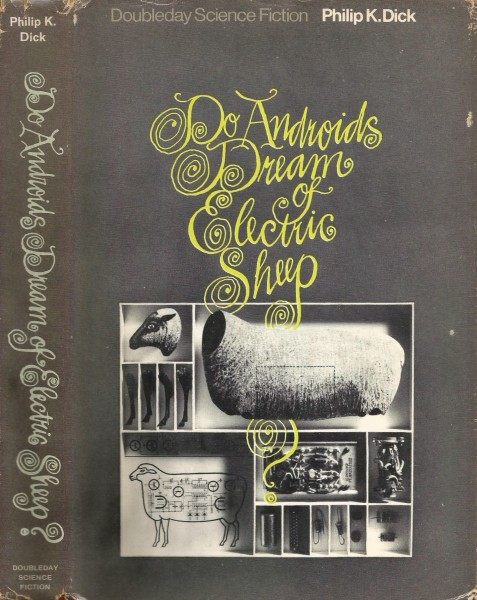
Philip K. Dick's 1968 novel Do Androids Dream of Electric Sheep? follows bounty hunter Rick Deckard as he tracks escaped androids through an irradiated, near-abandoned San Francisco, using the hunt to probe questions of empathy and what separates human from machine. The novel became the basis for Ridley Scott's 1982 film Blade Runner, and Marvel Comics later published an illustrated adaptation of that film. Together the two trace the story's path from prose original to screen and comic-page adaptation.
- Snow Crash
Neal Stephensonstandalone novel1992
similar bynear futureorganized crimescience fictionbig citytensecyberpunk
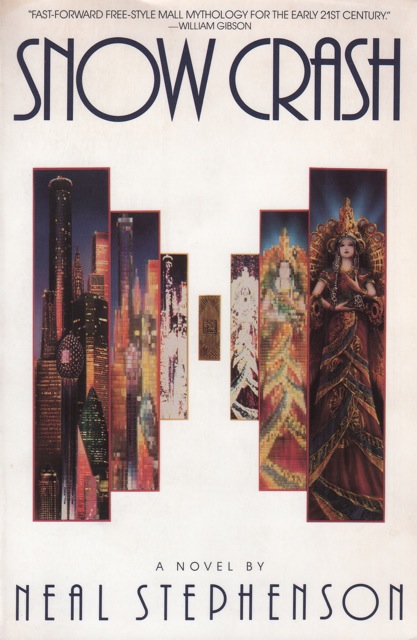
Snow Crash is a 1992 science fiction novel by Neal Stephenson. Like many of Stephenson's novels, its themes include history, linguistics, anthropology, archaeology, religion, computer science, politics, cryptography, memetics, and philosophy.
- Halting State
series2 books2007
similar bynear futurescience fictiontensecyberpunk+3 more
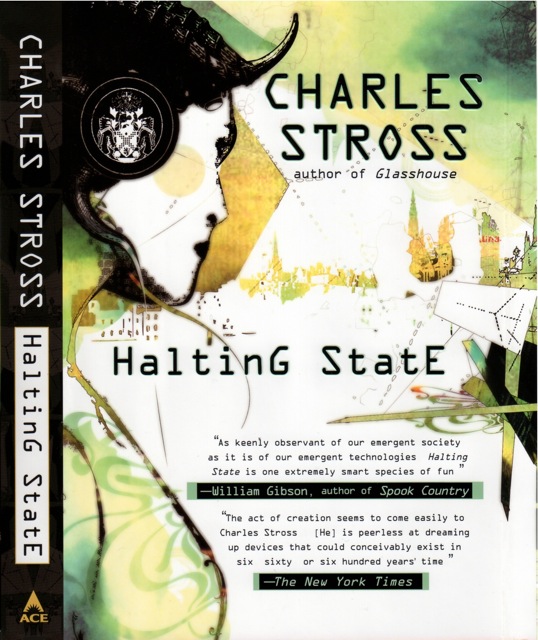
Charles Stross's Halting State opens as a near-future police procedural: a bank robbery inside a massively multiplayer online game turns out to mask a much larger cybercrime, investigated through shifting narrators using augmented-reality glasses and always-on networks. Its loose sequel, Rule 34, follows an Edinburgh police officer investigating a string of deaths linked by nothing but an obscure internet meme, in the same near-future Scotland. Both are standalone technothrillers connected by setting and tone rather than a continuing plot.
- Hardwired
series3 books1986
similar bynear futurescience fictiontensecyberpunkour world+3 more
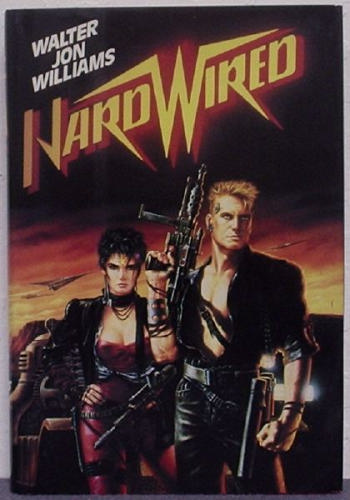
Walter Jon Williams' Hardwired (1986) is an early and influential cyberpunk novel. Voice of the Whirlwind, published three years later, is a loosely connected follow-up set in the same future, sharing its technological and political backdrop with a different cast of characters.
- Shadowrun
series147 books1990
similar bynear futurebig citycyberpunk+3 more
Shadowrun's tie-in fiction line spins stories out of the tabletop RPG's setting: a near-future world where corporate cyberpunk has collided with the sudden return of magic, dragons, elves, and other fantasy races. Spanning dozens of authors over more than three decades since Never Deal with a Dragon (1990), the novels mostly follow shadowrunners - deniable mercenary operatives - pulling off corporate espionage and heists among megacorporations, street gangs, and awakened magic. Books are largely standalone or loosely trilogy-linked rather than one continuous narrative.
- The Shockwave Rider
John Brunnerstandalone novel1975
similar bynear futurescience fictionbig citydarktensecyberpunk
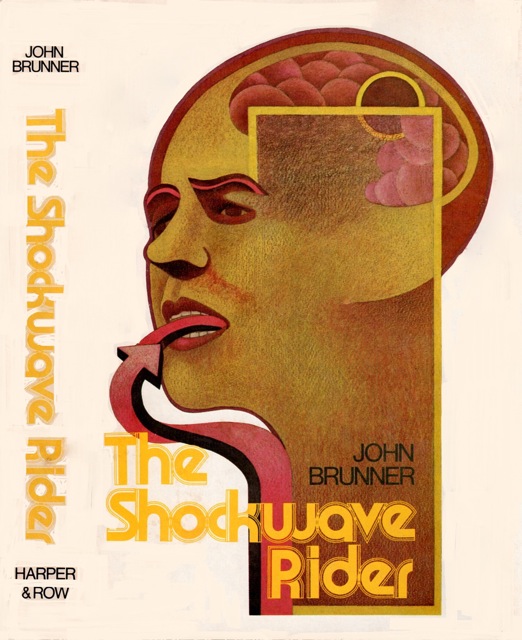
The Shockwave Rider is a science fiction novel by John Brunner, originally published in 1975. It is notable for its hero's use of computer hacking skills to escape pursuit in a dystopian future, and for the coining of the word "worm" to describe a program that propagates itself through a computer network. It also introduces the concept of a Delphi pool, perhaps derived from the RAND Corporation's Delphi method – a prediction market on world events which bears close resemblance to DARPA's controversial and cancelled Policy Analysis Market.
- Bridge Trilogy
series4 books1990
similar bynear futurescience fictionbig citycyberpunk+2 more
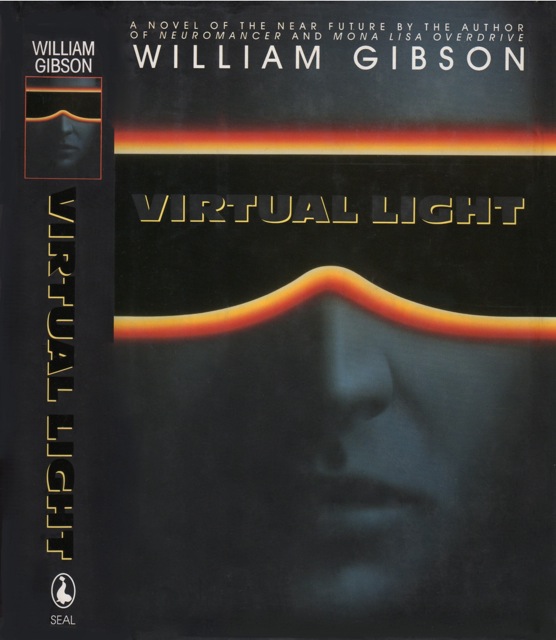
The Bridge trilogy is a series of novels by William Gibson, his second after the successful Sprawl trilogy. The trilogy comprises the novels Virtual Light (1993), Idoru (1996) and All Tomorrow's Parties (1999). A short story, "Skinner's Room", was originally composed for Visionary San Francisco, a 1990 museum exhibition exploring the future of San Francisco.
- Rat Runners
Oisin McGannstandalone novel2013
similar bynear futureheistscience fictionbig citytense+2 more
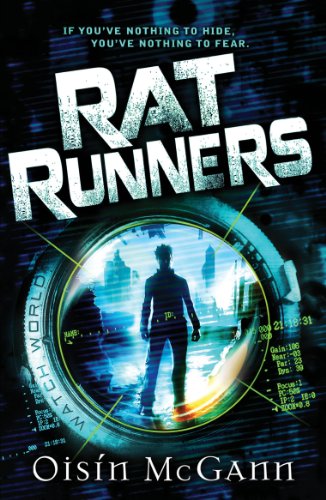
"Four young thieves, one simple mission: Steal a black-leather box from the daughter of a murdered scientist without anyone noticing. But WatchWorld controls London now, and the organization knows everything. Every major street is monitored with heat-sensitive and X-ray cameras. Microphones record voices from hundreds of feet away, and drones watch from the sky. Patrolling the streets are Safe-Guards--part human and part robot, they can see through walls, hear your heartbeat, and analyze your sweat. But staying hidden is what Nimmo, Scope, Manikin, and FX do best. Using the city's blind spots, they navigate the criminal underworld until they're caught in a rat run of murder and deceit that might not let them out alive."--Back cover.
- Parrish Plessis
series3 books2004
similar bynear futurescience fictionbig citydarktensecyberpunk+2 more
- The Supernaturalist
Eoin Colferstandalone novel2004
similar bynear futurescience fictionbig citydarktensecyberpunk
The Supernaturalist is a science fiction cyberpunk novel by Irish author Eoin Colfer. The book was influenced by film noir and other predecessors of the cyberpunk science fiction movement. Colfer has outlined plans for a sequel, Avernus.
- Avery Cates
series22 books2007
similar byscience fictionnear futuredarktensecyberpunk+2 more
Avery Cates is set in a collapsed future New York ruled by a corrupt, cybernetically augmented security state, following a gun-for-hire navigating the city's violent underworld and its growing rebellion against System Security Force control. Jeff Somers' cyberpunk series, beginning with The Electric Church, follows Cates through escalating jobs and betrayals across six novels.
- City of Bohane
Kevin Barrystandalone novel2011
similar bynear futureorganized crimescience fictionbig citydarktense
City of Bohane is the debut novel by Ireland's Kevin Barry. The book is set in the year 2053, in a world with minimal technology. It received largely positive reviews and won the 2013 International Dublin Literary Award.
- The Night Mayor
Kim Newmanstandalone novel1989
similar bynear futurescience fictionbig citydarkcyberpunk+1 more
Welcome to the City made from a dream. But this isn't any dream; it is the dark and haunting nightmare of a killer. It is the near future and old-fashioned movies, or "flatties", have been replaced by Dreams, virtual reality scenarios written by professional Dreamers. When infamous criminal Truro Daine escapes imprisonment, he flees into the City, an artificial world of his own creation, where he rules as the all-powerful Night Mayor.
- Electric Kid
series2 books1994
similar bynear futureorganized crimescience fictionbig citytense+3 more
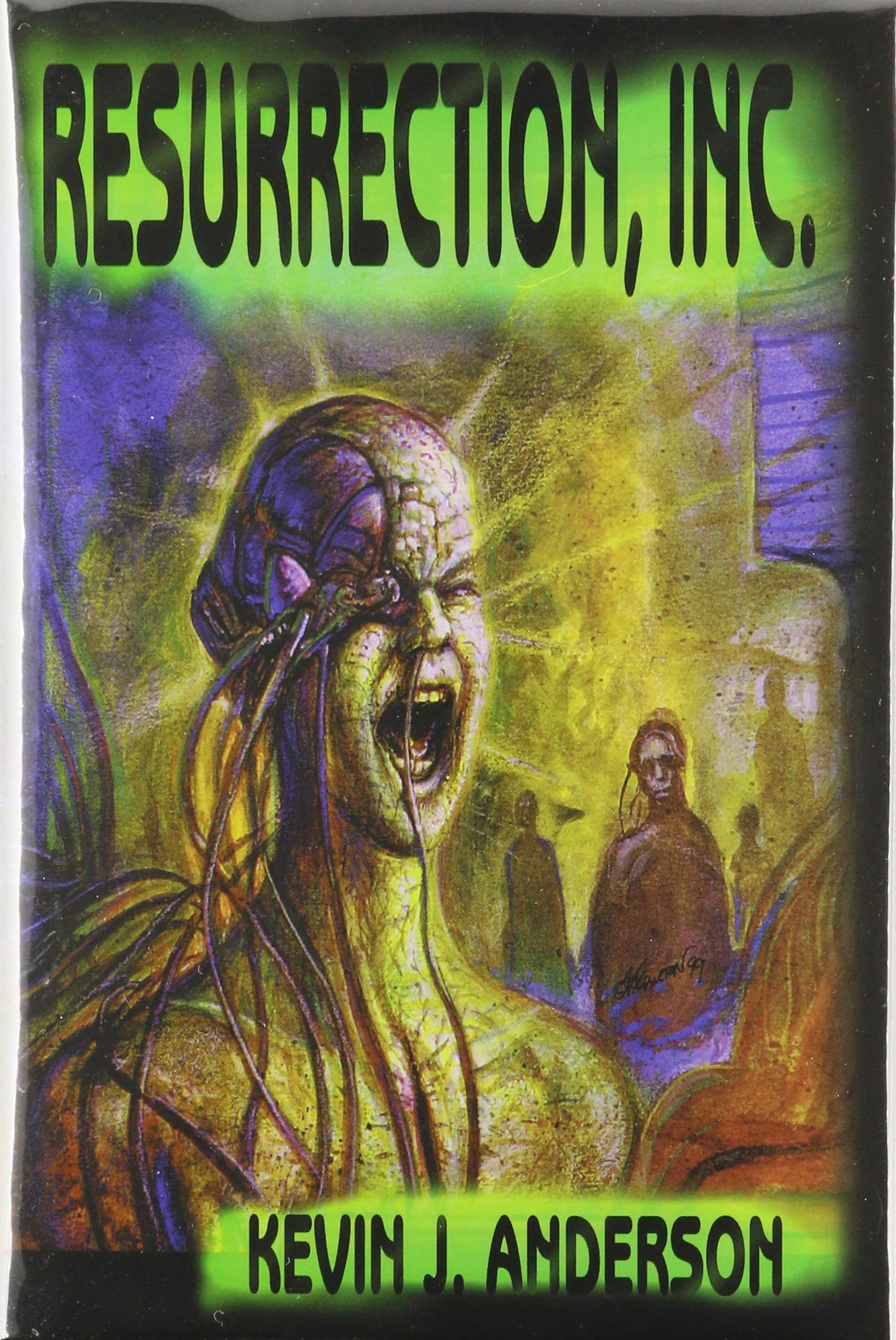
- Resurrection, Inc.
Kevin J. Andersonstandalone novel1988
similar bynear futurescience fictionbig citydarktensecyberpunkour world
It is the future--and the dead walk the streets, resurrected by technology to become servants to the living. Resurrection, Inc. found a profitable way to do it: a microprocessor brain, a synthetic heart, artificial blood--and anyone with money could buy a Servant with no mind of its own, trained to obey any command. But for every Servant created a living worker was out of a job, and suddenly the profits of Resurrection, Inc. became everyone else's loss. Some take to rioting in the streets, their rampages ruthlessly ended by heavily armed Enforcers, eager for the kill. Others join the ever-growing cult of Neo-Satanism, seeking Heaven in the depths of Hell. Only one man tries to save the world. His name is Danal, and he is the last hope of the living. He is dead, but he remembers everything.
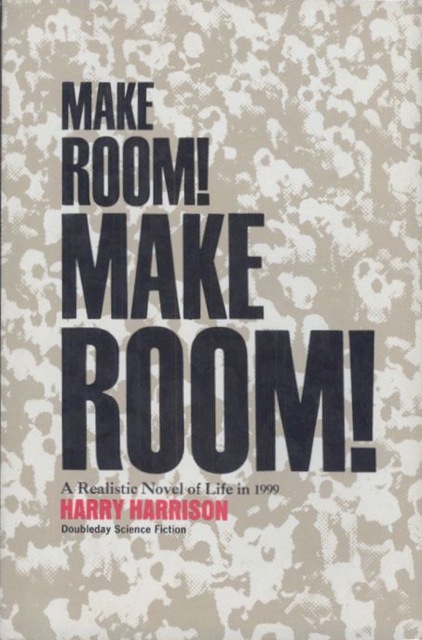
- Make Room! Make Room!
Harry Harrisonstandalone novel1966
similar bynear futurescience fictionbig citydarktenseour world
Make Room! Make Room! is a 1966 science fiction novel written by Harry Harrison exploring the consequences of both unchecked population growth on society and the hoarding of resources by a wealthy minority. It was originally serialized in Impulse magazine.
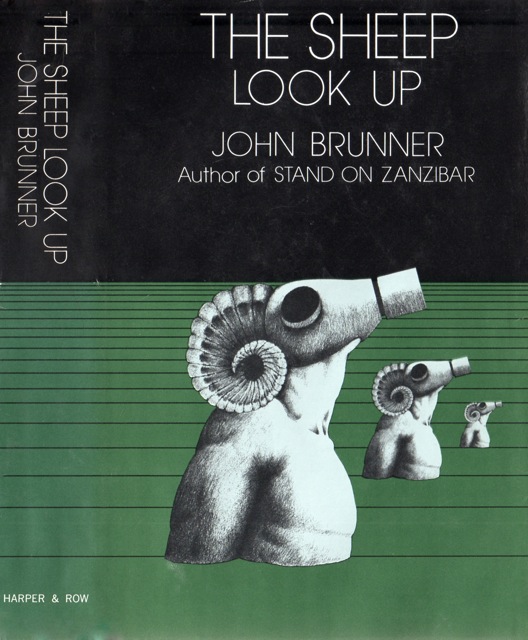
- The Sheep Look Up
John Brunnerstandalone novel1972
similar bynear futurescience fictionbig citydark+1 more
The Sheep Look Up is a 1972 dystopian science fiction novel by British author John Brunner, dealing with the deterioration of the environment in the United States. It was nominated for the 1972 Nebula Award for Best Novel.
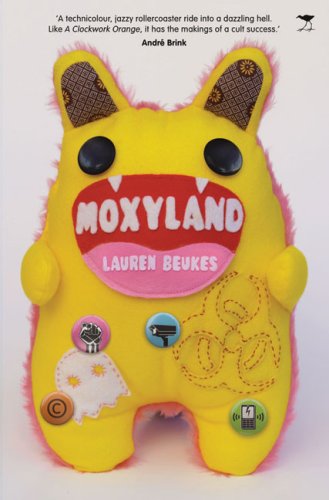
- Moxyland
Lauren Beukesstandalone novel2008
similar bynear futurebig citydarktensescience fictioncyberpunk
Moxyland is a cyberpunk dystopian novel written by South African author, Lauren Beukes. The book was published in 2008.