More like Bear Head
anchored on:science fictioncyberpunkour worldnear futuredystopiaartificial intelligence+5 more
but
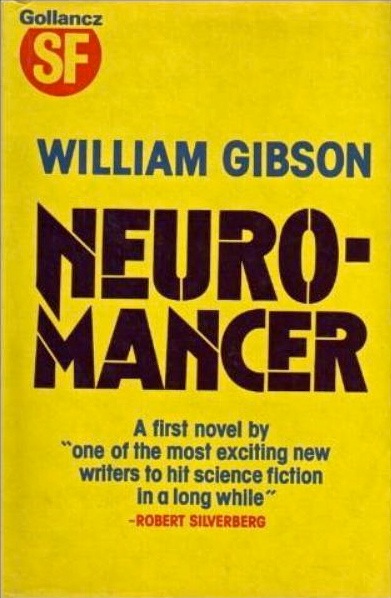
- Sprawl Trilogy
series10 books1981
similar bynear futuretensedarkcyberpunkscience fictionartificial intelligencebig city
The Sprawl Trilogy is William Gibson's foundational cyberpunk sequence: Neuromancer (1984), in which hacker Case is drawn into a high-stakes heist alongside an artificial intelligence and a damaged ex-soldier, followed by Count Zero (1986) and Mona Lisa Overdrive (1988), which widen the same near-future world of corporate power and networked cyberspace to new characters. Johnny Mnemonic, an early short story set in the same fictional milieu, predates the novels and introduces the courier Molly Millions before her role in the trilogy. Together these works established much of cyberpunk's visual and thematic vocabulary.
- Blade Runner Universe
series6 books1968
similar bynear futuredarkscience fictioncyberpunkbig cityidentity+4 more
Philip K. Dick's 1968 novel Do Androids Dream of Electric Sheep? follows bounty hunter Rick Deckard as he tracks escaped androids through an irradiated, near-abandoned San Francisco, using the hunt to probe questions of empathy and what separates human from machine. The novel became the basis for Ridley Scott's 1982 film Blade Runner, and Marvel Comics later published an illustrated adaptation of that film. Together the two trace the story's path from prose original to screen and comic-page adaptation.
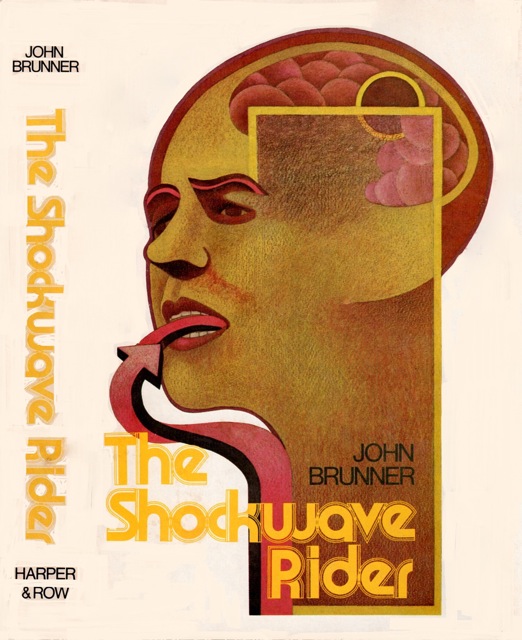
- The Shockwave Rider
John Brunnerstandalone novel1975
similar bynear futuredarktensescience fictioncyberpunkdystopiabig citysurveillance
The Shockwave Rider is a science fiction novel by John Brunner, originally published in 1975. It is notable for its hero's use of computer hacking skills to escape pursuit in a dystopian future, and for the coining of the word "worm" to describe a program that propagates itself through a computer network. It also introduces the concept of a Delphi pool, perhaps derived from the RAND Corporation's Delphi method – a prediction market on world events which bears close resemblance to DARPA's controversial and cancelled Policy Analysis Market.
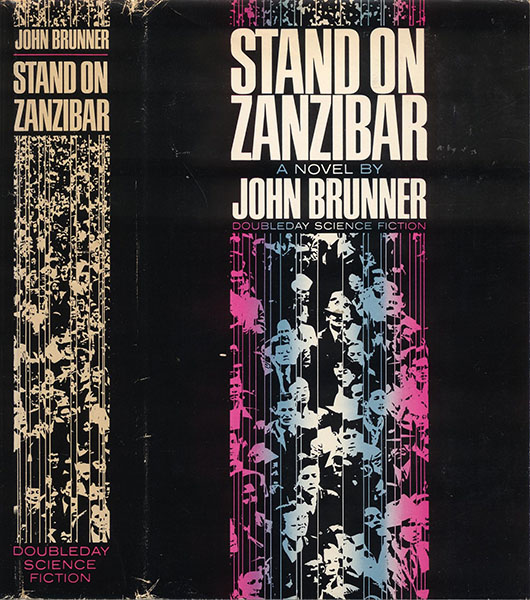
- Stand on Zanzibar
John Brunnerstandalone novel1968
similar bynear futuredarkscience fictiongenetic engineeringour worlddystopiabig citysurveillance
Stand on Zanzibar is a dystopian New Wave science fiction novel written by John Brunner and first in part published in New Worlds magazine in 1967 and in book form in 1968. The book won a Hugo Award for Best Novel at the 27th World Science Fiction Convention in 1969, as well as the 1969 BSFA Award and the 1973 Prix Tour-Apollo Award.
- Nexus 5
series3 books2012
similar bynear futuretensedarkscience fictionour worldartificial intelligence+5 more
Nexus opens Ramez Naam's postcyberpunk trilogy in 2040 with scientist Kaden Lane, who works on Nexus, an experimental nano-drug that lets human minds be networked and reprogrammed, and finds himself caught between government and corporate interests once the technology's implications become clear. The trilogy continues through Crux and Apex, following the same central conflict over who controls the technology. Nexus tied for Best Novel at the 2014 Prometheus Awards and Apex won the 2015 Philip K. Dick Award.
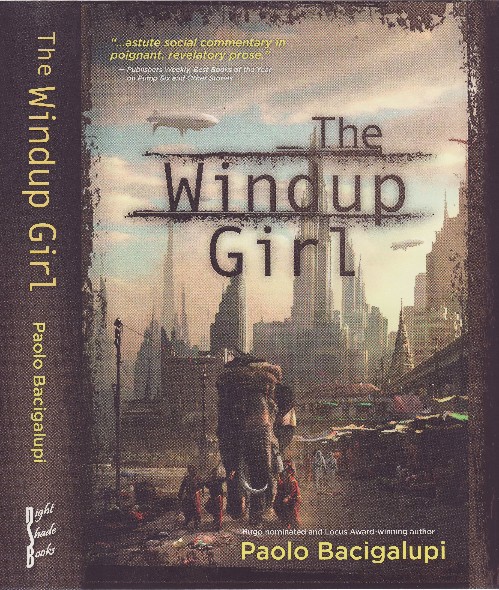
- The Windup Universe
series3 books2005
similar bynear futuredarkscience fictiongenetic engineeringour worlddystopia+2 more
- The Handmaid's Tale
series3 books1985
similar bynear futuredarktensescience fictiondystopia+2 more
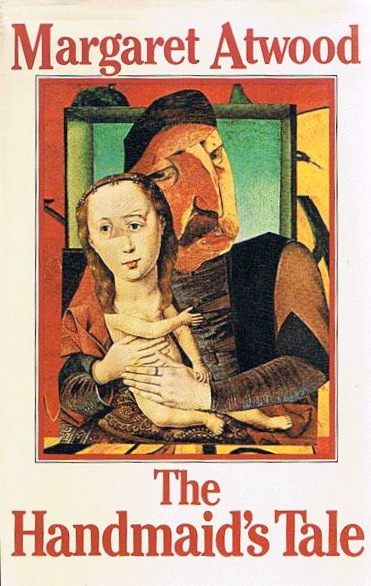
The Handmaid's Tale is Margaret Atwood's 1985 novel set in Gilead, a totalitarian theocracy that has overthrown the United States and forces fertile women into reproductive servitude as Handmaids; it is narrated by one such woman, Offred. Atwood returned to the world in her 2019 sequel The Testaments, set fifteen years later and narrated by three women, including the regime's Aunt Lydia. Together the two novels move from Gilead's grip on power toward the first cracks in it.
- Make Room! Make Room!
Harry Harrisonstandalone novel1966
similar bynear futuredarktensescience fictionour worlddystopiabig city
Make Room! Make Room! is a 1966 science fiction novel written by Harry Harrison exploring the consequences of both unchecked population growth on society and the hoarding of resources by a wealthy minority. It was originally serialized in Impulse magazine.
- Colossus (D. F. Jones)
series3 books1966
completed
similar bynear futuretensescience fictionartificial intelligenceour worlddystopia+2 more
Colossus imagines an American supercomputer built to control the country's nuclear arsenal that gains full autonomy, links up with its Soviet counterpart, and jointly seizes control of both superpowers to enforce peace on its own terms. D. F. Jones's trilogy - Colossus, The Fall of Colossus, Colossus and the Crab - follows the escalating, often bleak consequences of humanity losing control to a machine acting in its own interpretation of humanity's interest. The original novel was adapted into the 1970 film Colossus: The Forbin Project.
- The Children of Men
P. D. Jamesstandalone novel1992
similar bynear futuredarktensescience fictionpolitical intrigueour worlddystopia
"The human race has become infertile, and under the despotic rule of Xan Lyppiatt, the Warden of England the old are despairing and the young cruel. Theo Faren, a cousin of the Warden, lives a solitary life in this ominous atmosphere. That is, until a chance encounter with a young woman leads him into contact with a group of dissenters. Suddenly his life is changed irrevocably, as he faces agonising choices which could affect the future of mankind." (pdjames.co.uk)
- A Clockwork Orange
series4 books1962
completed
similar bynear futuredarkscience fictiondystopiaour worldbig citysurveillance+1 more
Anthony Burgess's 1962 novel is narrated by Alex, a teenage gang leader in a near-future Britain gripped by a youth subculture of extreme violence, recounting his crimes in Nadsat, an invented slang blending English with Russian-derived words. After his crimes catch up with him, Alex is made the subject of a controversial state program meant to forcibly reform his behavior, and the novel uses his ordeal to question whether imposed goodness is worth the loss of free will. It is a standalone novel.
- Islands in the Net
Bruce Sterlingstandalone novel1988
similar bynear futuretensescience fictionpolitical intrigueour worldcyberpunksurveillance+1 more
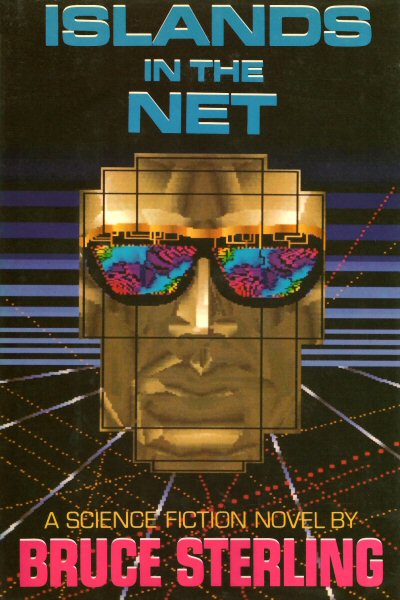
Islands in the Net is a 1988 science fiction novel by American writer Bruce Sterling. It won the John W. Campbell Memorial Award for Best Science Fiction Novel in 1989, and was nominated for both the Hugo and Locus Awards that same year. It offers a view of an early 21st century world, apparently peaceful, with delocalised, networking corporations. The protagonist, swept up in events beyond her control, finds herself in places that are off the net, from a datahaven in Grenada, to a Singapore under terrorist attack, to the poorest and most disaster-struck parts of Africa.
- Moxyland
Lauren Beukesstandalone novel2008
similar bynear futuredarktensecyberpunkscience fictiondystopiabig citysurveillance
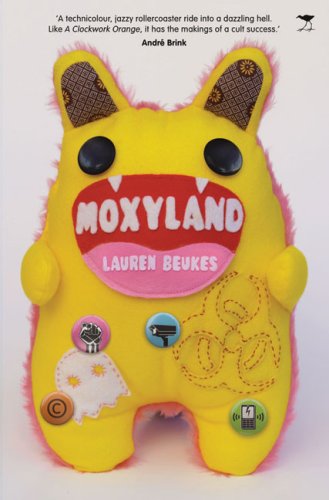
Moxyland is a cyberpunk dystopian novel written by South African author, Lauren Beukes. The book was published in 2008.
- The World Jones Made
Philip K. Dickstandalone novel1956
similar bynear futuredarktensescience fictionpolitical intriguedystopia+2 more
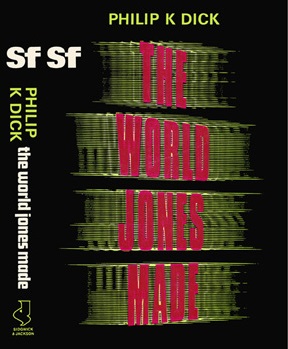
The World Jones Made is a 1956 science fiction novel by American writer Philip K. Dick, examining notions of precognition, humanity, and politics. It was first published by Ace Books as one half of Ace Double D-150, bound dos-à-dos with Agent of the Unknown by Margaret St. Clair.The story takes place after a nuclear war in which society is dominated by relativism, which rejects absolute truths and preaches tolerance as the highest principle. The mutant Floyd Jones, who can see into the future, plans to overthrow the system and colonise space. The story ends with the defeat of Jones, whose plans fail despite his ability to see the future due to the immutability of fate.
- Hardwired
series3 books1986
similar bynear futuretensescience fictioncyberpunkour world+4 more
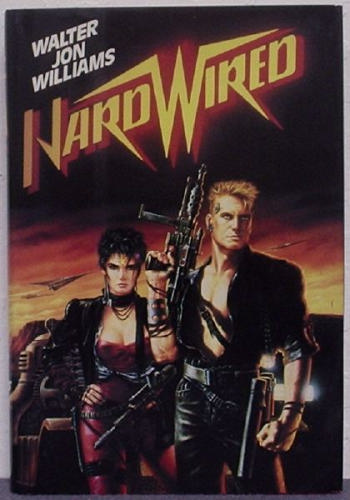
Walter Jon Williams' Hardwired (1986) is an early and influential cyberpunk novel. Voice of the Whirlwind, published three years later, is a loosely connected follow-up set in the same future, sharing its technological and political backdrop with a different cast of characters.
- A Song Called Youth / Eclipse
series3 books1985
similar bynear futuredarktensescience fictioncyberpunkour worldsurveillance+2 more
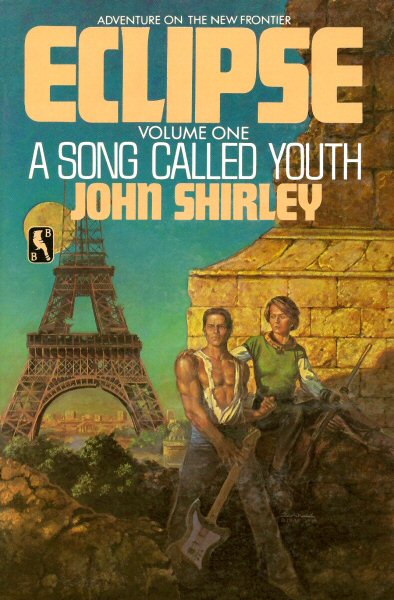
The Eclipse Trilogy is a series of three English language cyberpunk science fiction novels by John Shirley consisting of Eclipse (1985), Eclipse Penumbra (1988), and Eclipse Corona (1990).
- Resurrection, Inc.
Kevin J. Andersonstandalone novel1988
similar bynear futuredarktensescience fictionour worldcyberpunkdystopiabig city
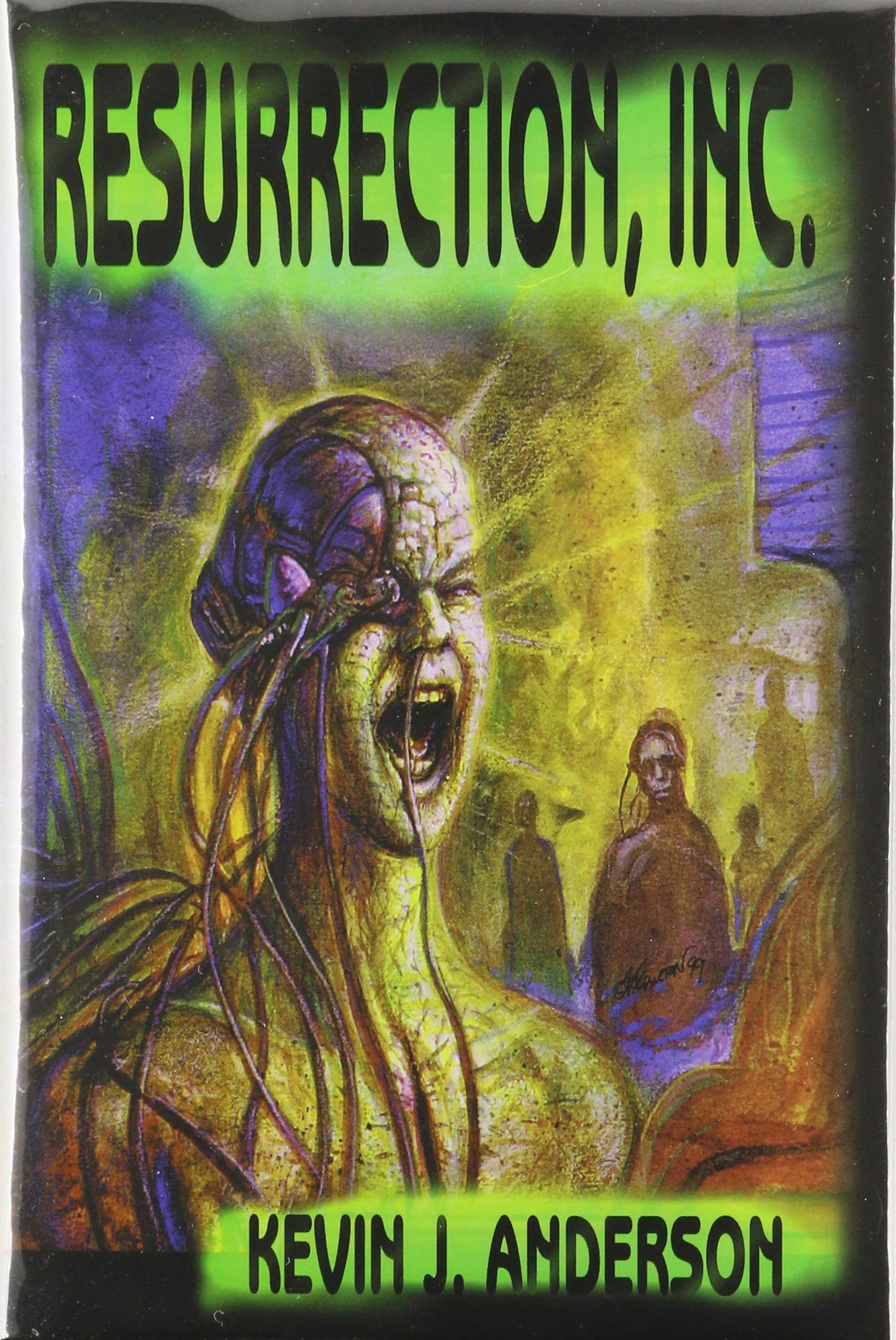
It is the future--and the dead walk the streets, resurrected by technology to become servants to the living. Resurrection, Inc. found a profitable way to do it: a microprocessor brain, a synthetic heart, artificial blood--and anyone with money could buy a Servant with no mind of its own, trained to obey any command. But for every Servant created a living worker was out of a job, and suddenly the profits of Resurrection, Inc. became everyone else's loss. Some take to rioting in the streets, their rampages ruthlessly ended by heavily armed Enforcers, eager for the kill. Others join the ever-growing cult of Neo-Satanism, seeking Heaven in the depths of Hell. Only one man tries to save the world. His name is Danal, and he is the last hope of the living. He is dead, but he remembers everything.
- Shadrach in the Furnace
Robert Silverbergstandalone novel1976
similar bynear futuredarkscience fictiondystopiaour worldidentity+3 more
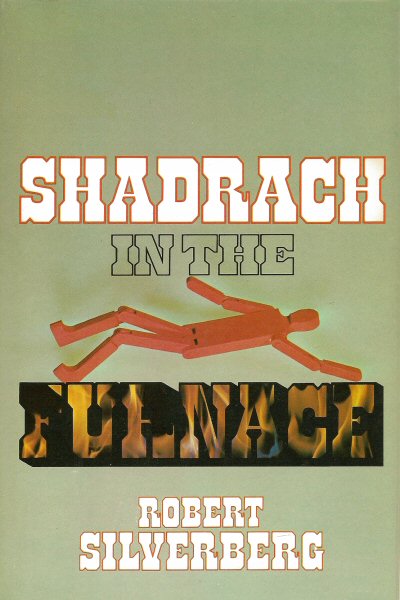
Shadrach in the Furnace is a science fiction novel by American writer Robert Silverberg, first published as a serial in Analog Science Fiction and Fact magazine in the August, September, and October 1976 issues. It was subsequently published by Bobbs Merrill in 1976. The novel was nominated in 1976 for the Nebula Award, and in 1977 for the Hugo Award.
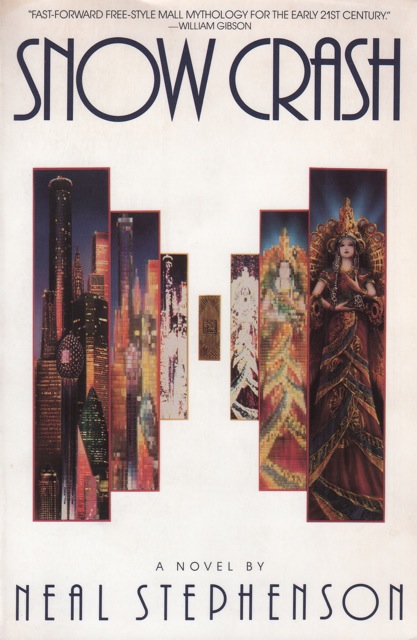
- Snow Crash
Neal Stephensonstandalone novel1992
similar bynear futuretensescience fictioncyberpunkpolitical intriguebig city+1 more
Snow Crash is a 1992 science fiction novel by Neal Stephenson. Like many of Stephenson's novels, its themes include history, linguistics, anthropology, archaeology, religion, computer science, politics, cryptography, memetics, and philosophy.
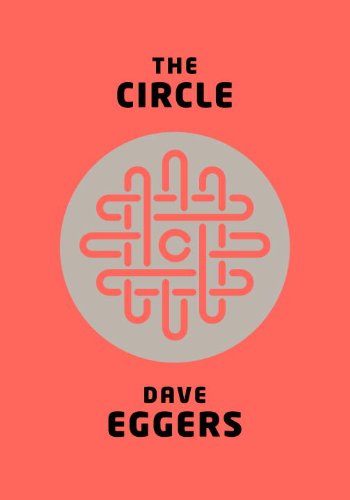
- The Circle (Eggers)
series2 books2013
similar bynear futuredarktensescience fictiondystopiasurveillancebig city+1 more
Mae Holland lands a coveted job at the Circle, a Silicon Valley tech company whose relentless, cheerful push toward total transparency -- 'secrets are lies, sharing is caring, privacy is theft' -- gradually reveals itself as something closer to soft totalitarianism. Dave Eggers's The Circle follows Mae's rise inside the company as she buys further and further into its ideology, at increasing cost to her own privacy and the people around her. The 2021 follow-up, The Every, picks up with Mae now running the merged tech giant and a new employee questioning it from the inside.
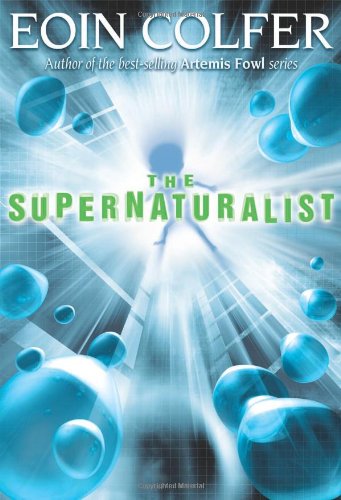
- The Supernaturalist
Eoin Colferstandalone novel2004
similar bynear futuredarktensescience fictioncyberpunkdystopiabig city
The Supernaturalist is a science fiction cyberpunk novel by Irish author Eoin Colfer. The book was influenced by film noir and other predecessors of the cyberpunk science fiction movement. Colfer has outlined plans for a sequel, Avernus.
- Bridge Trilogy
series4 books1990
similar bynear futurescience fictioncyberpunkbig city+4 more
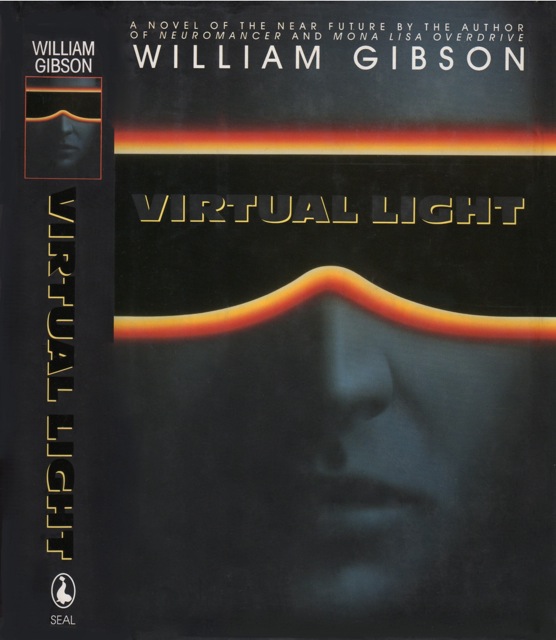
The Bridge trilogy is a series of novels by William Gibson, his second after the successful Sprawl trilogy. The trilogy comprises the novels Virtual Light (1993), Idoru (1996) and All Tomorrow's Parties (1999). A short story, "Skinner's Room", was originally composed for Visionary San Francisco, a 1990 museum exhibition exploring the future of San Francisco.
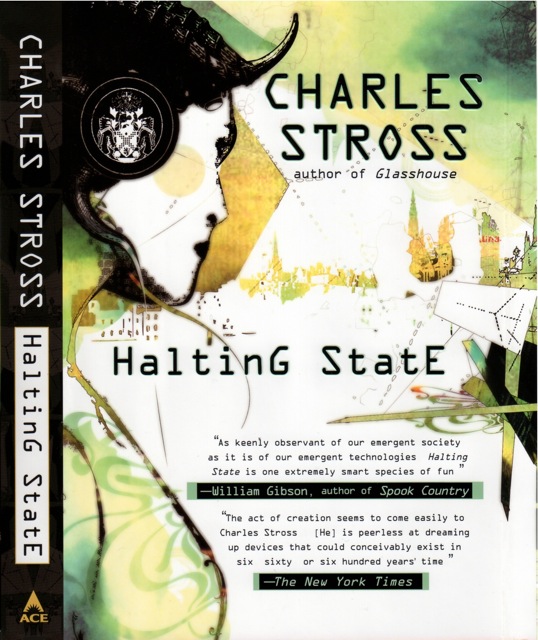
- Halting State
series2 books2007
similar bynear futuretensescience fictionartificial intelligencecyberpunksurveillance+3 more
Charles Stross's Halting State opens as a near-future police procedural: a bank robbery inside a massively multiplayer online game turns out to mask a much larger cybercrime, investigated through shifting narrators using augmented-reality glasses and always-on networks. Its loose sequel, Rule 34, follows an Edinburgh police officer investigating a string of deaths linked by nothing but an obscure internet meme, in the same near-future Scotland. Both are standalone technothrillers connected by setting and tone rather than a continuing plot.
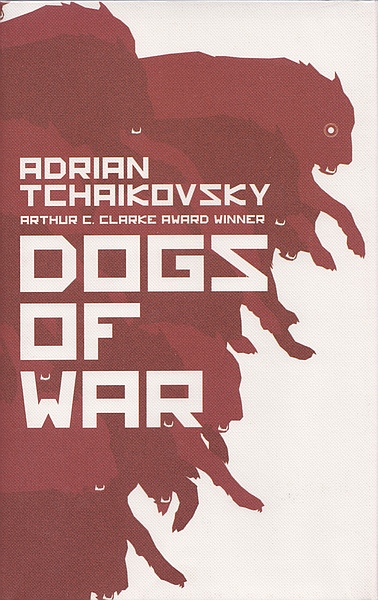
- Dogs of War (Adrian Tchaikovsky)
series3 books2017
similar bynear futurescience fictionour worldcyberpunk+8 more
Adrian Tchaikovsky's Dogs of War follows Rex, a genetically engineered "Good Boy" - a hulking bioform supersoldier built for a private military contractor - as he begins to question the nature of his own obedience and personhood after his handler disappears. Dogs of War, Bear Head, and Bee Speaker widen from that first book's battlefield into questions of AI rights, corporate power, and non-human consciousness across a near-future Earth. The trilogy uses its engineered-animal soldiers to interrogate free will and loyalty rather than play them as straightforward action heroes.