More like Beautiful Hell
anchored on:afterlife & underworld
but
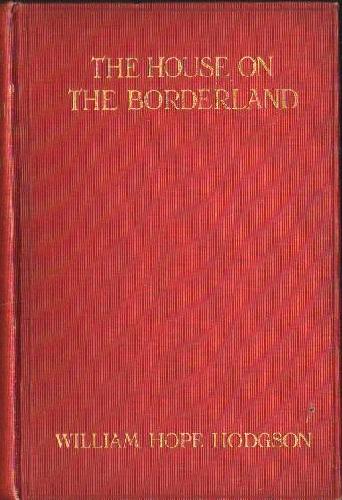
- The House on the Borderland
William Hope Hodgsonstandalone novel1908
similar byhorrordark
The House on the Borderland (1908) is a supernatural horror novel by British fantasist William Hope Hodgson. The novel is a hallucinatory account of a recluse's stay at a remote house, and his experiences of supernatural creatures and otherworldly dimensions.
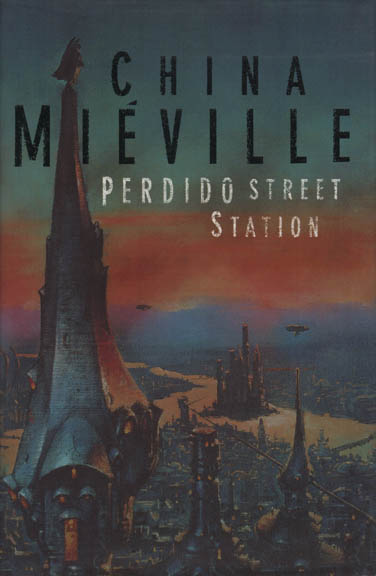
- New Crobuzon
series4 books2000
similar bydark
The New Crobuzon books are three standalone novels by China Miéville set in and around New Crobuzon, a vast, corrupt industrial city in his invented world of Bas-Lag where magic, biopunk technology, and several sentient species coexist. Perdido Street Station follows a renegade scientist and his lover after an experiment unleashes something monstrous on the city, while The Scar and Iron Council return to the same setting with different casts and only loose continuity between books.
- Dracula
universe144 books1897
Start hereDracula · Start here
similar byhorror
"Come freely. Go safely. And leave something of the happiness you bring" — so the Count greets his guest at the threshold of the Carpathians, and the great door shuts behind. Bram Stoker's Dracula (1897) is the wellspring of the modern vampire: the account of a centuries-old Transylvanian nobleman who quits his crumbling castle for the crowded lodging-houses of London, and the handful of ordinary people — a young solicitor, a doctor of the mad, a professor of stranger learning — who must piece together what he is before he makes the whole city his fold. It is told wholly in fragments: journal entries, letters, telegrams, ships' logs, phonograph cylinders, each hand recording only its own sliver of the dark. Around that single novel a whole crypt of continuations has grown, raised by many writers across a century. Fred Saberhagen's Dracula Sequence hands the Count the microphone, retelling the old events from his own wry, aggrieved lips and following him into later intrigues. Robert Lory's brisk 1970s Dracula Horror Series revives him as a reluctant weapon turned against fouler things; Peter Tremayne's trilogy reaches back along his bloodline; and further sequels, a Quincey Morris spin-off, and Dracula's Children carry the shadow onward. This is a loose shared world built upon a public-domain figure, not one governed continuity — each author remakes him as villain, antihero, or sympathetic narrator. Begin, always, with Stoker's original; the letters and the mounting dread stand entirely on their own. From there follow whichever door tempts you — Saberhagen's The Dracula Tape for the monster's own confession, Lory or Tremayne for tales that never glance back at the Borgo Pass again.
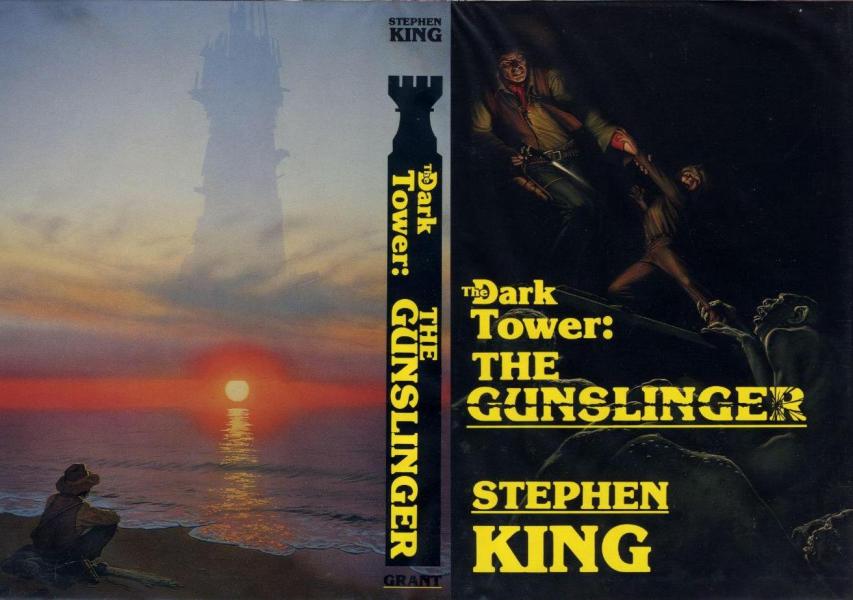
- Stephen King multiverse
universe46 books1967
Start hereThe Gunslinger · Start here
similar bydark+1 more
The man in black fled across the desert, and the gunslinger followed. So begins the long walk of Roland Deschain, last of an order of knight-errant pistoleers, across a land that has "moved on" — where the compass points drift, dead machines rot toward sentience, and the weave of what's real wears thin. His quest is the Dark Tower itself: a spire standing at the hub of every world that exists, the linchpin that holds all of them back from ruin. Roland's road runs eight volumes, from The Gunslinger through the closing Dark Tower, with the later, interleaved tale The Wind Through the Keyhole folding a story-within-a-story back into his youth. Along the way he draws a ka-tet — a fellowship bound by fate, not choosing — through doorways between worlds: a heroin-shackled New Yorker, a woman of two minds, a boy who dies twice. The Tower is also the secret axle around which the wider shelf of King's work turns; threads from The Stand, 'Salem's Lot and beyond wind quietly toward it. Expect a mongrel of Western, high fantasy, horror and decayed science fiction, told in a dusty, incantatory dialect all its own — ka, thankee-sai, the world that has moved on. This is King at his most mythic and most personal, a decades-spanning circle that rewards a patient reader. Begin at the beginning: The Gunslinger, then walk forward in publication order. There are other worlds than these — but this door opens first.
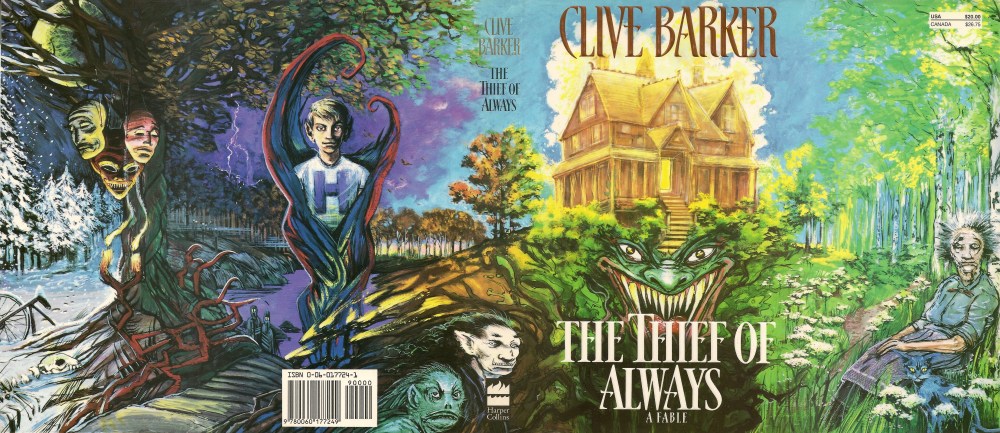
- The Thief of Always
Clive Barkerstandalone novel1992
similar bydark+1 more
Ten-year-old Harvey Swick is bored out of his mind when a stranger named Rictus offers him a way out: Holiday House, a place where every season of the year -- Christmas, Halloween, summer -- arrives in a single glorious day, one after another. Once inside, Harvey meets fellow children Wendell and Lulu, the elderly caretaker Mrs. Griffin and her cats, and settles into a routine of enchantment that starts to feel too perfect. Their host, the mysterious Mr. Hood, never appears, rumors about a figure called Carna keep surfacing, and something in the nearby lake is very wrong. One of Clive Barker's best-known standalone books, written for younger readers.
- The Invisible Man
series6 books1897
similar by+2 more
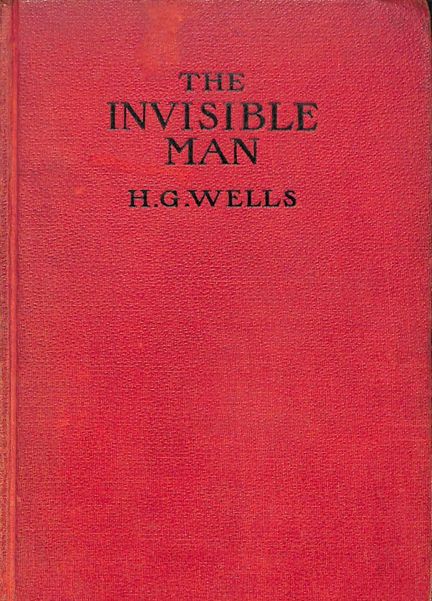
The Invisible Man is H. G. Wells's 1897 science fiction novel about Griffin, a scientist who works out how to make living tissue invisible and tests the process on himself, only to discover he has no way to reverse it. Unseen and increasingly cut off from other people, he turns to theft and violence while trying to survive and find a cure, making the book as much about his moral collapse as about the invisibility premise itself. It's a single self-contained novel; the two listed titles here are duplicate editions rather than separate books.
- Kane
series25 books1970
completed
similar bydark
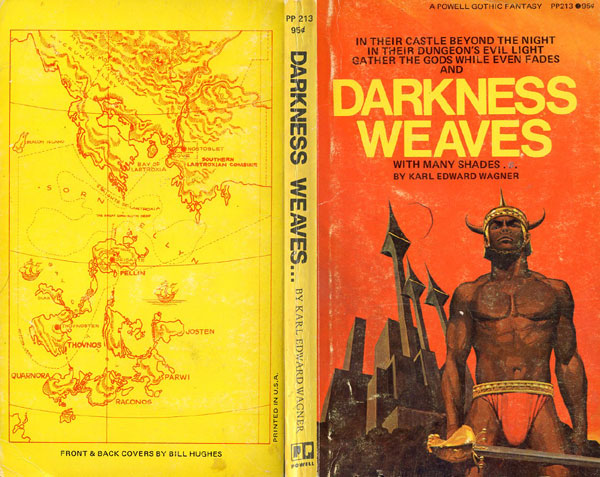
Kane is a fictional character created by American author Karl Edward Wagner, who is the protagonist of three novels and about 20 short stories published between 1970 and 1985. Most Kane tales are sword and sorcery with strong elements of gothic horror and set in a grim, pre-medieval world which is nonetheless ancient and rich in history. In some of Wagner's later stories, Kane appears in the present day—for example, as a drug dealer in "Lacunae" and as a somewhat suspect publishing magnate in "At First Just Ghostly".
- Demon Cycle
series10 books2008
part of The Demon Cycle
similar by+1 more
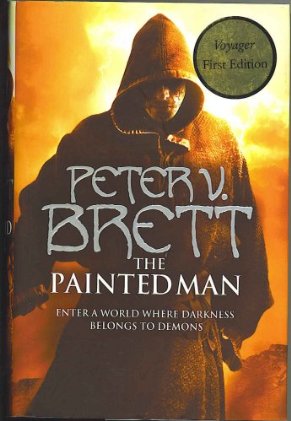
Peter V. Brett's Demon Cycle is set in a world where nightly demon attacks have driven humanity behind protective magical wards, following several point-of-view characters, including Arlen Bales and Leesha Paper, who each search for ways to fight back after centuries of retreat. The core story runs across five novels plus companion novellas.
- Damned Trilogy
series2 books2011
similar byhorrordarkafterlife & underworld
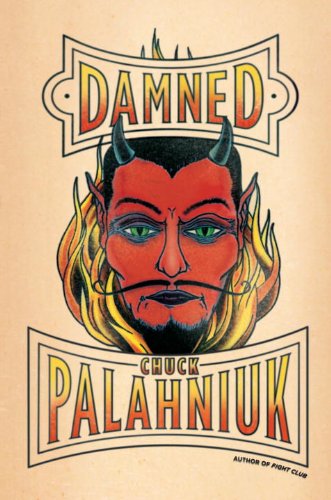
Chuck Palahniuk's Damned follows Madison Spencer, a sharp-tongued thirteen-year-old who wakes up dead and navigates a bureaucratic, telemarketing-riddled Hell, phoning the living to warn them before she's through. Its sequel, Doomed, continues her afterlife story; despite the 'trilogy' label, only these two books have been published.
- Nineteen Eighty-Four
series4 books1949
similar by+1 more
Nineteen Eighty-Four (1949) is George Orwell's novel of a totalitarian future Britain kept under constant surveillance and thought control, following Winston Smith's doomed attempt at a private rebellion against the ruling Party. Sandra Newman's Julia (2023), written with the Orwell estate's authorization, retells the same events from the point of view of Winston's lover Julia, filling in a life and set of motives the original largely left offstage.
- Dream Cycle
series26 books1919
similar byhorror
The Dream Cycle is a series of short stories and novellas by author H. P. Lovecraft (1890–1937). Written between 1918 and 1932, they are about the "Dreamlands", a vast alternate dimension that can only be entered via dreams. The Dreamlands are described as lying deeper than space, matter and time, and are a "limitless vacua beyond all thought and entity".
- Alchemised
SenLinYustandalone novel2025
similar byhorrordark
Alchemised is the debut fantasy novel of American author SenLinYu. The book was published in September 2025 by Del Rey Books in the United States and Penguin imprint Michael Joseph in the United Kingdom, New Zealand and Australia. Described as both dark fantasy, horror and gothic romance, and sometimes erroneously classified as dark romance, the standalone novel follows the life of a former alchemist, Helena Marino, as she recovers her memories of a civil war. It reached number one on the New York Times best-seller list in the week after its release.
- Inferno
series2 books1976
similar bydarkafterlife & underworld
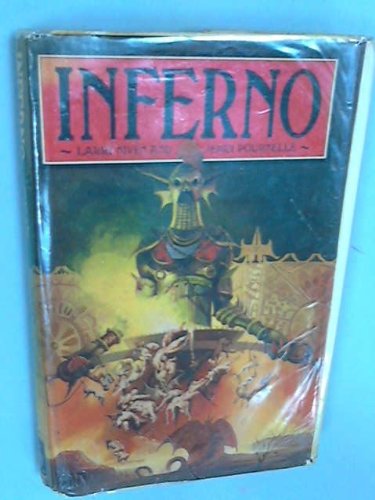
In Inferno, Larry Niven and Jerry Pournelle send a science fiction writer to his death and drop him into a modern-dress version of Dante's nine circles of Hell, where he must reason his way toward understanding why he has been damned. The 1976 novel was nominated for both the Hugo and Nebula awards, and the authors returned to the same character decades later in a sequel, Escape from Hell. Together the two books form a self-contained pair rather than an open-ended series.
- Frankenstein
universe128 books1818
Start hereFrankenstein, or, The Modern Prometheus · Start here
similar byhorror
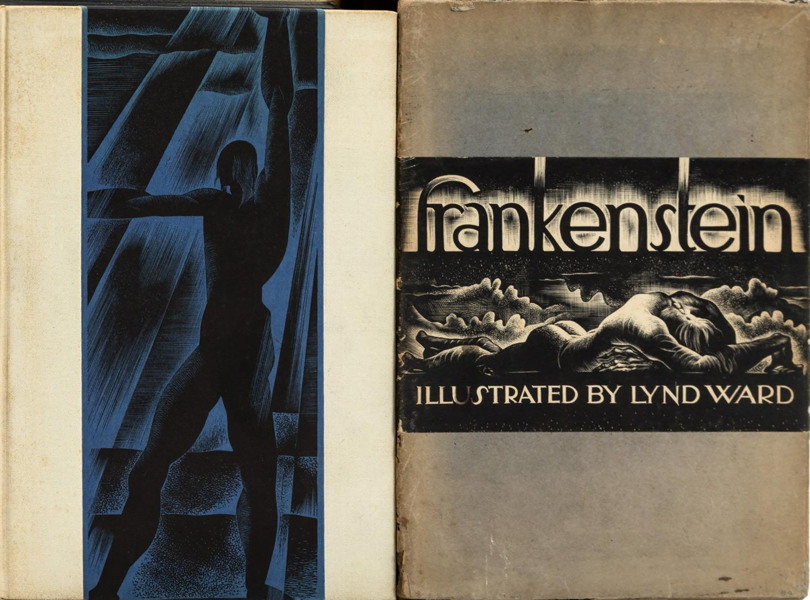
Light a candle against the November dark and consider what a single spark, rightly applied to dead matter, might wake. In a laboratory at Ingolstadt a student named Victor Frankenstein learns the secret of animating lifeless flesh, assembles a being from the harvest of charnel houses and graves, and, at the moment it draws breath, flees the thing he has made. What he abandons does not stay abandoned. This is the world Mary Shelley opened in 1818 with Frankenstein; or, The Modern Prometheus: the story of a maker and his unmothered creation, and the long ruin each works upon the other. Shelley's novel arrives as a nest of confessions, an explorer's letters from the frozen north enclosing Victor's account, which in turn encloses the Creature's own, an articulate and wounded voice that has read Milton and wants only not to be alone. From that single volume two centuries of other hands have built outward, not as one continuity but as a gathering of independent returns to the same fire. Dean Koontz transplants the myth to modern New Orleans across a five-book cycle, Prodigal Son through The Dead Town, where the original Creature, now called Deucalion, hunts a Victor who never died. Donald F. Glut's New Adventures and Frank Schildiner's Quest of Frankenstein run the monster through pulp adventure; the mid-century French novels published as Benoit Becker chase him across a ruined Europe; Scott Sonneborn's Frankenstein Journals and the comic Frankenstein's Aunt turn the legend toward younger and lighter readers. What binds them is the question the book asks and never settles: which is the monster, the forsaken creature who kills, or the man whose ambition and cowardice made and abandoned him? Expect little comfort and few clean villains; the abiding note is grief, sublime and articulate, set against Alpine ice and candlelit hubris. Begin where it began, with Shelley's own novel; the later cycles reward you only once you have heard the Creature speak for himself.
- Carrie
Stephen Kingstandalone novel1974
similar byhorrordark
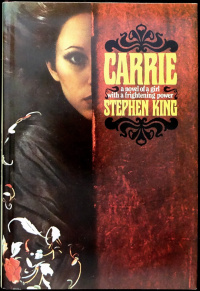
In one way or another, everybody abused Carrie. This sixteen-year-old misfit was forbidden everything that was young and fun by her fanatical mother. She was teased and taunted by her classmates, misunderstood by her teachers, and given up as hopeless by almost everyone. But Carrie had a secret: She possessed terrifying telekinetic powers that could make inanimate objects move, a lighted candle fall, or a door lock. Carrie could make all kinds of startling bizarre, and malevolent things happen. (WorldCat)
- The Island of Dr. Moreau
series12 books1896
similar by+2 more
H. G. Wells's 1896 novel The Island of Doctor Moreau follows a shipwrecked man stranded on a remote island where a reclusive scientist creates human-animal hybrids through vivisection, using the scenario to probe questions of cruelty, control, and what separates humanity from the beasts it experiments on. The premise has drawn later reimaginings gathered alongside it here, including Brian Aldiss's Moreau's Other Island and Silvia Moreno-Garcia's The Daughter of Doctor Moreau, each transplanting Wells's central idea into a new setting and voice. Taken together, the group traces one unsettling premise across more than a century of speculative fiction rather than forming a single ongoing story.
- Fairy Tale Anthologies
series7 books1993
similar by+1 more
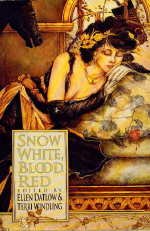
Fairy Tale Anthologies gathers Ellen Datlow and Terri Windling's series of adult short-fiction anthologies retelling classic fairy tales, beginning with Snow White, Blood Red (1993) and continuing through Black Thorn, White Rose, Ruby Slippers, Golden Tears and further volumes. Each book commissions new stories from a rotating set of authors reworking familiar tales, often into darker, more adult territory than their source material. The volumes are linked by editorial concept and theme rather than a continuing plot or cast.
- Jerusalem's Lot
series3 books1975
similar byhorrordark
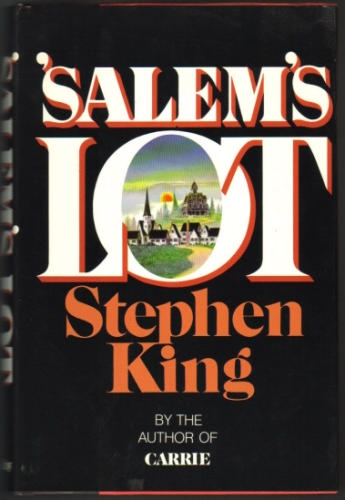
Stephen King's 1975 novel 'Salem's Lot follows writer Ben Mears as he returns to his childhood town of Jerusalem's Lot, Maine, only to discover that its residents are being turned into vampires by a newly arrived stranger. It transplants Gothic vampire horror into a small New England community, tracking that community's collapse under a supernatural siege. It is a single, self-contained novel.
- The Andromeda Strain
series2 books1969
similar by+2 more
Michael Crichton's 1969 novel The Andromeda Strain follows a team of scientists racing to contain a lethal extraterrestrial microorganism that crash-lands in Arizona, told in the clinical, document-driven style that helped establish the techno-thriller genre. Daniel H. Wilson's authorized 2019 sequel The Andromeda Evolution revisits the same threat five decades later. Together the two books form a two-part outbreak story separated by a fifty-year gap in publication.
- The Shining
series5 books1977
similar byhorrordark
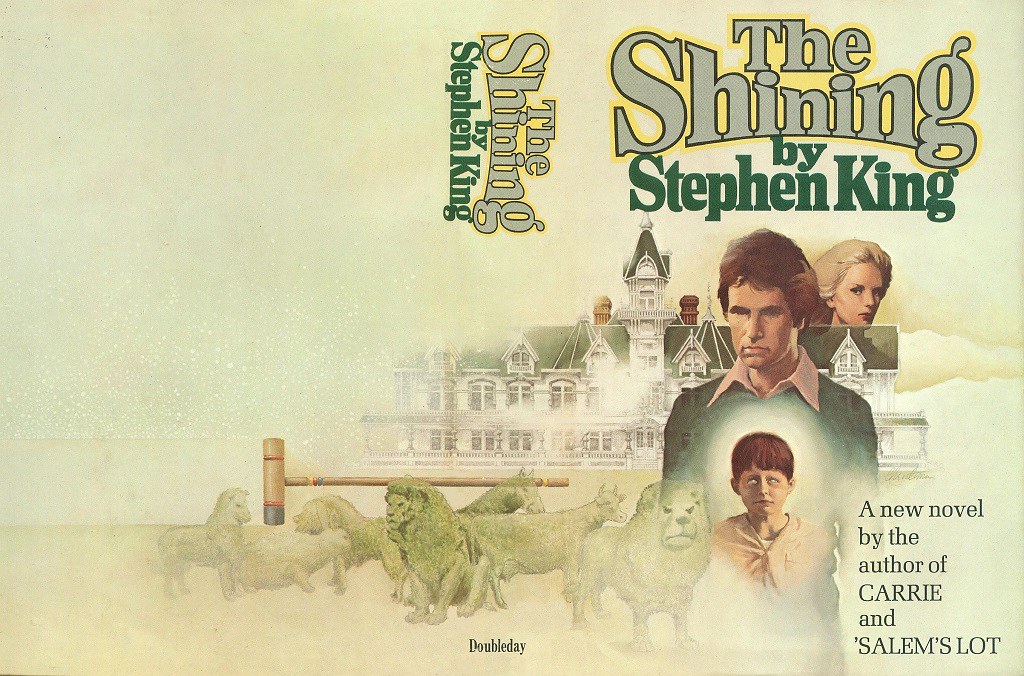
Stephen King's 1977 novel The Shining follows the Torrance family as winter caretakers of the isolated, malevolent Overlook Hotel, where father Jack is gradually consumed by the hotel's influence while his young son Danny's psychic "shining" draws its attention. Doctor Sleep (2013) picks up the story decades later, following Danny as an adult still marked by that childhood ordeal. Together the two form a horror duology spanning nearly forty years of real-world publication.
- The Demon Cycle
universe18 books2008
Start hereDemon Cycle · Start here
similar by+1 more
When the sun goes down, the ground breathes out murder. Mist seeps up from the Core, hardens into flame and rock and wind given teeth, and the only thing between a sleeping family and the corelings is a ring of wards — glyphs scratched in the dust that hold as long as the lines stay unbroken. Miss one stroke and you are meat by morning. This is Peter V. Brett's world: a humanity three centuries into a losing siege, huddled in the dark, waiting on a Deliverer half of them no longer believe will come. The Demon Cycle runs five volumes — The Warded Man (published in Britain as The Painted Man), The Desert Spear, The Daylight War, The Skull Throne, and The Core — following a messenger who tattoos the lost combat-wards into his own skin, a healer, a fiddler whose music turns demons aside, and a desert warlord who claims the prophecy for himself. Around them sit shorter works (Brayan's Gold, Messenger's Legacy, Barren), and beyond them the ongoing Nightfall Saga — The Desert Prince, The Hidden Queen — carrying the next generation into a war their parents did not finish. At its heart is a quarrel over faith and fire: the mannered Free Cities against fanatic, sand-hard Krasia, two would-be saviors who cannot both be right, and a lost art of war-magic that could turn prey into hunters. Begin with The Warded Man and read straight through in publication order; the novellas keep, for later, once the dark is under your skin.