More like Bedside Manor
anchored on:our worldliterary & general
but
- Crash
J. G. Ballardstandalone novel1973
similar bymadnessliterary & generalchallengingcontemporaryour world+1 more
Crash is a novel by J. G. Ballard, first published in 1973 with a cover designed by Bill Botten. It follows a group of car-crash fetishists who, inspired by the famous crashes of celebrities, become sexually aroused by staging and participating in car accidents.
- VALIS
series4 books1981
completed
similar bychallengingidentityreflectivescience fiction+4 more
The VALIS trilogy is a set of science fiction/philosophical novels by author Philip K. Dick which include VALIS (1981), The Divine Invasion (1981), and The Transmigration of Timothy Archer (1982). Dick's first novel about the VALIS concept originally titled "VALISystem A", was published as Radio Free Albemuth after Dick's death in 1985.
- Briefing for a Descent Into Hell
Doris Lessingstandalone novel1971
similar bymadnessliterary & generalchallengingour worldcontemporaryidentityreflective
Briefing for a Descent into Hell is a 1971 psychological novel by British novelist Doris Lessing. It was shortlisted for that the 1971 Booker Prize.
- Dhalgren
Samuel R. Delanystandalone novel1975
similar bymadnessliterary & generalchallengingcontemporaryidentityscience fiction
Dhalgren is a 1975 science fiction novel by American writer Samuel R. Delany. It features an extended trip to and through Bellona, a fictional city in the American Midwest cut off from the rest of the world by an unknown catastrophe. It is number 33 on the 20th Century's Greatest Hits: 100 English-Language Books of Fiction list.
- Consumed
David Cronenbergstandalone novel2014
similar bymadnessliterary & generalour worldcontemporary+2 more
Consumed is the first novel by the Canadian filmmaker, screenwriter and actor David Cronenberg.
- Great Apes
Will Selfstandalone novel1997
similar byliterary & generalchallengingour worldcontemporaryidentity+2 more
Great Apes is a 1997 novel by Will Self.
- Breakfast of Champions
Kurt Vonnegut & Jr.standalone novel1973
similar bymadnessliterary & generalchallengingcontemporaryidentity+1 more
The author decides to liberate the characters he created, including an author who decides to try to help a mentally ill reader who was driven over the edge by the book's assertion that he was the only creature with free will in a universe of preprogrammed automatons.
- HARM
Brian W. Aldissstandalone novel2007
similar bymadnessliterary & generalchallengingcontemporaryour worldidentityscience fiction
"... a young writer of light fiction with a Muslim heritage has been arrested for no compelling reason. He is held as Prisoner B, in HARM ... and isolated. To evade this misery Prisoner B escapes - through his split personality - to a science fiction-like planet ruled by insects. But gradually the two worlds start to converge ..."
- Wittgenstein's Mistress
David Marksonstandalone novel1988
similar bymadnessliterary & generalchallengingour worldcontemporaryidentityreflective
Wittgenstein's Mistress is a 1988 experimental novel written by David Markson. A highly stylized work in the tradition of Samuel Beckett, the novel is mainly a series of statements made in the first person. The protagonist is a woman named Kate who believes herself to be the last human on earth; though her statements shift quickly from topic to topic, the topics often recur, and often refer to Western cultural icons, ranging from Zeno to Beethoven to Willem de Kooning. Readers familiar with Ludwig Wittgenstein's Tractatus Logico-Philosophicus will recognize stylistic similarities to that work.
- The Limits of Vision
Robert Irwinstandalone novel1986
similar bymadnessliterary & generalchallengingour worldcontemporaryidentityreflective
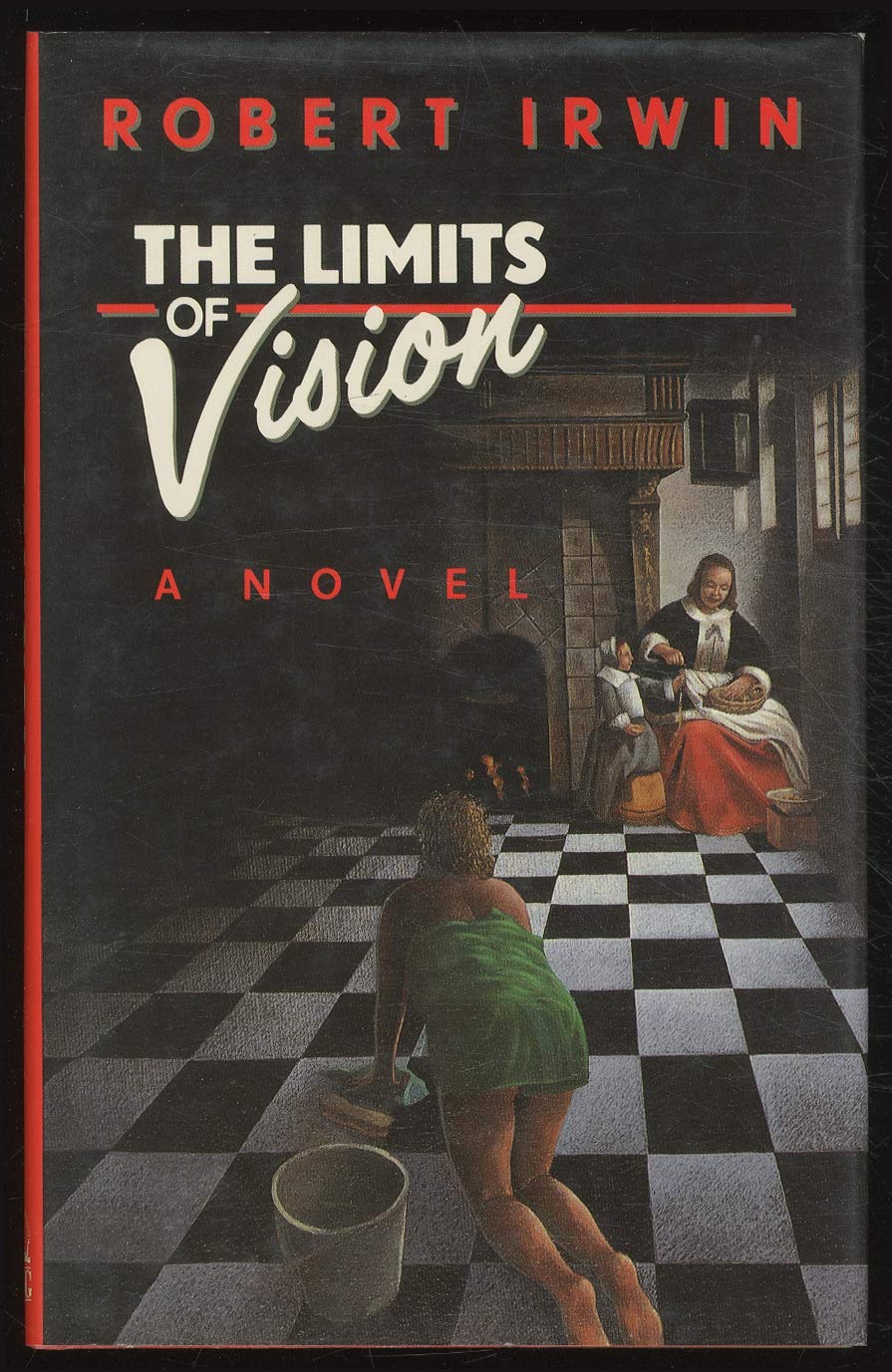
The Limits of Vision is a novel by Robert Irwin published in 1986.
- Concrete Island
J. G. Ballardstandalone novel1974
similar byliterary & generalchallengingour worldcontemporaryidentityreflective
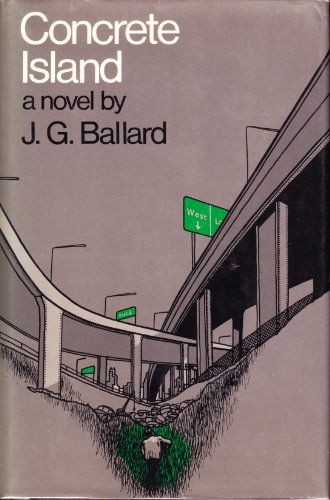
Architect Robert Maitland crashes his car onto a stretch of wasteland trapped between three converging motorways -- visible from thousands of cars, reachable by none of them. Injured and unable to climb back to the road, Maitland adapts to life on what he starts calling the Island, scavenging food thrown from car windows, and discovers he isn't alone: a runaway sex worker hiding in a bunker, and a brain-damaged former circus acrobat, both long past expecting rescue. What begins as a survival story turns into a question of whether Maitland even wants to leave. A J. G. Ballard novel of urban isolation, grouped with Crash and High-Rise.
- The Satanic Verses
Salman Rushdiestandalone novel1988
similar byliterary & generalchallengingour worldcontemporaryidentity+1 more
The Satanic Verses is the fourth novel by British–Indian writer Salman Rushdie. First published in September 1988, the book was inspired by the life of the Islamic prophet Muhammad. As with his previous books, Rushdie used magical realism and relied on contemporary events and people to create his characters. The title refers to the Satanic Verses, a group of Quranic verses about three pagan Meccan goddesses: Allāt, Al-Uzza, and Manāt. The part of the story that deals with the satanic verses was based on accounts from the historians al-Waqidi and al-Tabari.
- Naked Lunch
William S. Burroughsstandalone novel1959
similar bymadnessliterary & generalchallengingour world
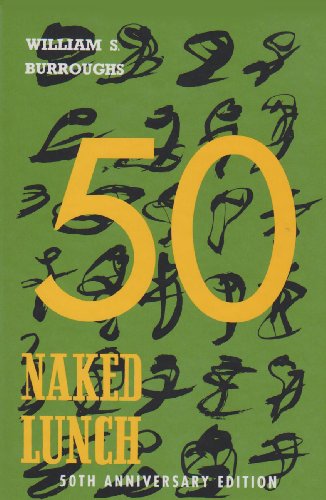
Naked Lunch is a 1959 antinovel by American author William S. Burroughs. The novel does not follow a clear linear plot, but is instead structured as a series of non-chronological "routines". Many of these routines follow William Lee, an opioid addict who travels to the surreal city of Interzone and begins working for the organization "Islam Inc."
- Herovit's World
Barry N. Malzbergstandalone novel1973
similar byour worldcontemporaryscience fiction+2 more
- Father of Lies
Brian Evensonstandalone novel1998
similar bymadnessliterary & generalchallengingour worldcontemporaryidentity
Brian Evenson is an American academic and writer of both literary fiction and popular fiction, some of the latter being published under B. K. Evenson. His fiction is often described as literary minimalism, but who also draws inspiration from horror, weird fiction, detective fiction, science fiction and continental philosophy. Evenson makes frequent use of dark humor and often features characters struggling with the limits and consequences of knowledge. He has also written non-fiction, and translated several books by French-language writers into English.
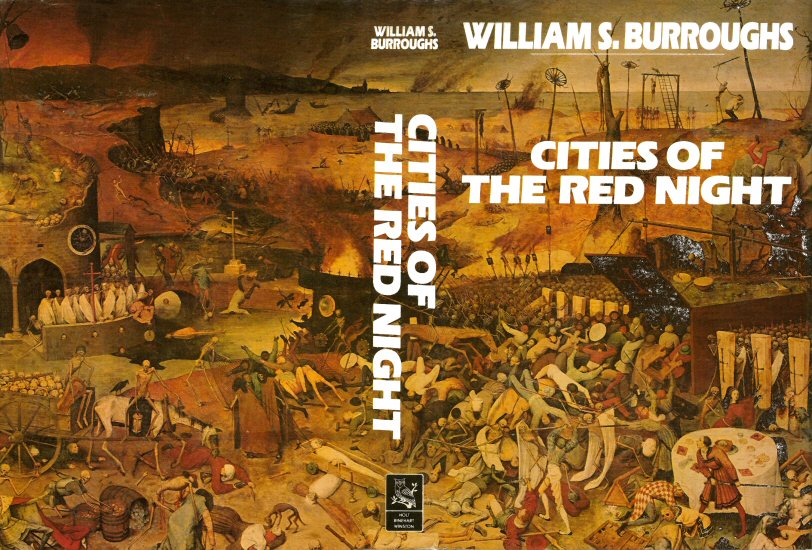
- Cities of the Red Night
series3 books1981
completed
similar byliterary & generalchallenging+4 more
William S. Burroughs's Cities of the Red Night opens his final trilogy with two interwoven stories: a pirate utopia loosely modeled on the historical Captain Mission, and a present-day detective's investigation into a ritual killing, both shadowed by a plague spreading from a set of lost cities. The Place of Dead Roads and The Western Lands continue in the same fragmented, cut-up-influenced style rather than a conventional through-line. The three books are linked more by recurring imagery and obsessions, control, contagion, alternate history, than by a shared cast.
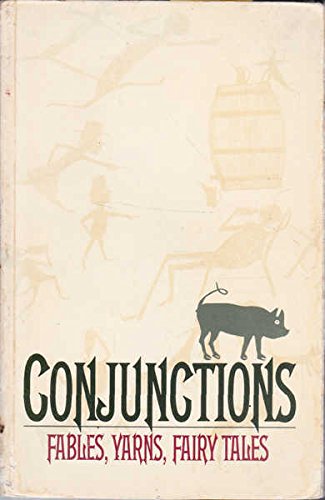
- Conjunctions
series11 books1992
similar byliterary & generalcontemporaryour world+3 more
Conjunctions is a biannual American literary journal founded in 1981 by Bradford Morrow, who continues to edit the journal. In 1991, Bard College became the journal's publisher and remained so until July 2026, when Morrow once again took over publishing responsibilities by establishing The Conjunctions Foundation Inc of which he is the president. Morrow received the PEN/Nora Magid Award for Magazine Editing in 2007. Conjunctions has been the recipient of numerous awards and honors, including the Whiting Foundation Prize for Literary Magazines, and work from its pages is frequently honored with prizes such as the Pushcart Prize, the O. Henry Award, and the PEN/Robert J. Dau Short Story Prize for Emerging Writers.
- A Clockwork Orange
series4 books1962
completed
similar bychallengingour worldscience fiction+2 more
Anthony Burgess's 1962 novel is narrated by Alex, a teenage gang leader in a near-future Britain gripped by a youth subculture of extreme violence, recounting his crimes in Nadsat, an invented slang blending English with Russian-derived words. After his crimes catch up with him, Alex is made the subject of a controversial state program meant to forcibly reform his behavior, and the novel uses his ordeal to question whether imposed goodness is worth the loss of free will. It is a standalone novel.
- Challenger Deep
Neal Shustermanstandalone novel2015
similar bymadnessliterary & generalchallengingour worldcontemporaryidentity
Challenger Deep is a 2015 young adult novel by Neal Shusterman about a teenager's onset of schizophrenia. The story was based on his own son. It won the 2015 National Book Award for Young People's Literature and was placed on "Best of the Year" lists by Publishers Weekly, the New York Public Library, and the American Library Association.
- The Unconsoled
Kazuo Ishigurostandalone novel1995
similar byliterary & generalchallengingcontemporaryidentityreflective+1 more
The Unconsoled is a novel by Kazuo Ishiguro, first published in 1995 by Faber and Faber, and winner of the Cheltenham Prize that year.
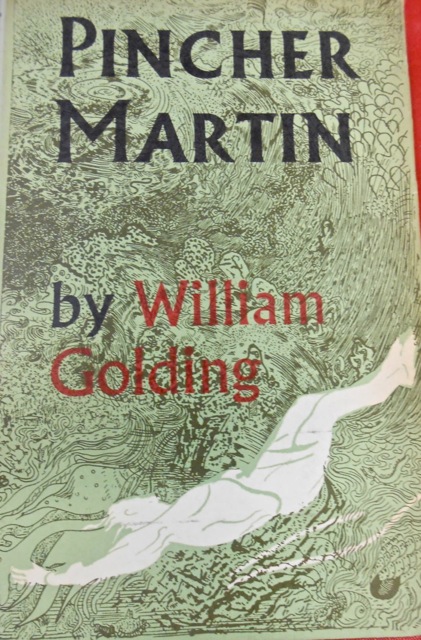
- Pincher Martin
William Goldingstandalone novel1956
similar bymadnessliterary & generalchallengingour worldidentity
Pincher Martin is a novel by British writer William Golding, first published in 1956. It is Golding's third novel, following The Inheritors and his debut Lord of the Flies. It is one of Golding's best-known novels, noted for being existential and minimalistic in setting.
- Nightbitch
Rachel Yoderstandalone novel2021
similar byliterary & generalour worldcontemporaryidentity+2 more
Nightbitch is a 2021 novel by American writer Rachel Yoder. The book is a magical realism-style story of a stay-at-home mom who sometimes transforms into a dog.
- The Edible Woman
Margaret Atwoodstandalone novel1969
similar byliterary & generalour worldidentityreflective+1 more
The Edible Woman is the first published novel by Canadian writer Margaret Atwood, published in 1969. It is the story of a young woman, Marian, whose sane, structured, consumer-oriented world starts to slip out of focus. Following her engagement, Marian feels her body and her self are becoming separated. Marian begins endowing food with human qualities that cause her to identify with it, and finds herself unable to eat, repelled by metaphorical cannibalism. In a foreword written in 1979 for the Virago edition of the novel, Atwood described it as a protofeminist rather than feminist work.