More like Behemoth
anchored on:science fictionnear futuredarkhard science fictionartificial intelligencegenetic engineering+3 more
but
- Saturn's Race
Larry Niven & Steven Barnesstandalone novel2000
similar bynear futureunderwaterscience fictiondarktensegenetic engineeringsurvival+2 more
The future is a strange and dangerous place. Chaz Kato can testify to that. He is a citizen of Xanadu, a near-future perfect society hosting the wealthiest men and women on future Earth. Along with his fellow citizens on this artificial island, Kato bears the burden of a dark secret that the outside world would be shocked to hear. Avid Minky, Kato's oldest friend, is a reclusive biological genius, who resides in the bizarre underwater village below the island. Grotesquely distorted by an array of cybergenetic gear, he surrounds himself with composite life forms - dolphins and white sharks with grafted arms and organic computer links. Lenore Myles is a student when she travels to Xanadu and gets herself involved with Chaz Kato. When Kato unwittingly lends her his access codes, Lenore stumbles upon the grisly truth behind Xanadu's glittering facade. Lenore, not knowing whom to trust, is soon on the run, hunted down by Saturn, a mysterious entity that moves aggressively to contain the security breach. With the interests of the world's wealthiest people at stake and powerful technology at Saturn's fingertips, Lenore is in a race for her life, against a truly formidable foe. (from the front dust jacket flap of the Tor Books first edition)
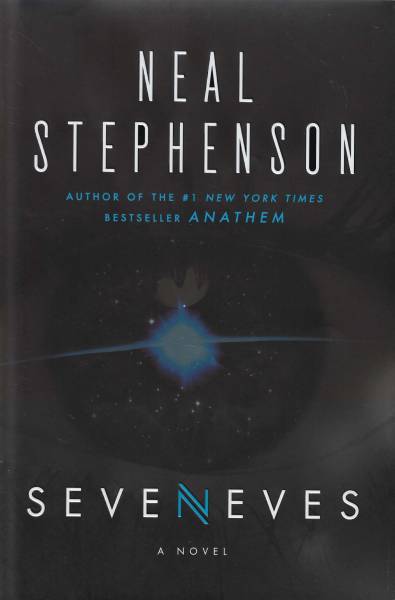
- Seveneves
Neal Stephensonstandalone novel2015
similar bynear futurescience fictionhard science fictiontensegenetic engineeringsurvivalecological collapse
Seveneves is a science fiction novel by Neal Stephenson published in 2015. The story tells of the desperate efforts to preserve Homo sapiens in the wake of apocalyptic events on Earth after the unexplained disintegration of the Moon and the remaking of human society as a space-based civilization after a severe genetic bottleneck.
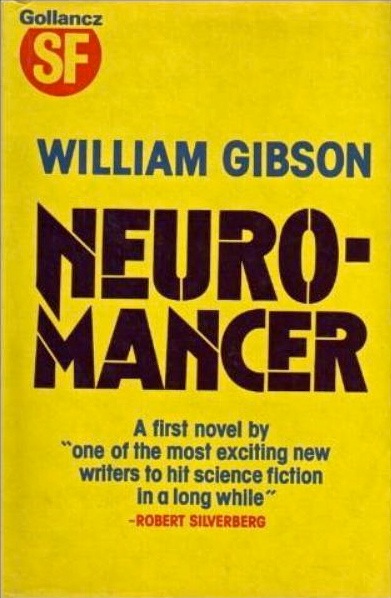
- Sprawl Trilogy
series10 books1981
similar bynear futurescience fictiontensedarkartificial intelligence
The Sprawl Trilogy is William Gibson's foundational cyberpunk sequence: Neuromancer (1984), in which hacker Case is drawn into a high-stakes heist alongside an artificial intelligence and a damaged ex-soldier, followed by Count Zero (1986) and Mona Lisa Overdrive (1988), which widen the same near-future world of corporate power and networked cyberspace to new characters. Johnny Mnemonic, an early short story set in the same fictional milieu, predates the novels and introduces the courier Molly Millions before her role in the trilogy. Together these works established much of cyberpunk's visual and thematic vocabulary.
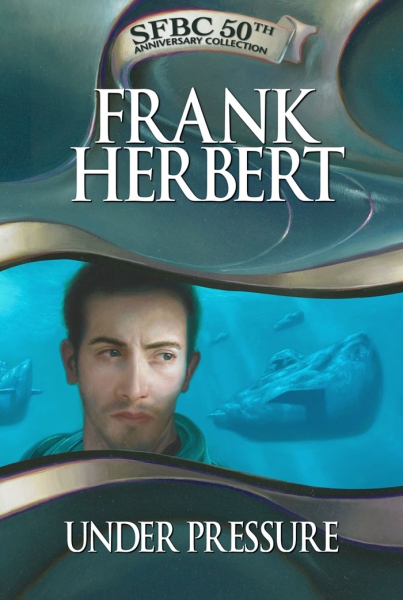
- Under Pressure
Frank Herbertstandalone novel1956
similar bynear futureunderwaterscience fictiondarktensesurvival
From back cover Del Rey paperback September 1978: FOUR MEN Were on board the atomic subtug Fenian Ram S1881. They were on a mission to steal vitally needed oil from underwater deposits in enemy territory -- a mission from which none of the last twenty tugs had returned... FOUR MEN Fighting a war a mile and half under the ocean, isolated by the unrelenting pressure of the water and by their own hellish fears... FOUR MEN Who knew everything they had to know about one another -- except which one of them was the saboteur who could destroy them all!
- The Martian
series2 books2012
similar bynear futurescience fictionhard science fictiontensesurvival
Andy Weir's novel The Martian, first self-published in 2011 before a commercial re-release, follows astronaut Mark Watney after he is stranded alone on Mars when his crew presumes him dead and departs. Using scientific improvisation and dark humor, Watney works to keep himself alive long enough for a rescue to reach him. It is a single, self-contained survival story.
- Blood Music
Greg Bearstandalone novel1985
similar bynear futurescience fictionhard science fictiondarkgenetic engineering+1 more
Blood Music is a 1985 science fiction novel by American writer Greg Bear. It is an expanded version of a short story of the same title, originally published in the June 1983 issue of Analog and the winner of both the 1983 Nebula and 1984 Hugo awards for Best Novelette. The novel won the 1986 Prix Apollo Award, given to the best science fiction novel published in France during the preceding year, under the title La Musique du sang.
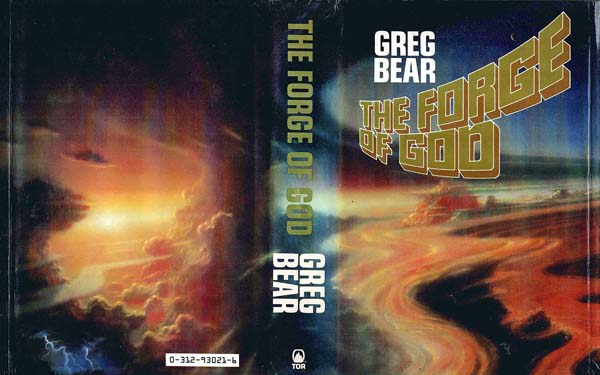
- Forge of God
series2 books1987
completed
similar byscience fictiondarktensesurvival+2 more
The Forge of God (1987) is Greg Bear's science fiction novel about Earth's discovery that it is the target of an incomprehensible, overwhelming alien attack, following scientists and ordinary people as they try to understand what is destroying the planet. Its 1992 sequel, Anvil of Stars, follows a group of young survivors sent on a mission of interstellar retaliation, continuing directly from the first book's ending.
- Rogue Moon
Algis Budrysstandalone novel1960
similar bynear futurescience fictionhard science fictiontensesurvival+1 more
A project to transport humans by matter transmission becomes the means to send explorers to the Moon when the US discovers an alien artifact on the dark side, but anyone who enters dies, so a hardened adventurer is given the job.
- MaddAddam
series3 books2003
similar bynear futurescience fictiondarkgenetic engineeringsurvivalecological collapse+1 more
Margaret Atwood's MaddAddam trilogy (Oryx and Crake, The Year of the Flood, MaddAddam, 2003-2013) is set around a genetically engineered pandemic unleashed deliberately by the brilliant, disillusioned scientist Crake, who intends the deadly 'BlyssPluss' pill to wipe out humanity and clear the way for the gentler, engineered Crakers he has designed to replace it. Told from the perspectives of survivors including Crake's old friend Jimmy (now calling himself Snowman), the trilogy pieces together the pandemic's causes and its aftermath from multiple, overlapping vantage points.
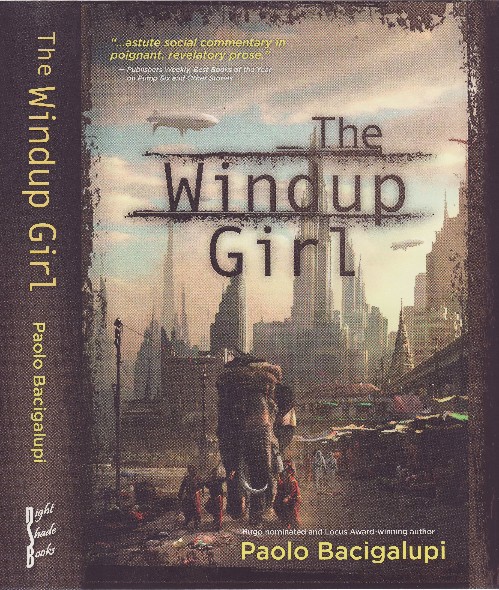
- The Windup Universe
series3 books2005
similar bynear futurescience fictiondarkgenetic engineeringecological collapse+1 more
- Make Room! Make Room!
Harry Harrisonstandalone novel1966
similar bynear futurescience fictiondarktensesurvivalecological collapse
Make Room! Make Room! is a 1966 science fiction novel written by Harry Harrison exploring the consequences of both unchecked population growth on society and the hoarding of resources by a wealthy minority. It was originally serialized in Impulse magazine.
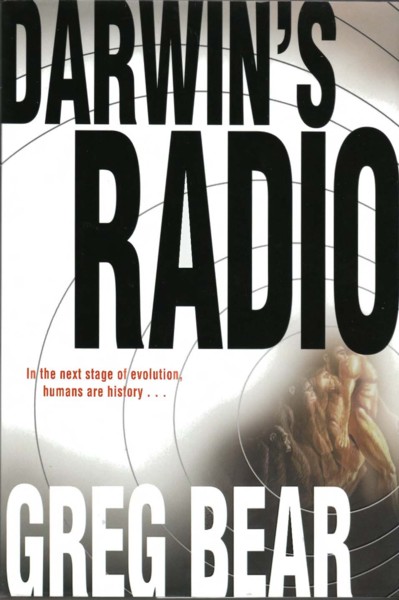
- Darwin
series2 books1999
completed
similar bynear futurescience fictionhard science fictiontensegenetic engineering+1 more
Greg Bear's Darwin's Radio imagines a dormant retrovirus in human DNA activating worldwide, triggering an accelerated leap in human evolution that governments respond to as a plague. The 1999 novel won the Nebula Award; its sequel Darwin's Children follows the first generation of changed children as society decides what to do with them. Together they're speculative near-future science fiction grounded in genetics rather than space opera.
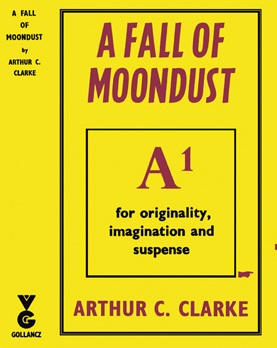
- A Fall of Moondust
Arthur C. Clarkestandalone novel1961
similar bynear futurescience fictionhard science fictiontensesurvival
From the back cover of the Harbrace paperback: "The action of A Fall of Moondust takes place almost a century from now when tours on the moon are a common occurrence. One of the high points of each tour is a cruise around the Sea of Thirst, a body of volcanic dust, in a specially designed vessel called the Selene On a perfectly routine voyage one day the Selene suddenly disappears. How do you locate a small tourist "cruiser" buried beneath fifty feet of dust? If you find it, how do you rescue the passengers and crew? If you are on board, how do you feel and what do you do while brave men and expert technicians join forces in a race against time? Sustained excitement, lively humor, and an engaging cast of characters make this one of Arthur C. Clarke's most intriguing novels."
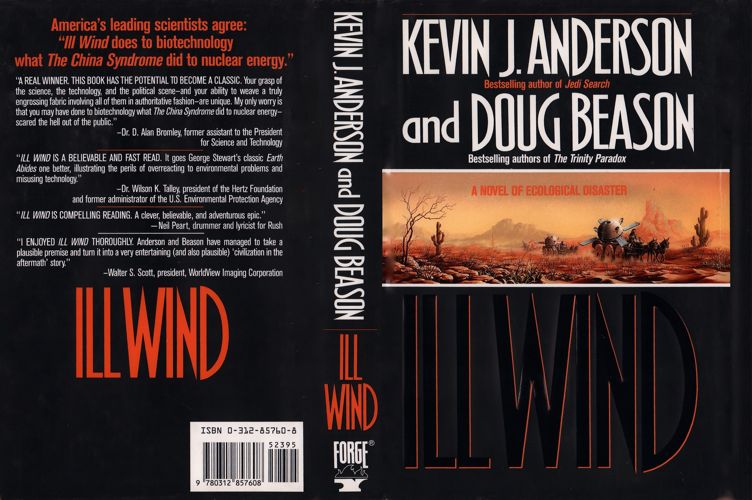
- Ill Wind
Kevin J. Anderson & Doug Beasonstandalone novel1995
similar bynear futurescience fictiondarktensegenetic engineeringsurvivalecological collapse
From the flaps of the Forge first printing: "A supertanker has crashed off the shores of San Francisco, producing the largest oil spill in history. Desperate to avert an ecological - and public relations - disaster, a multinational oil company releases an untested virus designed to break up the spill. A virus that spreads like wildfire on the wind, destroying anything made of petroleum - destroying gasoline in automobile tanks, plastics, nylon, the very fabric of modern civilization itself. Dr. Spencer Lockwood, one of the few scientists to recognize the danger, tries to alert government and industry to the impending danger. But his warnings go unheeded and the devastation mounts. As America descends into savagery, Lockwood forges a courageous band of scientists to carry out a daring plan to restore order. But humanity's last hope my be snuffed out by a ruthless general driven by an insatiable desire for power. A riveting and inspiring saga of ecological catastrophe and human survival, Ill Wind is all the more frightening because it could actually happen. Kevin Anderson, a technical consultant for the Air Force, and Doug Beason, a former science advisor o the Reagan administration, have drawn upon the latest breakthroughs in biotechnology to create a disaster scenario that is terrifying in its plausibility."
- Blindsight / Firefall
series3 books2006
similar byscience fictionhard science fictiontensedarkartificial intelligence+2 more
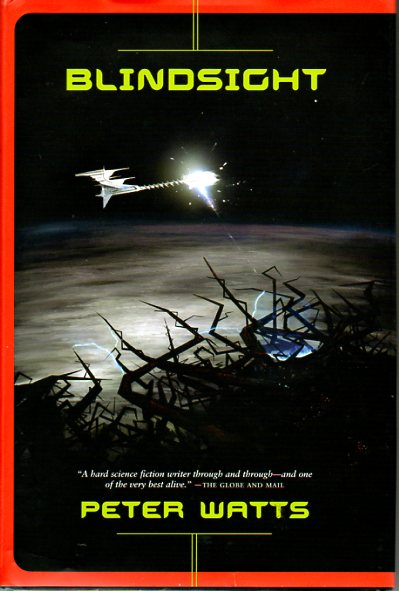
Blindsight sends a crew of radically modified posthumans (including a resurrected, genetically restored vampire) out to the Oort cloud after humanity detects an alien signal, only to make contact with something intelligent, wildly capable, and possibly not conscious at all — a first-contact story built around the question of whether self-awareness is actually useful. Peter Watts's Echopraxia is a same-timeframe "sidequel" rather than a direct sequel, following different characters through the fallout of the same first-contact event.
- Ship Breaker
series3 books2010
similar byscience fictiondarktensenear futuresurvival+2 more
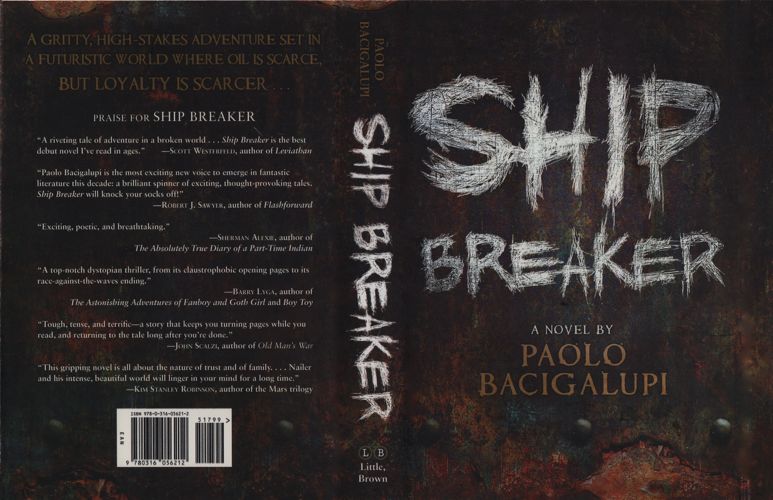
Nailer works a light-crew scavenging copper wire and scrap from beached oil tankers on a Gulf Coast reshaped by rising seas and vanished order, until a wrecked clipper ship washes ashore carrying a half-drowned girl from the wealthy world he'll never belong to. Paolo Bacigalupi's Ship Breaker follows Nailer as helping her pulls him out of his abusive father's orbit and into a much larger, more dangerous game involving her family's fortune. The sequels The Drowned Cities and Tool of War widen the same flooded, resource-scavenging future to new characters and coastlines.
- The Hopkins Manuscript
R. C. Sherriffstandalone novel1939
similar bynear futurescience fictiondarktensesurvivalecological collapse
The Hopkins Manuscript is a dystopian science fiction novel by R. C. Sherriff, first published in 1939 by Victor Gollancz. In 1958 it was reissued in a revised edition as a Pan paperback under the title The Cataclysm. The novel was later republished under its original title by The Macmillan Company in 1963 and by Persephone Books in 2002.
- The Killing Star
George Zebrowski & Charles Pellegrinostandalone novel1995
similar bynear futurescience fictiondarkhard science fictiontensesurvival
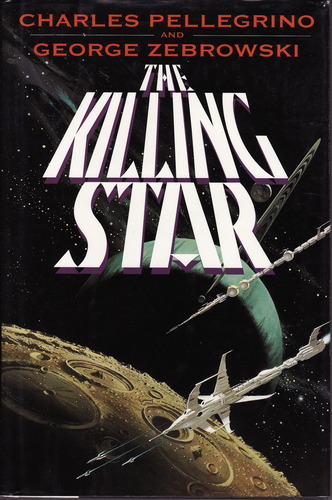
The Killing Star is a hard science fiction novel by American writers Charles R. Pellegrino and George Zebrowski, published in April 1995. It chronicles a sudden alien invasion in a late 21st century technological utopia, while covering several other speculative fiction ideas such as sublight interstellar travel, genetic cloning, virtual reality and advanced robotics.
- Level 7
Mordecai Roshwaldstandalone novel1959
similar bynear futurescience fictiondarktensesurvival
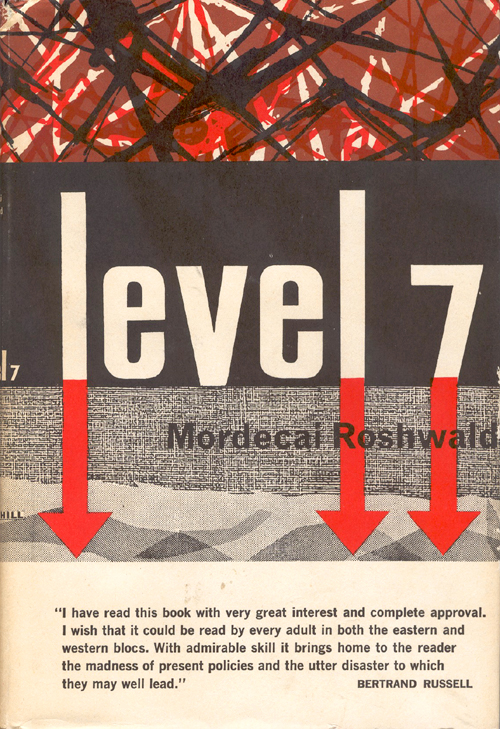
Level 7 is a 1959 science fiction novel by American writer Mordecai Roshwald. It is told from the first-person perspective of a modern soldier, X-127, living in the underground military complex Level 7, where he and several hundred others are expected to reside permanently. X-127 fulfills the role of 'push-button' offensive initiator of his nation's nuclear weapons capacity against an unspecified enemy. X-127 narrates life within a deep shelter before, during and after a nuclear war that wipes out the human species.
- Colony
Ben Bovastandalone novel1978
similar bynear futurescience fictiontensesurvival+3 more
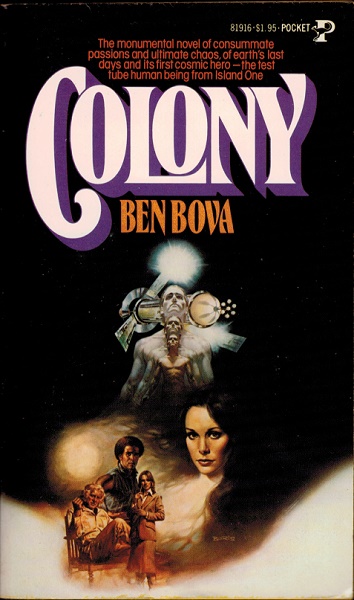
Colony continues the story Ben Bova began in Millennium, following astronaut-turned-administrator Chet Kinsman years later as the head of an orbiting space habitat that has become Earth's only real refuge from a planet buckling under overpopulation, food shortages and unrest. Getting a place in the habitat is a matter of life and death for millions who will never be chosen, and as Earth's governments grow more desperate to control or dismantle the colony outright, Kinsman has to decide how far he'll go to protect the world he's built off-world. Bova later folded both novels together into the omnibus The Kinsman Saga. Part of Ben Bova's Chet Kinsman series.
- The Two Faces of Tomorrow
James P. Hoganstandalone novel1979
similar bynear futurescience fictionhard science fictiontenseartificial intelligencesurvival
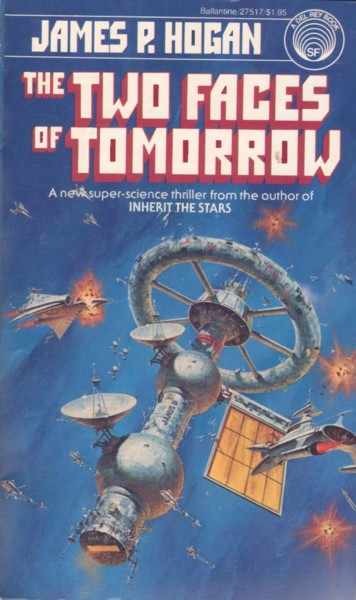
From the back cover: SURVIVAL TEST Civilization had grown so complex that only a world-wide computer network could control everything. But the computer was only logical -- it lacked common sense. And its all-too-logical decisions were beginning to cause too many near fatal accidents. The solution was on the drawing boards -- a universal self-aware and self-programming computer, equipped with judgment. But... could it be controlled? Or would it attempt to take over, disregarding its creators? If so, could it be turned off? Raymond Dyer and his team of computer specialists knew they had to find answers to these questions, but the project was to dangerous to test on Earth. So they installed the super computer on an orbiting satellite and programmed it to survive at all costs. Then they sent a group of men to attack the computer... to goad it into trying to kill them. They they would turn it off. Obviously if things went wrong, they might lose a few men -- but the satellite and the computer could always be destroyed. Obviously... But the computer didn't quite see it that way!
- The Water Knife
Paolo Bacigalupistandalone novel2015
similar bynear futurescience fictiondarktensesurvivalecological collapse
The Water Knife is a 2015 science fiction novel by Paolo Bacigalupi. It is Bacigalupi's sixth novel, and is based on his short story, The Tamarisk Hunter, first published in the news magazine High Country News. It takes place in the near future, where drought brought on by climate change has devastated the Southwestern United States.
- The Twilight of Briareus
Richard Cowperstandalone novel1974
similar bynear futurescience fictiondarktensegenetic engineeringsurvival
It took the light of the supernova Briareus Delta one hundred and thirty-two years to cross space to the Solar System. But the night it exploded in our sky was a night that would never be forgotten in the history of the world. For in that bath of cosmic particles, all things changed. Not only the weather and the flora and fauna, but humanity itself received what seemed to be its death sentence. Sterility signalled the end of man, until the strange children known as the Zeta-mutants began to appear. Richard Cowper, author of Clone and other sf novels, has produced in this new novel a gripping story of how one man coped with the terrible dilemma of his world - how he attempted to solve the problem of the girls with the amber eyes and what he did when he found out what he himself had become during The Twilight of Briarseus. (from the back cover of the DAW Books first printing)
- The Chemical Garden Trilogy
series3 books2011
similar bynear futurescience fictiondarktensesurvivalgenetic engineering