More like Beloved
anchored on:historical fictionslaverynorth america19th centurydarkghost stories+4 more
but
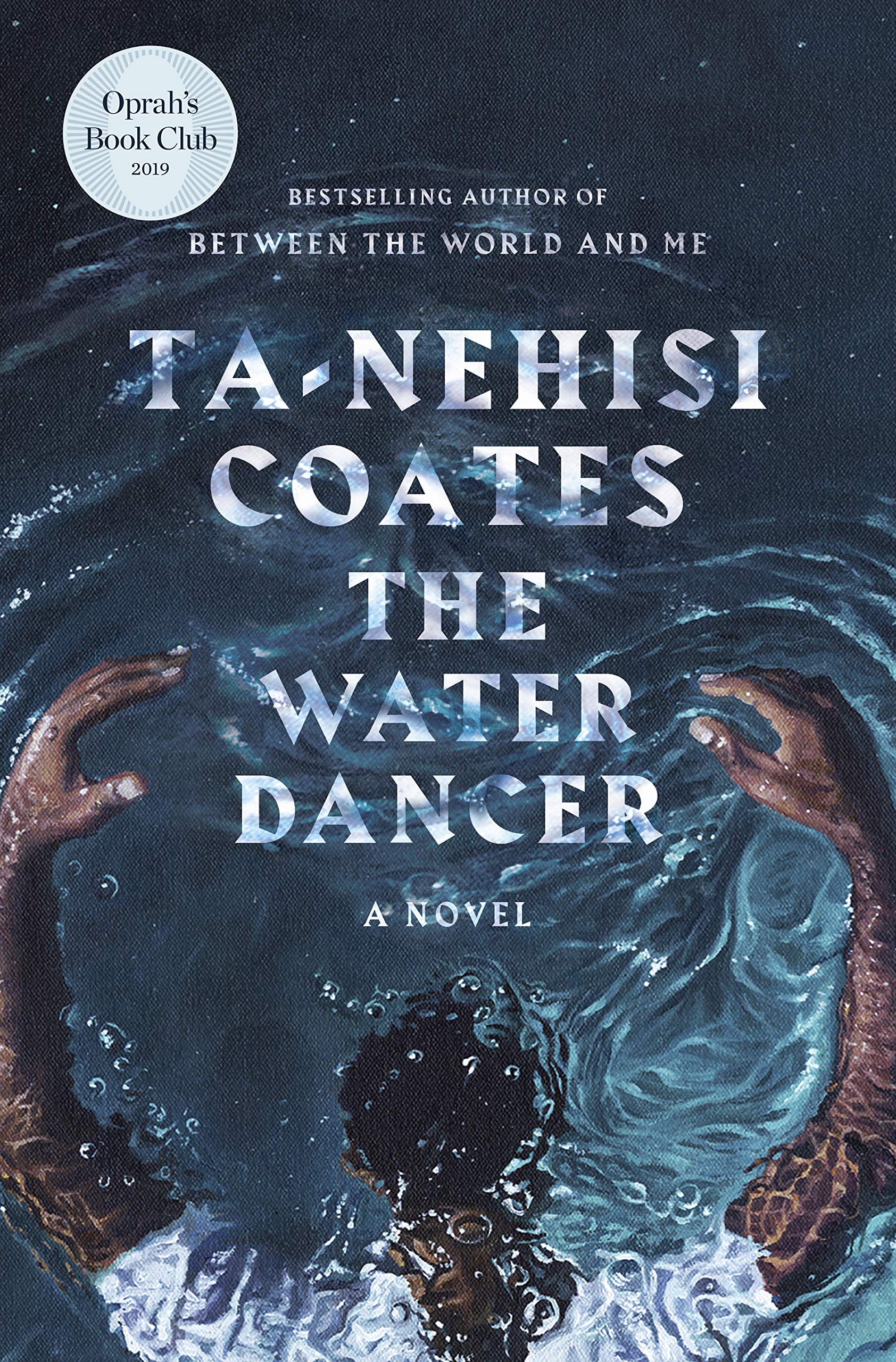
- The Water Dancer
Ta-Nehisi Coatesstandalone novel2019
similar bynorth america19th centuryhistorical fictiondarkemotionalslaveryidentity
A Virginia slave narrowly escapes a drowning death through the intervention of a mysterious force that compels his escape and personal underground war against slavery.
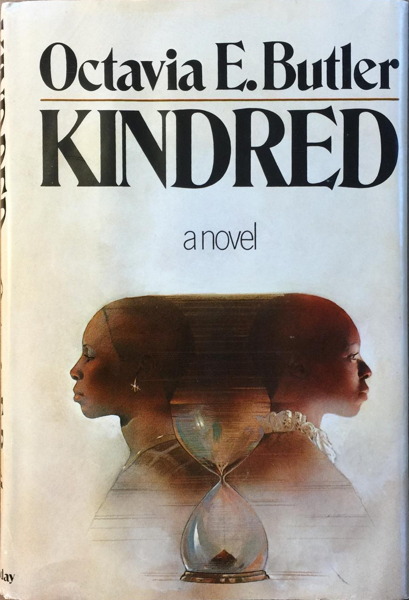
- Kindred
Octavia E. Butlerstandalone novel1979
similar bynorth america19th centuryemotionalslaveryhistorical fiction+1 more
Kindred (1979) is a novel by American writer Octavia E. Butler that incorporates time travel and is modeled on slave narratives. Widely popular, it has frequently been chosen as a text by community-wide reading programs and book organizations, and for high school and college courses.
- The Reformatory
Tananarive Duestandalone novel2023
similar bynorth americadarkhistorical fictionemotionalghost storiesgrief and losshorror
The Reformatory is a 2023 novel by Tananarive Due which combines elements of horror, historical fiction, and literary fiction. It is loosely based on the Dozier School for Boys and the atrocities committed there. The novel received critical acclaim, including a win for the 2024 Bram Stoker Award for Best Novel and 2024 World Fantasy Award for Best Novel.
- Fevre Dream
George R. R. Martinstandalone novel1982
similar bynorth america19th centurydarkhistorical fictionslaveryhorror
Fevre Dream is a 1982 vampire novel written by American author George R. R. Martin. It is set on the antebellum Mississippi River, beginning in 1857, and has been described by critics and Martin himself as "Bram Stoker meets Mark Twain". About writing the novel, Martin said that "It was strongly influenced by the time I spent in Dubuque, Iowa, where river steamboats were once built".
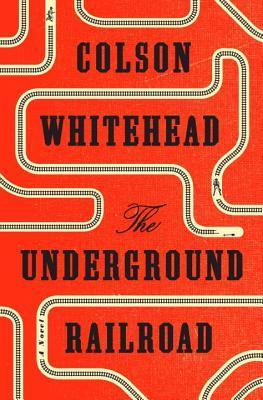
- The Underground Railroad
Colson Whiteheadstandalone novel2016
similar bynorth america19th centurydarkhistorical fictionslavery
The Underground Railroad is a historical fiction novel by American author Colson Whitehead, published by Doubleday in 2016. The alternate history novel tells the story of Cora, a slave in the Antebellum South during the 19th century, who makes a bid for freedom from her Georgia plantation by following the Underground Railroad, which the novel depicts as an actual rail transport system with safe houses and secret routes.
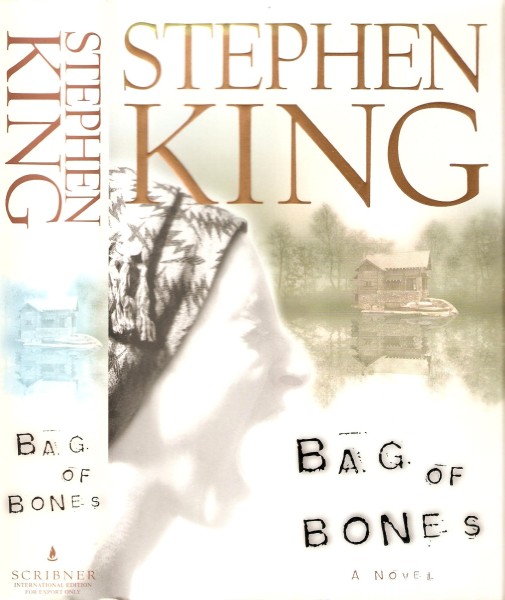
- Bag of Bones
Stephen Kingstandalone novel1998
similar bynorth americadarkemotionalghost storiesgrief and losshorror
Bag of Bones is a 1998 horror novel by American writer Stephen King. It focuses on an author who suffers severe writer's block and delusions at an isolated lake house four years after the death of his wife. It won the 1999 Bram Stoker Award for Best Novel, the 1999 British Fantasy Award for Best Novel, and the 1999 Locus Award for Best Dark Fantasy/Horror Novel.
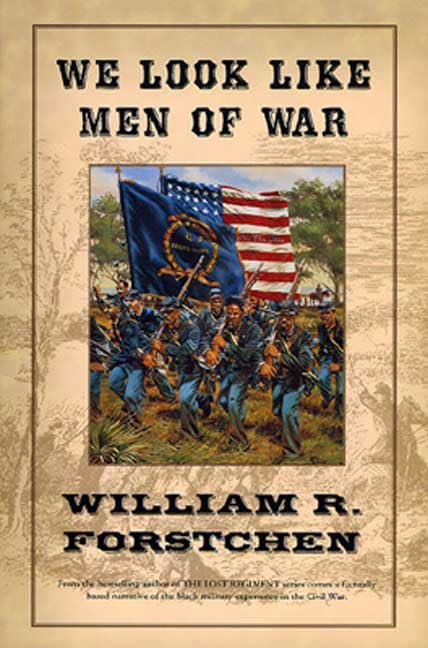
- We Look Like Men of War
William R. Forstchenstandalone novel2001
similar bynorth america19th centuryhistorical fictiondarkemotionalslavery
"Story of Samuel Washburn, born a slave in 1850. A young master's cruelty leads to an unforeseen confrontation, which forces Sam and his cousin to flee the plantation. They run north to freedom, only to return south to fight for the greater cause."--Jacket.
- The Feast of All Saints
Anne Ricestandalone novel1980
similar bynorth america19th centuryhistorical fictionemotionalidentity
WorldCat: Rice explores a unique but little-known society, the "gens de couleur libre," free people of color, who flourished in New Orleans in the years prior to the Civil War.
- The Hunger
Alma Katsustandalone novel2018
similar bynorth america19th centurydarkhistorical fictionhorror
Fictionalized supernatural/horror treatment of the Donner Party.
- Ghost Story
Peter Straubstandalone novel1979
similar bynorth americadarkghost storiesgrief and losshorror
Four prominent citizens of a small town in upstate New York who share guilt over something that happened in their youth are revisited late in life by a destructive evil force which uses their guilt as an opportunity to destroy them as well as the entire town.
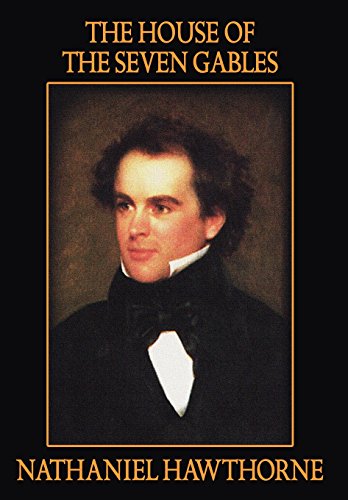
- The House of the Seven Gables
Nathaniel Hawthornestandalone novel1851
similar bynorth america19th centurydarkhistorical fiction+1 more
The House of the Seven Gables: A Romance is a Gothic novel written beginning in mid-1850 by American author Nathaniel Hawthorne and published in April 1851 by Ticknor and Fields of Boston. The novel follows a New England family and their ancestral home. In the book, Hawthorne explores themes of guilt, retribution, and atonement, and colors the tale with suggestions of the supernatural and witchcraft. The setting for the book was inspired by the Turner-Ingersoll Mansion, a gabled house in Salem, Massachusetts, belonging to Hawthorne's cousin Susanna Ingersoll, as well as ancestors of Hawthorne who had played a part in the Salem Witch Trials of 1692. The book was well received upon publication and has been adapted several times to film and television.
- The Terror
Dan Simmonsstandalone novel2007
similar by19th centurydarkhistorical fictionhorror+1 more
The Terror is a 2007 novel by American author Dan Simmons. It is a fictionalized account of Captain Sir John Franklin's lost expedition, on HMS Erebus and HMS Terror, to the Arctic, in 1845–1848, to locate the Northwest Passage. In the novel, while Franklin and his crew are plagued by starvation and illness, and forced to contend with mutiny and cannibalism, they are stalked across the bleak Arctic landscape by a monster.
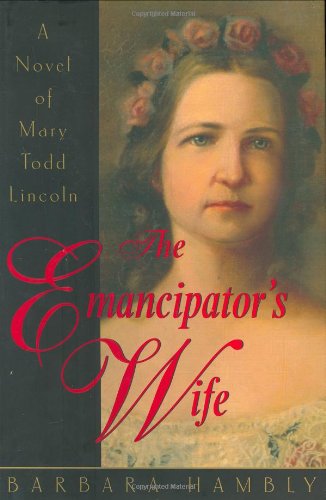
- The Emancipator's Wife
Barbara Hamblystandalone novel2005
similar bynorth america19th centuryhistorical fictionemotionalgrief and loss
As a girl growing up in Kentucky, she lived a sheltered, privileged life filled with picnics and plantation balls. Vivacious, impulsive, and intoxicated by politics, she is a Todd of Lexington, an aristocratic family whose ancestors defeated the British. But no one knows her secret fears and anxieties. Although she is courted by the most eligible suitors in the land, including future senator Stephen Douglas, it is a gangly lawyer from Illinois who captures her heart. After a stormy courtship and a broken engagement, Abraham Lincoln will marry twenty-four-year-old Mary Todd and give her a ring inscribed with the words Love Is Eternal. But their happiness won't last nearly so long. Their first child will be born under the gathering clouds of a civil war, and three more follow. As Lincoln's star rises, the pleasure-loving Mary learns, often the hard way, the rules of being a politician's wife. But by the time the fiery storm of war passes, tragedy will have claimed two sons, scandal will shadow her days as First Lady, and an assassin's bullet will take Lincoln himself, leaving Mary alone and all but forgotten by the nation that owed her husband its survival. Yet it is in the years to come that Mary Todd Lincoln will truly come into her own. In public, she will fight to preserve Lincoln's memory even as she battles a bitterly contested insanity trial. In private, she will struggle with depression and addiction as she endures the betrayals--both real and imagined--of family and friends. With a gifted novelist's imagination and a historian's eye for detail, Barbara Hambly tells a story of astonishing scope, richly peopled with real-life characters and their fictional counterparts, a tour-de-force tale of power, politics, and the role of women in nineteenth- century America. The result is a Mary Todd Lincoln few have seen and none will forget--the fascinating, controversial woman of whom her husband could say: "My wife is as handsome as when she was a girl and I fell in love with her; and what is more, I have never fallen out"--Mary Todd, the woman who loved Abraham Lincoln. (From the Hardcover edition.)
- Lady Athlyne
Bram Stokerstandalone novel1908
similar by19th centurynorth americaemotionalhistorical fictionidentity
"Joy Ogilvie, the beautiful young daughter of a Kentucky colonel, plays a joke with her friends, pretending to be "Lady Athlyne", after hearing a story about the dashing Irish nobleman Lord Athlyne. Little does she know that half a world away, the real Lord Athlyne is a prisoner of war in a South African camp, where word reaches him that a woman in America is impersonating his wife. Upon his release, he decides to investigate the situation and travels to New York, where a near-fatal accident introduces him to Joy and her father. Athlyne and Joy fall instantly in love-but a series of misadventures and dangerous obstacles threatens to prevent their marriage. And when Colonel Ogilvie learns of their affair and challenges Athlyne to a duel to the death, their love just may end in tragedy!" --quoting the Amazon product page for the 2007 Valancourt Books edition as of 2017-08-29
- Alias Grace
Margaret Atwoodstandalone novel1996
similar bynorth america19th centuryhistorical fictionidentity
Alias Grace is a historical fiction novel by Canadian writer Margaret Atwood. First published in 1996 by McClelland & Stewart, it won the Giller Prize and was shortlisted for the Booker Prize.
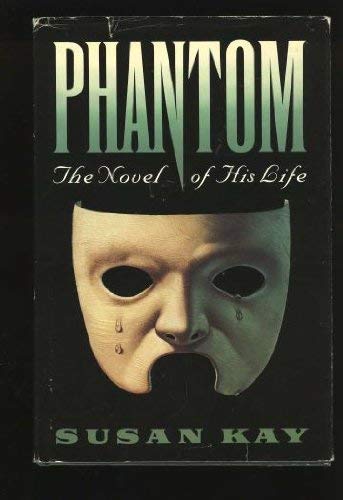
- Phantom
Susan Kaystandalone novel1990
similar by19th centuryhistorical fictiondarkemotionalidentity+1 more
A child is born... His mother's only gift is a mask. Precocious and gifted, he will live friendless and alone, taunted and abused, he will flee, only to find himself caged again-as a freak in a Gypsy carnival. A brilliant outcast... the world is his home. Filled with bitter rage, he will kill to escape, becoming a stonemason's apprentice in Rome... a dark magician at the treacherous Persian court... and finally, the genius behind the construction of the Paris Opera House and the labyrinthine world below. Lacking one thing only: A woman's love. Cloaked in secrets, his power complete, he will see the exquisite Christine and for the first time know what it means to love. Obsessed, he will bring her into his eerie subterranean world, driven to posses her heart and soul. Phantom--A haunting story of power and darkness, of magic and murder, of sensuality and betrayal, and ultimately, the unforgettable story of a man and a woman and the eternal quality of love.
- American Gothic
Robert Blochstandalone novel1974
similar bynorth america19th centurydarkhistorical fictionhorror
American Gothic is a 1974 psychological horror novel by American writer Robert Bloch, a fictionalized portrayal of real life serial killer H. H. Holmes, who is renamed "G. Gordon Gregg" for the story.
- 'Was ... '
Geoff Rymanstandalone novel1992
similar bynorth america19th centuryemotionalhistorical fictionidentitygrief and loss
Was is a WFA–nominated 1992 novel by Canadian author Geoff Ryman, published by HarperCollins, focusing on themes of L. Frank Baum's 1900 novel The Wonderful Wizard of Oz, and the 1939 musical film version, ranging across time and space from 1860s Kansas to late 1980s California. The story follows three main characters, each living in a different time period, whose individual journeys all connect to the story of The Wizard of Oz.
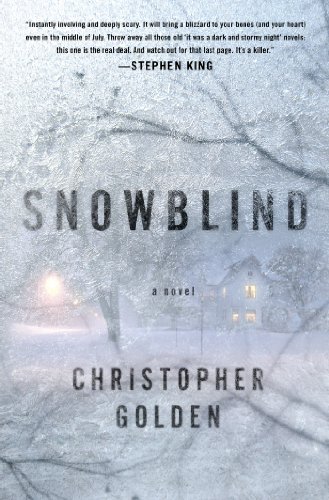
- Snowblind
Christopher Goldenstandalone novel2014
similar bynorth americaemotionalghost storiesgrief and losshorror+1 more
"SNOWBLIND is a thrilling contemporary ghost story with both horror and heart. The small New England town of Coventry is haunted by its memories of a deadly winter... in which loved ones were lost, families torn apart, and a town buried in a terrible blizzard. Now, twelve years later, the people plagued by their memories of that storm are haunted once again as a new storm approaches, promising to wreak new havoc. Old ghosts trickle back, and this storm will prove even more terrifying and deadly than the last. With richly textured characters, scarred and haunted by the ghosts of those they loved most, Snowblind reinvents the ghost story for today's world. Spellbinding in scope and rooted deeply in classic storytelling, Christopher Golden has written a chilling masterpiece that is the best work of his career and a standout supernatural thriller"--
- Blood Meridian; or, The Evening Redness in the West
Cormac McCarthystandalone novel1985
similar bynorth america19th centurydarkhistorical fiction+1 more
"Based on incidents that took place in the southwestern United States and Mexico around 1850, this novel chronicles the crimes of a band of desperados, with a particular focus on one, "the kid," a boy of fourteen." (cited from the OCLC entry for the first edition)
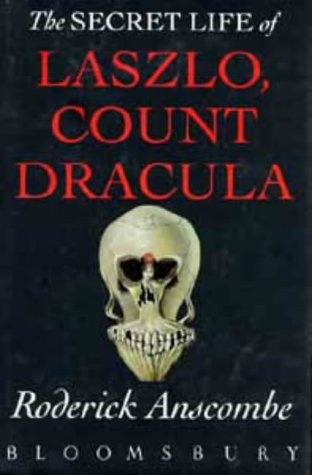
- The Secret Life of Laszlo, Count Dracula
Roderick Anscombestandalone novel1994
similar by19th centurydarkhistorical fictionidentity+1 more
From the front flap of the Hyperion first edition: "In his mesmerizing fictional debut, psychiatrist Roderick Anscombe takes readers into the fevered mind of Count Dracula the man - aristocrat, doctor, and helpless killer of young women. There are no vampires in this stunningly erotic reinvention of the classic myth, only tormented human beings. Tortured by his own perverse desires, the distinguished Dr. Dracula is drawn to possess and destroy young women, first in Paris where he is studying with the renowned pioneer of hypnosis, Charcot, and then in the Hungarian countryside, as the Count takes over the deteriorating family estate. Even as he maintains the facade of the aristocratic life, Dracula is drawn inexorably into a world of violent emotion, blood lust, and self-loathing. Swirling between the scientific fact and superstition of the day - and propelled into the medical epidemics and politics of the Austro-Hungarian empire - Dracula becomes a public saint and a private savage, and all the while a plausible and pitiable human being."
- Lincoln in the Bardo
George Saundersstandalone novel2017
similar bynorth america19th centuryhistorical fictiongrief and lossparenthood
Lincoln in the Bardo is a 2017 experimental novel by American writer George Saunders. It is Saunders's first full-length novel and was The New York Times hardcover fiction bestseller for the week of March 5, 2017.
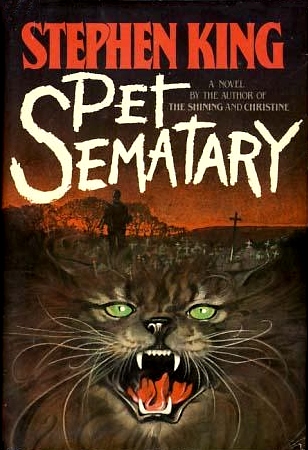
- Pet Sematary
Stephen Kingstandalone novel1983
similar bynorth americadarkgrief and losshorror
Pet Sematary is a 1983 horror novel by American writer Stephen King. It tells the story of a family moving to Maine and settling closer to a pet cemetery in the woods, which is home to a terrifying force that brings death and sorrow. The novel was nominated for a World Fantasy Award for Best Novel in 1984, and adapted into two films: one in 1989 and another in 2019 as well as several spinoffs.
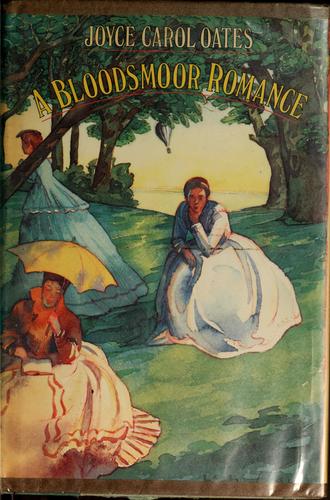
- A Bloodsmoor Romance
Joyce Carol Oatesstandalone novel1982
similar bynorth america19th centurydarkhistorical fictionidentity
A Bloodsmoor Romance is a novel by Joyce Carol Oates first published in 1982 by E. P. Dutton and reprinted by Warner Books in 1983. It is the second novel in her Gothic Saga, following Bellefleur (1982) and followed by Mysteries of Winterthurn (1984), My Heart Laid Bare (1998), and The Accursed (2013).