More like Below
but
- Flowers for Algernon
Daniel Keyesstandalone novel1966
similar bysadidentitylonelinesscontemporaryscience fiction
A man with a low IQ becomes the subject of an experimental medical procedure which raises his IQ well over genius level.
- Dying Inside
Robert Silverbergstandalone novel1972
similar bysadidentitylonelinesscontemporaryscience fictionreflective
Dying Inside is a 1972 science fiction novel by American writer Robert Silverberg. It was first serialized in Galaxy in 1972 and published in book form by Charles Scribner's Sons later that year. The novel follows David Selig, a middle-aged telepath in contemporary New York City, as the mind-reading ability that has shaped his life begins to disappear.
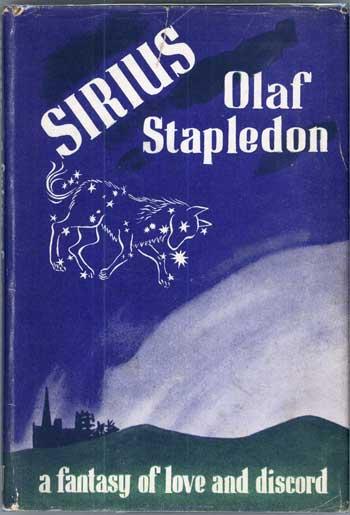
- Sirius: A Fantasy of Love and Discord
Olaf Stapledonstandalone novel1944
similar bysadidentitylonelinessour worldscience fictionreflective
Sirius is a 1944 science fiction novel by the British philosopher and author Olaf Stapledon, whose title character is a dog named Sirius with humanlike intelligence. A sense of existential questioning suffuses the book, as the author delves into aspects of Sirius's psyche. The novel deals with many human issues through Sirius and his experiences, his unusual nature, his ideas and his relationships with humans. The characters go to great lengths to prevent Sirius from becoming a circus-type wonderdog, and instead, they seek to develop Sirius's character much like a family would create and foster that of a human child.
- Never Let Me Go
Kazuo Ishigurostandalone novel2005
similar bysadidentityour worldscience fictiondystopiareflectiveliterary & general
Never Let Me Go is a 2005 science fiction novel by the British author Kazuo Ishiguro. It was shortlisted for the 2005 Man Booker Prize, for the 2006 Arthur C. Clarke Award and the 2005 National Book Critics Circle Award. Time magazine named it the best novel of 2005. It included the novel in its '100 Best English-language novels published since 1923—the beginning of TIME'. It also received an ALA Alex Award in 2006. A film adaptation directed by Mark Romanek was released in 2010.
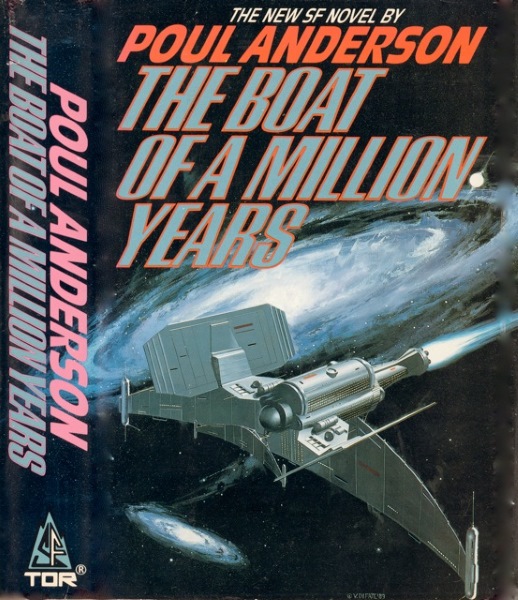
- The Boat of a Million Years
Poul Andersonstandalone novel1989
similar byidentitylonelinessour worldscience fictionreflective+1 more
The Boat of a Million Years is a science fiction novel by American writer Poul Anderson, first published in 1989 and nominated for the Nebula Award for Best Novel that same year. It was also nominated for the Hugo Award for Best Novel and the Prometheus Award in 1990.
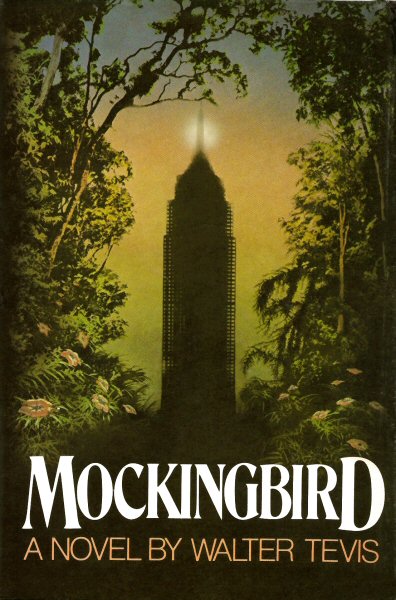
- Mockingbird
Walter Tevisstandalone novel1980
similar bysadlonelinessour worldscience fictiondystopiareflective
WorldCat: In a future world where mankind is dying, humans wander through life in a drugged electronic bliss. Quick sex is the norm, and some people would rather commit suicide than live in hopelessness. Humanity's salvation rests with an android who has no desire to live, and a man and a woman who must discover love, hope, and dreams of a world reborn.
- Dream Archipelago
series16 books1976
completed
similar byidentityscience fictionliterary & general+2 more
Christopher Priest's Dream Archipelago stories return again and again to a vast chain of islands stretched across a world locked in permanent, distant war between two continental powers, without ever quite settling whether the archipelago is a real place or something closer to collective dream or fiction within the fiction. Novels like The Affirmation and The Islanders, along with numerous short stories, revisit the setting from different, often contradictory angles rather than building one continuous narrative. The ambiguity between what's real and what's invented is treated as the point, not a gap to be resolved.
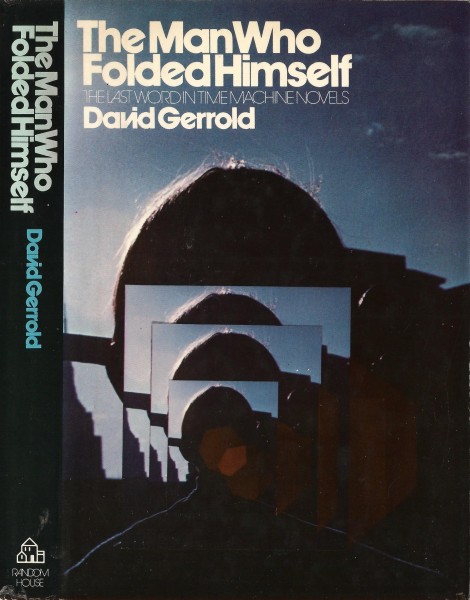
- The Man Who Folded Himself
David Gerroldstandalone novel1973
similar byidentitylonelinessour worldcontemporaryscience fictionreflective
The Man Who Folded Himself is a 1973 science fiction novel by American writer David Gerrold. It was nominated for the Nebula Award for Best Novel in 1974 and the Hugo Award for Best Novel in 1974. The book explores the psychological, physical, and personal challenges that manifest when time travel is possible for a single individual at the touch of a button.
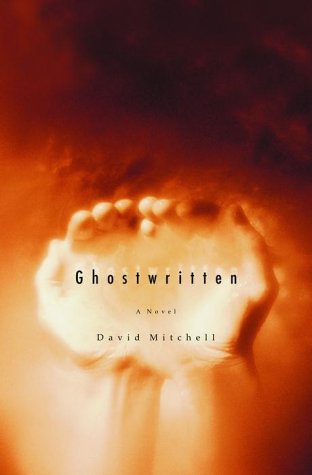
- Ghostwritten
David Mitchellstandalone novel1999
similar byour worldcontemporaryscience fictionreflectiveliterary & general+2 more
Various individuals around the globe cross paths, while the complexities of modern societies lead to human civilization's inevitable end.
- Kairos
series11 books1962
completed
similar byscience fiction+2 more
The Time Quintet is a science fantasy series of five young adult novels written by American author Madeleine L'Engle and made up of A Wrinkle in Time (1962), A Wind in the Door (1973), A Swiftly Tilting Planet (1978), Many Waters (1986), and An Acceptable Time (1989).
- Shark Heart
Emily Habeckstandalone novel2023
similar bysadidentityour worldcontemporaryliterary & general+1 more
Subtitled "A Love Story"
- The Siren
Kiera Cassstandalone novel2009
similar bysadlonelinessour worldcontemporary+1 more
"You must never do anything that might expose our secret. This means that, in general, you cannot form close bonds with humans. You can speak to us, and you can always commune with the Ocean, but you are deadly to humans. You are, essentially, a weapon. A very beautiful weapon. I won't lie to you, it can be a lonely existence, but once you are done, you get to live. All you have to give, for now, is obedience and time..." The same speech has been given hundreds of times to hundreds of beautiful girls who enter the sisterhood of sirens. Kahlen has lived by these rules for years now, patiently waiting for the life she can call her own. But when Akinli, a human, enters her world, she can't bring herself to live by the rules anymore. Suddenly the life she's been waiting for doesn't seem nearly as important as the one she's living now.
- The Man Who Fell to Earth
Walter Tevisstandalone novel1963
similar bysadlonelinessour worldscience fictionreflective
The Man Who Fell to Earth is a 1963 science-fiction novel by American writer Walter Tevis. Published by Gold Medal Books as a paperback original, it was Tevis's second novel, following The Hustler. The novel follows Thomas Jerome Newton, an extraterrestrial from the drought-stricken planet Anthea, who comes to Earth hoping to build a spacecraft that can save the surviving members of his species.
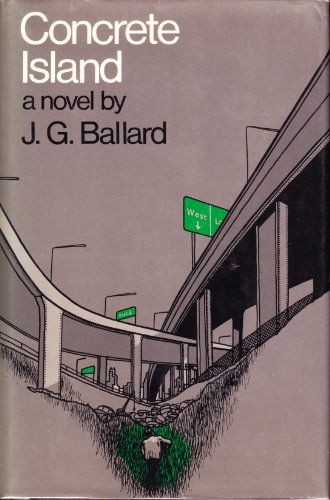
- Concrete Island
J. G. Ballardstandalone novel1974
similar byidentitylonelinessour worldcontemporaryreflectiveliterary & general
Architect Robert Maitland crashes his car onto a stretch of wasteland trapped between three converging motorways -- visible from thousands of cars, reachable by none of them. Injured and unable to climb back to the road, Maitland adapts to life on what he starts calling the Island, scavenging food thrown from car windows, and discovers he isn't alone: a runaway sex worker hiding in a bunker, and a brain-damaged former circus acrobat, both long past expecting rescue. What begins as a survival story turns into a question of whether Maitland even wants to leave. A J. G. Ballard novel of urban isolation, grouped with Crash and High-Rise.
- Memoirs of an Invisible Man
H. F. Saintstandalone novel1987
similar byidentityour worldcontemporaryscience fiction+2 more
Memoirs of an Invisible Man is a 1987 science fiction novel by H. F. Saint.
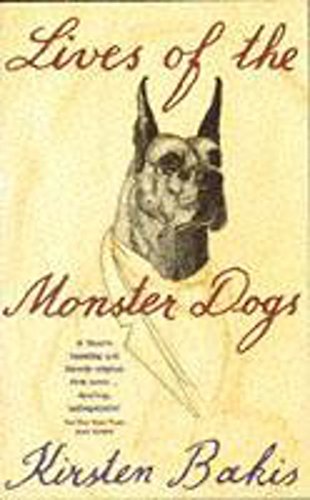
- Lives of the Monster Dogs
Kirsten Bakisstandalone novel1997
similar bysadidentitylonelinessour worldscience fictionliterary & general
Lives of the Monster Dogs (1997) is a novel by Kirsten Bakis first published by Farrar, Straus & Giroux. It was named a New York Times Notable Book of the year in 1997, and one of the Best Books of the Year by the Village Voice. It was shortlisted for the Orange Prize for Fiction, and won the Bram Stoker Award for Best First Novel. It has been translated into eight languages and made into a stage play.
- VALIS
series4 books1981
completed
similar byidentityscience fictionreflective+3 more
The VALIS trilogy is a set of science fiction/philosophical novels by author Philip K. Dick which include VALIS (1981), The Divine Invasion (1981), and The Transmigration of Timothy Archer (1982). Dick's first novel about the VALIS concept originally titled "VALISystem A", was published as Radio Free Albemuth after Dick's death in 1985.
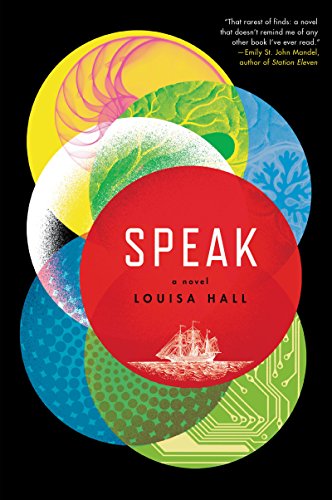
- Speak
Louisa Hallstandalone novel2015
similar byidentitylonelinessour worldcontemporaryscience fictionreflectiveliterary & general
Speak is a 2015 novel by Louisa Hall. It is her second novel, after The Carriage House. The novel was well received. The novel was inspired by a story in the New York Times.
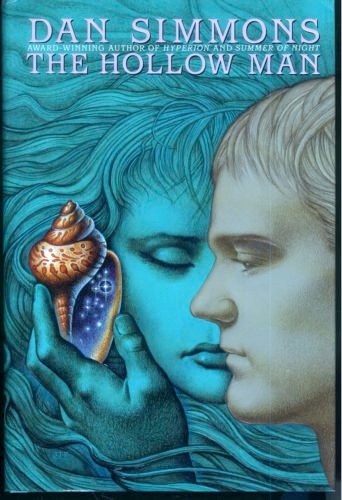
- The Hollow Man
Dan Simmonsstandalone novel1992
similar byour worldcontemporaryscience fiction+2 more
The Hollow Man is a novel by American author Dan Simmons. The book was initially published by Bantam Books on September 1, 1992. It narrates the story of a university lecturer who has the ability to "hear" the thoughts of others, an ability he shares with his dying wife.
- Death-Cast
series3 books2017
similar bysadscience fiction+4 more
They Both Die at the End is set in a world where a service called Death-Cast calls people on the morning of the day they will die, and follows two strangers who connect through an app built for exactly that situation, choosing to spend their last day together. Adam Silvera's novel became a viral hit years after its original release, later gaining a prequel and further entries exploring other characters within the same premise. The series stays within a single fixed speculative conceit rather than expanding into a wider plot.
- The Vampire Chronicles
series15 books1976
completed
similar byour worldcontemporary+2 more
The Vampire Chronicles is a series of Gothic vampire novels and a media franchise, created by American author Anne Rice, that revolves around the fictional character Lestat de Lioncourt, a French nobleman turned into a vampire in the 18th century.
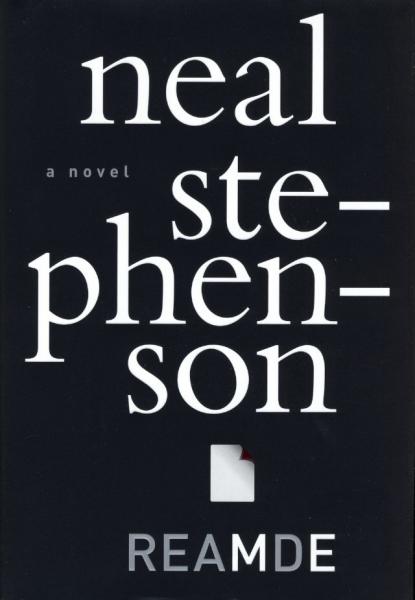
- Richard Forthrast
series2 books2011
similar byour worldscience fiction+2 more
Neal Stephenson's Richard 'Dodge' Forthrast novels open with Reamde, a globe-spanning thriller that starts when ransomware inside an MMORPG economy pulls Richard's extended family into a real-world hostage crisis involving hackers, jihadists and Russian mobsters. The sequel Fall; or, Dodge in Hell shifts registers entirely, following Richard's digitally preserved mind after death into an afterlife simulation built from his scanned brain. The two books share a protagonist and family but differ sharply in genre and scale.
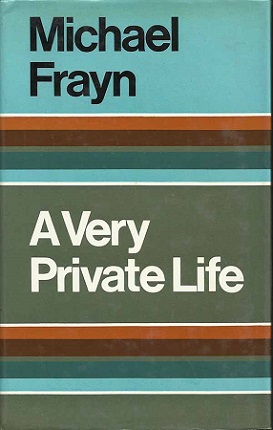
- A Very Private Life
Michael Fraynstandalone novel1968
similar bysadlonelinessour worldscience fictiondystopiareflective
A Very Private Life by Michael Frayn (1968) is a futuristic fairy tale that describes a young woman's futile quest to make meaningful contact with another human being.
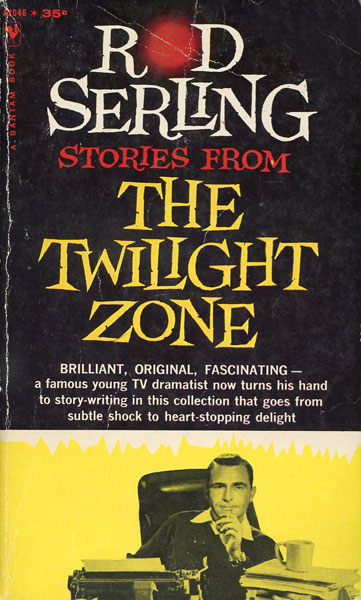
- Twilight Zone
universe40 books1960
Start hereStories from the Twilight Zone · Start here
similar byour worldscience fiction+2 more
Picture, if you will, an ordinary person on an ordinary afternoon: a tired salesman, a frightened child, a man who wants only to be left alone. Somewhere between the streetlight and the front door, the rules quietly change. This is the Twilight Zone — not a place on any map but a middle ground between light and shadow, science and superstition, the pit of our fears and the summit of our knowledge. There is no continuing saga here, no cast to follow across the years. There is only the door, and the parable waiting on the far side of it. What the shelf holds is Rod Serling's anthology given the permanence of print. Serling turned his own teleplays into prose, the collections that open with Stories from the Twilight Zone, and the scripts survive alongside them — his and Richard Matheson's, the two hands that set the show's pulse. Around that core gather the story-collections of Walter B. Gibson, the volumes of new tales assembled by Carol Serling, standalone novels, and paired reissues: dozens of self-contained pieces, many writers under one banner. Read one or read forty. Each closes its own circle. The machinery is always the same and never predictable — a reasonable premise, a moral squeeze, a final turn that lands like a tap on the shoulder, sometimes cruel, sometimes merciful, always earned. Beneath the twist runs Serling's true subject: ordinary conscience under strain — prejudice, vanity, loneliness, the wish to go back. Begin where he began, with his own Stories from the Twilight Zone, then follow Matheson. There is no order to keep. You unlock this door with the key of imagination.