Loreful
HomeDiscover
Search series, authors…⌘K
Loreful

Reading orders for SF/F series and shared universes — with your place kept in every one.

Explore

UniversesSeriesWorksAuthorsAtlas

Help

FAQAboutSite map

Account & legal

Sign inCreate accountPrivacyTerms

Data

Built on ISFDB, Wikipedia, Wikidata and Open Library. Curated reading orders carry their reasoning on the page; the rest follow publication order. Data sources & licenses

© Loreful · data: ISFDB · CC BY

More like Belsen Express

anchored on:horroreuropemid 20th centurydarkmadnesswar

but

Mood

The mood the book leaves you in.

  • The reading experience is propelled by journeys, exploration, and physical risk; excitement and forward momentum dominate over dread or introspection.
  • Joy and loss are deliberately mixed; the resolution grants characters something real while taking something else away, leaving warmth and sorrow together.
  • The book demands work from the reader — dense prose, difficult structure, unfamiliar ideas, or morally uncomfortable material — as part of its intended effect.
  • Grim events, cruelty, or despair dominate the atmosphere, and the book does not soften them with comfort or comic relief.
  • The atmosphere is quietly unsettling — wrongness, unease, and the uncanny pervade the book without necessarily escalating into overt horror.
  • The book is built to move the reader; character feeling is foregrounded and major scenes aim at a strong emotional response.
  • Humor is a primary aim and the prose plays for laughs — comic situations, wit, or dialogue produce sustained comedy, not occasional levity.
  • The book insists that things can improve; effort and decency are shown to matter, and the arc bends toward better outcomes even through hardship.
  • The book teaches as it goes — real facts, history, science, or craft are conveyed in enough depth that learning is part of the reading experience.
  • The book is designed to uplift and motivate, presenting perseverance or achievement in a way that invites the reader to aspire or act.
  • The overall register is cheerful and easygoing; stakes are kept gentle and the book avoids dwelling on pain or dread.
  • Withheld information drives the experience; the book sustains enigmas and secrets the reader wants resolved, whatever its genre.
  • The book is contemplative and inward-looking, giving more weight to thought, memory, and meaning than to external events.
  • The book works as comfort reading — low tension, a soothing pace, and an atmosphere the reader can unwind in.
  • Grief, loss, or melancholy set the dominant register, and the book lets sorrow stand rather than resolving it into comfort.
  • Sustained suspense is the point; the book keeps the reader braced for what happens next through danger, pressure, or impending revelation.
  • Playful invention and charm define the register — fanciful conceits, light absurdity, and a narration that delights in its own oddity.

About

What the story runs on.

  • Stories structured as a quest — a journey undertaken to find, deliver, or destroy something of great import.
  • Stories in which staying alive against nature, catastrophe, or scarcity is the central problem.
  • Stories of lovers kept apart by law, family, faith, or station, where the obstacle to love is the plot.
  • Stories in which a friendship — its making, testing, or loss — is the emotional center.
  • Stories of growing up — a young protagonist crossing from childhood into adult knowledge and responsibility.
  • Stories about who a character truly is — self-discovery, doubled lives, and the search for a self.
  • Stories about mental unraveling — descent into madness, delusion, and minds at war with themselves.
  • Stories about mourning — living through the death of a loved one and what loss does to the survivors.
  • Stories in which a buried family truth — hidden parentage, crimes, or shames — surfaces and reorders the present.
  • Stories driven by maneuvering for power — factions, conspiracies, and statecraft conducted in shadow.
  • Stories in which war itself is the subject — combat, occupation, and what warfare does to soldiers and civilians.
  • Stories organized around investigating a killing — the case, the clues, and the pursuit of the killer, in any genre's clothing.

Shelf

Where it sits in the library.

    • Fiction built on magic or other supernatural elements that have no scientific explanation.
    • Secondary-world fantasy at large scale, where the fate of nations or the world turns on the protagonists' struggle.
    • Fantasy set in a recognizably modern city or contemporary world where the supernatural intrudes on everyday life.
    • Fantasy that blends in horror's atmosphere and imagery, keeping a fantastical frame around grim or frightening material.
    • Action-driven fantasy following warriors or rogues with personal stakes against sorcerous threats, rather than world-spanning conflicts.
    • Fantasy set in a real historical period or a close analogue of one, with magic woven into the era.
    • Fantasy in which protagonists cross from the ordinary world into another world through a portal or similar passage.
    • Fiction that retells or reworks a traditional fairy tale in a new form or setting.
    • Fantasy drawing directly on myths, legends, and folklore, retelling them or building on their figures and logic.
    • Fantasy of ghosts, vampires, shapeshifters, psychics, and similar phenomena, usually set in an otherwise ordinary world.
    • Fiction mixing science-fictional trappings with overtly magical or impossible elements in one setting.
    • Low-stakes fantasy emphasizing comfort, community, and everyday pleasures over conflict and peril.
    • Speculative fiction of pervasive moral ambiguity, violence, and cynicism that rejects heroic conventions — fantasy and SF alike.
      • Fiction that extrapolates from science and technology — future societies, space travel, or speculative inventions — within at least nominally natural laws.
      • Science fiction of interstellar scope — starships, galactic polities, and adventure across star systems.
      • Science fiction committed to scientific rigor, where technical plausibility constrains the story.
      • Science fiction centered on armed forces and warfare, told largely from a military point of view.
      • Science fiction of networked, corporate-dominated near futures, pairing high technology with social decay.
      • Science fiction styled on nineteenth-century steam-powered technology, often in a Victorian or pseudo-Victorian setting.
      • Fiction depicting an oppressive or catastrophic society, presented as a warning.
      • Fiction set after civilization's collapse, following survivors in the ruins of the old world.
      • Fiction in which characters move between past and future, and the mechanics or consequences of that travel drive the plot.
      • Fiction exploring a world where a historical event went differently and history diverged from ours.
      • Science fiction about humanity's first encounter and communication with an alien intelligence.
      • Science fiction in which extraterrestrial forces attack or occupy Earth and humanity resists.
      • Fiction whose primary aim is to frighten or unsettle the reader through dread, menace, or the monstrous.
      • Horror of vast, indifferent, incomprehensible entities before which humanity is insignificant, in the Lovecraft tradition.
      • Horror of decaying houses, buried family secrets, and oppressive atmosphere in the Gothic literary tradition.
      • Horror centered on hauntings and the returning dead.
      • Horror located in the mind — paranoia, obsession, and unreliable perception rather than external monsters.
      • Horror built around the reanimated dead and survival amid their outbreaks.
      • Horror defined by explicit, transgressive gore that refuses to cut away from violence.
      • Speculative fiction of the strange and uncanny that resists both natural explanation and standard genre categories.
      • Fiction organized around solving a crime or puzzle, typically following an investigator toward the identification of a culprit.
      • A puzzle-first mystery that lays out clues so the culprit's identity can be deduced before the reveal.
      • Crime fiction of moral ambiguity, fatalism, and hard-edged style, set among the corrupt and the doomed.
      • A mystery following the realistic routines of police work — forensics, interviews, and case-building.
      • A gentle mystery with an amateur sleuth, a small community, and violence kept off the page.
      • A mystery set in a past era, where the investigation works within that period's methods and society.
      • Fast-paced fiction driven by imminent danger, pursuit, or high-stakes conspiracy, built to sustain tension.
      • A thriller of espionage — agents, tradecraft, and intelligence services in conflict.
      • A thriller centered on lawyers and the courtroom, where litigation carries the suspense.
      • A thriller driven by detailed contemporary or near-future technology, often military or scientific.
      • A thriller whose tension comes from mental states and manipulation between characters rather than external action.
      • Fiction whose central plot is a romantic relationship and its development toward an emotionally satisfying resolution.
      • Romance in which one or both partners are supernatural beings, blending fantasy elements into the love story.
      • A fantasy-romance hybrid in which the romantic arc and the fantasy plot carry equal weight.
      • Romance set in a past era, with courtship shaped by the period's society and manners.
      • Romance set in the present day, without supernatural or historical elements.
      • Fiction set in a real past period, where the historical setting materially shapes characters and events.
        • General and literary fiction emphasizing prose style, character interiority, or formal ambition over genre plot conventions.
        • Fiction in a realistic world where magical events occur and are treated as ordinary, in the tradition of Latin American literature.
        • Fiction that ridicules people, institutions, or society in order to criticize them.
        • Fiction of dreamlike, irrational imagery and logic that breaks from realistic representation.
        • Fiction that plays with narrative convention through metafiction, fragmentation, and self-reference.
        • Fiction propelled by journeys, exploration, and physical peril, where action and survival carry the plot.
        • Adventure fiction of ships and seafaring — naval engagements, voyages, and life at sea.
        • Fiction of the American frontier West — gunmen, ranchers, and lawmen, typically in the late nineteenth century.
        • Fiction centered on soldiers, campaigns, and the experience of warfare, historical or imagined.
          • Fiction written primarily to amuse, using comedic situations, wit, or parody as its organizing principle.
            • Multi-generational fiction following a family or dynasty across decades, with inheritance and kinship as the through-line.
              • Fiction whose world runs on explicit game mechanics — levels, stats, and skills that characters can see and exploit.
                • Fiction about costumed or superpowered heroes and their conflicts with comparable villains.

                Practical

                How long a commitment, whether it stands alone, and whether it has finished.

                Tap a chip to ask for it · tap again to rule it out · once more to clear. Numbers show what would be left.

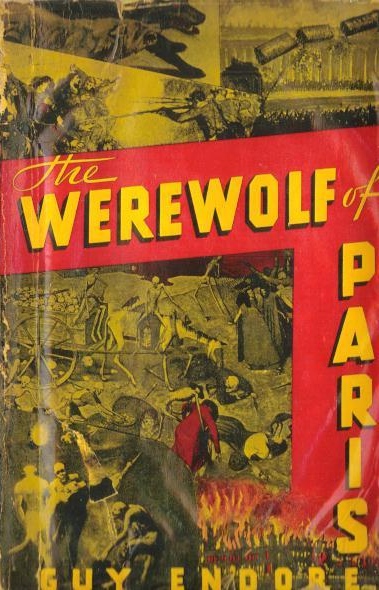
                • Cover of The Werewolf of Paris
                  The Werewolf of Paris

                  Guy Endore · standalone novel · 1933

                  similar bydarkhorroreuropemadnesswar

                  The Werewolf of Paris (1933) is a Gothic horror novel by American writer Guy Endore. The novel follows Bertrand Caillet, the eponymous werewolf, throughout the tumultuous events of the Franco-Prussian War and the Paris Commune of 1870–71. Some literature experts have compared this book with Dracula by Bram Stoker and they have identified it as the Dracula of werewolf fiction.

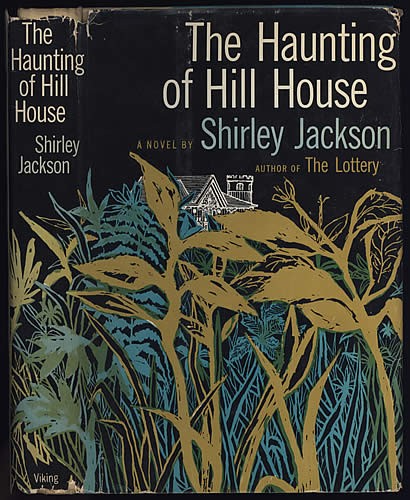
                • Cover of The Haunting of Hill House
                  The Haunting of Hill House

                  Shirley Jackson · standalone novel · 1959

                  similar bydarkhorrormid 20th centurymadness+1 more

                  The Haunting of Hill House is a 1959 gothic horror novel by American author Shirley Jackson. It was a finalist for the National Book Award and has been made into two feature films, a play, and is the basis of a Netflix series.

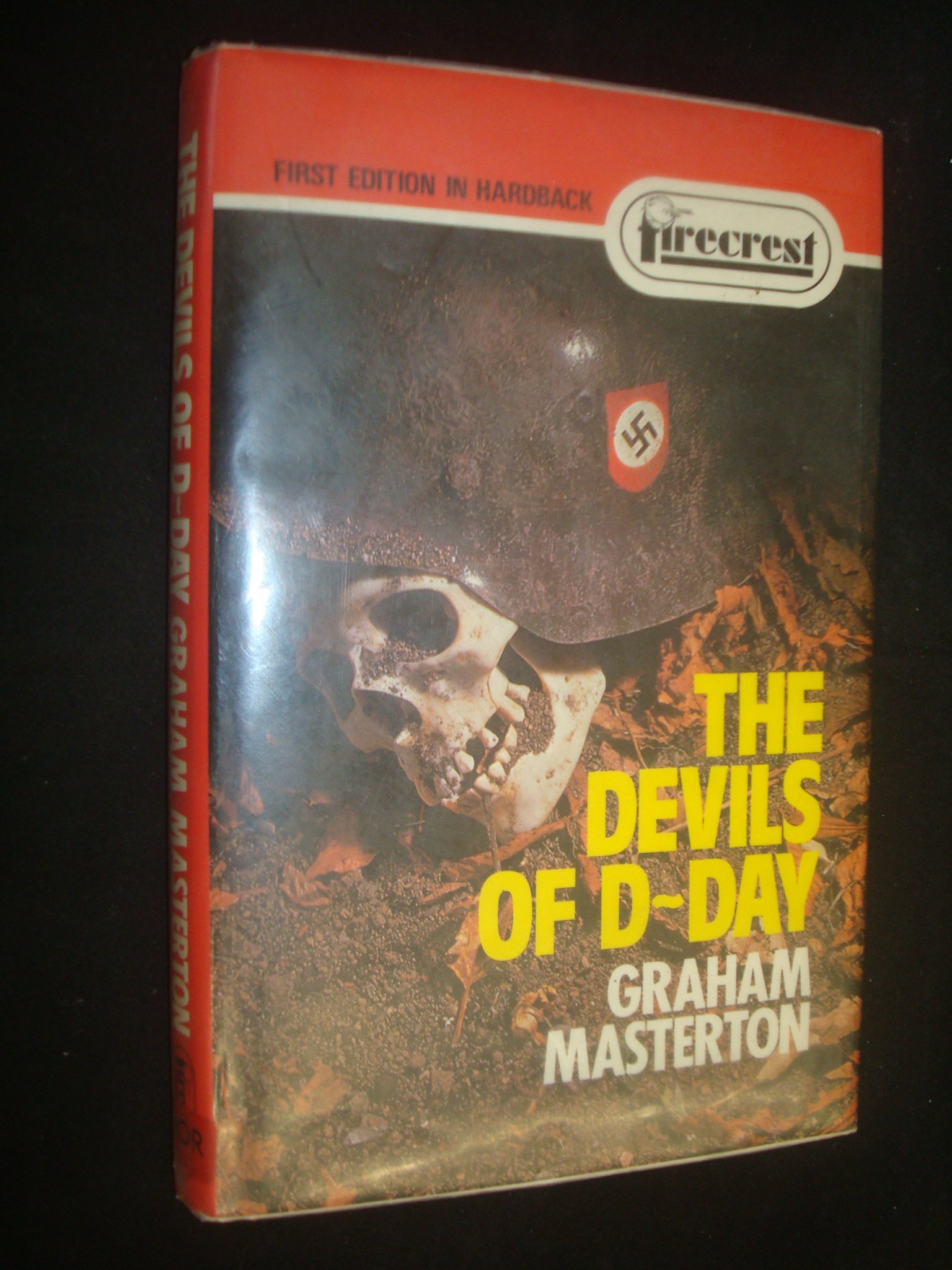
                • Cover of The Devils of D-Day
                  The Devils of D-Day

                  Graham Masterton · standalone novel · 1978

                  similar bydarkhorroreuropemid 20th centurywar

                  UNHOLY TERROR... September, 1944...the villagers of Pont D'Ouilly atill shudder at the memory of that infernal day when a special divison of American tanks annihilated a Nazi armoured column. Thirteen U.S. tanks, all painted black. A strange sight, evven in wartime. One of the vehicles had broken a track, and stopped, its deadly mission complete. For some mysterious reason, the Allies sealed the hatch, and left the tank by the roadside. for thirty years, it just sat there, rusting with time, a grim reminder of the nearly forgotten battle. Some local people claimed the tank was cursed.. Haden't they heard eerie voices and wild laughter echoing from within? And didn't an old woman die exactly thirteen days after she'd tried to exorcise the supposed demons? Was there indeed a supernatural force inside...something so unearthly and sinisterthat no one would come near...something capable of unleashing an unspeakable evil no power on earth could destroy? Come, see for yourself, if you dare!

                • Cover of The Monk
                  The Monk

                  Matthew Gregory Lewis · standalone novel · 1796

                  similar bydarkhorroreuropemadness+1 more

                  The Monk: A Romance is a Gothic novel by Matthew Gregory Lewis, published in 1796 across three volumes. Written early in Lewis's career, it was published anonymously when he was 20. It tells the story of a virtuous Catholic monk who gives in to his violent and lustful urges, setting off a chain of events that leave him damned. It is a prime example of the type of Gothic that specializes in horror.

                • Cover of To the Devil - a Daughter
                  To the Devil - a Daughter

                  Dennis Wheatley · standalone novel · 1953

                  similar bydarkhorroreuropemid 20th century

                  Beneath the azure sky of the French Riviera, Christina Mordant looks and behaves like any other attractive girl. But each night as darkness falls, the demon within her betrays its presence. A thousand miles away, deep in the Essex marshes, a priest of Satan is about to achieve his life's ambition: Canon Copely-Syle of Bentford Priory prepares for the virgin sacrifice which will give breath to the foul abomination he has created...

                • Cover of Some of Your Blood
                  Some of Your Blood

                  Theodore Sturgeon · standalone novel · 1961

                  similar bydarkhorrormid 20th centurymadness

                  Some of Your Blood is a short horror novel in epistolary form by American writer Theodore Sturgeon, first published in 1961.

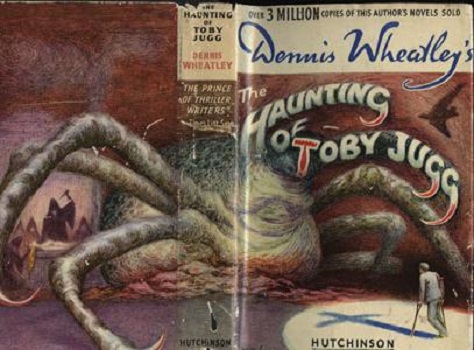
                • Cover of The Haunting of Toby Jugg
                  The Haunting of Toby Jugg

                  Dennis Wheatley · standalone novel · 1948

                  similar bydarkmid 20th centurymadnesshorror+1 more

                  The Haunting of Toby Jugg is a 1948 psychological thriller novel on an occult theme by English writer Dennis Wheatley, incorporating his usual themes of satanic possession and madness, in what was at that time a fresh situation: a disabled British airman recovering from his experiences in the last stages of World War II, in which he played a part in the bombardment of Germany.

                • Cover of The House on the Borderland
                  The House on the Borderland

                  William Hope Hodgson · standalone novel · 1908

                  similar bydarkhorrormadness+1 more

                  The House on the Borderland (1908) is a supernatural horror novel by British fantasist William Hope Hodgson. The novel is a hallucinatory account of a recluse's stay at a remote house, and his experiences of supernatural creatures and otherworldly dimensions.

                • Cover of Song of Kali
                  Song of Kali

                  Dan Simmons · standalone novel · 1985

                  similar bydarkhorrormadness+1 more

                  Song of Kali is a horror novel by American writer Dan Simmons, published in 1985. The story deals with an American intellectual who travels to Calcutta, India, where he becomes embroiled in mysterious and horrific events at the centre of which lies a cult of Kapalikas that worships Kali.

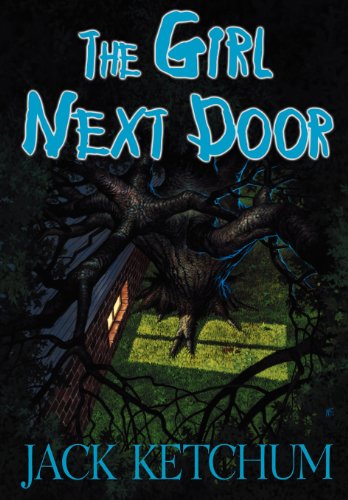
                • Cover of The Girl Next Door
                  The Girl Next Door

                  Jack Ketchum · standalone novel · 1989

                  similar bydarkhorrormid 20th centurymadness

                  The Girl Next Door is a 1989 horror novel by American writer Jack Ketchum. It is loosely based on the 1965 murder of Sylvia Likens. In 2007, it was adapted into the film The Girl Next Door.

                • Cover of The Spear
                  The Spear

                  James Herbert · standalone novel · 1978

                  similar bydarkhorrormid 20th centuryeurope+1 more

                  The Spear is a 1978 novel by British author James Herbert dealing with Nazi occultism and the Holy Lance. It was first published in by New English Library.

                • Cover of Slaughterhouse-Five or the Children's Crusade: A Duty-Dance with Death
                  Slaughterhouse-Five or the Children's Crusade: A Duty-Dance with Death

                  Kurt Vonnegut & Jr. · standalone novel · 1969

                  similar bydarkmid 20th centurywareurope

                  Vonnegut opens in his own voice, describing the twenty years it took him to face writing about surviving the firebombing of Dresden as a POW. He then hands the story to Billy Pilgrim, an awkward, fatalistic American chaplain's assistant swept into the Battle of the Bulge and captured by German forces alongside a soldier who dies blaming him for it. Imprisoned in a disused slaughterhouse in Dresden, Billy survives the firebombing that follows, and, we're told upfront, has also come 'unstuck in time,' living his life out of order, including a stretch on the alien world of Tralfamadore. Vonnegut's best-known novel folds war memoir into science fiction and black comedy.

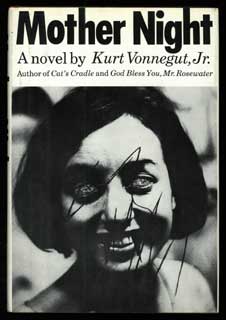
                • Cover of Mother Night
                  Mother Night

                  Kurt Vonnegut & Jr. · standalone novel · 1962

                  similar bydarkmid 20th centurywareurope

                  Howard W. Campbell Jr., an American playwright who grew up in Germany, writes his memoirs from an Israeli prison cell awaiting trial for war crimes. As the Nazis rose to power, Campbell stayed on, married a German actress, and was recruited by an American agent to serve as a double agent, broadcasting Nazi propaganda over the radio while secretly passing coded intelligence to the Allies. The catch, as Campbell tells it, is that he became one of the war's most effective propagandists in the process, whatever his loyalties. Kurt Vonnegut's darkest novel asks what a person becomes when the mask he wears for a cause is indistinguishable from his face.

                • Cover of I Am Legend
                  I Am Legend

                  Richard Matheson · standalone novel · 1954

                  similar bydarkhorrormid 20th century

                  The last human survivor of the vampire epidemic has to maintain his defences against their onslaught, while attempting to research the cause and possibly solution to the plague. Robert Neville is the last living man on Earth... but he is not alone. Every other man, woman and child on the planet has become a vampire, and they are hungry for Neville's blood. By day he is the hunter, stalking the undead through the ruins of civilization. By night, he barricades himself in his home and prays for the dawn. How long can a man survive like this?

                • Cover of Mexican Gothic
                  Mexican Gothic

                  Silvia Moreno-Garcia · standalone novel · 2020

                  similar bydarkhorrormid 20th century+2 more

                  It centers on a young woman investigating her cousin's claims that her husband is trying to murder her. (en.wikipedia)

                • Cover of I Am the River
                  I Am the River

                  T. E. Grau · standalone novel · 2018

                  similar bydarkmid 20th centurymadnesshorror+1 more

                  During the last desperate days of the Vietnam War, American soldier Israel Broussard is assigned to a secret CIA PSYOP far behind enemy lines meant to drive terror into the heart of the North Vietnamese and end an unwinnable war. When the mission goes sideways, Broussard is plunged into a nightmare that he soon finds he is unable to escape, dragging a remnant of that night in the Laotian wilderness with him no matter how far he runs. Five years later, too damaged to return home and holed up in the slums of Bangkok, where he battles sleep, guilt, and a creeping sense of madness, Broussard discovers that he must journey back to the jungles of Laos in an attempt to set things right and reclaim what is left of his life.

                • Cover of The Philosopher's Stone
                  The Philosopher's Stone

                  Colin Wilson · standalone novel · 1969

                  similar bydarkhorrormid 20th centurymadness

                  The Philosopher's Stone is a 1969 horror novel by the English writer Colin Wilson. It tells the story of two researchers who find a way to reach a higher state of consciousness, which leads to frightening revelations about humanity's distant history. Like Wilson's 1967 novel The Mind Parasites, The Philosopher's Stone uses motifs from H. P. Lovecraft's Cthulhu Mythos.

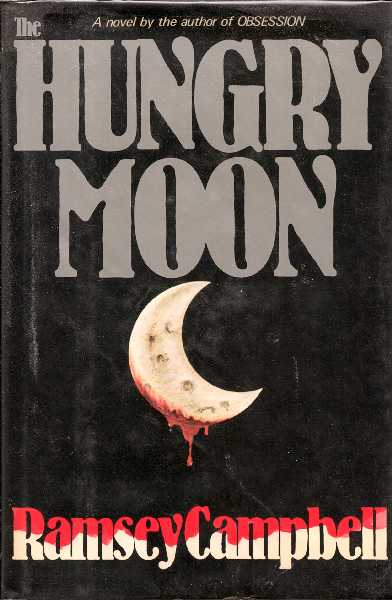
                • Cover of The Hungry Moon
                  The Hungry Moon

                  Ramsey Campbell · standalone novel · 1986

                  similar bydarkhorrormadness+1 more

                  The Hungry Moon is a novel by Ramsey Campbell published in 1986.

                • Cover of The Satanist
                  The Satanist

                  Dennis Wheatley · standalone novel · 1960

                  similar bydarkhorrormid 20th centuryeurope

                  The Satanist is a black magic/horror novel by Dennis Wheatley. Published in 1960, it is characterized by an anti-communist spy theme. The novel was one of the popular novels of the 1960s, popularizing the tabloid notion of a black mass.

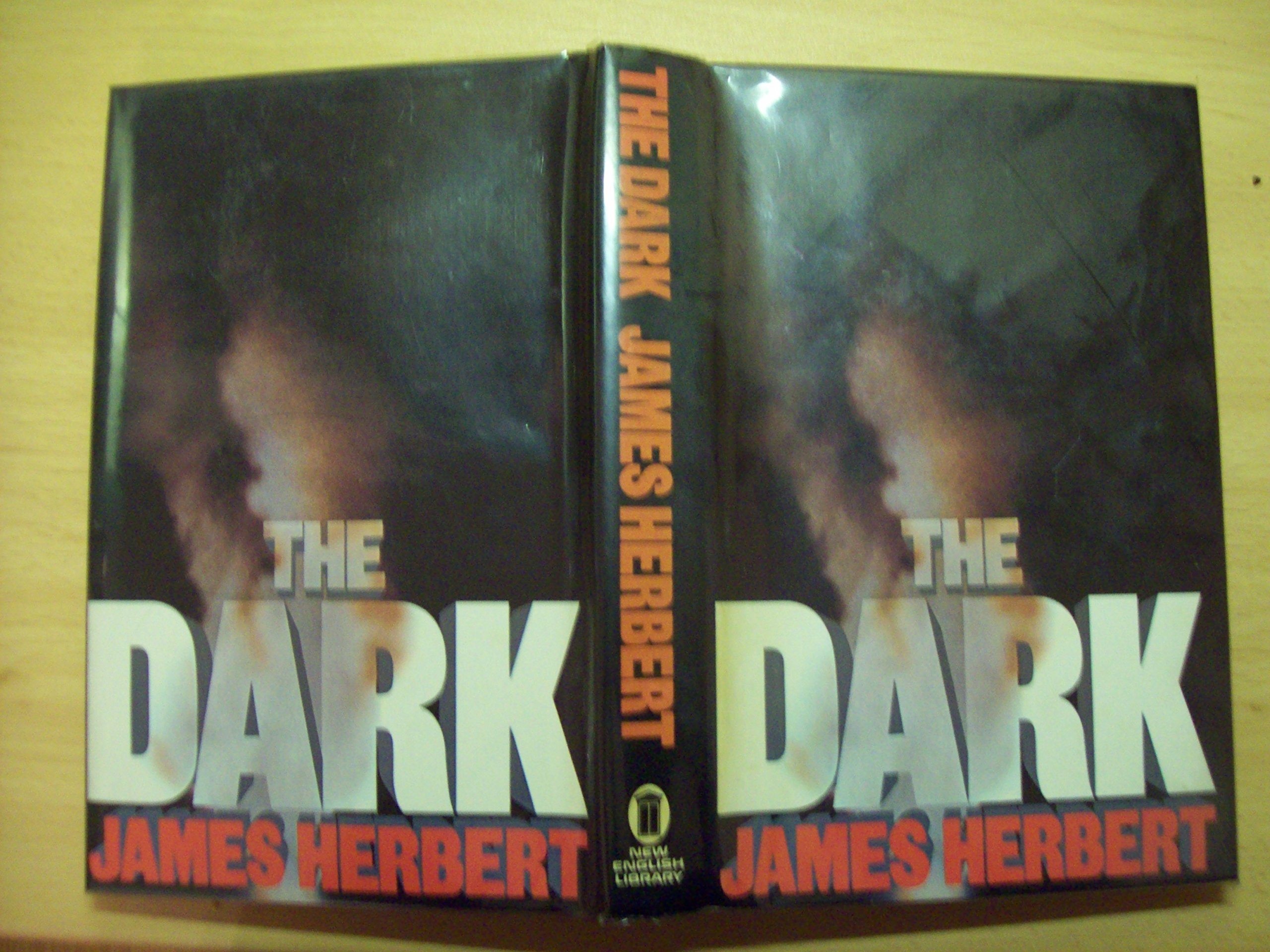
                • Cover of The Dark
                  The Dark

                  James Herbert · standalone novel · 1980

                  similar bydarkhorrormadness+1 more

                  WorldCat: It came like a malignant shadow with seductive promises of power. And somewhere in the night, a small girl smiled as her mother burned. Asylum inmates slaughtered their attendants. In slimy tunnels, once-human creatures gathered. Madness raged as the lights began to fade and humanity was attacked by an ancient, unstoppable evil.

                • Cover of Dagon
                  Dagon

                  Fred Chappell · standalone novel · 1968

                  similar bydarkhorrormid 20th centurymadness

                  Dagon is a novel by author Fred Chappell published in 1968. The novel is a psychological thriller with supernatural elements, attempting to tell a Cthulhu Mythos story as a psychologically realistic Southern Gothic novel. It was awarded the Best Foreign Book of the Year prize by the French Academy in 1972.

                • Cover of Flanders
                  Flanders

                  Patricia Anthony · standalone novel · 1998

                  similar bydarkeuropemadnesswar

                  From the front flap of the Ace first edition: Last night while I was walking the graveyard alone, I heard someone signing... World War I, Flanders, Northern France: The British trenches grow wet and foul. For Travis Lee Stanhope, a Texan sharpshooter serving in an English unit, the war is not hell, but home. Each night he ventures into No-Man's Land between his comrades and the German trenches, and waits. At dawn, he begins the methodical killing of enemy troops. Then he returns. His numbers are exemplary. But Travis Lee is changing. He senses are ravaged by the unending scream of shells overhead. His mind numbed by too many rations of rum. His soul bled dry by the constant death all around him.. But in his dreams, something still lives. He sees a world like the war, where living is the same as walking dead. But the people there are his comrades killed in action. Sometimes they lay in glass-covered graves in an Eden-like cemetery. He speaks to them. He tries to ease their pain. But no one can ease his pain. And it will take more than death, and more than dreams, to make Travis Lee realize that he may have a fuction in this war beyond killing his enemies."

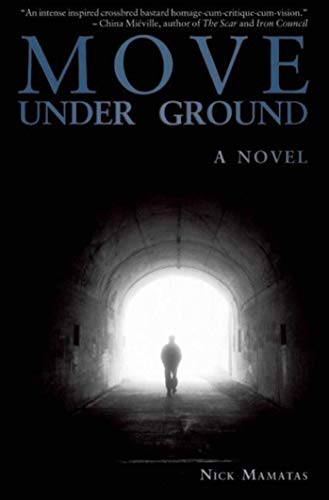
                • Cover of Move Under Ground
                  Move Under Ground

                  Nick Mamatas · standalone novel · 2004

                  similar bydarkhorrormid 20th centurymadness

                  Move Under Ground is a horror novel mashup by American writer Nick Mamatas, which combines the Beat style of Jack Kerouac with the cosmic horror of H. P. Lovecraft's Cthulhu Mythos. It is available as a free download via a Creative Commons license, CC BY-NC-ND 2.5 according to the License information in the CC version of the book.
                • Cover of Willard
                  Willard

                  series · 2 books · 1968

                  completed

                  similar bydarkhorrormid 20th centurymadness