Loreful
HomeDiscover
Search series, authors…⌘K
Loreful

Reading orders for SF/F series and shared universes — with your place kept in every one.

Explore

UniversesSeriesWorksAuthorsAtlas

Help

FAQAboutSite map

Account & legal

Sign inCreate accountPrivacyTerms

Data

Built on ISFDB, Wikipedia, Wikidata and Open Library. Curated reading orders carry their reasoning on the page; the rest follow publication order. Data sources & licenses

© Loreful · data: ISFDB · CC BY

More like Bubbas

anchored on:humorfunnyshort story cyclecontemporarynorth america

but

Mood

The mood the book leaves you in.

  • The reading experience is propelled by journeys, exploration, and physical risk; excitement and forward momentum dominate over dread or introspection.
  • Joy and loss are deliberately mixed; the resolution grants characters something real while taking something else away, leaving warmth and sorrow together.
  • The book demands work from the reader — dense prose, difficult structure, unfamiliar ideas, or morally uncomfortable material — as part of its intended effect.
  • Grim events, cruelty, or despair dominate the atmosphere, and the book does not soften them with comfort or comic relief.
  • The atmosphere is quietly unsettling — wrongness, unease, and the uncanny pervade the book without necessarily escalating into overt horror.
  • The book is built to move the reader; character feeling is foregrounded and major scenes aim at a strong emotional response.
  • Humor is a primary aim and the prose plays for laughs — comic situations, wit, or dialogue produce sustained comedy, not occasional levity.
  • The book insists that things can improve; effort and decency are shown to matter, and the arc bends toward better outcomes even through hardship.
  • The book teaches as it goes — real facts, history, science, or craft are conveyed in enough depth that learning is part of the reading experience.
  • The book is designed to uplift and motivate, presenting perseverance or achievement in a way that invites the reader to aspire or act.
  • The overall register is cheerful and easygoing; stakes are kept gentle and the book avoids dwelling on pain or dread.
  • Withheld information drives the experience; the book sustains enigmas and secrets the reader wants resolved, whatever its genre.
  • The book is contemplative and inward-looking, giving more weight to thought, memory, and meaning than to external events.
  • The book works as comfort reading — low tension, a soothing pace, and an atmosphere the reader can unwind in.
  • Grief, loss, or melancholy set the dominant register, and the book lets sorrow stand rather than resolving it into comfort.
  • Sustained suspense is the point; the book keeps the reader braced for what happens next through danger, pressure, or impending revelation.
  • Playful invention and charm define the register — fanciful conceits, light absurdity, and a narration that delights in its own oddity.

About

What the story runs on.

  • Stories in which extraterrestrial beings are central — as characters, cultures, or the object of the plot.
  • Stories structured as a quest — a journey undertaken to find, deliver, or destroy something of great import.
  • Stories in which staying alive against nature, catastrophe, or scarcity is the central problem.
  • Stories of lovers kept apart by law, family, faith, or station, where the obstacle to love is the plot.
  • Stories in which a friendship — its making, testing, or loss — is the emotional center.
  • Stories of growing up — a young protagonist crossing from childhood into adult knowledge and responsibility.
  • Stories about who a character truly is — self-discovery, doubled lives, and the search for a self.
  • Stories about mourning — living through the death of a loved one and what loss does to the survivors.
  • Stories in which a buried family truth — hidden parentage, crimes, or shames — surfaces and reorders the present.
  • Stories driven by maneuvering for power — factions, conspiracies, and statecraft conducted in shadow.
  • Stories in which war itself is the subject — combat, occupation, and what warfare does to soldiers and civilians.
  • Stories organized around investigating a killing — the case, the clues, and the pursuit of the killer, in any genre's clothing.

Shelf

Where it sits in the library.

    • Fiction built on magic or other supernatural elements that have no scientific explanation.
    • Secondary-world fantasy at large scale, where the fate of nations or the world turns on the protagonists' struggle.
    • Fantasy set in a recognizably modern city or contemporary world where the supernatural intrudes on everyday life.
    • Fantasy that blends in horror's atmosphere and imagery, keeping a fantastical frame around grim or frightening material.
    • Action-driven fantasy following warriors or rogues with personal stakes against sorcerous threats, rather than world-spanning conflicts.
    • Fantasy set in a real historical period or a close analogue of one, with magic woven into the era.
    • Fantasy in which protagonists cross from the ordinary world into another world through a portal or similar passage.
    • Fiction that retells or reworks a traditional fairy tale in a new form or setting.
    • Fantasy drawing directly on myths, legends, and folklore, retelling them or building on their figures and logic.
    • Fantasy of ghosts, vampires, shapeshifters, psychics, and similar phenomena, usually set in an otherwise ordinary world.
    • Fiction mixing science-fictional trappings with overtly magical or impossible elements in one setting.
    • Low-stakes fantasy emphasizing comfort, community, and everyday pleasures over conflict and peril.
    • Speculative fiction of pervasive moral ambiguity, violence, and cynicism that rejects heroic conventions — fantasy and SF alike.
      • Fiction that extrapolates from science and technology — future societies, space travel, or speculative inventions — within at least nominally natural laws.
      • Science fiction of interstellar scope — starships, galactic polities, and adventure across star systems.
      • Science fiction committed to scientific rigor, where technical plausibility constrains the story.
      • Science fiction centered on armed forces and warfare, told largely from a military point of view.
      • Science fiction of networked, corporate-dominated near futures, pairing high technology with social decay.
      • Science fiction styled on nineteenth-century steam-powered technology, often in a Victorian or pseudo-Victorian setting.
      • Fiction depicting an oppressive or catastrophic society, presented as a warning.
      • Fiction set after civilization's collapse, following survivors in the ruins of the old world.
      • Fiction in which characters move between past and future, and the mechanics or consequences of that travel drive the plot.
      • Fiction exploring a world where a historical event went differently and history diverged from ours.
      • Science fiction about humanity's first encounter and communication with an alien intelligence.
      • Science fiction in which extraterrestrial forces attack or occupy Earth and humanity resists.
      • Fiction whose primary aim is to frighten or unsettle the reader through dread, menace, or the monstrous.
      • Horror of vast, indifferent, incomprehensible entities before which humanity is insignificant, in the Lovecraft tradition.
      • Horror of decaying houses, buried family secrets, and oppressive atmosphere in the Gothic literary tradition.
      • Horror centered on hauntings and the returning dead.
      • Horror located in the mind — paranoia, obsession, and unreliable perception rather than external monsters.
      • Horror built around the reanimated dead and survival amid their outbreaks.
      • Horror defined by explicit, transgressive gore that refuses to cut away from violence.
      • Speculative fiction of the strange and uncanny that resists both natural explanation and standard genre categories.
      • Fiction organized around solving a crime or puzzle, typically following an investigator toward the identification of a culprit.
      • A puzzle-first mystery that lays out clues so the culprit's identity can be deduced before the reveal.
      • Crime fiction of moral ambiguity, fatalism, and hard-edged style, set among the corrupt and the doomed.
      • A mystery following the realistic routines of police work — forensics, interviews, and case-building.
      • A gentle mystery with an amateur sleuth, a small community, and violence kept off the page.
      • A mystery set in a past era, where the investigation works within that period's methods and society.
      • Fast-paced fiction driven by imminent danger, pursuit, or high-stakes conspiracy, built to sustain tension.
      • A thriller of espionage — agents, tradecraft, and intelligence services in conflict.
      • A thriller centered on lawyers and the courtroom, where litigation carries the suspense.
      • A thriller driven by detailed contemporary or near-future technology, often military or scientific.
      • A thriller whose tension comes from mental states and manipulation between characters rather than external action.
      • Fiction whose central plot is a romantic relationship and its development toward an emotionally satisfying resolution.
      • Romance in which one or both partners are supernatural beings, blending fantasy elements into the love story.
      • A fantasy-romance hybrid in which the romantic arc and the fantasy plot carry equal weight.
      • Romance set in a past era, with courtship shaped by the period's society and manners.
      • Romance set in the present day, without supernatural or historical elements.
      • Fiction set in a real past period, where the historical setting materially shapes characters and events.
        • General and literary fiction emphasizing prose style, character interiority, or formal ambition over genre plot conventions.
        • Fiction in a realistic world where magical events occur and are treated as ordinary, in the tradition of Latin American literature.
        • Fiction that ridicules people, institutions, or society in order to criticize them.
        • Fiction of dreamlike, irrational imagery and logic that breaks from realistic representation.
        • Fiction that plays with narrative convention through metafiction, fragmentation, and self-reference.
        • Fiction propelled by journeys, exploration, and physical peril, where action and survival carry the plot.
        • Adventure fiction of ships and seafaring — naval engagements, voyages, and life at sea.
        • Fiction of the American frontier West — gunmen, ranchers, and lawmen, typically in the late nineteenth century.
        • Fiction centered on soldiers, campaigns, and the experience of warfare, historical or imagined.
          • Fiction written primarily to amuse, using comedic situations, wit, or parody as its organizing principle.
            • Multi-generational fiction following a family or dynasty across decades, with inheritance and kinship as the through-line.
              • Fiction whose world runs on explicit game mechanics — levels, stats, and skills that characters can see and exploit.
                • Fiction about costumed or superpowered heroes and their conflicts with comparable villains.

                Practical

                How long a commitment, whether it stands alone, and whether it has finished.

                Tap a chip to ask for it · tap again to rule it out · once more to clear. Numbers show what would be left.

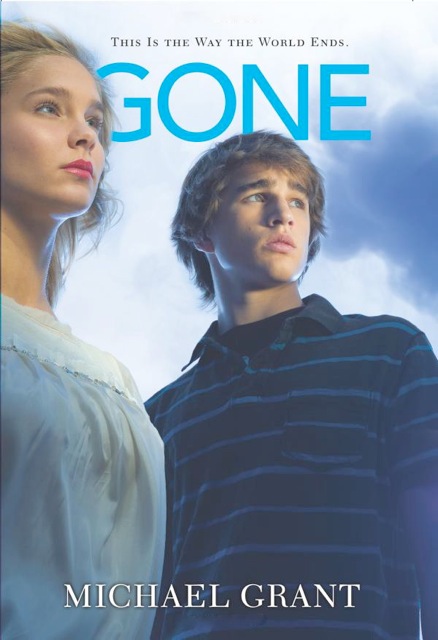
                • Cover of Gone
                  Gone

                  series · 9 books · 2008

                  similar bysurvivalcontemporaryscience fiction+4 more

                  Michael Grant's Gone series begins when everyone aged fifteen and older vanishes without warning from a swath of the California coast, trapping the town of Perdido Beach inside an impenetrable barrier the survivors call the FAYZ. As children develop strange powers and food and order break down, Sam Temple and his rival, his twin brother Caine, become central to the fight for survival against human threats and the monstrous Gaiaphage. Six books (Gone through Light) close the original story; a follow-up Monster trilogy, set years later, follows a new outbreak of mutation-causing powers and a new generation of characters.

                • Cover of The Andromeda Strain
                  The Andromeda Strain

                  series · 2 books · 1969

                  similar bysurvivalcontemporaryplague and pandemicscience fiction+2 more

                  Michael Crichton's 1969 novel The Andromeda Strain follows a team of scientists racing to contain a lethal extraterrestrial microorganism that crash-lands in Arizona, told in the clinical, document-driven style that helped establish the techno-thriller genre. Daniel H. Wilson's authorized 2019 sequel The Andromeda Evolution revisits the same threat five decades later. Together the two books form a two-part outbreak story separated by a fifty-year gap in publication.

                • Cover of The Last Kids on Earth
                  The Last Kids on Earth

                  series · 12 books · 2015

                  similar bysurvivalfunnycontemporaryscience fictionpost-apocalyptic+3 more

                  The Last Kids on Earth is a children's illustrated novel and subsequent book series by American author Max Brallier, illustrated by Douglas Holgate, with audiobook format narrated by Robbie Daymond. Novels in the series have been recognized on Best Seller lists of both The New York Times and USA Today. This book is recommended for teens/pre-teens in the "middle school" demographic. The series currently includes 10 books and has been adapted into an animated series by Netflix.

                • Cover of Martians, Go Home
                  Martians, Go Home

                  Fredric Brown · standalone novel · 1955

                  similar byfunnyhumorcontemporaryscience fictionaliensour world+2 more

                  Martians, Go Home is a science fiction comic novel by American writer Fredric Brown, published in the magazine Astounding Science Fiction in September 1954 and later by E. P. Dutton in 1955. The novel concerns a writer who witnesses an alien invasion of Earth by boorish little green men from Mars.

                • Cover of Captain Underpants
                  Captain Underpants

                  series · 15 books · 1989

                  similar byfunnycontemporarynorth americahumor+2 more

                  Captain Underpants is an American illustrated children's novel series and multimedia franchise created by author and illustrator Dav Pilkey. The series revolves around two fourth graders, George Beard and Harold Hutchins, living in Piqua, Ohio, and Captain Underpants, an aptly named superhero from one of the boys' homemade comic books, who accidentally becomes real when George and Harold hypnotize their cruel, bossy, and ill-tempered principal, Mr. Krupp.

                • Cover of The Resurgam Trilogy
                  The Resurgam Trilogy

                  series · 3 books · 2010

                  similar bysurvivalnorth americaplague and pandemicnear futurepost-apocalypticzombie horrorundead+4 more

                • Cover of Cell
                  Cell

                  Stephen King · standalone novel · 2006

                  similar bysurvivalcontemporarynorth americaplague and pandemicscience fictionpost-apocalypticour world

                  In Cell, King taps into readers fears of technological warfare and terrorism. Mobile phones deliver the apocalypse to millions of unsuspecting humans by wiping their brains of any humanity, leaving only aggressive and destructive impulses behind. Those without cell phones, like illustrator Clayton Riddell and his small band of "normies," must fight for survival, and their journey to find Clayton's estranged wife and young son rockets the book toward resolution.

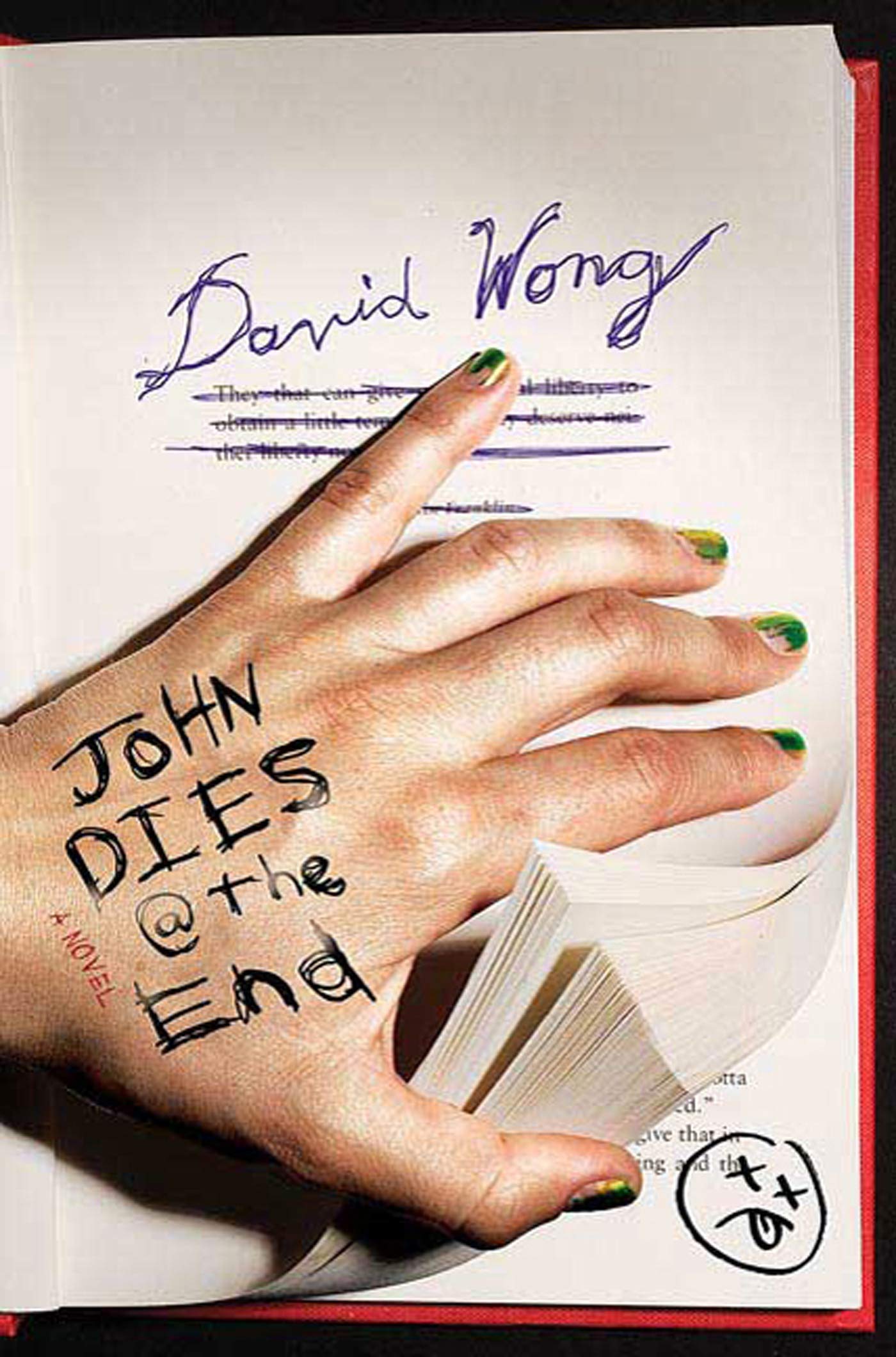
                • Cover of John and Dave
                  John and Dave

                  series · 4 books · 2007

                  similar byfunnycontemporarynorth americahumor+2 more

                  Jason Pargin, writing as David Wong, began the John Dies at the End series as a free horror-comedy webserial in 2001 before print publication turned it into a franchise. The Lovecraftian adventures of narrator John and his friend Dave continue across This Book Is Full of Spiders, What the Hell Did I Just Read, and If This Book Exists, You're in the Wrong Universe, and the original novel was adapted into a 2012 film.

                • Cover of Zombie Baseball Beatdown
                  Zombie Baseball Beatdown

                  Paolo Bacigalupi · standalone novel · 2013

                  similar byfunnysurvivalcontemporarynorth americahumorzombie horrorsmall town

                  While practicing for their next baseball game, thirteen-year-old friends Rabi, Miguel, and Joe discover that the nefarious activities of the Delbe, Iowa, meatpacking plant have caused cows to turn into zombies.

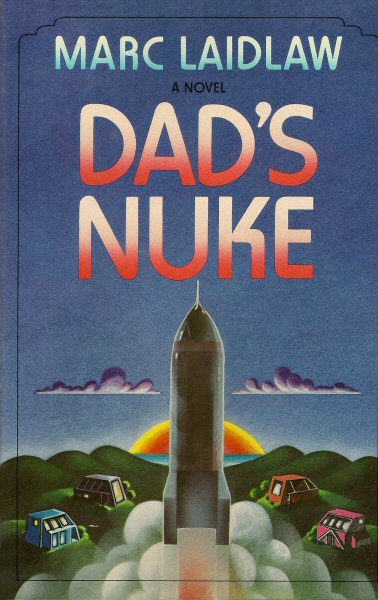
                • Cover of Dad's Nuke
                  Dad's Nuke

                  Marc Laidlaw · standalone novel · 1986

                  similar byfunnysurvivalnorth americanear futurescience fictionpost-apocalypticsmall town

                  Dad's Nuke is a science fiction dark comedy novel by American writer Marc Laidlaw. It is a parody of middle class suburban life and tells the tale of a nuclear family in the post-nuclear (holocaust) age. The story consists of a series of episodes demonstrating the ridiculousness of the family's sheltered, conformist lives and culminates in the collapse from within of the suburban community. The title refers to a nuclear reactor that the father installs in the family's basement, as part of a feud with his next door neighbor.

                • Cover of Pine Cove
                  Pine Cove

                  series · 3 books · 1992

                  similar byfunnycontemporarynorth americahumorsmall townfantasy+1 more

                  Pine Cove gathers three loosely connected comic novels — Practical Demonkeeping, The Lust Lizard of Melancholy Cove, The Stupidest Angel — that Christopher Moore set in the same fictional small town on the California coast, recycling some of the same eccentric residents even as each book follows its own standalone plot (the first centers on a drifter's demon and the reluctant wizard trying to control it). It's part of the larger shared world Moore uses across most of his comic novels, rather than a continuing story arc.

                • Cover of Franny K. Stein, Mad Scientist
                  Franny K. Stein, Mad Scientist

                  series · 10 books · 2004

                  similar byfunnycontemporaryhumorscience fictionour world+2 more

                • Cover of Amanda Feral
                  Amanda Feral

                  series · 4 books · 2008

                  similar byfunnycontemporary+6 more

                • Cover of Love Story
                  Love Story

                  series · 3 books · 1995

                  similar byfunnycontemporarynorth americahumorlighthearted+2 more

                  Christopher Moore's Love Story trilogy opens with Bloodsucking Fiends, a comic horror-romance about a young San Francisco woman turned into a vampire. You Suck and Bite Me continue the story across the following two novels, keeping Moore's irreverent, comedic take on vampire fiction.

                • Cover of Black Tide Rising (John Ringo)
                  Black Tide Rising (John Ringo)

                  series · 63 books · 2013

                  similar byscience fictionpost-apocalyptic+7 more

                  Black Tide Rising opens with a bioengineered plague that turns most of humanity into feral, aggressive threats, following the Smith family as they refit an old sailboat and fight to survive and rebuild some form of civilization from the wreckage. John Ringo's original quartet spawned an extended shared-world series co-written with several collaborators, following other survivor groups through the same collapse. It sits in military-flavored post-apocalyptic SF rather than traditional fantasy.

                • Cover of The Z Word
                  The Z Word

                  Lindsay King-Miller · standalone novel · 2024

                  similar byfunnysurvivalcontemporarynorth americahumorzombie horror+1 more

                  "Packed with action, humor, sex, and big gay feelings, The Z Word is the queer Zombieland you didn't know you needed. Chaotic bisexual Wendy is trying to find her place in the queer community of San Lazaro, Arizona, after a bad breakup—which is particularly difficult because her ex is hooking up with some of her friends. And when the people around them start turning into violent, terrifying mindless husks, well, that makes things harder. Especially since the infection seems to be spreading. Now, Wendy and her friends and frenemies—drag queen Logan, silver fox Beau, sword lesbian Aurelia and her wife Sam, mysterious pizza delivery stoner Sunshine, and, oh yeah, Wendy's ex-girlfriend Leah—have to team up to stay alive, save Pride, and track the zombie outbreak to its shocking source. Hopefully without killing each other first. The Z Word is a propulsive, funny, emotional horror debut about a found family coming together to fight corporate greed, political corruption, gay drama, and zombies." (author's website)

                • Cover of Alone (James Phelan)
                  Alone (James Phelan)

                  series · 3 books · 2010

                  similar bysurvivalnorth americaplague and pandemicnear futurepost-apocalypticzombie horror+3 more

                • Cover of Dirk Gently
                  Dirk Gently

                  series · 3 books · 1987

                  completed

                  part of The Hitchhiker's Guide to the Galaxy Universe

                  similar byfunnycontemporaryhumorscience fiction+2 more

                  Dirk Gently's Holistic Detective Agency (1987) introduces Douglas Adams's eccentric investigator, whose approach treats all events and objects as ultimately connected however implausibly, as a case involving time travel, a ghost, and a Cambridge murder tangles into one plot. Adams completed one further full novel, The Long Dark Tea-Time of the Soul (1988), before his death; The Salmon of Doubt (2002) later collected his unfinished notes toward a third book alongside essays and other writing, rather than completing the story.

                • Cover of And the Devil Will Drag You Under
                  And the Devil Will Drag You Under

                  Jack L. Chalker · standalone novel · 1979

                  similar byfunnycontemporaryhumorfantasy+2 more

                  And the Devil Will Drag You Under (1979) is a comic fantasy by American writer Jack Chalker involving an alcoholic demon and two humans he summons to collect the pieces of a mystic artifact that the demon requires to save Earth from an asteroid on a collision course. The humans' journeys include both mystical transformations of their bodies and trips to worlds that parodied famous fantasy novel locales.

                • Cover of Station Eleven
                  Station Eleven

                  Emily St. John Mandel · standalone novel · 2014

                  similar bysurvivalnorth americanear futurescience fictionpost-apocalypticour world+1 more

                  "Set in the days of civilization's collapse, Station Eleven tells the story of a Hollywood star, his would-be savior, and a nomadic group of actors roaming the scattered outposts of the Great Lakes region, risking everything for art and humanity. One snowy night a famous Hollywood actor slumps over and dies onstage during a production of King Lear. Hours later, the world as we know it begins to dissolve. Moving back and forth in time — from the actor's early days as a film star to fifteen years in the future, when a theater troupe known as the Traveling Symphony roams the wasteland of what remains — this suspenseful, elegiac, spellbinding novel charts the strange twists of fate that connect five people: the actor, the man who tried to save him, the actor's first wife, his oldest friend, and a young actress with the Traveling Symphony, caught in the crosshairs of a dangerous self-proclaimed prophet." (source: Goodreads.com)

                • Cover of Patternist
                  Patternist

                  series · 6 books · 1976

                  completed

                  similar byscience fiction+4 more

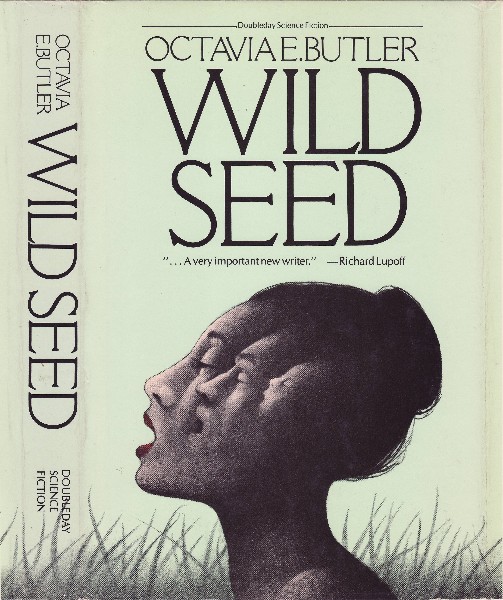
                  The Patternist series is a group of science fiction novels by Octavia E. Butler that detail a secret history continuing from the Ancient Egyptian period to the far future that involves telepathic mind control and an extraterrestrial plague. A profile of Butler in Black Women in America notes that the themes of the series include "racial and gender-based animosity, the ethical implications of biological engineering, the question of what it means to be human, ethical and unethical uses of power, and how the assumption of power changes people."

                • Cover of Deadlands (Joe McKinney)
                  Deadlands (Joe McKinney)

                  series · 2 books · 2014

                  completed

                  similar bysurvivalnorth americapost-apocalypticzombie horror+5 more

                • Cover of The 5th Wave
                  The 5th Wave

                  series · 4 books · 2013

                  similar bysurvivalnorth americanear futurescience fictionpost-apocalypticaliens+1 more

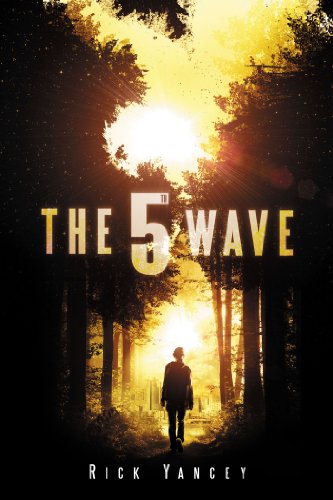
                  Rick Yancey's The 5th Wave opens after a series of escalating alien attacks has already devastated Earth's population and infrastructure, following sixteen-year-old survivor Cassie Sullivan as she searches for her younger brother while trying to work out who, among the remaining humans, can still be trusted. The trilogy is young-adult science fiction that treats its alien-invasion premise as a survival and paranoia story more than a war story.

                • Cover of World War Z
                  World War Z

                  series · 3 books · 2006

                  similar bysurvivalcontemporaryplague and pandemicpost-apocalypticzombie horrorour world+1 more