More like Busted Flush
anchored on:science fictionsuperheronorth americamid 20th centuryshort story cyclealternate history+2 more
but
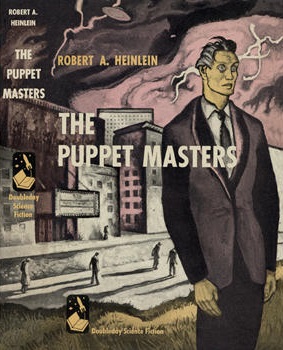
- The Puppet Masters
Robert A. Heinleinstandalone novel1951
similar bymid 20th centurynorth americascience fictionaliens+2 more
Parasitical aliens attach themselves to human hosts and take over their bodies. Two spies are sent to find out what's happening, but the extent is much farther than they knew. With access to the humans' memories, the aliens quietly invade the government and start taking over.
- A Report from Group 17
Robert C. O'Brienstandalone novel1972
similar bynorth americamid 20th centurydarkgenetic engineeringpolitical intriguescience fiction
A Report from Group 17, published in 1972, is a science-fiction thriller written by Robert Leslie Conly under his pen name Robert C. O'Brien. Set in Washington, D.C., during the Cold War, the story deals particularly with the danger of developing bioweapons. The potential cause of conflict is a resurgence of Nazism in Europe. A 12-year-old girl who lives near a Soviet estate in Maryland becomes a victim of intrigue when she is kidnapped for use as an experimental subject. Themes include the threat of modern war to human survival, the moral responsibility of scientists, and the importance of both individual freedom and sympathetic instincts. Following two novels for children, A Report from Group 17 was the first of two dystopian novels that O'Brien wrote for adults. His last novel, Z for Zachariah (1974), depicts a conflict between two survivors of a nuclear war and deals with similar themes.
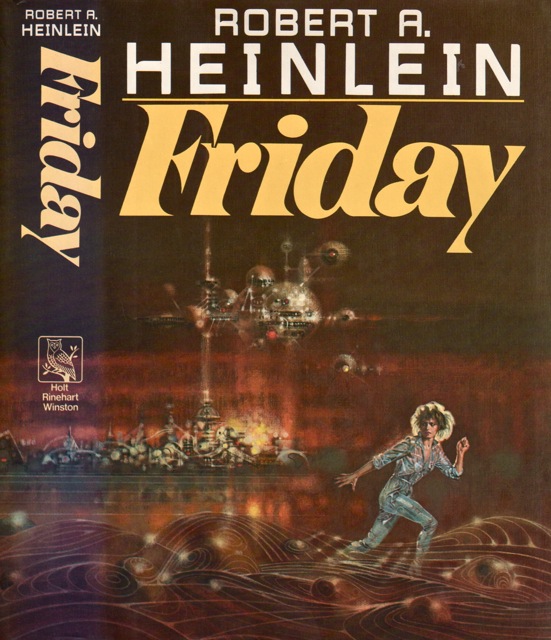
- Friday
Robert A. Heinleinstandalone novel1982
similar bynorth americaadventurousgenetic engineeringscience fiction+1 more
Friday is a 1982 science fiction novel by American writer Robert A. Heinlein. It is the story of a female "artificial person", the eponymous Friday, genetically engineered to be stronger, faster, smarter, and generally better than normal humans. Artificial humans are widely resented, and much of the story deals with Friday's struggle both against prejudice and to conceal her enhanced attributes from other humans. The story is set in a Balkanized 21st century, in which the nations of the North American continent have been split up into a number of smaller states.
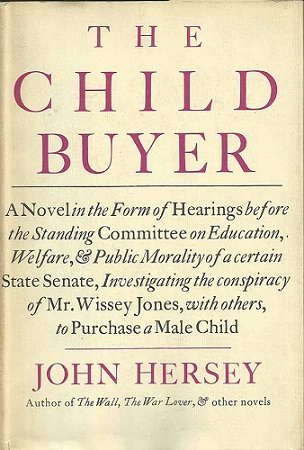
- The Child Buyer
John Herseystandalone novel1960
similar bynorth americamid 20th centurydarkgenetic engineeringscience fiction
The Child Buyer is John Hersey's 1960 novel about a project to engineer super-intelligent persons for a project whose aim is never definitely stated. Told entirely in the form of minutes from a State Senate Standing Committee, it relates the story of the appearance and efforts of a mysterious stranger in the small town of Pequot, and the repercussions of his attempt to buy a boy, Barry Rudd.
- Eden (Harry Harrison)
series5 books1984
completed
similar byscience fictionalternate historyaliens+3 more
Harry Harrison's Eden trilogy imagines an Earth where the dinosaurs never died out, evolving instead into the Yilane, a technologically advanced reptilian civilization that shares the planet uneasily with early humans. West of Eden (1984) introduces the clash between the two species; Winter in Eden and Return to Eden carry it forward as a shifting climate forces both sides to adapt or die. It's an alternate-evolution saga more than a conventional dinosaur adventure.
- Messiah
Gore Vidalstandalone novel1954
similar bynorth americamid 20th centurypolitical intrigue+1 more
Messiah is a satirical novel by Gore Vidal, first published in 1954 in the United States by E.P. Dutton. It is the story of the creation of a new religion, Cavism, which quickly comes to replace the established but failing Christian religion.
- Camp Concentration
Thomas M. Dischstandalone novel1968
similar bymid 20th centurydarkgenetic engineeringscience fiction+1 more
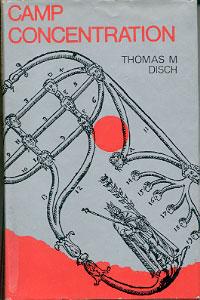
Camp Concentration is a science-fiction novel by Thomas M. Disch. It was first serialized in four parts in New Worlds from July to October 1967 and was published in book form in the United Kingdom in 1968, followed by a first U.S. edition in 1969.
- The World Jones Made
Philip K. Dickstandalone novel1956
similar bydarkpolitical intriguenorth americascience fiction+2 more
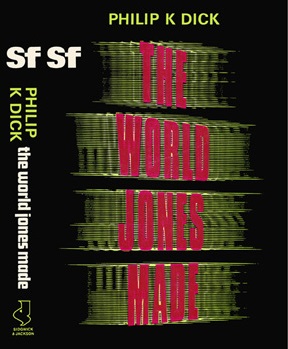
The World Jones Made is a 1956 science fiction novel by American writer Philip K. Dick, examining notions of precognition, humanity, and politics. It was first published by Ace Books as one half of Ace Double D-150, bound dos-à-dos with Agent of the Unknown by Margaret St. Clair.The story takes place after a nuclear war in which society is dominated by relativism, which rejects absolute truths and preaches tolerance as the highest principle. The mutant Floyd Jones, who can see into the future, plans to overthrow the system and colonise space. The story ends with the defeat of Jones, whose plans fail despite his ability to see the future due to the immutability of fate.
- Crooked
Austin Grossmanstandalone novel2015
similar bynorth americamid 20th centurydarkpolitical intriguealternate history
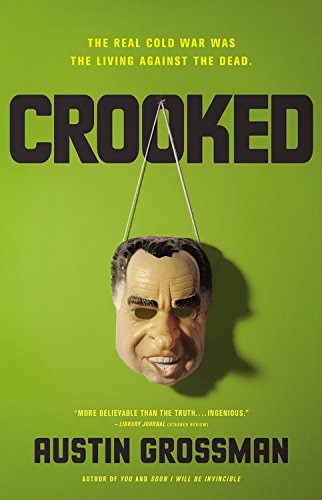
Crooked is a novel by author Austin Grossman, published in 2015 by Mulholland Books. It is a cosmic horror fantasy and secret history of the Cold War and the Watergate scandal, narrated by a fictional version of Richard Nixon.
- Damnation Alley
Roger Zelaznystandalone novel1969
similar bynorth americaadventurousscience fiction+1 more
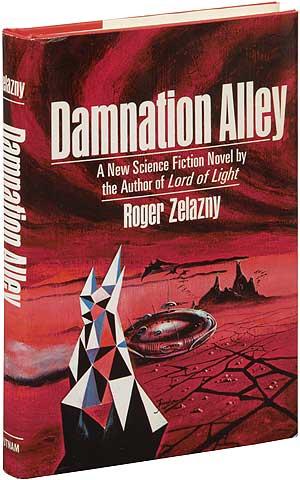
Damnation Alley is a 1969 science fiction novel by American writer Roger Zelazny, based on a novella of the same name published in 1967. A film adaptation of the novel was released in 1977.
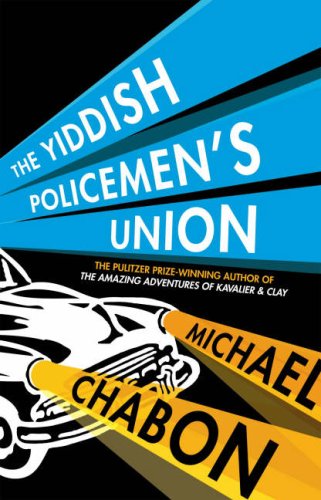
- The Yiddish Policemen's Union
Michael Chabonstandalone novel2007
similar bynorth americadarkpolitical intriguealternate historyscience fiction
In an alternate present where Jewish refugees settled Alaska during World War II rather than Israel, homicide detective Meyer Landsman -- divorced, drinking, living in a run-down hotel -- catches a case in his own building: a former chess prodigy, shot dead beside an unfinished game. Landsman and his half-Tlingit partner Berko Shemets learn the dead man was more than he seemed, connected to a messianic movement within Sitka's Orthodox community, just as the settlement faces a countdown of its own -- its status as a federal district about to expire, everyone's future up for grabs. Michael Chabon's Hugo- and Nebula-winning noir, told as hardboiled alternate history.
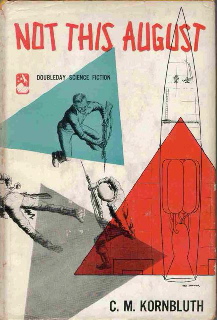
- Not This August
C. M. Kornbluthstandalone novel1955
similar bynorth americamid 20th centurydarkscience fictionalternate history
Not This August, also known as Christmas Eve, is a Hugo Award shortlisted science fiction novel by Cyril M. Kornbluth. It was originally published in 1955 by Doubleday. It was serialized in Maclean's magazine (Canada) in May and June 1955. A revised edition with a new foreword and afterword by Frederik Pohl was published in 1981 by Tor Books, ISBN 0-523-48518-2. The title comes from author Ernest Hemingway's "Notes on the Next War".
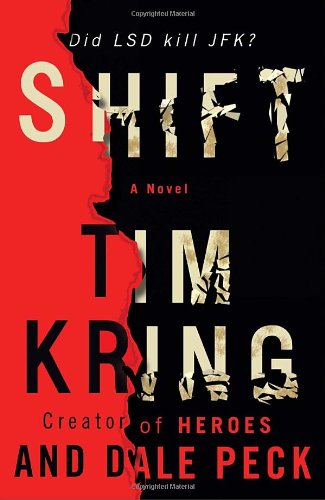
- Shift
Dale Peck & Tim Kringstandalone novel2010
similar bynorth americamid 20th centurydarkpolitical intriguealternate history
Shift is a 2010 alternative history book by Tim Kring and Dale Peck and is the first book in the Gates of Orpheus trilogy, originally titled as the Flag of Orpheus trilogy. The book was released on August 10, 2010 in the United States by Crown Publishing and centers around a series of secretive government experiments with LSD and its repercussions. Kring has stated that he first began work on the novel after the 2007–2008 Writers Guild of America strike and intended to make use of multiple forms of media to promote the novel and further its storyline.
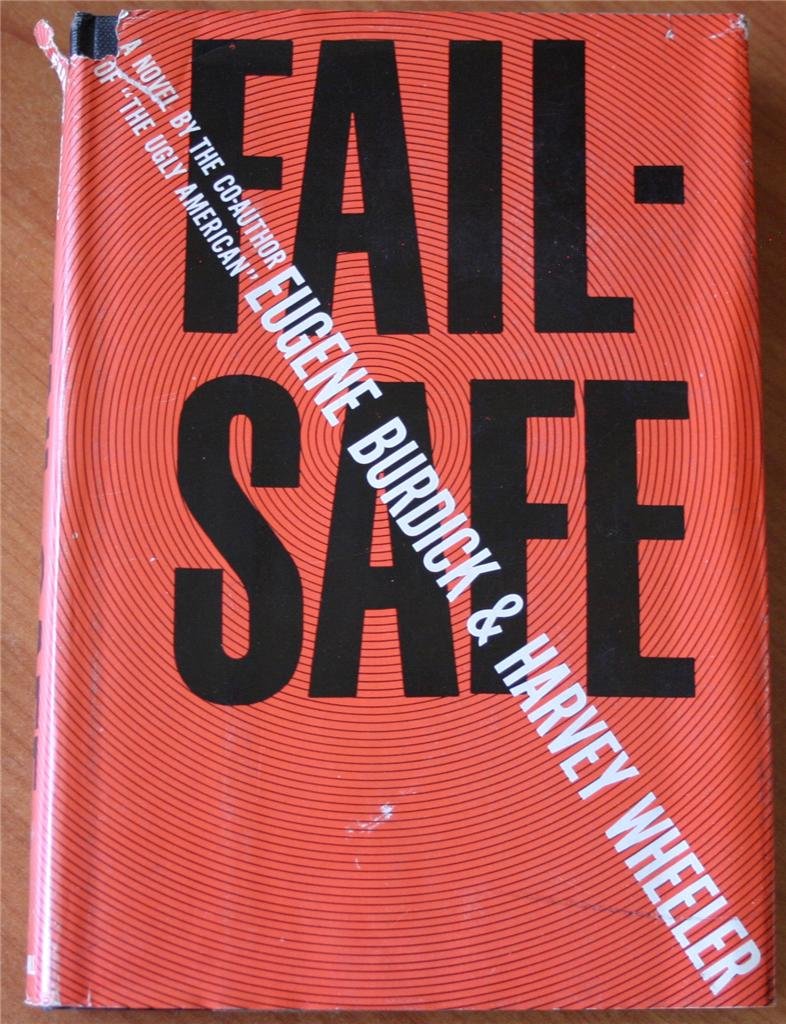
- Fail-Safe
Harvey Wheeler & Eugene Burdickstandalone novel1962
similar bynorth americamid 20th centurydark+1 more
Fail-Safe is a bestselling American novel by Eugene Burdick and Harvey Wheeler. Expanded from Wheeler's short story "Abraham '59", it was initially serialized in three installments in the Saturday Evening Post on October 13, 20, and 27, 1962, during the Cuban Missile Crisis.
- The Android's Dream
series2 books2006
similar byadventurousgenetic engineeringpolitical intriguescience fictionaliens
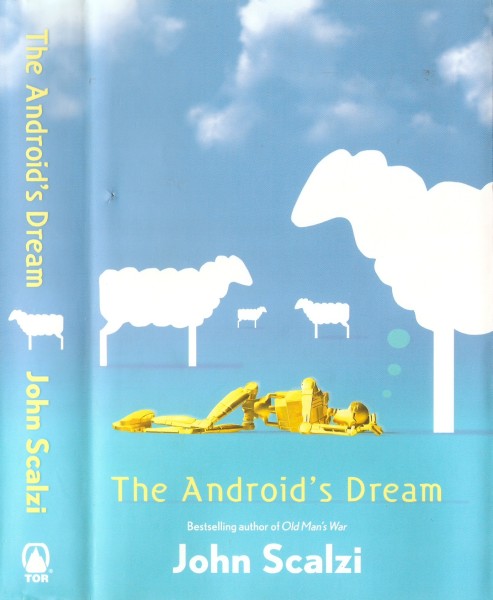
A minor diplomatic insult with a genetically engineered sheep breed spirals into a full interstellar crisis when the last surviving specimen of the 'Android's Dream' breed, needed for a critical ceremony with the alien Nidu, turns out to have been hunted to extinction by a Nidu faction bent on provoking war. John Scalzi's The Android's Dream follows ex-soldier Harry Creek as the hunt for a replacement leads him to Robin Baker, an ordinary woman carrying hidden sheep DNA that makes her the key to avoiding a war. It's a standalone comic space opera rather than an ongoing series.
- I Am Legend
Richard Mathesonstandalone novel1954
similar bymid 20th centurydarknorth americascience fiction
The last human survivor of the vampire epidemic has to maintain his defences against their onslaught, while attempting to research the cause and possibly solution to the plague. Robert Neville is the last living man on Earth... but he is not alone. Every other man, woman and child on the planet has become a vampire, and they are hungry for Neville's blood. By day he is the hunter, stalking the undead through the ruins of civilization. By night, he barricades himself in his home and prays for the dawn. How long can a man survive like this?
- Way Station
Clifford D. Simakstandalone novel1963
similar bynorth americamid 20th centuryscience fictionaliens
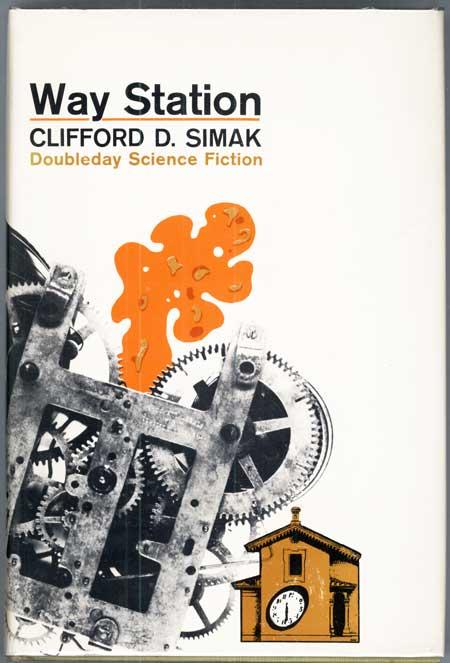
The human operator of a transfer station for aliens traveling between planets, kept secret from the human race, deals with discovery by the US government and interplanetary political crisis, as well as his own emotional issues.
- The Midwich Cuckoos
John Wyndhamstandalone novel1957
similar bymid 20th centurydarkscience fictionaliens
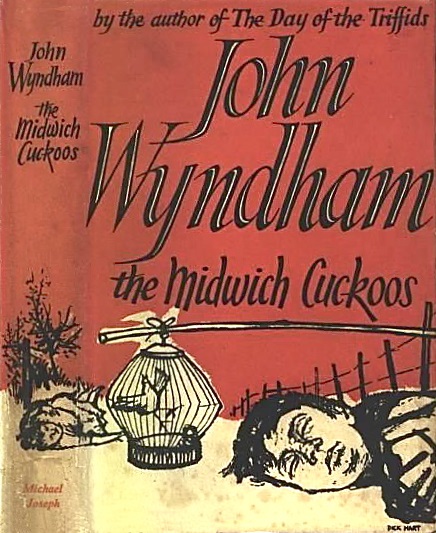
The Midwich Cuckoos is a 1957 science fiction novel written by the English author John Wyndham. It tells the tale of an English village in which the women become pregnant by brood parasitic aliens. The book has been praised by many critics, including the dramatist Dan Rebellato, who called it "a searching novel of moral ambiguities", and the novelist Margaret Atwood, who called the book Wyndham's "chef d'œuvre". The book has been adapted for film, radio, and television.
- Atlas Shrugged
Ayn Randstandalone novel1957
similar bynorth americamid 20th centurypolitical intriguescience fiction
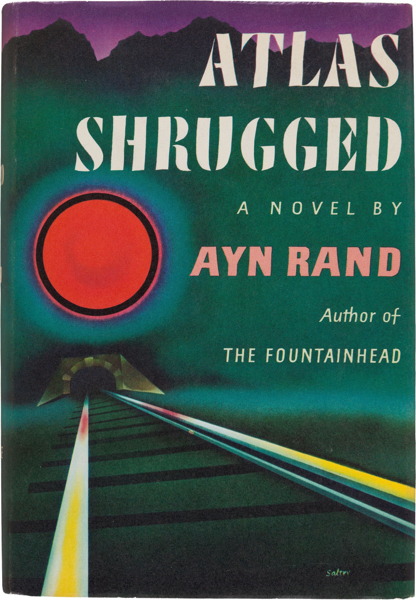
Atlas Shrugged is a 1957 novel by Ayn Rand. It is her longest novel, the fourth and final one published during her lifetime, and the one she considered her magnum opus in the realm of fiction writing. She described the theme of Atlas Shrugged as "the role of man's mind in existence" and it includes elements of science fiction, mystery, and romance. The book explores a number of philosophical themes from which Rand would subsequently develop Objectivism, including reason, property rights, individualism, rational egoism, and laissez-faire capitalism and depicts what Rand saw as the evil of altruism and governmental coercion. Of Rand's works of fiction, it contains her most extensive statement of her philosophical system.
- The Door Into Summer
Robert A. Heinleinstandalone novel1957
similar bynorth americaadventurousscience fiction+1 more
From the first page of the Signet 6th printing: "An electronics engineer invents a wizard robot... only to find himself shanghaied by his ruthless partner and his gold-digging fiancee. The crafty pair forces him to submit to the "long sleep" - suspended animation for thirty years. But when he wakes up in the year 2000 A.D. the inventor makes a startling discovery. He learns that it is possible now to twist time forwards or backwards. And so he returns to the past bent on a mission... of revenge."
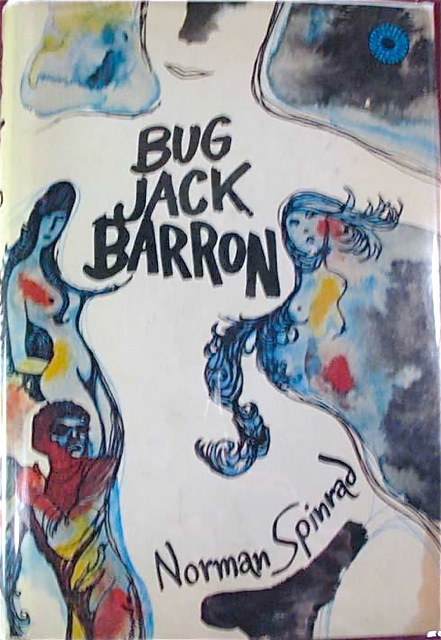
- Bug Jack Barron
Norman Spinradstandalone novel1969
similar bynorth americapolitical intriguescience fiction+1 more
Bug Jack Barron is a 1969 science fiction novel by American writer Norman Spinrad, first serialized in the New Worlds magazine under the editorship of Michael Moorcock. It was nominated for the 1970 Hugo Award. The novel is notable for its lyrical style and unique use of cut-up phrases. In this regard, Spinrad has cited the influence of Beat writers William S. Burroughs, Allen Ginsberg, and Jack Kerouac.
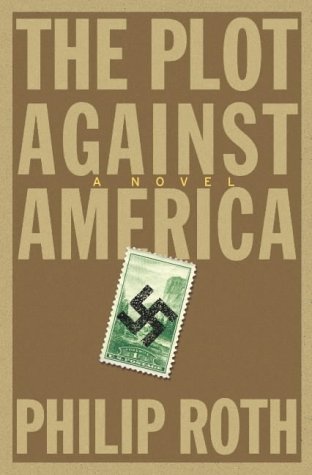
- The Plot Against America
Philip Rothstandalone novel2004
similar bynorth americadarkpolitical intriguealternate historyscience fiction
Roosevelt is defeated in 1940 by Charles Lindbergh, who guides the US towards fascism and anti-Semitism.
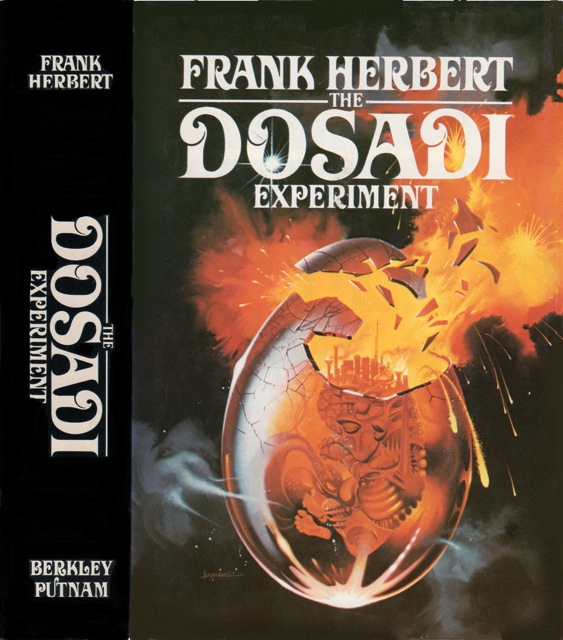
- The Dosadi Experiment
Frank Herbertstandalone novel1977
similar bypolitical intriguescience fictionaliens+2 more
From the flaps of the Berkley Putnam first edition: "In his first new work of science fiction since the best-selling Children of Dune, Frank Herbert returns to his world of Whipping Star, and involves Jorj X. McKie, Saboteur Extraordinary, in a new intrigue. In Whipping Star, McKie discovered that some of the stars in the universe are actually intelligent, super-powerful beings, and was able to befriend one of them, the star Alcyone - affectionately known as Fannie Mae. As The Dosadi Experiment opens, McKie is assigned to investigate the planet Dosadi, which is isolated from the rest of the galaxy by a "god-wall," a barrier set up by one of the intelligent stars. Dosadi is rumored to be an experimental planet, and the experimenters are the froglike Gowachin, whose culture is founded upon a strange legal system in which McKie is the only human ever trained. He learns that humans and Gowachin have been placed on Dosadi, without their consent, for an experiment that could last centuries: an experiment in extreme overcrowding. But this monstrous plot is apparently out of control, and it seems the Gowachin may be prepared to destroy Dosadi rather than expose its secret, thus breaking the peace among the races, and starting the first interstellar war. But this is just the beginning. When McKie finally reaches Dosadi he discovers that the Dosadis have taken control of their own evolution and produced a competitive, highly evolved elite, of both humans and Gowachin, who have been able to extrapolate the existence of a universe beyond the god-wall and hate whoever has imprisoned them like this. They plan to break out and avenge themselves on the galaxy."
- MaddAddam
series3 books2003
similar bynorth americadarkgenetic engineeringscience fiction
Margaret Atwood's MaddAddam trilogy (Oryx and Crake, The Year of the Flood, MaddAddam, 2003-2013) is set around a genetically engineered pandemic unleashed deliberately by the brilliant, disillusioned scientist Crake, who intends the deadly 'BlyssPluss' pill to wipe out humanity and clear the way for the gentler, engineered Crakers he has designed to replace it. Told from the perspectives of survivors including Crake's old friend Jimmy (now calling himself Snowman), the trilogy pieces together the pandemic's causes and its aftermath from multiple, overlapping vantage points.