More like Cages
anchored on:north americalate 20th centuryhorrormystery & detectivemurder investigationdark+2 more
but
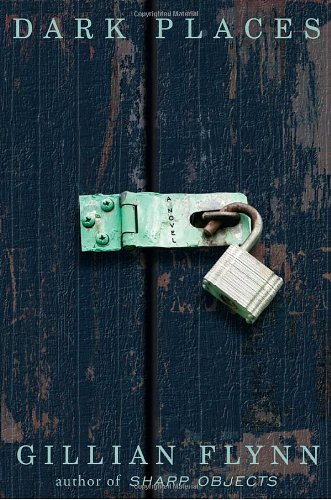
- Dark Places
Gillian Flynnstandalone novel2009
similar bynorth americalate 20th centurymurder investigationmystery & detectivedarktense+1 more
Dark Places is a mystery novel by Gillian Flynn published in 2009. The novel deals with class issues in rural America, intense poverty and the Satanic cult hysteria that swept the United States in the 1980s. Dark Places was shortlisted for the Crime Writers' Association Ian Fleming Steel Dagger Award and won Dark Scribe Magazine's Black Quill Award for Dark Genre Novel of the Year. It was also listed on The New York Times Best Seller list for hardcover fiction for two consecutive weeks. A film adaptation of the novel starring Charlize Theron was released on August 7, 2015.
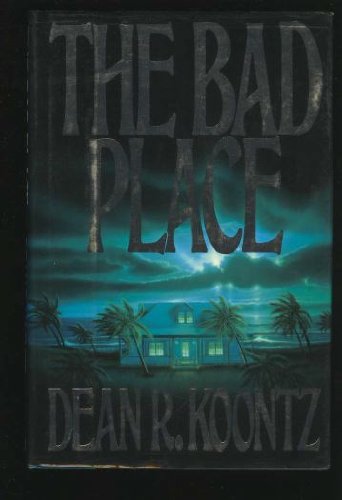
- The Bad Place
Dean R. Koontzstandalone novel1990
similar bynorth americalate 20th centuryhorrormystery & detectivedarktense+1 more
The Bad Place is a horror novel by American writer Dean Koontz, released in 1990. It includes elements of horror, suspense, and mystery, and is presented partially as a twist on the private eye drama. The story follows Frank Pollard, a man who wakes up each night with no memory of where he has been or what he has done, only to find himself covered in injuries or in possession of strange items. As his condition worsens, private investigators Bobby and Julie Dakota are hired to track him and uncover the truth behind his blackouts. Their investigation leads them into a disturbing web of genetic experimentation, family secrets, and a hidden force manipulating human lives from the shadows. As the plot unfolds, the novel reveals that Frank and others are being pursued by powerful, almost inhuman figures connected to a twisted experiment involving selective breeding and enhanced abilities. The Dakotas become entangled in a struggle not only to save Frank but also to survive against forces that seem to operate beyond normal human limits. Themes in the novel include identity, memory loss, the abuse of science, and the nature of evil. Koontz blends psychological horror with fast-paced action, creating a narrative that shifts between detective fiction and supernatural thriller. The book received generally positive reception from readers who enjoyed Koontz’s signature suspense style, though some critics noted its complex and sometimes chaotic plot structure. Over time, it has remained one of his more memorable early-1990s works due to its unusual blend of genres and its dark, unsettling tone.
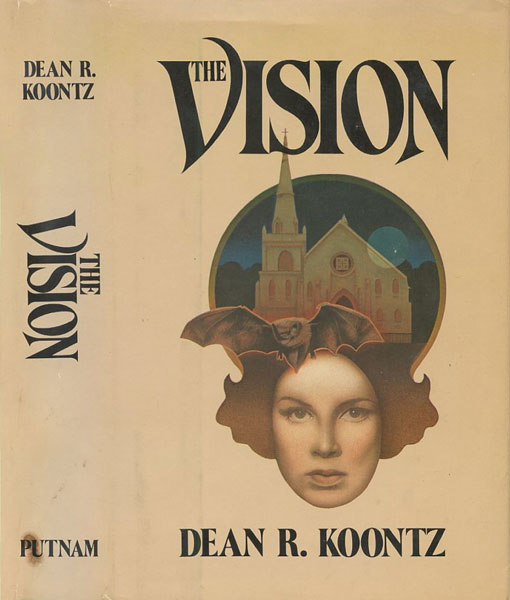
- The Vision
Dean R. Koontzstandalone novel1977
similar bynorth americalate 20th centurymurder investigationhorrormystery & detectivedarktense
The Vision is a 1977 horror-mystery novel by American writer Dean Koontz.
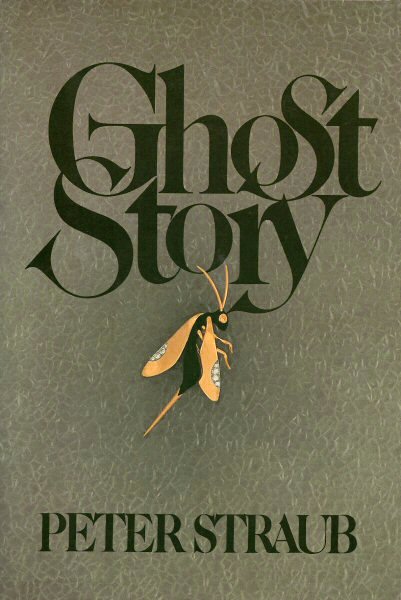
- Ghost Story
Peter Straubstandalone novel1979
similar bynorth americalate 20th centuryhorrordarktensegrief and loss
Four prominent citizens of a small town in upstate New York who share guilt over something that happened in their youth are revisited late in life by a destructive evil force which uses their guilt as an opportunity to destroy them as well as the entire town.
- Blue Rose (Peter Straub)
series9 books1985
completed
similar bymurder investigationhorrordarknorth americalate 20th centurymystery & detective+2 more
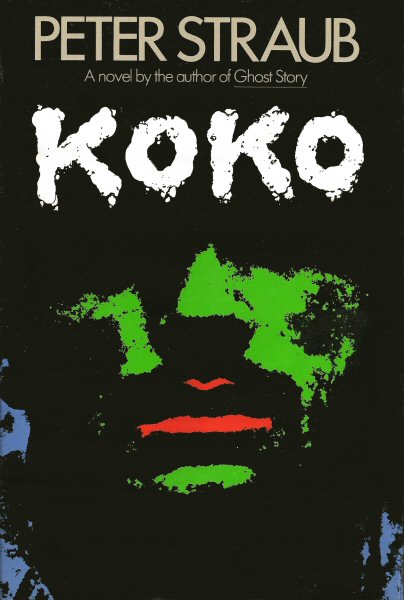
The Blue Rose novels are only loosely a series: Peter Straub's Koko, Mystery, and The Throat are separate suspense novels connected by recurring characters, a shared Midwestern town, and the shadow of a Vietnam-era program called Blue Rose that haunts several of the men at their centers. Koko follows a group of Vietnam veterans hunting a former comrade turned serial killer decades after the war. The 1985 novella Blue Rose and later story collections explore the same program's darker origins.
- Falling Angel
William Hjortsbergstandalone novel1978
similar bynorth americamurder investigationhorrormystery & detectivedarktense
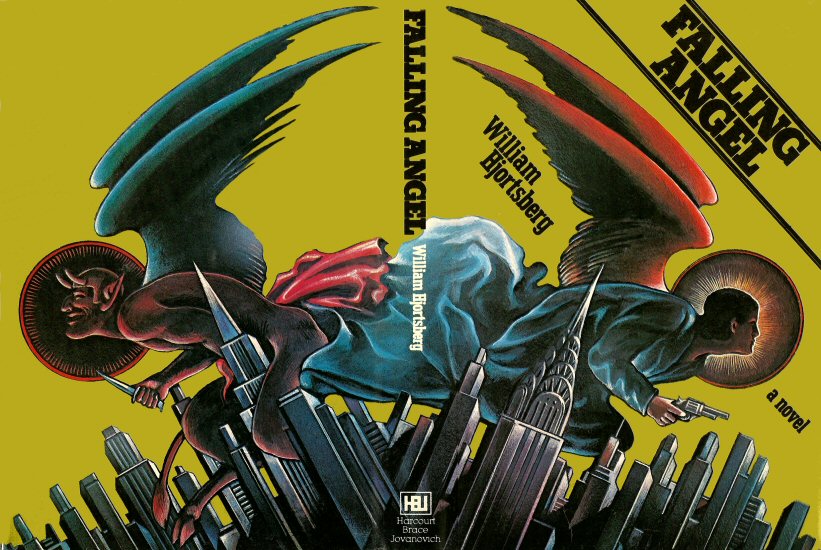
Falling Angel is a 1978 horror novel by American writer William Hjortsberg. Written in a hardboiled detective style with supernatural themes, it was adapted into the 1987 film Angel Heart.
- The Wolfen
Whitley Strieberstandalone novel1978
similar bynorth americamurder investigationhorrormystery & detectivedarktense
The Wolfen (1978) is the debut novel of Whitley Strieber. It tells the story of two police detectives in New York City who are involved in the investigation of suspicious deaths across the city, which are revealed to be the work of a race of intelligent beings descended from canids, called the Wolfen. The novel is told from the point of view of the human characters as well from the Wolfen themselves.
- Christine
Stephen Kingstandalone novel1983
similar bynorth americalate 20th centuryhorrordarktense
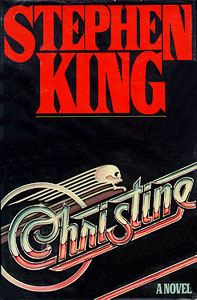
Christine is a horror novel by American writer Stephen King, published in 1983. It tells the story of a car possessed by malevolent supernatural forces.
- Cold in July
Joe R. Lansdalestandalone novel1989
similar bynorth americalate 20th centurymystery & detectivedarktense+1 more
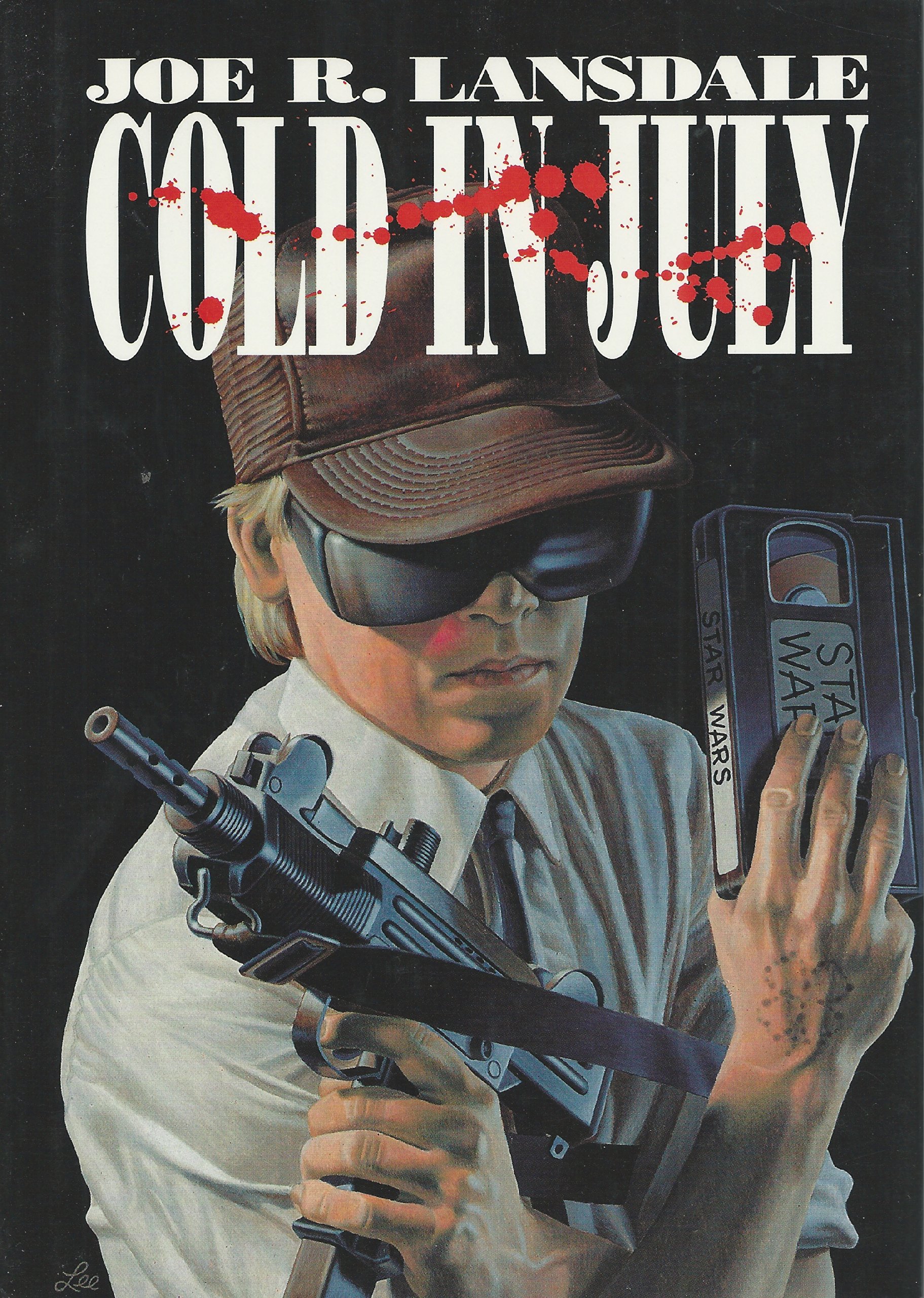
Cold in July is a 1989 American crime novel written by Joe R. Lansdale.
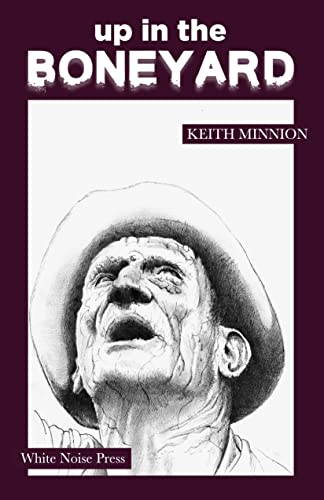
- The Boneyard
series3 books2006
similar bynorth americalate 20th centurymurder investigationhorrormystery & detectivedarktense
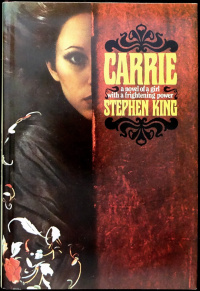
- Carrie
Stephen Kingstandalone novel1974
similar bynorth americahorrortensedarklate 20th century
In one way or another, everybody abused Carrie. This sixteen-year-old misfit was forbidden everything that was young and fun by her fanatical mother. She was teased and taunted by her classmates, misunderstood by her teachers, and given up as hopeless by almost everyone. But Carrie had a secret: She possessed terrifying telekinetic powers that could make inanimate objects move, a lighted candle fall, or a door lock. Carrie could make all kinds of startling bizarre, and malevolent things happen. (WorldCat)
- In the Valley of the Sun
Andy Davidsonstandalone novel2017
similar bynorth americalate 20th centurymurder investigationhorrordarktense
"Deftly written and utterly addictive, this Western literary horror debut will find a home with fans of authors like Joe Hill, Cormac McCarthy, and Anne Rice. One night in 1980, a man becomes a monster. Haunted by his past, Travis Stillwell spends his nights searching out women in West Texas honky-tonks. What he does with them doesn't make him proud, just quiets the demons for a little while. But after Travis crosses paths one night with a mysterious pale-skinned girl, he wakes weak and bloodied in his cabover camper the next morning-with no sign of a girl, no memory of the night before. Annabelle Gaskin spies the camper parked behind her motel and offers the cowboy a few odd jobs to pay his board. Travis takes her up on the offer, if only to buy time, to lay low and heal. By day, he mends the old motel, insinuating himself into the lives of Annabelle and her ten-year-old son. By night, in the cave of his camper, he fights an unspeakable hunger. Before long, Annabelle and her boy come to realize that this strange cowboy is not what he seems. Half a state away, a grizzled Texas Ranger is hunting Travis for his past misdeeds, but what he finds will lead him to a revelation far more monstrous. A man of the law, he'll have to decide how far into the darkness he'll go for the sake of justice. When these lives converge on a dusty autumn night, an old evil will find new life-and new blood"--
- The Ghost Tree
Christina Henrystandalone novel2020
similar bynorth americamurder investigationhorrormystery & detectivedarktense
When the bodies of two girls are found torn apart in the town of Smiths Hollow, Lauren is surprised, but she also expects that the police won't find the killer. After all, the year before her father's body was found with his heart missing, and since then everyone has moved on. Even her best friend, Miranda, has become more interested in boys than in spending time at the old ghost tree, the way they used to when they were kids. So when Lauren has a vision of a monster dragging the remains of the girls through the woods, she knows she can't just do nothing. Not like the rest of her town. But as she draws closer to answers, she realizes that the foundation of her seemingly normal town might be rotten at the center. And that if nobody else stands for the missing, she will.
- Charlie Parker
series22 books1999
similar bymurder investigationnorth americamystery & detectivedark+3 more
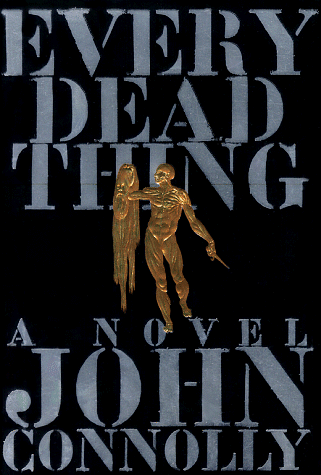
John Connolly's long-running crime series follows Charlie Parker, a former New York police detective turned private investigator in Maine, whose cases repeatedly brush against the genuinely supernatural alongside conventional violence and grief. Every Dead Thing (1999) opens with Parker hunting his own wife and daughter's killer, establishing the series' recurring blend of hardboiled procedural and horror; later novels widen into recurring antagonists and a broader mythology of evil working through human agents. Now well over twenty books, the series has grown Parker's two associates, Louis and Angel, into major recurring characters.
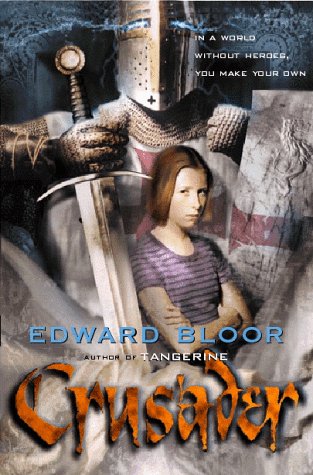
- Crusader
Edward Bloorstandalone novel1999
similar bynorth americalate 20th centurymurder investigationmystery & detectivetense+1 more
There¹s a dark secret in fifteen-year-old Roberta Ritter¹s past. Her mother was murdered years ago by an unknown killer. Now, Roberta must separate the real from the virtual as she begins her own crusade to discover the cause of a new rash of hate crimes and the truth behind her mother¹s death.
- The Armageddon Rag
George R. R. Martinstandalone novel1983
similar bynorth americalate 20th centurymurder investigationmystery & detectivedark
The Armageddon Rag is a 1983 mystery/fantasy novel by American author George R. R. Martin, first co-published in hardcover by both Poseidon Press and The Nemo Press. The novel contains subdued and hidden fantasy elements and is structured in the form of a murder mystery; it is also a meditation on the rock music era of the 1960s and what became of both by the mid-1980s. The novel contains a detailed account of the history and repertoire of its imaginary rock band, including concert setlists and album track timings. Each of the novel's chapter headings open with actual famous rock lyrics, whose meanings resonate throughout that chapter.
- The Final Girl Support Group
Grady Hendrixstandalone novel2021
similar bynorth americamurder investigationhorrormystery & detectivetense+1 more
The Final Girl Support Group is a horror-themed mystery novel by American writer Grady Hendrix, published July 13, 2021 by Berkley Books. A television series adaptation has been announced.
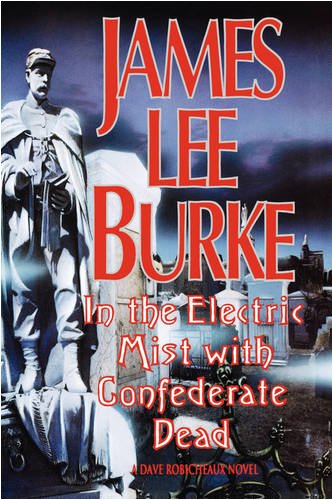
- Dave Robicheaux
series4 books1993
similar bynorth americamurder investigationmystery & detectivedarklate 20th century+1 more
- Little Tall Island / In the Path of the Eclipse
series4 books1989
similar bynorth americahorrordarktense+2 more
Stephen King set three otherwise separate books on or near the fictional Little Tall Island off the coast of Maine: Gerald's Game, about a woman handcuffed to a bed after her husband's fatal heart attack; Dolores Claiborne, a housekeeper's decades-spanning confession narrated in a single unbroken monologue; and Storm of the Century, a novelization of King's own miniseries about a stranger who arrives during a historic blizzard demanding a terrible price from the town. The first two novels share a real total solar eclipse as a pivotal, connecting event despite having otherwise unrelated plots and characters.
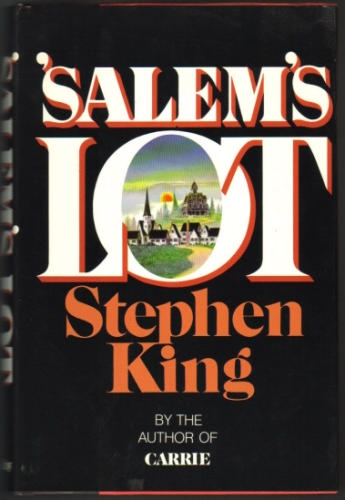
- Jerusalem's Lot
series3 books1975
similar byhorrordarktensenorth americagrief and loss
Stephen King's 1975 novel 'Salem's Lot follows writer Ben Mears as he returns to his childhood town of Jerusalem's Lot, Maine, only to discover that its residents are being turned into vampires by a newly arrived stranger. It transplants Gothic vampire horror into a small New England community, tracking that community's collapse under a supernatural siege. It is a single, self-contained novel.
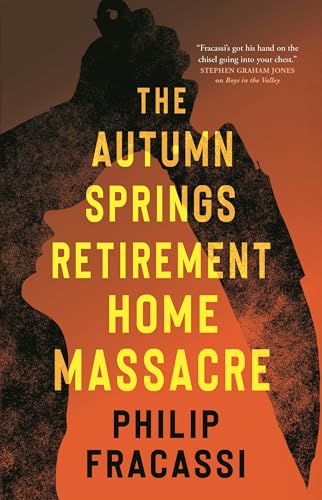
- The Autumn Springs Retirement Home Massacre
Philip Fracassistandalone novel2025
similar bynorth americamurder investigationhorrormystery & detectivedarktense
● "Rose DuBois is not your average final girl. Rose is in her late 70s, living out her golden years at the Autumn Springs Retirement Home. When one of her friends dies alone in her apartment, Rose isn't too concerned. Accidents happen, especially at this age! Then another resident drops dead. And another. With bodies stacking up, Rose can't help but wonder: are these accidents? Old age? Or something far more sinister? Together with her best friend Miller, Rose begins to investigate. The further she digs, the more convinced she becomes: there's a killer on the loose at Autumn Springs, and if she isn't careful, Rose may be their next victim." ― quoted from this book's Amazon product page as 2025-10-13.
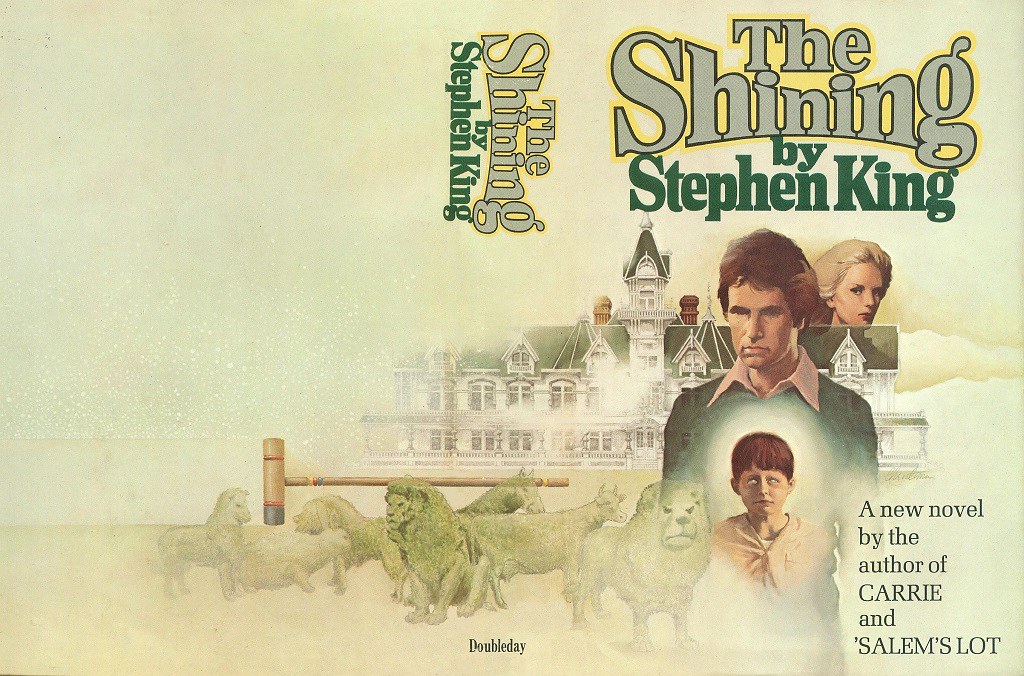
- The Shining
series5 books1977
similar bynorth americahorrordarktense
Stephen King's 1977 novel The Shining follows the Torrance family as winter caretakers of the isolated, malevolent Overlook Hotel, where father Jack is gradually consumed by the hotel's influence while his young son Danny's psychic "shining" draws its attention. Doctor Sleep (2013) picks up the story decades later, following Danny as an adult still marked by that childhood ordeal. Together the two form a horror duology spanning nearly forty years of real-world publication.
- Floating Staircase
Ronald Malfistandalone novel2010
similar bynorth americamurder investigationhorrormystery & detectivetense+1 more
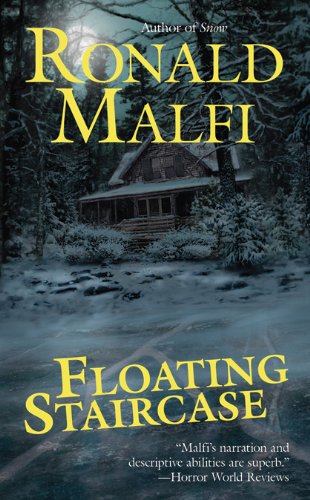
Floating Staircase is a ghost story/mystery novel by American writer Ronald Malfi. It was published in 2011 by Medallion Press, with a limited edition hardcover collectors edition from Thunderstorm Books, which contained an original author's "Afterward" not in the paperback novel. The novel was nominated by the Horror Writers Association for a Bram Stoker Award for Best Novel, and it won a Gold IPPY Award for best horror novel of 2011.
- American Psycho
Bret Easton Ellisstandalone novel1991
similar bynorth americalate 20th centurymurder investigationhorrordark
American Psycho is a horror novel by American writer Bret Easton Ellis, published in 1991. The story is told in the first-person by Patrick Bateman, a wealthy, narcissistic, and vain Manhattan investment banker who lives a double life as a serial killer. Alison Kelly of The Observer notes that while "Some countries [deem it] so potentially controversial that it only to be sold as shrink-wrapped", "critics rave about it" and "academics revel in its transgressive and postmodern qualities".