More like Candide
anchored on:literary & generalsatireour worldrenaissance and early moderncoming of agefaith and religion+6 more
but
- Stranger in a Strange Land
Robert A. Heinleinstandalone novel1961
similar byreflectivesatirefaith and religioncoming of ageidentityour world
Stranger in a Strange Land is a 1961 science fiction novel by the American author Robert A. Heinlein. It tells the story of Valentine Michael Smith, a human who comes to Earth in early adulthood after being born on the planet Mars and raised by Martians, and explores his interaction with and eventual transformation of Terran culture.
- Cat's Cradle
Kurt Vonnegut & Jr.standalone novel1963
similar byfunnysatirefaith and religionour world+2 more
Cat's Cradle is a satirical postmodern novel, with science fiction elements, by American writer Kurt Vonnegut. Vonnegut's fourth novel, it was first published on March 18, 1963, exploring and satirizing issues of science, technology, the purpose of religion, and the arms race, often through the use of morbid humor. The novel was nominated for the Hugo Award for Best Novel in 1964.
- Lent
Jo Waltonstandalone novel2019
similar byreflectiverenaissance and early modernliterary & generalfaith and religionour worldeuropeidentity
"Young Girolamo's life is a series of miracles. It's a miracle that he can see demons, plain as day, and that he can cast them out with the force of his will. It's a miracle that he's friends with Pico della Mirandola, the Count of Concordia. It's a miracle that when Girolamo visits the deathbed of Lorenzo "the Magnificent," the dying Medici is wreathed in celestial light, a surprise to everyone, Lorenzo included. It's a miracle that when Charles VIII of France invades northern Italy, Girolamo meets him in the field, and convinces him to not only spare Florence but also protect it. It's a miracle than whenever Girolamo preaches, crowds swoon. It's a miracle that, despite the Pope's determination to bring young Girolamo to heel, he's still on the loose...and, now, running Florence in all but name. That's only the beginning. Because Girolamo Savanarola is not who--or what--he thinks he is. He will discover the truth about himself at the most startling possible time. And this will be only the beginning of his many lives." - publisher
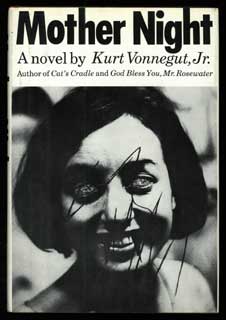
- Mother Night
Kurt Vonnegut & Jr.standalone novel1962
similar byreflectiveliterary & generalour worldwareuropeidentity
Howard W. Campbell Jr., an American playwright who grew up in Germany, writes his memoirs from an Israeli prison cell awaiting trial for war crimes. As the Nazis rose to power, Campbell stayed on, married a German actress, and was recruited by an American agent to serve as a double agent, broadcasting Nazi propaganda over the radio while secretly passing coded intelligence to the Allies. The catch, as Campbell tells it, is that he became one of the war's most effective propagandists in the process, whatever his loyalties. Kurt Vonnegut's darkest novel asks what a person becomes when the mask he wears for a cause is indistinguishable from his face.
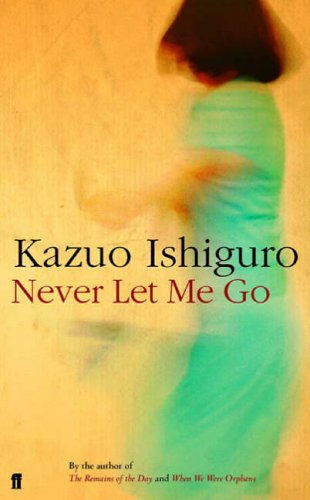
- Never Let Me Go
Kazuo Ishigurostandalone novel2005
similar byreflectiveliterary & generalcoming of ageour worldgrief and lossbritish islesidentity
Never Let Me Go is a 2005 science fiction novel by the British author Kazuo Ishiguro. It was shortlisted for the 2005 Man Booker Prize, for the 2006 Arthur C. Clarke Award and the 2005 National Book Critics Circle Award. Time magazine named it the best novel of 2005. It included the novel in its '100 Best English-language novels published since 1923—the beginning of TIME'. It also received an ALA Alex Award in 2006. A film adaptation directed by Mark Romanek was released in 2010.
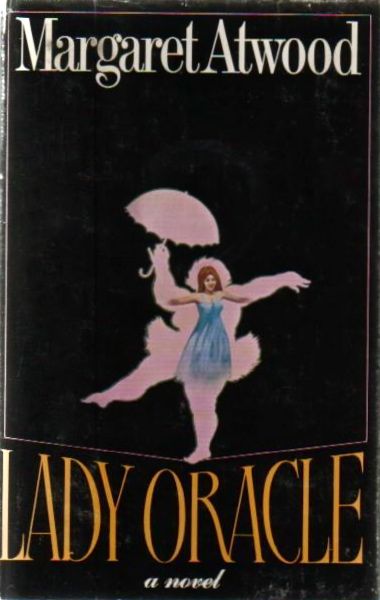
- Lady Oracle
Margaret Atwoodstandalone novel1976
similar byfunnyreflectiveliterary & generalsatireidentity
Lady Oracle is a novel by Margaret Atwood that parodies Gothic romances and fairy tales. It was first published by McClelland and Stewart in 1976.
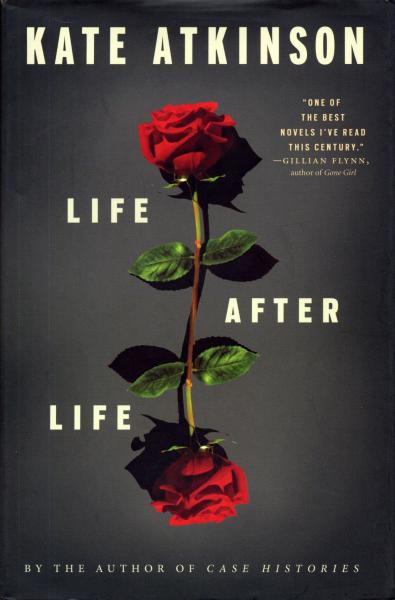
- Todd Family
series2 books2013
similar byreflectiveliterary & generalgrief and losswarbritish isles+2 more
Kate Atkinson's Life After Life gives Ursula Todd, born on a snowy night in 1910, a strange gift: whenever she dies, she's born again into a slightly altered version of the same life, gradually piecing together enough intuition across her many deaths to try to change the course of the twentieth century's worst events. The companion novel A God in Ruins turns to Ursula's brother Teddy, a bomber pilot, following his one, single life forward from the war through old age. The two books share a family and a set of preoccupations -- memory, war, chance -- without forming a conventional sequential series.
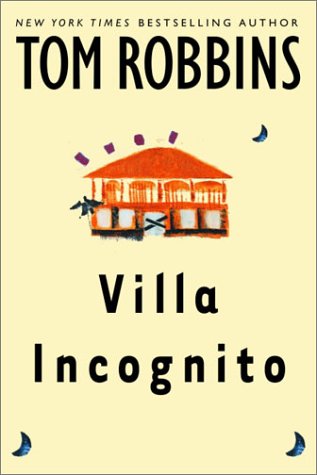
- Villa Incognito
Tom Robbinsstandalone novel2003
similar byfunnyreflectiveliterary & generalsatireour world+1 more
Villa Incognito is a novel by Tom Robbins published in 2003. This brief work shares the style, humor, and underlying cultural commentary of Robbins's better-known novels. It is recognized as a response to 9/11 and as a commentary on the Vietnam War. Villa Incognito was his last published novel.
- Eloisa: Or, a Series of Original Letters
Jean-Jacques Rousseaustandalone novel1761
similar byreflectiverenaissance and early modernliterary & generalgrief and losseuropebritish isles+1 more
The love between Julie d'Étange and her private teacher St Preux, made impossible because of their relative stations, leads to a dead-end. Julie eventually marries old M. de Wolmar, who acquaints them with his Utopian estate, characteristic of the Age of enlightenment.
- The History of Mr. Polly
H. G. Wellsstandalone novel1910
similar byfunnyreflectiveliterary & generalbritish islesidentity
The History of Mr. Polly is a 1910 comic novel by H. G. Wells.
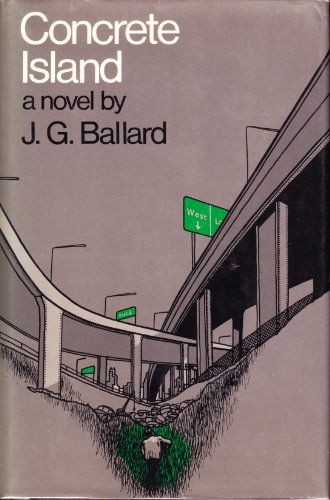
- Concrete Island
J. G. Ballardstandalone novel1974
similar byreflectiveliterary & generalour worldeuropebritish islesidentity
Architect Robert Maitland crashes his car onto a stretch of wasteland trapped between three converging motorways -- visible from thousands of cars, reachable by none of them. Injured and unable to climb back to the road, Maitland adapts to life on what he starts calling the Island, scavenging food thrown from car windows, and discovers he isn't alone: a runaway sex worker hiding in a bunker, and a brain-damaged former circus acrobat, both long past expecting rescue. What begins as a survival story turns into a question of whether Maitland even wants to leave. A J. G. Ballard novel of urban isolation, grouped with Crash and High-Rise.
- Slaughterhouse-Five or the Children's Crusade: A Duty-Dance with Death
Kurt Vonnegut & Jr.standalone novel1969
similar byreflectiveliterary & generalwareurope+1 more
Vonnegut opens in his own voice, describing the twenty years it took him to face writing about surviving the firebombing of Dresden as a POW. He then hands the story to Billy Pilgrim, an awkward, fatalistic American chaplain's assistant swept into the Battle of the Bulge and captured by German forces alongside a soldier who dies blaming him for it. Imprisoned in a disused slaughterhouse in Dresden, Billy survives the firebombing that follows, and, we're told upfront, has also come 'unstuck in time,' living his life out of order, including a stretch on the alien world of Tralfamadore. Vonnegut's best-known novel folds war memoir into science fiction and black comedy.
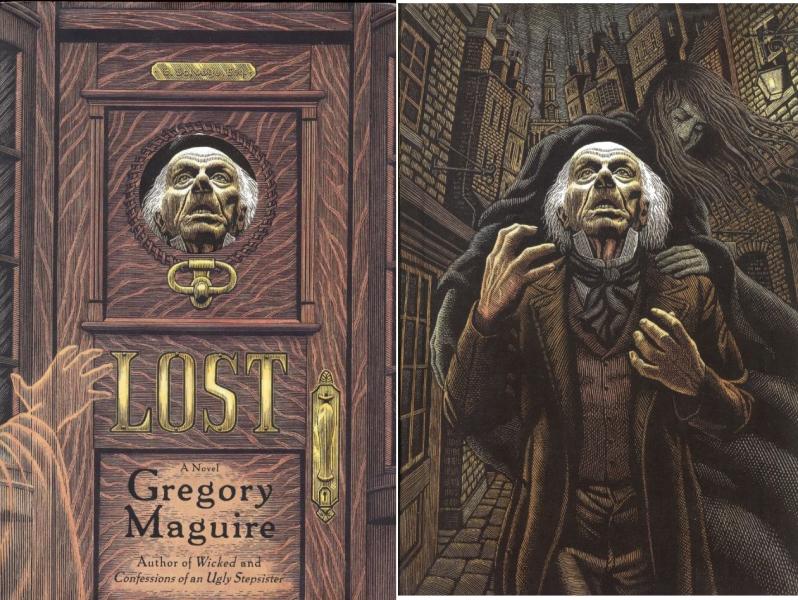
- Lost
Gregory Maguirestandalone novel2001
similar byreflectiveliterary & generalour worldgrief and lossbritish islesidentity
Lost is a 2001 novel by American author Gregory Maguire. Unlike many of Maguire's other adult novels, Lost is set in the real world. The novel's concept is that the protagonist is a distant relative of the man who inspired Charles Dickens' character of Ebenezer Scrooge.
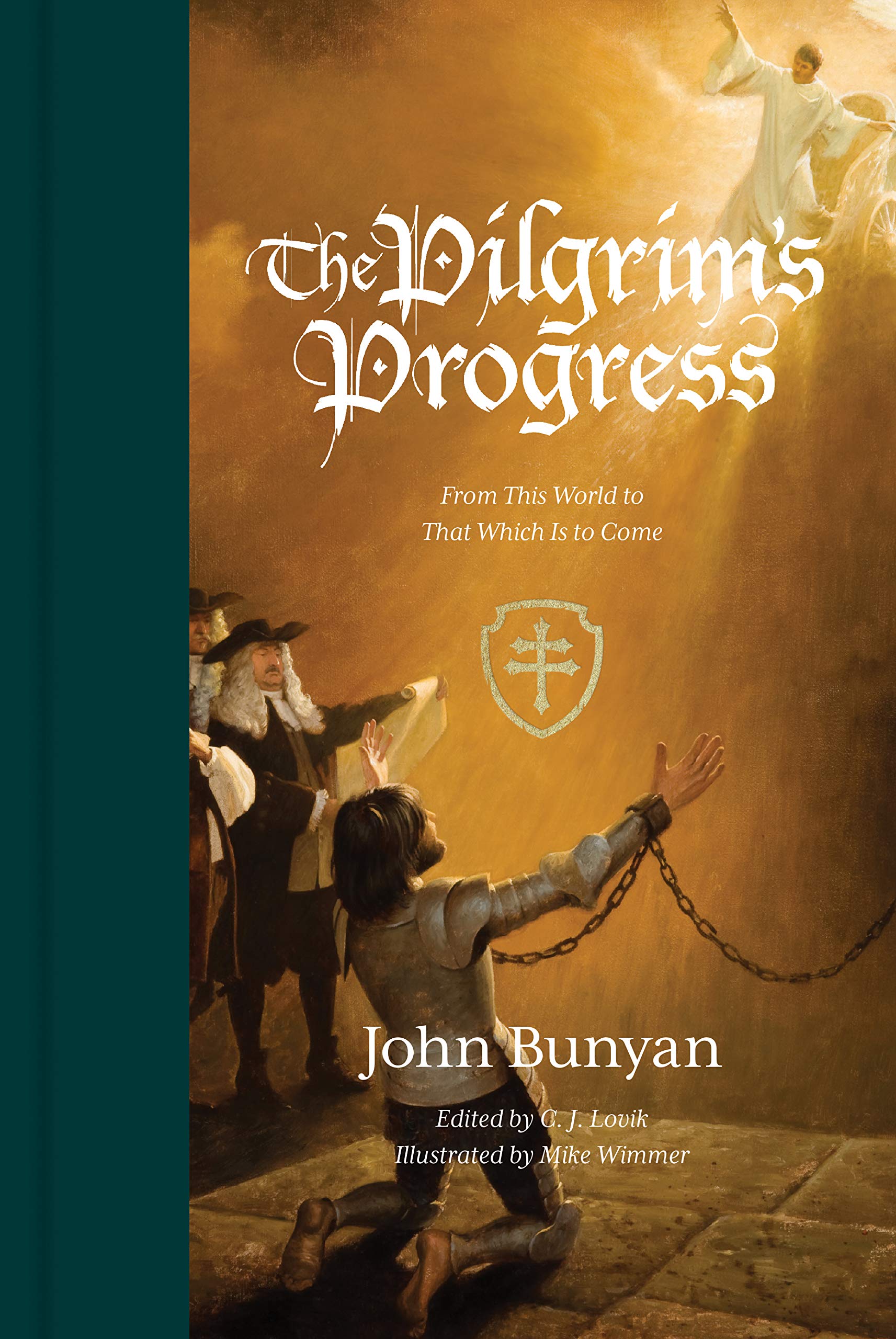
- The Pilgrim's Progress
John Bunyanstandalone novel1678
similar byreflectiverenaissance and early modernliterary & generalfaith and religion
The Pilgrim's Progress from This World, to That Which Is to Come is a 1678 Christian allegory written by the English nonconformist preacher John Bunyan. It is commonly regarded as one of the most significant works of Protestant devotional literature and of wider early modern English literature. It has been translated into more than 200 languages and has never been out of print. It appeared in Dutch in 1681, in German in 1703 and in Swedish in 1727. The first North American edition was issued in 1681. It has also been cited as the first novel written in English. According to literary editor Robert McCrum, "there's no book in English, apart from the Bible, to equal Bunyan's masterpiece for the range of its readership, or its influence on writers as diverse as William Hogarth, C. S. Lewis, Nathaniel Hawthorne, Herman Melville, Charles Dickens, Louisa May Alcott, George Bernard Shaw, William Thackeray, Charlotte Brontë, Mark Twain, John Steinbeck and Enid Blyton." The lyrics of the hymn "To be a Pilgrim" are based on the novel.
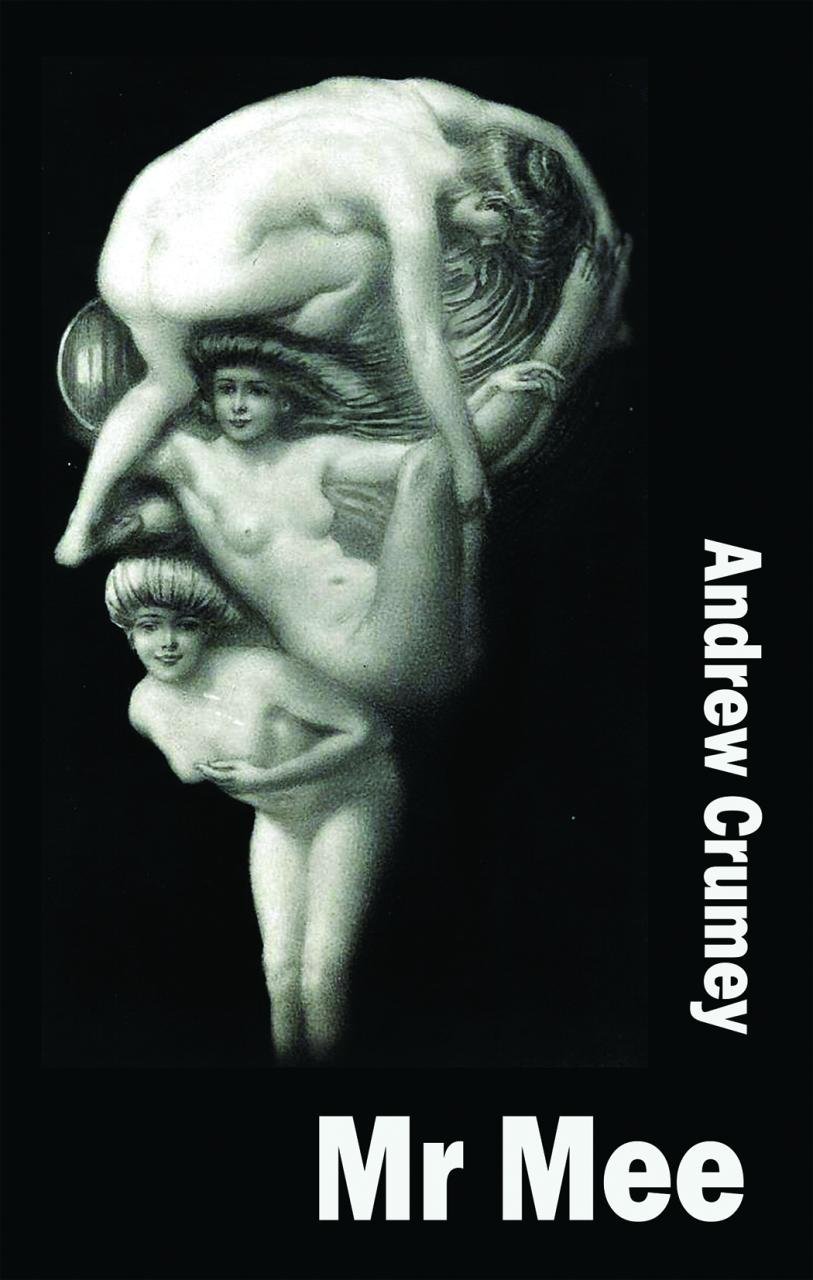
- Mr. Mee
Andrew Crumeystandalone novel2000
similar byfunnyreflectiveliterary & generalage of sail & 18th centuryeuropebritish islesidentity
Mr Mee is a novel by Andrew Crumey, his third set wholly or partly in the eighteenth century. It has three alternating story-lines: one featuring a pair of 18th-century French copyists, and two with modern protagonists - elderly Scottish book collector Mr Mee and university lecturer Dr Petrie. The lecturer's strand is serious in tone. Dissatisfied with his marriage and suffering ill health, he muses on French literature and becomes infatuated with a student. The other two strands are comic. The copyists become guardians of an esoteric encyclopaedia, and Mr Mee wishes to find it. He turns to the World Wide Web and discovers pornography and drugs, with farcical consequences.
- God Bless You, Mr. Rosewater or Pearls Before Swine
Kurt Vonnegut & Jr.standalone novel1965
similar byfunnyliterary & generalsatire
The Rosewater Foundation was built to shield the family fortune from taxes, but its current steward, war veteran and committed alcoholic Eliot Rosewater, has other ideas: he moves the foundation's offices to rural Rosewater County, Indiana, and starts handing out 'unlimited amounts of love and limited sums of money' to anyone who asks. His disgusted father, Senator Lister Rosewater, watches the family name become a punchline. Meanwhile a distant, downtrodden cousin, Fred Rosewater, is approached by an ambitious young lawyer with a scheme to have Eliot declared insane and the fortune redirected. A satire of American philanthropy, class and sanity from Kurt Vonnegut.
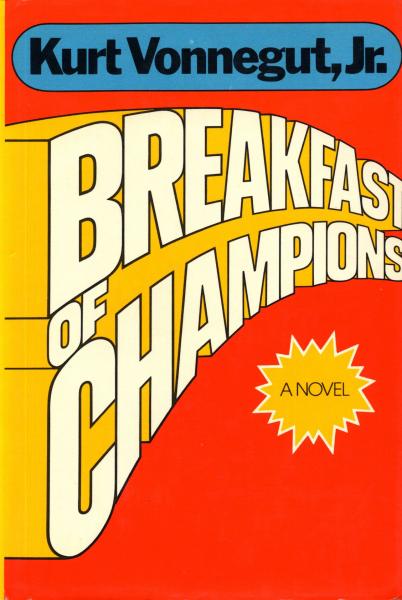
- Breakfast of Champions
Kurt Vonnegut & Jr.standalone novel1973
similar byfunnyliterary & generalsatireidentity
The author decides to liberate the characters he created, including an author who decides to try to help a mentally ill reader who was driven over the edge by the book's assertion that he was the only creature with free will in a universe of preprogrammed automatons.
- The Scarlet Letter
Nathaniel Hawthornestandalone novel1850
similar byreflectiverenaissance and early modernliterary & generalfaith and religion+1 more
In 17th-century Puritan Boston, Massachusetts of 1642-1649, a woman conceives a daughter through an adulterous affair, then struggles to create a new life of repentance and dignity.
- Screwtape
series2 books1942
completed
similar byreflectivesatirefaith and religion+1 more
C.S. Lewis's Screwtape Letters (1942) is a Christian satirical novel told as 31 letters from a senior devil, Screwtape, coaching his inexperienced nephew Wormwood on how to corrupt the soul of an ordinary British man known only as 'the Patient.' Lewis added a slim sequel, Screwtape Proposes a Toast (1959), an after-dinner speech in which Screwtape skewers trends in modern education and society; the two are usually published together.
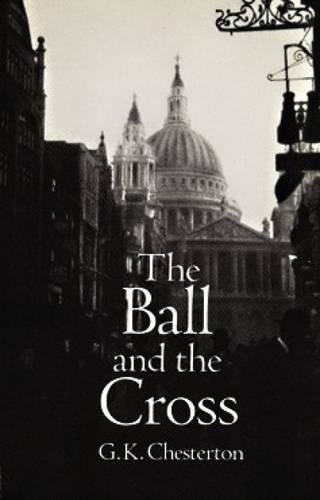
- The Ball and the Cross
G. K. Chestertonstandalone novel1909
similar byreflectiveliterary & generalsatirefaith and religionbritish isles
The Ball and the Cross is a novel by G. K. Chesterton. The title refers to a more worldly and rationalist worldview, represented by a ball or sphere, and the cross representing Christianity. The first chapters of the book were serialized from 1905 to 1906 with the completed work published in 1909.
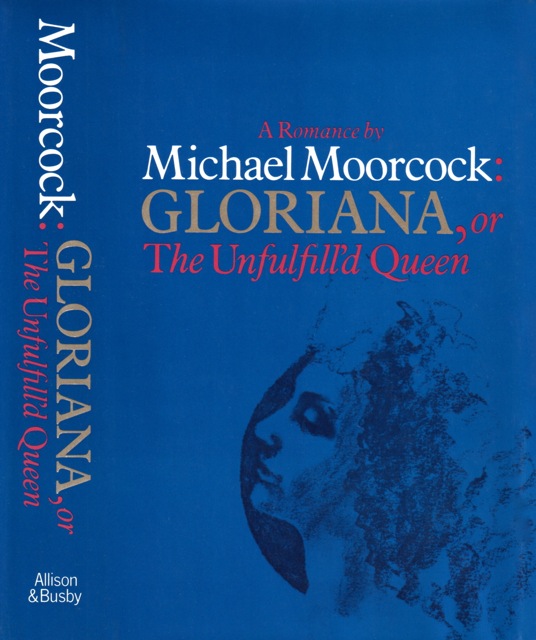
- Gloriana, or, the Unfulfill'd Queen
Michael Moorcockstandalone novel1978
similar byreflectiverenaissance and early modernliterary & generalbritish islesidentity
Gloriana, or The Unfulfill'd Queen is a work of literary fantasy by British novelist Michael Moorcock. It was first published in 1978 and has remained in print ever since.
- England, England
Julian Barnesstandalone novel1998
similar byfunnyliterary & generalsatirebritish islesidentity
England, England is a satirical postmodern novel by Julian Barnes, published and shortlisted for the Booker Prize in 1998. While researchers have also pointed out the novel's characteristic dystopian and farcical elements, Barnes himself described the novel as a "semi-farce".
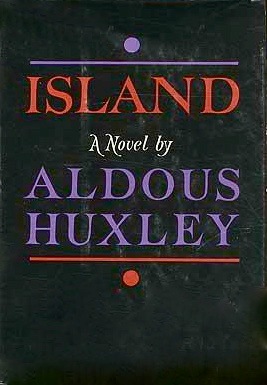
- Island
Aldous Huxleystandalone novel1962
similar byreflectiveliterary & generalfaith and religion+2 more
Island is a 1962 utopian manifesto and novel by English writer Aldous Huxley, the author's final work before his death in 1963. Although it has a plot, the plot largely serves to further conceptual explorations rather than setting up and resolving conventional narrative tension.