Loreful
HomeDiscover
Search series, authors…⌘K
Loreful

Reading orders for SF/F series and shared universes — with your place kept in every one.

Explore

UniversesSeriesWorksAuthorsAtlas

Help

FAQAboutSite map

Account & legal

Sign inCreate accountPrivacyTerms

Data

Built on ISFDB, Wikipedia, Wikidata and Open Library. Curated reading orders carry their reasoning on the page; the rest follow publication order. Data sources & licenses

© Loreful · data: ISFDB · CC BY

More like Candlenight

anchored on:horrorcontemporaryeeriegothiccursesfamily secrets+3 more

but

Mood

The mood the book leaves you in.

  • The reading experience is propelled by journeys, exploration, and physical risk; excitement and forward momentum dominate over dread or introspection.
  • Joy and loss are deliberately mixed; the resolution grants characters something real while taking something else away, leaving warmth and sorrow together.
  • The book demands work from the reader — dense prose, difficult structure, unfamiliar ideas, or morally uncomfortable material — as part of its intended effect.
  • Grim events, cruelty, or despair dominate the atmosphere, and the book does not soften them with comfort or comic relief.
  • The atmosphere is quietly unsettling — wrongness, unease, and the uncanny pervade the book without necessarily escalating into overt horror.
  • The book is built to move the reader; character feeling is foregrounded and major scenes aim at a strong emotional response.
  • Humor is a primary aim and the prose plays for laughs — comic situations, wit, or dialogue produce sustained comedy, not occasional levity.
  • The book insists that things can improve; effort and decency are shown to matter, and the arc bends toward better outcomes even through hardship.
  • The book teaches as it goes — real facts, history, science, or craft are conveyed in enough depth that learning is part of the reading experience.
  • The book is designed to uplift and motivate, presenting perseverance or achievement in a way that invites the reader to aspire or act.
  • The overall register is cheerful and easygoing; stakes are kept gentle and the book avoids dwelling on pain or dread.
  • Withheld information drives the experience; the book sustains enigmas and secrets the reader wants resolved, whatever its genre.
  • The book is contemplative and inward-looking, giving more weight to thought, memory, and meaning than to external events.
  • The book works as comfort reading — low tension, a soothing pace, and an atmosphere the reader can unwind in.
  • Grief, loss, or melancholy set the dominant register, and the book lets sorrow stand rather than resolving it into comfort.
  • Sustained suspense is the point; the book keeps the reader braced for what happens next through danger, pressure, or impending revelation.
  • Playful invention and charm define the register — fanciful conceits, light absurdity, and a narration that delights in its own oddity.

About

What the story runs on.

  • Stories structured as a quest — a journey undertaken to find, deliver, or destroy something of great import.
  • Stories in which staying alive against nature, catastrophe, or scarcity is the central problem.
  • Stories of lovers kept apart by law, family, faith, or station, where the obstacle to love is the plot.
  • Stories in which a friendship — its making, testing, or loss — is the emotional center.
  • Stories of growing up — a young protagonist crossing from childhood into adult knowledge and responsibility.
  • Stories about who a character truly is — self-discovery, doubled lives, and the search for a self.
  • Stories about mental unraveling — descent into madness, delusion, and minds at war with themselves.
  • Stories about mourning — living through the death of a loved one and what loss does to the survivors.
  • Stories in which a buried family truth — hidden parentage, crimes, or shames — surfaces and reorders the present.
  • Stories driven by maneuvering for power — factions, conspiracies, and statecraft conducted in shadow.
  • Stories in which war itself is the subject — combat, occupation, and what warfare does to soldiers and civilians.
  • Stories organized around investigating a killing — the case, the clues, and the pursuit of the killer, in any genre's clothing.

Shelf

Where it sits in the library.

    • Fiction built on magic or other supernatural elements that have no scientific explanation.
    • Secondary-world fantasy at large scale, where the fate of nations or the world turns on the protagonists' struggle.
    • Fantasy set in a recognizably modern city or contemporary world where the supernatural intrudes on everyday life.
    • Fantasy that blends in horror's atmosphere and imagery, keeping a fantastical frame around grim or frightening material.
    • Action-driven fantasy following warriors or rogues with personal stakes against sorcerous threats, rather than world-spanning conflicts.
    • Fantasy set in a real historical period or a close analogue of one, with magic woven into the era.
    • Fantasy in which protagonists cross from the ordinary world into another world through a portal or similar passage.
    • Fiction that retells or reworks a traditional fairy tale in a new form or setting.
    • Fantasy drawing directly on myths, legends, and folklore, retelling them or building on their figures and logic.
    • Fantasy of ghosts, vampires, shapeshifters, psychics, and similar phenomena, usually set in an otherwise ordinary world.
    • Fiction mixing science-fictional trappings with overtly magical or impossible elements in one setting.
    • Low-stakes fantasy emphasizing comfort, community, and everyday pleasures over conflict and peril.
    • Speculative fiction of pervasive moral ambiguity, violence, and cynicism that rejects heroic conventions — fantasy and SF alike.
      • Fiction that extrapolates from science and technology — future societies, space travel, or speculative inventions — within at least nominally natural laws.
      • Science fiction of interstellar scope — starships, galactic polities, and adventure across star systems.
      • Science fiction committed to scientific rigor, where technical plausibility constrains the story.
      • Science fiction centered on armed forces and warfare, told largely from a military point of view.
      • Science fiction of networked, corporate-dominated near futures, pairing high technology with social decay.
      • Science fiction styled on nineteenth-century steam-powered technology, often in a Victorian or pseudo-Victorian setting.
      • Fiction depicting an oppressive or catastrophic society, presented as a warning.
      • Fiction set after civilization's collapse, following survivors in the ruins of the old world.
      • Fiction in which characters move between past and future, and the mechanics or consequences of that travel drive the plot.
      • Fiction exploring a world where a historical event went differently and history diverged from ours.
      • Science fiction about humanity's first encounter and communication with an alien intelligence.
      • Science fiction in which extraterrestrial forces attack or occupy Earth and humanity resists.
      • Fiction whose primary aim is to frighten or unsettle the reader through dread, menace, or the monstrous.
      • Horror of vast, indifferent, incomprehensible entities before which humanity is insignificant, in the Lovecraft tradition.
      • Horror of decaying houses, buried family secrets, and oppressive atmosphere in the Gothic literary tradition.
      • Horror centered on hauntings and the returning dead.
      • Horror located in the mind — paranoia, obsession, and unreliable perception rather than external monsters.
      • Horror built around the reanimated dead and survival amid their outbreaks.
      • Horror defined by explicit, transgressive gore that refuses to cut away from violence.
      • Speculative fiction of the strange and uncanny that resists both natural explanation and standard genre categories.
      • Fiction organized around solving a crime or puzzle, typically following an investigator toward the identification of a culprit.
      • A puzzle-first mystery that lays out clues so the culprit's identity can be deduced before the reveal.
      • Crime fiction of moral ambiguity, fatalism, and hard-edged style, set among the corrupt and the doomed.
      • A mystery following the realistic routines of police work — forensics, interviews, and case-building.
      • A gentle mystery with an amateur sleuth, a small community, and violence kept off the page.
      • A mystery set in a past era, where the investigation works within that period's methods and society.
      • Fast-paced fiction driven by imminent danger, pursuit, or high-stakes conspiracy, built to sustain tension.
      • A thriller of espionage — agents, tradecraft, and intelligence services in conflict.
      • A thriller centered on lawyers and the courtroom, where litigation carries the suspense.
      • A thriller driven by detailed contemporary or near-future technology, often military or scientific.
      • A thriller whose tension comes from mental states and manipulation between characters rather than external action.
      • Fiction whose central plot is a romantic relationship and its development toward an emotionally satisfying resolution.
      • Romance in which one or both partners are supernatural beings, blending fantasy elements into the love story.
      • A fantasy-romance hybrid in which the romantic arc and the fantasy plot carry equal weight.
      • Romance set in a past era, with courtship shaped by the period's society and manners.
      • Romance set in the present day, without supernatural or historical elements.
      • Fiction set in a real past period, where the historical setting materially shapes characters and events.
        • General and literary fiction emphasizing prose style, character interiority, or formal ambition over genre plot conventions.
        • Fiction in a realistic world where magical events occur and are treated as ordinary, in the tradition of Latin American literature.
        • Fiction that ridicules people, institutions, or society in order to criticize them.
        • Fiction of dreamlike, irrational imagery and logic that breaks from realistic representation.
        • Fiction that plays with narrative convention through metafiction, fragmentation, and self-reference.
        • Fiction propelled by journeys, exploration, and physical peril, where action and survival carry the plot.
        • Adventure fiction of ships and seafaring — naval engagements, voyages, and life at sea.
        • Fiction of the American frontier West — gunmen, ranchers, and lawmen, typically in the late nineteenth century.
        • Fiction centered on soldiers, campaigns, and the experience of warfare, historical or imagined.
          • Fiction written primarily to amuse, using comedic situations, wit, or parody as its organizing principle.
            • Multi-generational fiction following a family or dynasty across decades, with inheritance and kinship as the through-line.
              • Fiction whose world runs on explicit game mechanics — levels, stats, and skills that characters can see and exploit.
                • Fiction about costumed or superpowered heroes and their conflicts with comparable villains.

                Practical

                How long a commitment, whether it stands alone, and whether it has finished.

                Tap a chip to ask for it · tap again to rule it out · once more to clear. Numbers show what would be left.

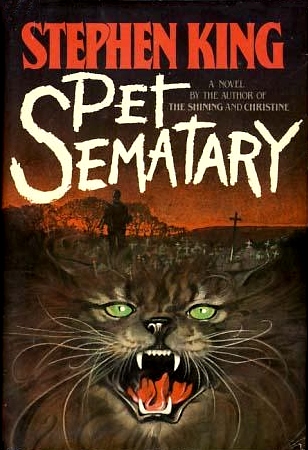
                • Cover of Pet Sematary
                  Pet Sematary

                  Stephen King · standalone novel · 1983

                  similar bycontemporaryhorrorcursesdarkeeriesmall town+1 more

                  Pet Sematary is a 1983 horror novel by American writer Stephen King. It tells the story of a family moving to Maine and settling closer to a pet cemetery in the woods, which is home to a terrifying force that brings death and sorrow. The novel was nominated for a World Fantasy Award for Best Novel in 1984, and adapted into two films: one in 1989 and another in 2019 as well as several spinoffs.

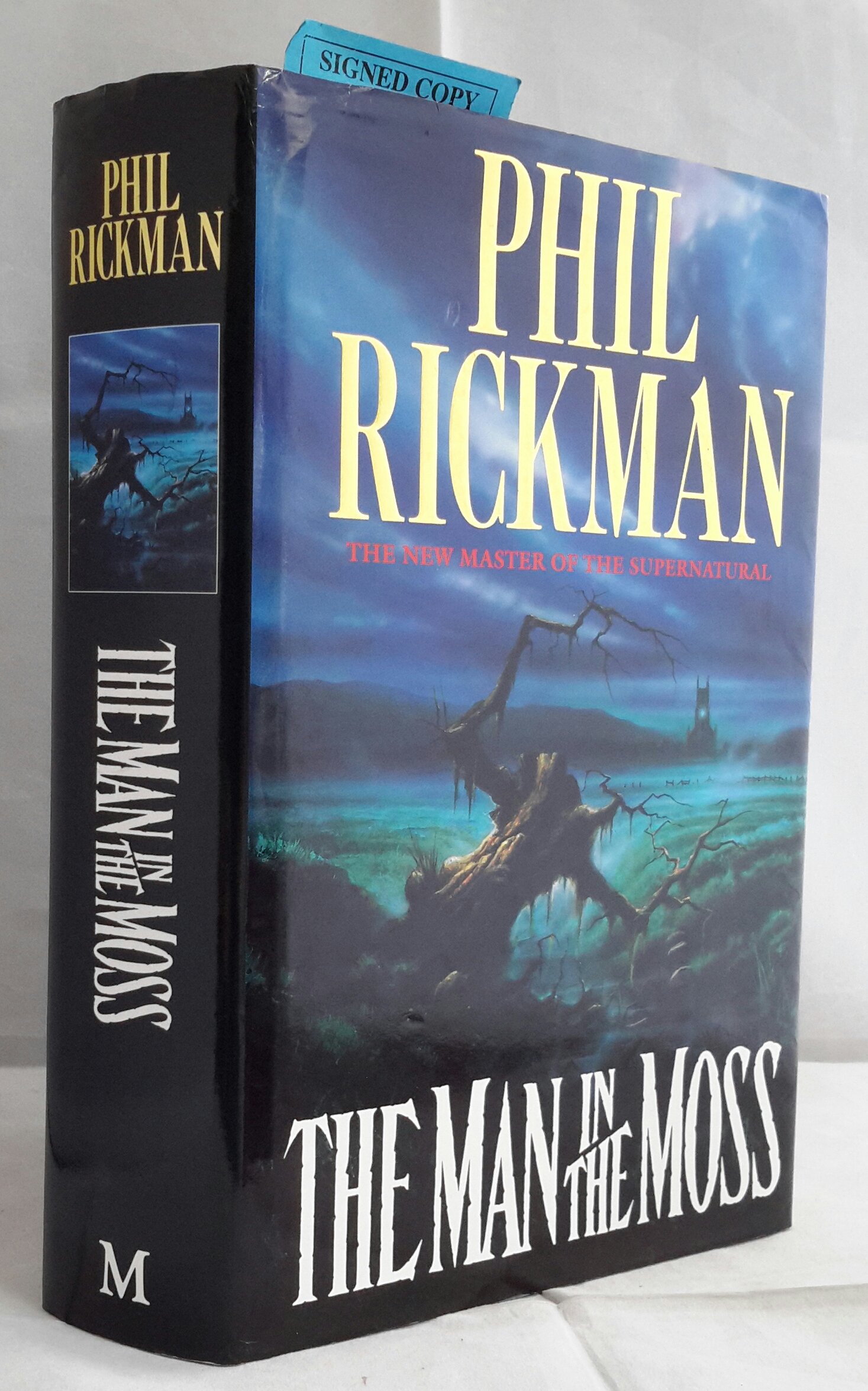
                • Cover of The Man in the Moss
                  The Man in the Moss

                  Phil Rickman · standalone novel · 1994

                  similar bycontemporaryhorroreeriecursesgothicdarkbritish islessmall town+1 more

                  Though dead for two millennia, he remains perfectly preserved in black peat. The Man in the Moss is one of the most fascinating finds of the century. But, for the isolated Pennine community of Bridelow, his removal is a sinister sign. A danger to the ancient spiritual tradition maintained, curiously, by the Mothers' Union. In the wecks approaching Samhain — the Celtic least of the dead — tragedy strikes again and again in Bridelow. Scottish folk singer Moira Cairns and American film producer Mungo Macbeth discover their Celtic roots are deeper and darker than they imagined. And, as fundamentalist zealots of both Christian and satanic persuasions challenge an older, gentler faith, the village faces a natural disaster unknown since the reign of Henry VIII.

                • Cover of White Is for Witching
                  White Is for Witching

                  Helen Oyeyemi · standalone novel · 2009

                  similar bycontemporaryhorroreeriefamily secretsgothicdarkbritish isles

                  White Is for Witching is a 2009 novel by British author Helen Oyeyemi. The novel, Oyeyemi's third, won a 2010 Somerset Maugham Award. Combining elements of ghost, vampire, and haunted house stories, White Is for Witching concerns a twin named Miranda and her relationship with the sentient, xenophobic house she inhabits. A French translation was published as Le Blanc va aux sorcières in 2011.

                • Cover of The Amulet
                  The Amulet

                  Michael McDowell · standalone novel · 1979

                  similar bycontemporaryhorrorcursesfamily secretsgothicdarkeeriesmall town

                  The Amulet is a Southern Gothic horror novel, originally published in 1979 by Michael McDowell. The book was first published in paperback by Avon Books.

                • Cover of Jerusalem's Lot
                  Jerusalem's Lot

                  series · 3 books · 1975

                  similar bycontemporaryhorrordarkeeriesmall town+1 more

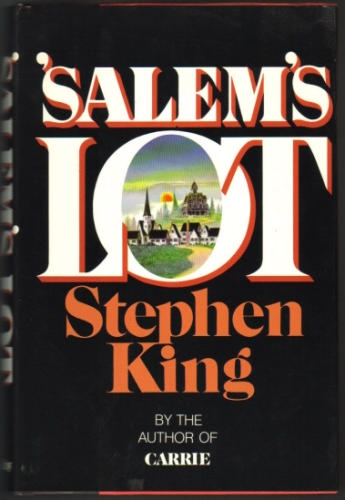
                  Stephen King's 1975 novel 'Salem's Lot follows writer Ben Mears as he returns to his childhood town of Jerusalem's Lot, Maine, only to discover that its residents are being turned into vampires by a newly arrived stranger. It transplants Gothic vampire horror into a small New England community, tracking that community's collapse under a supernatural siege. It is a single, self-contained novel.

                • Cover of Little Eve
                  Little Eve

                  Catriona Ward · standalone novel · 2018

                  similar bycontemporaryhorrorfamily secretsgothicdarkeeriebritish isles

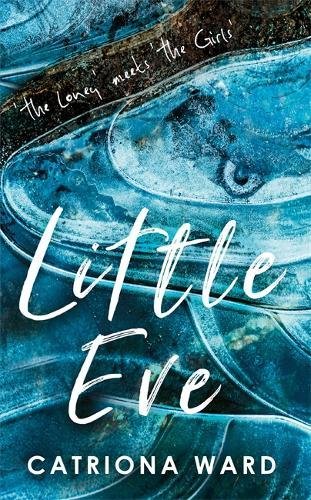
                  Little Eve is a 2018 gothic horror novel by Catriona Ward, published by Weidenfeld & Nicolson.

                • Cover of The Bog Wife
                  The Bog Wife

                  Kay Chronister · standalone novel · 2024

                  similar bycontemporaryhorrorcursesfamily secretsgothicdarkeerie

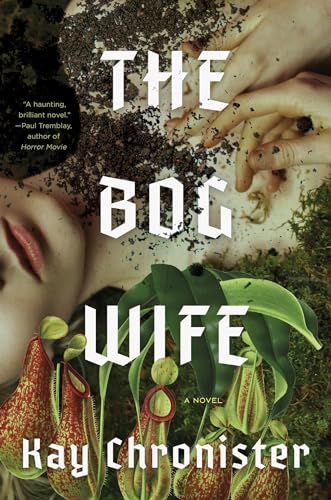
                  The Bog Wife is a 2024 horror novel by Kay Chronister that incorporates elements of Southern Gothic literature. It tells the story of the Haddesley family, in which family members sacrifice their family patriarch to a bog in order receive a wife in return. The story has received praise for its exploration of patriarchal family dynamics and traditions.

                • Cover of Darkness
                  Darkness

                  John Saul · standalone novel · 1991

                  similar bycontemporaryhorrorcursesfamily secretsdarkeeriesmall town

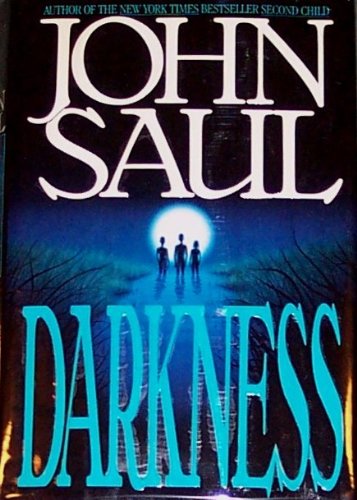
                  Darkness is a horror novel by John Saul published in 1991. Set in the fictional hamlet of Villejeune, Florida, a town shrouded by a dark, evil force. On the edge of an eerie swamp, the townsfolk act out gruesome rituals to appease the dark spirit that lies within the watery fortress enveloping the village. The Andersons return to the town, and soon realize they must confront this evil head on.

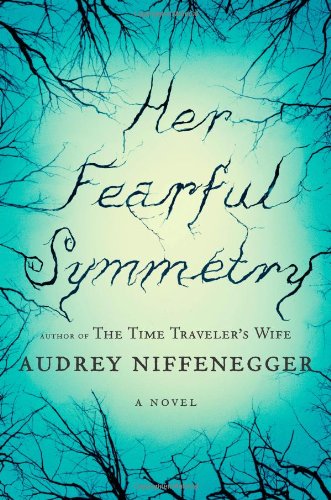
                • Cover of Her Fearful Symmetry
                  Her Fearful Symmetry

                  Audrey Niffenegger · standalone novel · 2009

                  similar bycontemporaryhorrorfamily secretsgothiceeriebritish isles+1 more

                  Her Fearful Symmetry is a horror novel by the American writer Audrey Niffenegger. The book was published on October 1, 2009 and is set in and around London's Highgate Cemetery where, after a year of research for the book, Niffenegger acted as a tour guide.

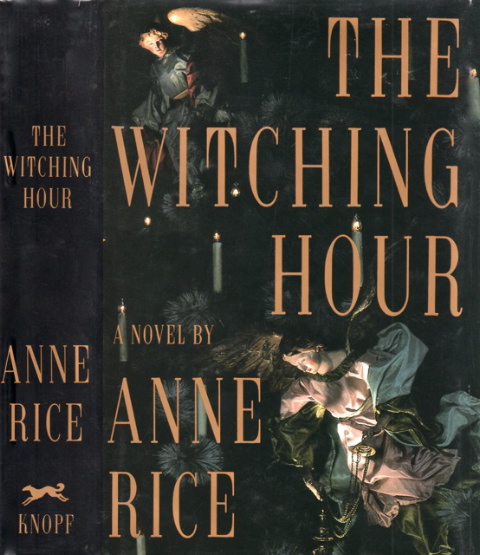
                • Cover of The Mayfair Witches Saga
                  The Mayfair Witches Saga

                  series · 3 books · 1990

                  completed

                  similar bycontemporaryfamily secretshorrorgothicdarkeerie

                  Lives of the Mayfair Witches is a trilogy of Gothic supernatural horror fantasy novels by American author Anne Rice. It centers on a family of witches whose fortunes have been guided for generations by a spirit named Lasher. The series began in 1990 with The Witching Hour, which was followed by the sequels Lasher (1993) and Taltos (1994). All three novels debuted at No. 2 on The New York Times Best Seller list.

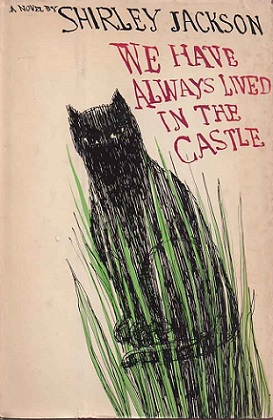
                • Cover of We Have Always Lived in the Castle
                  We Have Always Lived in the Castle

                  Shirley Jackson · standalone novel · 1962

                  similar byeeriefamily secretsgothichorrorsmall townloneliness+1 more

                  A young woman lives with her older sister and sickly uncle in their old family house, after a mysterious tragedy turns the townsfolk against them.

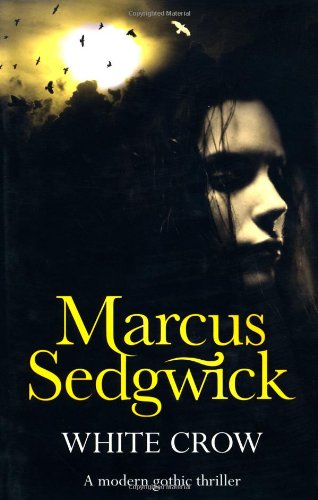
                • Cover of White Crow
                  White Crow

                  Marcus Sedgwick · standalone novel · 2010

                  similar bycontemporaryhorroreeriefamily secretsgothicbritish islessmall town

                  Sixteen-year-old Rebecca moves with her father from London to a small, seaside village, where she befriends another motherless girl and they spend the summer together exploring the village's sinister history.

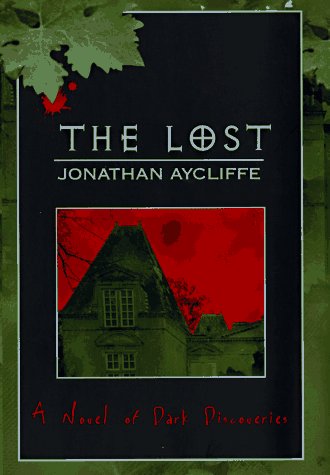
                • Cover of The Lost
                  The Lost

                  Jonathan Aycliffe · standalone novel · 1996

                  similar bycontemporaryhorrorfamily secretsgothicdarkeerie+1 more

                  From the dust jacket flaps of the US HarperPrism first edition: "It all started when the gypsy fortune-teller looked him in the eye - and ran away screaming. Michael was a teacher at a prep school in Cambridge. Barely thirty, he felt immensely old. He was tired of his life, tired of his job, tired of dreary England. An though he didn't know it yet - tired of Sophie and her safe undemanding love. So Michael took a sabbatical and went to Romania, hoping to claim the property his grandparents had abandoned after World War II. He found he was a titled lord, and more - the owner of an ancient stronghold in the Transylvanian Alps, Castel Vlaicu. Thus, Michael Feraru became Count Mihai Vlahuta. It was all a lark; or at most, an adventure. Until the gypsy recognized him - or something about him - in the streets of Bucharest. Until he picked up the doll. And of course, the girl - the unexpected, unexplainable, irresistible dark-eyed girl. At Castel Vlaicu, Michael was to learn of an evil older than time, an evil that reached back to the very origins of his shattered family - and into his own dark future. He was to learn the secret of the strigoï. The undead. Not vampires. Something far, far worse. And far more seductive... The Lost is a novel of dark discoveries, of a man who loses his soul, and more, in the search for his secret destiny. It is a story of passion and horror, and of the doomed love that links the two."

                • Cover of The Secret of Crickley Hall
                  The Secret of Crickley Hall

                  James Herbert · standalone novel · 2006

                  similar bycontemporaryhorroreeriefamily secretsgothicbritish isles

                  The Secret of Crickley Hall is a 2006 supernatural thriller novel by the British writer James Herbert.

                • Cover of Harvest Home
                  Harvest Home

                  Thomas Tryon · standalone novel · 1973

                  similar bycontemporaryhorrorfamily secretsdarkeeriesmall town

                  What is the dark secret the people (especially the women!) of Harvest Home are hiding? A family tries to get out of the City and finds the perfect home for their young daughter complete with folk remedies for her allergies and sensitivities in the local wisewoman. But is there something sinister under the surface of the charming little town?

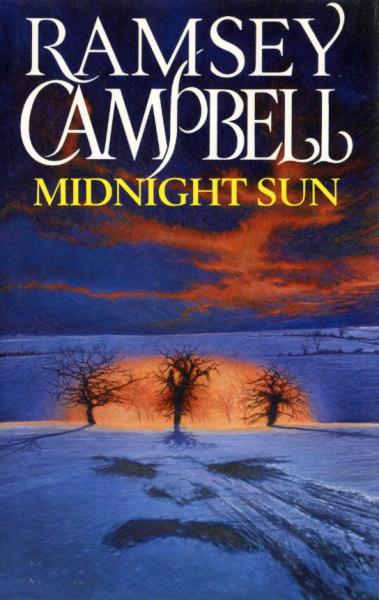
                • Cover of Midnight Sun
                  Midnight Sun

                  Ramsey Campbell · standalone novel · 1990

                  similar bycontemporaryhorroreeriecursesfamily secretsdark

                  Las viejas leyendas de los pueblos de las llanuras árticas refieren la necesidad de evitar que desaparezca el sol de medianoche, esa pálida luz que mantiene dormidos al os espíritus maléficos del frío. Un frío que en esos parajes sombríos es implacable, letal, en el que se ocultan misterios insondables. Ben, biznieto del folclorista Edward Sterling, empezó a sentirse atraído por el misterio del niño. Y la fascinación se reavivó cuando, de adulto, decidió irse a vivir con su familia al mismo caserón en que había pasado su infancia. Un lugar demasiado cercano al cementerio; demasiado cercano al bosque plantado en memoria de su bisabuelo; en el que no hay ninguna puerta que impida que responda a laimperiosa llamada que surge de la espesura, sobre todo cuando el frío se hace insoportable… Ramsey Cambell es uno de los pocos autores de novelas de terror que consiguen que las más escalofriantes pesadillas abandonen el territorio de lo soñado y asalten la vigilia del lector.

                • Cover of The Shaman
                  The Shaman

                  Frank Coffey · standalone novel · 1980

                  similar bycontemporaryhorrorcursesfamily secretsgothicdarksmall town

                  Amazon: For Kate Whitworth, a beautiful young novelist, life had been wonderful. Loving husband, delightful daughter, challenging work. Then it all fell apart First Jack's infidelity. Then divorce. Quickly followed by daughter Allison's suicide attempt And Kate knew she had to flee New York, flee the unrelenting pressure and the bad memories. Take her daughter and return to Kirkton, the lovely upstate village where she had grown up. But a monstrous evil, five centuries dead, is alive in Kirkton. And for Kate Whitworth, a living nightmare is about to begin.

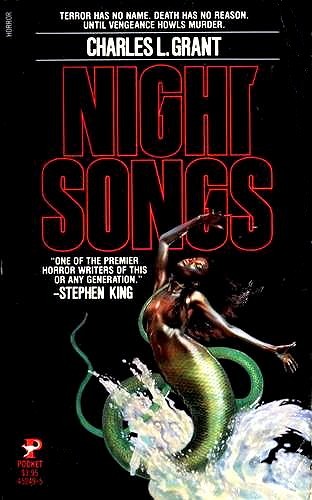
                • Cover of Night Songs
                  Night Songs

                  Charles L. Grant · standalone novel · 1984

                  similar bycontemporaryhorroreeriecursesgothicdark+1 more

                  Somewhere in the night they are singing songs of death... Colin Ross, twice thwarted in love, once abandoned, quit the mainland for Haven's End, a wounded soul on an idyllic island, seeking to heal his life. But instead of peace, he is hurled into chaos. Some dark and ancient hatred, some evil force, is unleashed, wreaking vengeance on the islanders, mangling the living and mutilating the dead. And, as the piercing songs rise to met the roaring wind, Colin Ross, against his will, is sucked into the raging storm.

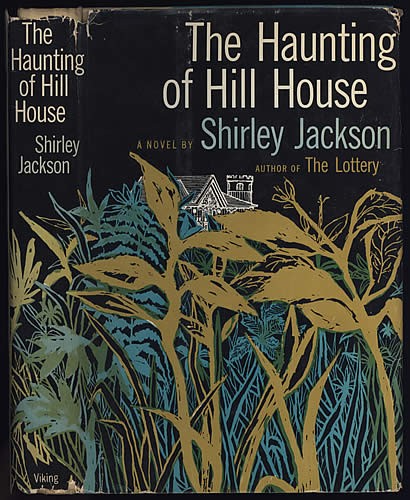
                • Cover of The Haunting of Hill House
                  The Haunting of Hill House

                  Shirley Jackson · standalone novel · 1959

                  similar byhorroreeriegothicdark+2 more

                  The Haunting of Hill House is a 1959 gothic horror novel by American author Shirley Jackson. It was a finalist for the National Book Award and has been made into two feature films, a play, and is the basis of a Netflix series.

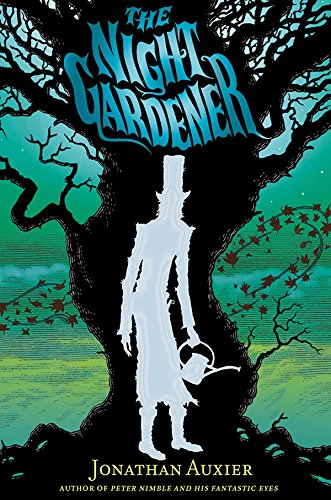
                • Cover of The Night Gardener
                  The Night Gardener

                  Jonathan Auxier · standalone novel · 2014

                  similar byeeriecursesfamily secretsgothichorrorbritish isles+1 more

                  From copyright page: Irish orphans Molly, fourteen, and Kip, ten, travel to England to work as servants in a crumbling manor house where nothing is quite what it seems to be, and soon the siblings are confronted by a mysterious stranger and secrets of the cursed house.

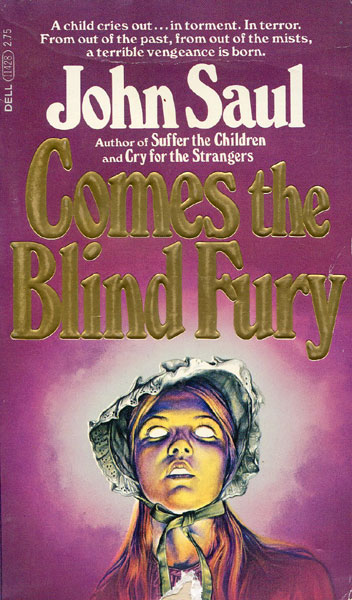
                • Cover of Comes the Blind Fury
                  Comes the Blind Fury

                  John Saul · standalone novel · 1980

                  similar bycontemporaryhorrorcurseseeriesmall town+2 more

                  WorldCat: When Michelle comes to visit on Paradise Point, she sees the hand of a blind girl who died a century ago, reaching out to her from the swirling mists.

                • Cover of The Grotesque
                  The Grotesque

                  Patrick McGrath · standalone novel · 1989

                  similar bycontemporaryhorrorfamily secretsgothicdarkeeriebritish isles

                  The Grotesque is a 1989 gothic fiction novel by British author Patrick McGrath. It was adapted into a 1995 film starring Alan Bates, Lena Headey, Theresa Russell and Sting.

                • Cover of Julia
                  Julia

                  Peter Straub · standalone novel · 1975

                  similar byhorroreeriefamily secretsgothicdarkbritish isles

                  Julia is a 1975 novel by American writer Peter Straub. The work is Straub's first novel to deal with the supernatural and was published through Coward, McCann & Geoghegan. Julia was later adapted into the 1977 film Full Circle, starring Mia Farrow.
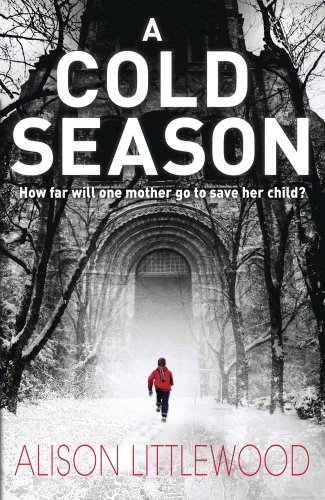
                • Cover of A Cold Season
                  A Cold Season

                  series · 2 books · 2011

                  similar bycontemporaryhorroreeriedarkbritish islessmall town+1 more