More like Caught
anchored on:science fictiontime travelour worldearly 20th centuryyoung adultidentity+3 more
but
- Flashforward
Robert J. Sawyerstandalone novel1999
similar bytenseidentityscience fictionour worldmysterioustime traveleurope
Flashforward is a science fiction novel by Canadian author Robert J. Sawyer first published in 1999. The novel is set in 2009. At CERN, the Large Hadron Collider accelerator is performing a run to search for the Higgs boson. The experiment has a unique side effect; the entire human race loses their consciousness for about two minutes. During that time, nearly everyone sees themselves roughly twenty-one years and six months in the future. Each individual experiences the future through the senses of their future self. This "flashforward" results in countless deaths and accidents involving vehicles, aircraft, and any other device needing human control at the time of the experiment. The novel was adapted into the 2009 television series FlashForward.
- The Missing
series10 books2008
similar byidentityscience fictiontime travelyoung adult+5 more
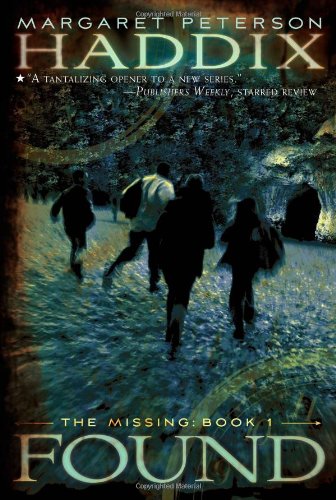
The Missing is a series of fictional young-adult novels written by Margaret Peterson Haddix. It tells the story of famous children from history stolen by futuristic time travelers from their place in time and accidentally sent to the 21st century as babies. They are then adopted by families in the 21st century. Because Jonah is one of the stolen children, he, along with his non-adopted sister Katherine, must help return the missing kids to their rightful places in history and fix time before it is destroyed. The first book in the series, Found, was published on April 22, 2008. The series continued with book titles Sent, Sabotaged, Torn, Caught, Risked, and Revealed. The eighth and final book, Redeemed, was released on September 8, 2015. There are also two ebook short stories, Sought and Rescued . Haddix originally intended the series to consist of only seven books. However, she stated that she had trouble closing out the series in seven books; leading to her decision to write Redeemed.
- Kindred
Octavia E. Butlerstandalone novel1979
similar bytensescience fictiontime travel+3 more
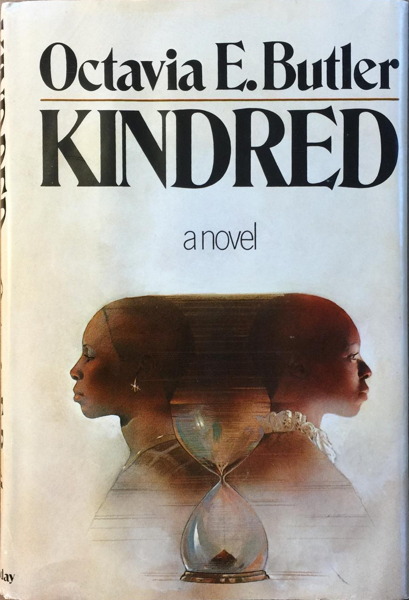
Kindred (1979) is a novel by American writer Octavia E. Butler that incorporates time travel and is modeled on slave narratives. Widely popular, it has frequently been chosen as a text by community-wide reading programs and book organizations, and for high school and college courses.
- The War in the Air
H. G. Wellsstandalone novel1908
similar bytenseearly 20th centuryscience fictionour worldeurope
The War in the Air: And Particularly How Mr. Bert Smallways Fared While It Lasted is a military science fiction novel written by H. G. Wells and published in 1908.
- The Heads of Cerberus
Francis Stevensstandalone novel1919
similar bytenseearly 20th centuryscience fictionour world+1 more
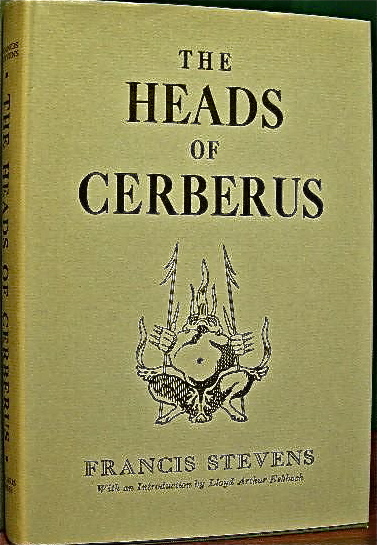
The Heads of Cerberus is a science fiction novel by American writer Francis Stevens. The novel was originally serialized in the pulp magazine The Thrill Book in 1919, and it was first published in book form in 1952 by Polaris Press in an edition of 1,563 copies. It was the first book published by Polaris Press. A scholarly reprint edition was issued by Arno Press in 1978, and a mass market paperback by Carroll & Graf in 1984.
- The Curse Workers
series3 books2010
similar bytensefamily secretsyoung adultour worldfantasy+2 more
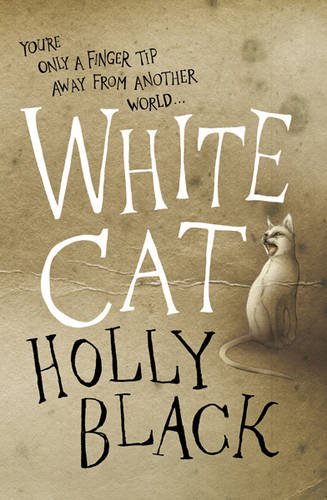
Holly Black's Curse Workers trilogy is set in an alternate America where 'curse work' — magic that harms or transforms through touch — is illegal, enforced through gloves and Prohibition-era-style crime families. It follows Cassel Sharpe, the only non-worker in a family of con artists and workers, as he tries to stay out of his family's schemes despite his own hidden connection to their world. The series runs from White Cat through two further novels.
- Oxford Time Travel
series6 books1982
similar bytensescience fictiontime traveleurope+1 more
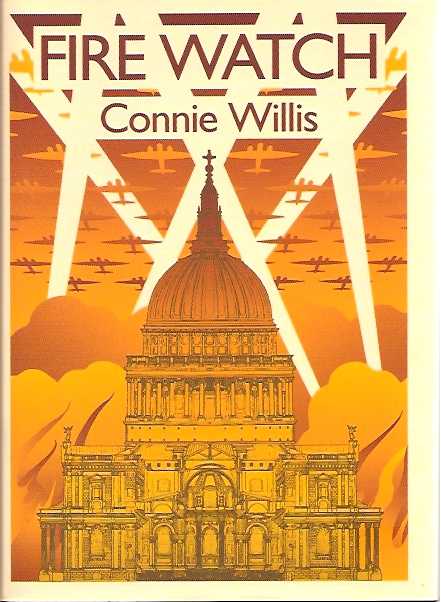
Connie Willis's Oxford Time Travel novels are set at a near-future Oxford University where historians travel into the past as observers, constrained by a version of history that resists any change large enough to alter real events. Doomsday Book sends a medieval historian to what should be 1320 but turns out to be the Black Death year of 1348, intercut with a present-day epidemic at Oxford; To Say Nothing of the Dog returns to the same time-travel program for a lighter, Victorian-set story with different characters. The two novels share their setting and rules rather than a directly continuing plot.
- Chime
Franny Billingsleystandalone novel2011
similar byearly 20th centuryidentityfamily secretsour worldyoung adultfantasy
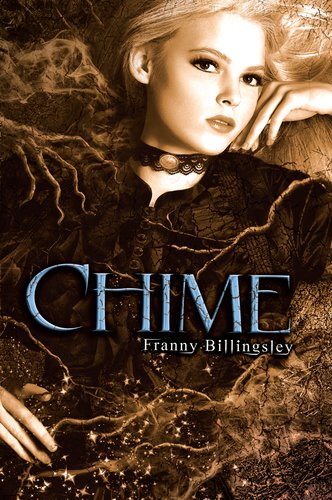
In the early twentieth century in Swampsea, seventeen-year-old Briony, who can see the spirits that haunt the marshes around their town, feels responsible for her twin sister's horrible injury until a young man enters their lives and exposes secrets that even Briony does not know about.
- Double Helix
Nancy Werlinstandalone novel2004
similar bytenseidentityfamily secretsscience fictionmysteriousyoung adult
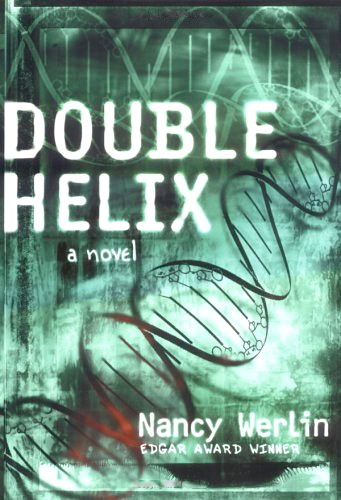
Double Helix (2004) is a novel by American writer Nancy Werlin about 18-year-old Eli Samuels, who works for a famous molecular biologist named Dr. Quincy Wyatt. There is a mysterious connection between Dr. Wyatt and Eli's parents, and all Eli knows about the connection is that it has something to do with his mother, who has Huntington's disease. Because of the connection between Dr. Wyatt and the Samuels family, Eli's father is strongly against Eli working there. The job is perfect, and the wages are great, but Eli can't help but notice that Dr. Wyatt seems to be a little too interested in him. Later on, as Eli continues to work in the lab, he discovers with the help of Kayla Matheson, Dr. Wyatt's supposed "niece," that he and Kayla are the product of a highly unethical eugenics experiment.
- Beyond the Barrier
Damon Knightstandalone novel1964
similar bytenseidentityscience fictionmysterioustime travel+1 more
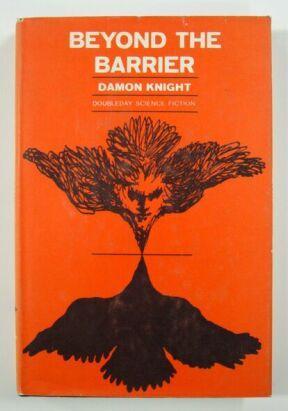
From the front flap of the Doubleday first edition: "Gordon Naismith was a physics professor at a large California university. The year was 1980, and by means of the university's duplicator he could personally teach in nine different classrooms simultaneously. Naismith was an average man in all but two respects: the reflexes were extraordinarily quick, and four years before in a plane crash he had lost all memory of his earlier life. Neither difference seemed important until one day a very unusual student in one of his classes asked a disturbing, extracurricular question: "Professor, what is a zug?" The question triggered a series of violent incidents, and soon Naismith himself, as well as the police, were beginning to wonder if the duplicator had reproduced him a tenth time. The answer lay ten thousand years in the future."
- The Separation
Christopher Prieststandalone novel2002
similar byearly 20th centuryidentitymysteriousscience fictioneurope+1 more
The Separation is a novel by British writer Christopher Priest, published in 2002. It is an alternate history revolving around the experiences of identical twin brothers during the Second World War, during which one becomes a pilot for the RAF, and the other, a conscientious objector, becomes an ambulance driver for the Red Cross. The author introduces a deliberate confusion by giving these brothers identical initials – J.L. Sawyer – one known as Jack and the other as Joe.
- Remember
Eileen Cookstandalone novel2015
similar bytenseidentityscience fictionour worldmysteriousyoung adult+1 more
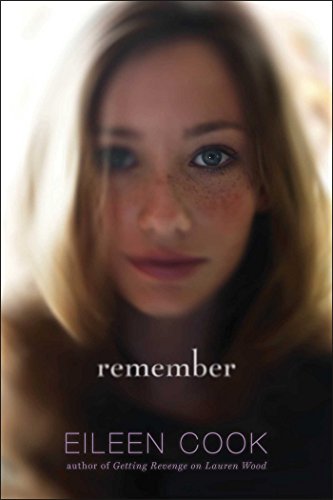
Harper, whose father's company trademarked the "Memtex" procedure for wiping out bad memories, is surprised when her father objects to her having a treatment but afterwards, she begins having strange flashes about her own life and she joins forces with Neil, one of the company's protesters, to find the truth.
- Departure
A. G. Riddlestandalone novel2014
similar bytensetime travelour worldmysteriousscience fiction+1 more
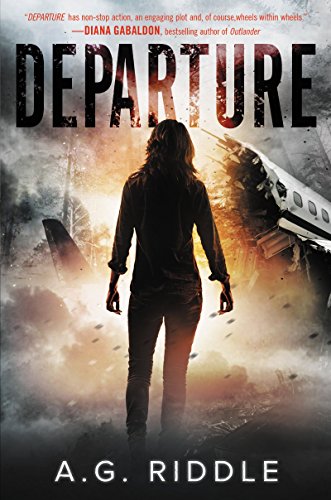
"The world's past and future rests in the hands of five unwitting strangers in this definitive edition of A. G. Riddle's time-traveling, mind-bending speculative thriller. En route to London from New York, Flight 305 suddenly loses power and crash-lands in the English countryside, plunging a group of strangers into a mysterious adventure that will have repercussions for all of humankind.Struggling to stay alive, the survivors soon realize that the world they've crashed in is very different from the one they left. But where are they? Why are they here? And how will they get back home? Five passengers seem to hold clues about what's really going on: writer Harper Lane, venture capitalist Nick Stone, German genetic researcher Sabrina Schroeder, computer scientist Yul Tan, and Grayson Shaw, the son of a billionaire philanthropist.As more facts about the crash emerge, it becomes clear that some in this group know more than they're letting on--answers that will lead Harper and Nick to uncover a far-reaching conspiracy involving their own lives. As they begin to piece together the truth, they discover they have the power to change the future and the past--to save our world. or end it. A wildly inventive and propulsive adventure full of hairpin twists, Departure is a thrilling tale that weaves together power, ambition, fate, memory, and love, from a bold and visionary talent"--
- The Seven Deaths of Evelyn Hardcastle
Stuart Turtonstandalone novel2018
similar bytenseearly 20th centuryidentitymysteriousscience fiction
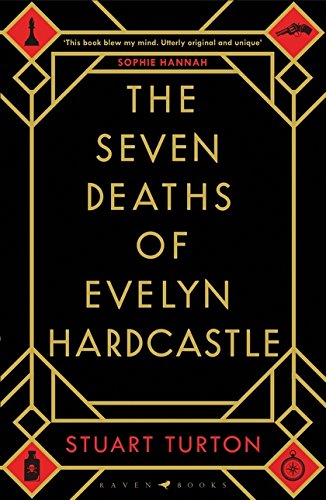
The Seven Deaths of Evelyn Hardcastle is a novel by Stuart Turton which won the Best First Novel prize in the 2018 Costa Book Awards and reached number one on The Saturday Times Bestseller list.
- Feedback
D. L. Richardsonstandalone novel2012
similar bytenseidentityscience fictionour worldmysteriousyoung adult
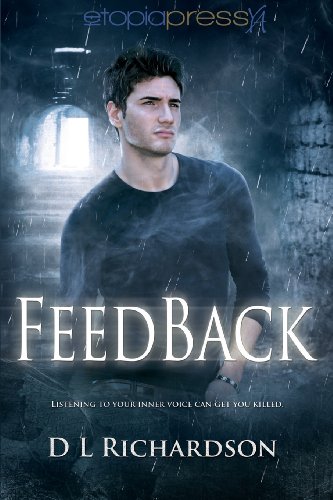
● "Three teenagers have one thing in common: they're kidnapped two weeks after receiving life-saving organ transplants. Their abductor is a man who believes the memories of the host are retained in the organs. Extracting these memories is just the beginning. Something else is awakening inside their minds. If they trust this voice they might save the world. But it might also get them killed." ― paraphrased from this book's product page on Amazon.com as of 2024-04-03.
- Laying the Music to Rest
Dean Wesley Smithstandalone novel1989
similar bytenseearly 20th centurytime travelour worldmysteriousscience fiction
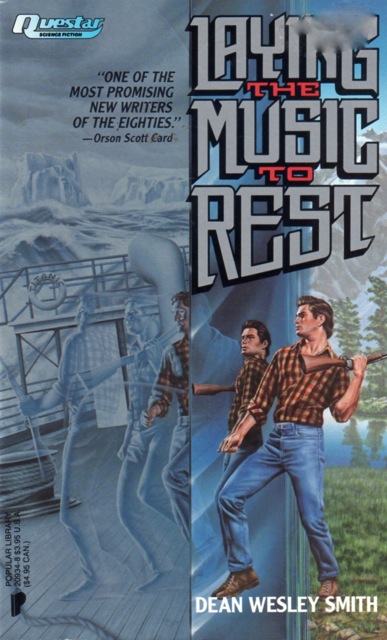
From the back cover of the Popular Library first edition: "Trapped in time - Doc was a college professor, and much too savy to buy into the ghost tales that were making the rounds. But that was before he dived into the dark waters of an Idaho lake in search of a buried boom town... before he heard piano music wafting, inexplicably, across the forest twilight... or saw the phantom woman who haunted the lake, waiting for... what? Pursuing that mystery will draw Doc into the past and onto the icy decks of the R.M.S Titanic. Mired in a time warp, he must fight for the future by racing against a gang of mutant time bandits - and the ticking of the clock."
- The Masks of Time
Robert Silverbergstandalone novel1968
similar bytensescience fictiontime travelour worldmysterious
From the back cover of the Ballantine first edition: "The year is 1999. The century is about to turn. The civilized world is prosperous but tense with fear about the still existing possibility of a major war. While in the large area that used called "underdeveloped" there is a hysterical conviction that the world will cone to an end with the arrival of the new century Into this explosive situation floats a creature calling himself Vornam-19 - and claiming to be a visitor from 1000 years in the future... The world is ready, indeed ripe, for a sign, an omen, a new cult. But no one realizes exactly what Vornaa-19 is in his own right."
- The Eternal Enemy
Christopher Pikestandalone novel1993
similar bytensescience fictiontime travelour worldmysteriousyoung adult
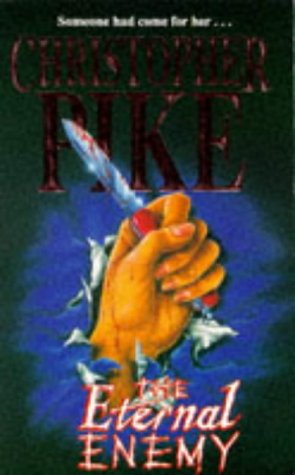
A VCR that could tape tomorrow's news. Rela has just bought herself a new VCR. She sets the machine to tape a movie she plans to show at a party she is throwing. But instead of the movie she gets the news - tomorrow's news. Soon Rela is regularly recording next week's news, even what is to happen in the far future. It's fun, at first, until she sees herself on the news. And learns that there is no future for her. But can she change destiny? Can Rela survive what is meant to be?
- Technically Human
Christian Mannstandalone novel2024
similar bytenseidentityscience fictionour worldmysteriouseurope
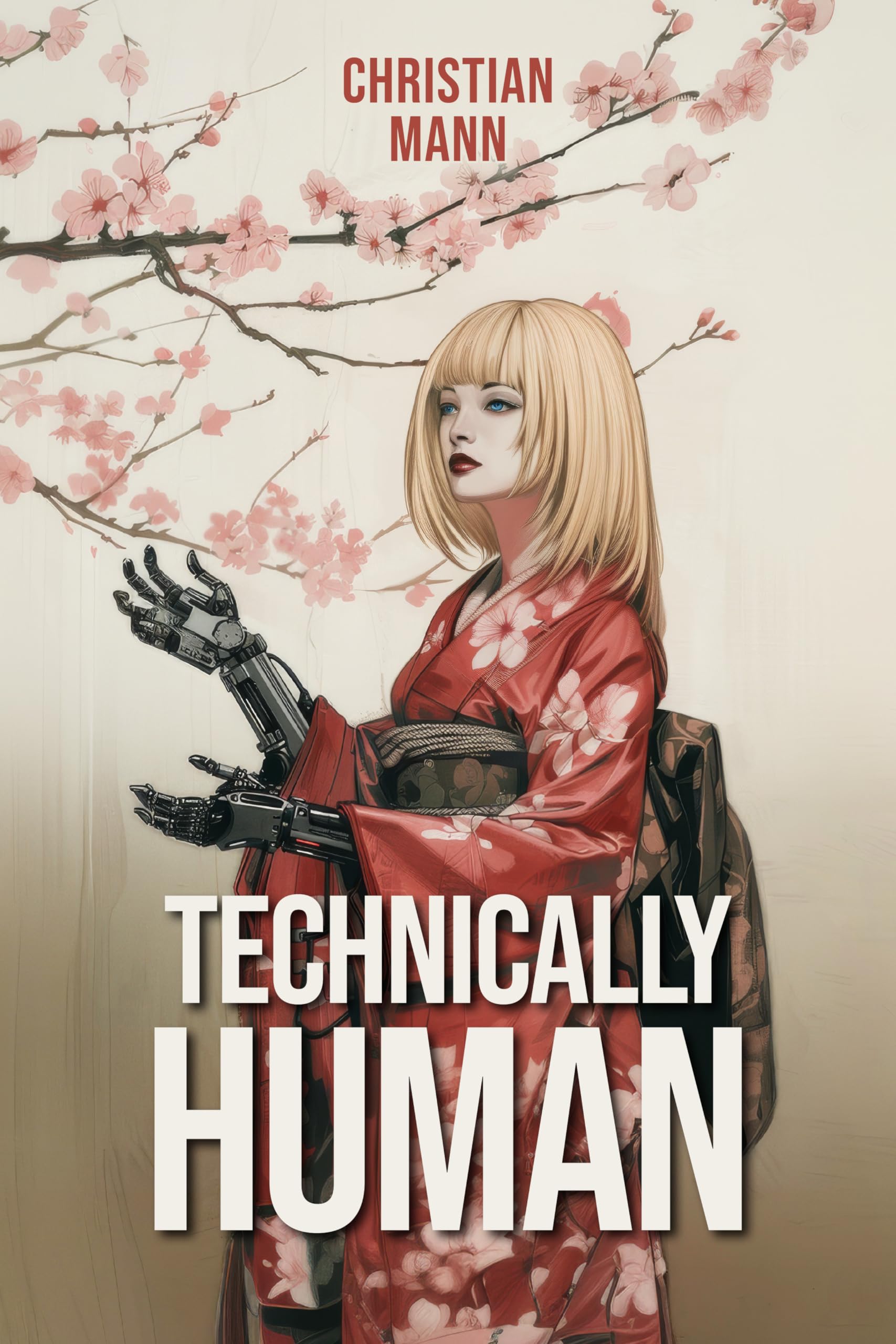
● "Charlie, an American employee working in Berlin at NOVA, a giant Japanese firm and the world's first manufacturer of androids designed for blue-collar jobs, is given the most important project of his career: to live with humanity's first sentient android, Julia. After spending several days together, Charlie comes to the conclusion that Julia is far too advanced compared to her robotic peers—she's too human. As he attempts to uncover clues about her creation, both Charlie and Julia find themselves caught in an event that threatens the mammoth firm, his career, and the android's secret existence." ― quoted from this book's Amazon product page as of 2025-04-21
- The Memory Keepers
Natasha Nganstandalone novel2014
similar bytenseidentityscience fictionour worldmysteriousyoung adult+1 more
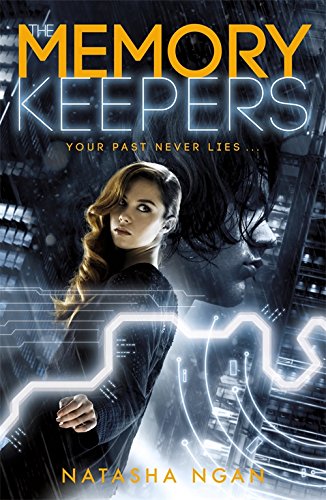
Seven is a thief with a difference - he steals downloadable memories from banks and memoriums to sell onto London's black market, trading secrets and hidden pasts for a chance at a future of his own. He makes sure he keeps some special stuff back to 'surf' himself though - it's the only real form of entertainment he can afford. But one night, as Seven is breaking into a private memorium in a wealthy part of London, he is caught in the act by one of its residents; Alba, the teenage daughter of London's most famous criminal prosecutor. Instead of giving him away, Alba promises to keep Seven's secret - as long as he allows her to go memory-surfing herself. In doing so, they discover a hidden memory about Seven's past, revealing a shocking secret about Seven's childhood, the government and a mysterious experiment known as The Memory Keepers ... Now Seven and Alba will have to race against time to unlock the maze of The Memory Keepers - but can they keep themselves out of harm's way before the London Guard - and Alba's father - catches up with them?
- The Gardener
S. A. Bodeenstandalone novel2010
similar bytensescience fictionour worldmysteriousyoung adult+2 more
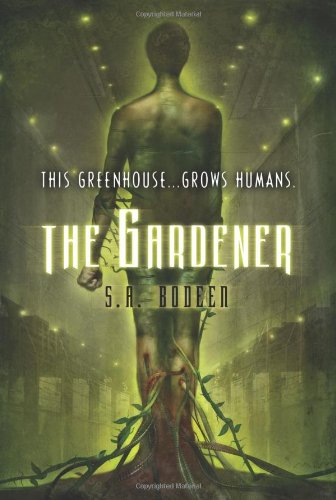
When high school sophomore Mason finds a beautiful but catatonic girl in the nursing home where his mother works, the discovery leads him to revelations about a series of disturbing human experiments that have a connection to his own life.
- The Mind Cage
A. E. van Vogtstandalone novel1957
similar bytensescience fictionour world+2 more
The Mind Cage is a 1957 science fiction novel by American writer A. E. van Vogt, adapted from the short story "The Great Judge" (1948).
- Marie Antoinette, Serial Killer
Katie Alenderstandalone novel2013
similar bytensefamily secretsour worldmysteriousyoung adulteurope
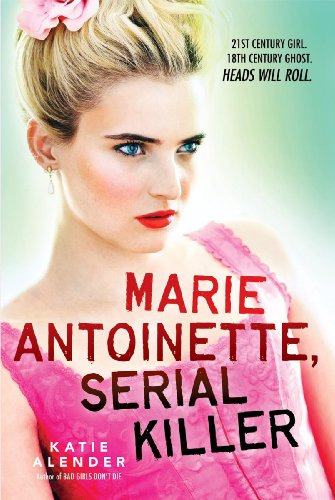
While in Paris, France on a class trip, Colette Iselin enlists the help of her charming French tour guide to help uncover a possible connection between Marie Antoinette, a series of gruesome murders, and perhaps her own family history, and he also gives her insights into herself. While in Paris on a class trip, Colette Iselin enlists the help of her charming French tour guide to help uncover a possible connection between Marie Antoinette, a series of gruesome murders, and perhaps her own family history.