Loreful
HomeDiscover
Search series, authors…⌘K
Loreful

Reading orders for SF/F series and shared universes — with your place kept in every one.

Explore

UniversesSeriesWorksAuthorsAtlas

Help

FAQAboutSite map

Account & legal

Sign inCreate accountPrivacyTerms

Data

Built on ISFDB, Wikipedia, Wikidata and Open Library. Curated reading orders carry their reasoning on the page; the rest follow publication order. Data sources & licenses

© Loreful · data: ISFDB · CC BY

More like Chivalry

anchored on:historical fantasyeuropemedievalshort story cycleliterary & generalforbidden love+2 more

but

Mood

The mood the book leaves you in.

  • The reading experience is propelled by journeys, exploration, and physical risk; excitement and forward momentum dominate over dread or introspection.
  • Joy and loss are deliberately mixed; the resolution grants characters something real while taking something else away, leaving warmth and sorrow together.
  • The book demands work from the reader — dense prose, difficult structure, unfamiliar ideas, or morally uncomfortable material — as part of its intended effect.
  • Grim events, cruelty, or despair dominate the atmosphere, and the book does not soften them with comfort or comic relief.
  • The atmosphere is quietly unsettling — wrongness, unease, and the uncanny pervade the book without necessarily escalating into overt horror.
  • The book is built to move the reader; character feeling is foregrounded and major scenes aim at a strong emotional response.
  • Humor is a primary aim and the prose plays for laughs — comic situations, wit, or dialogue produce sustained comedy, not occasional levity.
  • The book insists that things can improve; effort and decency are shown to matter, and the arc bends toward better outcomes even through hardship.
  • The book teaches as it goes — real facts, history, science, or craft are conveyed in enough depth that learning is part of the reading experience.
  • The book is designed to uplift and motivate, presenting perseverance or achievement in a way that invites the reader to aspire or act.
  • The overall register is cheerful and easygoing; stakes are kept gentle and the book avoids dwelling on pain or dread.
  • Withheld information drives the experience; the book sustains enigmas and secrets the reader wants resolved, whatever its genre.
  • The book is contemplative and inward-looking, giving more weight to thought, memory, and meaning than to external events.
  • The book works as comfort reading — low tension, a soothing pace, and an atmosphere the reader can unwind in.
  • Grief, loss, or melancholy set the dominant register, and the book lets sorrow stand rather than resolving it into comfort.
  • Sustained suspense is the point; the book keeps the reader braced for what happens next through danger, pressure, or impending revelation.
  • Playful invention and charm define the register — fanciful conceits, light absurdity, and a narration that delights in its own oddity.

About

What the story runs on.

  • Stories in which extraterrestrial beings are central — as characters, cultures, or the object of the plot.
  • Stories structured as a quest — a journey undertaken to find, deliver, or destroy something of great import.
  • Stories in which staying alive against nature, catastrophe, or scarcity is the central problem.
  • Stories of lovers kept apart by law, family, faith, or station, where the obstacle to love is the plot.
  • Stories in which a friendship — its making, testing, or loss — is the emotional center.
  • Stories of growing up — a young protagonist crossing from childhood into adult knowledge and responsibility.
  • Stories about who a character truly is — self-discovery, doubled lives, and the search for a self.
  • Stories about mourning — living through the death of a loved one and what loss does to the survivors.
  • Stories in which a buried family truth — hidden parentage, crimes, or shames — surfaces and reorders the present.
  • Stories driven by maneuvering for power — factions, conspiracies, and statecraft conducted in shadow.
  • Stories in which war itself is the subject — combat, occupation, and what warfare does to soldiers and civilians.
  • Stories organized around investigating a killing — the case, the clues, and the pursuit of the killer, in any genre's clothing.

Shelf

Where it sits in the library.

    • Fiction built on magic or other supernatural elements that have no scientific explanation.
    • Secondary-world fantasy at large scale, where the fate of nations or the world turns on the protagonists' struggle.
    • Fantasy set in a recognizably modern city or contemporary world where the supernatural intrudes on everyday life.
    • Fantasy that blends in horror's atmosphere and imagery, keeping a fantastical frame around grim or frightening material.
    • Action-driven fantasy following warriors or rogues with personal stakes against sorcerous threats, rather than world-spanning conflicts.
    • Fantasy set in a real historical period or a close analogue of one, with magic woven into the era.
    • Fantasy in which protagonists cross from the ordinary world into another world through a portal or similar passage.
    • Fiction that retells or reworks a traditional fairy tale in a new form or setting.
    • Fantasy drawing directly on myths, legends, and folklore, retelling them or building on their figures and logic.
    • Fantasy of ghosts, vampires, shapeshifters, psychics, and similar phenomena, usually set in an otherwise ordinary world.
    • Fiction mixing science-fictional trappings with overtly magical or impossible elements in one setting.
    • Low-stakes fantasy emphasizing comfort, community, and everyday pleasures over conflict and peril.
    • Speculative fiction of pervasive moral ambiguity, violence, and cynicism that rejects heroic conventions — fantasy and SF alike.
      • Fiction that extrapolates from science and technology — future societies, space travel, or speculative inventions — within at least nominally natural laws.
      • Science fiction of interstellar scope — starships, galactic polities, and adventure across star systems.
      • Science fiction committed to scientific rigor, where technical plausibility constrains the story.
      • Science fiction centered on armed forces and warfare, told largely from a military point of view.
      • Science fiction of networked, corporate-dominated near futures, pairing high technology with social decay.
      • Science fiction styled on nineteenth-century steam-powered technology, often in a Victorian or pseudo-Victorian setting.
      • Fiction depicting an oppressive or catastrophic society, presented as a warning.
      • Fiction set after civilization's collapse, following survivors in the ruins of the old world.
      • Fiction in which characters move between past and future, and the mechanics or consequences of that travel drive the plot.
      • Fiction exploring a world where a historical event went differently and history diverged from ours.
      • Science fiction about humanity's first encounter and communication with an alien intelligence.
      • Science fiction in which extraterrestrial forces attack or occupy Earth and humanity resists.
      • Fiction whose primary aim is to frighten or unsettle the reader through dread, menace, or the monstrous.
      • Horror of vast, indifferent, incomprehensible entities before which humanity is insignificant, in the Lovecraft tradition.
      • Horror of decaying houses, buried family secrets, and oppressive atmosphere in the Gothic literary tradition.
      • Horror centered on hauntings and the returning dead.
      • Horror located in the mind — paranoia, obsession, and unreliable perception rather than external monsters.
      • Horror built around the reanimated dead and survival amid their outbreaks.
      • Horror defined by explicit, transgressive gore that refuses to cut away from violence.
      • Speculative fiction of the strange and uncanny that resists both natural explanation and standard genre categories.
      • Fiction organized around solving a crime or puzzle, typically following an investigator toward the identification of a culprit.
      • A puzzle-first mystery that lays out clues so the culprit's identity can be deduced before the reveal.
      • Crime fiction of moral ambiguity, fatalism, and hard-edged style, set among the corrupt and the doomed.
      • A mystery following the realistic routines of police work — forensics, interviews, and case-building.
      • A gentle mystery with an amateur sleuth, a small community, and violence kept off the page.
      • A mystery set in a past era, where the investigation works within that period's methods and society.
      • Fast-paced fiction driven by imminent danger, pursuit, or high-stakes conspiracy, built to sustain tension.
      • A thriller of espionage — agents, tradecraft, and intelligence services in conflict.
      • A thriller centered on lawyers and the courtroom, where litigation carries the suspense.
      • A thriller driven by detailed contemporary or near-future technology, often military or scientific.
      • A thriller whose tension comes from mental states and manipulation between characters rather than external action.
      • Fiction whose central plot is a romantic relationship and its development toward an emotionally satisfying resolution.
      • Romance in which one or both partners are supernatural beings, blending fantasy elements into the love story.
      • A fantasy-romance hybrid in which the romantic arc and the fantasy plot carry equal weight.
      • Romance set in a past era, with courtship shaped by the period's society and manners.
      • Romance set in the present day, without supernatural or historical elements.
      • Fiction set in a real past period, where the historical setting materially shapes characters and events.
        • General and literary fiction emphasizing prose style, character interiority, or formal ambition over genre plot conventions.
        • Fiction in a realistic world where magical events occur and are treated as ordinary, in the tradition of Latin American literature.
        • Fiction that ridicules people, institutions, or society in order to criticize them.
        • Fiction of dreamlike, irrational imagery and logic that breaks from realistic representation.
        • Fiction that plays with narrative convention through metafiction, fragmentation, and self-reference.
        • Fiction propelled by journeys, exploration, and physical peril, where action and survival carry the plot.
        • Adventure fiction of ships and seafaring — naval engagements, voyages, and life at sea.
        • Fiction of the American frontier West — gunmen, ranchers, and lawmen, typically in the late nineteenth century.
        • Fiction centered on soldiers, campaigns, and the experience of warfare, historical or imagined.
          • Fiction written primarily to amuse, using comedic situations, wit, or parody as its organizing principle.
            • Multi-generational fiction following a family or dynasty across decades, with inheritance and kinship as the through-line.
              • Fiction whose world runs on explicit game mechanics — levels, stats, and skills that characters can see and exploit.
                • Fiction about costumed or superpowered heroes and their conflicts with comparable villains.

                Practical

                How long a commitment, whether it stands alone, and whether it has finished.

                Tap a chip to ask for it · tap again to rule it out · once more to clear. Numbers show what would be left.

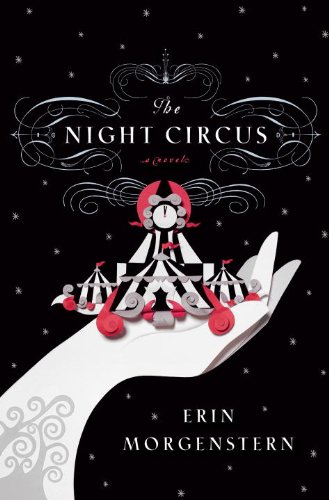
                • Cover of The Night Circus
                  The Night Circus

                  Erin Morgenstern · standalone novel · 2011

                  similar bywhimsicalforbidden lovehistorical fantasyeurope+1 more

                  The Night Circus is a 2011 speculative fiction novel by Erin Morgenstern. It was originally written for the annual writing competition National Novel Writing Month (NaNoWriMo) over the span of three competitions. The novel has a nonlinear narrative written from multiple viewpoints.

                • Cover of Puck
                  Puck

                  series · 14 books · 1906

                  completed

                  similar bywhimsicalmedievalhistorical fantasyshort story cyclebritish isles+1 more

                • Cover of Orlando: A Biography
                  Orlando: A Biography

                  Virginia Woolf · standalone novel · 1928

                  similar bywhimsicalart and artistsliterary & generalreflectivebritish isles

                  Orlando: A Biography is a novel by Virginia Woolf, first published on 11 October 1928, inspired by the tumultuous family history of the aristocratic poet and novelist Vita Sackville-West, Woolf's lover and close friend. It is a history of English literature in satiric form. The book describes the adventures of a poet who changes from man to woman and lives for centuries, meeting the key figures of English literary history. Considered a feminist classic, the book has been written about extensively by scholars of women's writing and gender and transgender studies.

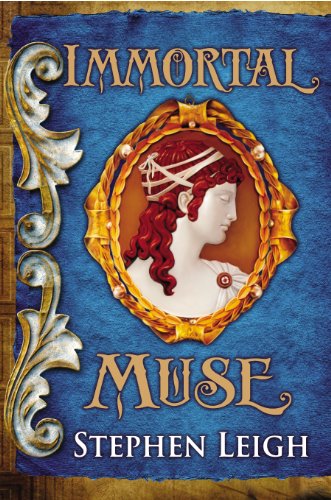
                • Cover of Immortal Muse
                  Immortal Muse

                  Stephen Leigh · standalone novel · 2014

                  similar byhistorical fantasyart and artistseuropeliterary & generalreflective+1 more

                  Immortal Muse is a tale that takes the reader on a fascinating journey from Paris of the late 1300s with the alchemists Perenelle and Nicolas Flamel, to contemporary New York City. Along the way, there are interludes with Bernini in Rome in 1635; with Vivaldi in Venice of 1737; with Antoine-Laurent de Lavoisier and Robespierre in the Paris of the French Revolution; with William Blake and John Polidori in 1814; with Gustav Klimt in fin de siècle Vienna; with Charlotte Salomon in WWII France. And in modern-day New York, a complicated dance of love and violence finally brings a resolution to the centuries-old deadly feud.

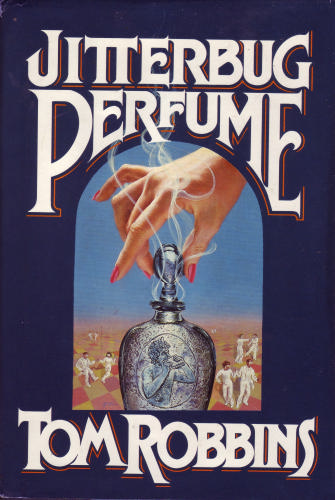
                • Cover of Jitterbug Perfume
                  Jitterbug Perfume

                  Tom Robbins · standalone novel · 1984

                  similar bywhimsicalart and artistsliterary & generaleurope+1 more

                  Jitterbug Perfume is American writer Tom Robbins' fourth novel and was listed on the New York Times Best Seller list in 1985. The book follows two interweaving storylines, one in Ancient Eurasia and one in the present day. The story connects dueling perfumers in Seattle, Paris and New Orleans to a bottle of incomparable perfume created by two unlikely but defiant lovers of the past who seek immortality. Orchestrated by a mysterious Irish philosopher, the past and the present collide when the characters come together and discover the unexpected path to life-everlasting. The book was first published in 1984 by Bantam Books and later reprinted by Random House.

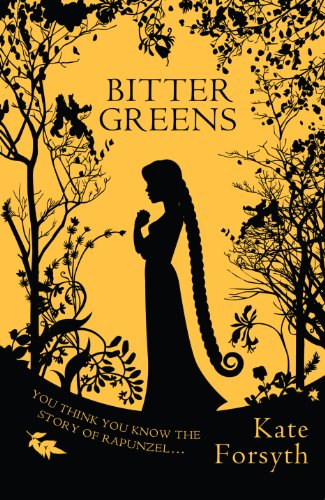
                • Cover of Bitter Greens
                  Bitter Greens

                  Kate Forsyth · standalone novel · 2012

                  similar byhistorical fantasyforbidden loveart and artistseurope

                  "After Margherita's father steals parsley from the walled garden of the courtesan Selena Leonelli, he is threatened with having both hands cut off, unless he and his wife relinquish their precious little girl. Selena is the famous red-haired muse of the artist Tiziano, first painted by him in 1512 and still inspiring him at the time of his death. She is at the center of Renaissance life in Venice, a world of beauty and danger, seduction and betrayal, love and superstition. Locked away in a tower, Margherita sings in the hope that someone will hear her. One day, a young man does"--Amazon.com.

                • Cover of Grendel
                  Grendel

                  John Gardner · standalone novel · 1971

                  similar bymedievaleuropeliterary & generalreflective

                  Between bouts of his war on the king of the Danish Norsemen, the monster philosophizes about life and fate.

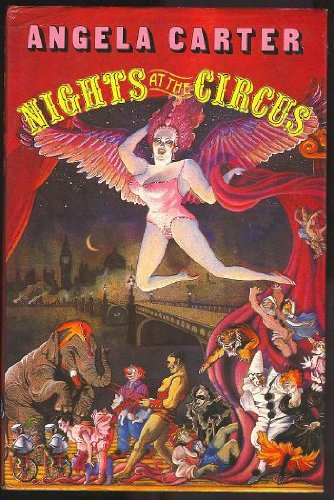
                • Cover of Nights at the Circus
                  Nights at the Circus

                  Angela Carter · standalone novel · 1984

                  similar bywhimsicalliterary & generaleuropebritish isles+1 more

                  Nights at the Circus is a novel by British writer Angela Carter, first published in 1984 and the winner of the 1984 James Tait Black Memorial Prize for fiction. The novel focuses on the life and exploits of Sophie Fevvers, a woman who is – or so she would have people believe – a Cockney virgin, hatched from an egg laid by unknown parents and ready to develop fully fledged wings. At the time of the story, she has become a celebrated aerialiste. She captivates the young journalist Jack Walser, who runs away with the circus and falls into a world that his journalistic exploits had not prepared him to encounter.

                • Cover of Hiddensee
                  Hiddensee

                  Gregory Maguire · standalone novel · 2017

                  similar byhistorical fantasyart and artistseuropereflective

                  Presents an imaginative tale rooted in early nineteenth-century German Romanticism that explores parallels between the origin legend of the famous Nutcracker with the life of Drosselmeier, the toymaker who carves him.

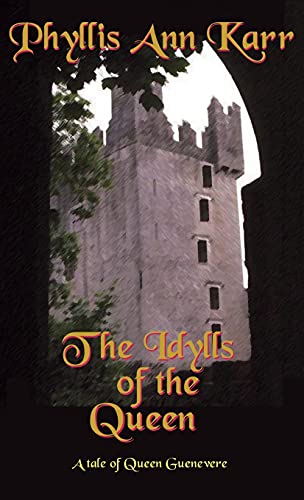
                • Cover of The Idylls of the Queen
                  The Idylls of the Queen

                  Phyllis Ann Karr · standalone novel · 1982

                  similar bymedievalhistorical fantasyreflectivecourt intriguebritish isles

                  A Tale of Queen Guenevere

                • Cover of Wings of the Storm
                  Wings of the Storm

                  Susan Sizemore · standalone novel · 1992

                  similar bymedievalhistorical fantasyforbidden loveeuropebritish isles

                  Wings of the Storm (Time Search #1) by Susan Sizemore (Goodreads Author) 3.63 · Rating details · 320 Ratings · 37 Reviews What was a woman to do? When an experiment gone wrong landed Dr. Jane Florian in the Middle Ages, she vowed to make the best of things. And if that meant posing as Lady Jehane from the Holy Land, cleaning the castle from tower to dungeon, ousting the hounds from the banquet hall, and giving the mistress of the hall a makeover, then she would... Unfortunately, she hadn't counted on her reaction to her new neighbor - the magnetic Sir Daffy. The Middle Ages might lack modern conveniences, but Jane had no complaints about the men. Sir Daffy's arrogant masculine sensuality fired her senses as no man from her own time had ever done....And yet, Jane's secrets weren't the only ones, for Sir Daffy was a man of mystery himself...

                • Cover of Children of the Light Isles
                  Children of the Light Isles

                  series · 2 books · 2002

                  similar bymedievalhistorical fantasy+3 more

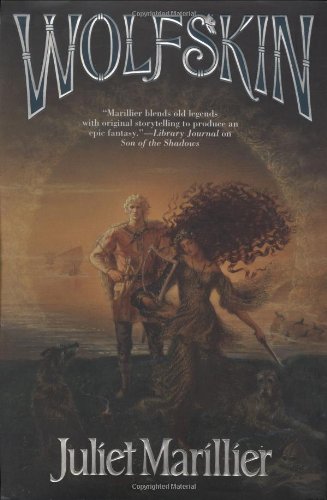
                  The Saga of the Light Isles is a historical fantasy duology by New Zealand writer Juliet Marillier, consisting of Wolfskin (2002) and Foxmask (2004).

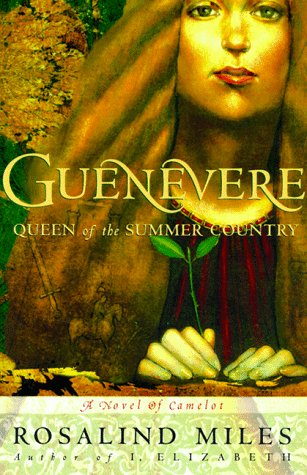
                • Cover of Guenevere
                  Guenevere

                  series · 3 books · 1999

                  similar bymedievalforbidden lovehistorical fantasybritish isles+1 more

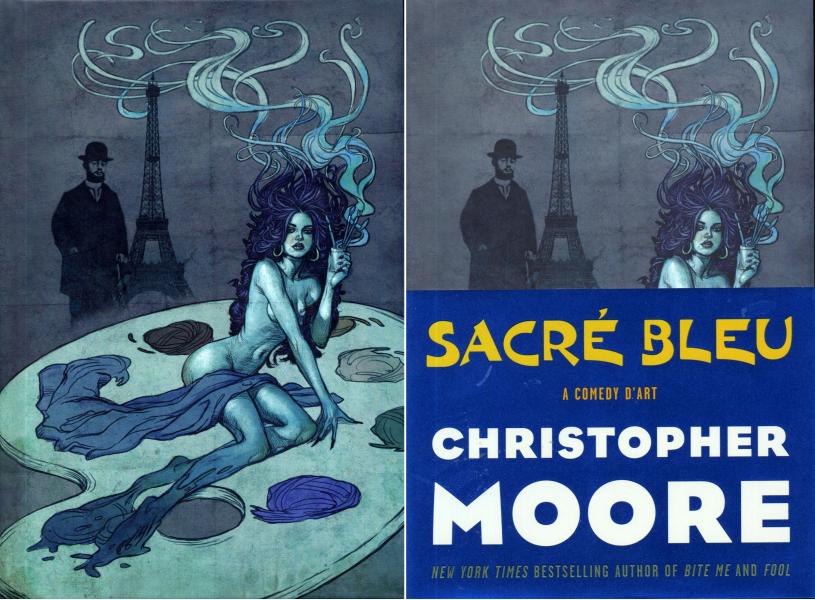
                • Cover of Sacré Bleu: A Comedy d'Art
                  Sacré Bleu: A Comedy d'Art

                  Christopher Moore · standalone novel · 2012

                  similar byart and artistseuropeliterary & general+2 more

                  "From repeat New York Times bestselling author Christopher Moore comes a love story, the portrait of a young artist, the portrait of the young artist's myterious girlfriend, a thriller, and a comedy -- all about the color blue"--

                • Cover of Margaret of Ashbury
                  Margaret of Ashbury

                  series · 3 books · 1989

                  completed

                  similar bymedievalhistorical fantasyeurope+2 more

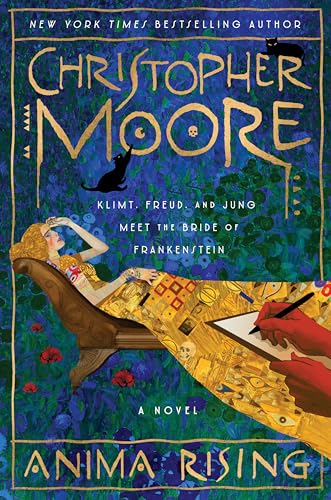
                • Cover of Anima Rising
                  Anima Rising

                  Christopher Moore · standalone novel · 2025

                  similar byhistorical fantasyart and artistseurope+1 more

                  Anima Rising is a satirical historical fantasy novel by American author Christopher Moore. It was published by William Morrow and Company on May 13, 2025. It takes place in 1911 Vienna and features real historical figures such as Gustav Klimt, Sigmund Freud and Carl Jung as characters, as well as the classic fictional character the Bride of Frankenstein.

                • Cover of Sevenwaters
                  Sevenwaters

                  series · 7 books · 1999

                  similar bymedievalhistorical fantasybritish isles+1 more

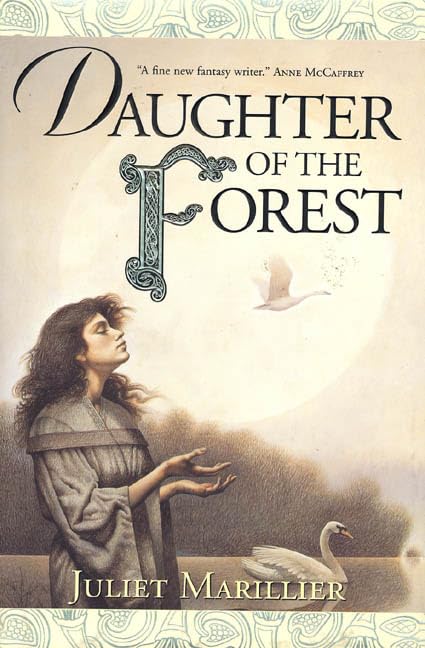
                  The Sevenwaters series is a historical fantasy series by New Zealand-born author Juliet Marillier, first published as three novels between 1999 and 2001, and then later extended. The series includes six novels: Daughter of the Forest (1999), Son of the Shadows (2000), Child of the Prophecy (2001), Heir to Sevenwaters (2008), Seer of Sevenwaters (2010), and Flame of Sevenwaters (2012).

                • Cover of The Little Animals
                  The Little Animals

                  Sarah Tolmie · standalone novel · 2019

                  similar byhistorical fantasyart and artistseuropereflective+1 more

                  The Little Animals is a 2019 historical fantasy novel by Sarah Tolmie, about Antonie van Leeuwenhoek.

                • Cover of Arcanum
                  Arcanum

                  Simon Morden · standalone novel · 2014

                  similar bymedievalhistorical fantasyeuropereflective

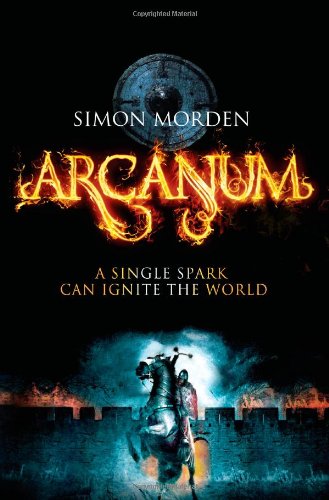
                  Rome was the center of the most powerful empire the world had ever seen, but that didn't stop it falling to Alaric the Goth, his horde of barbarian tribesmen and their wild spell-casting shamans. Having split the walls with their sorcery and slaughtered the inhabitants with their axes, the victors carved up the empire into a series of bickering states which were never more than an insult away from war. A thousand years later, and Europe has become an almost civilized place. The rulers of the old Roman palatinates confine their warfare to the short summer months, trade flourishes along the rivers and roads, and farming has become less back-breaking, all due to the magic, bestowed by gods, that infuses daily life. Even the barbarians' gods have been tamed: where once human sacrifices poured their blood onto the ground, there are parties and picnics, drinking and singing, fit for decent people and their children. But it looks like the gods are going to have the last laugh before they slip quietly into ill-remembered obscurity.

                • Cover of Lent
                  Lent

                  Jo Walton · standalone novel · 2019

                  similar byhistorical fantasyeuropeliterary & generalreflective

                  "Young Girolamo's life is a series of miracles. It's a miracle that he can see demons, plain as day, and that he can cast them out with the force of his will. It's a miracle that he's friends with Pico della Mirandola, the Count of Concordia. It's a miracle that when Girolamo visits the deathbed of Lorenzo "the Magnificent," the dying Medici is wreathed in celestial light, a surprise to everyone, Lorenzo included. It's a miracle that when Charles VIII of France invades northern Italy, Girolamo meets him in the field, and convinces him to not only spare Florence but also protect it. It's a miracle than whenever Girolamo preaches, crowds swoon. It's a miracle that, despite the Pope's determination to bring young Girolamo to heel, he's still on the loose...and, now, running Florence in all but name. That's only the beginning. Because Girolamo Savanarola is not who--or what--he thinks he is. He will discover the truth about himself at the most startling possible time. And this will be only the beginning of his many lives." - publisher

                • Cover of Mr. Vertigo
                  Mr. Vertigo

                  Paul Auster · standalone novel · 1994

                  similar bywhimsicalart and artistsliterary & general+1 more

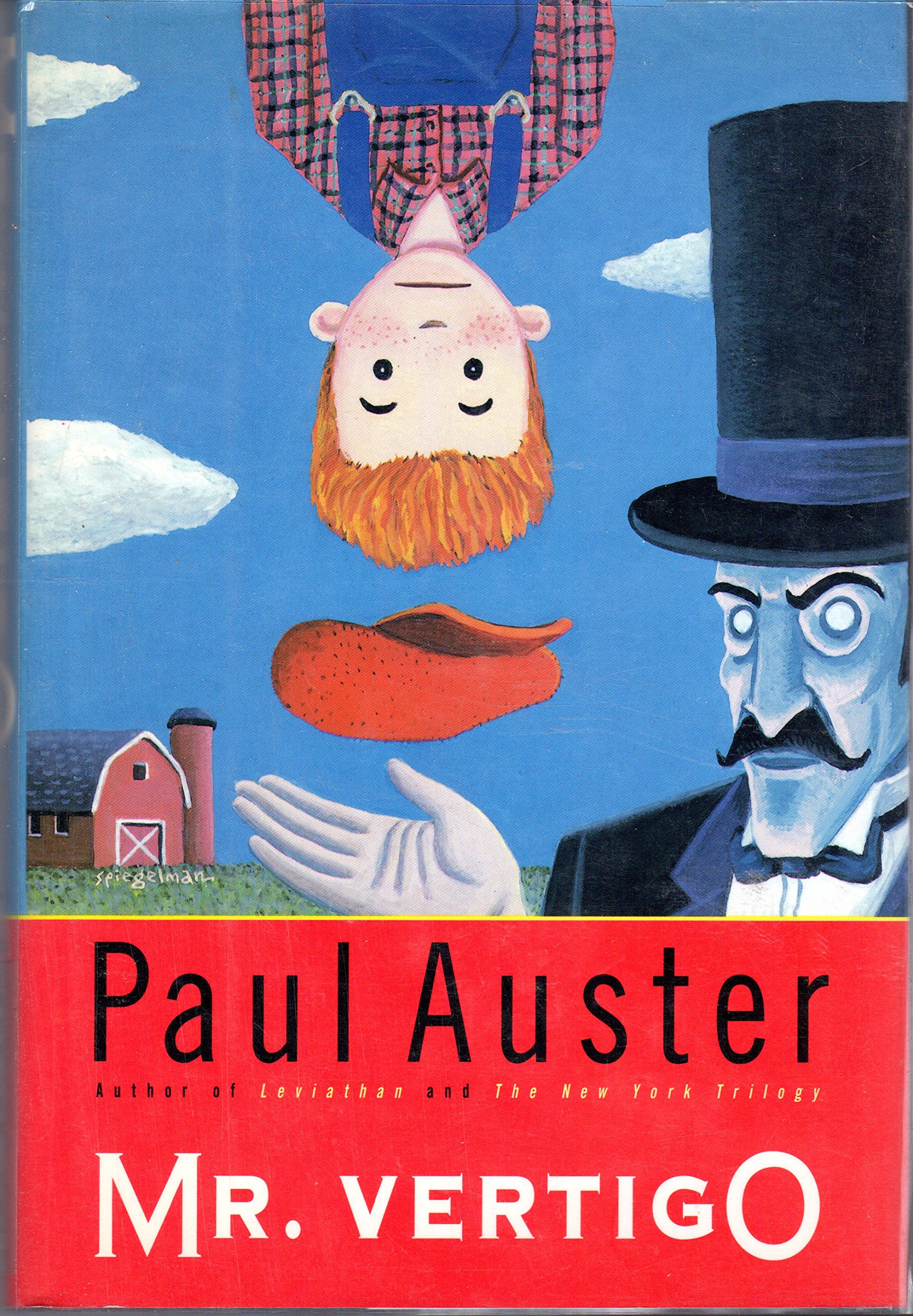
                  In the 1920s, an orphan is rescued from the streets of St. Louis by a mysterious foreigner who teaches him to fly and walk on water. Now an octogenarian, he tells the story of his vaudeville act.

                • Cover of Pfitz
                  Pfitz

                  Andrew Crumey · standalone novel · 1995

                  similar bywhimsicalart and artistsliterary & generaleurope

                  Pfitz is a 1997 novel by Scottish physicist and author Andrew Crumey. It concerns an 18th-century German prince who dedicates his life to the construction of imaginary cities. The name Pfitz is taken from an inhabitant of one of the prince's fanciful cities, Rreinnstadt.

                • Cover of The Sorceress of Rome
                  The Sorceress of Rome

                  Nathan Gallizier · standalone novel · 1907

                  similar bymedievaleuropehistorical fantasycourt intrigue

                  "Following his death, the Roman people suggested that Stefania, the widow of Crescentius II, had made Otto III fall in love with her and then poisoned him." --Wikipedia, "Otto III, Holy Roman Emperor" (980–1002) (as of 2018-02-09) The Sorceress of Rome opens in the year 999 and concludes with the deaths of both Otto and Stephania.

                • Cover of Victory City
                  Victory City

                  Salman Rushdie · standalone novel · 2023

                  similar bymedievalliterary & generalreflective+1 more

                  Victory City is a novel by Salman Rushdie published in February 2023. It is Rushdie's fifteenth novel.