More like Chromatic
but
- Stranger in a Strange Land
Robert A. Heinleinstandalone novel1961
similar byidentityreflectiveour worldnear futurescience fiction
Stranger in a Strange Land is a 1961 science fiction novel by the American author Robert A. Heinlein. It tells the story of Valentine Michael Smith, a human who comes to Earth in early adulthood after being born on the planet Mars and raised by Martians, and explores his interaction with and eventual transformation of Terran culture.
- Childhood's End
Arthur C. Clarkestandalone novel1953
similar byidentityreflectiveour worldnear futurescience fiction
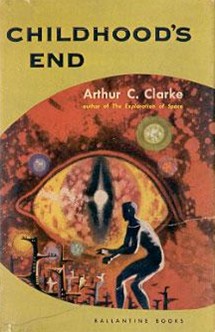
Childhood's End is a 1953 science fiction novel by the British author Arthur C. Clarke. The story follows a peaceful alien invasion of Earth by mysterious Overlords, whose arrival begins decades of apparent utopia under indirect alien rule, at the cost of human identity and culture.
- I Will Fear No Evil
Robert A. Heinleinstandalone novel1970
similar byidentityreflectiveour worldnear futurescience fiction
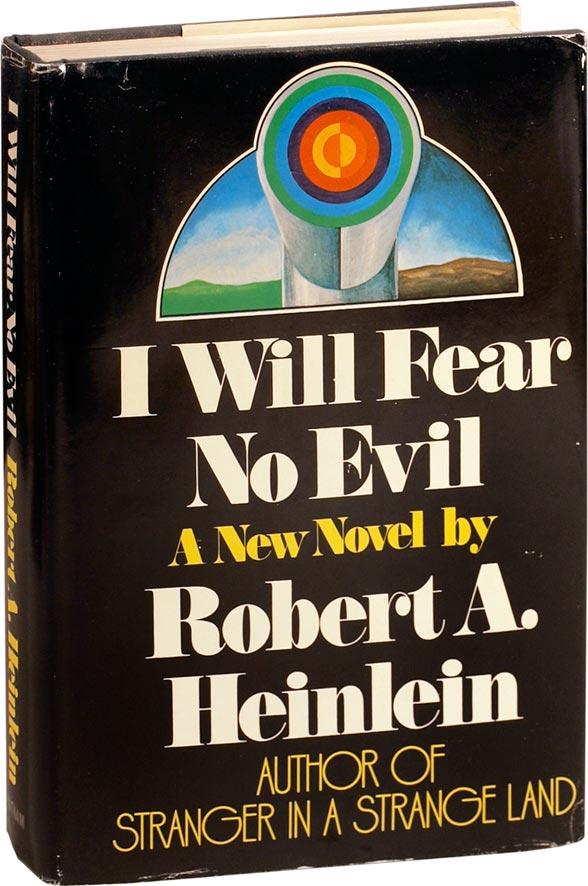
I Will Fear No Evil is a science fiction novel by American writer Robert A. Heinlein, originally serialised in Galaxy and published in hardcover in 1970. The title is taken from Psalm 23:4.
- Blade Runner Universe
series6 books1968
similar byidentitynear futurescience fiction+1 more
Philip K. Dick's 1968 novel Do Androids Dream of Electric Sheep? follows bounty hunter Rick Deckard as he tracks escaped androids through an irradiated, near-abandoned San Francisco, using the hunt to probe questions of empathy and what separates human from machine. The novel became the basis for Ridley Scott's 1982 film Blade Runner, and Marvel Comics later published an illustrated adaptation of that film. Together the two trace the story's path from prose original to screen and comic-page adaptation.
- Replay
Ken Grimwoodstandalone novel1987
similar byidentityreflectivefantasyour worldscience fiction
Replay is a fantasy novel by American writer Ken Grimwood, first published by Arbor House in 1987. It won the 1988 World Fantasy Award for Best Novel.
- American Gods
series10 books1999
similar byfantasyour world+2 more
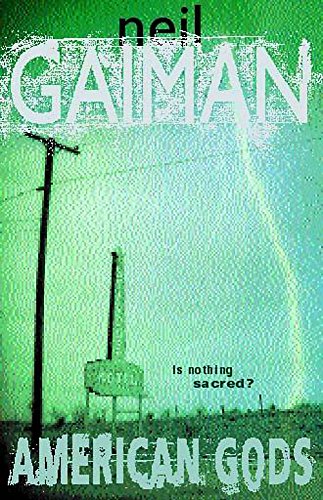
Neil Gaiman's American Gods (2001) follows Shadow Moon, an ex-convict who takes a job as bodyguard to a mysterious drifter who is secretly the Norse god Odin, and is drawn into a brewing conflict between the old immigrant gods of myth and the new gods of media, technology, and modern American life. Gaiman's 2005 novel Anansi Boys is set in the same mythological world and shares the trickster god Mr. Nancy, but follows a different protagonist and story, making it a loose companion rather than a direct sequel.
- Earthsea Cycle
series18 books1964
completed
part of Earthsea
similar byreflectivefantasy+2 more
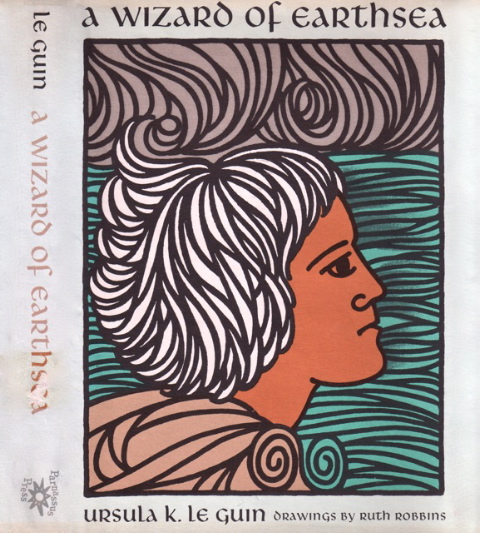
The Earthsea Cycle, also known as Earthsea, is a series of high fantasy books written by American author Ursula K. Le Guin. Beginning with A Wizard of Earthsea (1968), The Tombs of Atuan (1970), and The Farthest Shore (1972), the series was continued in Tehanu (1990), and Tales from Earthsea and The Other Wind. In 2018, all the novels and short stories were published in a single volume, The Books of Earthsea: The Complete Illustrated Edition, with artwork by Charles Vess.
- The Dream Master
Roger Zelaznystandalone novel1966
similar byidentityour worldnear futurescience fiction+1 more
The Dream Master (1966) is a science fiction novel by American writer Roger Zelazny, based on the novella He Who Shapes. Zelazny's original title was The Ides of Octember. He Who Shapes won the 1965 Nebula Award for Best Novella.
- Richard Forthrast
series2 books2011
similar byour worldscience fiction+3 more
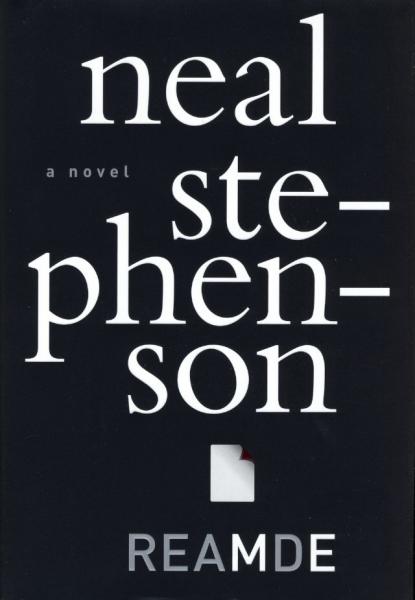
Neal Stephenson's Richard 'Dodge' Forthrast novels open with Reamde, a globe-spanning thriller that starts when ransomware inside an MMORPG economy pulls Richard's extended family into a real-world hostage crisis involving hackers, jihadists and Russian mobsters. The sequel Fall; or, Dodge in Hell shifts registers entirely, following Richard's digitally preserved mind after death into an afterlife simulation built from his scanned brain. The two books share a protagonist and family but differ sharply in genre and scale.
- Fahrenheit 451
series2 books1951
completed
similar bynear futurescience fiction+2 more
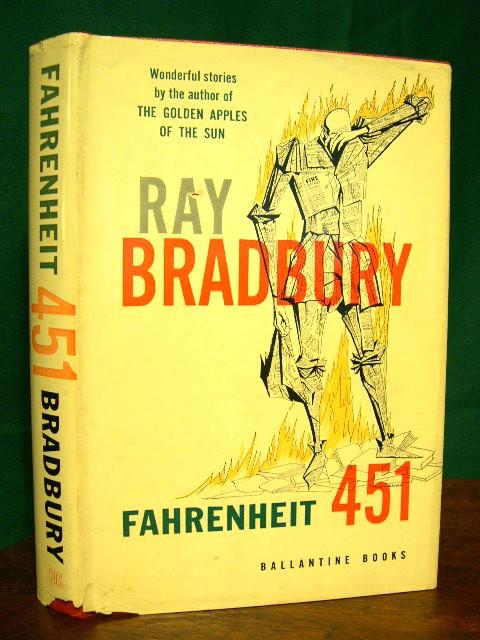
Fahrenheit 451 began life as "The Fireman," a novella Ray Bradbury published in 1951, which he then expanded into the full novel released in 1953 under its now-famous title. Set in a future where books are outlawed and firemen exist to burn them, it follows fireman Guy Montag as doubts about his job push him toward the very literature he's supposed to destroy. The novella and novel are one story's evolution rather than two separate books.
- Where Late the Sweet Birds Sang
Kate Wilhelmstandalone novel1976
similar byour worldnear futurescience fiction+2 more
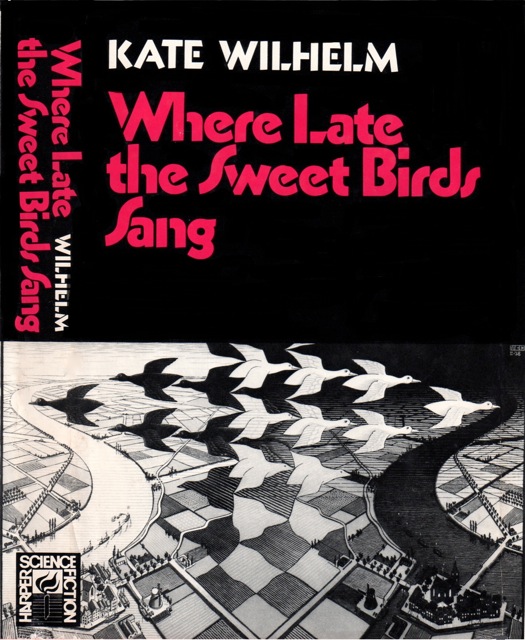
Where Late the Sweet Birds Sang is a science fiction novel by American writer Kate Wilhelm, published in 1976. The novel is composed of three parts, "Where Late the Sweet Birds Sang," "Shenandoah," and "At the Still Point," and is set in a post-apocalyptic era, a concept popular among authors who took part in the New Wave Science Fiction movement in the 1960s.
- We Can Build You
Philip K. Dickstandalone novel1972
similar byidentityreflectiveour worldnear futurescience fiction
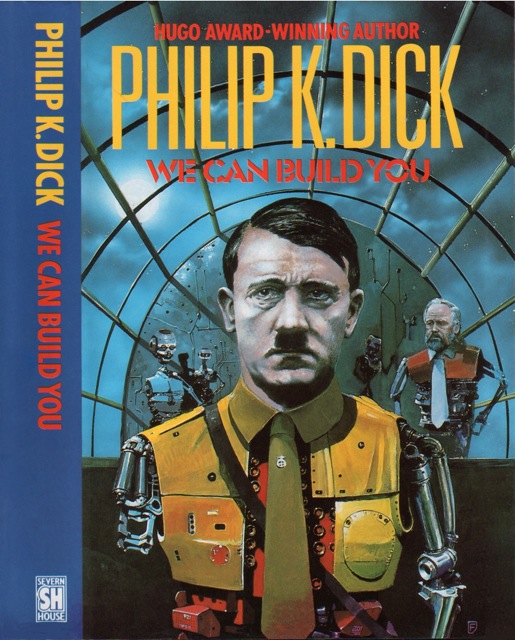
We Can Build You is a 1972 science fiction novel by American writer Philip K. Dick. Written in 1962 as The First in Our Family, it remained unpublished until appearing in serial form as A. Lincoln, Simulacrum in the November 1969 and January 1970 issues of Amazing Stories magazine, re-titled by editor Ted White. The novel was issued as a mass market paperback original by DAW Books in 1972, its final title provided by publisher Donald A. Wollheim. Its first hardcover edition was published in Italy in 1976, and Vintage issued a trade paperback in 1994.
- Library of America P. K. Dick Collection
series9 books1962
completed
similar bynear futurescience fiction+2 more
- Never Let Me Go
Kazuo Ishigurostandalone novel2005
similar byidentityreflectiveour worldnear futurescience fiction
Never Let Me Go is a 2005 science fiction novel by the British author Kazuo Ishiguro. It was shortlisted for the 2005 Man Booker Prize, for the 2006 Arthur C. Clarke Award and the 2005 National Book Critics Circle Award. Time magazine named it the best novel of 2005. It included the novel in its '100 Best English-language novels published since 1923—the beginning of TIME'. It also received an ALA Alex Award in 2006. A film adaptation directed by Mark Romanek was released in 2010.
- Time Is the Simplest Thing
Clifford D. Simakstandalone novel1961
similar byreflectiveour worldnear futurescience fiction+1 more
Time Is the Simplest Thing is a science fiction novel by American writer Clifford D. Simak, first published in 1961. The story combines paranormal abilities with themes of space and time travel. The underlying theme is intolerance of ordinary people towards those with unusual abilities.
- Every Day
series3 books2012
similar byidentityreflectivefantasyour worldyoung adult
David Levithan's Every Day follows A, a consciousness with no fixed body who wakes each morning inside a different person's life, and who falls for a girl named Rhiannon despite the impossibility of ever staying in one body to be with her. The story continues from other perspectives in Another Day and, years later, Someday.
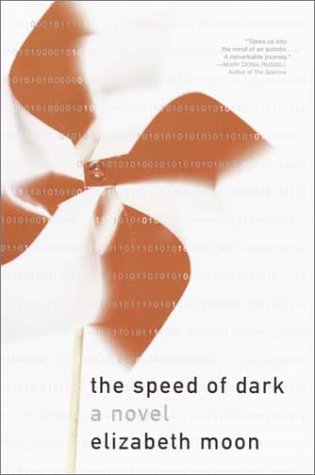
- The Speed of Dark
Elizabeth Moonstandalone novel2002
similar byidentityreflectiveour worldnear futurescience fiction
From the Penguin Random House website In the near future, disease will be a condition of the past. Most genetic defects will be removed at birth; the remaining during infancy. Lou Arrendale, a high-functioning autistic adult, is a member of the lost generation, born at the wrong time to reap the rewards of medical science. He lives a low-key, independent life. But then he is offered a chance to try a brand-new experimental "cure" for his condition. With this treatment Lou would think and act and be just like everyone else. But if he was suddenly free of autism, would he still be himself? Would he still love the same classical music — with its complications and resolutions? Would he still see the same colors and patterns in the world—shades and hues that others cannot see? Most important, would he still love Marjory, a woman who may never be able to reciprocate his feelings? Now Lou must decide if he should submit to a surgery that might completely change the way he views the world ... and the very essence of who he is.
- Emma / Charlotte
series3 books1962
similar byidentityreflectivefantasy+1 more
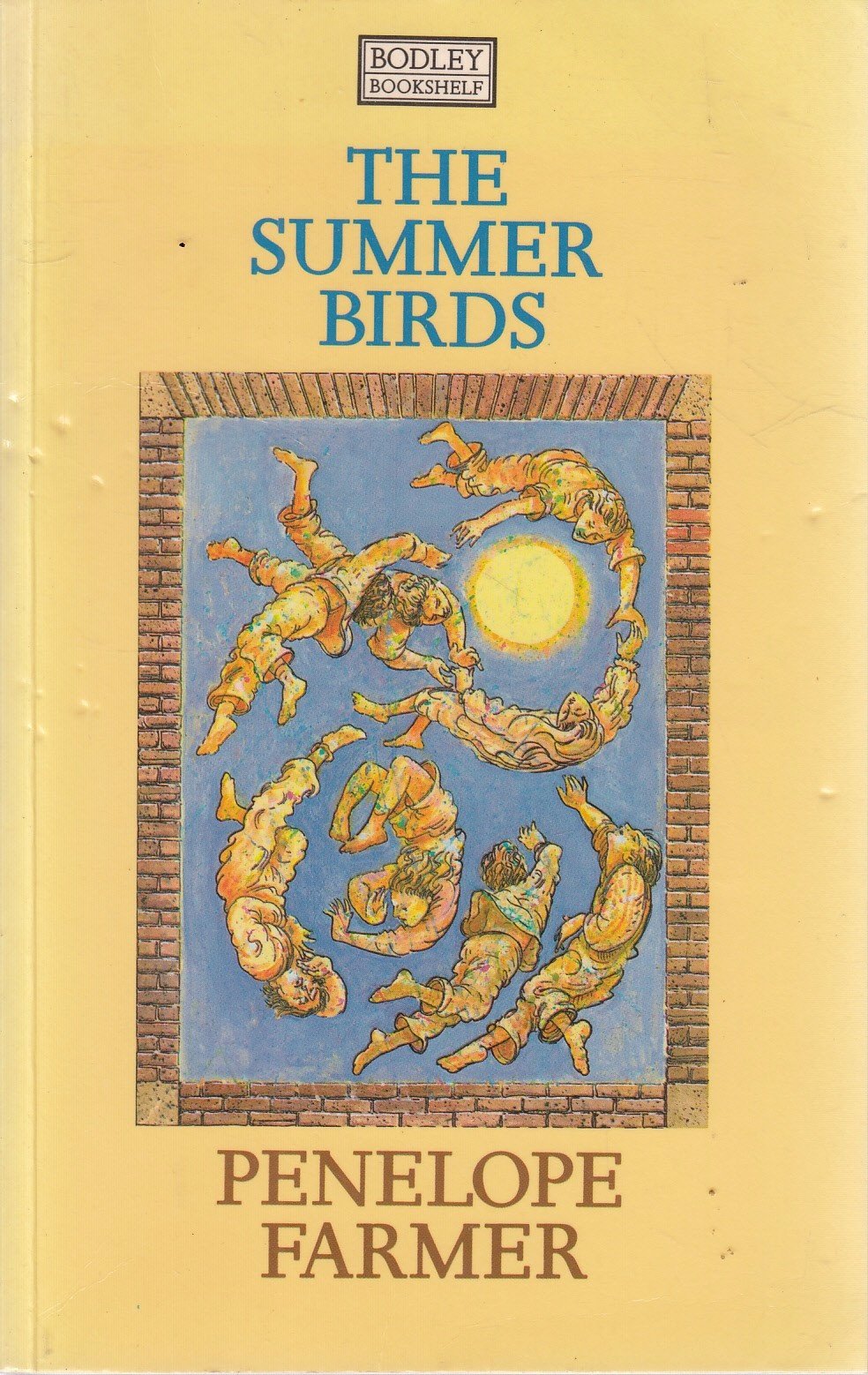
Penelope Farmer's Aviary Hall books follow the Makepeace sisters, Emma and Charlotte, across three novels: The Summer Birds, Emma in Winter, and the best-known Charlotte Sometimes (1969), in which a boarding-school girl swaps places nightly with a counterpart living forty years earlier. The books blend everyday childhood settings with subtle fantasy and time-slip elements.
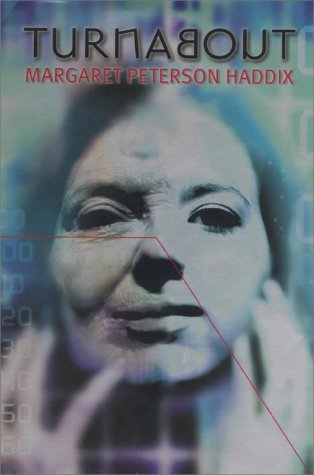
- Turnabout
Margaret Peterson Haddixstandalone novel2000
similar byidentityreflectiveour worldnear futureyoung adultscience fiction
Turnabout is a novel by Margaret Peterson Haddix, set in the future. It was first published in 2000 by the Aladdin division of Simon & Schuster, Inc. The novel switches between 2002 and 2085 by chapter.
- The Collected Stories of Philip K. Dick
series11 books1987
completed
similar byidentityour worldscience fiction+2 more
The Collected Stories of Philip K. Dick is a collection of 118 science fiction stories by American writer Philip K. Dick. It was first published by Underwood-Miller in 1987 as a five volume set. See Philip K. Dick bibliography for information about the mass market reprints.
- Godbody
Theodore Sturgeonstandalone novel1986
similar byidentityreflectiveour worldscience fiction+1 more
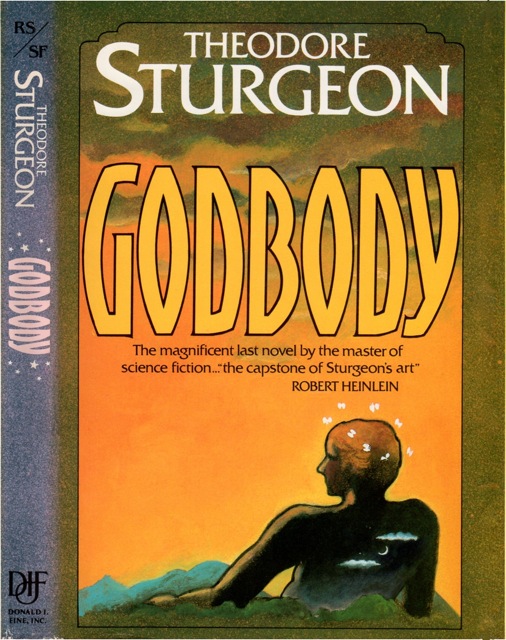
Godbody is a science fiction novel by American writer Theodore Sturgeon, published posthumously in 1986. A foreword, "Agape and Eros: The Art of Theodore Sturgeon", was contributed by Robert A. Heinlein and an afterword was contributed by Stephen R. Donaldson.
- More Than Human
Theodore Sturgeonstandalone novel1953
similar byidentityreflectiveour worldscience fiction
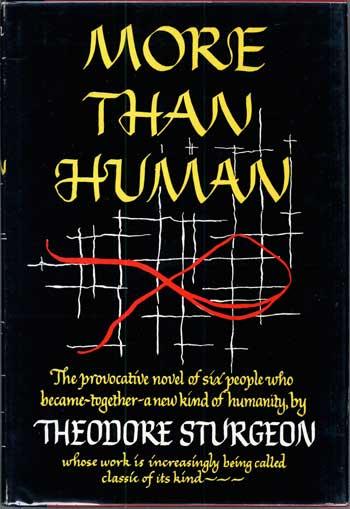
More Than Human is a 1953 science fiction fix-up novel by American writer Theodore Sturgeon. It is a revision and expansion of his 1952 novella Baby Is Three, which is bracketed by two additional parts written for the novel, "The Fabulous Idiot" and "Morality". It won the 1954 International Fantasy Award, which was also given to works in science fiction. It was additionally nominated in 2004 for a "Retro Hugo" award for the year 1954. Science fiction critic and editor David Pringle included it in his book Science Fiction: The 100 Best Novels.
- Dogs of War (Adrian Tchaikovsky)
series3 books2017
similar byour worldnear futurescience fiction+1 more
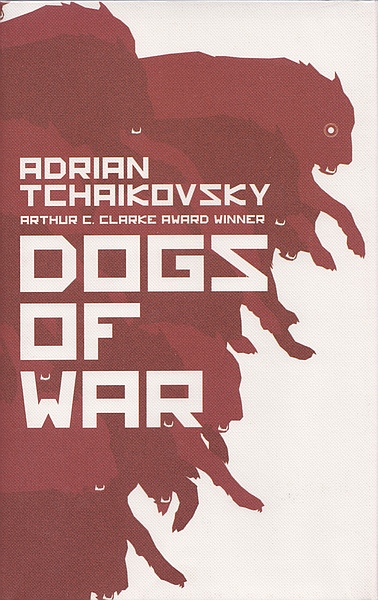
Adrian Tchaikovsky's Dogs of War follows Rex, a genetically engineered "Good Boy" - a hulking bioform supersoldier built for a private military contractor - as he begins to question the nature of his own obedience and personhood after his handler disappears. Dogs of War, Bear Head, and Bee Speaker widen from that first book's battlefield into questions of AI rights, corporate power, and non-human consciousness across a near-future Earth. The trilogy uses its engineered-animal soldiers to interrogate free will and loyalty rather than play them as straightforward action heroes.