More like Clockwork Asylum
anchored on:science fantasynear futurecyberpunkbig city
but
- A Clockwork Orange
series4 books1962
completed
similar bybig citynear futuredark+1 more
Anthony Burgess's 1962 novel is narrated by Alex, a teenage gang leader in a near-future Britain gripped by a youth subculture of extreme violence, recounting his crimes in Nadsat, an invented slang blending English with Russian-derived words. After his crimes catch up with him, Alex is made the subject of a controversial state program meant to forcibly reform his behavior, and the novel uses his ordeal to question whether imposed goodness is worth the loss of free will. It is a standalone novel.
- The Lathe of Heaven
Ursula K. Le Guinstandalone novel1971
similar bynear futurebig cityeerie+1 more
The Lathe of Heaven is a 1971 science fiction novel by American writer Ursula K. Le Guin, first serialized in the American science fiction magazine Amazing Stories. It won the 1972 Locus Award for Best Novel and was a finalist for the 1971 Nebula Award for Best Novel and 1972 Hugo Award for Best Novel. Two television film adaptations were released: the PBS production, The Lathe of Heaven (1980), and Lathe of Heaven (2002), a remake produced by the A&E Network.
- The Drowned World
J. G. Ballardstandalone novel1962
similar bymadnessnear futurebig cityeerie
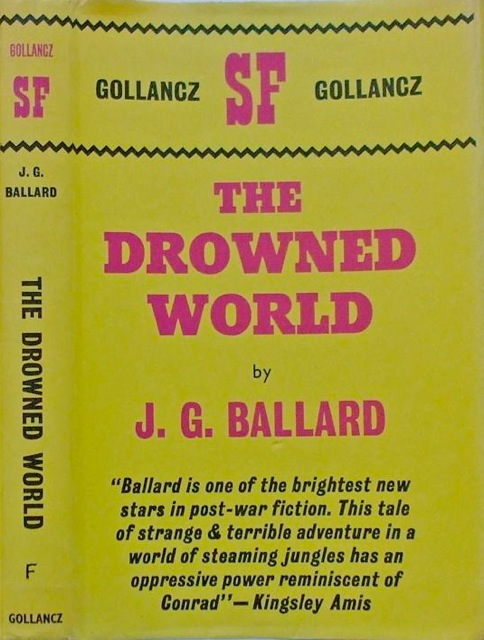
The Drowned World is a 1962 science fiction novel by J. G. Ballard. It first appeared in shortened form in the January 1962 issue of the UK edition of Science Fiction Adventures and was published in book form later that year by Victor Gollancz Ltd in London; an American edition followed from Berkley Medallion. Critics have grouped The Drowned World with Ballard's early science-fiction novels as part of an "ambiguous apocalypse" sequence that also includes The Drought and The Crystal World, from the period in which he was developing the ideas he described as "inner space". Set in a future in which solar radiation has melted the polar ice caps and transformed London into a flooded tropical lagoon, the novel follows biologist Robert Kerans as he becomes increasingly drawn toward the altered environment rather than toward restoring the old social order.
- The Sheep Look Up
John Brunnerstandalone novel1972
similar bynear futurebig citydark+1 more
The Sheep Look Up is a 1972 dystopian science fiction novel by British author John Brunner, dealing with the deterioration of the environment in the United States. It was nominated for the 1972 Nebula Award for Best Novel.
- Rosemary Reilly
series2 books1967
completed
similar bybig city+2 more
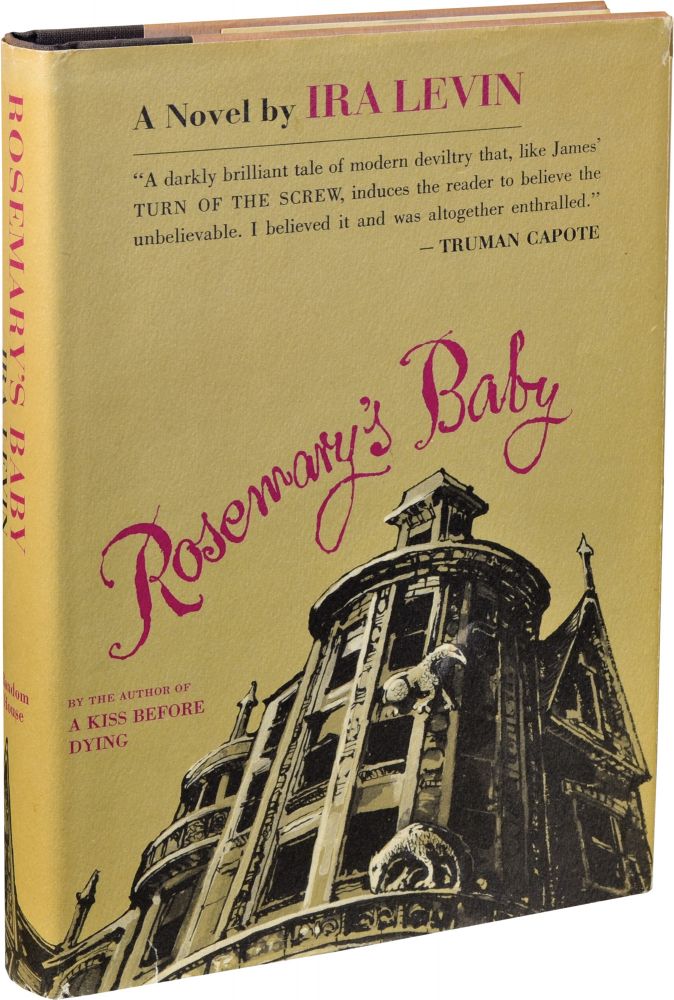
Rosemary's Baby follows a young wife in a Gothic Manhattan apartment building who grows increasingly convinced that her elderly neighbors, and even her own husband, are part of a conspiracy surrounding her pregnancy. Ira Levin returned to the character thirty years later in the 1997 sequel Son of Rosemary. Together the two novels form a short, self-contained horror series about faith, control, and motherhood.
- New Crobuzon
series4 books2000
similar bydark+3 more
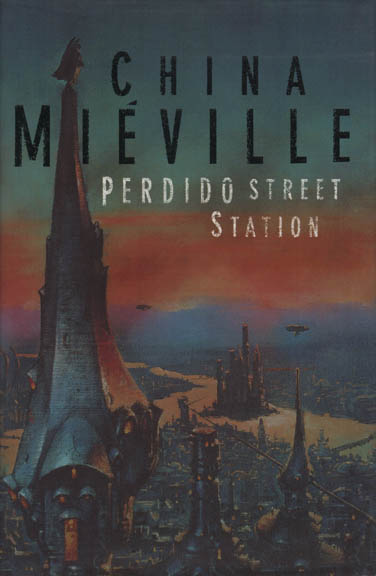
The New Crobuzon books are three standalone novels by China Miéville set in and around New Crobuzon, a vast, corrupt industrial city in his invented world of Bas-Lag where magic, biopunk technology, and several sentient species coexist. Perdido Street Station follows a renegade scientist and his lover after an experiment unleashes something monstrous on the city, while The Scar and Iron Council return to the same setting with different casts and only loose continuity between books.
- High-Rise
J. G. Ballardstandalone novel1975
similar bymadnessnear futurebig citydark
High-Rise is a 1975 novel by British writer J. G. Ballard. The story describes the disintegration of a luxury high-rise building as its affluent residents gradually descend into violent chaos. As with Ballard's previous novels Crash (1973) and Concrete Island (1974), High-Rise inquires into the ways in which modern social and technological landscapes could alter the human psyche in provocative and hitherto unexplored ways. It was adapted into a film of the same name, in 2015, by director Ben Wheatley.
- Song of Kali
Dan Simmonsstandalone novel1985
similar bymadnessbig citydarkeerie
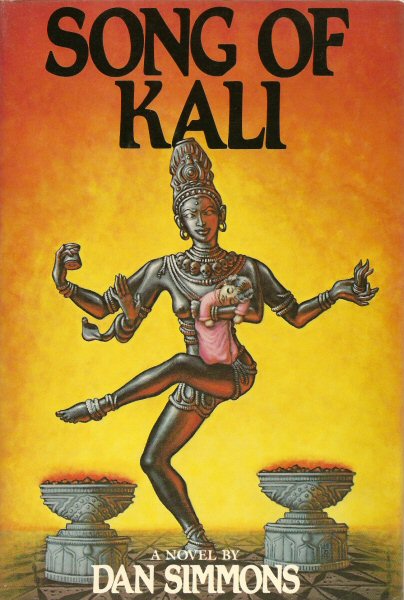
Song of Kali is a horror novel by American writer Dan Simmons, published in 1985. The story deals with an American intellectual who travels to Calcutta, India, where he becomes embroiled in mysterious and horrific events at the centre of which lies a cult of Kapalikas that worships Kali.
- The Invisible Man
series6 books1897
similar by+2 more
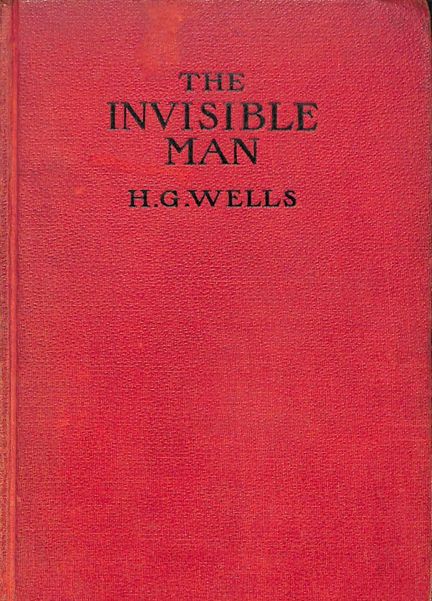
The Invisible Man is H. G. Wells's 1897 science fiction novel about Griffin, a scientist who works out how to make living tissue invisible and tests the process on himself, only to discover he has no way to reverse it. Unseen and increasingly cut off from other people, he turns to theft and violence while trying to survive and find a cure, making the book as much about his moral collapse as about the invisibility premise itself. It's a single self-contained novel; the two listed titles here are duplicate editions rather than separate books.
- Ambergris
series20 books1996
similar bybig city+1 more
Ambergris is the fictional, fungus-ridden city Jeff VanderMeer uses as the throughline for a loosely connected cycle of increasingly strange fiction, beginning with the linked stories of City of Saints and Madmen. Shriek: An Afterword recasts the city's history through a historian's biography of her artist brother's disappearance into its underground; Finch turns to a hardboiled detective investigating a murder after the city's balance of power has shifted. Each book changes form and narrator, using the setting itself as the connective tissue rather than a continuing plot.
- Bridge Trilogy
series4 books1990
similar bynear futurebig citycyberpunk+1 more
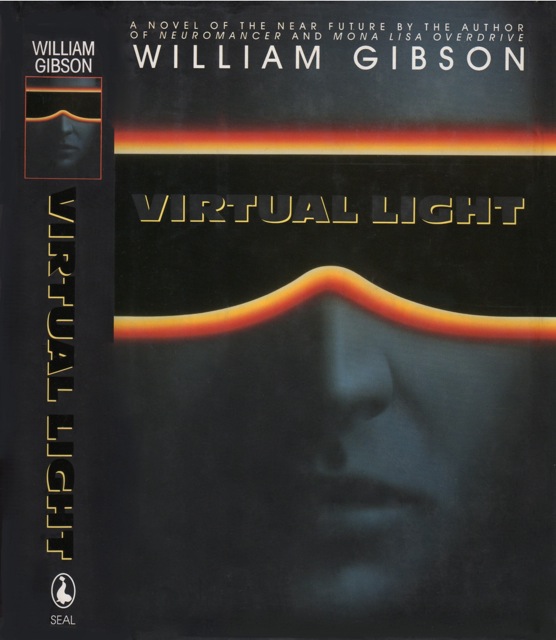
The Bridge trilogy is a series of novels by William Gibson, his second after the successful Sprawl trilogy. The trilogy comprises the novels Virtual Light (1993), Idoru (1996) and All Tomorrow's Parties (1999). A short story, "Skinner's Room", was originally composed for Visionary San Francisco, a 1990 museum exhibition exploring the future of San Francisco.
- Frankenstein
universe128 books1818
Start hereFrankenstein, or, The Modern Prometheus · Start here
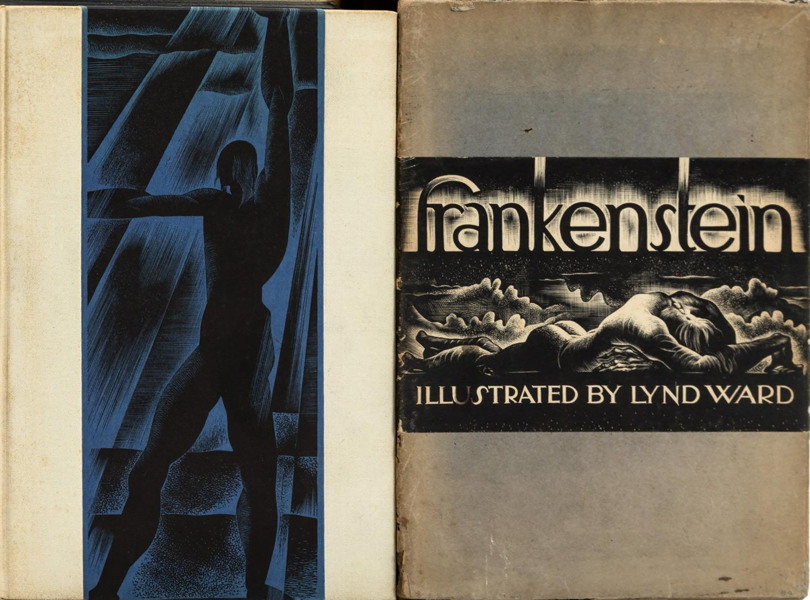
Light a candle against the November dark and consider what a single spark, rightly applied to dead matter, might wake. In a laboratory at Ingolstadt a student named Victor Frankenstein learns the secret of animating lifeless flesh, assembles a being from the harvest of charnel houses and graves, and, at the moment it draws breath, flees the thing he has made. What he abandons does not stay abandoned. This is the world Mary Shelley opened in 1818 with Frankenstein; or, The Modern Prometheus: the story of a maker and his unmothered creation, and the long ruin each works upon the other. Shelley's novel arrives as a nest of confessions, an explorer's letters from the frozen north enclosing Victor's account, which in turn encloses the Creature's own, an articulate and wounded voice that has read Milton and wants only not to be alone. From that single volume two centuries of other hands have built outward, not as one continuity but as a gathering of independent returns to the same fire. Dean Koontz transplants the myth to modern New Orleans across a five-book cycle, Prodigal Son through The Dead Town, where the original Creature, now called Deucalion, hunts a Victor who never died. Donald F. Glut's New Adventures and Frank Schildiner's Quest of Frankenstein run the monster through pulp adventure; the mid-century French novels published as Benoit Becker chase him across a ruined Europe; Scott Sonneborn's Frankenstein Journals and the comic Frankenstein's Aunt turn the legend toward younger and lighter readers. What binds them is the question the book asks and never settles: which is the monster, the forsaken creature who kills, or the man whose ambition and cowardice made and abandoned him? Expect little comfort and few clean villains; the abiding note is grief, sublime and articulate, set against Alpine ice and candlelit hubris. Begin where it began, with Shelley's own novel; the later cycles reward you only once you have heard the Creature speak for himself.
- Mirror to the Sky
Mark S. Gestonstandalone novel1992
similar bymadnessnear futurebig citydarkeerie
From the flaps of the AvoNova first edition: "The people of Earth call them "Gods" - handsome, secretive beings who came from the stars to live among humankind. Their motives are unknown - they share little of their knowledge, culture and technology with their inquisitive hosts. But after years spent in quiet, aristocratic isolation, the gods decided to display their artwork. A ship arrives from their world bearing paintings and sculpture of enormous and unsettling power - visual works that evoke intense emotional reactions and communicate startling truths to all who observe them. Almost immediately mass violence and insanity erupt across the globe. Even the gods themselves are unprepared for the chaos their exhibition has wrought - and are forced to flee their adopted planet, abandoning a handful of their race to the vengeful fury of the rampaging mobs. Great cities burn. Societies crumble. A boy recently resurrected from the dead seeks the hidden purpose behind the visitors' mission on Earth. While a tormented intelligence agent, a stranded diplomat and a brilliant alien artist inadvertently conspire to create a potentially enlightening and universally devastating new masterpiece - in anticipation of the catastrophic, inevitable return of the gods."
- Gormenghast
series6 books1946
completed
similar bydark+1 more
Gormenghast is a fantasy series by British author Mervyn Peake, about the inhabitants of Castle Gormenghast, a sprawling, decaying, Gothic structure. Originally conceived as a single on-going novel, the series was ended by Peake's death and comprises three novels: Titus Groan (1946), Gormenghast (1950) and Titus Alone (1959); and a novella, Boy in Darkness (1956). Peake was writing a fourth novel, Titus Awakes, at the time of his death in 1968. The book was completed by Peake's widow Maeve Gilmore in the 1970s, but was not published until 2011 after it was discovered by their family.
- The Island of Dr. Moreau
series12 books1896
similar by+1 more
H. G. Wells's 1896 novel The Island of Doctor Moreau follows a shipwrecked man stranded on a remote island where a reclusive scientist creates human-animal hybrids through vivisection, using the scenario to probe questions of cruelty, control, and what separates humanity from the beasts it experiments on. The premise has drawn later reimaginings gathered alongside it here, including Brian Aldiss's Moreau's Other Island and Silvia Moreno-Garcia's The Daughter of Doctor Moreau, each transplanting Wells's central idea into a new setting and voice. Taken together, the group traces one unsettling premise across more than a century of speculative fiction rather than forming a single ongoing story.
- The House on the Borderland
William Hope Hodgsonstandalone novel1908
similar bymadnessdarkeerie
The House on the Borderland (1908) is a supernatural horror novel by British fantasist William Hope Hodgson. The novel is a hallucinatory account of a recluse's stay at a remote house, and his experiences of supernatural creatures and otherworldly dimensions.
- Coldheart Canyon
Clive Barkerstandalone novel2001
similar bybig citydarkeerie+1 more
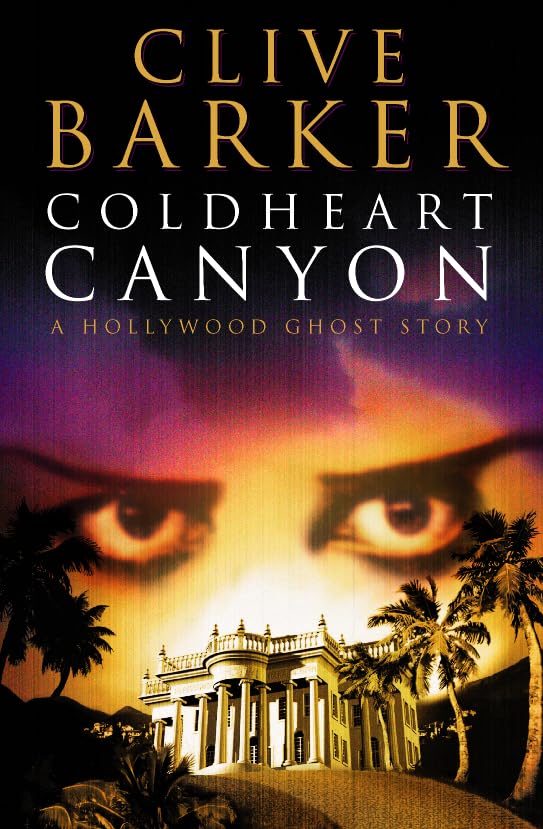
Coldheart Canyon is a novel by Clive Barker, published in 2001 by HarperCollins. The story centers on Todd Pickett, a failing movie star, and Tammy Lauper, Todd's obsessive fan.
- Sprawl Trilogy
series10 books1981
similar bynear futurebig citydarkcyberpunk
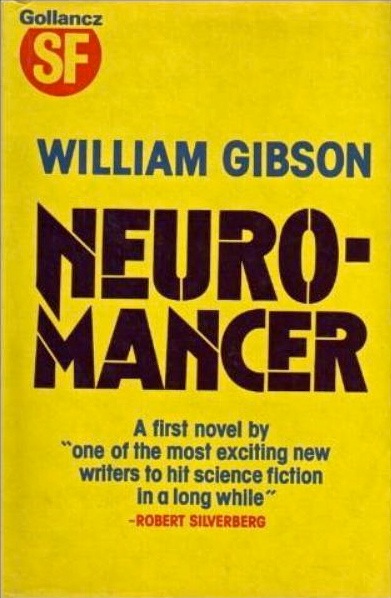
The Sprawl Trilogy is William Gibson's foundational cyberpunk sequence: Neuromancer (1984), in which hacker Case is drawn into a high-stakes heist alongside an artificial intelligence and a damaged ex-soldier, followed by Count Zero (1986) and Mona Lisa Overdrive (1988), which widen the same near-future world of corporate power and networked cyberspace to new characters. Johnny Mnemonic, an early short story set in the same fictional milieu, predates the novels and introduces the courier Molly Millions before her role in the trilogy. Together these works established much of cyberpunk's visual and thematic vocabulary.
- Ice
Anna Kavanstandalone novel1967
similar bymadnessdarkeerie+1 more
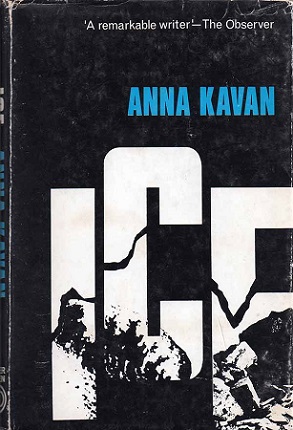
Ice is a novel by British writer Anna Kavan, published in 1967. Ice was Kavan's last work to be published before her death, the first to land her mainstream success, and remains her best-known work. Generally regarded as genre-defying, it has been labelled a work of science fiction, Nouveau roman, and slipstream fiction.
- Crash
J. G. Ballardstandalone novel1973
similar bymadnessbig citydark
Crash is a novel by J. G. Ballard, first published in 1973 with a cover designed by Bill Botten. It follows a group of car-crash fetishists who, inspired by the famous crashes of celebrities, become sexually aroused by staging and participating in car accidents.
- Dhalgren
Samuel R. Delanystandalone novel1975
similar bymadnessbig cityeerie
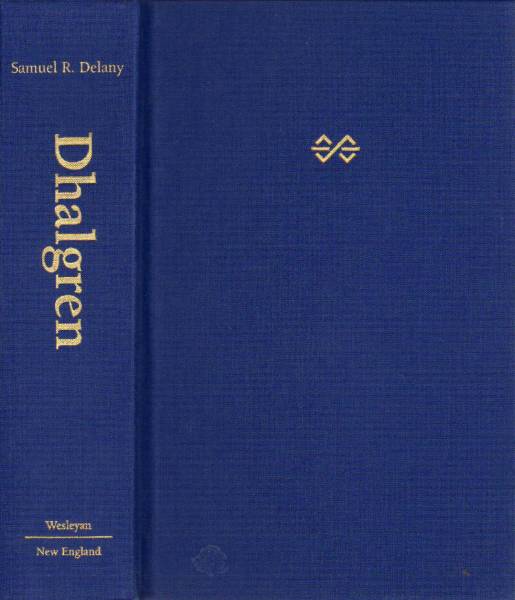
Dhalgren is a 1975 science fiction novel by American writer Samuel R. Delany. It features an extended trip to and through Bellona, a fictional city in the American Midwest cut off from the rest of the world by an unknown catastrophe. It is number 33 on the 20th Century's Greatest Hits: 100 English-Language Books of Fiction list.