More like Composite Creatures
anchored on:science fictionecological collapseour worldnear futuredystopiagenetic engineering+2 more
but
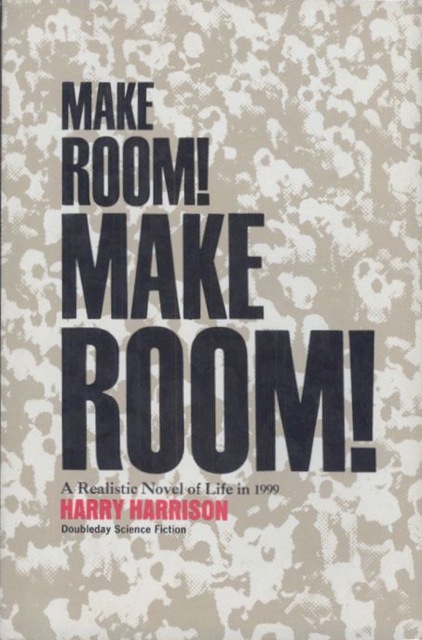
- Make Room! Make Room!
Harry Harrisonstandalone novel1966
similar bydarkour worldnear futurescience fictiondystopiasurvivalecological collapse
Make Room! Make Room! is a 1966 science fiction novel written by Harry Harrison exploring the consequences of both unchecked population growth on society and the hoarding of resources by a wealthy minority. It was originally serialized in Impulse magazine.
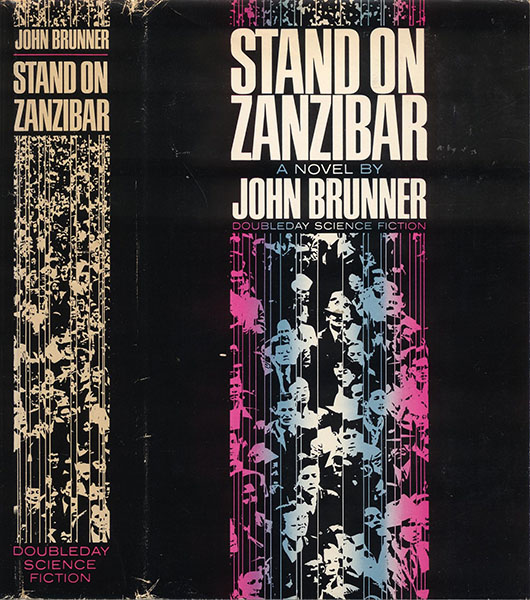
- Stand on Zanzibar
John Brunnerstandalone novel1968
similar bydarkour worldnear futurescience fictiondystopiagenetic engineering
Stand on Zanzibar is a dystopian New Wave science fiction novel written by John Brunner and first in part published in New Worlds magazine in 1967 and in book form in 1968. The book won a Hugo Award for Best Novel at the 27th World Science Fiction Convention in 1969, as well as the 1969 BSFA Award and the 1973 Prix Tour-Apollo Award.
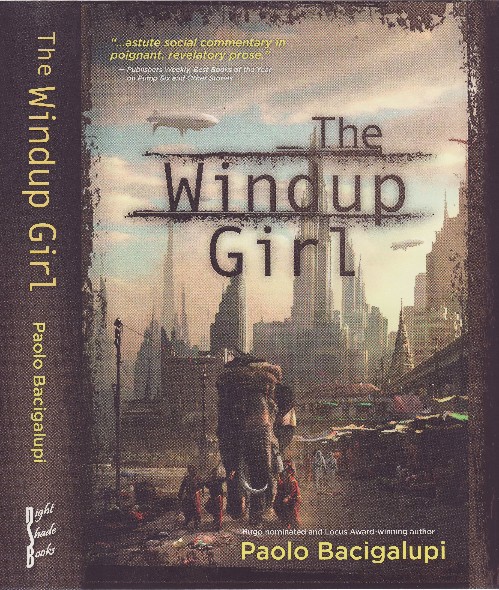
- The Windup Universe
series3 books2005
similar bydarknear futurescience fictionour worlddystopiagenetic engineeringecological collapse
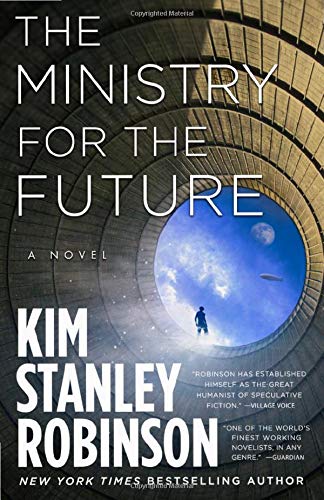
- The Ministry for the Future
Kim Stanley Robinsonstandalone novel2020
similar byour worldnear futurescience fictionecological collapsedystopiasurvival+2 more
The Ministry for the Future is a climate fiction novel by American science fiction writer Kim Stanley Robinson, published in 2020. Set in the near future, the novel follows a subsidiary body, established under the Paris Agreement, whose mission is to act as an advocate for the world's future generations of citizens as if their rights were as valid as the present generation's. While the ministry pursues various ambitious projects, the effects of climate change are determined to be the most consequential. The plot primarily follows Mary Murphy, the head of the titular Ministry for the Future, and Frank May, an American aid worker traumatized by experiencing a deadly heat wave in India. Many chapters are devoted to other characters' accounts of future events, as well as their ideas about ecology, economics, and other subjects.
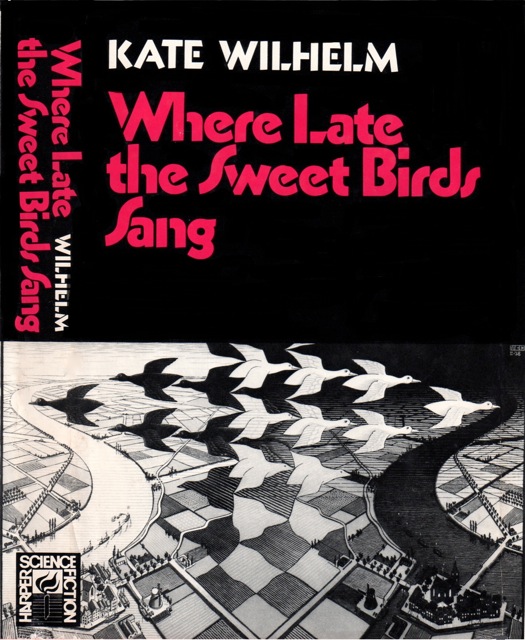
- Where Late the Sweet Birds Sang
Kate Wilhelmstandalone novel1976
similar bydarkour worldnear futurescience fictionsurvivalecological collapse+1 more
Where Late the Sweet Birds Sang is a science fiction novel by American writer Kate Wilhelm, published in 1976. The novel is composed of three parts, "Where Late the Sweet Birds Sang," "Shenandoah," and "At the Still Point," and is set in a post-apocalyptic era, a concept popular among authors who took part in the New Wave Science Fiction movement in the 1960s.
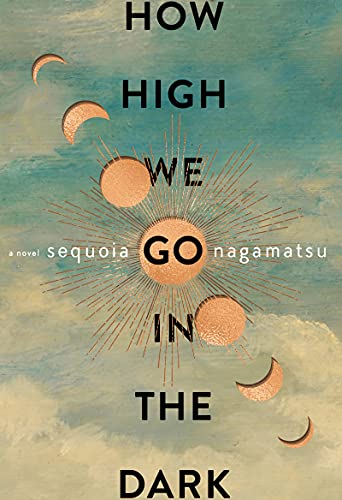
- How High We Go in the Dark
Sequoia Nagamatsustandalone novel2022
similar bydarkour worldnear futurescience fictiondystopiaecological collapsegrief and loss+1 more
(Robin MacArthur, in Scientific American): "[A] dystopian narrative set in the near future about an ancient virus that is uncovered by a scientist ... while she is researching melting permafrost in the Arctic."
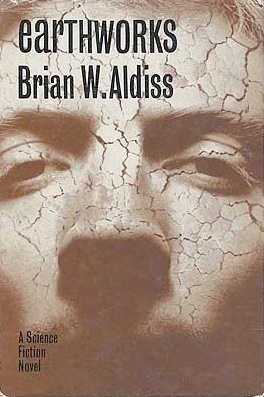
- Earthworks
Brian W. Aldissstandalone novel1965
similar bydarkour worldnear futurescience fictionecological collapsedystopia
Earthworks is a 1965 dystopian science fiction novel by British science fiction author Brian Aldiss. The novel draws its premise from prevalent fears about population growth and overcrowding of the Earth.
- MaddAddam
series3 books2003
similar bydarknear futurescience fictiondystopiagenetic engineeringsurvivalecological collapse
Margaret Atwood's MaddAddam trilogy (Oryx and Crake, The Year of the Flood, MaddAddam, 2003-2013) is set around a genetically engineered pandemic unleashed deliberately by the brilliant, disillusioned scientist Crake, who intends the deadly 'BlyssPluss' pill to wipe out humanity and clear the way for the gentler, engineered Crakers he has designed to replace it. Told from the perspectives of survivors including Crake's old friend Jimmy (now calling himself Snowman), the trilogy pieces together the pandemic's causes and its aftermath from multiple, overlapping vantage points.
- The Future
Naomi Aldermanstandalone novel2023
similar bydarkour worldnear futurescience fictionecological collapsedystopia
The Future is a 2023 science fiction novel by English writer Naomi Alderman, published by Simon & Schuster. The novel is set in a future dystopia where the world has been altered by environmental crisis and a powerful technocracy.
- A Clockwork Orange
series4 books1962
completed
similar bydarkscience fictionnear futureour worlddystopia
Anthony Burgess's 1962 novel is narrated by Alex, a teenage gang leader in a near-future Britain gripped by a youth subculture of extreme violence, recounting his crimes in Nadsat, an invented slang blending English with Russian-derived words. After his crimes catch up with him, Alex is made the subject of a controversial state program meant to forcibly reform his behavior, and the novel uses his ordeal to question whether imposed goodness is worth the loss of free will. It is a standalone novel.
- The Hopkins Manuscript
R. C. Sherriffstandalone novel1939
similar bydarknear futurescience fictionour worlddystopiasurvivalecological collapse
The Hopkins Manuscript is a dystopian science fiction novel by R. C. Sherriff, first published in 1939 by Victor Gollancz. In 1958 it was reissued in a revised edition as a Pan paperback under the title The Cataclysm. The novel was later republished under its original title by The Macmillan Company in 1963 and by Persephone Books in 2002.
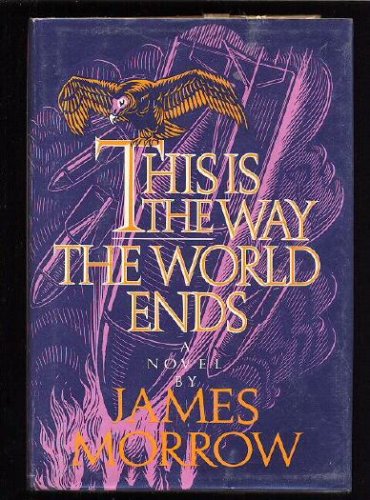
- This Is the Way the World Ends
James Morrowstandalone novel1986
similar bydarkour worldnear futurescience fictionsurvivalecological collapse+1 more
This Is the Way the World Ends is a post-apocalyptic novel by American writer James K. Morrow, published in 1986.
- Greybeard
Brian W. Aldissstandalone novel1964
similar byour worldnear futurescience fictionreflectivedystopiasurvivalgrief and loss
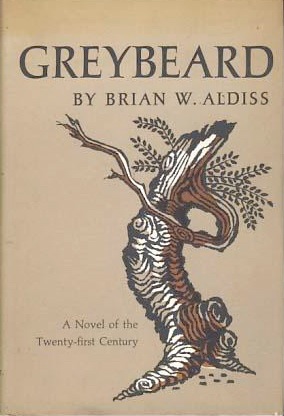
Long after a catastrophe that has sterilized humans and most other mammals, the 54-year-old protagonists—Greybeard and Martha—take a tour of entropic England. In scattered self contained communities only the old survive, while outside these enclaves nature comes back into its own, peopling the land with new animal life.
- The World Set Free
H. G. Wellsstandalone novel1914
similar bydarkour worldnear futurescience fictiondystopia
The World Set Free is a novel written in 1913 and published in 1914 by H. G. Wells. The book is based on a prediction of a more destructive and uncontrollable sort of weapon than the world has yet seen. It had appeared first in serialised form with a different ending as A Prophetic Trilogy, consisting of three books: A Trap to Catch the Sun, The Last War in the World and The World Set Free.
- Ice
Anna Kavanstandalone novel1967
similar bydarkour worldscience fictiondystopiasurvivalecological collapse+1 more
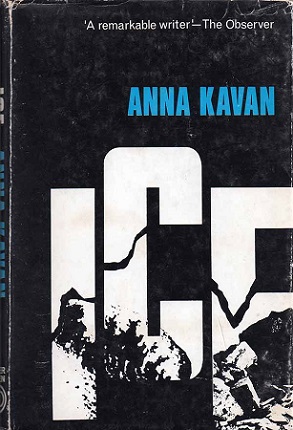
Ice is a novel by British writer Anna Kavan, published in 1967. Ice was Kavan's last work to be published before her death, the first to land her mainstream success, and remains her best-known work. Generally regarded as genre-defying, it has been labelled a work of science fiction, Nouveau roman, and slipstream fiction.
- The Wind from Nowhere
J. G. Ballardstandalone novel1962
similar bydarkour worldnear futurescience fictiondystopiasurvivalecological collapse
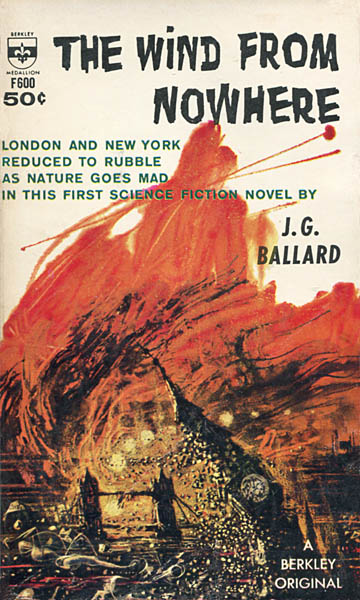
The Wind from Nowhere is a science fiction novel by English author J. G. Ballard. Published in 1962, it was his debut novel. He had previously published only short stories.
- Feed
M. T. Andersonstandalone novel2002
similar bydarknear futurescience fictiondystopiaecological collapsegrief and loss+2 more
Feed (2002) is a cyberpunk, satirical, dystopian, young-adult novel by M. T. Anderson, focusing on issues such as American hegemony, corporate power, consumerism, information technology, data mining, and environmental decline, with a sometimes sardonic, sometimes somber tone. From the first-person perspective of a teenaged boy, the book takes place in a near-futuristic American culture completely dominated by advertising and corporate exploitation, corresponding to the enormous popularity of internetworking brain implants called feeds.
- Blood Music
Greg Bearstandalone novel1985
similar bydarkour worldnear futurescience fictiongenetic engineering
Blood Music is a 1985 science fiction novel by American writer Greg Bear. It is an expanded version of a short story of the same title, originally published in the June 1983 issue of Analog and the winner of both the 1983 Nebula and 1984 Hugo awards for Best Novelette. The novel won the 1986 Prix Apollo Award, given to the best science fiction novel published in France during the preceding year, under the title La Musique du sang.
- Earthseed
series7 books1993
similar bydarknear futurescience fictiondystopiasurvival+1 more
Octavia E. Butler's Earthseed novels, Parable of the Sower and Parable of the Talents, follow Lauren Olamina as she survives the collapse of a climate-ravaged, near-future United States and founds a belief system built on the idea that "God is Change." The two-book series was left unfinished at Butler's death; a planned third novel, Parable of the Trickster, was never completed. Later graphic-novel adaptations retell the same two stories rather than continuing the narrative.
- The Child Garden
Geoff Rymanstandalone novel1989
similar bydarkour worldnear futurescience fictiondystopiagenetic engineering
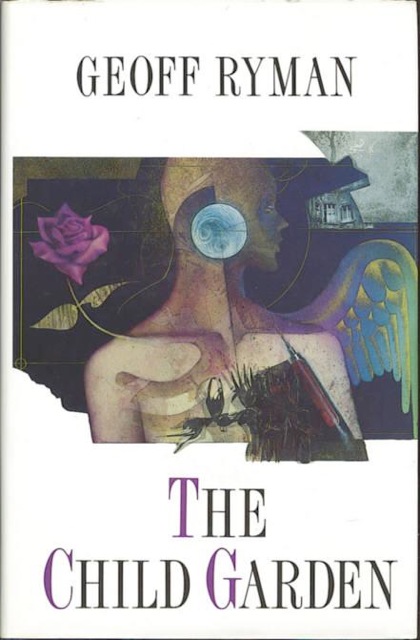
The Child Garden is a 1989 science fiction novel by Canadian writer Geoff Ryman.
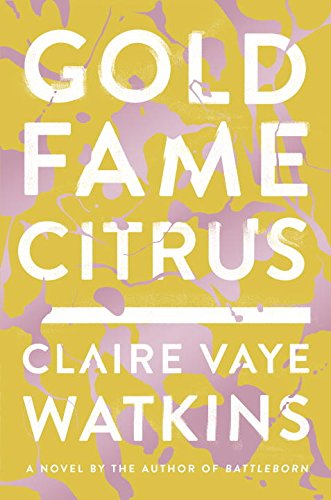
- Gold Fame Citrus
Claire Vaye Watkinsstandalone novel2015
similar bydarkour worldnear futurescience fictionecological collapsesurvival+1 more
Gold Fame Citrus is a 2015 speculative fiction novel by Claire Vaye Watkins. It is her second book, but her first novel. The work received positive reviews.
- Facial Justice
L. P. Hartleystandalone novel1960
similar bydarkour worldnear futurescience fictiondystopia+1 more
Post World War III novel with underground population again coming to live on the surface.
- Telempath
Spider Robinsonstandalone novel1976
similar bydarknear futurescience fictiondystopiasurvival+2 more
Telempath is a science fiction novel by Canadian writer Spider Robinson, set in a dystopian near-future in which human cities have fallen into ruin and the population has been sharply reduced. The novel, Robinson's first, is an expansion of his 1977 Hugo Award-winning novella By Any Other Name. It was first published under the Berkley imprint of G. P. Putnam's Sons in 1976.
- The Water Knife
Paolo Bacigalupistandalone novel2015
similar bydarknear futurescience fictionecological collapsedystopiasurvival
The Water Knife is a 2015 science fiction novel by Paolo Bacigalupi. It is Bacigalupi's sixth novel, and is based on his short story, The Tamarisk Hunter, first published in the news magazine High Country News. It takes place in the near future, where drought brought on by climate change has devastated the Southwestern United States.