More like Crache
anchored on:science fiction
but
- Player Piano
Kurt Vonnegut & Jr.standalone novel1952
similar byclass conflictdarkscience fictionnear future
In the near future, when cybernetic automation has effectively separated people into two castes, the "engineers and managers", and the remainder of the population who can find work only in "recycling and reclamation" or the largely useless military, an underground movement arises with the intention of rolling back those changes and giving the masses the dignity of owning their own, productive, work once more.
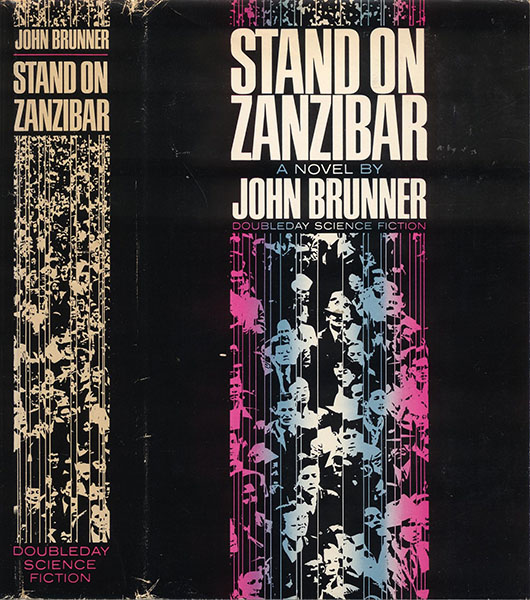
- Stand on Zanzibar
John Brunnerstandalone novel1968
similar bydarkscience fictionnear future+1 more
Stand on Zanzibar is a dystopian New Wave science fiction novel written by John Brunner and first in part published in New Worlds magazine in 1967 and in book form in 1968. The book won a Hugo Award for Best Novel at the 27th World Science Fiction Convention in 1969, as well as the 1969 BSFA Award and the 1973 Prix Tour-Apollo Award.
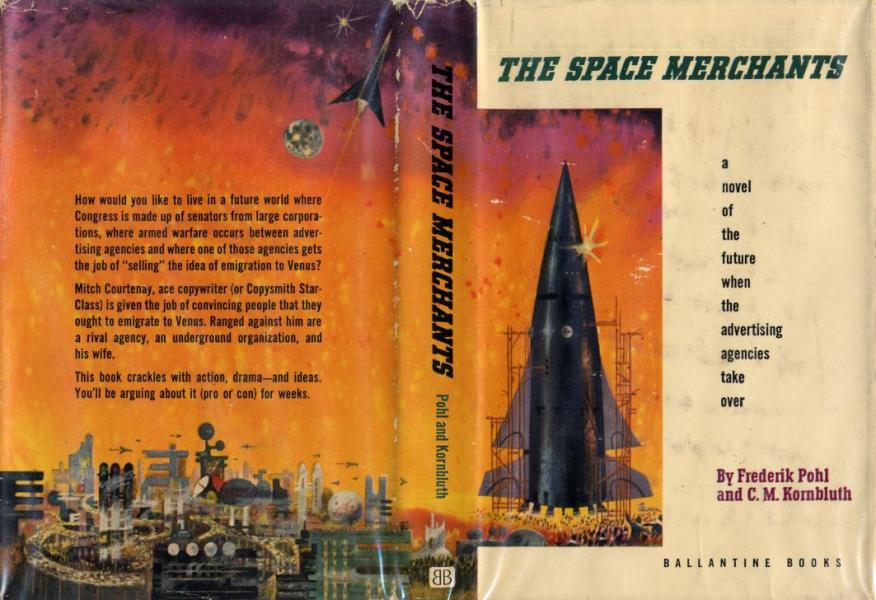
- Space Merchants
series2 books1953
completed
similar byclass conflictdarkscience fictionnear future
The Space Merchants (1953) is a satirical science fiction novel by Frederik Pohl and C. M. Kornbluth that follows an advertising executive navigating a future where aggressive consumer capitalism has swallowed politics and daily life. The authors reunited three decades later for a direct sequel, The Merchants' War (1984), returning to the same satirical world. Together the two books form a compact bookend pair rather than an ongoing series.
- Make Room! Make Room!
Harry Harrisonstandalone novel1966
similar byclass conflictdarkscience fictionnear future
Make Room! Make Room! is a 1966 science fiction novel written by Harry Harrison exploring the consequences of both unchecked population growth on society and the hoarding of resources by a wealthy minority. It was originally serialized in Impulse magazine.
- Brave New World
series8 books1932
similar byclass conflictscience fiction+1 more
Aldous Huxley's 1932 novel imagines a future World State where reproduction, social caste, and desire are all engineered before birth, and the population is kept content through conditioning, sleep-hypnosis, and a mood-altering drug called soma. The story follows the disruption this seemingly stable order suffers when an outsider raised beyond its reach is brought into it, exposing what the society traded away for comfort and order. Some editions pair the novel with Huxley's own 1958 nonfiction essay collection, Brave New World Revisited, which reassesses the book's ideas rather than continuing its story.
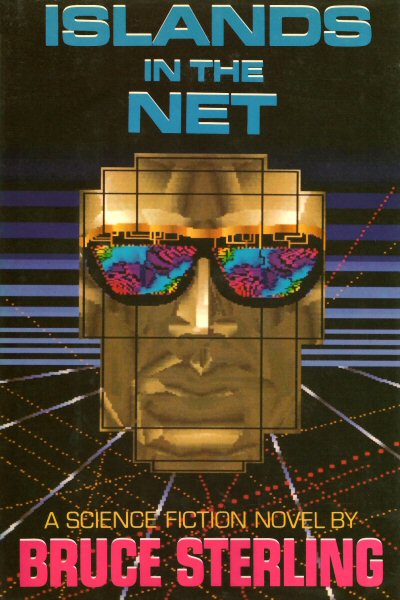
- Islands in the Net
Bruce Sterlingstandalone novel1988
similar byclass conflictscience fictionnear futurecyberpunk+1 more
Islands in the Net is a 1988 science fiction novel by American writer Bruce Sterling. It won the John W. Campbell Memorial Award for Best Science Fiction Novel in 1989, and was nominated for both the Hugo and Locus Awards that same year. It offers a view of an early 21st century world, apparently peaceful, with delocalised, networking corporations. The protagonist, swept up in events beyond her control, finds herself in places that are off the net, from a datahaven in Grenada, to a Singapore under terrorist attack, to the poorest and most disaster-struck parts of Africa.
- Feed
M. T. Andersonstandalone novel2002
similar bydarkscience fictionnear futurecyberpunk+1 more
Feed (2002) is a cyberpunk, satirical, dystopian, young-adult novel by M. T. Anderson, focusing on issues such as American hegemony, corporate power, consumerism, information technology, data mining, and environmental decline, with a sometimes sardonic, sometimes somber tone. From the first-person perspective of a teenaged boy, the book takes place in a near-futuristic American culture completely dominated by advertising and corporate exploitation, corresponding to the enormous popularity of internetworking brain implants called feeds.
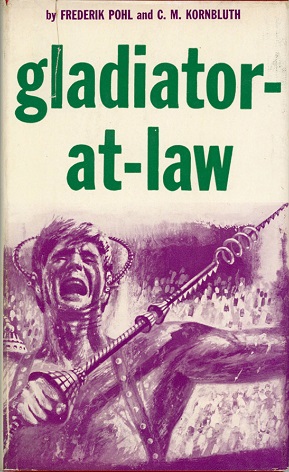
- Gladiator-at-Law
C. M. Kornbluth & Frederik Pohlstandalone novel1955
similar byclass conflictdarkscience fictionnear future
Gladiator-At-Law is a satirical science fiction novel by American writers Frederik Pohl and Cyril M. Kornbluth. It was first published in 1955 by Ballantine Books and republished in 1986 by Baen Books.
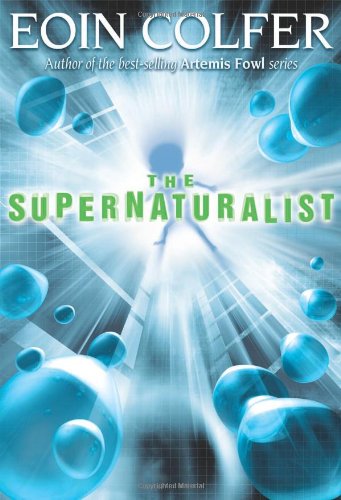
- The Supernaturalist
Eoin Colferstandalone novel2004
similar bydarkscience fictionnear futurecyberpunk+1 more
The Supernaturalist is a science fiction cyberpunk novel by Irish author Eoin Colfer. The book was influenced by film noir and other predecessors of the cyberpunk science fiction movement. Colfer has outlined plans for a sequel, Avernus.
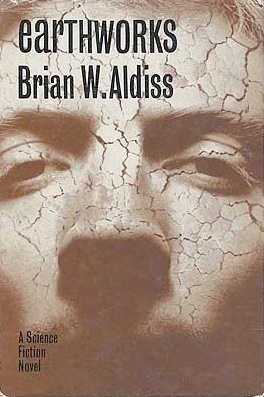
- Earthworks
Brian W. Aldissstandalone novel1965
similar byclass conflictdarkscience fictionnear future
Earthworks is a 1965 dystopian science fiction novel by British science fiction author Brian Aldiss. The novel draws its premise from prevalent fears about population growth and overcrowding of the Earth.
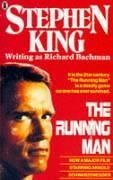
- The Running Man
Stephen Kingstandalone novel1982
similar bydarkscience fictionnear future+1 more
The Running Man is a dystopian thriller novel by American writer Stephen King, first published under the pseudonym Richard Bachman in 1982 as a paperback original. It was collected in 1985 in the omnibus The Bachman Books. The novel is set in a dystopian United States during the year 2025, in which the nation's economy is in ruins and world violence is rising. The story follows protagonist Ben Richards as he participates in the reality show The Running Man, in which contestants win money by evading a team of hitmen sent to kill them.
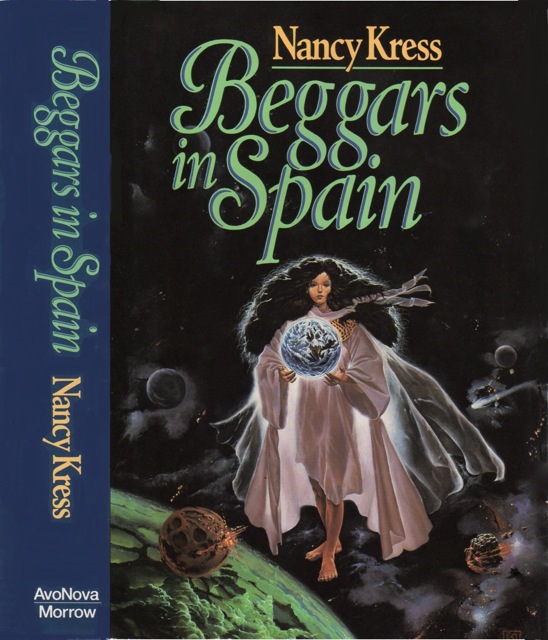
- Sleepless
series5 books1991
similar byclass conflictscience fictionnear future
Genetic engineering produces a small class of 'Sleepless' children who never need to sleep and grow up smarter, healthier, and more capable than everyone else, and Nancy Kress's Beggars in Spain follows one of them, Leisha Camden, as ordinary 'Sleepers' come to resent and fear what the Sleepless represent. The novel uses the divide to ask hard questions about what a society owes people it considers unproductive, and what the gifted owe everyone else. Beggars and Choosers and Beggars Ride carry the same conflict forward across the following decades as the Sleepless gain real power.
- The Water Knife
Paolo Bacigalupistandalone novel2015
similar byclass conflictdarkscience fictionnear future
The Water Knife is a 2015 science fiction novel by Paolo Bacigalupi. It is Bacigalupi's sixth novel, and is based on his short story, The Tamarisk Hunter, first published in the news magazine High Country News. It takes place in the near future, where drought brought on by climate change has devastated the Southwestern United States.
- Hot Sky at Midnight
Robert Silverbergstandalone novel1994
similar byscience fictionnear future+1 more
A futuristic look at the effects of pollution and the ozone hole. The air is so foul people wear masks, andas protection against the sun they inject themselves witha product which darkens the skin. The protagonistexperiments with breeding people who can support theclimate.
- The Heart Goes Last
Margaret Atwoodstandalone novel2015
similar bydarkscience fictionnear future+1 more
The Heart Goes Last is a novel by Margaret Atwood, published in September 2015 by McClelland & Stewart in Canada, Nan A. Talese in the US and Bloomsbury in the UK. The novel is described as a "wickedly funny and deeply disturbing novel about a near future in which the lawful are locked up and the lawless roam free."
- The Jagged Orbit
John Brunnerstandalone novel1969
similar bydarkscience fictionnear future+1 more
The Jagged Orbit is a science fiction novel by British writer John Brunner. It is similar to his earlier novel Stand on Zanzibar in its narrative style and dystopic outlook. It has exactly 100 titled chapters, which vary from several pages to part of one word. It was first published in 1969 with cover art by Leo and Diane Dillon, in the Ace Science Fiction Specials line issued by Ace Books.
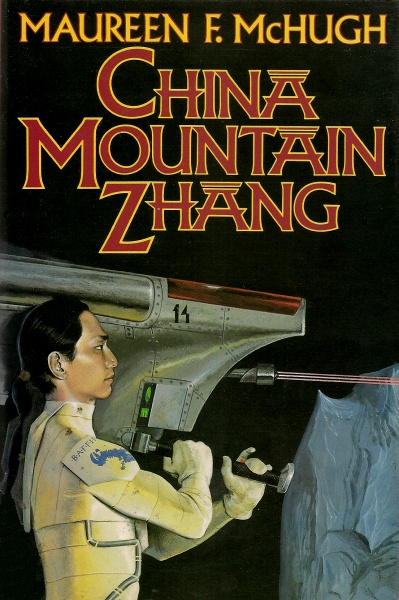
- Socialist Union of American States
series4 books1989
similar byclass conflictscience fictionnear future
Maureen F. McHugh's China Mountain Zhang is set in a 22nd-century America reorganized along socialist lines under Chinese global dominance, told through several interwoven characters including its gay, mixed-race title character navigating a society with no comfortable place for either trait. The related novella Protection returns to the same future without following Zhang directly.
- Slow River
Nicola Griffithstandalone novel1995
similar byclass conflictdarkscience fictionnear futurecyberpunk
Slow River is a science fiction novel by British writer Nicola Griffith, first published in 1995. It won the Nebula Award for Best Novel and the Lambda Literary Award. The novel received critical praise for its writing and setting, while its use of multiple narrative modes was criticised.
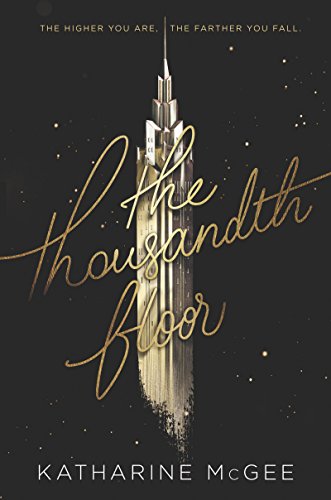
- The Thousandth Floor
series3 books2016
similar byclass conflictscience fictionnear future+1 more
Katharine McGee's trilogy imagines Manhattan in 2118 as a single thousand-story tower housing every stratum of society, following five teenagers whose ambitions collide as they climb toward, or fall from, its highest floors. Across The Thousandth Floor, The Dazzling Heights, and The Towering Sky, addiction, surveillance, genetic privilege, and family betrayal play out as soap-opera drama in a meticulously built near-future setting.
- The Power
Naomi Aldermanstandalone novel2016
similar byclass conflictdarkscience fictionnear future
The Power is a 2016 science fiction novel by the British writer Naomi Alderman. Its central premise is of women developing the ability to release electrical jolts from their fingers, which allows them to become the dominant sex. In 2017, it won the Baileys Women's Prize for Fiction.
- To the Stars (Harrison)
series3 books1980
completed
similar byscience fiction+3 more
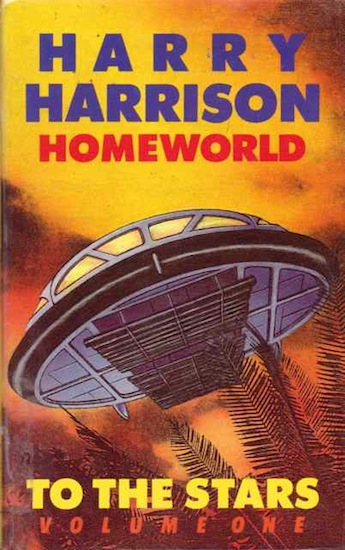
The To the Stars trilogy is a series of science fiction novels by Harry Harrison, first published in 1980 (Homeworld) and 1981. The three books were re-published in an omnibus edition in 1981.
- Resurrection, Inc.
Kevin J. Andersonstandalone novel1988
similar byclass conflictdarkscience fictionnear futurecyberpunk
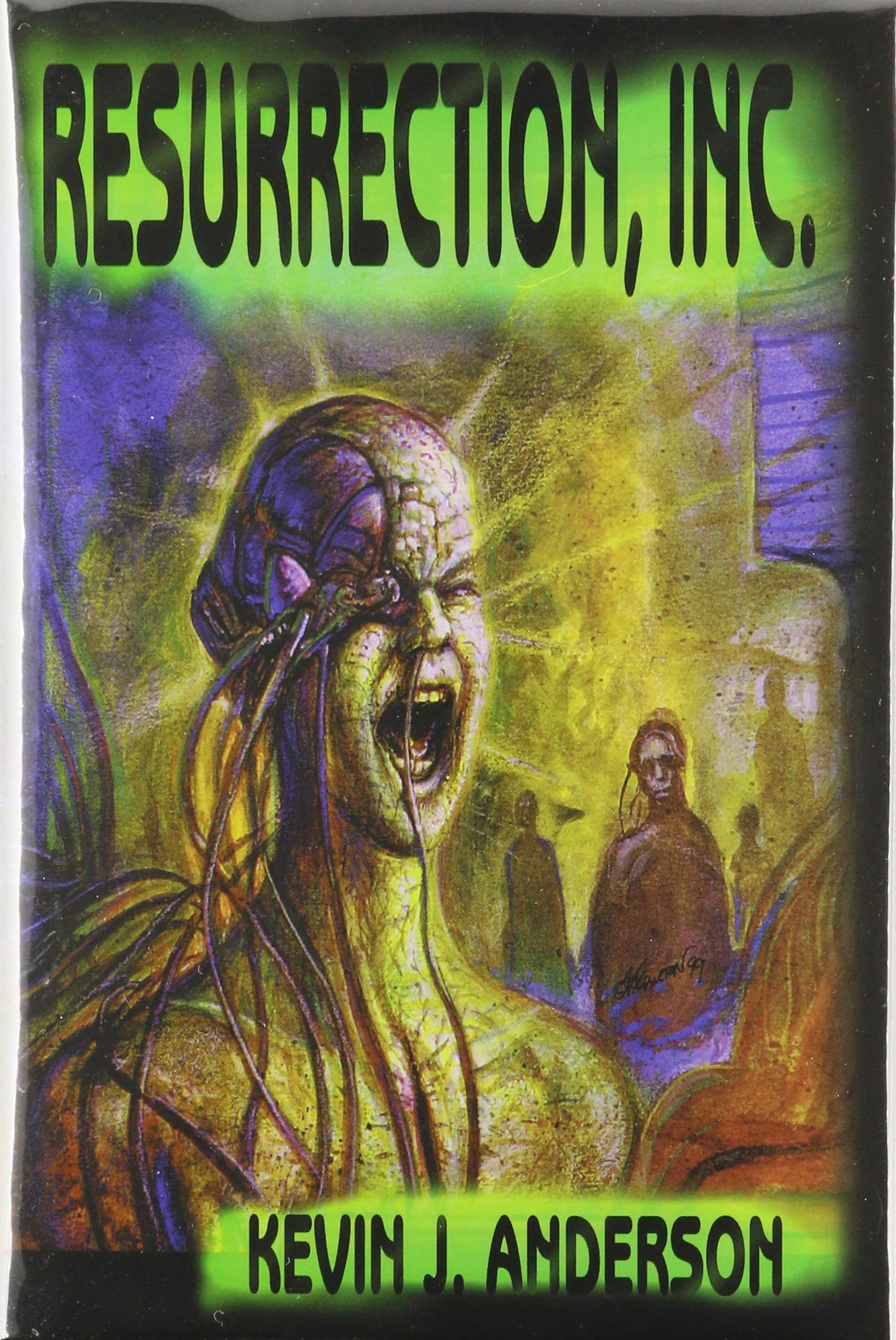
It is the future--and the dead walk the streets, resurrected by technology to become servants to the living. Resurrection, Inc. found a profitable way to do it: a microprocessor brain, a synthetic heart, artificial blood--and anyone with money could buy a Servant with no mind of its own, trained to obey any command. But for every Servant created a living worker was out of a job, and suddenly the profits of Resurrection, Inc. became everyone else's loss. Some take to rioting in the streets, their rampages ruthlessly ended by heavily armed Enforcers, eager for the kill. Others join the ever-growing cult of Neo-Satanism, seeking Heaven in the depths of Hell. Only one man tries to save the world. His name is Danal, and he is the last hope of the living. He is dead, but he remembers everything.