Loreful
HomeDiscover
Search series, authors…⌘K
Loreful

Reading orders for SF/F series and shared universes — with your place kept in every one.

Explore

UniversesSeriesWorksAuthorsAtlas

Help

FAQAboutSite map

Account & legal

Sign inCreate accountPrivacyTerms

Data

Built on ISFDB, Wikipedia, Wikidata and Open Library. Curated reading orders carry their reasoning on the page; the rest follow publication order. Data sources & licenses

© Loreful · data: ISFDB · CC BY

More like Cryptonomicon

anchored on:our worlddual timelinethriller & suspensehistorical fictionfamily secretswar+6 more

but

Mood

The mood the book leaves you in.

  • The reading experience is propelled by journeys, exploration, and physical risk; excitement and forward momentum dominate over dread or introspection.
  • Joy and loss are deliberately mixed; the resolution grants characters something real while taking something else away, leaving warmth and sorrow together.
  • The book demands work from the reader — dense prose, difficult structure, unfamiliar ideas, or morally uncomfortable material — as part of its intended effect.
  • Grim events, cruelty, or despair dominate the atmosphere, and the book does not soften them with comfort or comic relief.
  • The atmosphere is quietly unsettling — wrongness, unease, and the uncanny pervade the book without necessarily escalating into overt horror.
  • The book is built to move the reader; character feeling is foregrounded and major scenes aim at a strong emotional response.
  • Humor is a primary aim and the prose plays for laughs — comic situations, wit, or dialogue produce sustained comedy, not occasional levity.
  • The book insists that things can improve; effort and decency are shown to matter, and the arc bends toward better outcomes even through hardship.
  • The book teaches as it goes — real facts, history, science, or craft are conveyed in enough depth that learning is part of the reading experience.
  • The book is designed to uplift and motivate, presenting perseverance or achievement in a way that invites the reader to aspire or act.
  • The overall register is cheerful and easygoing; stakes are kept gentle and the book avoids dwelling on pain or dread.
  • Withheld information drives the experience; the book sustains enigmas and secrets the reader wants resolved, whatever its genre.
  • The book is contemplative and inward-looking, giving more weight to thought, memory, and meaning than to external events.
  • The book works as comfort reading — low tension, a soothing pace, and an atmosphere the reader can unwind in.
  • Grief, loss, or melancholy set the dominant register, and the book lets sorrow stand rather than resolving it into comfort.
  • Sustained suspense is the point; the book keeps the reader braced for what happens next through danger, pressure, or impending revelation.
  • Playful invention and charm define the register — fanciful conceits, light absurdity, and a narration that delights in its own oddity.

About

What the story runs on.

  • Stories in which extraterrestrial beings are central — as characters, cultures, or the object of the plot.
  • Stories structured as a quest — a journey undertaken to find, deliver, or destroy something of great import.
  • Stories in which staying alive against nature, catastrophe, or scarcity is the central problem.
  • Stories of lovers kept apart by law, family, faith, or station, where the obstacle to love is the plot.
  • Stories in which a friendship — its making, testing, or loss — is the emotional center.
  • Stories of growing up — a young protagonist crossing from childhood into adult knowledge and responsibility.
  • Stories about who a character truly is — self-discovery, doubled lives, and the search for a self.
  • Stories about mourning — living through the death of a loved one and what loss does to the survivors.
  • Stories in which a buried family truth — hidden parentage, crimes, or shames — surfaces and reorders the present.
  • Stories driven by maneuvering for power — factions, conspiracies, and statecraft conducted in shadow.
  • Stories in which war itself is the subject — combat, occupation, and what warfare does to soldiers and civilians.
  • Stories organized around investigating a killing — the case, the clues, and the pursuit of the killer, in any genre's clothing.

Shelf

Where it sits in the library.

    • Fiction built on magic or other supernatural elements that have no scientific explanation.
    • Secondary-world fantasy at large scale, where the fate of nations or the world turns on the protagonists' struggle.
    • Fantasy set in a recognizably modern city or contemporary world where the supernatural intrudes on everyday life.
    • Fantasy that blends in horror's atmosphere and imagery, keeping a fantastical frame around grim or frightening material.
    • Action-driven fantasy following warriors or rogues with personal stakes against sorcerous threats, rather than world-spanning conflicts.
    • Fantasy set in a real historical period or a close analogue of one, with magic woven into the era.
    • Fantasy in which protagonists cross from the ordinary world into another world through a portal or similar passage.
    • Fiction that retells or reworks a traditional fairy tale in a new form or setting.
    • Fantasy drawing directly on myths, legends, and folklore, retelling them or building on their figures and logic.
    • Fantasy of ghosts, vampires, shapeshifters, psychics, and similar phenomena, usually set in an otherwise ordinary world.
    • Fiction mixing science-fictional trappings with overtly magical or impossible elements in one setting.
    • Low-stakes fantasy emphasizing comfort, community, and everyday pleasures over conflict and peril.
    • Speculative fiction of pervasive moral ambiguity, violence, and cynicism that rejects heroic conventions — fantasy and SF alike.
      • Fiction that extrapolates from science and technology — future societies, space travel, or speculative inventions — within at least nominally natural laws.
      • Science fiction of interstellar scope — starships, galactic polities, and adventure across star systems.
      • Science fiction committed to scientific rigor, where technical plausibility constrains the story.
      • Science fiction centered on armed forces and warfare, told largely from a military point of view.
      • Science fiction of networked, corporate-dominated near futures, pairing high technology with social decay.
      • Science fiction styled on nineteenth-century steam-powered technology, often in a Victorian or pseudo-Victorian setting.
      • Fiction depicting an oppressive or catastrophic society, presented as a warning.
      • Fiction set after civilization's collapse, following survivors in the ruins of the old world.
      • Fiction in which characters move between past and future, and the mechanics or consequences of that travel drive the plot.
      • Fiction exploring a world where a historical event went differently and history diverged from ours.
      • Science fiction about humanity's first encounter and communication with an alien intelligence.
      • Science fiction in which extraterrestrial forces attack or occupy Earth and humanity resists.
      • Fiction whose primary aim is to frighten or unsettle the reader through dread, menace, or the monstrous.
      • Horror of vast, indifferent, incomprehensible entities before which humanity is insignificant, in the Lovecraft tradition.
      • Horror of decaying houses, buried family secrets, and oppressive atmosphere in the Gothic literary tradition.
      • Horror centered on hauntings and the returning dead.
      • Horror located in the mind — paranoia, obsession, and unreliable perception rather than external monsters.
      • Horror built around the reanimated dead and survival amid their outbreaks.
      • Horror defined by explicit, transgressive gore that refuses to cut away from violence.
      • Speculative fiction of the strange and uncanny that resists both natural explanation and standard genre categories.
      • Fiction organized around solving a crime or puzzle, typically following an investigator toward the identification of a culprit.
      • A puzzle-first mystery that lays out clues so the culprit's identity can be deduced before the reveal.
      • Crime fiction of moral ambiguity, fatalism, and hard-edged style, set among the corrupt and the doomed.
      • A mystery following the realistic routines of police work — forensics, interviews, and case-building.
      • A gentle mystery with an amateur sleuth, a small community, and violence kept off the page.
      • A mystery set in a past era, where the investigation works within that period's methods and society.
      • Fast-paced fiction driven by imminent danger, pursuit, or high-stakes conspiracy, built to sustain tension.
      • A thriller of espionage — agents, tradecraft, and intelligence services in conflict.
      • A thriller centered on lawyers and the courtroom, where litigation carries the suspense.
      • A thriller driven by detailed contemporary or near-future technology, often military or scientific.
      • A thriller whose tension comes from mental states and manipulation between characters rather than external action.
      • Fiction whose central plot is a romantic relationship and its development toward an emotionally satisfying resolution.
      • Romance in which one or both partners are supernatural beings, blending fantasy elements into the love story.
      • A fantasy-romance hybrid in which the romantic arc and the fantasy plot carry equal weight.
      • Romance set in a past era, with courtship shaped by the period's society and manners.
      • Romance set in the present day, without supernatural or historical elements.
      • Fiction set in a real past period, where the historical setting materially shapes characters and events.
        • General and literary fiction emphasizing prose style, character interiority, or formal ambition over genre plot conventions.
        • Fiction in a realistic world where magical events occur and are treated as ordinary, in the tradition of Latin American literature.
        • Fiction that ridicules people, institutions, or society in order to criticize them.
        • Fiction of dreamlike, irrational imagery and logic that breaks from realistic representation.
        • Fiction that plays with narrative convention through metafiction, fragmentation, and self-reference.
        • Fiction propelled by journeys, exploration, and physical peril, where action and survival carry the plot.
        • Adventure fiction of ships and seafaring — naval engagements, voyages, and life at sea.
        • Fiction of the American frontier West — gunmen, ranchers, and lawmen, typically in the late nineteenth century.
        • Fiction centered on soldiers, campaigns, and the experience of warfare, historical or imagined.
          • Fiction written primarily to amuse, using comedic situations, wit, or parody as its organizing principle.
            • Multi-generational fiction following a family or dynasty across decades, with inheritance and kinship as the through-line.
              • Fiction whose world runs on explicit game mechanics — levels, stats, and skills that characters can see and exploit.
                • Fiction about costumed or superpowered heroes and their conflicts with comparable villains.

                Practical

                How long a commitment, whether it stands alone, and whether it has finished.

                Tap a chip to ask for it · tap again to rule it out · once more to clear. Numbers show what would be left.

                • Cover of Gravity's Rainbow
                  Gravity's Rainbow

                  Thomas Pynchon · standalone novel · 1973

                  similar byearly 20th centurychallengingwareuropemultiple pov+2 more

                  Gravity's Rainbow is a 1973 postmodern novel by Thomas Pynchon. The narrative is set primarily in Europe at the end of World War II and centers on the design, production and dispatch of V-2 rockets by the German military. In particular, it features the quest undertaken by several characters to uncover the secret of a mysterious device, the Schwarzgerät, which is slated to be installed in a rocket with the serial number "00000".

                • Cover of Time's Arrow
                  Time's Arrow

                  Martin Amis · standalone novel · 1991

                  similar byearly 20th centurychallengingwarhistorical fictioneurope+1 more

                  From Amazon description: In this icy, knife's-edge story of a life that progresses backward through time, unfolding into one of the darkest episodes of the 20th century, Amis ("at his intriguing, heedful, and powerful best" —Time Out), finds a chillingly original approach to the Holocaust in fiction • From the acclaimed author of Zone of Interest "The narrative moves with irresistible momentum.... [Amis is] a daring, exacting writer willing to defy the odds in pursuit of his art." —Newsday Tod. T. Friendly is living his life in reverse. Doctor Friendly has just died, but he moves "out of blackest sleep" to find himself surrounded by doctors and on the deathbed of a man in whose body he is imprisoned. After weeks of improving in the hospital, he is sent home to his affable, melting-pot, primary-colors existence in suburban America. As Friendly breaks up with his lovers in a prelude to seducing them and mangles his patients before he sends them home, his life races backward toward the one appalling moment in modern history when such reversals make sense. From the fresh-cut lawns of his retirement to the hustle of New York, and then back to the boat which reverses his course to the war-torn Europe Friendly came from, Amis brings the steeliest nerve to the job of realizing the novel's inevitable logic. Trapped in his body from grave to cradle, Friendly's consciousness can only watch as he struggles to make sense of the good doctor's most ambitious project yet—the final solution.

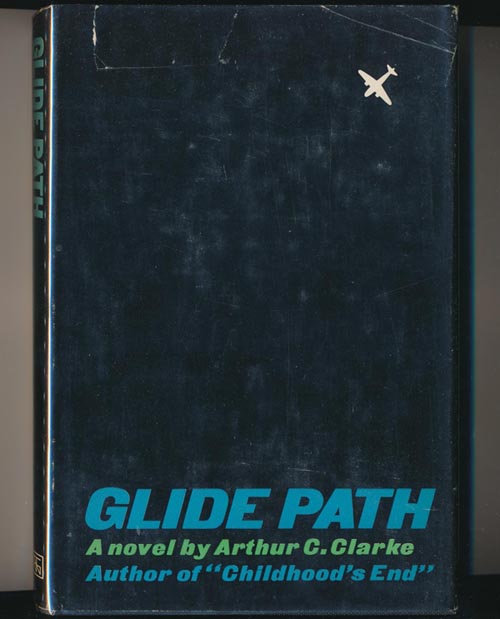
                • Cover of Glide Path
                  Glide Path

                  Arthur C. Clarke · standalone novel · 1963

                  similar byearly 20th centuryinformativewarhistorical fiction

                  Glide Path is a novel by the English writer Arthur C. Clarke, published in 1963. Clarke's only non-science fiction novel, it is set during World War II and relates a fictionalized version of the development of the radar-based ground-controlled approach aircraft landing system, and includes a character modeled on Luis Alvarez, who developed this system. It is based on Clarke's own wartime service with the Royal Air Force, during which he worked on the GCA project.

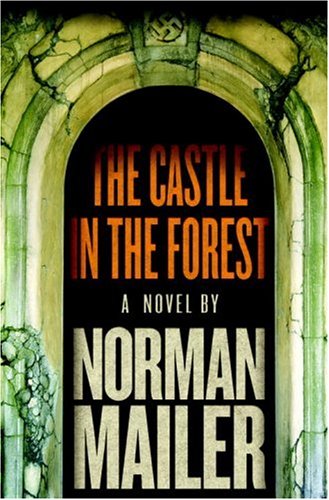
                • Cover of The Castle in the Forest
                  The Castle in the Forest

                  Norman Mailer · standalone novel · 2007

                  similar byearly 20th centurychallengingfamily secretshistorical fictioneurope

                  The Castle in the Forest is the last novel by writer Norman Mailer, published in the year of his death, 2007. It is the story of Adolf Hitler's childhood as seen through the eyes of Dieter, a demon sent to put him on his destructive path. The novel explores the idea that Hitler was the product of incest. It forms a thematic contrast with the writer's immediately previous novel The Gospel According to the Son (1999), which deals with the early life of Jesus. It received a good deal of praise, including a glowing review from Lee Siegel of The New York Times Book Review, and was a New York Times Bestseller in 2007.

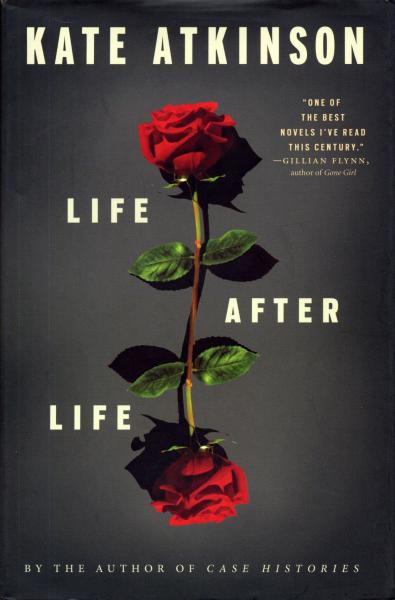
                • Cover of Todd Family
                  Todd Family

                  series · 2 books · 2013

                  similar byearly 20th centurywarhistorical fictionfamily secrets+1 more

                  Kate Atkinson's Life After Life gives Ursula Todd, born on a snowy night in 1910, a strange gift: whenever she dies, she's born again into a slightly altered version of the same life, gradually piecing together enough intuition across her many deaths to try to change the course of the twentieth century's worst events. The companion novel A God in Ruins turns to Ursula's brother Teddy, a bomber pilot, following his one, single life forward from the war through old age. The two books share a family and a set of preoccupations -- memory, war, chance -- without forming a conventional sequential series.

                • Cover of Angel Down
                  Angel Down

                  Daniel Kraus · standalone novel · 2025

                  similar byearly 20th centurychallengingwarhistorical fictioneurope

                  Angel Down is a World War I novel, written as a single unbroken sentence, by American author Daniel Kraus. The protagonist is a draft dodger and then an army private who encounters an angel on the battlefield. It was published by Atria Books, an imprint of Simon & Schuster, in July 2025. The book won the 2026 Pulitzer Prize for Fiction.

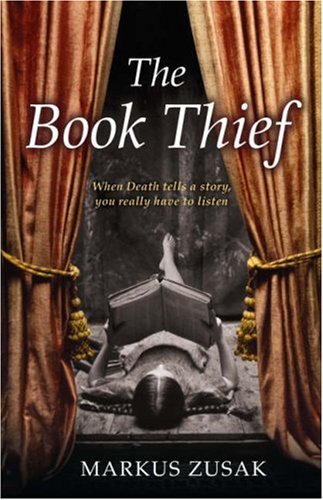
                • Cover of The Book Thief
                  The Book Thief

                  Markus Zusak · standalone novel · 2005

                  similar byearly 20th centurywarhistorical fictionbooks and readingeurope

                  The Book Thief is a historical fiction novel by the Australian author Markus Zusak, set in Nazi Germany during World War II. Published in 2005, The Book Thief became an international bestseller and was translated into 63 languages and sold 17 million copies. It was adapted into the 2013 feature film, The Book Thief.

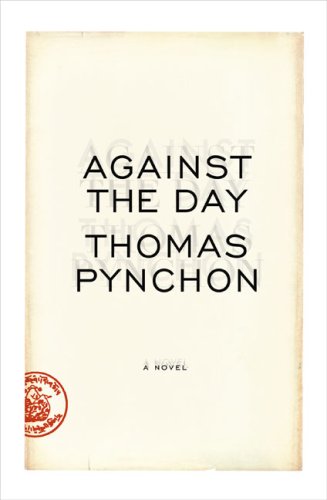
                • Cover of Against the Day
                  Against the Day

                  Thomas Pynchon · standalone novel · 2006

                  similar byearly 20th centurychallenginghistorical fictioneuropenorth americamultiple pov+1 more

                  Against the Day is an epic historical novel by Thomas Pynchon, published on November 21, 2006. The narrative takes place between the 1893 Chicago World's Fair and the time immediately following World War I and features more than 280 characters spread across the United States, Europe, Mexico, Central Asia, Africa and, according to the book jacket blurb written by Pynchon, "one or two places not strictly speaking on the map at all." Like its predecessors, Against the Day is an example of historiographic metafiction or metahistorical romance. At 1,085 pages, it is the longest of Pynchon's novels to date.

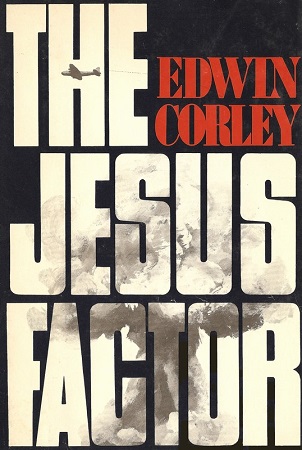
                • Cover of The Jesus Factor
                  The Jesus Factor

                  Edwin Corley · standalone novel · 1970

                  similar byearly 20th centurywarthriller & suspensehistorical fictionnorth america

                  The Jesus Factor is a 1970 conspiracy theory thriller novel by Edwin Corley based on the Manhattan Project of World War II and the bombing of Hiroshima and Nagasaki. It concerns issues relating to the "arms race" and the collective guilt of those involved with the bombings.

                • Cover of The War in the Air
                  The War in the Air

                  H. G. Wells · standalone novel · 1908

                  similar byearly 20th centurywarscience fictionour worldeurope+1 more

                  The War in the Air: And Particularly How Mr. Bert Smallways Fared While It Lasted is a military science fiction novel written by H. G. Wells and published in 1908.

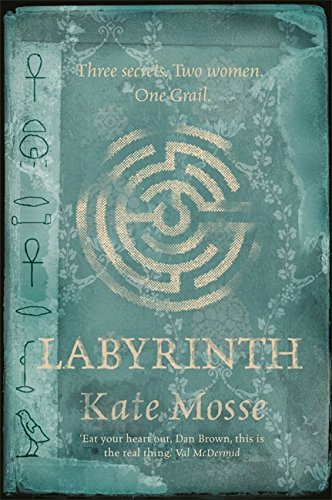
                • Cover of Languedoc Trilogy
                  Languedoc Trilogy

                  series · 3 books · 2005

                  similar byfamily secretshistorical fictioneuropedual timeline+3 more

                  Kate Mosse's Languedoc Trilogy opens with Labyrinth, alternating between a present-day archaeologist in southern France and a woman living through the Cathar crusades eight centuries earlier, both entangled with the same hidden, grail-like relic. Sepulchre and Citadel repeat the dual-timeline structure with different centuries and protagonists, all tied to the same Languedoc region. The books share setting and structural device rather than a continuous cast.

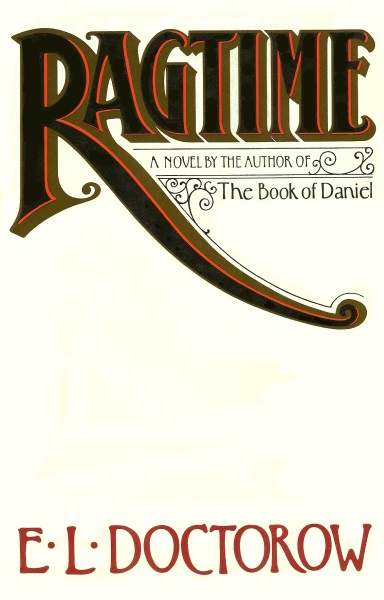
                • Cover of Ragtime
                  Ragtime

                  E. L. Doctorow · standalone novel · 1975

                  similar byearly 20th centuryhistorical fictionnorth america+2 more

                  Ragtime is a 1975 historiographic metafiction novel by American author E. L. Doctorow. The novel mixes historical figures and fictional characters together in a sweeping narrative set in the New York City area from 1902 to 1915. With its layered storyline, Ragtime explores themes of racial injustice, class division, and the American Dream in American society.

                • Cover of Between the Wars
                  Between the Wars

                  series · 4 books · 1981

                  similar byearly 20th centuryhistorical fictionwar+2 more

                  The Pyat Quartet, also known as Between the Wars, is a tetralogy of historical fiction novels by English author Michael Moorcock comprising Byzantium Endures, The Laughter of Carthage, Jerusalem Commands and The Vengeance of Rome published from 1981 to 2006.

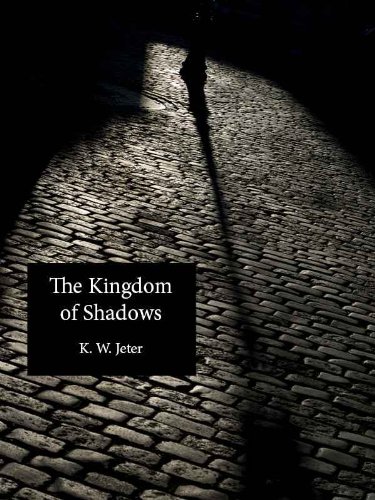
                • Cover of The Kingdom of Shadows
                  The Kingdom of Shadows

                  K. W. Jeter · standalone novel · 2011

                  similar byearly 20th centuryfamily secretswarthriller & suspensehistorical fictioneurope

                  In the sinister and glamorous world of the film industry in the Third Reich and in Hollywood, a young actress struggles not just to survive, but to unravel her own mysterious heritage. As war begins, dark conspiracies tighten around her; to escape them will require a journey through the apocalyptic landscape of Berlin's last days...

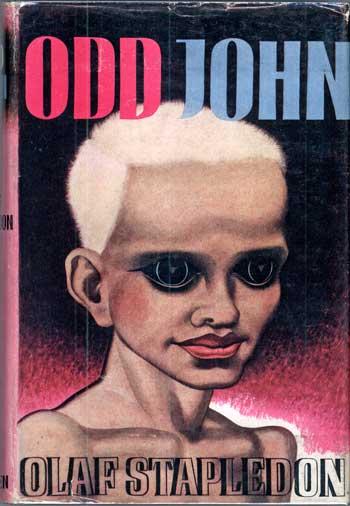
                • Cover of Odd John
                  Odd John

                  Olaf Stapledon · standalone novel · 1935

                  similar byearly 20th centurychallengingscience fictionour world

                  Odd John: A Story Between Jest and Earnest is a 1935 science fiction novel by the British author Olaf Stapledon. The novel explores the theme of the Übermensch (superman) in the character of John Wainwright, whose supernormal human mentality inevitably leads to conflict with normal human society and to the destruction of the utopian colony founded by John and other superhumans.

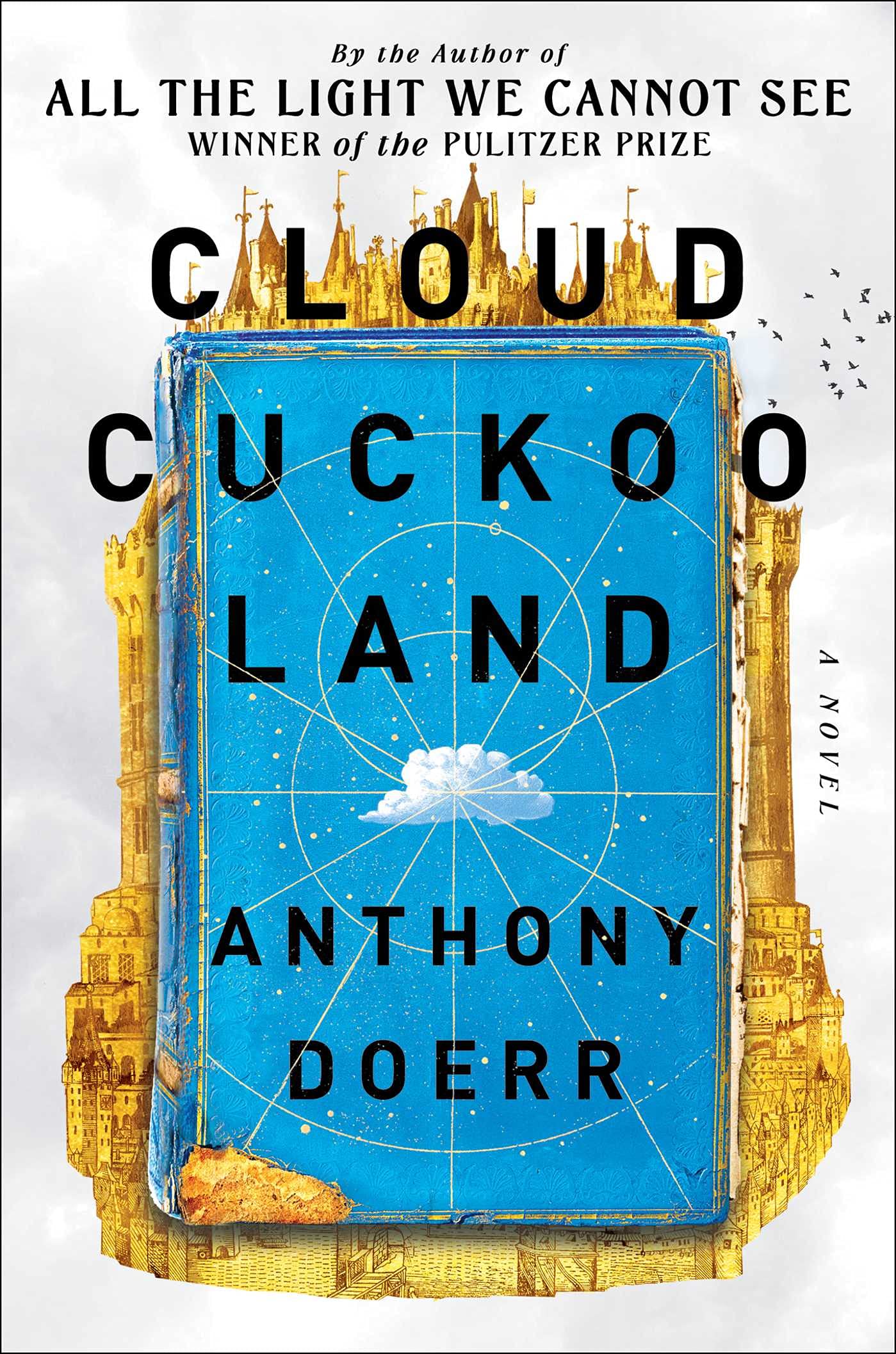
                • Cover of Cloud Cuckoo Land
                  Cloud Cuckoo Land

                  Anthony Doerr · standalone novel · 2021

                  similar byhistorical fictionscience fictionbooks and readingour worlddual timelinemultiple pov+2 more

                  Cloud Cuckoo Land is a 2021 historical and speculative fiction novel by American author Anthony Doerr. It was first published on September 28, 2021, in the United States by Charles Scribner's Sons and the United Kingdom by Fourth Estate. The novel centers on an Ancient Greek codex that links characters from fifteenth-century Constantinople, present-day Idaho, and a twenty-second-century starship.

                • Cover of Barney Custer
                  Barney Custer

                  series · 3 books · 1914

                  completed

                  similar byearly 20th centurythriller & suspenseeurope+2 more

                  Barney Custer is an American farmer from Nebraska who travels to the small European kingdom of Lutha only to discover he's the spitting image of its unstable ruler, King Leopold. Edgar Rice Burroughs's The Mad King drops him into court intrigue on the eve of World War I, as a scheming uncle's plot for the throne and a budding romance with a princess force Barney to impersonate the king he resembles. It's a standalone Ruritanian adventure rather than an ongoing series.

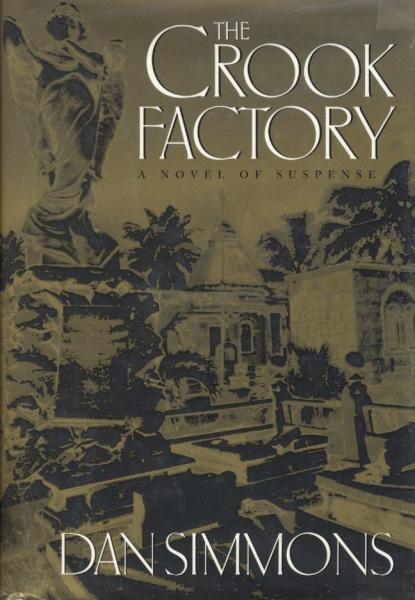
                • Cover of The Crook Factory
                  The Crook Factory

                  Dan Simmons · standalone novel · 1999

                  similar byearly 20th centurywarthriller & suspensehistorical fiction

                  The Crook Factory is a thriller novel by American author Dan Simmons. The book was initially published by William Morrow on March 1, 1999. The novel tells a fictionalized version of the real life counter-espionage and spy ring, known as the Crook Factory, that was set up by Ernest Hemingway in Cuba during World War II.

                • Cover of The Separation
                  The Separation

                  Christopher Priest · standalone novel · 2002

                  similar byearly 20th centurywarscience fictioneurope+1 more

                  The Separation is a novel by British writer Christopher Priest, published in 2002. It is an alternate history revolving around the experiences of identical twin brothers during the Second World War, during which one becomes a pilot for the RAF, and the other, a conscientious objector, becomes an ambulance driver for the Red Cross. The author introduces a deliberate confusion by giving these brothers identical initials – J.L. Sawyer – one known as Jack and the other as Joe.

                • Cover of Volk
                  Volk

                  Piers Anthony · standalone novel · 1996

                  similar byearly 20th centurywarhistorical fictionour worldeurope

                  Set During World War II, Volk is the story of friendship that transcends politics and war. Lane is an American fighter pilot; Quality, an American pacifist Quaker; and Ernst, a Nazi.

                • Cover of Oxford Time Travel
                  Oxford Time Travel

                  series · 6 books · 1982

                  similar byscience fictioneurope+4 more

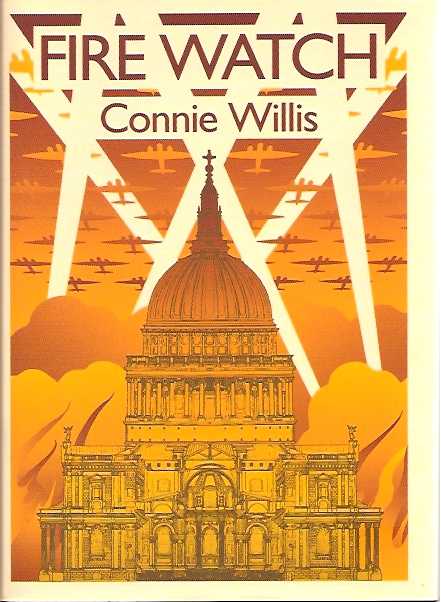
                  Connie Willis's Oxford Time Travel novels are set at a near-future Oxford University where historians travel into the past as observers, constrained by a version of history that resists any change large enough to alter real events. Doomsday Book sends a medieval historian to what should be 1320 but turns out to be the Black Death year of 1348, intercut with a present-day epidemic at Oxford; To Say Nothing of the Dog returns to the same time-travel program for a lighter, Victorian-set story with different characters. The two novels share their setting and rules rather than a directly continuing plot.

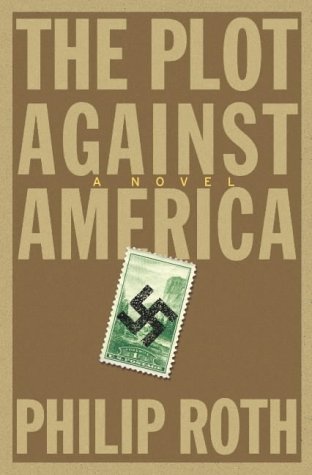
                • Cover of The Plot Against America
                  The Plot Against America

                  Philip Roth · standalone novel · 2004

                  similar byearly 20th centuryhistorical fictionscience fictionnorth america+1 more

                  Roosevelt is defeated in 1940 by Charles Lindbergh, who guides the US towards fascism and anti-Semitism.

                • Cover of Herland
                  Herland

                  series · 2 books · 1915

                  completed

                  similar byearly 20th century+4 more

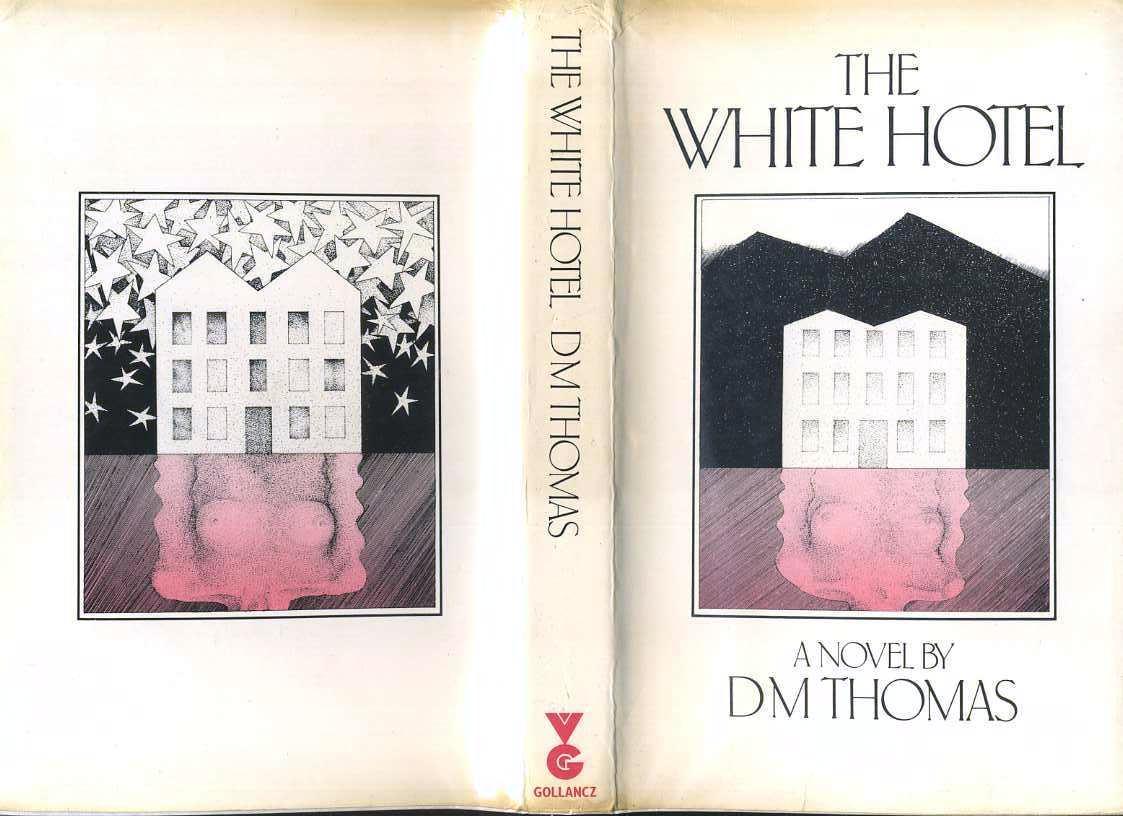
                • Cover of The White Hotel
                  The White Hotel

                  D. M. Thomas · standalone novel · 1981

                  similar byearly 20th centurychallenginghistorical fictioneurope

                  The White Hotel is a novel written by the British (Cornish) poet, translator and novelist D. M. Thomas. It was first published in January 1981 by Gollancz in the United Kingdom and in March 1981 by The Viking Press in the United States.