More like Darkness
anchored on:horrornorth americacontemporarydarkcursesfamily secrets+2 more
but
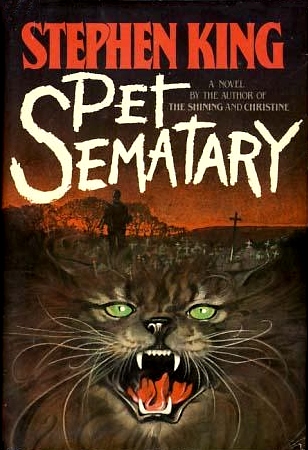
- Pet Sematary
Stephen Kingstandalone novel1983
similar byhorrorcontemporarycursesdarkeerienorth americasmall town+1 more
Pet Sematary is a 1983 horror novel by American writer Stephen King. It tells the story of a family moving to Maine and settling closer to a pet cemetery in the woods, which is home to a terrifying force that brings death and sorrow. The novel was nominated for a World Fantasy Award for Best Novel in 1984, and adapted into two films: one in 1989 and another in 2019 as well as several spinoffs.
- Harvest Home
Thomas Tryonstandalone novel1973
similar byhorrorcontemporaryfamily secretsdarkeerienorth americasmall town
What is the dark secret the people (especially the women!) of Harvest Home are hiding? A family tries to get out of the City and finds the perfect home for their young daughter complete with folk remedies for her allergies and sensitivities in the local wisewoman. But is there something sinister under the surface of the charming little town?
- The Amulet
Michael McDowellstandalone novel1979
similar byhorrorcontemporarycursesfamily secretsdarkeerienorth americasmall town
The Amulet is a Southern Gothic horror novel, originally published in 1979 by Michael McDowell. The book was first published in paperback by Avon Books.
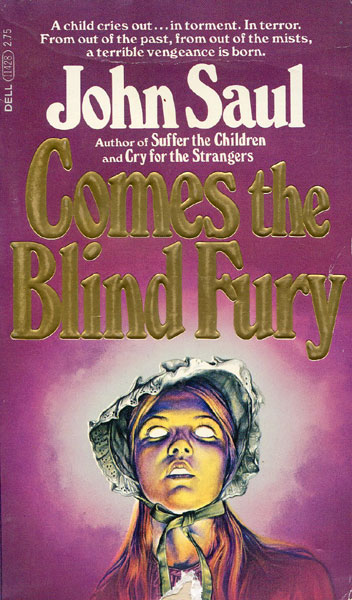
- Comes the Blind Fury
John Saulstandalone novel1980
similar byhorrorcontemporarycurseseerienorth americasmall town+2 more
WorldCat: When Michelle comes to visit on Paradise Point, she sees the hand of a blind girl who died a century ago, reaching out to her from the swirling mists.
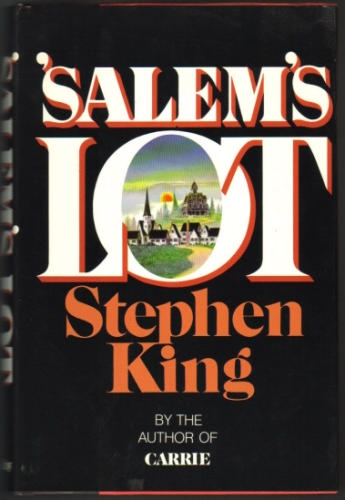
- Jerusalem's Lot
series3 books1975
similar byhorrorcontemporarydarkeerienorth americasmall town
Stephen King's 1975 novel 'Salem's Lot follows writer Ben Mears as he returns to his childhood town of Jerusalem's Lot, Maine, only to discover that its residents are being turned into vampires by a newly arrived stranger. It transplants Gothic vampire horror into a small New England community, tracking that community's collapse under a supernatural siege. It is a single, self-contained novel.
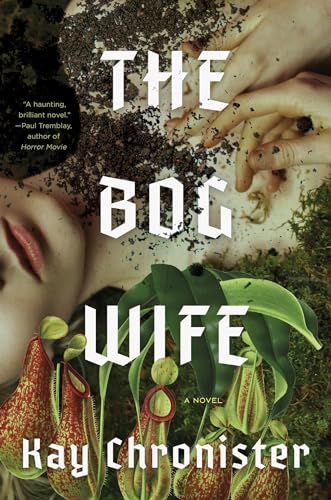
- The Bog Wife
Kay Chronisterstandalone novel2024
similar byhorrorcontemporarycursesfamily secretsdarkeerienorth america
The Bog Wife is a 2024 horror novel by Kay Chronister that incorporates elements of Southern Gothic literature. It tells the story of the Haddesley family, in which family members sacrifice their family patriarch to a bog in order receive a wife in return. The story has received praise for its exploration of patriarchal family dynamics and traditions.
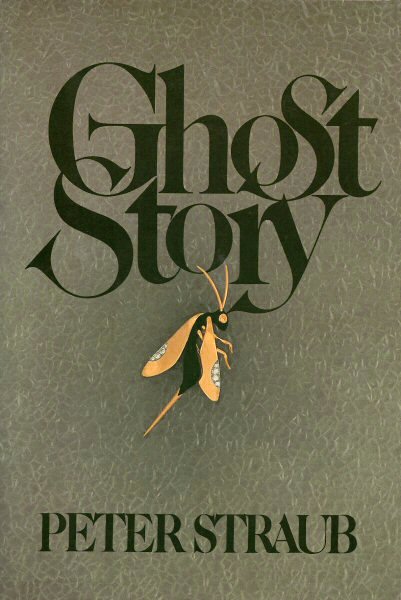
- Ghost Story
Peter Straubstandalone novel1979
similar byhorrorfamily secretsdarkeerienorth americasmall town
Four prominent citizens of a small town in upstate New York who share guilt over something that happened in their youth are revisited late in life by a destructive evil force which uses their guilt as an opportunity to destroy them as well as the entire town.
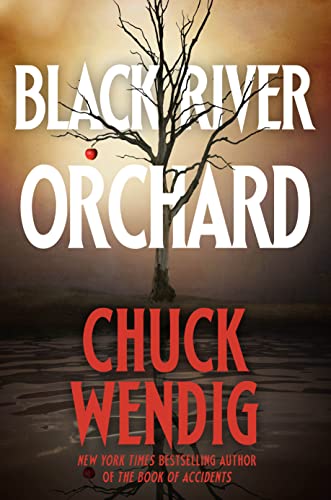
- Black River Orchard
Chuck Wendigstandalone novel2023
similar byhorrorcontemporaryfamily secretsdarkeerienorth americasmall town
It’s autumn in the town of Harrow, but something besides the season is changing there. Because in that town there is an orchard, and in that orchard, seven most unusual trees. And from those trees grows a new sort of apple: strange, beautiful, with skin so red it’s nearly black. Take a bite of one of these apples, and you will desire only to devour another. And another. You will become stronger. More vital. More yourself, you will believe. But then your appetite for the apples and their peculiar gifts will keep growing—and become darker. This is what happens when the townsfolk discover the secret of the orchard. Soon it seems that everyone is consumed by an obsession with the magic of the apples... and what’s the harm, if it is making them all happier, more confident, more powerful? Even if something else is buried in the orchard besides the seeds of these extraordinary trees: a bloody history whose roots reach back to the very origins of the town. But now the leaves are falling. The days grow darker. It’s harvest time, and the town will soon reap what it has sown.
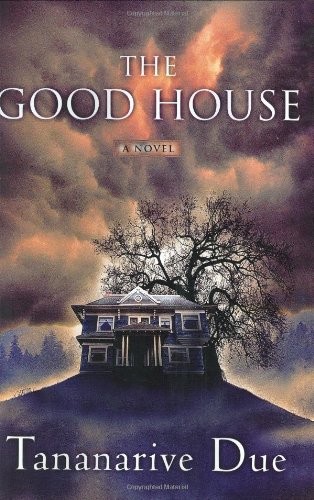
- The Good House
Tananarive Duestandalone novel2003
similar byhorrorcontemporaryfamily secretsdarkeerienorth americasmall town+1 more
The Good House is a horror novel by American writer Tananarive Due, first published in 2003 by Atria Books. The story follows Angela Toussaint as she returns to her late grandmother's home in Sacajawea, Washington.
- The Ghost Tree
Christina Henrystandalone novel2020
similar byhorrorcontemporaryfamily secretsdarkeerienorth americasmall town
When the bodies of two girls are found torn apart in the town of Smiths Hollow, Lauren is surprised, but she also expects that the police won't find the killer. After all, the year before her father's body was found with his heart missing, and since then everyone has moved on. Even her best friend, Miranda, has become more interested in boys than in spending time at the old ghost tree, the way they used to when they were kids. So when Lauren has a vision of a monster dragging the remains of the girls through the woods, she knows she can't just do nothing. Not like the rest of her town. But as she draws closer to answers, she realizes that the foundation of her seemingly normal town might be rotten at the center. And that if nobody else stands for the missing, she will.
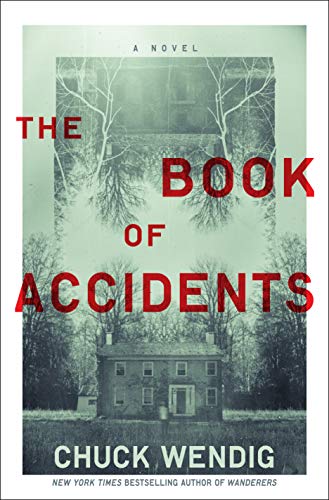
- The Book of Accidents
Chuck Wendigstandalone novel2021
similar byhorrorcontemporaryfamily secretsdarkeerienorth americasmall town
Long ago, Nathan lived in a house in the country with his abusive father—and has never told his family what happened there. Long ago, Maddie was a little girl making dolls in her bedroom when she saw something she shouldn’t have—and is trying to remember that lost trauma by making haunting sculptures. Long ago, something sinister, something hungry, walked in the tunnels and the mountains and the coal mines of their hometown in rural Pennsylvania. Now, Nate and Maddie Graves are married, and they have moved back to their hometown with their son, Oliver. And now what happened long ago is happening again . . . and it is happening to Oliver. He meets a strange boy who becomes his best friend, a boy with secrets of his own and a taste for dark magic. This dark magic puts them at the heart of a battle of good versus evil and a fight for the soul of the family—and perhaps for all of the world. But the Graves family has a secret weapon in this battle: their love for one another.
- The Tommyknockers
Stephen Kingstandalone novel1987
similar byhorrorcontemporarydarkeerienorth americasmall town
The Tommyknockers is a 1987 science fiction horror novel by Stephen King. The novel is an excursion into the realm of science fiction for King, as the residents of the Maine town of Haven gradually fall under the influence of a mysterious object buried in the woods. King has since soured on The Tommyknockers, describing it as "an awful book", due to his drug addiction while writing the novel, though acknowledges the story's potential: "There's really a good book in here, underneath all the sort of spurious energy that cocaine provides, and I ought to go back." A miniseries adaptation was released in 1993.
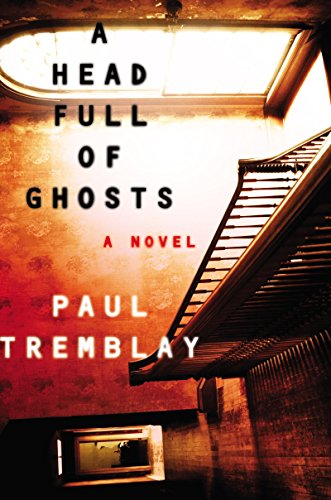
- A Head Full of Ghosts
Paul Tremblaystandalone novel2015
similar byhorrorcontemporaryfamily secretsdarkeerienorth america+1 more
A Head Full of Ghosts is a 2015 horror novel by American writer Paul Tremblay. The plot involves a Massachusetts family under financial and emotional strain while their fourteen-year-old daughter, Marjorie Barrett, exhibits signs of severe mental illness. The Barretts come to believe she is possessed by a demon, and her behavior is publicized when the family stars in a reality TV show. Marjorie's younger sister, Merry Barrett, relays the experiences of her childhood fifteen years later. Themes include elements of Catholic exorcism and reality television exploitation.
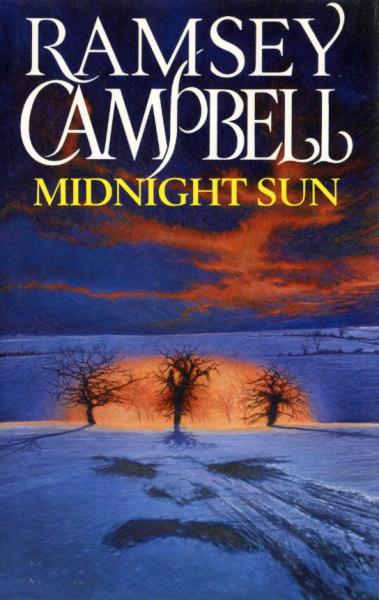
- Midnight Sun
Ramsey Campbellstandalone novel1990
similar byhorrorcontemporarycursesfamily secretsdarkeerie
Las viejas leyendas de los pueblos de las llanuras árticas refieren la necesidad de evitar que desaparezca el sol de medianoche, esa pálida luz que mantiene dormidos al os espíritus maléficos del frío. Un frío que en esos parajes sombríos es implacable, letal, en el que se ocultan misterios insondables. Ben, biznieto del folclorista Edward Sterling, empezó a sentirse atraído por el misterio del niño. Y la fascinación se reavivó cuando, de adulto, decidió irse a vivir con su familia al mismo caserón en que había pasado su infancia. Un lugar demasiado cercano al cementerio; demasiado cercano al bosque plantado en memoria de su bisabuelo; en el que no hay ninguna puerta que impida que responda a laimperiosa llamada que surge de la espesura, sobre todo cuando el frío se hace insoportable… Ramsey Cambell es uno de los pocos autores de novelas de terror que consiguen que las más escalofriantes pesadillas abandonen el territorio de lo soñado y asalten la vigilia del lector.
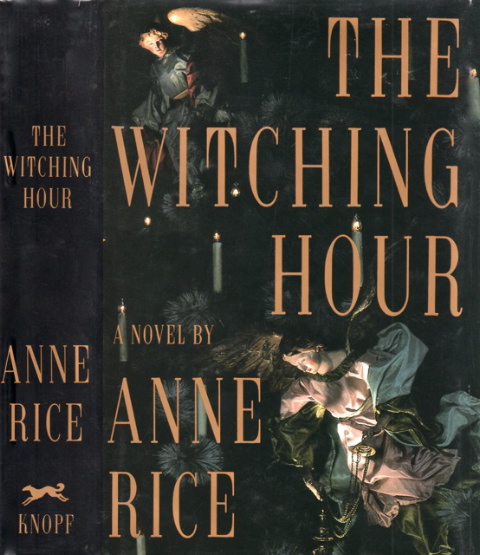
- The Mayfair Witches Saga
series3 books1990
completed
similar byhorrorcontemporaryfamily secretsdarkeerienorth america
Lives of the Mayfair Witches is a trilogy of Gothic supernatural horror fantasy novels by American author Anne Rice. It centers on a family of witches whose fortunes have been guided for generations by a spirit named Lasher. The series began in 1990 with The Witching Hour, which was followed by the sequels Lasher (1993) and Taltos (1994). All three novels debuted at No. 2 on The New York Times Best Seller list.
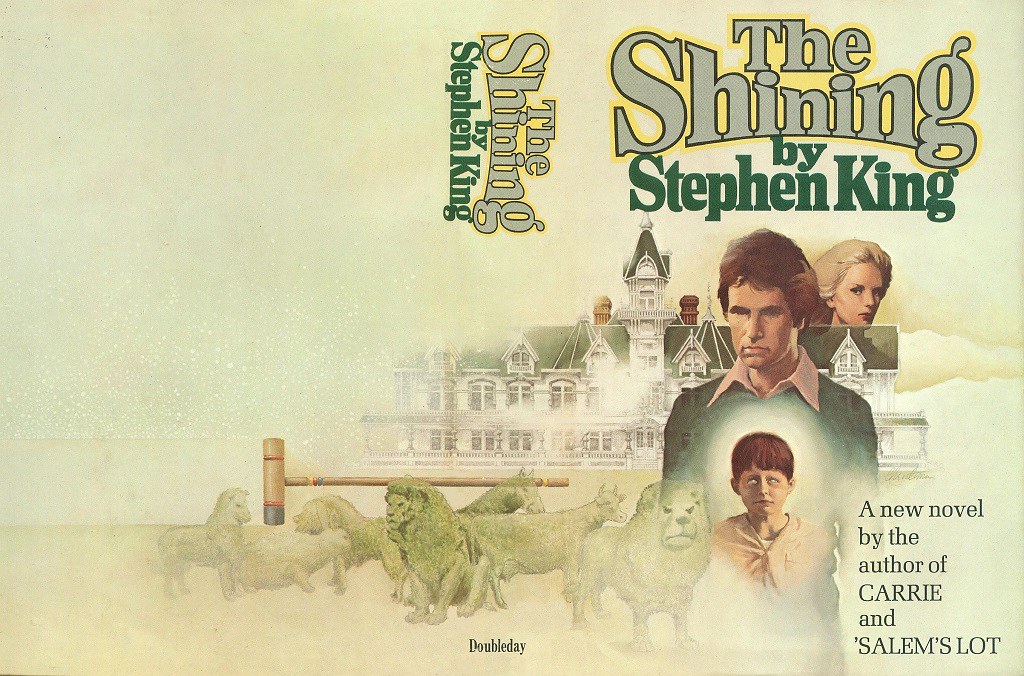
- The Shining
series5 books1977
similar byhorrorcontemporarydarknorth america+2 more
Stephen King's 1977 novel The Shining follows the Torrance family as winter caretakers of the isolated, malevolent Overlook Hotel, where father Jack is gradually consumed by the hotel's influence while his young son Danny's psychic "shining" draws its attention. Doctor Sleep (2013) picks up the story decades later, following Danny as an adult still marked by that childhood ordeal. Together the two form a horror duology spanning nearly forty years of real-world publication.
- Candlenight
Phil Rickmanstandalone novel1991
similar byhorrorcontemporarycursesfamily secretsdarkeeriesmall town
For a young professional couple like Giles and Claire, the village was idyllic—a quaint, peaceful place, far from the noise and crowds of the city. Though the locals could be standoffish at times, Giles and Claire did their best to participate in village life. But their efforts to fit in seemed to lead nowhere. And the more they tried, the more unwelcoming the place became—until the very town itself seemed to rise up against their presence. Ancient secrets and dark superstitions took a hideous, living shape. And soon they learned the terrifying truth about what it meant to be outsiders...
- The Shaman
Frank Coffeystandalone novel1980
similar byhorrorcontemporarycursesfamily secretsdarknorth americasmall town
Amazon: For Kate Whitworth, a beautiful young novelist, life had been wonderful. Loving husband, delightful daughter, challenging work. Then it all fell apart First Jack's infidelity. Then divorce. Quickly followed by daughter Allison's suicide attempt And Kate knew she had to flee New York, flee the unrelenting pressure and the bad memories. Take her daughter and return to Kirkton, the lovely upstate village where she had grown up. But a monstrous evil, five centuries dead, is alive in Kirkton. And for Kate Whitworth, a living nightmare is about to begin.
- Floating Dragon
Peter Straubstandalone novel1983
similar byhorrorcontemporarydarkeerienorth americasmall town
Floating Dragon is a horror novel by American writer Peter Straub, originally published by Underwood-Miller in November 1982 and G.P. Putnam's Sons in February 1983. The novel won the August Derleth Award in 1984.
- The Place Where They Buried Your Heart
Christina Henrystandalone novel2025
similar byhorrorcontemporaryfamily secretsdarkeerienorth america
On an otherwise ordinary street in Chicago, there is a house. An abandoned house where, once upon a time, terrible things happened. The children who live on this block are told by their parents to stay away from that house. But of course, children don’t listen. Children think it’s fun to be scared, to dare each other to go inside. Jessie Campanelli did what many older sisters do and dared her little brother Paul. But unlike all the other kids who went inside that abandoned house, Paul didn’t return. His two friends, Jake and Richie, said that the house ate Paul. Of course adults didn’t believe that. Adults never believe what kids say. They thought someone kidnapped Paul, or otherwise hurt him. They thought Paul had disappeared in a way that was ordinary, explainable. The disappearance of her little brother broke Jessie’s family apart in ways that would never be repaired. Jessie grew up, had a child of her own, kept living on the same street where the house that ate her brother sat, crouched and waiting. And darkness seemed to spread out from that house, a darkness that was alive—alive and hungry.
- If You Could See Me Now
Peter Straubstandalone novel1976
similar byhorrorcontemporarydarkeerienorth america+1 more
If You Could See Me Now is a horror novel by American author Peter Straub. It is his third novel and his second work of gothic or supernatural fiction. The book was published by Jonathan Cape in June 1977 – the same London publisher who published Julia in 1976. Coward, McCann & Geoghegan published an American edition also in June 1977.
- The Lost
Jonathan Aycliffestandalone novel1996
similar byhorrorcontemporaryfamily secretsdarkeerie+1 more
From the dust jacket flaps of the US HarperPrism first edition: "It all started when the gypsy fortune-teller looked him in the eye - and ran away screaming. Michael was a teacher at a prep school in Cambridge. Barely thirty, he felt immensely old. He was tired of his life, tired of his job, tired of dreary England. An though he didn't know it yet - tired of Sophie and her safe undemanding love. So Michael took a sabbatical and went to Romania, hoping to claim the property his grandparents had abandoned after World War II. He found he was a titled lord, and more - the owner of an ancient stronghold in the Transylvanian Alps, Castel Vlaicu. Thus, Michael Feraru became Count Mihai Vlahuta. It was all a lark; or at most, an adventure. Until the gypsy recognized him - or something about him - in the streets of Bucharest. Until he picked up the doll. And of course, the girl - the unexpected, unexplainable, irresistible dark-eyed girl. At Castel Vlaicu, Michael was to learn of an evil older than time, an evil that reached back to the very origins of his shattered family - and into his own dark future. He was to learn the secret of the strigoï. The undead. Not vampires. Something far, far worse. And far more seductive... The Lost is a novel of dark discoveries, of a man who loses his soul, and more, in the search for his secret destiny. It is a story of passion and horror, and of the doomed love that links the two."
- Mr. X
Peter Straubstandalone novel1999
similar byhorrorcontemporaryfamily secretsdarkeerienorth america
Mr. X is a 1999 horror mystery novel by American writer Peter Straub. The book won the 1999 Bram Stoker Award for Best Novel and was shortlisted for the 2001 British Fantasy Award for Best Novel.
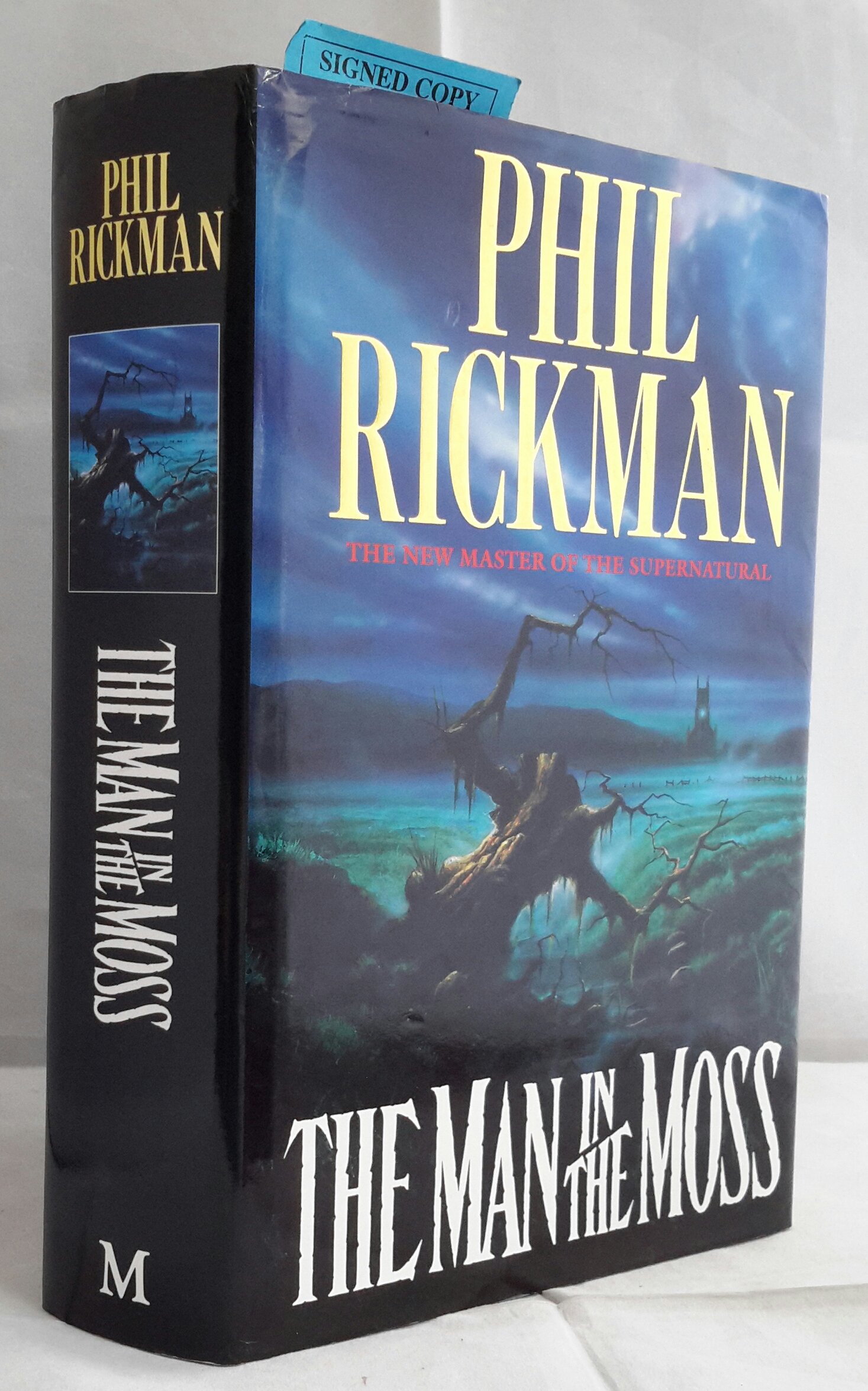
- The Man in the Moss
Phil Rickmanstandalone novel1994
similar byhorrorcontemporarycursesdarkeeriesmall town+1 more
Though dead for two millennia, he remains perfectly preserved in black peat. The Man in the Moss is one of the most fascinating finds of the century. But, for the isolated Pennine community of Bridelow, his removal is a sinister sign. A danger to the ancient spiritual tradition maintained, curiously, by the Mothers' Union. In the wecks approaching Samhain — the Celtic least of the dead — tragedy strikes again and again in Bridelow. Scottish folk singer Moira Cairns and American film producer Mungo Macbeth discover their Celtic roots are deeper and darker than they imagined. And, as fundamentalist zealots of both Christian and satanic persuasions challenge an older, gentler faith, the village faces a natural disaster unknown since the reign of Henry VIII.