Loreful
HomeDiscover
Search series, authors…⌘K
Loreful

Reading orders for SF/F series and shared universes — with your place kept in every one.

Explore

UniversesSeriesWorksAuthorsAtlas

Help

FAQAboutSite map

Account & legal

Sign inCreate accountPrivacyTerms

Data

Built on ISFDB, Wikipedia, Wikidata and Open Library. Curated reading orders carry their reasoning on the page; the rest follow publication order. Data sources & licenses

© Loreful · data: ISFDB · CC BY

More like Deathborn

anchored on:fantasymonster huntingrevengeour worldbritish isles19th century+6 more

but

Mood

The mood the book leaves you in.

  • The reading experience is propelled by journeys, exploration, and physical risk; excitement and forward momentum dominate over dread or introspection.
  • Joy and loss are deliberately mixed; the resolution grants characters something real while taking something else away, leaving warmth and sorrow together.
  • The book demands work from the reader — dense prose, difficult structure, unfamiliar ideas, or morally uncomfortable material — as part of its intended effect.
  • Grim events, cruelty, or despair dominate the atmosphere, and the book does not soften them with comfort or comic relief.
  • The atmosphere is quietly unsettling — wrongness, unease, and the uncanny pervade the book without necessarily escalating into overt horror.
  • The book is built to move the reader; character feeling is foregrounded and major scenes aim at a strong emotional response.
  • Humor is a primary aim and the prose plays for laughs — comic situations, wit, or dialogue produce sustained comedy, not occasional levity.
  • The book insists that things can improve; effort and decency are shown to matter, and the arc bends toward better outcomes even through hardship.
  • The book teaches as it goes — real facts, history, science, or craft are conveyed in enough depth that learning is part of the reading experience.
  • The book is designed to uplift and motivate, presenting perseverance or achievement in a way that invites the reader to aspire or act.
  • The overall register is cheerful and easygoing; stakes are kept gentle and the book avoids dwelling on pain or dread.
  • Withheld information drives the experience; the book sustains enigmas and secrets the reader wants resolved, whatever its genre.
  • The book is contemplative and inward-looking, giving more weight to thought, memory, and meaning than to external events.
  • The book works as comfort reading — low tension, a soothing pace, and an atmosphere the reader can unwind in.
  • Grief, loss, or melancholy set the dominant register, and the book lets sorrow stand rather than resolving it into comfort.
  • Sustained suspense is the point; the book keeps the reader braced for what happens next through danger, pressure, or impending revelation.
  • Playful invention and charm define the register — fanciful conceits, light absurdity, and a narration that delights in its own oddity.

About

What the story runs on.

  • Stories in which extraterrestrial beings are central — as characters, cultures, or the object of the plot.
  • Stories structured as a quest — a journey undertaken to find, deliver, or destroy something of great import.
  • Stories in which staying alive against nature, catastrophe, or scarcity is the central problem.
  • Stories of lovers kept apart by law, family, faith, or station, where the obstacle to love is the plot.
  • Stories in which a friendship — its making, testing, or loss — is the emotional center.
  • Stories of growing up — a young protagonist crossing from childhood into adult knowledge and responsibility.
  • Stories about who a character truly is — self-discovery, doubled lives, and the search for a self.
  • Stories about mourning — living through the death of a loved one and what loss does to the survivors.
  • Stories in which a buried family truth — hidden parentage, crimes, or shames — surfaces and reorders the present.
  • Stories driven by maneuvering for power — factions, conspiracies, and statecraft conducted in shadow.
  • Stories in which war itself is the subject — combat, occupation, and what warfare does to soldiers and civilians.
  • Stories organized around investigating a killing — the case, the clues, and the pursuit of the killer, in any genre's clothing.

Shelf

Where it sits in the library.

    • Fiction built on magic or other supernatural elements that have no scientific explanation.
    • Secondary-world fantasy at large scale, where the fate of nations or the world turns on the protagonists' struggle.
    • Fantasy set in a recognizably modern city or contemporary world where the supernatural intrudes on everyday life.
    • Fantasy that blends in horror's atmosphere and imagery, keeping a fantastical frame around grim or frightening material.
    • Action-driven fantasy following warriors or rogues with personal stakes against sorcerous threats, rather than world-spanning conflicts.
    • Fantasy set in a real historical period or a close analogue of one, with magic woven into the era.
    • Fantasy in which protagonists cross from the ordinary world into another world through a portal or similar passage.
    • Fiction that retells or reworks a traditional fairy tale in a new form or setting.
    • Fantasy drawing directly on myths, legends, and folklore, retelling them or building on their figures and logic.
    • Fantasy of ghosts, vampires, shapeshifters, psychics, and similar phenomena, usually set in an otherwise ordinary world.
    • Fiction mixing science-fictional trappings with overtly magical or impossible elements in one setting.
    • Low-stakes fantasy emphasizing comfort, community, and everyday pleasures over conflict and peril.
    • Speculative fiction of pervasive moral ambiguity, violence, and cynicism that rejects heroic conventions — fantasy and SF alike.
      • Fiction that extrapolates from science and technology — future societies, space travel, or speculative inventions — within at least nominally natural laws.
      • Science fiction of interstellar scope — starships, galactic polities, and adventure across star systems.
      • Science fiction committed to scientific rigor, where technical plausibility constrains the story.
      • Science fiction centered on armed forces and warfare, told largely from a military point of view.
      • Science fiction of networked, corporate-dominated near futures, pairing high technology with social decay.
      • Science fiction styled on nineteenth-century steam-powered technology, often in a Victorian or pseudo-Victorian setting.
      • Fiction depicting an oppressive or catastrophic society, presented as a warning.
      • Fiction set after civilization's collapse, following survivors in the ruins of the old world.
      • Fiction in which characters move between past and future, and the mechanics or consequences of that travel drive the plot.
      • Fiction exploring a world where a historical event went differently and history diverged from ours.
      • Science fiction about humanity's first encounter and communication with an alien intelligence.
      • Science fiction in which extraterrestrial forces attack or occupy Earth and humanity resists.
      • Fiction whose primary aim is to frighten or unsettle the reader through dread, menace, or the monstrous.
      • Horror of vast, indifferent, incomprehensible entities before which humanity is insignificant, in the Lovecraft tradition.
      • Horror of decaying houses, buried family secrets, and oppressive atmosphere in the Gothic literary tradition.
      • Horror centered on hauntings and the returning dead.
      • Horror located in the mind — paranoia, obsession, and unreliable perception rather than external monsters.
      • Horror built around the reanimated dead and survival amid their outbreaks.
      • Horror defined by explicit, transgressive gore that refuses to cut away from violence.
      • Speculative fiction of the strange and uncanny that resists both natural explanation and standard genre categories.
      • Fiction organized around solving a crime or puzzle, typically following an investigator toward the identification of a culprit.
      • A puzzle-first mystery that lays out clues so the culprit's identity can be deduced before the reveal.
      • Crime fiction of moral ambiguity, fatalism, and hard-edged style, set among the corrupt and the doomed.
      • A mystery following the realistic routines of police work — forensics, interviews, and case-building.
      • A gentle mystery with an amateur sleuth, a small community, and violence kept off the page.
      • A mystery set in a past era, where the investigation works within that period's methods and society.
      • Fast-paced fiction driven by imminent danger, pursuit, or high-stakes conspiracy, built to sustain tension.
      • A thriller of espionage — agents, tradecraft, and intelligence services in conflict.
      • A thriller centered on lawyers and the courtroom, where litigation carries the suspense.
      • A thriller driven by detailed contemporary or near-future technology, often military or scientific.
      • A thriller whose tension comes from mental states and manipulation between characters rather than external action.
      • Fiction whose central plot is a romantic relationship and its development toward an emotionally satisfying resolution.
      • Romance in which one or both partners are supernatural beings, blending fantasy elements into the love story.
      • A fantasy-romance hybrid in which the romantic arc and the fantasy plot carry equal weight.
      • Romance set in a past era, with courtship shaped by the period's society and manners.
      • Romance set in the present day, without supernatural or historical elements.
      • Fiction set in a real past period, where the historical setting materially shapes characters and events.
        • General and literary fiction emphasizing prose style, character interiority, or formal ambition over genre plot conventions.
        • Fiction in a realistic world where magical events occur and are treated as ordinary, in the tradition of Latin American literature.
        • Fiction that ridicules people, institutions, or society in order to criticize them.
        • Fiction of dreamlike, irrational imagery and logic that breaks from realistic representation.
        • Fiction that plays with narrative convention through metafiction, fragmentation, and self-reference.
        • Fiction propelled by journeys, exploration, and physical peril, where action and survival carry the plot.
        • Adventure fiction of ships and seafaring — naval engagements, voyages, and life at sea.
        • Fiction of the American frontier West — gunmen, ranchers, and lawmen, typically in the late nineteenth century.
        • Fiction centered on soldiers, campaigns, and the experience of warfare, historical or imagined.
          • Fiction written primarily to amuse, using comedic situations, wit, or parody as its organizing principle.
            • Multi-generational fiction following a family or dynasty across decades, with inheritance and kinship as the through-line.
              • Fiction whose world runs on explicit game mechanics — levels, stats, and skills that characters can see and exploit.
                • Fiction about costumed or superpowered heroes and their conflicts with comparable villains.

                Practical

                How long a commitment, whether it stands alone, and whether it has finished.

                Tap a chip to ask for it · tap again to rule it out · once more to clear. Numbers show what would be left.

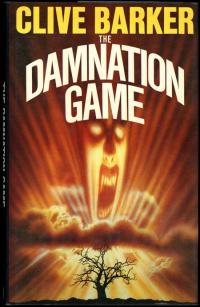
                • Cover of The Damnation Game
                  The Damnation Game

                  Clive Barker · standalone novel · 1985

                  similar bydarktenseour worldrevengedark fantasyhorrorbritish islesfantasy

                  Marty Strauss is a compulsive gambler fresh out of prison when he's hired as bodyguard for Joseph Whitehead, a reclusive tycoon whose fortune and continued existence trace back to a bargain struck decades earlier, during World War II, with a man named Mamoulian. That bargain is coming due: Mamoulian, who commands powers reaching well past death, wants what he's owed, and Whitehead's household -- his wife, his daughter Carys, his previous bodyguard -- is caught in the middle of a decades-old debt finally being called in. Marty, out of his depth from the start, finds himself the only one willing to stand against Mamoulian. Clive Barker's first novel.

                • Cover of The Library at Mount Char
                  The Library at Mount Char

                  Scott Hawkins · standalone novel · 2015

                  similar bydarktensefantasyour worldrevengedark fantasyhorror

                  The Library at Mount Char is a contemporary fantasy/horror novel written by Scott Hawkins. It is his first novel.

                • Cover of Babel, or, The Necessity of Violence: An Arcane History of the Oxford Translators' Revolution
                  Babel, or, The Necessity of Violence: An Arcane History of the Oxford Translators' Revolution

                  R. F. Kuang · standalone novel · 2022

                  similar by19th centurydarkour worldhistorical fantasybritish islesfantasy

                  Babel, or The Necessity of Violence: An Arcane History of the Oxford Translators' Revolution is a 2022 novel of speculative fiction by R. F. Kuang set in a fantastical version of Oxford in 1830s England. Thematically similar to The Poppy War (2018–20), Kuang's first book series, the book criticizes British imperialism, racism and capitalism, and the complicity of academia, knowledge, and language in perpetuating and enabling them.

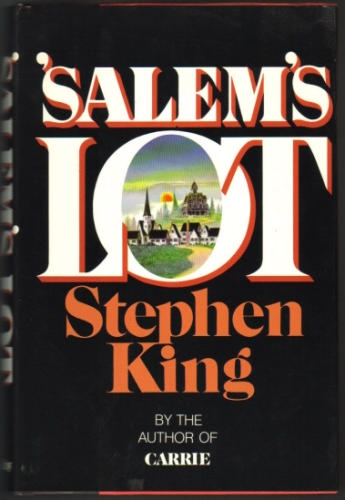
                • Cover of Jerusalem's Lot
                  Jerusalem's Lot

                  series · 3 books · 1975

                  similar bydarktenseour worldhorrorgrief and loss+1 more

                  Stephen King's 1975 novel 'Salem's Lot follows writer Ben Mears as he returns to his childhood town of Jerusalem's Lot, Maine, only to discover that its residents are being turned into vampires by a newly arrived stranger. It transplants Gothic vampire horror into a small New England community, tracking that community's collapse under a supernatural siege. It is a single, self-contained novel.

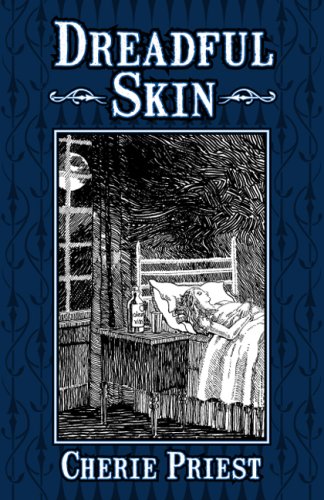
                • Cover of Dreadful Skin
                  Dreadful Skin

                  Cherie Priest · standalone novel · 2007

                  similar by19th centurydarktensemonster huntingrevengehorror

                  A runaway Irish nun pursues a murderous werewolf across post-Civil War America in this riveting Southern gothic from Priest. Divided into three atmospheric, slightly disjointed sections, the story opens aboard a riverboat carrying John Gabert, the werewolf, and Sister Eileen Callaghan, who's pursuing him with a Colt revolver hidden under her skirts. Gabert escapes, but Eileen is infected by the lycanthrope's blood.

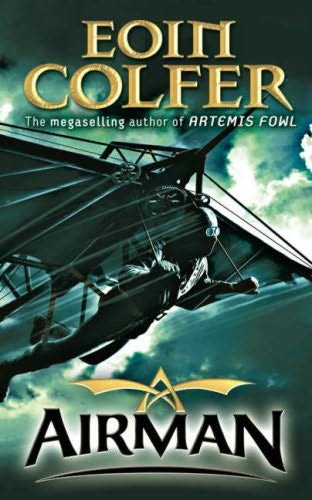
                • Cover of Airman
                  Airman

                  Eoin Colfer · standalone novel · 2008

                  similar by19th centurytenseour worldrevengebritish isles+1 more

                  Airman, by Eoin Colfer, is a best-selling historical adventure novel set in the 19th century. It was released in the UK, Ireland and US in January 2008. The novel was shortlisted for the 2009 Carnegie Medal.

                • Cover of The Witches
                  The Witches

                  Roald Dahl · standalone novel · 1983

                  similar bydarktensefantasywitchesdark fantasybritish isles

                  The Witches is a 1983 children's novel by British author Roald Dahl. A dark fantasy, the story is set partly in Norway and partly in England, and features the experiences of a young English boy and his Norwegian grandmother in a world where child-hating societies of witches secretly exist in every country. The witches are ruled by the vicious and powerful Grand High Witch, who arrives in England to organise her plan to turn all of the children there into mice.

                • Cover of The Stress of Her Regard Universe
                  The Stress of Her Regard Universe

                  series · 3 books · 1989

                  similar by19th centurydarkhistorical fantasydark fantasy+3 more

                  Tim Powers's The Stress of Her Regard reimagines the lives of Byron, Shelley, and Keats through a secret history in which they are stalked and inspired by a nephilim, a shape-shifting vampiric being that acts as a deadly muse. Physician Michael Crawford is drawn into their orbit after inadvertently marrying himself to one of the creatures, setting off a pursuit across the Alps to break her hold on him. The 2012 sequel, Hide Me Among the Graves, moves the same secret history forward into Victorian London.

                • Cover of Rose Madder
                  Rose Madder

                  Stephen King · standalone novel · 1995

                  similar bydarktenseour worldfantasyhorror+1 more

                  Rose Madder is a horror/fantasy novel by American writer Stephen King, published in 1995. It deals with the effects of domestic violence and, unusually for a King novel, relies for its fantastic element on Greek mythology. In his memoir, On Writing, King states that Rose Madder and Insomnia are "stiff, trying-too-hard novels."

                • Cover of The Terror
                  The Terror

                  Dan Simmons · standalone novel · 2007

                  similar by19th centurydarktensehorror

                  The Terror is a 2007 novel by American author Dan Simmons. It is a fictionalized account of Captain Sir John Franklin's lost expedition, on HMS Erebus and HMS Terror, to the Arctic, in 1845–1848, to locate the Northwest Passage. In the novel, while Franklin and his crew are plagued by starvation and illness, and forced to contend with mutiny and cannibalism, they are stalked across the bleak Arctic landscape by a monster.

                • Cover of The Werewolf of Paris
                  The Werewolf of Paris

                  Guy Endore · standalone novel · 1933

                  similar by19th centurydarktensehorror

                  The Werewolf of Paris (1933) is a Gothic horror novel by American writer Guy Endore. The novel follows Bertrand Caillet, the eponymous werewolf, throughout the tumultuous events of the Franco-Prussian War and the Paris Commune of 1870–71. Some literature experts have compared this book with Dracula by Bram Stoker and they have identified it as the Dracula of werewolf fiction.

                • Cover of My Brother's Keeper
                  My Brother's Keeper

                  Tim Powers · standalone novel · 2023

                  similar by19th centurydarkfantasybritish isleshistorical fantasyhorror

                  This is a ghost story. It is a story about werewolves, and things that go bump in the night. It is a story of an ill-fated land, the pathless moors of Northern England so well chronicled in Wuthering Heights. And it is the story of a real family whose destiny it is to deal with this darkly glamorous and dangerous world. When young Emily Brontë helps a wounded man she finds at the foot of an ancient pagan shrine in the remote Yorkshire moors, her life becomes contentiously entwined with his. He is Alcuin Curzon, embittered member of a sect working to eradicate the resurgent plague of lycanthropy in Europe and northern England. But Emily’s father, curate of the Haworth village church, is responsible for having unwittingly brought a demonic werewolf god to Yorkshire forty years ago—and it is taking possession of Emily’s beloved but foolish and dissolute brother. Curzon must regard Emily’s family as a dire threat. In spite of being at deadly odds, Emily and Curzon find themselves thrown together in fighting werewolves, confronting pagan gods, even saving each other from the lures of moorland demons. And in a final battle that sweeps from the haunted village of Haworth to a monstrous shrine far out on the moors, the two of them must be reluctant allies against an ancient power that seems likely to take their souls as well as their lives.

                • Cover of Savage: From Whitechapel to the Wild West on the Track of Jack the Ripper
                  Savage: From Whitechapel to the Wild West on the Track of Jack the Ripper

                  Richard Laymon · standalone novel · 1993

                  similar by19th centurydarktenserevengehorrorbritish isles

                  A teenage boy witnesses Jack the Ripper's last brutal murder and chases the murderer across the sea to New York City, then across the American West.

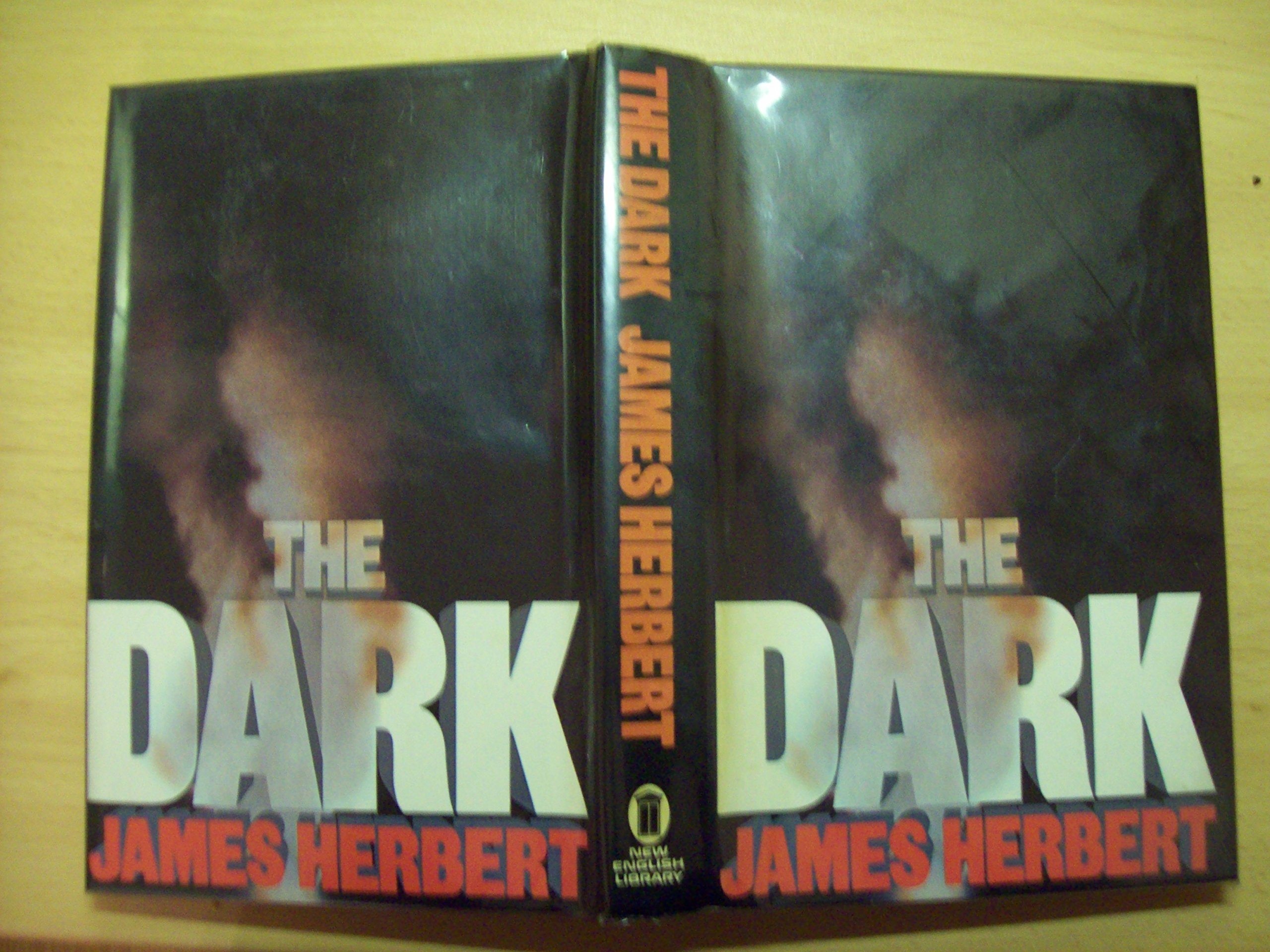
                • Cover of The Dark
                  The Dark

                  James Herbert · standalone novel · 1980

                  similar bydarktenseour worlddark fantasyhorror+1 more

                  WorldCat: It came like a malignant shadow with seductive promises of power. And somewhere in the night, a small girl smiled as her mother burned. Asylum inmates slaughtered their attendants. In slimy tunnels, once-human creatures gathered. Madness raged as the lights began to fade and humanity was attacked by an ancient, unstoppable evil.

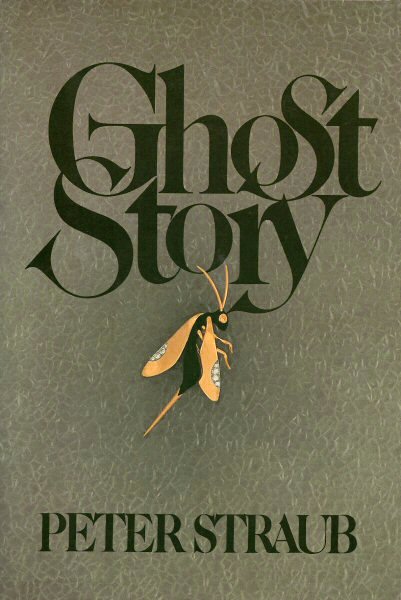
                • Cover of Ghost Story
                  Ghost Story

                  Peter Straub · standalone novel · 1979

                  similar bydarktenserevengehorrorgrief and loss

                  Four prominent citizens of a small town in upstate New York who share guilt over something that happened in their youth are revisited late in life by a destructive evil force which uses their guilt as an opportunity to destroy them as well as the entire town.

                • Cover of Dracula the Undead
                  Dracula the Undead

                  Freda Warrington · standalone novel · 1997

                  similar by19th centurydarktenserevengehorrorbritish isles

                  In this sequel to Bram Stoker's Dracula the vampire reanimates himself and pursues the Harker family to London, where he continues to torment them.

                • Cover of Cell
                  Cell

                  Stephen King · standalone novel · 2006

                  similar bydarktenseour worldhorror+1 more

                  In Cell, King taps into readers fears of technological warfare and terrorism. Mobile phones deliver the apocalypse to millions of unsuspecting humans by wiping their brains of any humanity, leaving only aggressive and destructive impulses behind. Those without cell phones, like illustrator Clayton Riddell and his small band of "normies," must fight for survival, and their journey to find Clayton's estranged wife and young son rockets the book toward resolution.

                • Cover of Horns
                  Horns

                  Joe Hill · standalone novel · 2010

                  similar bydarkrevengeour worlddark fantasyhorror

                  WorldCat: After his childhood sweetheart is brutally killed and suspicion falls on him, Ig Parrish goes on a drinking binge and wakes up with horns on his head, hate in his heart, and an incredible new power which he uses in the name of vengeance.

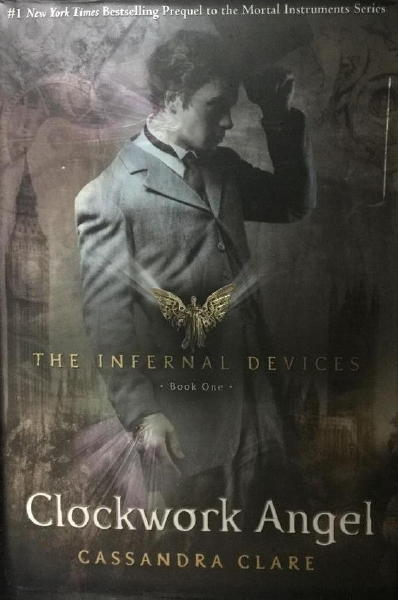
                • Cover of The Infernal Devices
                  The Infernal Devices

                  series · 5 books · 2010

                  part of The Mortal Instruments

                  similar by19th centurybritish islesfantasyhistorical fantasy+2 more

                  The Infernal Devices is a trilogy by author Cassandra Clare, centring on a race called the Shadowhunters introduced in her The Mortal Instruments series. The trilogy is a prequel series to The Mortal Instruments series. Cassandra Clare has stated that the two series are able to be read in any order, but it is best to read them in publication order.

                • Cover of Reverend Jedidiah Mercer
                  Reverend Jedidiah Mercer

                  series · 10 books · 1986

                  similar by19th centurydarktensehorror+1 more

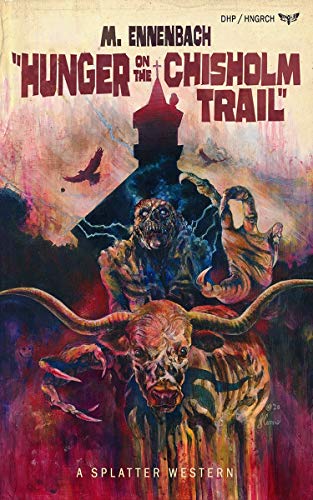
                • Cover of Hunger on the Chisholm Trail
                  Hunger on the Chisholm Trail

                  M. Ennenbach · standalone novel · 2020

                  similar by19th centurydarktenseour worldmonster huntinghorror

                  • "The first cattle drive of the season leaves Texas for Abilene, Kansas along the Chisholm Trail, but unforeseen terrors lay hidden in the natural beauty of the land. In the heart of Indian Territory lies the sleepy town of Duncan, a friendly respite from the dusty land. But something lurks in the untamed West-a powerful creature that hunts to satiate its horrifying hunger. The land will run red with blood, and only Karl Beck has a chance against this ancient evil." ― quoted from this book's product page on its Amazon product page as of 2021-03-06.

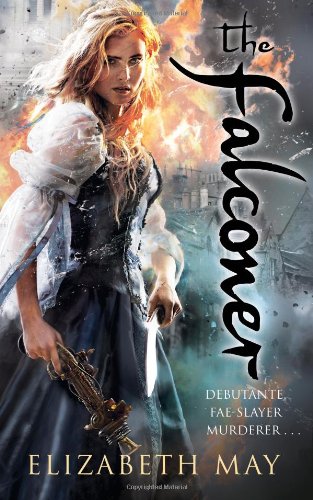
                • Cover of The Falconer / Aileana Kameron
                  The Falconer / Aileana Kameron

                  series · 5 books · 2013

                  similar byfantasybritish isleshistorical fantasy+5 more

                • Cover of Heart-Shaped Box
                  Heart-Shaped Box

                  Joe Hill · standalone novel · 2007

                  similar bydarktenserevengehorror+1 more

                  Heart-Shaped Box is the debut horror novel by American author Joe Hill. The book was published on February 13, 2007, by William Morrow.

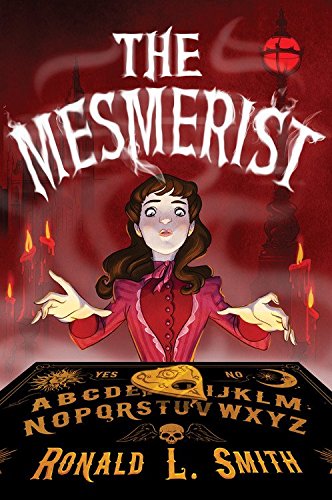
                • Cover of The Mesmerist
                  The Mesmerist

                  Ronald L. Smith · standalone novel · 2017

                  similar by19th centuryfantasyour worldbritish isleshistorical fantasyhorror+1 more

                  Thirteen-year-old Jessamine Grace and her mother make a living as sham spiritualists until they discover that Jess is a mesmerist and that she really can talk to the dead. Soon she is plunged into the dark world of Victorian London s supernatural underbelly and learns that the city is under attack by ghouls, monsters, and spirit summoners. Can Jess fight these powerful forces?