More like Dig
anchored on:near futurescience fictionpost-apocalyptic
but
- The Triffids
series3 books1951
similar bydarkscience fictionpost-apocalypticour worldsurvival+2 more
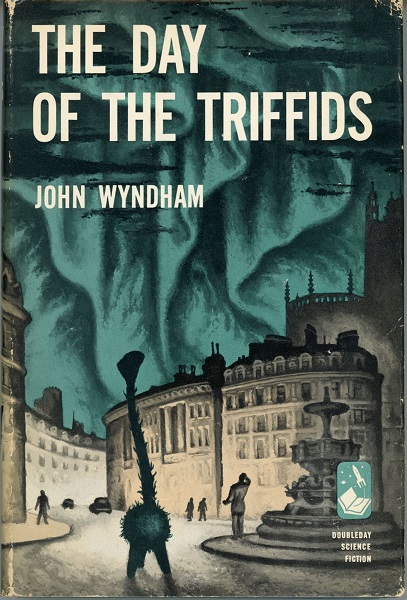
John Wyndham's The Day of the Triffids (1951) opens with a meteor-shower-like event that leaves most of Britain's population blind, throwing civilization into collapse just as triffids, an aggressive and mobile species of poisonous plant, become free to hunt the helpless survivors. Simon Clark's authorized sequel The Night of the Triffids (2001) picks up a generation later, narrated by the original protagonist's son as he confronts a new triffid-dominated world, and John Whitbourn's The Age of the Triffids extends the shared setting further still. Together the three novels form a loose post-apocalyptic trilogy built on Wyndham's original premise rather than a tightly plotted single story.
- Mother of Storms
John Barnesstandalone novel1994
similar byecological collapsenear futuretensescience fictionpost-apocalypticour worldsurvival+1 more
From the flaps of the Tor first edition: "It is 2028. A strike to destroy an illegal Arctic weapons cache has a catastrophic side effect. Massive amounts of energy are liberated from the polar ice, suddenly warming the Earth's climate. In the middle of the Pacific, a gigantic hurricane thousands of miles across is forming, larger than any in human history. A storm with winds of supersonic speed. A storm that changes direction at whim. A storm that refuses to die. A storm so vast it spawns dozens more in its wake... Blinded by intrigue, expedience, and greed, the world's politicians and power brokers have ignored the killer storms threat until it is too late. Already the death toll is in the tens of millions, as it savages the Pacific coast, while its devil's brood of smaller storms are wreaking havoc across the face of the planet. While the survivors scramble for advantage, a handful of courageous men and women undertake a daring, desperate plan to save humanity from total destruction - a plan so visionary it may alter forever the future of the human race."
- The Hopkins Manuscript
R. C. Sherriffstandalone novel1939
similar byecological collapsenear futuredarktensescience fictionpost-apocalypticour worldsurvival
The Hopkins Manuscript is a dystopian science fiction novel by R. C. Sherriff, first published in 1939 by Victor Gollancz. In 1958 it was reissued in a revised edition as a Pan paperback under the title The Cataclysm. The novel was later republished under its original title by The Macmillan Company in 1963 and by Persephone Books in 2002.
- War Against the Chtorr
series7 books1983
similar byecological collapsenear futuredarktensescience fictionpost-apocalypticsurvival+1 more
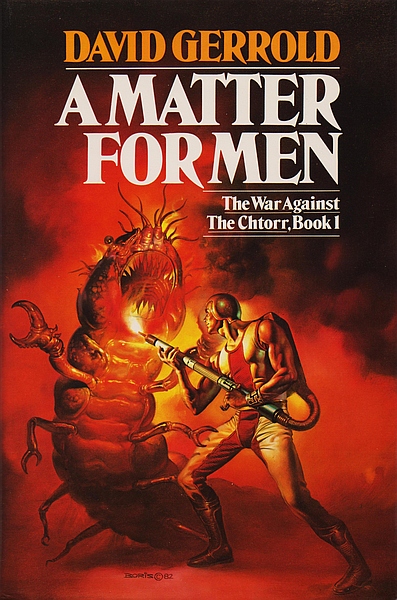
The War Against the Chtorr is a series of science fiction novels by American writer David Gerrold. The Chtorr series was originally planned as a trilogy, but as the story became more intricate, Gerrold realized that three books would not be enough for him to tell the entire story. For a time, he was uncertain how many books there would be in the end but plans on seven. As of 2022, four books have been completed. As of 2017, a fifth and sixth were in the works, 24 years after the publication of the fourth book.
- Make Room! Make Room!
Harry Harrisonstandalone novel1966
similar byecological collapsenear futuredarktensescience fictionour worldsurvival
Make Room! Make Room! is a 1966 science fiction novel written by Harry Harrison exploring the consequences of both unchecked population growth on society and the hoarding of resources by a wealthy minority. It was originally serialized in Impulse magazine.
- Ship Breaker
series3 books2010
similar bydarktensescience fictionpost-apocalypticnear futuresurvival+2 more
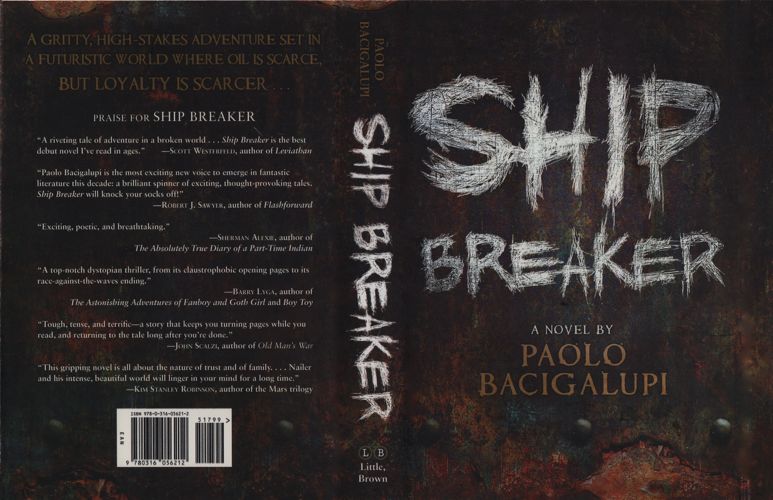
Nailer works a light-crew scavenging copper wire and scrap from beached oil tankers on a Gulf Coast reshaped by rising seas and vanished order, until a wrecked clipper ship washes ashore carrying a half-drowned girl from the wealthy world he'll never belong to. Paolo Bacigalupi's Ship Breaker follows Nailer as helping her pulls him out of his abusive father's orbit and into a much larger, more dangerous game involving her family's fortune. The sequels The Drowned Cities and Tool of War widen the same flooded, resource-scavenging future to new characters and coastlines.
- Where Late the Sweet Birds Sang
Kate Wilhelmstandalone novel1976
similar byecological collapsenear futuredarkscience fictionpost-apocalypticour worldsurvival
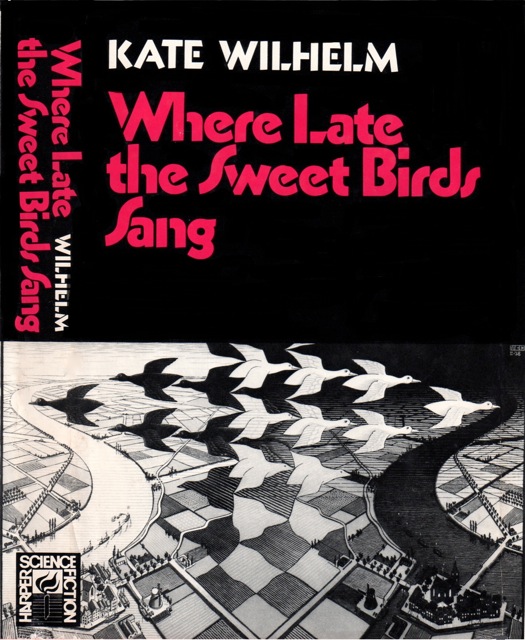
Where Late the Sweet Birds Sang is a science fiction novel by American writer Kate Wilhelm, published in 1976. The novel is composed of three parts, "Where Late the Sweet Birds Sang," "Shenandoah," and "At the Still Point," and is set in a post-apocalyptic era, a concept popular among authors who took part in the New Wave Science Fiction movement in the 1960s.
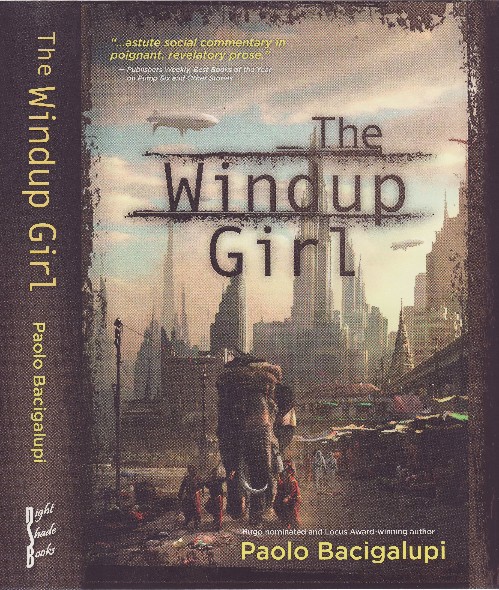
- The Windup Universe
series3 books2005
similar byecological collapsenear futuredarkscience fictionour world+1 more
- Colony
Ben Bovastandalone novel1978
similar bynear futuretensescience fictionsurvival+3 more
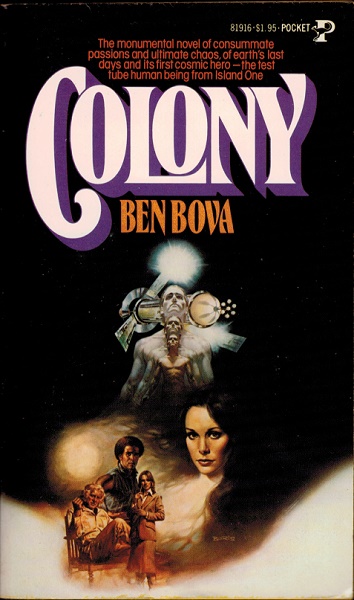
Colony continues the story Ben Bova began in Millennium, following astronaut-turned-administrator Chet Kinsman years later as the head of an orbiting space habitat that has become Earth's only real refuge from a planet buckling under overpopulation, food shortages and unrest. Getting a place in the habitat is a matter of life and death for millions who will never be chosen, and as Earth's governments grow more desperate to control or dismantle the colony outright, Kinsman has to decide how far he'll go to protect the world he's built off-world. Bova later folded both novels together into the omnibus The Kinsman Saga. Part of Ben Bova's Chet Kinsman series.
- Gold Fame Citrus
Claire Vaye Watkinsstandalone novel2015
similar byecological collapsenear futuredarkscience fictionpost-apocalypticour worldsurvival+1 more
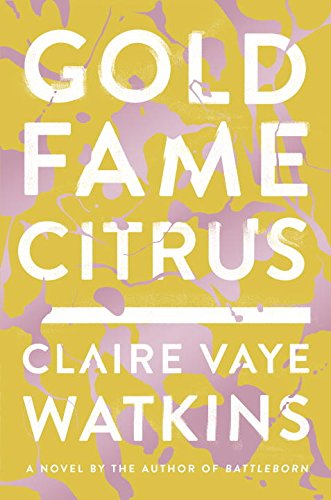
Gold Fame Citrus is a 2015 speculative fiction novel by Claire Vaye Watkins. It is her second book, but her first novel. The work received positive reviews.
- Flood
series6 books2008
similar byecological collapsescience fictionnear futuresurvival+4 more
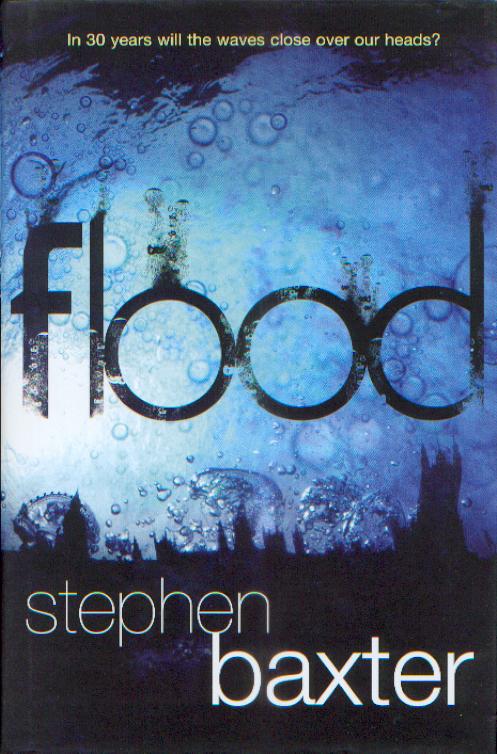
In Stephen Baxter's Flood, sudden seismic upheaval releases immense reservoirs of water trapped deep beneath Earth's crust, and sea levels begin climbing far faster than anyone can adapt to, forcing a handful of survivors to watch coastlines and then continents disappear. The 2009 sequel, Ark, follows a parallel thread of people who instead gamble everything on a desperate escape from the drowning planet. Together the two books trace roughly a half-century of civilizational collapse and reinvention as dry land runs out.
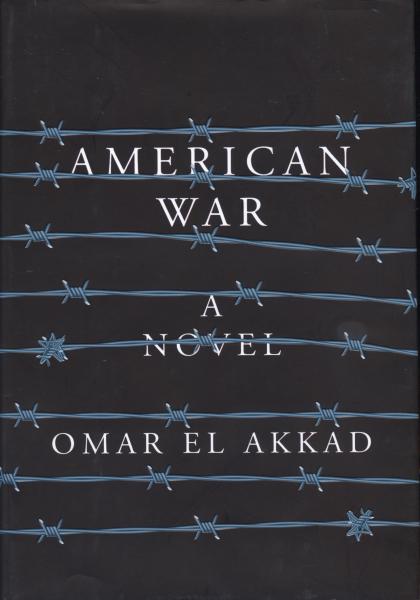
- American War
Omar El Akkadstandalone novel2017
similar byecological collapsenear futuredarkscience fictionpost-apocalypticsurvival+1 more
American War is the first novel by the Egyptian-Canadian journalist Omar El Akkad. It is set in the United States in the near future, ravaged by climate change and disease, in which the Second Civil War has broken out over the use of fossil fuels.
- Rings of Ice
Piers Anthonystandalone novel1974
similar byecological collapsenear futuretensescience fictionpost-apocalypticour worldsurvival+1 more
When an attempt at providing humans with a new energy source goes disastrously wrong, causing a worldwide mass disaster, a handful of random men and women attempt to work together to survive, despite their individual peculiarities.
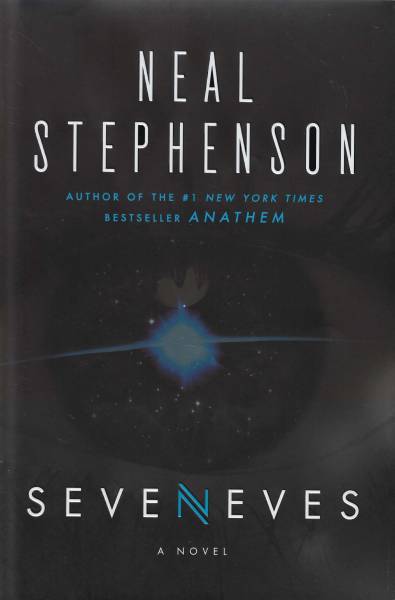
- Seveneves
Neal Stephensonstandalone novel2015
similar byecological collapsenear futuretensescience fictionpost-apocalypticour worldsurvival
Seveneves is a science fiction novel by Neal Stephenson published in 2015. The story tells of the desperate efforts to preserve Homo sapiens in the wake of apocalyptic events on Earth after the unexplained disintegration of the Moon and the remaking of human society as a space-based civilization after a severe genetic bottleneck.
- Earthseed
series7 books1993
similar bynear futuredarkscience fictionpost-apocalypticsurvival+1 more
Octavia E. Butler's Earthseed novels, Parable of the Sower and Parable of the Talents, follow Lauren Olamina as she survives the collapse of a climate-ravaged, near-future United States and founds a belief system built on the idea that "God is Change." The two-book series was left unfinished at Butler's death; a planned third novel, Parable of the Trickster, was never completed. Later graphic-novel adaptations retell the same two stories rather than continuing the narrative.
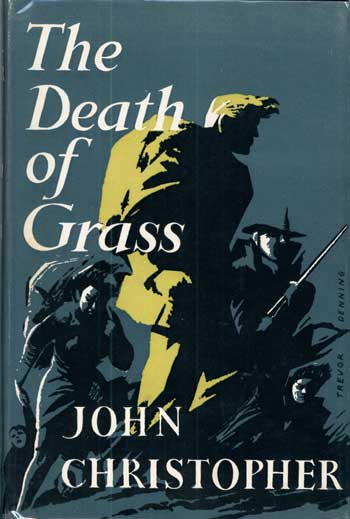
- The Death of Grass
John Christopherstandalone novel1956
similar byecological collapsedarktensescience fictionpost-apocalypticour worldsurvival
The Death of Grass is a 1956 post-apocalyptic science fiction novel written by the English author Sam Youd under the pen name John Christopher. The plot concerns a virus that kills off grass species, including rice and wheat. The Death of Grass was the first of several post-apocalyptic novels written by Youd. The novel was written in a matter of weeks and liberated him from his day job.
- Cold People
Tom Rob Smithstandalone novel2023
similar bynear futuredarktensescience fictionpost-apocalypticsurvival+1 more
A novel about a colony of global apocalypse survivors seeking to reinvent civilisation under the most extreme conditions imaginable: without warning, a mysterious and omnipotent force has claimed Earth for their own; there are no negotiations, no demands, no reasons given for their actions; humanity has thirty days to reach the one place on Earth where they will be allowed to exist... Antarctica.
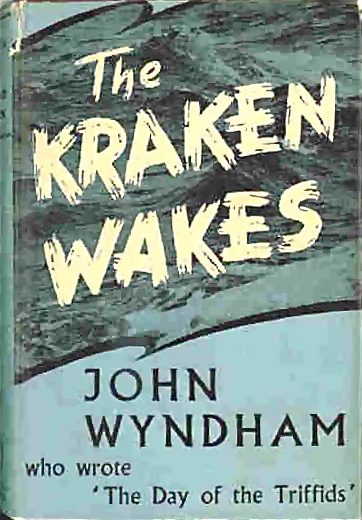
- The Kraken Wakes
John Wyndhamstandalone novel1953
similar bydarktensescience fictionpost-apocalypticour worldsurvival+1 more
" Behind a spectacular meteor shower actually hides the beginning of an invasion by a mysterious and powerful alien race. Earth's life is disrupted by the attacks of extraterrestrials whose war machines, emerging from the depths of the oceans, seem indestructible. The coalitioned forces of the whole world are worthless, powerless in the face of the indecipherable and deadly plans of a superior intelligence, capable of bringing the entire planet to the brink of catastrophe" Goodreads May 20, 2022
- Lucifer's Hammer
Larry Niven & Jerry Pournellestandalone novel1977
similar byecological collapsedarktensescience fictionpost-apocalypticsurvival
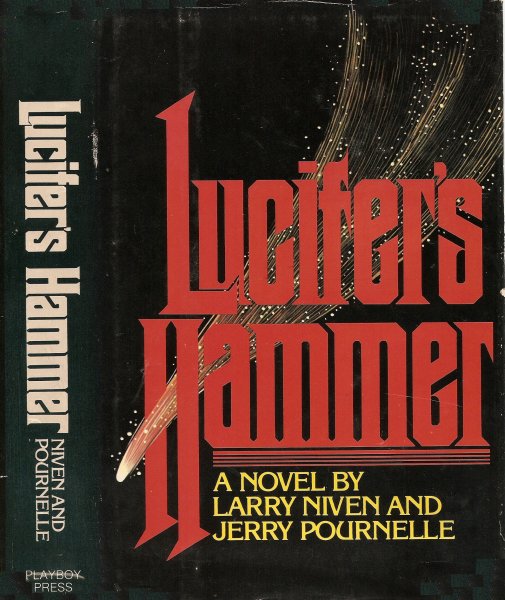
Lucifer's Hammer is a science fiction post-apocalypse-survival novel by American writers Larry Niven and Jerry Pournelle that was first published in 1977. It was nominated for the Hugo Award for Best Novel in 1978.
- Orange County
series3 books1984
similar bynear futurescience fiction+5 more
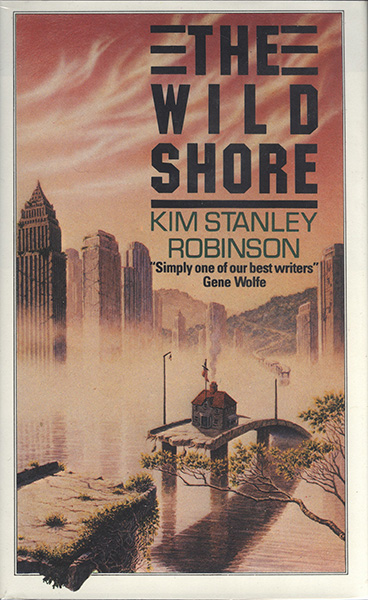
The Three Californias Trilogy is a series by science fiction author Kim Stanley Robinson that depicts three possible futures of Orange County, California. The novels that make up the trilogy are, "The Wild Shore", 'The Gold Coast", and "Pacific Edge". Each novel describes the life of young people in one of the three near-future worlds; each novel begins with an exposition that tells the reader about the fictional world.
- This Is the Way the World Ends
James Morrowstandalone novel1986
similar byecological collapsenear futuredarkscience fictionpost-apocalypticour worldsurvival
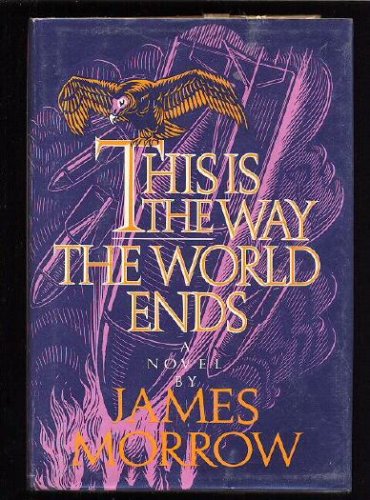
This Is the Way the World Ends is a post-apocalyptic novel by American writer James K. Morrow, published in 1986.
- Maurai
series6 books1959
completed
similar byecological collapsescience fictionpost-apocalypticour world+2 more
The Maurai series is a series of short stories and a novel by Poul Anderson set in a resource depleted, post-apocalyptic earth several centuries in the future. The series is named after its most frequent protagonists, citizens of the Maurai Federation. The Maurai dominate the Pacific and Indian Oceans. Fearful of the social and ecological implications of a return to large-scale industrial society, they use their considerable might and covert resources to prevent other nations from developing nuclear power.
- The Never-Ending End of the World
Ann Christystandalone novel2023
similar bynear futurescience fictionpost-apocalypticour world+2 more