More like Disease
anchored on:literary & generalour worldcontemporaryshort story cyclescience fictionidentity+3 more
but
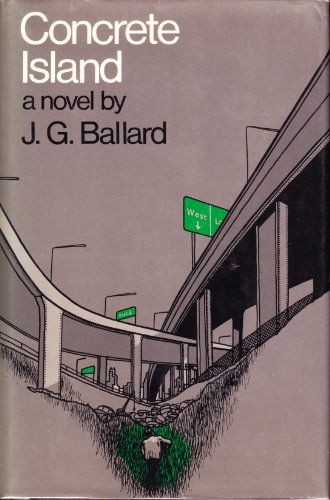
- Concrete Island
J. G. Ballardstandalone novel1974
similar byidentitylonelinessour worldcontemporaryliterary & generalchallengingreflective
Architect Robert Maitland crashes his car onto a stretch of wasteland trapped between three converging motorways -- visible from thousands of cars, reachable by none of them. Injured and unable to climb back to the road, Maitland adapts to life on what he starts calling the Island, scavenging food thrown from car windows, and discovers he isn't alone: a runaway sex worker hiding in a bunker, and a brain-damaged former circus acrobat, both long past expecting rescue. What begins as a survival story turns into a question of whether Maitland even wants to leave. A J. G. Ballard novel of urban isolation, grouped with Crash and High-Rise.
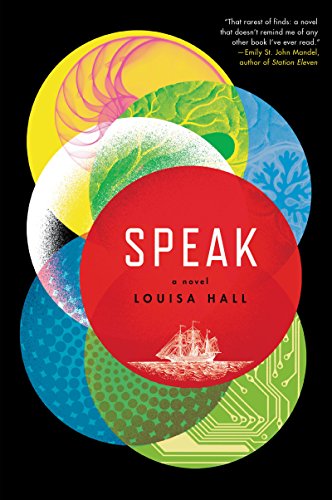
- Speak
Louisa Hallstandalone novel2015
similar byidentitylonelinessour worldcontemporaryliterary & generalreflectivescience fiction
Speak is a 2015 novel by Louisa Hall. It is her second novel, after The Carriage House. The novel was well received. The novel was inspired by a story in the New York Times.
- Dhalgren
Samuel R. Delanystandalone novel1975
similar byidentitylonelinesscontemporarychallengingscience fictionliterary & general
Dhalgren is a 1975 science fiction novel by American writer Samuel R. Delany. It features an extended trip to and through Bellona, a fictional city in the American Midwest cut off from the rest of the world by an unknown catastrophe. It is number 33 on the 20th Century's Greatest Hits: 100 English-Language Books of Fiction list.
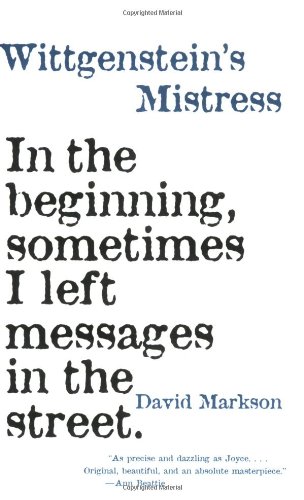
- Wittgenstein's Mistress
David Marksonstandalone novel1988
similar byidentitylonelinessour worldcontemporaryliterary & generalchallengingreflective
Wittgenstein's Mistress is a 1988 experimental novel written by David Markson. A highly stylized work in the tradition of Samuel Beckett, the novel is mainly a series of statements made in the first person. The protagonist is a woman named Kate who believes herself to be the last human on earth; though her statements shift quickly from topic to topic, the topics often recur, and often refer to Western cultural icons, ranging from Zeno to Beethoven to Willem de Kooning. Readers familiar with Ludwig Wittgenstein's Tractatus Logico-Philosophicus will recognize stylistic similarities to that work.
- Briefing for a Descent Into Hell
Doris Lessingstandalone novel1971
similar byidentityour worldcontemporaryliterary & generalchallengingreflective+1 more
Briefing for a Descent into Hell is a 1971 psychological novel by British novelist Doris Lessing. It was shortlisted for that the 1971 Booker Prize.
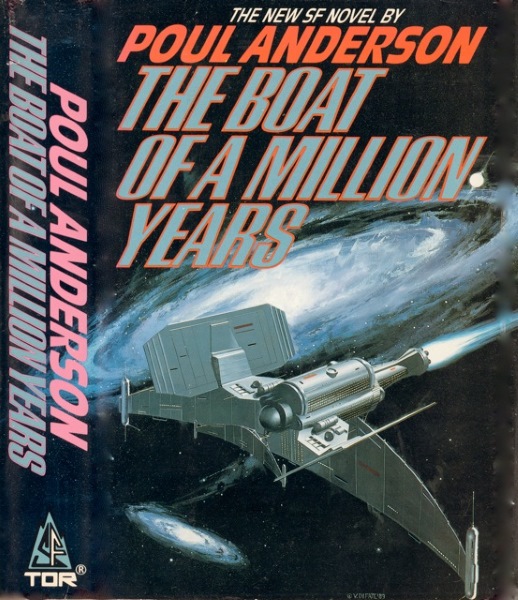
- The Boat of a Million Years
Poul Andersonstandalone novel1989
similar byidentitylonelinessour worldreflectivescience fiction+1 more
The Boat of a Million Years is a science fiction novel by American writer Poul Anderson, first published in 1989 and nominated for the Nebula Award for Best Novel that same year. It was also nominated for the Hugo Award for Best Novel and the Prometheus Award in 1990.
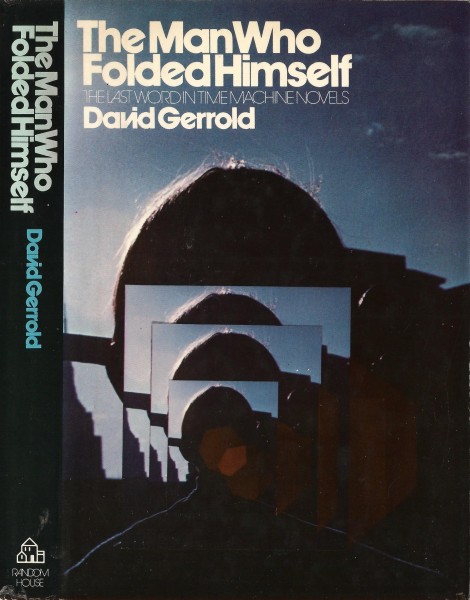
- The Man Who Folded Himself
David Gerroldstandalone novel1973
similar byidentitylonelinesscontemporaryreflectiveour worldscience fiction
The Man Who Folded Himself is a 1973 science fiction novel by American writer David Gerrold. It was nominated for the Nebula Award for Best Novel in 1974 and the Hugo Award for Best Novel in 1974. The book explores the psychological, physical, and personal challenges that manifest when time travel is possible for a single individual at the touch of a button.
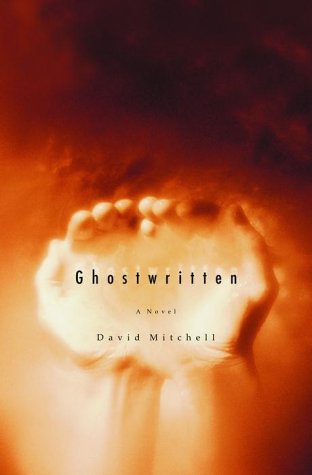
- Ghostwritten
David Mitchellstandalone novel1999
similar byour worldcontemporaryliterary & generalreflectivescience fiction+2 more
Various individuals around the globe cross paths, while the complexities of modern societies lead to human civilization's inevitable end.
- The Satanic Verses
Salman Rushdiestandalone novel1988
similar byidentityour worldcontemporaryliterary & generalchallenging+1 more
The Satanic Verses is the fourth novel by British–Indian writer Salman Rushdie. First published in September 1988, the book was inspired by the life of the Islamic prophet Muhammad. As with his previous books, Rushdie used magical realism and relied on contemporary events and people to create his characters. The title refers to the Satanic Verses, a group of Quranic verses about three pagan Meccan goddesses: Allāt, Al-Uzza, and Manāt. The part of the story that deals with the satanic verses was based on accounts from the historians al-Waqidi and al-Tabari.
- Dying Inside
Robert Silverbergstandalone novel1972
similar byidentitylonelinesscontemporaryreflectivescience fiction
Dying Inside is a 1972 science fiction novel by American writer Robert Silverberg. It was first serialized in Galaxy in 1972 and published in book form by Charles Scribner's Sons later that year. The novel follows David Selig, a middle-aged telepath in contemporary New York City, as the mind-reading ability that has shaped his life begins to disappear.
- Stranger in a Strange Land
Robert A. Heinleinstandalone novel1961
similar byidentityreflectivescience fictionchallengingour world
Stranger in a Strange Land is a 1961 science fiction novel by the American author Robert A. Heinlein. It tells the story of Valentine Michael Smith, a human who comes to Earth in early adulthood after being born on the planet Mars and raised by Martians, and explores his interaction with and eventual transformation of Terran culture.
- Whileaway
series4 books1972
completed
similar bychallengingreflectivescience fictioncontemporary+3 more
Joanna Russ's The Female Man (1975) is a single feminist science fiction novel, not a multi-book series, built around four women from parallel timelines with very different gender arrangements. One of them, Janet, comes from Whileaway, an all-female utopian Earth ten centuries in the future where men died out in a plague; the other three come from realities closer to Russ's own, and their collisions are used to interrogate what womanhood and equality could mean under different social rules.
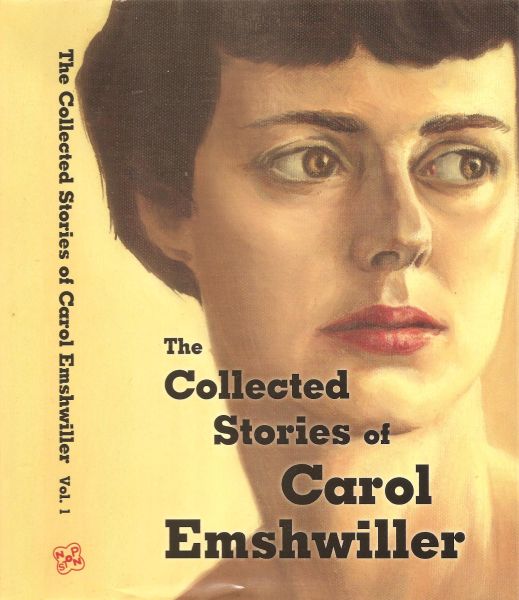
- The Collected Stories of Carol Emshwiller
series2 books2011
completed
similar byidentityour worldcontemporaryliterary & generalreflectivescience fictionshort story cycle+1 more
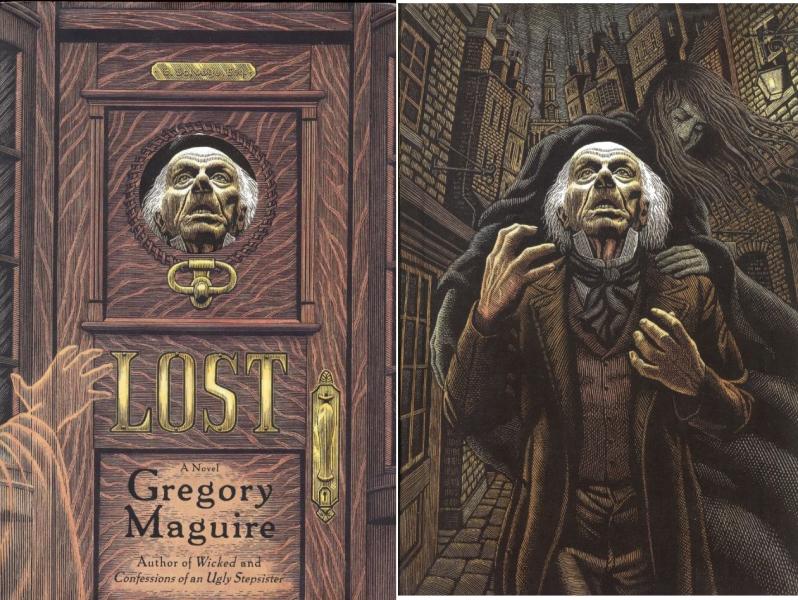
- Lost
Gregory Maguirestandalone novel2001
similar byidentityour worldcontemporaryliterary & generalreflective
Lost is a 2001 novel by American author Gregory Maguire. Unlike many of Maguire's other adult novels, Lost is set in the real world. The novel's concept is that the protagonist is a distant relative of the man who inspired Charles Dickens' character of Ebenezer Scrooge.
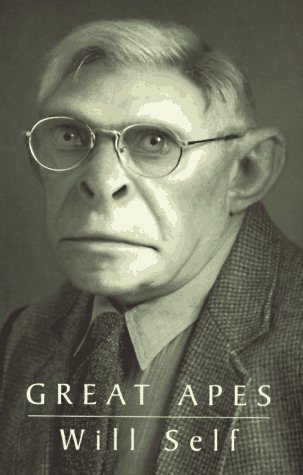
- Great Apes
Will Selfstandalone novel1997
similar byidentityour worldcontemporaryliterary & generalchallenging+1 more
Great Apes is a 1997 novel by Will Self.
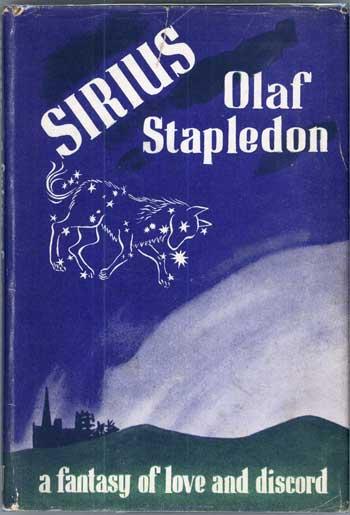
- Sirius: A Fantasy of Love and Discord
Olaf Stapledonstandalone novel1944
similar byidentitylonelinessour worldreflectivescience fiction
Sirius is a 1944 science fiction novel by the British philosopher and author Olaf Stapledon, whose title character is a dog named Sirius with humanlike intelligence. A sense of existential questioning suffuses the book, as the author delves into aspects of Sirius's psyche. The novel deals with many human issues through Sirius and his experiences, his unusual nature, his ideas and his relationships with humans. The characters go to great lengths to prevent Sirius from becoming a circus-type wonderdog, and instead, they seek to develop Sirius's character much like a family would create and foster that of a human child.
- The Limits of Vision
Robert Irwinstandalone novel1986
similar byidentityour worldcontemporaryliterary & generalchallengingreflective
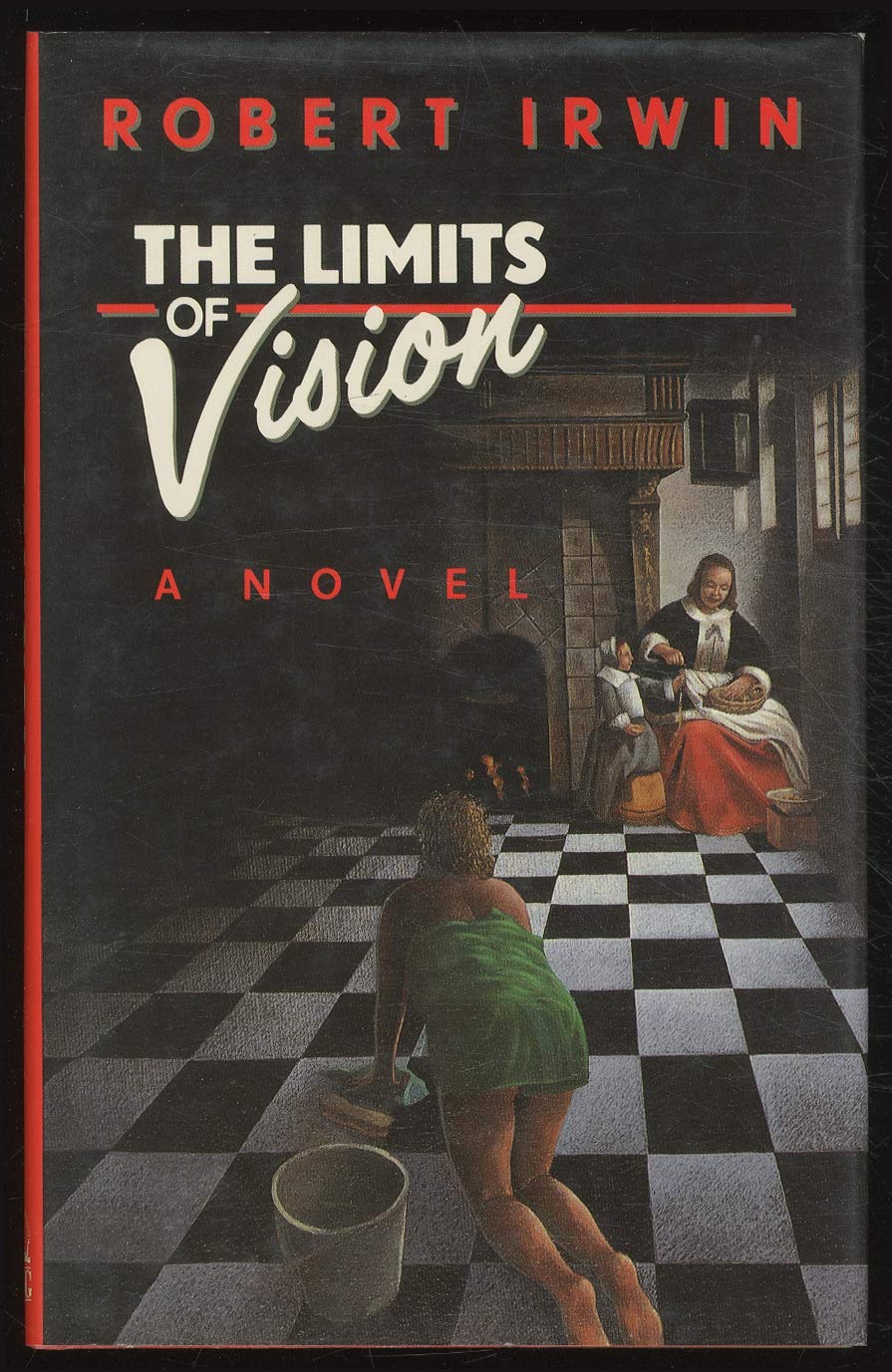
The Limits of Vision is a novel by Robert Irwin published in 1986.
- The Unconsoled
Kazuo Ishigurostandalone novel1995
similar byidentitylonelinesscontemporaryliterary & generalchallengingreflective
The Unconsoled is a novel by Kazuo Ishiguro, first published in 1995 by Faber and Faber, and winner of the Cheltenham Prize that year.
- VALIS
series4 books1981
completed
similar byidentitychallengingreflectivescience fiction+3 more
The VALIS trilogy is a set of science fiction/philosophical novels by author Philip K. Dick which include VALIS (1981), The Divine Invasion (1981), and The Transmigration of Timothy Archer (1982). Dick's first novel about the VALIS concept originally titled "VALISystem A", was published as Radio Free Albemuth after Dick's death in 1985.
- The Gum Thief
Douglas Couplandstandalone novel2007
similar byidentitylonelinesscontemporaryliterary & generalreflective
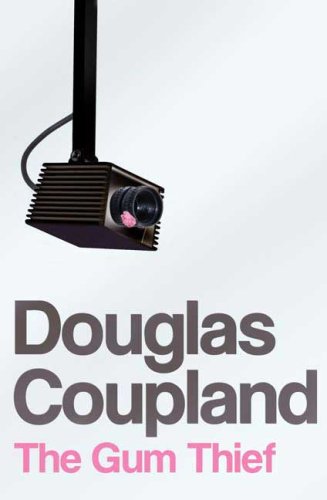
The Gum Thief is Canadian author Douglas Coupland's twelfth novel. It was published on September 25, 2007 , by Random House Canada in Canada and Bloomsbury Publishing in the United States.
- More Than Human
Theodore Sturgeonstandalone novel1953
similar byidentityour worldreflectivescience fictionshort story cycle
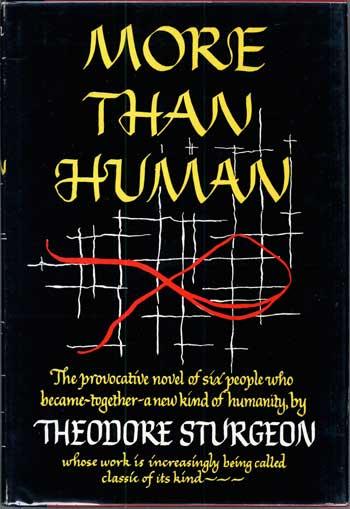
More Than Human is a 1953 science fiction fix-up novel by American writer Theodore Sturgeon. It is a revision and expansion of his 1952 novella Baby Is Three, which is bracketed by two additional parts written for the novel, "The Fabulous Idiot" and "Morality". It won the 1954 International Fantasy Award, which was also given to works in science fiction. It was additionally nominated in 2004 for a "Retro Hugo" award for the year 1954. Science fiction critic and editor David Pringle included it in his book Science Fiction: The 100 Best Novels.
- Severance
Ling Mastandalone novel2018
similar byidentitylonelinesscontemporaryreflectivescience fictionliterary & general
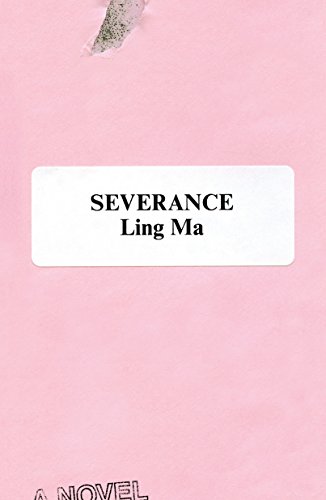
Severance is a 2018 post-apocalyptic novel by Chinese American author Ling Ma. It follows Candace Chen, an unfulfilled Bible product coordinator, before and after an incurable infection slowly obliterates global civilization. Severance explores themes of nostalgia, modern office culture, monotony, and intimate relationships. The novel, Ma's debut, won the 2018 Kirkus Prize for Fiction and was included on many prominent Best Books of 2018 lists.
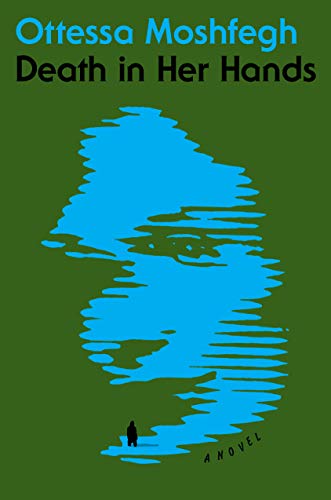
- Death in Her Hands
Ottessa Moshfeghstandalone novel2020
similar byidentitylonelinessour worldcontemporaryliterary & general
Death in Her Hands is a 2020 novel by Ottessa Moshfegh.
- HARM
Brian W. Aldissstandalone novel2007
similar byidentitycontemporarychallengingour worldscience fictionliterary & general
"... a young writer of light fiction with a Muslim heritage has been arrested for no compelling reason. He is held as Prisoner B, in HARM ... and isolated. To evade this misery Prisoner B escapes - through his split personality - to a science fiction-like planet ruled by insects. But gradually the two worlds start to converge ..."