More like Distributed Mind
anchored on:science fictionnear futurecyberpunk
but
- Blade Runner Universe
series6 books1968
similar byidentitynear futurescience fictiondarkcyberpunk+2 more
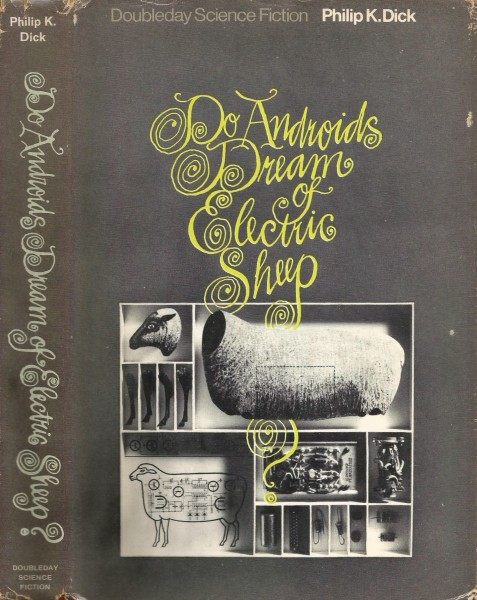
Philip K. Dick's 1968 novel Do Androids Dream of Electric Sheep? follows bounty hunter Rick Deckard as he tracks escaped androids through an irradiated, near-abandoned San Francisco, using the hunt to probe questions of empathy and what separates human from machine. The novel became the basis for Ridley Scott's 1982 film Blade Runner, and Marvel Comics later published an illustrated adaptation of that film. Together the two trace the story's path from prose original to screen and comic-page adaptation.
- Sprawl Trilogy
series10 books1981
similar bynear futurescience fictiondarktensecyberpunkartificial intelligence
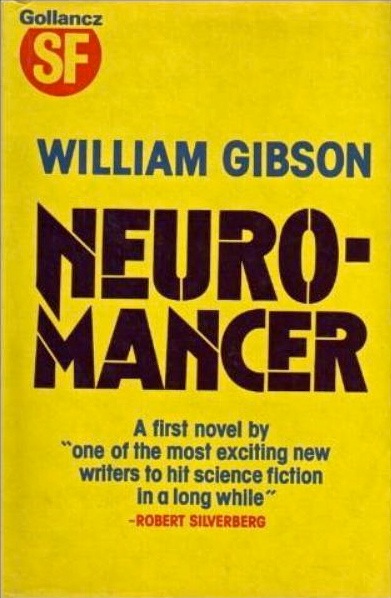
The Sprawl Trilogy is William Gibson's foundational cyberpunk sequence: Neuromancer (1984), in which hacker Case is drawn into a high-stakes heist alongside an artificial intelligence and a damaged ex-soldier, followed by Count Zero (1986) and Mona Lisa Overdrive (1988), which widen the same near-future world of corporate power and networked cyberspace to new characters. Johnny Mnemonic, an early short story set in the same fictional milieu, predates the novels and introduces the courier Molly Millions before her role in the trilogy. Together these works established much of cyberpunk's visual and thematic vocabulary.
- Hardwired
series3 books1986
similar bynear futurescience fictiontensecyberpunk+4 more
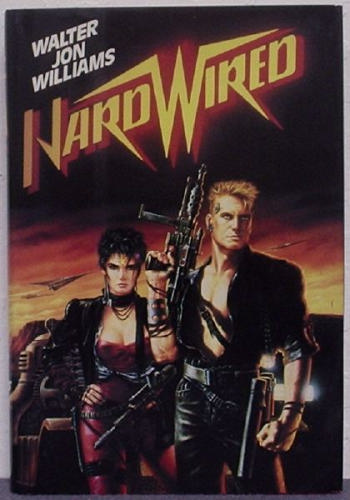
Walter Jon Williams' Hardwired (1986) is an early and influential cyberpunk novel. Voice of the Whirlwind, published three years later, is a loosely connected follow-up set in the same future, sharing its technological and political backdrop with a different cast of characters.
- Library of America P. K. Dick Collection
series9 books1962
completed
similar byscience fictionnear future+3 more
- Bridge Trilogy
series4 books1990
similar bynear futurenorth americascience fictioncyberpunk+3 more
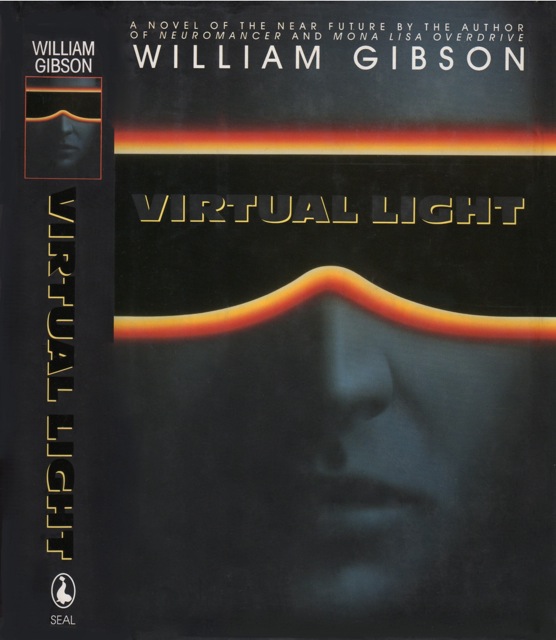
The Bridge trilogy is a series of novels by William Gibson, his second after the successful Sprawl trilogy. The trilogy comprises the novels Virtual Light (1993), Idoru (1996) and All Tomorrow's Parties (1999). A short story, "Skinner's Room", was originally composed for Visionary San Francisco, a 1990 museum exhibition exploring the future of San Francisco.
- The Zap Gun
Philip K. Dickstandalone novel1967
similar bynear futurenorth americascience fictiondark+2 more
The Zap Gun is a 1967 science fiction novel by American writer Philip K. Dick. It was first published as the two-part serial Project Plowshare in Worlds of Tomorrow in 1965 and 1966, before Pyramid Books issued it in paperback under its present title. The novel originated in a title-first commission devised by Pyramid editor Don Bensen and was written in 1964 during a period of rapid production in Dick's career.
- Friday
Robert A. Heinleinstandalone novel1982
similar byidentitynear futurenorth americascience fictiontensegenetic engineering
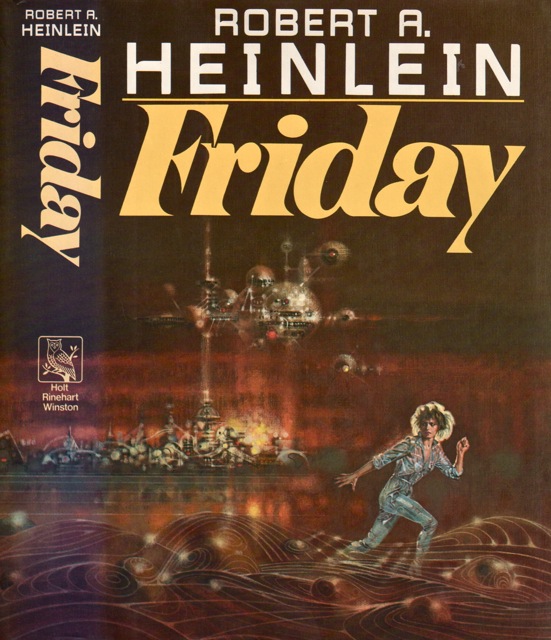
Friday is a 1982 science fiction novel by American writer Robert A. Heinlein. It is the story of a female "artificial person", the eponymous Friday, genetically engineered to be stronger, faster, smarter, and generally better than normal humans. Artificial humans are widely resented, and much of the story deals with Friday's struggle both against prejudice and to conceal her enhanced attributes from other humans. The story is set in a Balkanized 21st century, in which the nations of the North American continent have been split up into a number of smaller states.
- When She Woke
Hillary Jordanstandalone novel2011
similar bynear futurenorth americascience fictiondarktensegenetic engineering+1 more
When She Woke is a science fiction novel by American author Hillary Jordan, published in October 2011. It has been translated into French, Spanish, Turkish, German, Portuguese and Chinese. The novel is a dystopian reimagining of Nathaniel Hawthorne's The Scarlet Letter, set in a future theocratic America where rather than being imprisoned and rehabilitated, criminals are punished by being "chromed" – having their skin color genetically altered to fit their crime – and released into the general population to survive as best they can.
- Fahrenheit 451
series2 books1951
completed
similar bynorth americascience fictionnear future+2 more
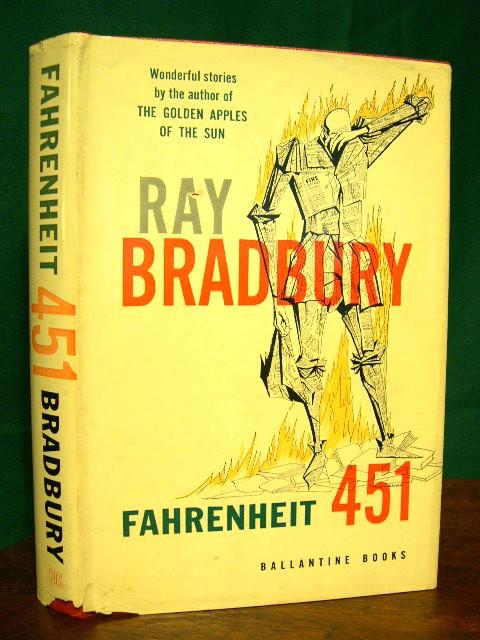
Fahrenheit 451 began life as "The Fireman," a novella Ray Bradbury published in 1951, which he then expanded into the full novel released in 1953 under its now-famous title. Set in a future where books are outlawed and firemen exist to burn them, it follows fireman Guy Montag as doubts about his job push him toward the very literature he's supposed to destroy. The novella and novel are one story's evolution rather than two separate books.
- Divergent
series10 books2011
similar byidentitynorth americanear futuretensescience fiction+1 more
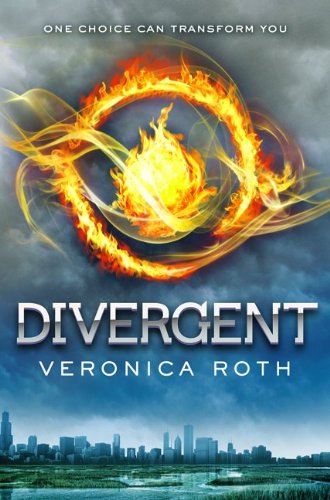
Divergent, also known as The Divergent Series, is a series of young adult dystopian novels by American novelist Veronica Roth set in a post-apocalyptic dystopian Chicago. The trilogy consists of Divergent (2011), Insurgent (2012), and Allegiant (2013). A related book, Four (2014), presents a series of short stories told from the perspective of one of the trilogy's characters, the male love interest Tobias. A later short story, We Can Be Mended (2018), serves as an epilogue five years after the events of the trilogy, again from Tobias/Four's perspective.
- Hummingbird Salamander
Jeff VanderMeerstandalone novel2021
similar bynear futurenorth americascience fictiontense+2 more
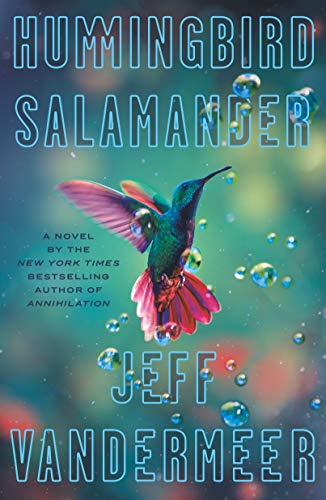
Hummingbird Salamander is a 2021 novel by American author Jeff VanderMeer. It is set in a near-future dystopia affected by climate change, and narrated by a corporate security consultant, "Jane Smith," who is drawn into a mystery incited by her receipt of a taxidermied hummingbird from an extinct species.
- Blood Music
Greg Bearstandalone novel1985
similar bynear futurenorth americascience fictiondarkcyberpunkgenetic engineering+1 more
Blood Music is a 1985 science fiction novel by American writer Greg Bear. It is an expanded version of a short story of the same title, originally published in the June 1983 issue of Analog and the winner of both the 1983 Nebula and 1984 Hugo awards for Best Novelette. The novel won the 1986 Prix Apollo Award, given to the best science fiction novel published in France during the preceding year, under the title La Musique du sang.
- The Shockwave Rider
John Brunnerstandalone novel1975
similar bynear futurenorth americascience fictiondarktensecyberpunk
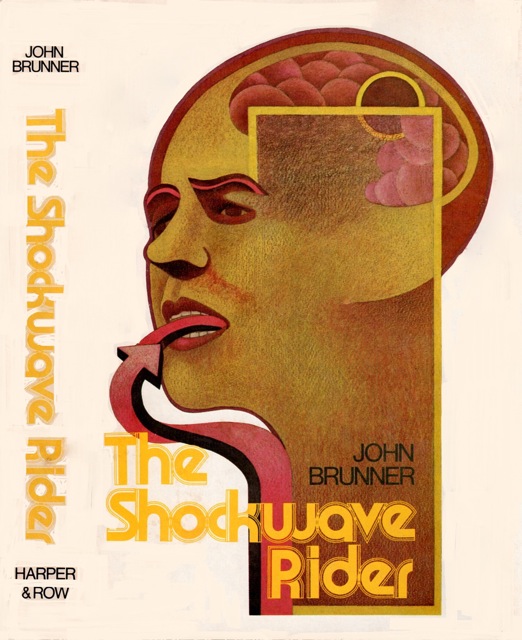
The Shockwave Rider is a science fiction novel by John Brunner, originally published in 1975. It is notable for its hero's use of computer hacking skills to escape pursuit in a dystopian future, and for the coining of the word "worm" to describe a program that propagates itself through a computer network. It also introduces the concept of a Delphi pool, perhaps derived from the RAND Corporation's Delphi method – a prediction market on world events which bears close resemblance to DARPA's controversial and cancelled Policy Analysis Market.
- Partials Sequence
series4 books2012
similar bynear futurescience fictiontensegenetic engineering+3 more
- Lock In
series3 books2014
similar bynear futurenorth americascience fictiontense+2 more
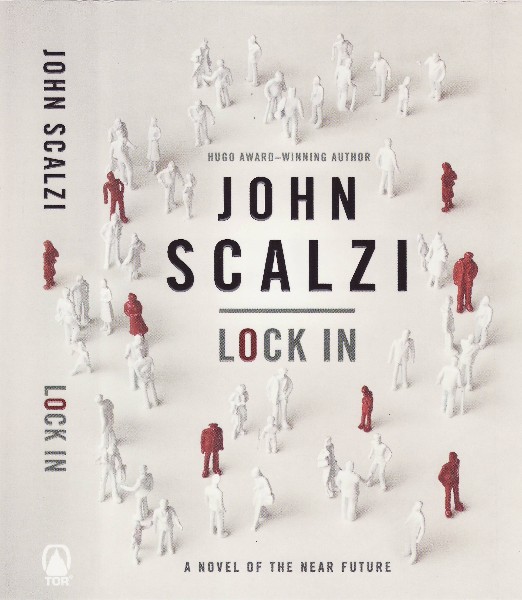
Lock In imagines a near-future pandemic that leaves a fraction of survivors fully conscious but completely paralyzed, able to interact with the world only through robotic surrogates or by borrowing the bodies of rare people whose brains can host another person's consciousness. John Scalzi's series follows a rookie FBI agent investigating crimes that exploit this new class of disability and technology, across the novels Lock In and Head On plus the interstitial oral history Unlocked. It's science-fiction police procedural more than space opera.
- Bug Jack Barron
Norman Spinradstandalone novel1969
similar bynear futurenorth americascience fictiontensecyberpunk+1 more
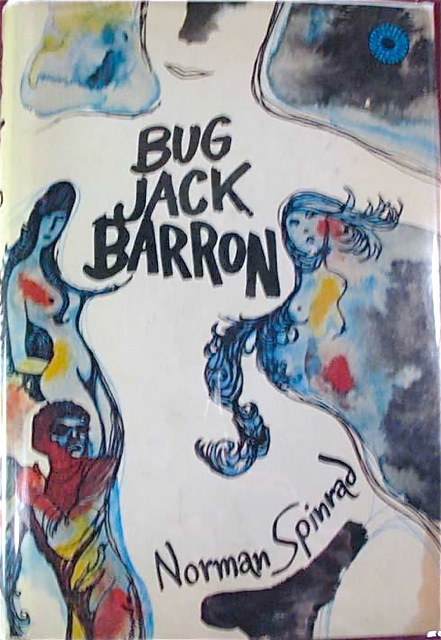
Bug Jack Barron is a 1969 science fiction novel by American writer Norman Spinrad, first serialized in the New Worlds magazine under the editorship of Michael Moorcock. It was nominated for the 1970 Hugo Award. The novel is notable for its lyrical style and unique use of cut-up phrases. In this regard, Spinrad has cited the influence of Beat writers William S. Burroughs, Allen Ginsberg, and Jack Kerouac.
- Dogs of War (Adrian Tchaikovsky)
series3 books2017
similar byscience fictionnear futurecyberpunk+5 more
Adrian Tchaikovsky's Dogs of War follows Rex, a genetically engineered "Good Boy" - a hulking bioform supersoldier built for a private military contractor - as he begins to question the nature of his own obedience and personhood after his handler disappears. Dogs of War, Bear Head, and Bee Speaker widen from that first book's battlefield into questions of AI rights, corporate power, and non-human consciousness across a near-future Earth. The trilogy uses its engineered-animal soldiers to interrogate free will and loyalty rather than play them as straightforward action heroes.
- Unwind Dystology
series5 books2007
similar bynear futurenorth americascience fictiondarktensegenetic engineering+1 more
Neal Shusterman's Unwind Dystology opens in a United States reshaped by the resolution to a war over reproductive rights: parents can retroactively have a teenager "unwound," their body disassembled for transplant on the premise that nothing technically dies since every part lives on in someone else. The first novel follows three teens fleeing that fate, and the sequels widen the same dystopia's cast and consequences across a four-book arc plus companion material. It is grim speculative fiction built to ask hard bioethical questions rather than offer comfort.
- Nexus 5
series3 books2012
similar bynear futurescience fictiondarktenseartificial intelligence+3 more
Nexus opens Ramez Naam's postcyberpunk trilogy in 2040 with scientist Kaden Lane, who works on Nexus, an experimental nano-drug that lets human minds be networked and reprogrammed, and finds himself caught between government and corporate interests once the technology's implications become clear. The trilogy continues through Crux and Apex, following the same central conflict over who controls the technology. Nexus tied for Best Novel at the 2014 Prometheus Awards and Apex won the 2015 Philip K. Dick Award.
- Ship Breaker
series3 books2010
similar bynorth americascience fictiondarktensenear future+2 more
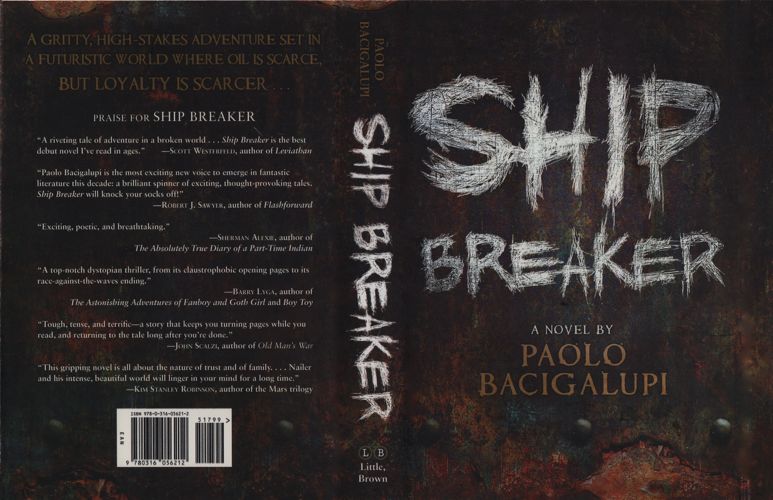
Nailer works a light-crew scavenging copper wire and scrap from beached oil tankers on a Gulf Coast reshaped by rising seas and vanished order, until a wrecked clipper ship washes ashore carrying a half-drowned girl from the wealthy world he'll never belong to. Paolo Bacigalupi's Ship Breaker follows Nailer as helping her pulls him out of his abusive father's orbit and into a much larger, more dangerous game involving her family's fortune. The sequels The Drowned Cities and Tool of War widen the same flooded, resource-scavenging future to new characters and coastlines.
- The Circle (Eggers)
series2 books2013
similar bynear futurenorth americadarktensescience fiction+1 more
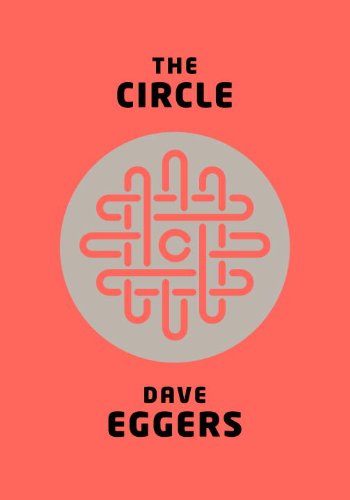
Mae Holland lands a coveted job at the Circle, a Silicon Valley tech company whose relentless, cheerful push toward total transparency -- 'secrets are lies, sharing is caring, privacy is theft' -- gradually reveals itself as something closer to soft totalitarianism. Dave Eggers's The Circle follows Mae's rise inside the company as she buys further and further into its ideology, at increasing cost to her own privacy and the people around her. The 2021 follow-up, The Every, picks up with Mae now running the merged tech giant and a new employee questioning it from the inside.