Loreful
HomeDiscover
Search series, authors…⌘K
Loreful

Reading orders for SF/F series and shared universes — with your place kept in every one.

Explore

UniversesSeriesWorksAuthorsAtlas

Help

FAQAboutSite map

Account & legal

Sign inCreate accountPrivacyTerms

Data

Built on ISFDB, Wikipedia, Wikidata and Open Library. Curated reading orders carry their reasoning on the page; the rest follow publication order. Data sources & licenses

© Loreful · data: ISFDB · CC BY

More like Dracula

anchored on:vampiresgothicepistolaryeurope19th centuryhorror+6 more

but

Mood

The mood the book leaves you in.

  • The reading experience is propelled by journeys, exploration, and physical risk; excitement and forward momentum dominate over dread or introspection.
  • Joy and loss are deliberately mixed; the resolution grants characters something real while taking something else away, leaving warmth and sorrow together.
  • The book demands work from the reader — dense prose, difficult structure, unfamiliar ideas, or morally uncomfortable material — as part of its intended effect.
  • Grim events, cruelty, or despair dominate the atmosphere, and the book does not soften them with comfort or comic relief.
  • The atmosphere is quietly unsettling — wrongness, unease, and the uncanny pervade the book without necessarily escalating into overt horror.
  • The book is built to move the reader; character feeling is foregrounded and major scenes aim at a strong emotional response.
  • Humor is a primary aim and the prose plays for laughs — comic situations, wit, or dialogue produce sustained comedy, not occasional levity.
  • The book insists that things can improve; effort and decency are shown to matter, and the arc bends toward better outcomes even through hardship.
  • The book teaches as it goes — real facts, history, science, or craft are conveyed in enough depth that learning is part of the reading experience.
  • The book is designed to uplift and motivate, presenting perseverance or achievement in a way that invites the reader to aspire or act.
  • The overall register is cheerful and easygoing; stakes are kept gentle and the book avoids dwelling on pain or dread.
  • Withheld information drives the experience; the book sustains enigmas and secrets the reader wants resolved, whatever its genre.
  • The book is contemplative and inward-looking, giving more weight to thought, memory, and meaning than to external events.
  • The book works as comfort reading — low tension, a soothing pace, and an atmosphere the reader can unwind in.
  • Grief, loss, or melancholy set the dominant register, and the book lets sorrow stand rather than resolving it into comfort.
  • Sustained suspense is the point; the book keeps the reader braced for what happens next through danger, pressure, or impending revelation.
  • Playful invention and charm define the register — fanciful conceits, light absurdity, and a narration that delights in its own oddity.

About

What the story runs on.

  • Stories in which extraterrestrial beings are central — as characters, cultures, or the object of the plot.
  • Stories structured as a quest — a journey undertaken to find, deliver, or destroy something of great import.
  • Stories in which staying alive against nature, catastrophe, or scarcity is the central problem.
  • Stories of lovers kept apart by law, family, faith, or station, where the obstacle to love is the plot.
  • Stories in which a friendship — its making, testing, or loss — is the emotional center.
  • Stories of growing up — a young protagonist crossing from childhood into adult knowledge and responsibility.
  • Stories about who a character truly is — self-discovery, doubled lives, and the search for a self.
  • Stories about mourning — living through the death of a loved one and what loss does to the survivors.
  • Stories in which a buried family truth — hidden parentage, crimes, or shames — surfaces and reorders the present.
  • Stories driven by maneuvering for power — factions, conspiracies, and statecraft conducted in shadow.
  • Stories in which war itself is the subject — combat, occupation, and what warfare does to soldiers and civilians.
  • Stories organized around investigating a killing — the case, the clues, and the pursuit of the killer, in any genre's clothing.

Shelf

Where it sits in the library.

    • Fiction built on magic or other supernatural elements that have no scientific explanation.
    • Secondary-world fantasy at large scale, where the fate of nations or the world turns on the protagonists' struggle.
    • Fantasy set in a recognizably modern city or contemporary world where the supernatural intrudes on everyday life.
    • Fantasy that blends in horror's atmosphere and imagery, keeping a fantastical frame around grim or frightening material.
    • Action-driven fantasy following warriors or rogues with personal stakes against sorcerous threats, rather than world-spanning conflicts.
    • Fantasy set in a real historical period or a close analogue of one, with magic woven into the era.
    • Fantasy in which protagonists cross from the ordinary world into another world through a portal or similar passage.
    • Fiction that retells or reworks a traditional fairy tale in a new form or setting.
    • Fantasy drawing directly on myths, legends, and folklore, retelling them or building on their figures and logic.
    • Fantasy of ghosts, vampires, shapeshifters, psychics, and similar phenomena, usually set in an otherwise ordinary world.
    • Fiction mixing science-fictional trappings with overtly magical or impossible elements in one setting.
    • Low-stakes fantasy emphasizing comfort, community, and everyday pleasures over conflict and peril.
    • Speculative fiction of pervasive moral ambiguity, violence, and cynicism that rejects heroic conventions — fantasy and SF alike.
      • Fiction that extrapolates from science and technology — future societies, space travel, or speculative inventions — within at least nominally natural laws.
      • Science fiction of interstellar scope — starships, galactic polities, and adventure across star systems.
      • Science fiction committed to scientific rigor, where technical plausibility constrains the story.
      • Science fiction centered on armed forces and warfare, told largely from a military point of view.
      • Science fiction of networked, corporate-dominated near futures, pairing high technology with social decay.
      • Science fiction styled on nineteenth-century steam-powered technology, often in a Victorian or pseudo-Victorian setting.
      • Fiction depicting an oppressive or catastrophic society, presented as a warning.
      • Fiction set after civilization's collapse, following survivors in the ruins of the old world.
      • Fiction in which characters move between past and future, and the mechanics or consequences of that travel drive the plot.
      • Fiction exploring a world where a historical event went differently and history diverged from ours.
      • Science fiction about humanity's first encounter and communication with an alien intelligence.
      • Science fiction in which extraterrestrial forces attack or occupy Earth and humanity resists.
      • Fiction whose primary aim is to frighten or unsettle the reader through dread, menace, or the monstrous.
      • Horror of vast, indifferent, incomprehensible entities before which humanity is insignificant, in the Lovecraft tradition.
      • Horror of decaying houses, buried family secrets, and oppressive atmosphere in the Gothic literary tradition.
      • Horror centered on hauntings and the returning dead.
      • Horror located in the mind — paranoia, obsession, and unreliable perception rather than external monsters.
      • Horror built around the reanimated dead and survival amid their outbreaks.
      • Horror defined by explicit, transgressive gore that refuses to cut away from violence.
      • Speculative fiction of the strange and uncanny that resists both natural explanation and standard genre categories.
      • Fiction organized around solving a crime or puzzle, typically following an investigator toward the identification of a culprit.
      • A puzzle-first mystery that lays out clues so the culprit's identity can be deduced before the reveal.
      • Crime fiction of moral ambiguity, fatalism, and hard-edged style, set among the corrupt and the doomed.
      • A mystery following the realistic routines of police work — forensics, interviews, and case-building.
      • A gentle mystery with an amateur sleuth, a small community, and violence kept off the page.
      • A mystery set in a past era, where the investigation works within that period's methods and society.
      • Fast-paced fiction driven by imminent danger, pursuit, or high-stakes conspiracy, built to sustain tension.
      • A thriller of espionage — agents, tradecraft, and intelligence services in conflict.
      • A thriller centered on lawyers and the courtroom, where litigation carries the suspense.
      • A thriller driven by detailed contemporary or near-future technology, often military or scientific.
      • A thriller whose tension comes from mental states and manipulation between characters rather than external action.
      • Fiction whose central plot is a romantic relationship and its development toward an emotionally satisfying resolution.
      • Romance in which one or both partners are supernatural beings, blending fantasy elements into the love story.
      • A fantasy-romance hybrid in which the romantic arc and the fantasy plot carry equal weight.
      • Romance set in a past era, with courtship shaped by the period's society and manners.
      • Romance set in the present day, without supernatural or historical elements.
      • Fiction set in a real past period, where the historical setting materially shapes characters and events.
        • General and literary fiction emphasizing prose style, character interiority, or formal ambition over genre plot conventions.
        • Fiction in a realistic world where magical events occur and are treated as ordinary, in the tradition of Latin American literature.
        • Fiction that ridicules people, institutions, or society in order to criticize them.
        • Fiction of dreamlike, irrational imagery and logic that breaks from realistic representation.
        • Fiction that plays with narrative convention through metafiction, fragmentation, and self-reference.
        • Fiction propelled by journeys, exploration, and physical peril, where action and survival carry the plot.
        • Adventure fiction of ships and seafaring — naval engagements, voyages, and life at sea.
        • Fiction of the American frontier West — gunmen, ranchers, and lawmen, typically in the late nineteenth century.
        • Fiction centered on soldiers, campaigns, and the experience of warfare, historical or imagined.
          • Fiction written primarily to amuse, using comedic situations, wit, or parody as its organizing principle.
            • Multi-generational fiction following a family or dynasty across decades, with inheritance and kinship as the through-line.
              • Fiction whose world runs on explicit game mechanics — levels, stats, and skills that characters can see and exploit.
                • Fiction about costumed or superpowered heroes and their conflicts with comparable villains.

                Practical

                How long a commitment, whether it stands alone, and whether it has finished.

                Tap a chip to ask for it · tap again to rule it out · once more to clear. Numbers show what would be left.

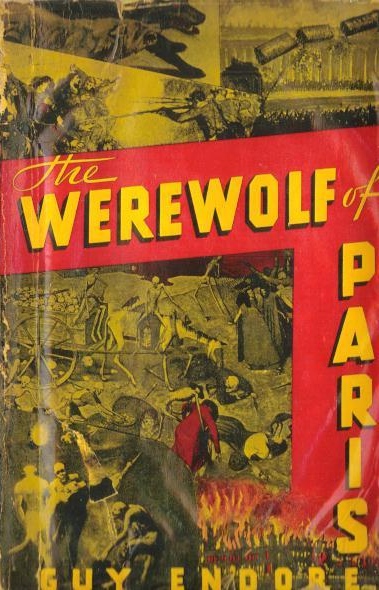
                • Cover of The Werewolf of Paris
                  The Werewolf of Paris

                  Guy Endore · standalone novel · 1933

                  similar by19th centurygothichorrordarktenseeuropemadness+1 more

                  The Werewolf of Paris (1933) is a Gothic horror novel by American writer Guy Endore. The novel follows Bertrand Caillet, the eponymous werewolf, throughout the tumultuous events of the Franco-Prussian War and the Paris Commune of 1870–71. Some literature experts have compared this book with Dracula by Bram Stoker and they have identified it as the Dracula of werewolf fiction.

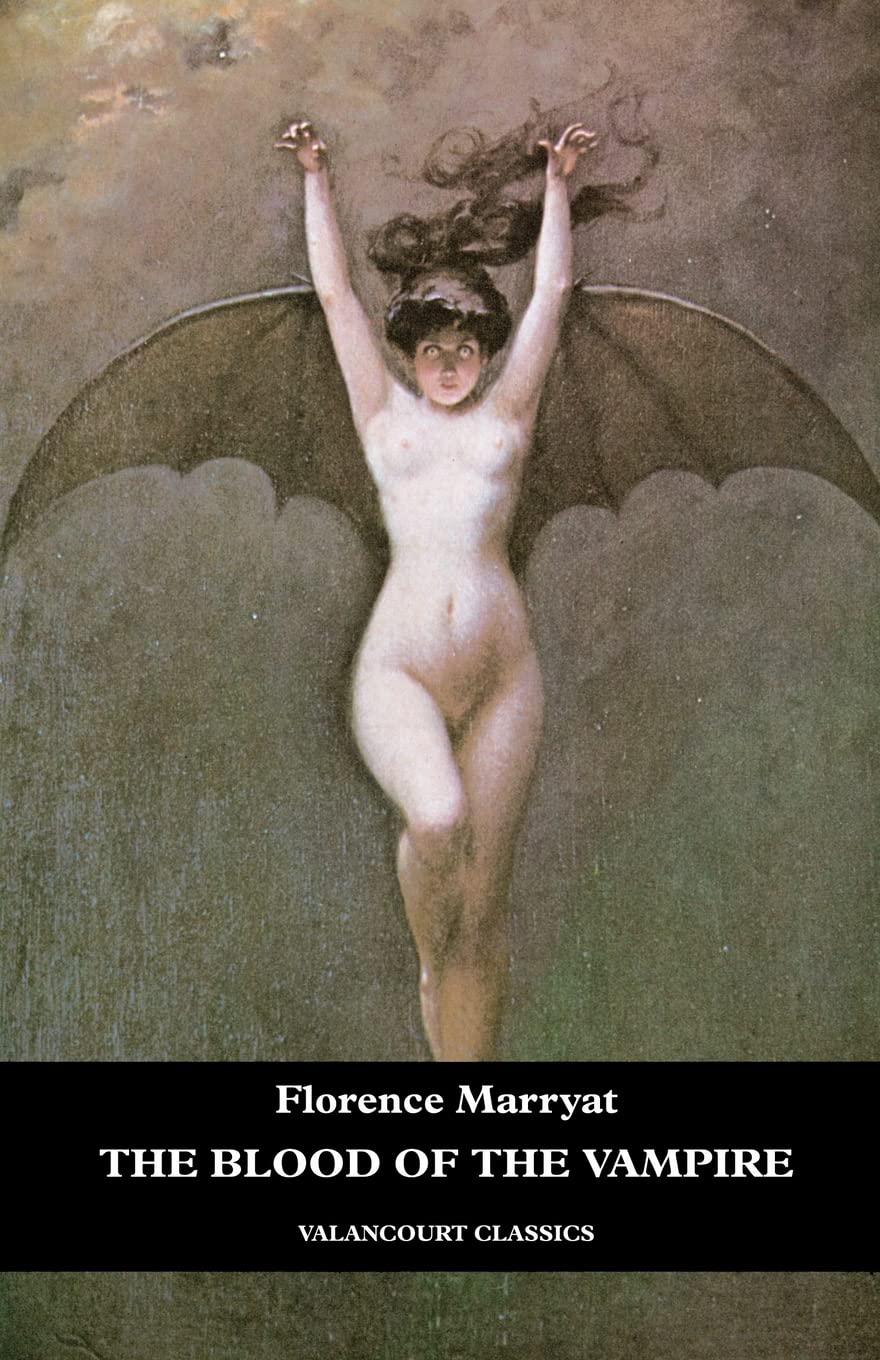
                • Cover of The Blood of the Vampire
                  The Blood of the Vampire

                  Florence Marryat · standalone novel · 1897

                  similar by19th centurygothicvampireshorrordarkeurope+1 more

                  The Blood of the Vampire is a Gothic novel by Florence Marryat, published in 1897. The protagonist, Harriet Brandt, is a mixed-race psychic vampire who kills unintentionally. The novel follows Harriet after she leaves a Jamaican convent for Europe, and her ill-fated attempts to integrate with Victorian society.

                • Cover of Dracula the Undead
                  Dracula the Undead

                  Freda Warrington · standalone novel · 1997

                  similar by19th centuryvampireshorrordarktensegothicepistolaryeurope+1 more

                  In this sequel to Bram Stoker's Dracula the vampire reanimates himself and pursues the Harker family to London, where he continues to torment them.

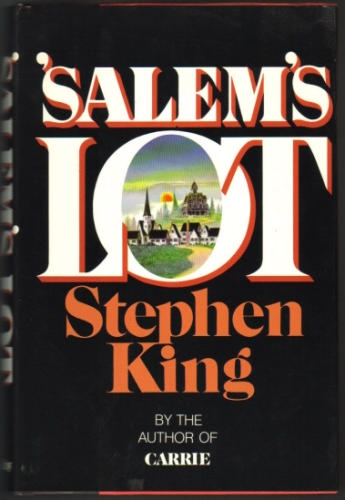
                • Cover of Jerusalem's Lot
                  Jerusalem's Lot

                  series · 3 books · 1975

                  similar byvampireshorrordarktenseeerie+1 more

                  Stephen King's 1975 novel 'Salem's Lot follows writer Ben Mears as he returns to his childhood town of Jerusalem's Lot, Maine, only to discover that its residents are being turned into vampires by a newly arrived stranger. It transplants Gothic vampire horror into a small New England community, tracking that community's collapse under a supernatural siege. It is a single, self-contained novel.

                • Cover of The Lost Stradivarius
                  The Lost Stradivarius

                  J. Meade Falkner · standalone novel · 1895

                  similar by19th centuryeeriehorrordarkgothiceuropebritish isles

                  The Lost Stradivarius (1895), by J. Meade Falkner, is a short horror novel about ghosts and the evil that can be invested in an object, in this case an extremely fine Stradivarius violin. It has been described as "one of Falkner's three celebrated novels" and as a "psychic romance".

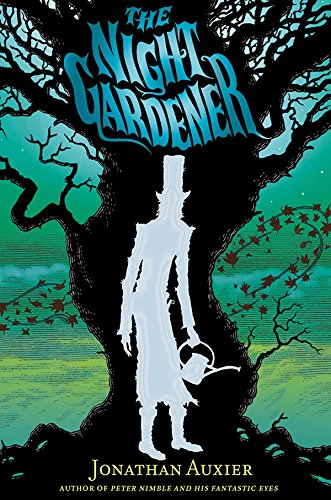
                • Cover of The Night Gardener
                  The Night Gardener

                  Jonathan Auxier · standalone novel · 2014

                  similar by19th centurygothiceeriehorrorbritish islesfantasy+1 more

                  From copyright page: Irish orphans Molly, fourteen, and Kip, ten, travel to England to work as servants in a crumbling manor house where nothing is quite what it seems to be, and soon the siblings are confronted by a mysterious stranger and secrets of the cursed house.

                • Cover of Melmoth
                  Melmoth

                  series · 9 books · 1820

                  completed

                  similar by19th centurydarkhorrorgothiceerieeurope+1 more

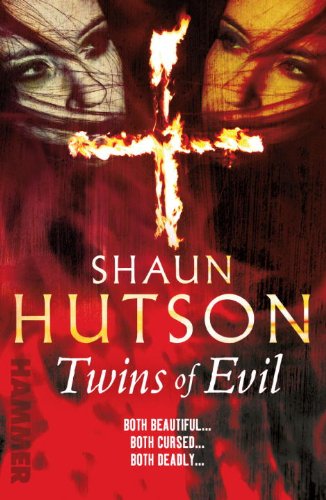
                • Cover of Twins of Evil
                  Twins of Evil

                  Shaun Hutson · standalone novel · 2011

                  similar by19th centuryvampireshorrordarktensegothiceuropemonster hunting

                  In nineteenth century middle-Europe, orphaned teenage twins Maria and Frieda go to live with their uncle Gustav Weil, who heads the Brotherhood, a vigilante group trying to stamp out vampirism. But their methods are random and misplaced and the only result is a terrorised populace.

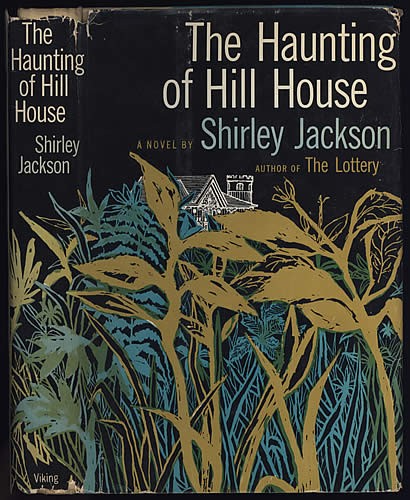
                • Cover of The Haunting of Hill House
                  The Haunting of Hill House

                  Shirley Jackson · standalone novel · 1959

                  similar bygothiceeriehorrordarkmadnessweird fiction+1 more

                  The Haunting of Hill House is a 1959 gothic horror novel by American author Shirley Jackson. It was a finalist for the National Book Award and has been made into two feature films, a play, and is the basis of a Netflix series.

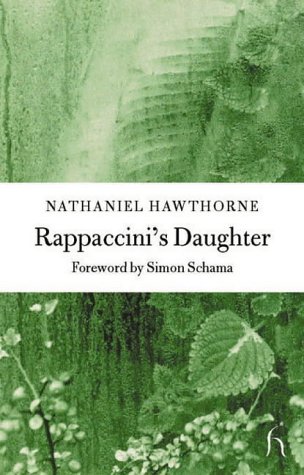
                • Cover of Rappaccini
                  Rappaccini

                  series · 2 books · 1844

                  completed

                  similar by19th centurygothiceeriedarkhorroreuropeforbidden love

                • Cover of The Wolf in the Garden
                  The Wolf in the Garden

                  Alfred H. Bill · standalone novel · 1931

                  similar by19th centuryhorrordarkeeriegothiceurope+2 more

                  From the publisher of the 1972 reprint edition: "A series of bizarre and horrifying events besiege the village of New Dortrecht with the advent of the French Comte de Saint Loup and his hound DeRetz. A giant wolf, possessed with evil intelligence and savage fury, sates its desire for blood in a series of horrifying and supernatural killings."

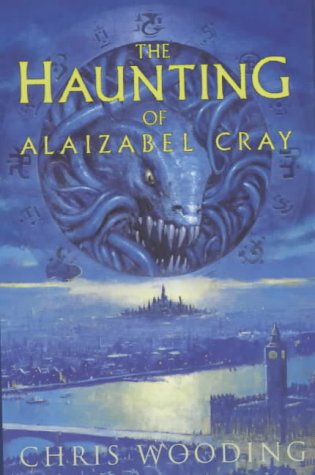
                • Cover of The Haunting of Alaizabel Cray
                  The Haunting of Alaizabel Cray

                  Chris Wooding · standalone novel · 2001

                  similar by19th centuryhorrordarkeeriegothicbritish isles

                  The Haunting Of Alaizabel Cray (2004) is a Gothic steampunk horror/alternate history novel by Chris Wooding about a young man and an amnesiac girl fighting a cult in an alternate Victorian era London.

                • Cover of A Strange Story
                  A Strange Story

                  Edward Bulwer-Lytton · standalone novel · 1861

                  similar by19th centurygothiceeriedarkbritish islesfantasymadness

                  A Strange Story is an 1862 Gothic novel by the British writer Edward Bulwer-Lytton. It was originally serialised in the magazine All the Year Round edited by Charles Dickens. It was then published in two volumes by the London publishing house Sampson Low. The American release was handled by Harper and Brothers of New York. The novel reflects Bulwer-Lytton's interest in themes of the occult and mesmerism.

                • Cover of The Turn of the Screw
                  The Turn of the Screw

                  series · 3 books · 1898

                  similar by19th centurygothicbritish isles+3 more

                  Henry James's 1898 novella The Turn of the Screw follows a governess at an isolated English country house who becomes convinced that the two children in her care are being stalked by malevolent ghosts, narrated entirely through her own increasingly uncertain account. Its ambiguity over whether the haunting is real has made it one of the most discussed ghost stories in English literature and prompted later works built around it, including Michael Hastings's The Nightcomers, a 1971 prequel imagining events at the house before the governess's arrival. A stage adaptation of James's original text also exists.

                • Cover of Fangland
                  Fangland

                  John Marks · standalone novel · 2007

                  similar byvampireshorrordarkeerietenseepistolaryeuropeeastern europe

                  The young television producer Evangeline Harker is sent to Romania by her boss to interview an Eastern European godfather: Ion Torgu, who is wanted worldwide. After an eerie trip to the Transylvanian mountains, she tracks him down, but it soon becomes clear that this man wants more than a television appearance. Torgu holds Evangeline in a secluded hotel and forces her to film him. She witnesses him slit another journalist's throat. She manages to escape him and his henchmen, but something has happened to her. She knows things she cannot know about and has strange appetites. On her return to Manhattan, she finds that an inexplicable whisper can be heard on film clips, and a number of colleagues look strangely changed. And she herself is no longer who she was before. Evangeline decides to get to the bottom of things and takes up the fight against Torgu.

                • Cover of The Golden
                  The Golden

                  Lucius Shepard · standalone novel · 1993

                  similar by19th centuryvampiresdarkgothichorroreurope

                  Deviating from traditional tales that feature lonely vampires who prowl through human society in search of victims or solace, this account of vampires flourishing in their own "inhuman society" takes place in the year 1860, when their centuries-long breeding experiments have finally produced "The Golden," a mortal whose blood is perfect and powerful. Mobilized by the news of this discovery, aristocratic vampire clans arrive at the looming Castle Banat, where they plan to partake of the sublime blood. To their shock, the guests find that The Golden, a young girl, has been brutally murdered and her blood already drained. The story also follows the Inspector Michael Beheim—a recent vampire—assigned to track down the killer. Recounted in full 19th-century literary style with gothic elements and foreshadowing, the inspector navigates his way through the vampire world and the crime therein.

                • Cover of Fevre Dream
                  Fevre Dream

                  George R. R. Martin · standalone novel · 1982

                  similar by19th centuryvampireshorrordark+1 more

                  Fevre Dream is a 1982 vampire novel written by American author George R. R. Martin. It is set on the antebellum Mississippi River, beginning in 1857, and has been described by critics and Martin himself as "Bram Stoker meets Mark Twain". About writing the novel, Martin said that "It was strongly influenced by the time I spent in Dubuque, Iowa, where river steamboats were once built".

                • Cover of The Haunted Hotel
                  The Haunted Hotel

                  Wilkie Collins · standalone novel · 1878

                  similar by19th centuryeerietensegothiceurope

                  Lord Montbarry breaks off his engagement to Agnes Lockwood and marries the Countess Narona, with whom he lives in a Venetian palace. When he dies, Agnes Lockwood becomes suspicious of the circumstances, and goes to Venice with other family members to investigate. Staying in Montbarry's former residence, they experience a haunting.

                • Cover of The House on the Borderland
                  The House on the Borderland

                  William Hope Hodgson · standalone novel · 1908

                  similar byeeriehorrordarkbritish islesmadnessweird fiction+1 more

                  The House on the Borderland (1908) is a supernatural horror novel by British fantasist William Hope Hodgson. The novel is a hallucinatory account of a recluse's stay at a remote house, and his experiences of supernatural creatures and otherworldly dimensions.

                • Cover of The Mysteries of Udolpho
                  The Mysteries of Udolpho

                  Ann Radcliffe · standalone novel · 1794

                  similar bygothicdarktensehorroreurope+2 more

                  After the deaths of her loving mother and father, a young 18th century French woman of fine character, intelligence, and sensibility is removed from the company of the young man she has come to love when she becomes the ward of her foolish, vain and materialistic aunt; who brings them both suffering and misery when she marries an Italian count who reveals himself as a treacherous schemer, and brings them to live in the decrepit, desolate, gloomy, remote Castle of Udolpho where he works his unsavory plans.

                • Cover of The Vampire Chronicles
                  The Vampire Chronicles

                  series · 15 books · 1976

                  completed

                  similar byvampiresdarkhorrorgothic+2 more

                  The Vampire Chronicles is a series of Gothic vampire novels and a media franchise, created by American author Anne Rice, that revolves around the fictional character Lestat de Lioncourt, a French nobleman turned into a vampire in the 18th century.

                • Cover of The Monk
                  The Monk

                  Matthew Gregory Lewis · standalone novel · 1796

                  similar bygothichorrordarktenseeuropemadnessfaith and religion+1 more

                  The Monk: A Romance is a Gothic novel by Matthew Gregory Lewis, published in 1796 across three volumes. Written early in Lewis's career, it was published anonymously when he was 20. It tells the story of a virtuous Catholic monk who gives in to his violent and lustful urges, setting off a chain of events that leave him damned. It is a prime example of the type of Gothic that specializes in horror.

                • Cover of Sleep, Pale Sister
                  Sleep, Pale Sister

                  Joanne Harris · standalone novel · 1994

                  similar by19th centurygothicdarkeeriehorrorbritish islesmadness

                  Before the sweet delight of Chocolat, before the heady concoction that is Blackberry Wine, and before the tart pleasures of Five Quarters of the Orange, bestselling author Joanne Harris wrote Sleep, Pale Sister -- a gothic tourde-force that recalls the powerfully dark sensibility of her novel Holy Fools.Originally published in 1994 -- and never before available in the United States -- Sleep, Pale Sister is a hypnotically atmospheric story set in nineteenth century London. When puritanical artist Henry Chester sees delicate child beauty Effie, he makes her his favorite model and, before long, his bride. But Henry, volatile and repressed, is in love with an ideal. Passive, docile, and asexual, the woman he projects onto Effie is far from the woman she really is. And when Effie begins to discover the murderous depths of Henry's hypocrisy, her latent passion will rise to the surface.Sleep, Pale Sister combines the ethereal beauty of a Pre-Raphaelite painting with a chilling high gothic tale and is a testament to Harris's brimming cornucopia of talents.This P.S. edition features an extra 16 pages of insights into the book, including author interviews, recommended reading, and more.

                • Cover of The Stress of Her Regard Universe
                  The Stress of Her Regard Universe

                  series · 3 books · 1989

                  similar by19th centurydarkvampires+4 more

                  Tim Powers's The Stress of Her Regard reimagines the lives of Byron, Shelley, and Keats through a secret history in which they are stalked and inspired by a nephilim, a shape-shifting vampiric being that acts as a deadly muse. Physician Michael Crawford is drawn into their orbit after inadvertently marrying himself to one of the creatures, setting off a pursuit across the Alps to break her hold on him. The 2012 sequel, Hide Me Among the Graves, moves the same secret history forward into Victorian London.