More like Dredd vs Death
anchored on:science fictionnear futurefirst personcyberpunkdystopiasurveillance+4 more
but
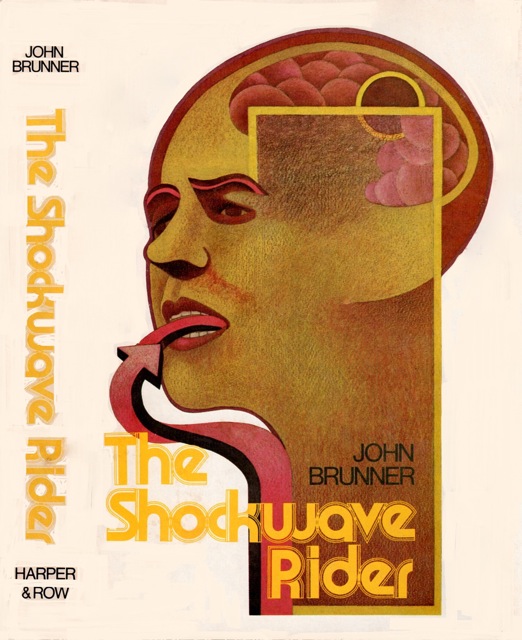
- The Shockwave Rider
John Brunnerstandalone novel1975
similar bybig citynear futuredarktensesurveillancetotalitarianismscience fictioncyberpunk+1 more
The Shockwave Rider is a science fiction novel by John Brunner, originally published in 1975. It is notable for its hero's use of computer hacking skills to escape pursuit in a dystopian future, and for the coining of the word "worm" to describe a program that propagates itself through a computer network. It also introduces the concept of a Delphi pool, perhaps derived from the RAND Corporation's Delphi method – a prediction market on world events which bears close resemblance to DARPA's controversial and cancelled Policy Analysis Market.
- A Clockwork Orange
series4 books1962
completed
similar bybig citynear futuredarktotalitarianismsurveillancescience fictiondystopiafirst person
Anthony Burgess's 1962 novel is narrated by Alex, a teenage gang leader in a near-future Britain gripped by a youth subculture of extreme violence, recounting his crimes in Nadsat, an invented slang blending English with Russian-derived words. After his crimes catch up with him, Alex is made the subject of a controversial state program meant to forcibly reform his behavior, and the novel uses his ordeal to question whether imposed goodness is worth the loss of free will. It is a standalone novel.
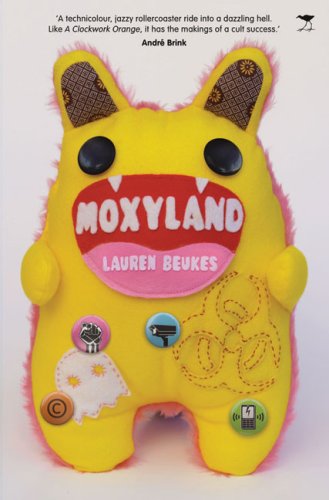
- Moxyland
Lauren Beukesstandalone novel2008
similar bybig citynear futuredarktensesurveillancetotalitarianismscience fictioncyberpunk+1 more
Moxyland is a cyberpunk dystopian novel written by South African author, Lauren Beukes. The book was published in 2008.
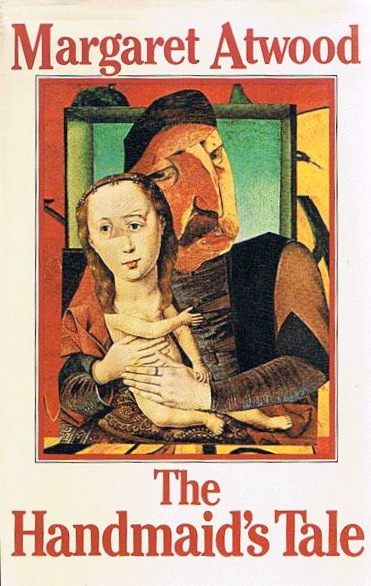
- The Handmaid's Tale
series3 books1985
similar bynear futuredarktensetotalitarianismscience fictiondystopia+2 more
The Handmaid's Tale is Margaret Atwood's 1985 novel set in Gilead, a totalitarian theocracy that has overthrown the United States and forces fertile women into reproductive servitude as Handmaids; it is narrated by one such woman, Offred. Atwood returned to the world in her 2019 sequel The Testaments, set fifteen years later and narrated by three women, including the regime's Aunt Lydia. Together the two novels move from Gilead's grip on power toward the first cracks in it.
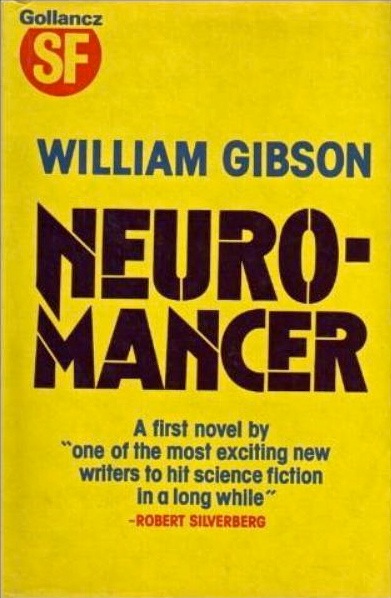
- Sprawl Trilogy
series10 books1981
similar bybig citynear futuretensedarkscience fictioncyberpunk
The Sprawl Trilogy is William Gibson's foundational cyberpunk sequence: Neuromancer (1984), in which hacker Case is drawn into a high-stakes heist alongside an artificial intelligence and a damaged ex-soldier, followed by Count Zero (1986) and Mona Lisa Overdrive (1988), which widen the same near-future world of corporate power and networked cyberspace to new characters. Johnny Mnemonic, an early short story set in the same fictional milieu, predates the novels and introduces the courier Molly Millions before her role in the trilogy. Together these works established much of cyberpunk's visual and thematic vocabulary.
- The Circle (Eggers)
series2 books2013
similar bynear futuredarktensesurveillancetotalitarianismbig cityscience fictiondystopia
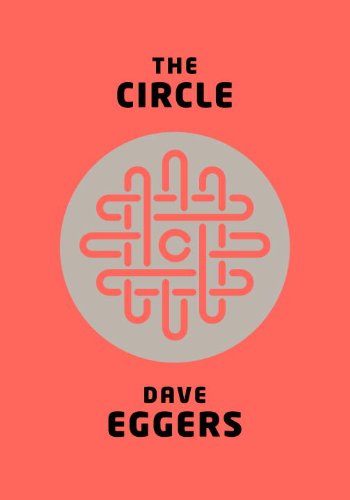
Mae Holland lands a coveted job at the Circle, a Silicon Valley tech company whose relentless, cheerful push toward total transparency -- 'secrets are lies, sharing is caring, privacy is theft' -- gradually reveals itself as something closer to soft totalitarianism. Dave Eggers's The Circle follows Mae's rise inside the company as she buys further and further into its ideology, at increasing cost to her own privacy and the people around her. The 2021 follow-up, The Every, picks up with Mae now running the merged tech giant and a new employee questioning it from the inside.
- Stand on Zanzibar
John Brunnerstandalone novel1968
similar bybig citynear futuredarksurveillancescience fictiondystopia+1 more
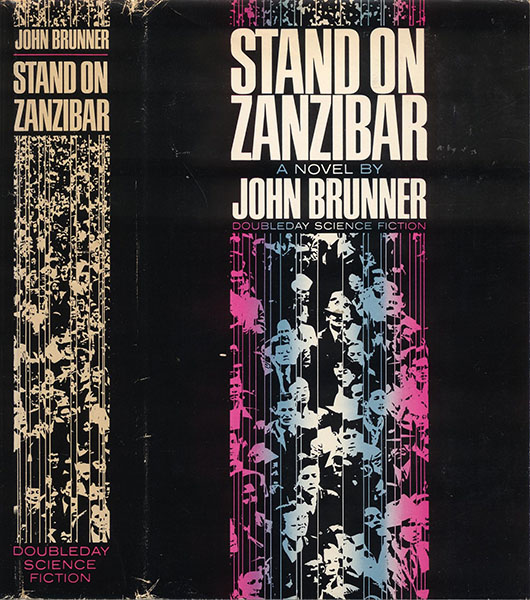
Stand on Zanzibar is a dystopian New Wave science fiction novel written by John Brunner and first in part published in New Worlds magazine in 1967 and in book form in 1968. The book won a Hugo Award for Best Novel at the 27th World Science Fiction Convention in 1969, as well as the 1969 BSFA Award and the 1973 Prix Tour-Apollo Award.
- A Song Called Youth / Eclipse
series3 books1985
similar bynear futuredarktensesurveillancetotalitarianismscience fictioncyberpunk+2 more
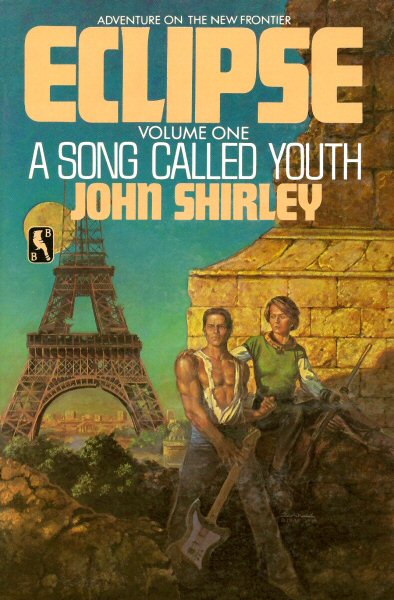
The Eclipse Trilogy is a series of three English language cyberpunk science fiction novels by John Shirley consisting of Eclipse (1985), Eclipse Penumbra (1988), and Eclipse Corona (1990).
- Level 7
Mordecai Roshwaldstandalone novel1959
similar bynear futuredarktensetotalitarianismscience fictionfirst persondystopiawar
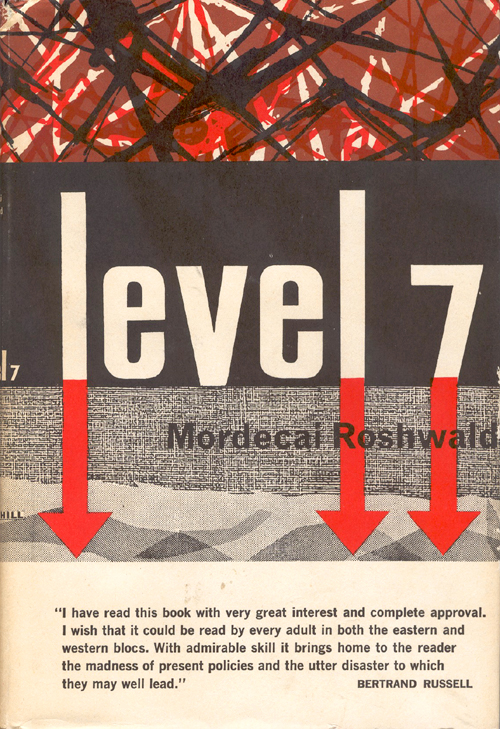
Level 7 is a 1959 science fiction novel by American writer Mordecai Roshwald. It is told from the first-person perspective of a modern soldier, X-127, living in the underground military complex Level 7, where he and several hundred others are expected to reside permanently. X-127 fulfills the role of 'push-button' offensive initiator of his nation's nuclear weapons capacity against an unspecified enemy. X-127 narrates life within a deep shelter before, during and after a nuclear war that wipes out the human species.
- The Jagged Orbit
John Brunnerstandalone novel1969
similar bybig citynear futuredarksurveillancetotalitarianismscience fictiondystopia
The Jagged Orbit is a science fiction novel by British writer John Brunner. It is similar to his earlier novel Stand on Zanzibar in its narrative style and dystopic outlook. It has exactly 100 titled chapters, which vary from several pages to part of one word. It was first published in 1969 with cover art by Leo and Diane Dillon, in the Ace Science Fiction Specials line issued by Ace Books.
- Blade Runner Universe
series6 books1968
similar bynear futurebig citydarkscience fictioncyberpunk+1 more
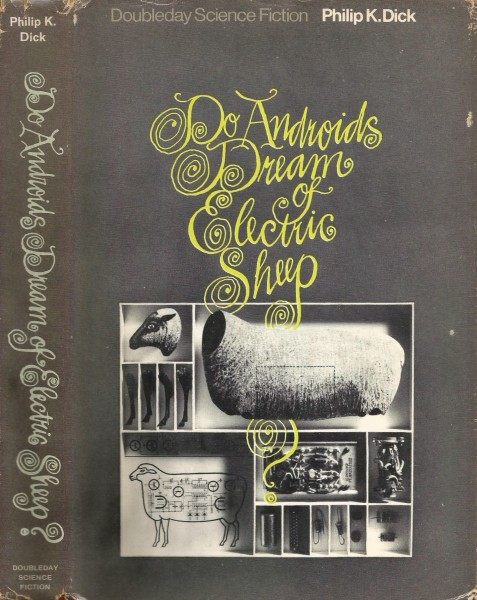
Philip K. Dick's 1968 novel Do Androids Dream of Electric Sheep? follows bounty hunter Rick Deckard as he tracks escaped androids through an irradiated, near-abandoned San Francisco, using the hunt to probe questions of empathy and what separates human from machine. The novel became the basis for Ridley Scott's 1982 film Blade Runner, and Marvel Comics later published an illustrated adaptation of that film. Together the two trace the story's path from prose original to screen and comic-page adaptation.
- The Sheep Look Up
John Brunnerstandalone novel1972
similar bybig citynear futuredarkscience fictiondystopia+2 more
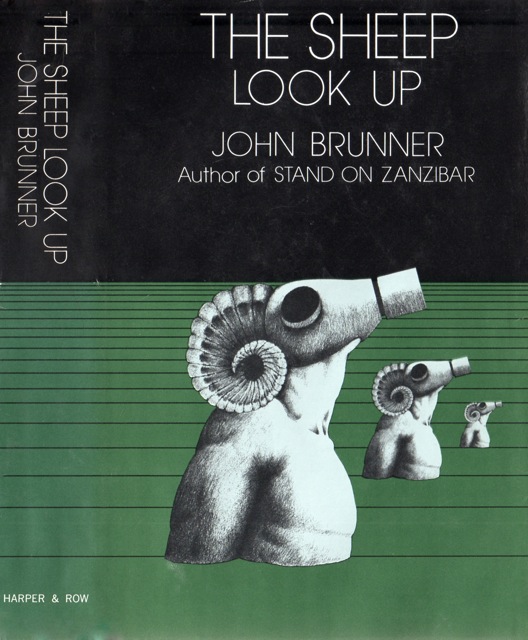
The Sheep Look Up is a 1972 dystopian science fiction novel by British author John Brunner, dealing with the deterioration of the environment in the United States. It was nominated for the 1972 Nebula Award for Best Novel.
- The Supernaturalist
Eoin Colferstandalone novel2004
similar bybig citynear futuredarktensescience fictioncyberpunkdystopia
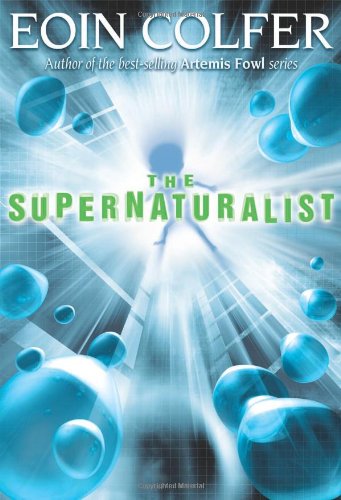
The Supernaturalist is a science fiction cyberpunk novel by Irish author Eoin Colfer. The book was influenced by film noir and other predecessors of the cyberpunk science fiction movement. Colfer has outlined plans for a sequel, Avernus.
- Make Room! Make Room!
Harry Harrisonstandalone novel1966
similar bybig citynear futuredarktensescience fictiondystopia
Make Room! Make Room! is a 1966 science fiction novel written by Harry Harrison exploring the consequences of both unchecked population growth on society and the hoarding of resources by a wealthy minority. It was originally serialized in Impulse magazine.
- Tomorrow!
Philip Wyliestandalone novel1954
similar bybig citynear futuredarktensescience fictiondystopiawar
Conjecture of a tomorrow which brings an attack by the enemy and the destruction of all major cities across an unprepared country.
- The Future
Naomi Aldermanstandalone novel2023
similar bynear futuredarktensetotalitarianismscience fictiondystopia+1 more
The Future is a 2023 science fiction novel by English writer Naomi Alderman, published by Simon & Schuster. The novel is set in a future dystopia where the world has been altered by environmental crisis and a powerful technocracy.
- Resurrection, Inc.
Kevin J. Andersonstandalone novel1988
similar bybig citynear futuredarktensescience fictioncyberpunkdystopia
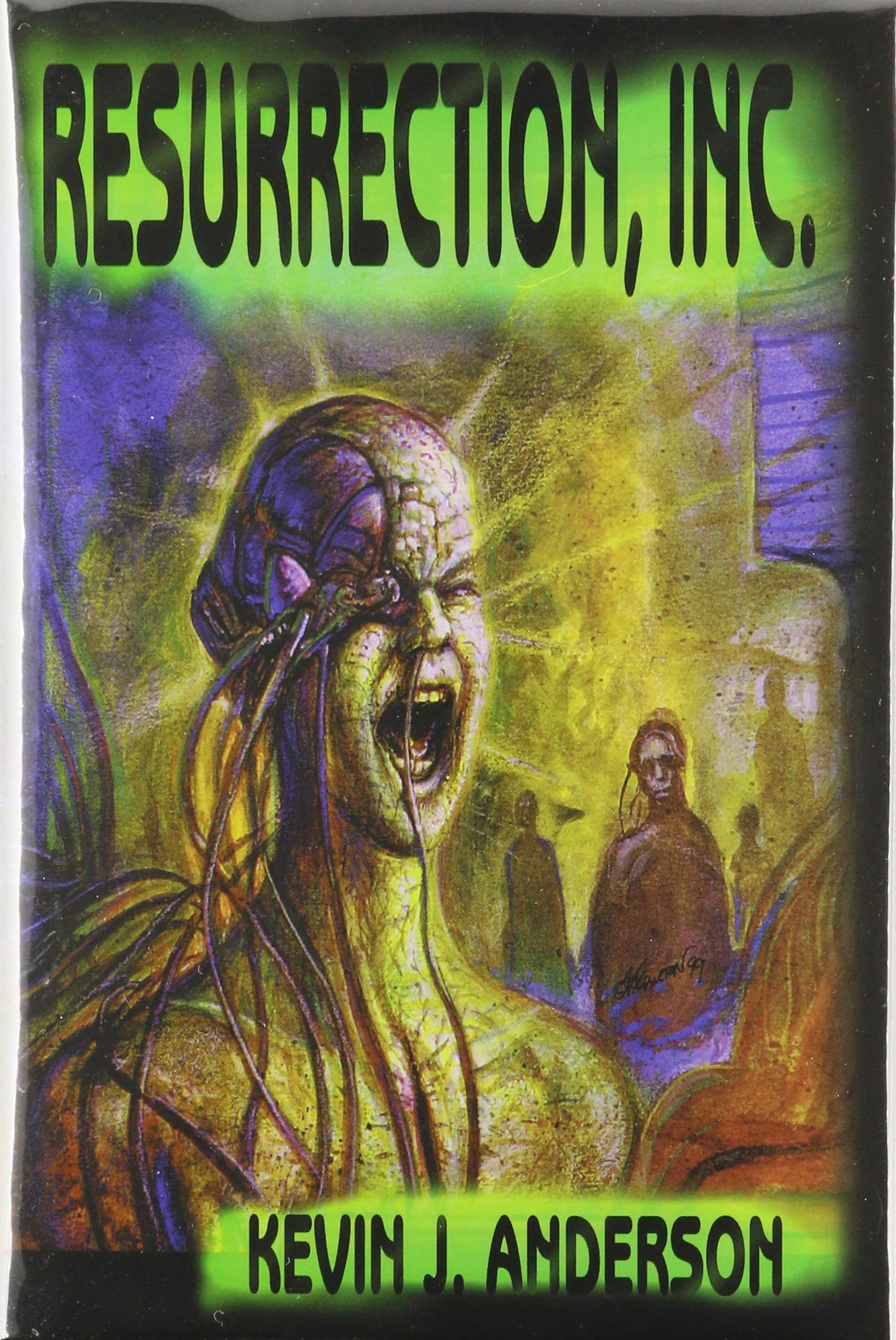
It is the future--and the dead walk the streets, resurrected by technology to become servants to the living. Resurrection, Inc. found a profitable way to do it: a microprocessor brain, a synthetic heart, artificial blood--and anyone with money could buy a Servant with no mind of its own, trained to obey any command. But for every Servant created a living worker was out of a job, and suddenly the profits of Resurrection, Inc. became everyone else's loss. Some take to rioting in the streets, their rampages ruthlessly ended by heavily armed Enforcers, eager for the kill. Others join the ever-growing cult of Neo-Satanism, seeking Heaven in the depths of Hell. Only one man tries to save the world. His name is Danal, and he is the last hope of the living. He is dead, but he remembers everything.
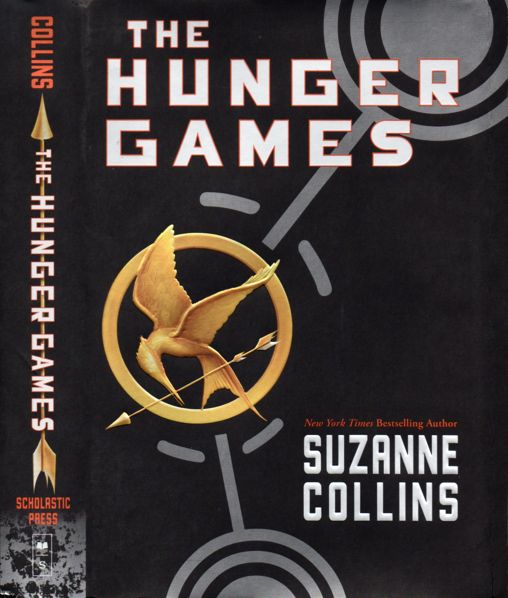
- The Hunger Games
series3 books2008
part of The Hunger Games Universe
similar bydarktensetotalitarianismscience fictiondystopiafirst person+1 more
The Hunger Games is a series of young adult dystopian novels written by American author Suzanne Collins. The series consists of a trilogy that follows teenage protagonist Katniss Everdeen, as well as two prequels. The Hunger Games universe is a dystopia set in Panem, a post-apocalyptic North American country consisting of the wealthy Capitol and 12 districts in varying states of poverty. As punishment for rebellion, the Capitol hosts an annual battle royale competition called The Hunger Games. Each of the 12 districts must send two children between the ages of 12 and 18 to participate, and the last surviving child is dubbed the victor.
- The Lathe of Heaven
Ursula K. Le Guinstandalone novel1971
similar bybig citynear futuretensescience fictiondystopia+1 more
The Lathe of Heaven is a 1971 science fiction novel by American writer Ursula K. Le Guin, first serialized in the American science fiction magazine Amazing Stories. It won the 1972 Locus Award for Best Novel and was a finalist for the 1971 Nebula Award for Best Novel and 1972 Hugo Award for Best Novel. Two television film adaptations were released: the PBS production, The Lathe of Heaven (1980), and Lathe of Heaven (2002), a remake produced by the A&E Network.
- Hazards of Time Travel
Joyce Carol Oatesstandalone novel2018
similar bynear futuredarktensesurveillancetotalitarianismscience fictiondystopia
Hazards of Time Travel is a 2018 dystopian, social science fiction novel by Joyce Carol Oates. It tells the story of Adriane Strohl, a 17-year-old living in a dystopian America in 2039. After her incendiary graduation speech, she is sent back to re-education in the year 1959. Oates began writing it in 2011.
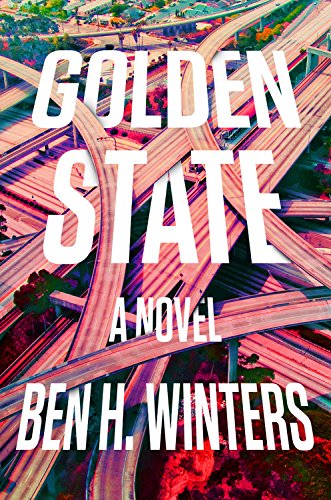
- Golden State
Ben H. Wintersstandalone novel2019
similar bynear futuretensesurveillancetotalitarianismscience fictiondystopiafirst person+1 more
A veteran of the Speculative Service in an alternate-world California where the law and truth are valued above all else uses his rare authority to question the facts when truth enforcement is manipulated for corrupt purposes. "In a strange alternate society that values law and truth above all else, Laszlo Ratesic is a nineteen-year veteran of the Speculative Service. He lives in the Golden State, a nation standing where California once did, a place where like-minded Americans retreated after the erosion of truth and the spread of lies made public life and governance impossible. In the Golden State, knowingly contradicting the truth is the greatest crime--and stopping those crimes is Laz's job. In its service, he is one of the few individuals permitted to harbor untruths, to 'speculate' on what might have happened. But the Golden State is less a paradise than its name might suggest. To monitor, verify, and enforce the truth requires a veritable panopticon of surveillance and recording. And when those in control of the facts twist them for nefarious means, the Speculators are the only ones with the power to fight back." -- Amazon.
- Feed
M. T. Andersonstandalone novel2002
similar bynear futuredarksurveillancescience fictionfirst personcyberpunkdystopia
Feed (2002) is a cyberpunk, satirical, dystopian, young-adult novel by M. T. Anderson, focusing on issues such as American hegemony, corporate power, consumerism, information technology, data mining, and environmental decline, with a sometimes sardonic, sometimes somber tone. From the first-person perspective of a teenaged boy, the book takes place in a near-futuristic American culture completely dominated by advertising and corporate exploitation, corresponding to the enormous popularity of internetworking brain implants called feeds.
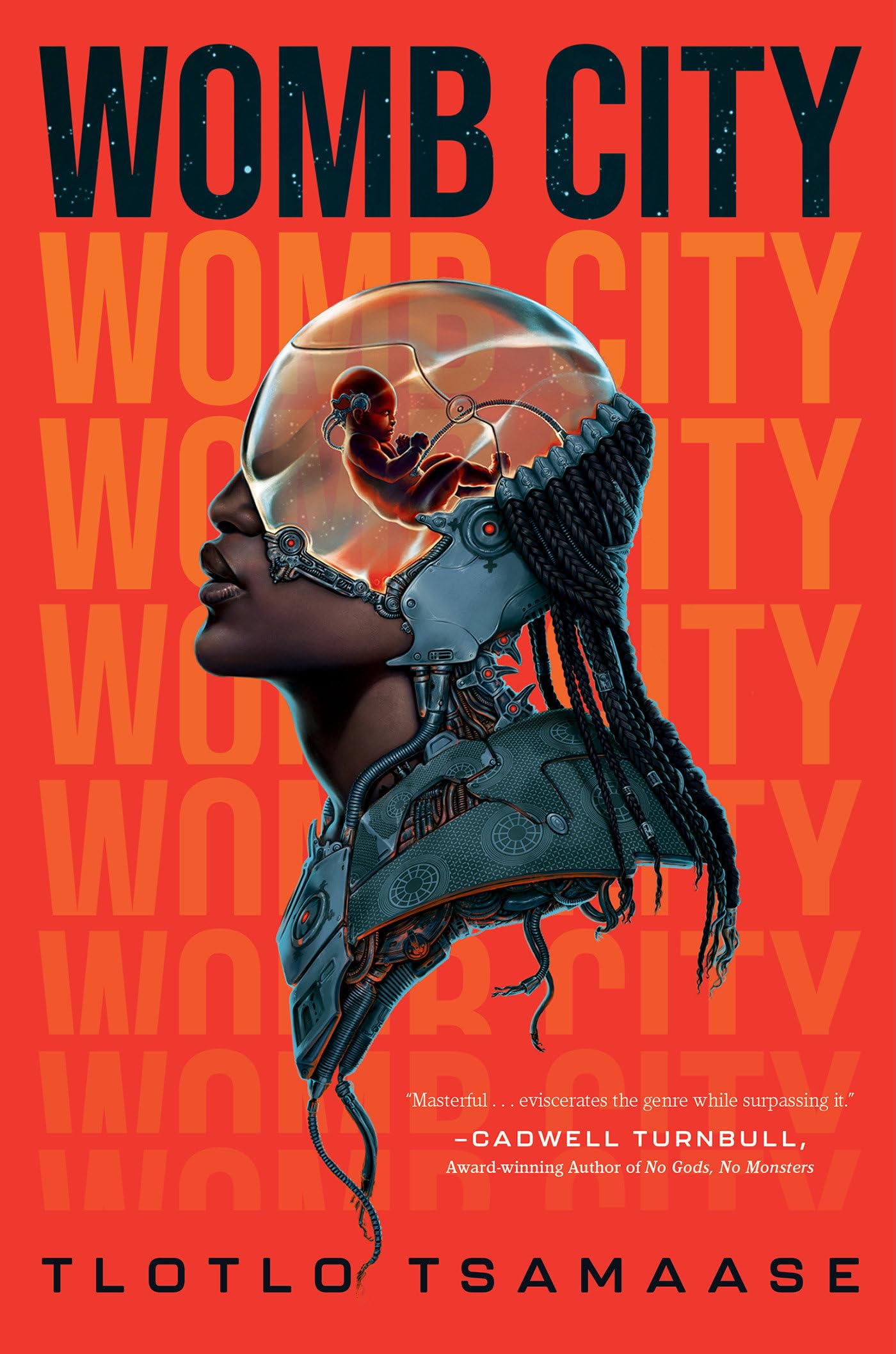
- Womb City
Tlotlo Tsamaasestandalone novel2024
similar bynear futuredarktensesurveillancetotalitarianismscience fictiondystopia
Womb City is a 2024 science fiction novel by Motswana writer Tlotlo Tsamaase.
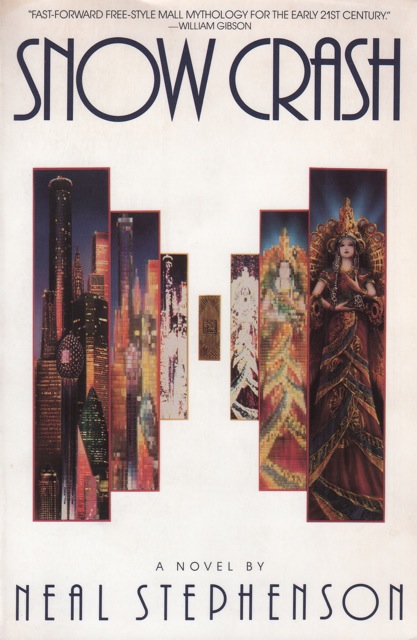
- Snow Crash
Neal Stephensonstandalone novel1992
similar bybig citynear futuretensescience fictioncyberpunk+1 more
Snow Crash is a 1992 science fiction novel by Neal Stephenson. Like many of Stephenson's novels, its themes include history, linguistics, anthropology, archaeology, religion, computer science, politics, cryptography, memetics, and philosophy.