Loreful
HomeDiscover
Search series, authors…⌘K
Loreful

Reading orders for SF/F series and shared universes — with your place kept in every one.

Explore

UniversesSeriesWorksAuthorsAtlas

Help

FAQAboutSite map

Account & legal

Sign inCreate accountPrivacyTerms

Data

Built on ISFDB, Wikipedia, Wikidata and Open Library. Curated reading orders carry their reasoning on the page; the rest follow publication order. Data sources & licenses

© Loreful · data: ISFDB · CC BY

More like Driving Blind

anchored on:contemporaryliterary & generalnorth americareflectiveshort story cycle

but

Mood

The mood the book leaves you in.

  • The reading experience is propelled by journeys, exploration, and physical risk; excitement and forward momentum dominate over dread or introspection.
  • Joy and loss are deliberately mixed; the resolution grants characters something real while taking something else away, leaving warmth and sorrow together.
  • The book demands work from the reader — dense prose, difficult structure, unfamiliar ideas, or morally uncomfortable material — as part of its intended effect.
  • Grim events, cruelty, or despair dominate the atmosphere, and the book does not soften them with comfort or comic relief.
  • The atmosphere is quietly unsettling — wrongness, unease, and the uncanny pervade the book without necessarily escalating into overt horror.
  • The book is built to move the reader; character feeling is foregrounded and major scenes aim at a strong emotional response.
  • Humor is a primary aim and the prose plays for laughs — comic situations, wit, or dialogue produce sustained comedy, not occasional levity.
  • The book insists that things can improve; effort and decency are shown to matter, and the arc bends toward better outcomes even through hardship.
  • The book teaches as it goes — real facts, history, science, or craft are conveyed in enough depth that learning is part of the reading experience.
  • The book is designed to uplift and motivate, presenting perseverance or achievement in a way that invites the reader to aspire or act.
  • The overall register is cheerful and easygoing; stakes are kept gentle and the book avoids dwelling on pain or dread.
  • Withheld information drives the experience; the book sustains enigmas and secrets the reader wants resolved, whatever its genre.
  • The book is contemplative and inward-looking, giving more weight to thought, memory, and meaning than to external events.
  • The book works as comfort reading — low tension, a soothing pace, and an atmosphere the reader can unwind in.
  • Grief, loss, or melancholy set the dominant register, and the book lets sorrow stand rather than resolving it into comfort.
  • Sustained suspense is the point; the book keeps the reader braced for what happens next through danger, pressure, or impending revelation.
  • Playful invention and charm define the register — fanciful conceits, light absurdity, and a narration that delights in its own oddity.

About

What the story runs on.

  • Stories in which extraterrestrial beings are central — as characters, cultures, or the object of the plot.
  • Stories structured as a quest — a journey undertaken to find, deliver, or destroy something of great import.
  • Stories in which staying alive against nature, catastrophe, or scarcity is the central problem.
  • Stories of lovers kept apart by law, family, faith, or station, where the obstacle to love is the plot.
  • Stories in which a friendship — its making, testing, or loss — is the emotional center.
  • Stories of growing up — a young protagonist crossing from childhood into adult knowledge and responsibility.
  • Stories about who a character truly is — self-discovery, doubled lives, and the search for a self.
  • Stories about mourning — living through the death of a loved one and what loss does to the survivors.
  • Stories in which a buried family truth — hidden parentage, crimes, or shames — surfaces and reorders the present.
  • Stories driven by maneuvering for power — factions, conspiracies, and statecraft conducted in shadow.
  • Stories in which war itself is the subject — combat, occupation, and what warfare does to soldiers and civilians.
  • Stories organized around investigating a killing — the case, the clues, and the pursuit of the killer, in any genre's clothing.

Shelf

Where it sits in the library.

    • Fiction built on magic or other supernatural elements that have no scientific explanation.
    • Secondary-world fantasy at large scale, where the fate of nations or the world turns on the protagonists' struggle.
    • Fantasy set in a recognizably modern city or contemporary world where the supernatural intrudes on everyday life.
    • Fantasy that blends in horror's atmosphere and imagery, keeping a fantastical frame around grim or frightening material.
    • Action-driven fantasy following warriors or rogues with personal stakes against sorcerous threats, rather than world-spanning conflicts.
    • Fantasy set in a real historical period or a close analogue of one, with magic woven into the era.
    • Fantasy in which protagonists cross from the ordinary world into another world through a portal or similar passage.
    • Fiction that retells or reworks a traditional fairy tale in a new form or setting.
    • Fantasy drawing directly on myths, legends, and folklore, retelling them or building on their figures and logic.
    • Fantasy of ghosts, vampires, shapeshifters, psychics, and similar phenomena, usually set in an otherwise ordinary world.
    • Fiction mixing science-fictional trappings with overtly magical or impossible elements in one setting.
    • Low-stakes fantasy emphasizing comfort, community, and everyday pleasures over conflict and peril.
    • Speculative fiction of pervasive moral ambiguity, violence, and cynicism that rejects heroic conventions — fantasy and SF alike.
      • Fiction that extrapolates from science and technology — future societies, space travel, or speculative inventions — within at least nominally natural laws.
      • Science fiction of interstellar scope — starships, galactic polities, and adventure across star systems.
      • Science fiction committed to scientific rigor, where technical plausibility constrains the story.
      • Science fiction centered on armed forces and warfare, told largely from a military point of view.
      • Science fiction of networked, corporate-dominated near futures, pairing high technology with social decay.
      • Science fiction styled on nineteenth-century steam-powered technology, often in a Victorian or pseudo-Victorian setting.
      • Fiction depicting an oppressive or catastrophic society, presented as a warning.
      • Fiction set after civilization's collapse, following survivors in the ruins of the old world.
      • Fiction in which characters move between past and future, and the mechanics or consequences of that travel drive the plot.
      • Fiction exploring a world where a historical event went differently and history diverged from ours.
      • Science fiction about humanity's first encounter and communication with an alien intelligence.
      • Science fiction in which extraterrestrial forces attack or occupy Earth and humanity resists.
      • Fiction whose primary aim is to frighten or unsettle the reader through dread, menace, or the monstrous.
      • Horror of vast, indifferent, incomprehensible entities before which humanity is insignificant, in the Lovecraft tradition.
      • Horror of decaying houses, buried family secrets, and oppressive atmosphere in the Gothic literary tradition.
      • Horror centered on hauntings and the returning dead.
      • Horror located in the mind — paranoia, obsession, and unreliable perception rather than external monsters.
      • Horror built around the reanimated dead and survival amid their outbreaks.
      • Horror defined by explicit, transgressive gore that refuses to cut away from violence.
      • Speculative fiction of the strange and uncanny that resists both natural explanation and standard genre categories.
      • Fiction organized around solving a crime or puzzle, typically following an investigator toward the identification of a culprit.
      • A puzzle-first mystery that lays out clues so the culprit's identity can be deduced before the reveal.
      • Crime fiction of moral ambiguity, fatalism, and hard-edged style, set among the corrupt and the doomed.
      • A mystery following the realistic routines of police work — forensics, interviews, and case-building.
      • A gentle mystery with an amateur sleuth, a small community, and violence kept off the page.
      • A mystery set in a past era, where the investigation works within that period's methods and society.
      • Fast-paced fiction driven by imminent danger, pursuit, or high-stakes conspiracy, built to sustain tension.
      • A thriller of espionage — agents, tradecraft, and intelligence services in conflict.
      • A thriller centered on lawyers and the courtroom, where litigation carries the suspense.
      • A thriller driven by detailed contemporary or near-future technology, often military or scientific.
      • A thriller whose tension comes from mental states and manipulation between characters rather than external action.
      • Fiction whose central plot is a romantic relationship and its development toward an emotionally satisfying resolution.
      • Romance in which one or both partners are supernatural beings, blending fantasy elements into the love story.
      • A fantasy-romance hybrid in which the romantic arc and the fantasy plot carry equal weight.
      • Romance set in a past era, with courtship shaped by the period's society and manners.
      • Romance set in the present day, without supernatural or historical elements.
      • Fiction set in a real past period, where the historical setting materially shapes characters and events.
        • General and literary fiction emphasizing prose style, character interiority, or formal ambition over genre plot conventions.
        • Fiction in a realistic world where magical events occur and are treated as ordinary, in the tradition of Latin American literature.
        • Fiction that ridicules people, institutions, or society in order to criticize them.
        • Fiction of dreamlike, irrational imagery and logic that breaks from realistic representation.
        • Fiction that plays with narrative convention through metafiction, fragmentation, and self-reference.
        • Fiction propelled by journeys, exploration, and physical peril, where action and survival carry the plot.
        • Adventure fiction of ships and seafaring — naval engagements, voyages, and life at sea.
        • Fiction of the American frontier West — gunmen, ranchers, and lawmen, typically in the late nineteenth century.
        • Fiction centered on soldiers, campaigns, and the experience of warfare, historical or imagined.
          • Fiction written primarily to amuse, using comedic situations, wit, or parody as its organizing principle.
            • Multi-generational fiction following a family or dynasty across decades, with inheritance and kinship as the through-line.
              • Fiction whose world runs on explicit game mechanics — levels, stats, and skills that characters can see and exploit.
                • Fiction about costumed or superpowered heroes and their conflicts with comparable villains.

                Practical

                How long a commitment, whether it stands alone, and whether it has finished.

                Tap a chip to ask for it · tap again to rule it out · once more to clear. Numbers show what would be left.

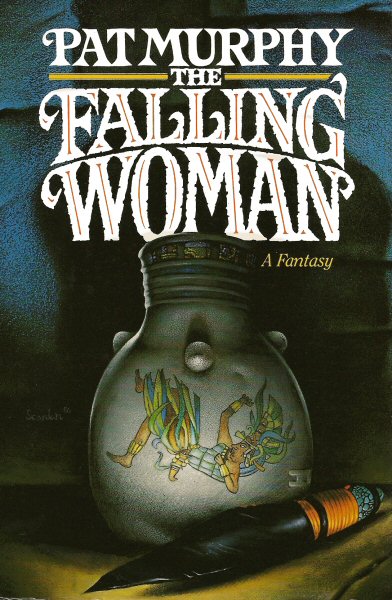
                • Cover of The Falling Woman
                  The Falling Woman

                  Pat Murphy · standalone novel · 1986

                  similar byreflectivenorth americacontemporaryliterary & generalfantasy+1 more

                  The Falling Woman is a 1986 contemporary psychological fantasy novel by Pat Murphy. The book won the Nebula Award for Best Novel in 1987.

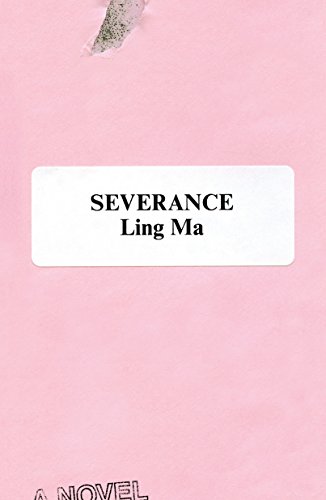
                • Cover of Severance
                  Severance

                  Ling Ma · standalone novel · 2018

                  similar byreflectivenorth americacontemporaryliterary & generalscience fiction+1 more

                  Severance is a 2018 post-apocalyptic novel by Chinese American author Ling Ma. It follows Candace Chen, an unfulfilled Bible product coordinator, before and after an incurable infection slowly obliterates global civilization. Severance explores themes of nostalgia, modern office culture, monotony, and intimate relationships. The novel, Ma's debut, won the 2018 Kirkus Prize for Fiction and was included on many prominent Best Books of 2018 lists.

                • Cover of Gods Without Men
                  Gods Without Men

                  Hari Kunzru · standalone novel · 2011

                  similar byreflectivenorth americacontemporaryliterary & general+1 more

                  Gods Without Men is Hari Kunzru's fourth novel, first published in 2011. The title is a quotation from Honoré de Balzac. The novel is set in the American southwest, and contains elements of magical realism.

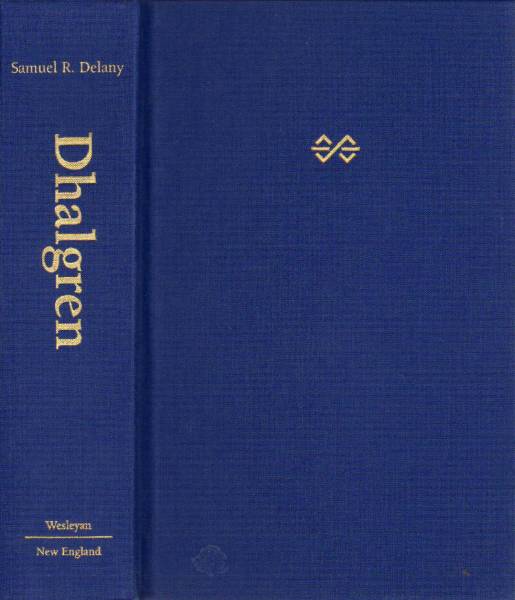
                • Cover of Dhalgren
                  Dhalgren

                  Samuel R. Delany · standalone novel · 1975

                  similar bynorth americacontemporaryliterary & generaleeriescience fiction

                  Dhalgren is a 1975 science fiction novel by American writer Samuel R. Delany. It features an extended trip to and through Bellona, a fictional city in the American Midwest cut off from the rest of the world by an unknown catastrophe. It is number 33 on the 20th Century's Greatest Hits: 100 English-Language Books of Fiction list.

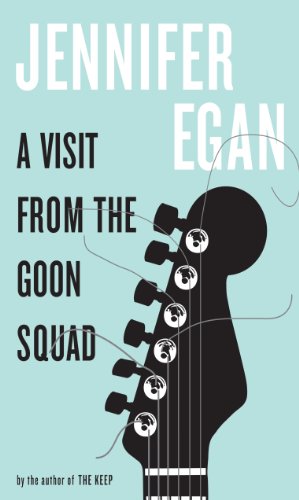
                • Cover of A Visit from the Goon Squad
                  A Visit from the Goon Squad

                  series · 2 books · 2010

                  similar byreflectivecontemporaryliterary & generalshort story cycle+1 more

                  Jennifer Egan's A Visit from the Goon Squad follows a loosely connected group of characters orbiting the music industry across several decades, told through interlocking chapters that jump between narrators, timelines, and, in one chapter, a PowerPoint presentation. The Candy House returns to several of the same characters and their descendants a decade later, in a world reshaped by a technology that lets people access and share their memories. Egan links the two books through recurring characters more than a continuous plot.

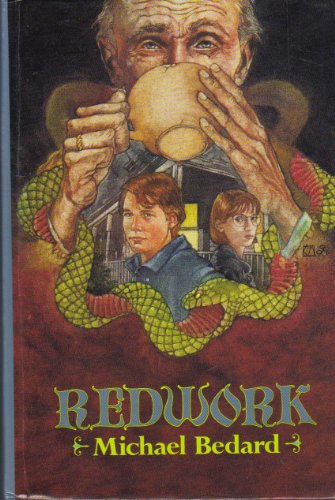
                • Cover of Redwork
                  Redwork

                  Michael Bedard · standalone novel · 1990

                  similar byreflectivenorth americacontemporaryliterary & generaleerie+1 more

                  "The unkempt old house, an eyesore in a gentrified Canadian city neighborhood, reminds 15-year-old Cass of a half-remembered dream. Its cheap second-floor flat is such a godsend that he and his improvident single mother, Alison, don't mind their reclusive, possibly sinister landlord, Mr. Magnus, living on the floor below. While Alison plunges into her long-postponed thesis on William Blake, Cass unpacks and observes neighborhood bullies extort cash from young children and play nasty pranks on Mr. Magnus. When Cass takes a job as an usher in a run-down movie theatre, he endures abuse by the head usher. Meanwhile he ponders the significance of pictures left in his flat--a painting of a snake swallowing its tail, a photograph of young Mr. Magnus in World War I uniform--and of the dreams that haunt him, dreams of muddy trenches, of gunfire, gas, blood, pain, and fear. Curiosity and sympathy draw Cass and his new friend Maddy into the old man's obsession with alchemy, which gives the book its title." — quoted from a review of the book by Margaret A. Chang as published in The Library Journal that is reprinted on this book's product page on Amazon.com as of 2017-01-18.

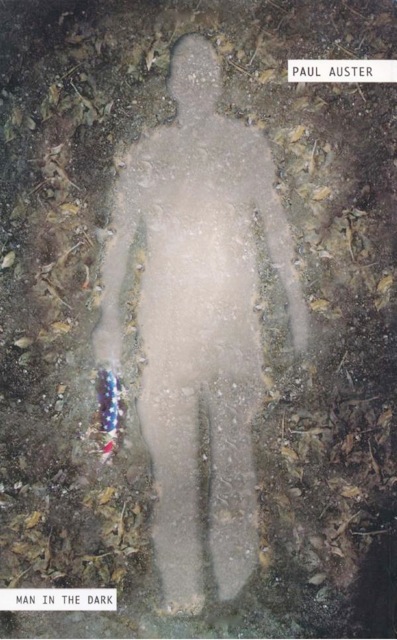
                • Cover of Man in the Dark
                  Man in the Dark

                  Paul Auster · standalone novel · 2008

                  similar byreflectivenorth americacontemporaryliterary & general+1 more

                  An insomniac makes up a story about a man transported to an alternate reality in which a US civil war erupted after the 2000 election.

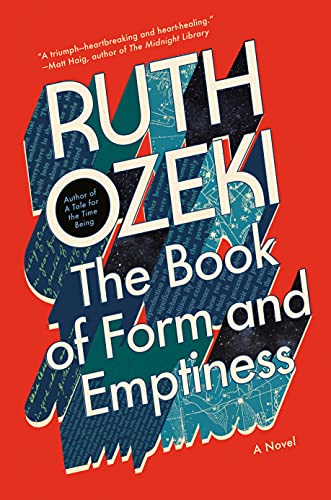
                • Cover of The Book of Form and Emptiness
                  The Book of Form and Emptiness

                  Ruth Ozeki · standalone novel · 2021

                  similar byreflectivenorth americacontemporaryliterary & general+1 more

                  The Book of Form and Emptiness is a novel by American author Ruth Ozeki, published in 2021 by Viking. Ozeki's fourth novel, the book won the 2022 Women's Prize for Fiction. The story follows a boy who hears voices from inanimate objects while the narrative explores themes of mental illness and bereavement.

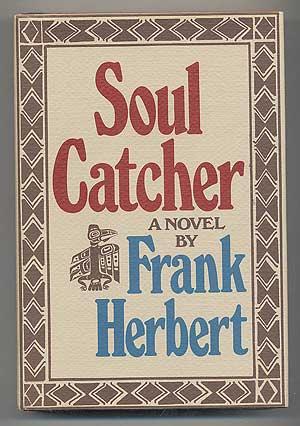
                • Cover of Soul Catcher
                  Soul Catcher

                  Frank Herbert · standalone novel · 1972

                  similar byreflectivenorth americacontemporaryliterary & general

                  Soul Catcher is a 1972 novel by Frank Herbert about a Native American who kidnaps a young white boy, and their journey together.

                • Cover of Oh Pure and Radiant Heart
                  Oh Pure and Radiant Heart

                  Lydia Millet · standalone novel · 2005

                  similar byreflectivenorth americacontemporaryliterary & generalscience fiction

                  Oh Pure and Radiant Heart imagines a world in which the three geniuses who were key to the invention of the atom bomb--physicists J. Robert Oppenheimer, Enrico Fermi and Leo Szilard--are displaced to contemporary America at the moment history's first mushroom cloud rises over the New Mexico desert in July 1945. When the scientists appear in Santa Fe in 2003, Ann, a reference librarian, and her doting husband Ben take them in, and with the long-dead physicists for houseguests are swept up in a quixotic and calamitous quest.

                • Cover of Through the Valley of the Nest of Spiders
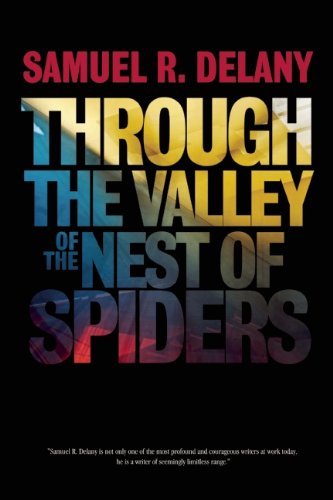
                  Through the Valley of the Nest of Spiders

                  series · 1 book · 2012

                  similar byreflectivenorth americacontemporaryliterary & general+2 more

                • Cover of Wolf in White Van
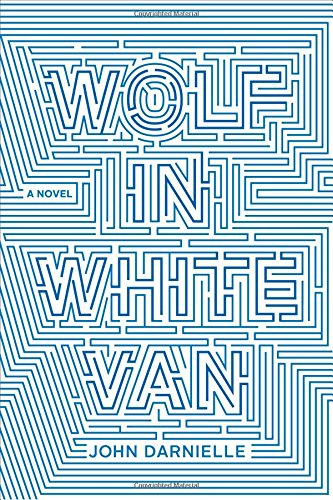
                  Wolf in White Van

                  John Darnielle · standalone novel · 2014

                  similar byreflectivenorth americacontemporaryliterary & general+1 more

                  Wolf in White Van is the first novel by the American author and singer-songwriter John Darnielle. Wolf in White Van tells the story of Sean Phillips, a reclusive game designer whose face has been severely disfigured. One reviewer characterizes Sean as someone "steeped in video games, bad sci-fi movies, and Conan the Barbarian comic books". The plot, which is told non-chronologically, alternates among Sean's childhood, adolescence, and adulthood to describe the circumstances surrounding the incident that disfigured him. A fictional play-by-mail role-playing game called Trace Italian figures prominently in the novel.

                • Cover of Green Town
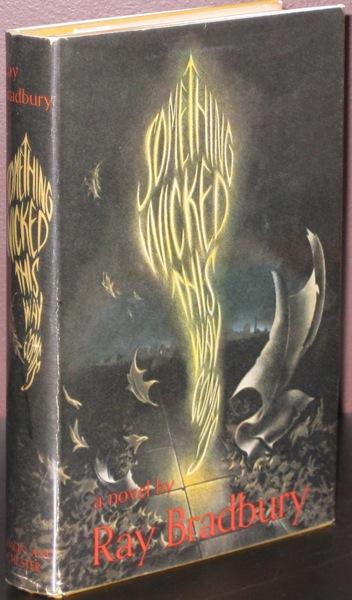
                  Green Town

                  series · 31 books · 1946

                  completed

                  similar bynorth americareflectiveliterary & general

                  Green Town gathers two of Ray Bradbury's loosely linked novels set in his fictionalized version of his childhood home of Waukegan, Illinois: the dark fantasy Something Wicked This Way Comes (1962), in which a sinister traveling carnival led by the mysterious Mr. Dark descends on a small town and preys on its residents' desires, and the later Farewell Summer (2006), which follows Douglas Spaulding through an autumn stand-off between the town's boys and its elders. Written more than four decades apart, the two novels share Bradbury's recurring setting and nostalgic, myth-making tone rather than a single continuous plot.

                • Cover of The Wood Wife
                  The Wood Wife

                  Terri Windling · standalone novel · 1996

                  similar byreflectivenorth americacontemporaryfantasy+1 more

                  Maggie leaves her life to pursue her dream when her mentor leaves her his estate and a mystery.

                • Cover of Ægypt
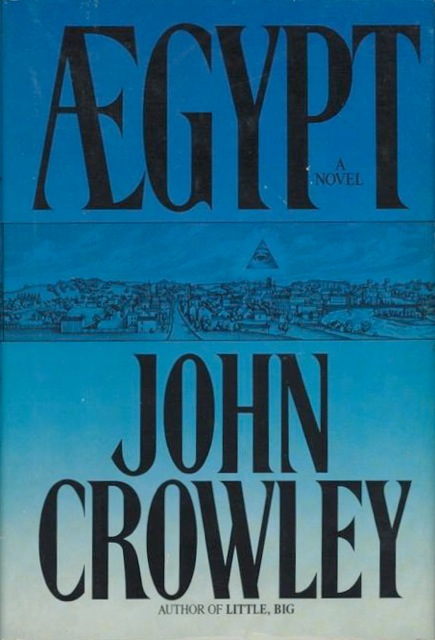
                  Ægypt

                  series · 5 books · 1987

                  completed

                  similar byreflectivenorth americacontemporaryliterary & generalfantasy

                  Ægypt is a fantasy tetralogy written by American author John Crowley. The series describes the life and work of Pierce Moffett, a history professor who prepares a manuscript for publication even as it prepares him for some as-yet unknown destiny, all set amidst strange and subtle Hermetic manipulations among the Faraway Hills at the border of New York, New Jersey and Pennsylvania.

                • Cover of The Witches of Eastwick
                  The Witches of Eastwick

                  series · 2 books · 1984

                  completed

                  similar bynorth americacontemporaryliterary & generalfantasy+1 more

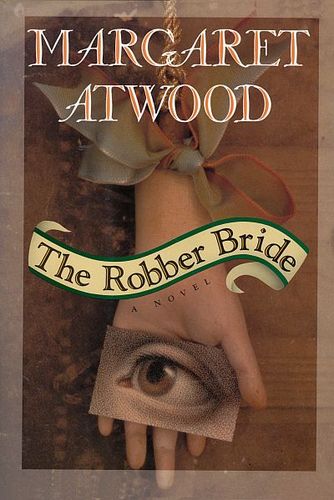
                • Cover of The Robber Bride
                  The Robber Bride

                  Margaret Atwood · standalone novel · 1993

                  similar byreflectivenorth americacontemporaryliterary & general

                  The Robber Bride is a novel by Canadian writer Margaret Atwood, first published by McClelland and Stewart in 1993.

                • Cover of Mickelsson's Ghosts
                  Mickelsson's Ghosts

                  John Gardner · standalone novel · 1982

                  similar byreflectivenorth americacontemporaryliterary & general+1 more

                  Mickelsson's Ghosts, published in 1982, is American writer John Gardner's ninth novel. It was the final novel published during Gardner’s lifetime.

                • Cover of Tuck Everlasting
                  Tuck Everlasting

                  Natalie Babbitt · standalone novel · 1975

                  similar byreflectivenorth americacontemporaryfantasy

                  Publisher's description: "The Tuck family is confronted with an agonizing situation when they discover that a ten-year-old girl and a malicious stranger now share their secret about a spring whose water prevents one from ever growing any older."

                • Cover of Crane's View
                  Crane's View

                  series · 3 books · 1998

                  similar bycontemporarynorth americaliterary & generalfantasy+2 more

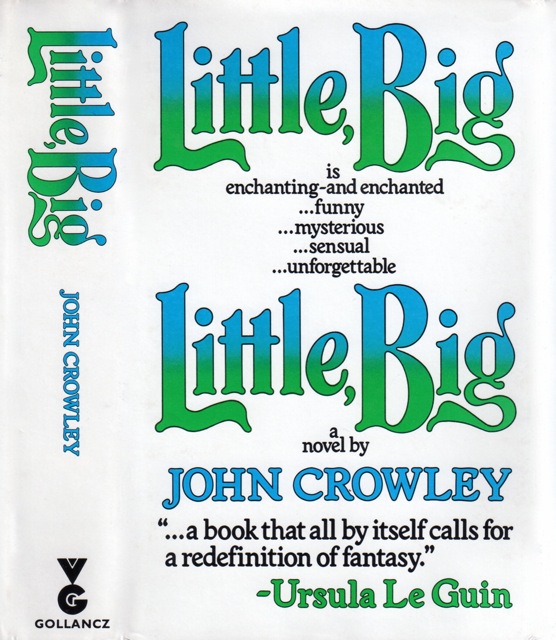
                • Cover of Little, Big
                  Little, Big

                  John Crowley · standalone novel · 1981

                  similar byreflectivenorth americacontemporaryfantasy

                  Little, Big: or, The Fairies' Parliament is a contemporary fantasy novel by John Crowley, published in 1981. It won the World Fantasy Award in 1982.

                • Cover of Dying Inside
                  Dying Inside

                  Robert Silverberg · standalone novel · 1972

                  similar byreflectivenorth americacontemporaryscience fiction

                  Dying Inside is a 1972 science fiction novel by American writer Robert Silverberg. It was first serialized in Galaxy in 1972 and published in book form by Charles Scribner's Sons later that year. The novel follows David Selig, a middle-aged telepath in contemporary New York City, as the mind-reading ability that has shaped his life begins to disappear.

                • Cover of The Gum Thief
                  The Gum Thief

                  Douglas Coupland · standalone novel · 2007

                  similar byreflectivenorth americacontemporaryliterary & general

                  The Gum Thief is Canadian author Douglas Coupland's twelfth novel. It was published on September 25, 2007 , by Random House Canada in Canada and Bloomsbury Publishing in the United States.

                • Cover of Peace
                  Peace

                  Gene Wolfe · standalone novel · 1975

                  similar byreflectivenorth americaliterary & generaleerie+1 more

                  Peace is a 1975 psychological fantasy/ghost story novel by American writer Gene Wolfe. It is the story of a man from a small Midwestern town in the early to mid-20th century, Alden Dennis Weer, who narrates various memories from different parts of his life, including his childhood, early adulthood, and middle to old age.