Loreful
HomeDiscover
Search series, authors…⌘K
Loreful

Reading orders for SF/F series and shared universes — with your place kept in every one.

Explore

UniversesSeriesWorksAuthorsAtlas

Help

FAQAboutSite map

Account & legal

Sign inCreate accountPrivacyTerms

Data

Built on ISFDB, Wikipedia, Wikidata and Open Library. Curated reading orders carry their reasoning on the page; the rest follow publication order. Data sources & licenses

© Loreful · data: ISFDB · CC BY

More like Drood

anchored on:historical fictionbritish isles19th centurygothicmadnessbooks and reading+3 more

but

Mood

The mood the book leaves you in.

  • The reading experience is propelled by journeys, exploration, and physical risk; excitement and forward momentum dominate over dread or introspection.
  • Joy and loss are deliberately mixed; the resolution grants characters something real while taking something else away, leaving warmth and sorrow together.
  • The book demands work from the reader — dense prose, difficult structure, unfamiliar ideas, or morally uncomfortable material — as part of its intended effect.
  • Grim events, cruelty, or despair dominate the atmosphere, and the book does not soften them with comfort or comic relief.
  • The atmosphere is quietly unsettling — wrongness, unease, and the uncanny pervade the book without necessarily escalating into overt horror.
  • The book is built to move the reader; character feeling is foregrounded and major scenes aim at a strong emotional response.
  • Humor is a primary aim and the prose plays for laughs — comic situations, wit, or dialogue produce sustained comedy, not occasional levity.
  • The book insists that things can improve; effort and decency are shown to matter, and the arc bends toward better outcomes even through hardship.
  • The book teaches as it goes — real facts, history, science, or craft are conveyed in enough depth that learning is part of the reading experience.
  • The book is designed to uplift and motivate, presenting perseverance or achievement in a way that invites the reader to aspire or act.
  • The overall register is cheerful and easygoing; stakes are kept gentle and the book avoids dwelling on pain or dread.
  • Withheld information drives the experience; the book sustains enigmas and secrets the reader wants resolved, whatever its genre.
  • The book is contemplative and inward-looking, giving more weight to thought, memory, and meaning than to external events.
  • The book works as comfort reading — low tension, a soothing pace, and an atmosphere the reader can unwind in.
  • Grief, loss, or melancholy set the dominant register, and the book lets sorrow stand rather than resolving it into comfort.
  • Sustained suspense is the point; the book keeps the reader braced for what happens next through danger, pressure, or impending revelation.
  • Playful invention and charm define the register — fanciful conceits, light absurdity, and a narration that delights in its own oddity.

About

What the story runs on.

  • Stories in which extraterrestrial beings are central — as characters, cultures, or the object of the plot.
  • Stories structured as a quest — a journey undertaken to find, deliver, or destroy something of great import.
  • Stories in which staying alive against nature, catastrophe, or scarcity is the central problem.
  • Stories of lovers kept apart by law, family, faith, or station, where the obstacle to love is the plot.
  • Stories of growing up — a young protagonist crossing from childhood into adult knowledge and responsibility.
  • Stories about who a character truly is — self-discovery, doubled lives, and the search for a self.
  • Stories about mental unraveling — descent into madness, delusion, and minds at war with themselves.
  • Stories about mourning — living through the death of a loved one and what loss does to the survivors.
  • Stories in which a buried family truth — hidden parentage, crimes, or shames — surfaces and reorders the present.
  • Stories driven by maneuvering for power — factions, conspiracies, and statecraft conducted in shadow.
  • Stories in which war itself is the subject — combat, occupation, and what warfare does to soldiers and civilians.
  • Stories organized around investigating a killing — the case, the clues, and the pursuit of the killer, in any genre's clothing.

Shelf

Where it sits in the library.

    • Fiction built on magic or other supernatural elements that have no scientific explanation.
    • Secondary-world fantasy at large scale, where the fate of nations or the world turns on the protagonists' struggle.
    • Fantasy set in a recognizably modern city or contemporary world where the supernatural intrudes on everyday life.
    • Fantasy that blends in horror's atmosphere and imagery, keeping a fantastical frame around grim or frightening material.
    • Action-driven fantasy following warriors or rogues with personal stakes against sorcerous threats, rather than world-spanning conflicts.
    • Fantasy set in a real historical period or a close analogue of one, with magic woven into the era.
    • Fantasy in which protagonists cross from the ordinary world into another world through a portal or similar passage.
    • Fiction that retells or reworks a traditional fairy tale in a new form or setting.
    • Fantasy drawing directly on myths, legends, and folklore, retelling them or building on their figures and logic.
    • Fantasy of ghosts, vampires, shapeshifters, psychics, and similar phenomena, usually set in an otherwise ordinary world.
    • Fiction mixing science-fictional trappings with overtly magical or impossible elements in one setting.
    • Low-stakes fantasy emphasizing comfort, community, and everyday pleasures over conflict and peril.
    • Speculative fiction of pervasive moral ambiguity, violence, and cynicism that rejects heroic conventions — fantasy and SF alike.
      • Fiction that extrapolates from science and technology — future societies, space travel, or speculative inventions — within at least nominally natural laws.
      • Science fiction of interstellar scope — starships, galactic polities, and adventure across star systems.
      • Science fiction committed to scientific rigor, where technical plausibility constrains the story.
      • Science fiction centered on armed forces and warfare, told largely from a military point of view.
      • Science fiction of networked, corporate-dominated near futures, pairing high technology with social decay.
      • Science fiction styled on nineteenth-century steam-powered technology, often in a Victorian or pseudo-Victorian setting.
      • Fiction depicting an oppressive or catastrophic society, presented as a warning.
      • Fiction set after civilization's collapse, following survivors in the ruins of the old world.
      • Fiction in which characters move between past and future, and the mechanics or consequences of that travel drive the plot.
      • Fiction exploring a world where a historical event went differently and history diverged from ours.
      • Science fiction about humanity's first encounter and communication with an alien intelligence.
      • Science fiction in which extraterrestrial forces attack or occupy Earth and humanity resists.
      • Fiction whose primary aim is to frighten or unsettle the reader through dread, menace, or the monstrous.
      • Horror of vast, indifferent, incomprehensible entities before which humanity is insignificant, in the Lovecraft tradition.
      • Horror of decaying houses, buried family secrets, and oppressive atmosphere in the Gothic literary tradition.
      • Horror centered on hauntings and the returning dead.
      • Horror located in the mind — paranoia, obsession, and unreliable perception rather than external monsters.
      • Horror built around the reanimated dead and survival amid their outbreaks.
      • Horror defined by explicit, transgressive gore that refuses to cut away from violence.
      • Speculative fiction of the strange and uncanny that resists both natural explanation and standard genre categories.
      • Fiction organized around solving a crime or puzzle, typically following an investigator toward the identification of a culprit.
      • A puzzle-first mystery that lays out clues so the culprit's identity can be deduced before the reveal.
      • Crime fiction of moral ambiguity, fatalism, and hard-edged style, set among the corrupt and the doomed.
      • A mystery following the realistic routines of police work — forensics, interviews, and case-building.
      • A gentle mystery with an amateur sleuth, a small community, and violence kept off the page.
      • A mystery set in a past era, where the investigation works within that period's methods and society.
      • Fast-paced fiction driven by imminent danger, pursuit, or high-stakes conspiracy, built to sustain tension.
      • A thriller of espionage — agents, tradecraft, and intelligence services in conflict.
      • A thriller centered on lawyers and the courtroom, where litigation carries the suspense.
      • A thriller driven by detailed contemporary or near-future technology, often military or scientific.
      • A thriller whose tension comes from mental states and manipulation between characters rather than external action.
      • Fiction whose central plot is a romantic relationship and its development toward an emotionally satisfying resolution.
      • Romance in which one or both partners are supernatural beings, blending fantasy elements into the love story.
      • A fantasy-romance hybrid in which the romantic arc and the fantasy plot carry equal weight.
      • Romance set in a past era, with courtship shaped by the period's society and manners.
      • Romance set in the present day, without supernatural or historical elements.
      • Fiction set in a real past period, where the historical setting materially shapes characters and events.
        • General and literary fiction emphasizing prose style, character interiority, or formal ambition over genre plot conventions.
        • Fiction in a realistic world where magical events occur and are treated as ordinary, in the tradition of Latin American literature.
        • Fiction that ridicules people, institutions, or society in order to criticize them.
        • Fiction of dreamlike, irrational imagery and logic that breaks from realistic representation.
        • Fiction that plays with narrative convention through metafiction, fragmentation, and self-reference.
        • Fiction propelled by journeys, exploration, and physical peril, where action and survival carry the plot.
        • Adventure fiction of ships and seafaring — naval engagements, voyages, and life at sea.
        • Fiction of the American frontier West — gunmen, ranchers, and lawmen, typically in the late nineteenth century.
        • Fiction centered on soldiers, campaigns, and the experience of warfare, historical or imagined.
          • Fiction written primarily to amuse, using comedic situations, wit, or parody as its organizing principle.
            • Multi-generational fiction following a family or dynasty across decades, with inheritance and kinship as the through-line.
              • Fiction whose world runs on explicit game mechanics — levels, stats, and skills that characters can see and exploit.
                • Fiction about costumed or superpowered heroes and their conflicts with comparable villains.

                Practical

                How long a commitment, whether it stands alone, and whether it has finished.

                Tap a chip to ask for it · tap again to rule it out · once more to clear. Numbers show what would be left.

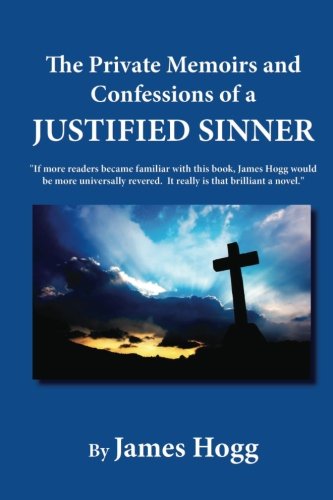
                • Cover of The Private Memoirs and Confessions of a Justified Sinner
                  The Private Memoirs and Confessions of a Justified Sinner

                  James Hogg · standalone novel · 1824

                  similar bymadnessbritish isles19th centurydarkgothic+1 more

                  The Private Memoirs and Confessions of a Justified Sinner: Written by Himself: With a detail of curious traditionary facts and other evidence by the editor is a novel by the Scottish author James Hogg, published anonymously in 1824.

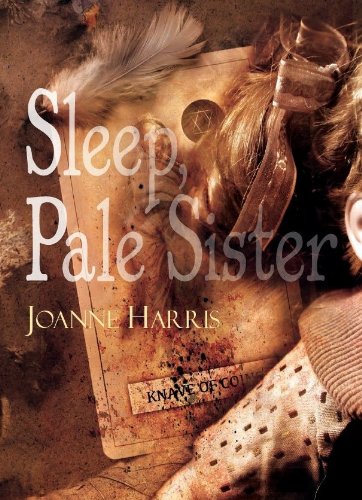
                • Cover of Sleep, Pale Sister
                  Sleep, Pale Sister

                  Joanne Harris · standalone novel · 1994

                  similar bymadnessbritish isles19th centurydarkgothichistorical fictionhorror

                  Before the sweet delight of Chocolat, before the heady concoction that is Blackberry Wine, and before the tart pleasures of Five Quarters of the Orange, bestselling author Joanne Harris wrote Sleep, Pale Sister -- a gothic tourde-force that recalls the powerfully dark sensibility of her novel Holy Fools.Originally published in 1994 -- and never before available in the United States -- Sleep, Pale Sister is a hypnotically atmospheric story set in nineteenth century London. When puritanical artist Henry Chester sees delicate child beauty Effie, he makes her his favorite model and, before long, his bride. But Henry, volatile and repressed, is in love with an ideal. Passive, docile, and asexual, the woman he projects onto Effie is far from the woman she really is. And when Effie begins to discover the murderous depths of Henry's hypocrisy, her latent passion will rise to the surface.Sleep, Pale Sister combines the ethereal beauty of a Pre-Raphaelite painting with a chilling high gothic tale and is a testament to Harris's brimming cornucopia of talents.This P.S. edition features an extra 16 pages of insights into the book, including author interviews, recommended reading, and more.

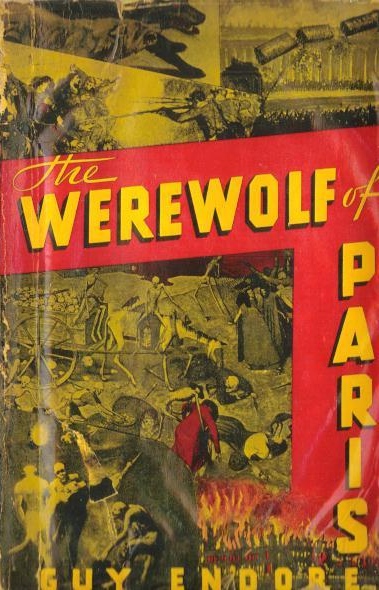
                • Cover of The Werewolf of Paris
                  The Werewolf of Paris

                  Guy Endore · standalone novel · 1933

                  similar bymadness19th centurydarkgothichorror+1 more

                  The Werewolf of Paris (1933) is a Gothic horror novel by American writer Guy Endore. The novel follows Bertrand Caillet, the eponymous werewolf, throughout the tumultuous events of the Franco-Prussian War and the Paris Commune of 1870–71. Some literature experts have compared this book with Dracula by Bram Stoker and they have identified it as the Dracula of werewolf fiction.

                • Cover of The Terror
                  The Terror

                  Dan Simmons · standalone novel · 2007

                  similar bymadness19th centurydarkhistorical fictionhorror

                  The Terror is a 2007 novel by American author Dan Simmons. It is a fictionalized account of Captain Sir John Franklin's lost expedition, on HMS Erebus and HMS Terror, to the Arctic, in 1845–1848, to locate the Northwest Passage. In the novel, while Franklin and his crew are plagued by starvation and illness, and forced to contend with mutiny and cannibalism, they are stalked across the bleak Arctic landscape by a monster.

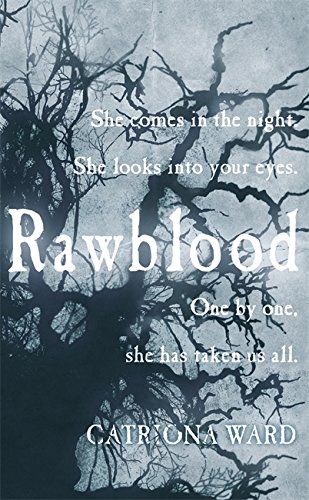
                • Cover of Rawblood
                  Rawblood

                  Catriona Ward · standalone novel · 2015

                  similar bymadnessbritish isles19th centurydarkgothichorror

                  Rawblood is the 2015 debut horror novel by Catriona Ward. The book was first published in the United Kingdom on September 24, 2015 through Weidenfeld & Nicolson. The novel was later published in the USA on March 1, 2017 by Sourcebooks as The Girl from Rawblood.

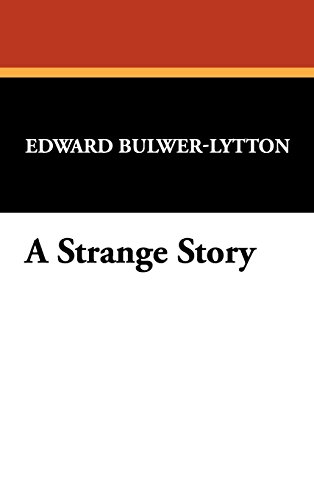
                • Cover of A Strange Story
                  A Strange Story

                  Edward Bulwer-Lytton · standalone novel · 1861

                  similar bymadnessbritish isles19th centurydarkgothic

                  A Strange Story is an 1862 Gothic novel by the British writer Edward Bulwer-Lytton. It was originally serialised in the magazine All the Year Round edited by Charles Dickens. It was then published in two volumes by the London publishing house Sampson Low. The American release was handled by Harper and Brothers of New York. The novel reflects Bulwer-Lytton's interest in themes of the occult and mesmerism.

                • Cover of Mary Reilly
                  Mary Reilly

                  Valerie Martin · standalone novel · 1990

                  similar bybritish isles19th centurydarkhistorical fictiongothic

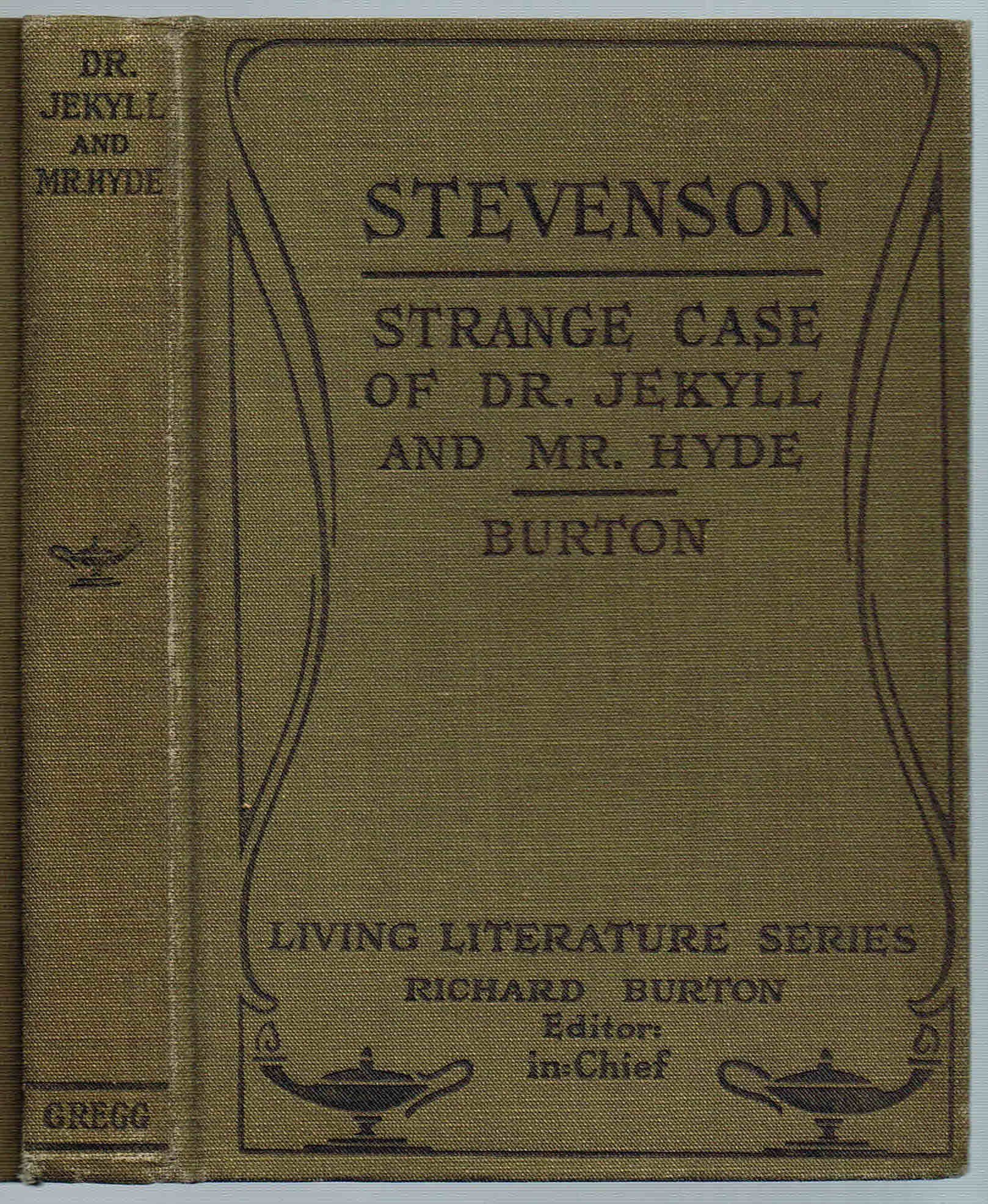
                  Mary Reilly is a 1990 parallel novel by American writer Valerie Martin. It is inspired by Robert Louis Stevenson's classic 1886 novella Strange Case of Dr. Jekyll and Mr. Hyde. It was nominated for the Nebula Award for Best Novel in 1990 and the World Fantasy Award for Best Novel in 1991. Martin's novel was the basis for the 1996 film of the same name starring Julia Roberts in the title role.

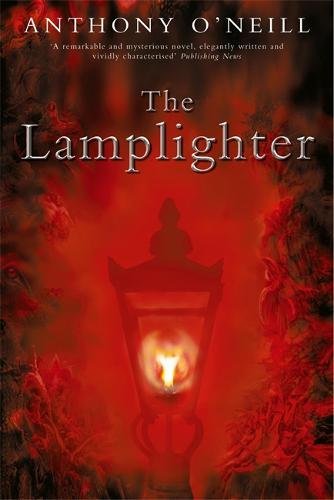
                • Cover of The Lamplighter
                  The Lamplighter

                  Anthony O'Neill · standalone novel · 2003

                  similar bybritish isles19th centurydarkmysteriousgothic+2 more

                  Edinburgh, 1860s: At the Fountainbridge Institute for Destitute Girls, clever orphan Evelyn Todd spins fantastic tales of the lamplighter who passes her window nightly. Her imaginings, forbidden by the home's strict governor, are all but forgotten when Evelyn is spirited away by a man who claims to be her father. Years later, a wave of vicious killings stains the city's cobbled streets. Three men from different worlds are drawn to the sensational case: a detective hungry for recognition, a disillusioned professor of logic, and a strapping gravedigger. Their paths lead to Evelyn Todd, a woman haunted by dreams of the murders and of a mysterious lamplighter. As her nighttime terrors begin to illuminate the face of the dreadful predator, this unusual trio of investigators uses reason, intuition, philosophy, and luck in a hunt that rapidly hurtles past the bounds of conventional detection

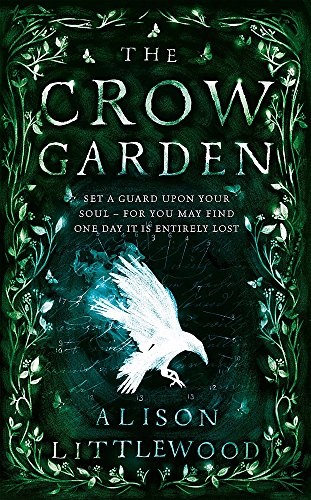
                • Cover of The Crow Garden
                  The Crow Garden

                  Alison Littlewood · standalone novel · 2017

                  similar bymadnessbritish isles19th centurydarkgothichorror

                  The Crow Garden is a historical fantasy and horror novel by English writer Alison Littlewood. It was first published in the United Kingdom in October 2017 by Jo Fletcher Books. Set in Victorian England, the book is about an alienist who becomes infatuated with an enigmatic patient of his at a lunatic asylum in Yorkshire.

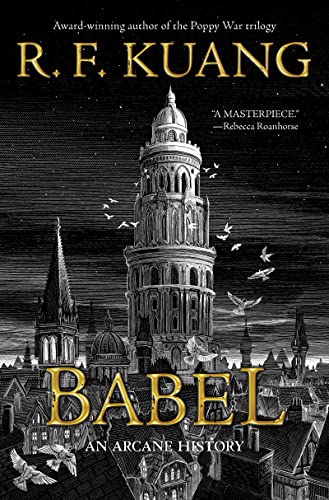
                • Cover of Babel, or, The Necessity of Violence: An Arcane History of the Oxford Translators' Revolution
                  Babel, or, The Necessity of Violence: An Arcane History of the Oxford Translators' Revolution

                  R. F. Kuang · standalone novel · 2022

                  similar bybooks and reading19th centurydarkbritish isles

                  Babel, or The Necessity of Violence: An Arcane History of the Oxford Translators' Revolution is a 2022 novel of speculative fiction by R. F. Kuang set in a fantastical version of Oxford in 1830s England. Thematically similar to The Poppy War (2018–20), Kuang's first book series, the book criticizes British imperialism, racism and capitalism, and the complicity of academia, knowledge, and language in perpetuating and enabling them.

                • Cover of The Turn of the Screw
                  The Turn of the Screw

                  series · 3 books · 1898

                  similar bybritish isles19th centurygothic+3 more

                  Henry James's 1898 novella The Turn of the Screw follows a governess at an isolated English country house who becomes convinced that the two children in her care are being stalked by malevolent ghosts, narrated entirely through her own increasingly uncertain account. Its ambiguity over whether the haunting is real has made it one of the most discussed ghost stories in English literature and prompted later works built around it, including Michael Hastings's The Nightcomers, a 1971 prequel imagining events at the house before the governess's arrival. A stage adaptation of James's original text also exists.

                • Cover of The Dark Descent of Elizabeth Frankenstein
                  The Dark Descent of Elizabeth Frankenstein

                  Kiersten White · standalone novel · 2018

                  similar bymadness19th centurydarkhistorical fictiongothic+1 more

                  Elizabeth Lavenza hasn't had a proper meal in weeks. Her thin arms are covered with bruises from her "caregiver," and she is on the verge of being thrown into the streets . . . until she is brought to the home of Victor Frankenstein, an unsmiling, solitary boy who has everything--except a friend. Victor is her escape from misery. Elizabeth does everything she can to make herself indispensable--and it works. She is taken in by the Frankenstein family and rewarded with a warm bed, delicious food, and dresses of the finest silk. Soon she and Victor are inseparable. But her new life comes at a price. As the years pass, Elizabeth's survival depends on managing Victor's dangerous temper and entertaining his every whim, no matter how depraved. Behind her blue eyes and sweet smile lies the calculating heart of a girl determined to stay alive no matter the cost . . . as the world she knows is consumed by darkness.

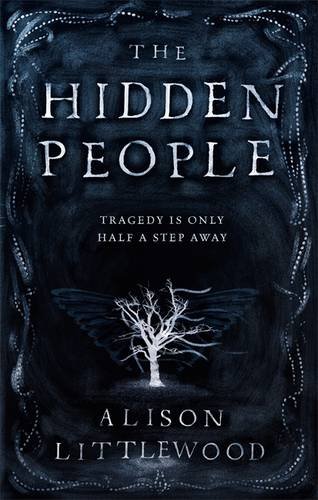
                • Cover of The Hidden People
                  The Hidden People

                  Alison Littlewood · standalone novel · 2016

                  similar bymadnessbritish isles19th centurydarkhorror

                  The Hidden People is a historical fantasy and horror novel by English writer Alison Littlewood, first published in October 2016 in the United Kingdom by Jo Fletcher Books. It is based on the 1895 incident in County Tipperary, Ireland, where Bridget Cleary was burnt alive by her husband, who believed she was a fairy changeling.

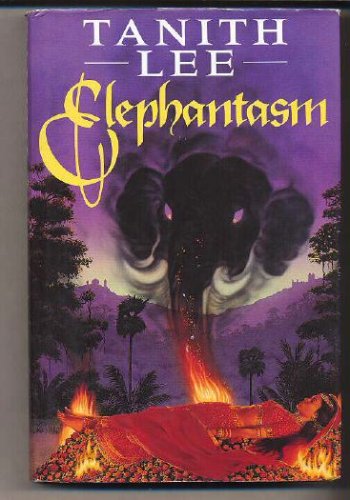
                • Cover of Elephantasm
                  Elephantasm

                  Tanith Lee · standalone novel · 1993

                  similar bybritish isles19th centurydarkgothic+2 more

                  Synopsis - Annie Ember lives in hopeless poverty with her sister Rose and her wicked brother-in-law...until the day that Annie discovers the mysterious exotic shop where she buys, for one penny, a tiny and ancient ivory elephant. Soon afterwards a grisly murder leaves Annie without home or family, but employment is found for her in a country house far away. Sir Hampton Smolte made his fortune out in India, and has brought back not only his wealth but also an obsessive hatred towards that conquered land where he once commanded a mercenary army. His mansion is fanciful and extraordinary, all scarlet and gold, like a fairy tale raja’s palace set down in green English parkland. There Annie is to become a drudge – a scullery maid in this house full of stuffed animals, eccentric servants, and the even more peculiar Smolte family. But soon she catches the eye of the handsome Rupert who, like his father, retains a fascination with India. Entranced, she succumbs to his attentions – till one night she learns in disgust and terror just what his lovemaking entails... Annie’s fear and helpless fury provide the catalyst which will turn this dream house into a place of panic and the impossible – letting in all the power of the jungle, and unlocking the darkest secrets of Hampton Smolte’s beginnings.

                • Cover of The Hunger
                  The Hunger

                  Alma Katsu · standalone novel · 2018

                  similar bymadness19th centurydarkhistorical fictionhorror

                  Fictionalized supernatural/horror treatment of the Donner Party.

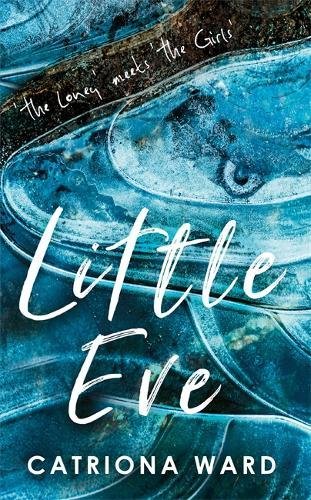
                • Cover of Little Eve
                  Little Eve

                  Catriona Ward · standalone novel · 2018

                  similar bymadnessbritish islesdarkgothichorror

                  Little Eve is a 2018 gothic horror novel by Catriona Ward, published by Weidenfeld & Nicolson.

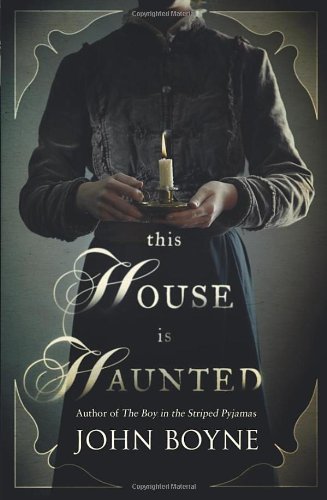
                • Cover of This House Is Haunted
                  This House Is Haunted

                  John Boyne · standalone novel · 2013

                  similar bybritish isles19th centurymysteriousgothichorror

                  This House Is Haunted is a novel written by Irish novelist John Boyne. It was first published in 2013 by Doubleday.

                • Cover of The House on the Borderland
                  The House on the Borderland

                  William Hope Hodgson · standalone novel · 1908

                  similar bymadnessdarkbritish isleshorror

                  The House on the Borderland (1908) is a supernatural horror novel by British fantasist William Hope Hodgson. The novel is a hallucinatory account of a recluse's stay at a remote house, and his experiences of supernatural creatures and otherworldly dimensions.

                • Cover of The Invisible Man
                  The Invisible Man

                  series · 6 books · 1897

                  similar bybritish isles19th century+3 more

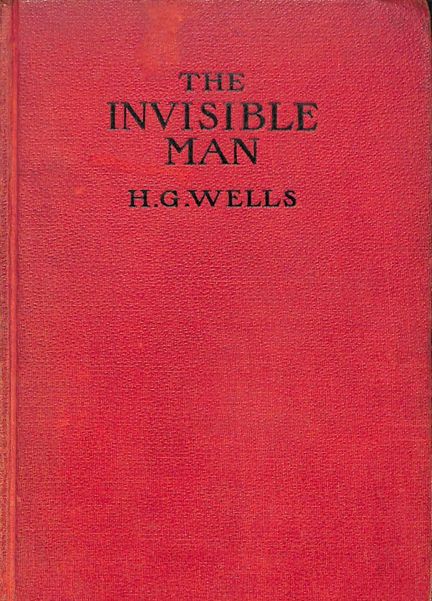
                  The Invisible Man is H. G. Wells's 1897 science fiction novel about Griffin, a scientist who works out how to make living tissue invisible and tests the process on himself, only to discover he has no way to reverse it. Unseen and increasingly cut off from other people, he turns to theft and violence while trying to survive and find a cure, making the book as much about his moral collapse as about the invisibility premise itself. It's a single self-contained novel; the two listed titles here are duplicate editions rather than separate books.

                • Cover of Midnight Is a Place
                  Midnight Is a Place

                  Joan Aiken · standalone novel · 1974

                  similar by19th centurybritish isleshistorical fictiongothic+1 more

                  In northern England in 1842, fourteen-year-old Lucas leads a lonely, monotonous existence in the house of his unpleasant guardian until the unexpected arrival of an unusual little girl presages a series of events that completely change his life.

                • Cover of The Prestige
                  The Prestige

                  Christopher Priest · standalone novel · 1995

                  similar by19th centurymysteriousbritish isleshistorical fiction+1 more

                  A magician called Borden (at least in private) writes his own version of his life as a magician. There's a lot of focus on a trick, where he seems to move across any width of stage in an instant, and on a feud with another magician, Angier. The account includes passages, where he can't decide what exactly to write, arguing with himself. 3 generations later a Borden (at least biologically) learns about his ancestor. He's also convinced, he somehow has a twin brother, who's happy about this development.

                • Cover of Dr. Jekyll and Mr. Hyde
                  Dr. Jekyll and Mr. Hyde

                  series · 33 books · 1886

                  similar by19th centurybritish isles+4 more

                • Cover of Dr. Thomas Bond
                  Dr. Thomas Bond

                  series · 2 books · 2013

                  similar by19th centurybritish islesdarkmadness+1 more

                • Cover of The Mystery of the Sea
                  The Mystery of the Sea

                  Bram Stoker · standalone novel · 1902

                  similar bybritish isles19th centurymysterious+1 more

                  "When Archibald Hunter comes to Cruden Bay, Aberdeenshire, for his annual holiday, he looks forward to a tranquil few days by the sea. But as he sits by the bridge he is disturbed by a strange vision of a couple he had seen earlier, the man now carrying a small black coffin. Shortly afterwards he discovers their child has drowned. The following day, speaking to a fisherman, he is again confronted by a portent of doom. As he sets out to sea, the other men speak his name - Lauchlane Macleod: the very same whose death Gormala had foretold. But how can this gaunt old woman know such things? Where are these terrible visions, whose force he seems unable to counter, taking him? What is the significance of the pages of cipher which once belonged to Don de Escoban? Can he solve the Mystery of the Sea?" --quoted from this book's product page at Amazon UK as of 2017-08-29 --found 2019-05-10 as "From the Back Cover" at {{ASIN|B079558GC5}}, 2018 Jovian Press ebook --Google Books 2019-05-10 quotes the same description for its display of the 1902 Doubleday, Page edition (as W. Heinemann, 1902) "What is the significance of the pages of cipher which once belonged to Don de Escoban? The cipher used is a Bacon biliteral cipher. Appendices to the novel contain an explanation of the Bacon biliteral cipher and of the solution process used. The main purpose of the novel seems to be not the plot, but the exposition of the cipher system and the solution of the cipher messages." --Original Crypto Fiction #120 (faculty.knox.edu/jdooley/Crypto/Crypto1.htm)