More like Echo Boy
anchored on:science fictionrobotsour worldnear futureyoung adultidentity+2 more
but
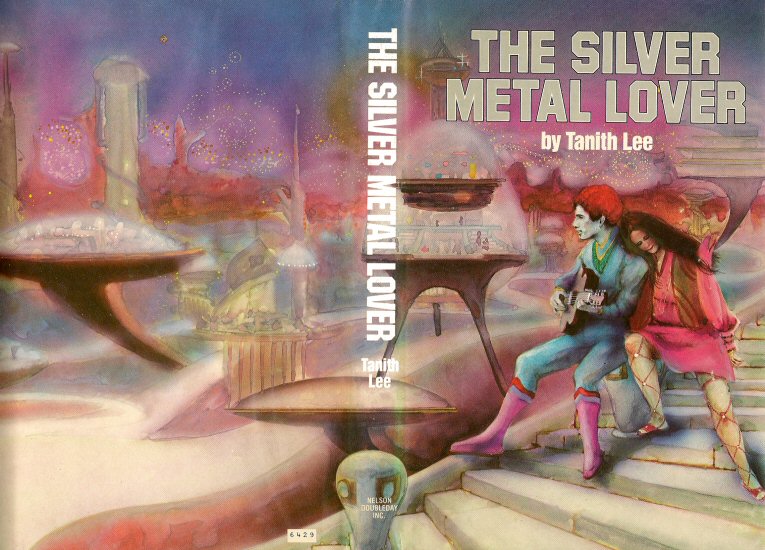
- Silver Metal Lover
series2 books1981
completed
similar byemotionalscience fictionour worldnear futurerobotsidentity+1 more
The S.I.L.V.E.R. series is a fantasy novel series by Tanith Lee. The Silver Metal Lover, published in 1981, is the first in the series. Metallic Love, published in 2005, is the second novel.
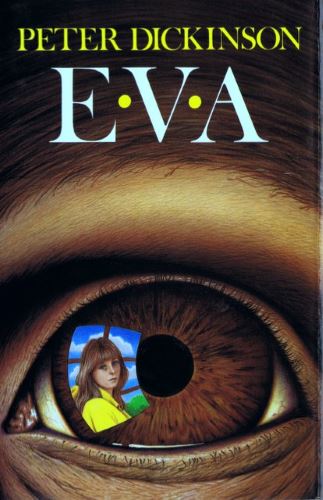
- Eva
Peter Dickinsonstandalone novel1988
similar byemotionalscience fictionour worldnear futureidentityyoung adult
From the back cover: "Thirteen-year-old Eva wakes up in the hospital unable to remember anything since the picnic on the beach. Her mother leans over the bed and begins to explain. A traffic accident, a long coma... But there is something, Eva senses, she is not being told, some other price she must pay to be alive at all. What have they done, with their amazing medical technology, to save her?"
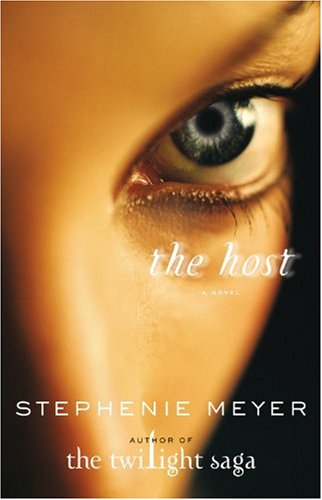
- The Host
Stephenie Meyerstandalone novel2008
similar byemotionalscience fictionour worldnear futureidentity
The earth has been invaded by a species that take over the minds of their human hosts while leaving their bodies intact, and most of humanity has succumbed. But Melanie Stryder refuses to fade away. Wanderer, the invading "soul" who has been given Melanie's body, knew about the challenges of living inside a human: the overwhelming emotions, the too vivid memories. But there was one difficulty Wanderer didn't expect: the former tenant of her body refusing to relinquish possession of her mind. Melanie fills Wanderer's thoughts with visions of the man Melanie loves--Jared, a human who still lives in hiding. Unable to separate herself from her body's desires, Wanderer yearns for a man she's never met. As outside forces make Wanderer and Melanie unwilling allies, they set off to search for the man they both love.--From publisher description.
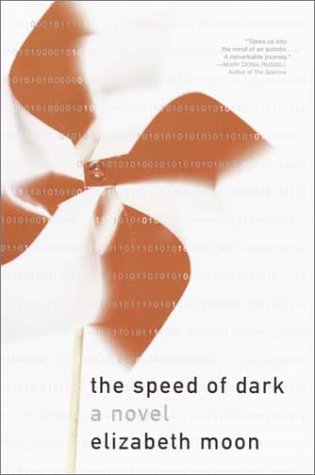
- The Speed of Dark
Elizabeth Moonstandalone novel2002
similar byemotionalscience fictionour worldnear futureidentity
From the Penguin Random House website In the near future, disease will be a condition of the past. Most genetic defects will be removed at birth; the remaining during infancy. Lou Arrendale, a high-functioning autistic adult, is a member of the lost generation, born at the wrong time to reap the rewards of medical science. He lives a low-key, independent life. But then he is offered a chance to try a brand-new experimental "cure" for his condition. With this treatment Lou would think and act and be just like everyone else. But if he was suddenly free of autism, would he still be himself? Would he still love the same classical music — with its complications and resolutions? Would he still see the same colors and patterns in the world—shades and hues that others cannot see? Most important, would he still love Marjory, a woman who may never be able to reciprocate his feelings? Now Lou must decide if he should submit to a surgery that might completely change the way he views the world ... and the very essence of who he is.
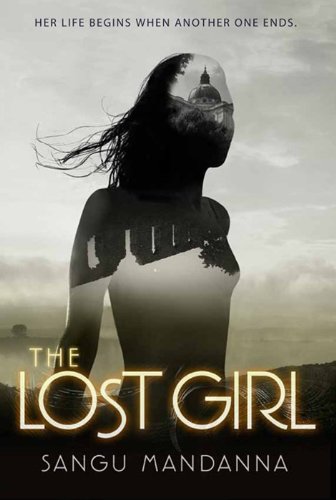
- The Lost Girl
Sangu Mandannastandalone novel2012
similar byemotionalscience fictionour worldnear futureidentityyoung adult
"Fifteen-year-old Eva is the clone of a girl living far, far away on another continent--and when this 'other' dies, Eva must step in and take over her life"--Provided by publisher.
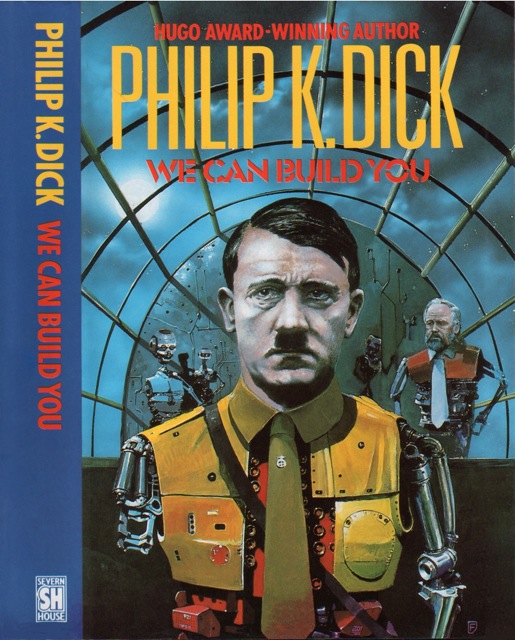
- We Can Build You
Philip K. Dickstandalone novel1972
similar byscience fictionour worldnear futurerobotsidentity
We Can Build You is a 1972 science fiction novel by American writer Philip K. Dick. Written in 1962 as The First in Our Family, it remained unpublished until appearing in serial form as A. Lincoln, Simulacrum in the November 1969 and January 1970 issues of Amazing Stories magazine, re-titled by editor Ted White. The novel was issued as a mass market paperback original by DAW Books in 1972, its final title provided by publisher Donald A. Wollheim. Its first hardcover edition was published in Italy in 1976, and Vintage issued a trade paperback in 1994.
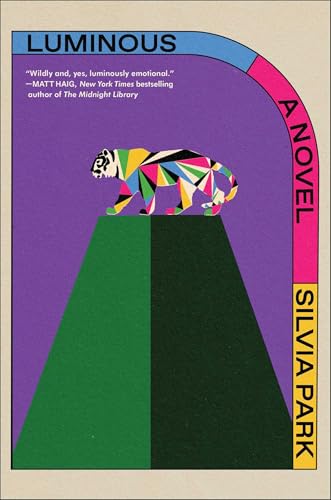
- Luminous
Silvia Parkstandalone novel2025
similar byemotionalscience fictionnear futurerobotsidentity
Luminous is a 2025 science fiction novel by Silvia Park. It follows three siblings, two human and one robotic, in a near-future reunified Korea. The novel received critical praise for its exploration of the nature of humanity with relationship to robots.
- The Dreaming Jewels
Theodore Sturgeonstandalone novel1950
similar byemotionalscience fictionour worldidentity
The Dreaming Jewels (1950), also known as The Synthetic Man, is a science fiction novel by American writer Theodore Sturgeon. It was his first published novel.
- Blade Runner Universe
series6 books1968
similar byscience fictionnear futurerobotsidentity+1 more
Philip K. Dick's 1968 novel Do Androids Dream of Electric Sheep? follows bounty hunter Rick Deckard as he tracks escaped androids through an irradiated, near-abandoned San Francisco, using the hunt to probe questions of empathy and what separates human from machine. The novel became the basis for Ridley Scott's 1982 film Blade Runner, and Marvel Comics later published an illustrated adaptation of that film. Together the two trace the story's path from prose original to screen and comic-page adaptation.
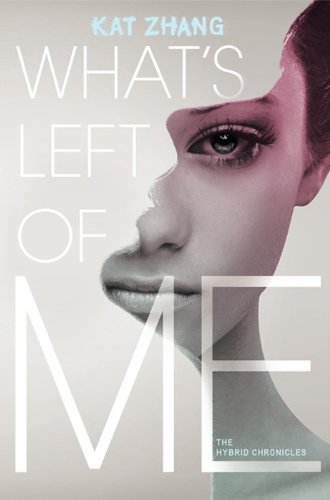
- The Hybrid Chronicles (Kat Zhang)
series3 books2012
similar byscience fictionnear futureour worldidentityyoung adultdystopia+1 more
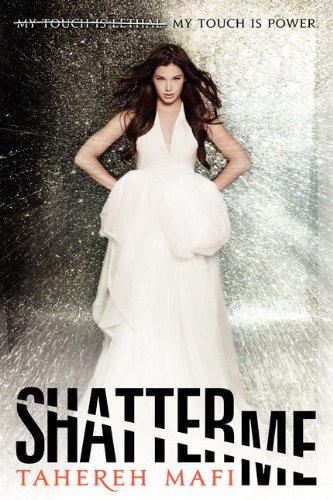
- Juliette / Shatter Me
series16 books2011
similar byscience fictionnear futureyoung adultdystopia+3 more
Tahereh Mafi's Shatter Me series follows Juliette, a teenager whose touch is lethally dangerous, in a dystopian future. The debut novel, Shatter Me (2011), is written in a fragmented, diary-like style with crossed-out lines reflecting its narrator's state of mind; the series has since grown to seven novels plus five companion novellas.
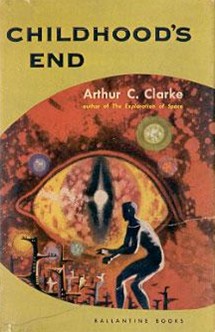
- Childhood's End
Arthur C. Clarkestandalone novel1953
similar byscience fictionour worldnear futureidentity
Childhood's End is a 1953 science fiction novel by the British author Arthur C. Clarke. The story follows a peaceful alien invasion of Earth by mysterious Overlords, whose arrival begins decades of apparent utopia under indirect alien rule, at the cost of human identity and culture.
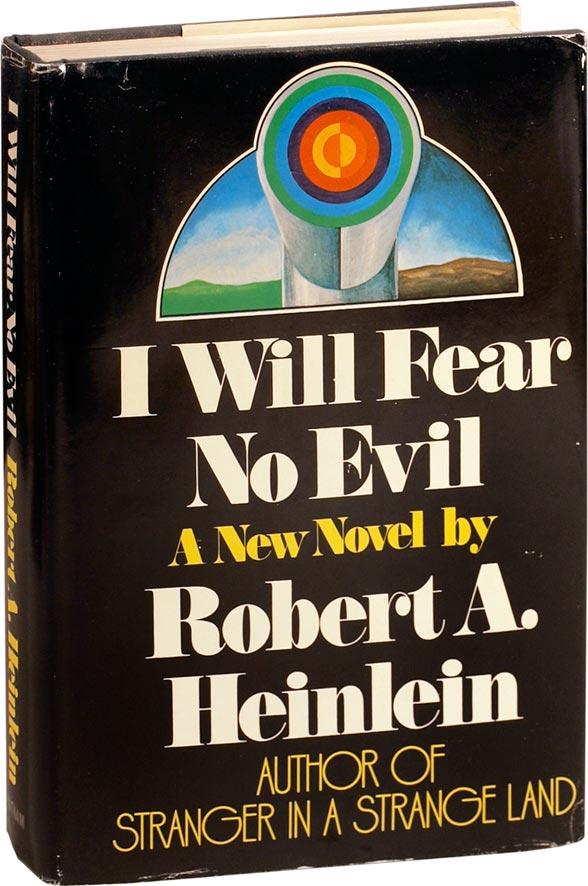
- I Will Fear No Evil
Robert A. Heinleinstandalone novel1970
similar byscience fictionnear futureour worldidentitydystopia
I Will Fear No Evil is a science fiction novel by American writer Robert A. Heinlein, originally serialised in Galaxy and published in hardcover in 1970. The title is taken from Psalm 23:4.
- Make Room! Make Room!
Harry Harrisonstandalone novel1966
similar byscience fictionour worldnear futureecological collapsedystopia
Make Room! Make Room! is a 1966 science fiction novel written by Harry Harrison exploring the consequences of both unchecked population growth on society and the hoarding of resources by a wealthy minority. It was originally serialized in Impulse magazine.
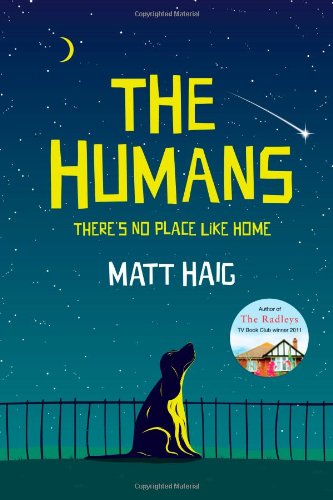
- The Humans
Matt Haigstandalone novel2013
similar byemotionalscience fictionour worldidentity
When an extraterrestrial arrives on Earth, his first impressions of humans are less than positive. Taking the form of Professor Andrew Martin at Cambridge University, the visitor is eager to complete his task and hurry back to his own utopian planet. Disgusted by the way humans look, what they eat, their capacity for murder and war, he is equally baffled by the concepts of love and family. But as time goes on, he starts to reconsider.
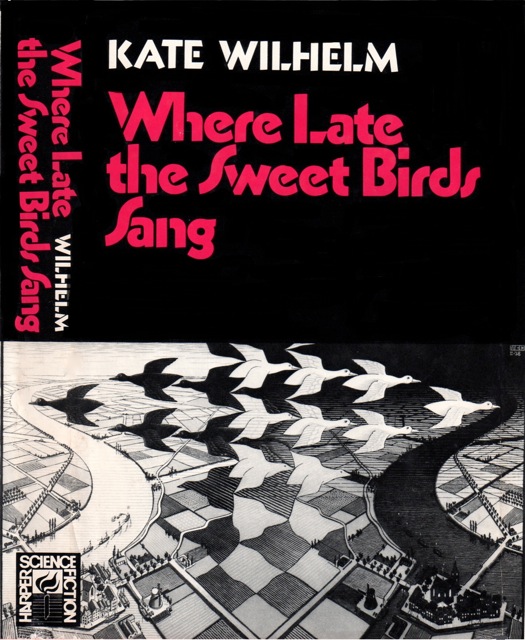
- Where Late the Sweet Birds Sang
Kate Wilhelmstandalone novel1976
similar byscience fictionour worldnear futureecological collapse+1 more
Where Late the Sweet Birds Sang is a science fiction novel by American writer Kate Wilhelm, published in 1976. The novel is composed of three parts, "Where Late the Sweet Birds Sang," "Shenandoah," and "At the Still Point," and is set in a post-apocalyptic era, a concept popular among authors who took part in the New Wave Science Fiction movement in the 1960s.
- Mara / Raging Earth
series4 books2002
similar byscience fictionour worldnear futureecological collapseyoung adult+1 more
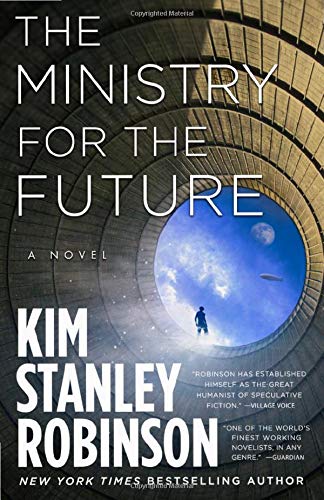
- The Ministry for the Future
Kim Stanley Robinsonstandalone novel2020
similar byscience fictionour worldnear futureecological collapsedystopia
The Ministry for the Future is a climate fiction novel by American science fiction writer Kim Stanley Robinson, published in 2020. Set in the near future, the novel follows a subsidiary body, established under the Paris Agreement, whose mission is to act as an advocate for the world's future generations of citizens as if their rights were as valid as the present generation's. While the ministry pursues various ambitious projects, the effects of climate change are determined to be the most consequential. The plot primarily follows Mary Murphy, the head of the titular Ministry for the Future, and Frank May, an American aid worker traumatized by experiencing a deadly heat wave in India. Many chapters are devoted to other characters' accounts of future events, as well as their ideas about ecology, economics, and other subjects.
- The Lathe of Heaven
Ursula K. Le Guinstandalone novel1971
similar byscience fictionour worldnear futuredystopia+1 more
The Lathe of Heaven is a 1971 science fiction novel by American writer Ursula K. Le Guin, first serialized in the American science fiction magazine Amazing Stories. It won the 1972 Locus Award for Best Novel and was a finalist for the 1971 Nebula Award for Best Novel and 1972 Hugo Award for Best Novel. Two television film adaptations were released: the PBS production, The Lathe of Heaven (1980), and Lathe of Heaven (2002), a remake produced by the A&E Network.
- Never Let Me Go
Kazuo Ishigurostandalone novel2005
similar byscience fictionour worldnear futureidentitydystopia
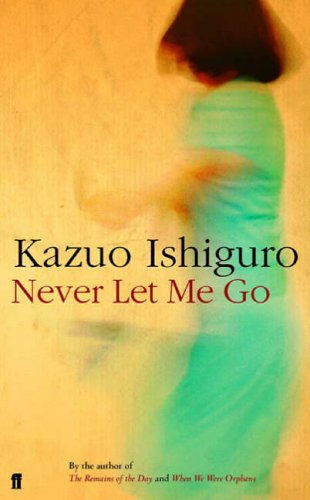
Never Let Me Go is a 2005 science fiction novel by the British author Kazuo Ishiguro. It was shortlisted for the 2005 Man Booker Prize, for the 2006 Arthur C. Clarke Award and the 2005 National Book Critics Circle Award. Time magazine named it the best novel of 2005. It included the novel in its '100 Best English-language novels published since 1923—the beginning of TIME'. It also received an ALA Alex Award in 2006. A film adaptation directed by Mark Romanek was released in 2010.
- Godbody
Theodore Sturgeonstandalone novel1986
similar byemotionalscience fictionour worldidentity
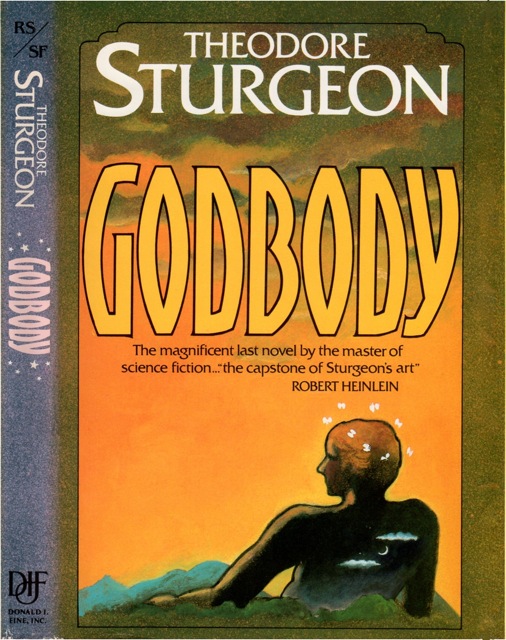
Godbody is a science fiction novel by American writer Theodore Sturgeon, published posthumously in 1986. A foreword, "Agape and Eros: The Art of Theodore Sturgeon", was contributed by Robert A. Heinlein and an afterword was contributed by Stephen R. Donaldson.