More like Eggsucker
anchored on:science fictionpost-apocalypticnorth americafar futuresurvivalfriendship+1 more
but
- The Hunger Games
series3 books2008
part of The Hunger Games Universe
similar bydarknorth americafar futurescience fictionsurvivalpost-apocalyptictense
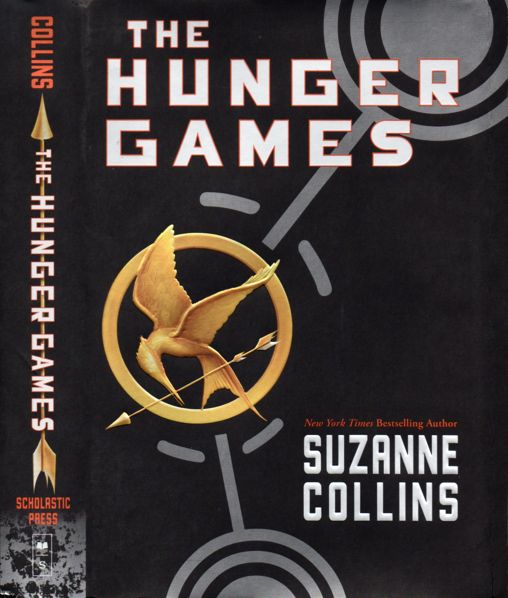
The Hunger Games is a series of young adult dystopian novels written by American author Suzanne Collins. The series consists of a trilogy that follows teenage protagonist Katniss Everdeen, as well as two prequels. The Hunger Games universe is a dystopia set in Panem, a post-apocalyptic North American country consisting of the wealthy Capitol and 12 districts in varying states of poverty. As punishment for rebellion, the Capitol hosts an annual battle royale competition called The Hunger Games. Each of the 12 districts must send two children between the ages of 12 and 18 to participate, and the last surviving child is dubbed the victor.
- The Hunger Games Universe
universe5 books2008
Start hereThe Hunger Games · Start here
similar bydarkfar futurenorth americasurvivalscience fictiontense+1 more
Panem, they call it now — a nation raised on the drowned bones of North America, a glittering Capitol ringed by twelve districts it once starved into obedience. Every year the Capitol collects its debt in children: two tributes from each district, drawn by lottery, dropped into an engineered arena, and made to kill one another on live television while the whole country is required to watch. This is the Hunger Games — entertainment, punishment, and government at once. Suzanne Collins tells it in a compact, unified body of work. The founding trilogy — The Hunger Games, Catching Fire, and Mockingjay — follows Katniss Everdeen, a girl from the coal-mining District 12 who volunteers in her sister's place and becomes something the Capitol never scripted. Two prequels reach back into the same machinery: The Ballad of Songbirds and Snakes traces a young Coriolanus Snow long before he is President, and Sunrise on the Reaping returns to District 12 a generation ahead of Katniss. Begin with the trilogy, in order — it is Katniss's voice, close and present-tense, that makes Panem breathe, and the prequels land hardest once you know how her story ends. Beneath the spectacle sits one steady, uncomfortable question: who profits when we agree to look away.
- City at World's End
Edmond Hamiltonstandalone novel1951
similar bydarkfar futurescience fictionpost-apocalypticsurvivalnorth americatense
An experimental atomic weapons test in small-town America goes catastrophically wrong, hurling the entire town of Middletown, buildings, streets and all, untold ages into Earth's future, to a time when the sun is dying and humanity's last city struggles on beneath a darkening sky. Cut off from everything and everyone they knew, the townspeople have to find a way to survive in a world that has nothing left to spare for latecomers. Edmond Hamilton's novel strands a slice of mid-century America at the literal end of the world.
- Lucifer's Hammer
Larry Niven & Jerry Pournellestandalone novel1977
similar bydarknorth americascience fictionpost-apocalypticsurvivaltense
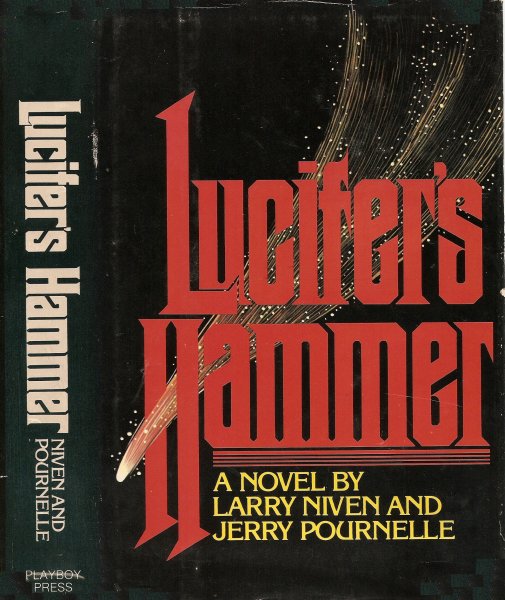
Lucifer's Hammer is a science fiction post-apocalypse-survival novel by American writers Larry Niven and Jerry Pournelle that was first published in 1977. It was nominated for the Hugo Award for Best Novel in 1978.
- Vic and Blood
series8 books1969
completed
similar bydarkfar futurenorth americascience fictionpost-apocalypticsurvivalfriendshippsychic powers
A Boy and His Dog is a cycle of narratives by author Harlan Ellison. The cycle tells the story of an amoral boy (Vic) and his telepathic dog (Blood), who work together as a team to survive in the post-apocalyptic world after a nuclear war. The original 1969 novella was adapted into the 1975 film A Boy and His Dog directed by L.Q. Jones.
- Deus Irae
Philip K. Dick & Roger Zelaznystandalone novel1976
similar bydarkfar futurescience fictionpost-apocalypticsurvivalnorth america
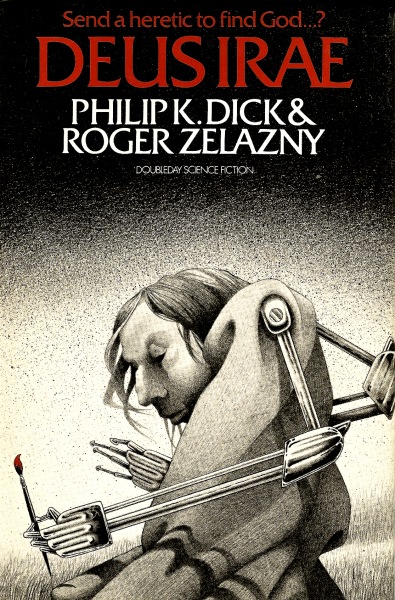
Deus Irae is a post-apocalyptic science fiction novel written by two American authors; it was started by Philip K. Dick and finished with the help of Roger Zelazny. It was published in 1976. The novel's title, Deus irae, means 'God of Wrath' in Latin; the title is a play on words on the phrase Dies Irae, meaning 'Day of Wrath' or 'Judgment Day'. The novel was based on Dick's short stories "The Great C" and "Planet for Transients".
- Dreamcatcher
Stephen Kingstandalone novel2001
similar bydarkscience fictionsurvivalfriendshipnorth americatense+1 more
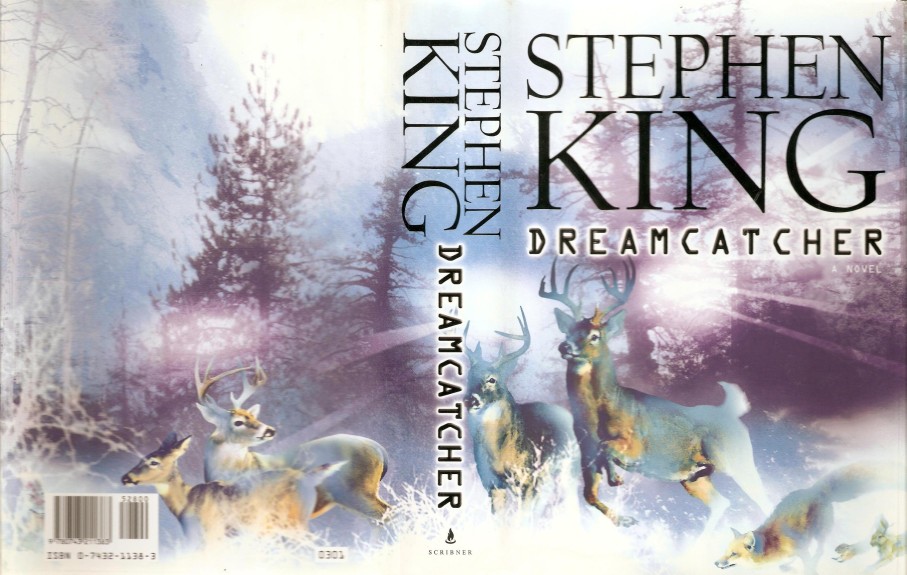
Dreamcatcher is a 2001 science fiction horror novel by American writer Stephen King, featuring elements of body horror, suspense and alien invasion. The book, written in longhand, helped the author recuperate from a 1999 car crash, and was completed in half a year. According to the author in his afterword, the working title was Cancer. His wife, Tabitha King, persuaded him to change the title. A film adaptation was released in 2003.
- The Chrysalids
John Wyndhamstandalone novel1955
similar byfar futurescience fictionsurvivaltensepost-apocalypticpsychic powers+1 more
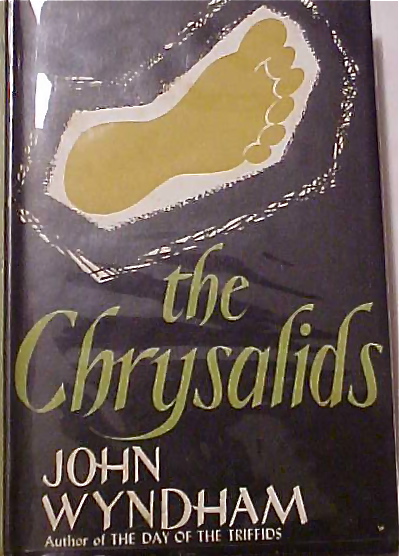
The Chrysalids is a science fiction novel by British writer John Wyndham, first published in 1955 by Michael Joseph. It is the least typical of Wyndham's major novels, but regarded by some as his best. An early manuscript version was entitled Time for a Change.
- I Am Legend
Richard Mathesonstandalone novel1954
similar bydarkpost-apocalypticsurvivalnorth americascience fictiontense
The last human survivor of the vampire epidemic has to maintain his defences against their onslaught, while attempting to research the cause and possibly solution to the plague. Robert Neville is the last living man on Earth... but he is not alone. Every other man, woman and child on the planet has become a vampire, and they are hungry for Neville's blood. By day he is the hunter, stalking the undead through the ruins of civilization. By night, he barricades himself in his home and prays for the dawn. How long can a man survive like this?
- The Last Book in the Universe
Rodman Philbrickstandalone novel2000
similar bydarkfar futurescience fictionpost-apocalypticsurvivalnorth americatense
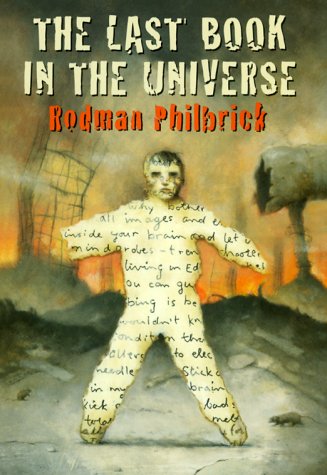
The Last Book in the Universe is a 2000 post-apocalyptic science fiction novel by Rodman Philbrick. Set in a cyberpunk dystopia, its protagonist and narrator is a teenage boy named Spaz who has epilepsy.
- The Fireman
Joe Hillstandalone novel2016
similar bydarknorth americascience fictionpost-apocalypticsurvivaltense
The Fireman is a novel set in a post-apocalyptic time by American author Joe Hill. The novel, Hill's fourth, tells the tale of a deadly spore that has infected most of the world's population. Hill first spoke of the novel in 2013 in promotional interviews for his then-new novel NOS4A2. The novel was released on May 17, 2016.
- The Passage
series3 books2010
similar bydarknorth americasurvivalpost-apocalypticscience fictiontense
The Passage is a novel series by Justin Cronin. There are three published books in the series. The film rights were acquired by Fox Entertainment Group in 2007 for adaptation into a film trilogy, but after 12 years of development and planning, it was changed to a television series, which premiered in January 2019 and was canceled after the first season.
- The Long Tomorrow
Leigh Brackettstandalone novel1955
similar bynorth americafar futurescience fictionpost-apocalypticsurvival+1 more
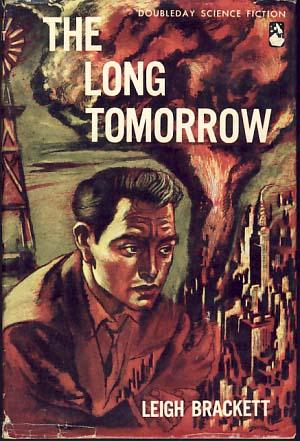
The Long Tomorrow is a post-apocalyptic science fiction novel by American writer Leigh Brackett, originally published by Doubleday & Company, Inc in 1955. Set in the aftermath of a nuclear war, it portrays a world where scientific knowledge is feared and restricted. It was nominated for a Hugo Award in 1956.
- The 5th Wave
series4 books2013
similar bynorth americadarkscience fictionsurvivalpost-apocalyptictense
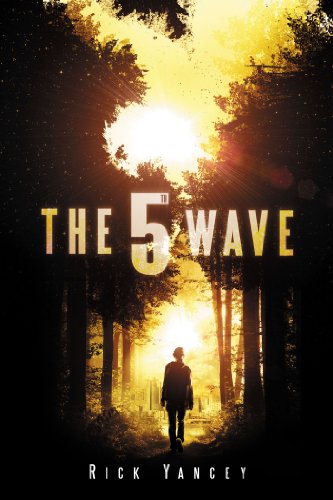
Rick Yancey's The 5th Wave opens after a series of escalating alien attacks has already devastated Earth's population and infrastructure, following sixteen-year-old survivor Cassie Sullivan as she searches for her younger brother while trying to work out who, among the remaining humans, can still be trusted. The trilogy is young-adult science fiction that treats its alien-invasion premise as a survival and paranoia story more than a war story.
- Hello America
J. G. Ballardstandalone novel1981
similar bynorth americafar futurescience fictionpost-apocalypticsurvival+1 more
Hello America is a science fiction novel by British writer J. G. Ballard, published in 1981. First edition cover designed by Bill Botten. The plot follows an expedition to a North America rendered uninhabitable by an ecological disaster following an energy crisis.
- Moses Todd
series2 books2010
similar bydarknorth americascience fictionpost-apocalypticsurvival+2 more
- The Visitor
Sheri S. Tepperstandalone novel2002
similar bydarknorth americafar futurescience fictionpost-apocalypticsurvival
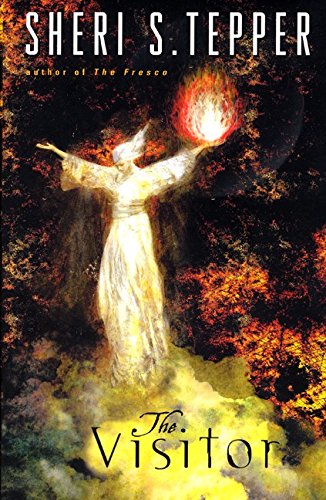
The "magic" that once was America died horribly along with most of the Earth's inhabitants when an asteroid crashed into the planet sometime during the twenty-first century. Hundreds of years have passed, and all that remains of the time before are fragmented memories distorted by superstition -- as a tragically reduced populace suffers greatly under the tyranny of a repressive ruling order. But destiny has chosen Disme Latimer to lead a wasted world out of the darkness ... with a book. Written by a courageous scientist ancestor, it is a sacred, unsettling tome rife with disturbing ideas and revelations ... and an impossible hope that compels a gentle, troubled young woman to abandon her abusive home in search of truth and her true self. But common "wisdom" and lore warn of grave dangers out in the world. Evil is there, a malevolence beyond imagining. And in the depths of the Earth, a gargantuan beast asleep for centuries has begun to stir ...
- Ship Breaker
series3 books2010
similar bydarkscience fictionpost-apocalypticsurvivalnorth americatense+1 more
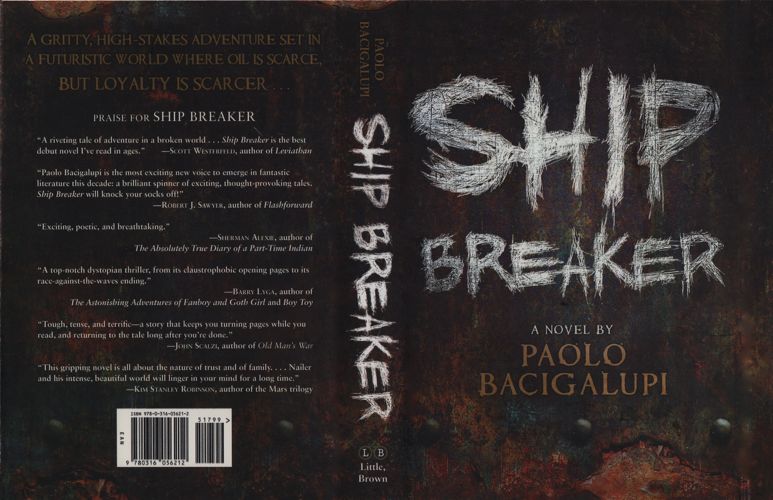
Nailer works a light-crew scavenging copper wire and scrap from beached oil tankers on a Gulf Coast reshaped by rising seas and vanished order, until a wrecked clipper ship washes ashore carrying a half-drowned girl from the wealthy world he'll never belong to. Paolo Bacigalupi's Ship Breaker follows Nailer as helping her pulls him out of his abusive father's orbit and into a much larger, more dangerous game involving her family's fortune. The sequels The Drowned Cities and Tool of War widen the same flooded, resource-scavenging future to new characters and coastlines.
- Saint Leibowitz
series6 books1955
completed
similar byfar futurescience fictionpost-apocalypticnorth america+2 more
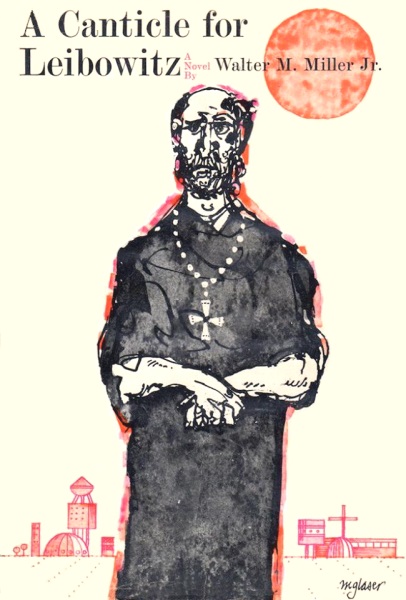
Walter M. Miller Jr.'s A Canticle for Leibowitz (1959), assembled from three novellas he had published earlier in the decade, follows the monks of a Catholic monastery in the post-nuclear American Southwest as they preserve fragments of scientific knowledge across centuries, watching civilization slowly rebuild itself and edge back toward the mistakes that destroyed it. Miller's posthumous sequel, Saint Leibowitz and the Wild Horse Woman, completed by Terry Bisson from his notes after his death and published in 1997, returns to the same abbey and its world decades later. Together the two novels form a sparse, decades-spanning series about memory, faith, and the cycles of civilization.
- Under the Dome
Stephen Kingstandalone novel2009
similar bydarknorth americascience fictionsurvivaltensepost-apocalyptic
A small town in Maine finds itself suddenly cut off from the outside world by an impenetrable barrier, and the clash of personalities of the trapped people takes its inexorable devastating course.
- The Gate to Women's Country
Sheri S. Tepperstandalone novel1988
similar bydarknorth americafar futurescience fictionpost-apocalyptic
The Gate to Women's Country is a post-apocalyptic novel by American writer Sheri S. Tepper, published in 1988. It describes a world set three hundred years into the future after a catastrophic war which has fractured the United States into several nations.
- Cell
Stephen Kingstandalone novel2006
similar bydarkpost-apocalypticsurvivalnorth americascience fictiontense
In Cell, King taps into readers fears of technological warfare and terrorism. Mobile phones deliver the apocalypse to millions of unsuspecting humans by wiping their brains of any humanity, leaving only aggressive and destructive impulses behind. Those without cell phones, like illustrator Clayton Riddell and his small band of "normies," must fight for survival, and their journey to find Clayton's estranged wife and young son rockets the book toward resolution.
- Directive 51 / Daybreak
series3 books2010
similar bydarknorth americascience fictionpost-apocalypticsurvivaltense
Directive 51 opens John Barnes's near-future thriller trilogy with government analyst Heather O'Grainn as anti-technology extremists unleash a nanotech plague called Daybreak that destroys petroleum-based materials, rubber, and electrical systems worldwide. The resulting collapse triggers mass death, a crisis over presidential succession, and mysterious Moon-launched fusion strikes on Washington and Chicago, while a shadowy neofeudalist movement moves into the vacuum. Daybreak Zero and The Last President carry the same unraveling-civilization story through the rest of the trilogy.
- One Second After / John Matherson
series4 books2009
similar bydarknorth americapost-apocalypticsurvivaltensescience fiction
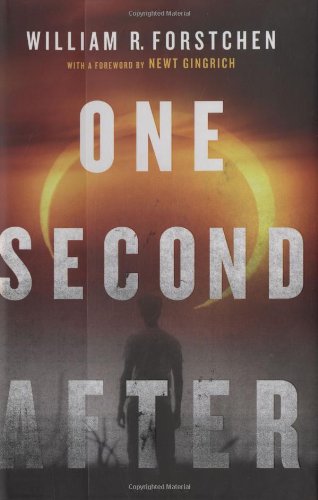
Retired army colonel and college professor John Matherson is living an ordinary life in a small North Carolina town when every piece of modern electronics around him dies at once -- the opening move of an electromagnetic pulse attack on the United States. William R. Forstchen's One Second After follows Matherson and his neighbors as they try to hold their community together with no power, no vehicles, and no outside help, and the sequels track the same slow, grinding rebuilding over the following years. The series leans hard into plausible, granular detail about what actually happens to a country when its grid goes down.