Loreful
HomeDiscover
Search series, authors…⌘K
Loreful

Reading orders for SF/F series and shared universes — with your place kept in every one.

Explore

UniversesSeriesWorksAuthorsAtlas

Help

FAQAboutSite map

Account & legal

Sign inCreate accountPrivacyTerms

Data

Built on ISFDB, Wikipedia, Wikidata and Open Library. Curated reading orders carry their reasoning on the page; the rest follow publication order. Data sources & licenses

© Loreful · data: ISFDB · CC BY

More like Enthrall

but

Mood

The mood the book leaves you in.

  • The reading experience is propelled by journeys, exploration, and physical risk; excitement and forward momentum dominate over dread or introspection.
  • Joy and loss are deliberately mixed; the resolution grants characters something real while taking something else away, leaving warmth and sorrow together.
  • The book demands work from the reader — dense prose, difficult structure, unfamiliar ideas, or morally uncomfortable material — as part of its intended effect.
  • Grim events, cruelty, or despair dominate the atmosphere, and the book does not soften them with comfort or comic relief.
  • The atmosphere is quietly unsettling — wrongness, unease, and the uncanny pervade the book without necessarily escalating into overt horror.
  • The book is built to move the reader; character feeling is foregrounded and major scenes aim at a strong emotional response.
  • Humor is a primary aim and the prose plays for laughs — comic situations, wit, or dialogue produce sustained comedy, not occasional levity.
  • The book insists that things can improve; effort and decency are shown to matter, and the arc bends toward better outcomes even through hardship.
  • The book teaches as it goes — real facts, history, science, or craft are conveyed in enough depth that learning is part of the reading experience.
  • The book is designed to uplift and motivate, presenting perseverance or achievement in a way that invites the reader to aspire or act.
  • The overall register is cheerful and easygoing; stakes are kept gentle and the book avoids dwelling on pain or dread.
  • Withheld information drives the experience; the book sustains enigmas and secrets the reader wants resolved, whatever its genre.
  • The book is contemplative and inward-looking, giving more weight to thought, memory, and meaning than to external events.
  • The book works as comfort reading — low tension, a soothing pace, and an atmosphere the reader can unwind in.
  • Grief, loss, or melancholy set the dominant register, and the book lets sorrow stand rather than resolving it into comfort.
  • Sustained suspense is the point; the book keeps the reader braced for what happens next through danger, pressure, or impending revelation.
  • Playful invention and charm define the register — fanciful conceits, light absurdity, and a narration that delights in its own oddity.

About

What the story runs on.

  • Stories structured as a quest — a journey undertaken to find, deliver, or destroy something of great import.
  • Stories in which staying alive against nature, catastrophe, or scarcity is the central problem.
  • Stories of lovers kept apart by law, family, faith, or station, where the obstacle to love is the plot.
  • Stories in which a friendship — its making, testing, or loss — is the emotional center.
  • Stories of growing up — a young protagonist crossing from childhood into adult knowledge and responsibility.
  • Stories about who a character truly is — self-discovery, doubled lives, and the search for a self.
  • Stories about mental unraveling — descent into madness, delusion, and minds at war with themselves.
  • Stories about mourning — living through the death of a loved one and what loss does to the survivors.
  • Stories in which a buried family truth — hidden parentage, crimes, or shames — surfaces and reorders the present.
  • Stories driven by maneuvering for power — factions, conspiracies, and statecraft conducted in shadow.
  • Stories in which war itself is the subject — combat, occupation, and what warfare does to soldiers and civilians.
  • Stories organized around investigating a killing — the case, the clues, and the pursuit of the killer, in any genre's clothing.

Shelf

Where it sits in the library.

    • Fiction built on magic or other supernatural elements that have no scientific explanation.
    • Secondary-world fantasy at large scale, where the fate of nations or the world turns on the protagonists' struggle.
    • Fantasy set in a recognizably modern city or contemporary world where the supernatural intrudes on everyday life.
    • Fantasy that blends in horror's atmosphere and imagery, keeping a fantastical frame around grim or frightening material.
    • Action-driven fantasy following warriors or rogues with personal stakes against sorcerous threats, rather than world-spanning conflicts.
    • Fantasy set in a real historical period or a close analogue of one, with magic woven into the era.
    • Fantasy in which protagonists cross from the ordinary world into another world through a portal or similar passage.
    • Fiction that retells or reworks a traditional fairy tale in a new form or setting.
    • Fantasy drawing directly on myths, legends, and folklore, retelling them or building on their figures and logic.
    • Fantasy of ghosts, vampires, shapeshifters, psychics, and similar phenomena, usually set in an otherwise ordinary world.
    • Fiction mixing science-fictional trappings with overtly magical or impossible elements in one setting.
    • Low-stakes fantasy emphasizing comfort, community, and everyday pleasures over conflict and peril.
    • Speculative fiction of pervasive moral ambiguity, violence, and cynicism that rejects heroic conventions — fantasy and SF alike.
      • Fiction that extrapolates from science and technology — future societies, space travel, or speculative inventions — within at least nominally natural laws.
      • Science fiction of interstellar scope — starships, galactic polities, and adventure across star systems.
      • Science fiction committed to scientific rigor, where technical plausibility constrains the story.
      • Science fiction centered on armed forces and warfare, told largely from a military point of view.
      • Science fiction of networked, corporate-dominated near futures, pairing high technology with social decay.
      • Science fiction styled on nineteenth-century steam-powered technology, often in a Victorian or pseudo-Victorian setting.
      • Fiction depicting an oppressive or catastrophic society, presented as a warning.
      • Fiction set after civilization's collapse, following survivors in the ruins of the old world.
      • Fiction in which characters move between past and future, and the mechanics or consequences of that travel drive the plot.
      • Fiction exploring a world where a historical event went differently and history diverged from ours.
      • Science fiction about humanity's first encounter and communication with an alien intelligence.
      • Science fiction in which extraterrestrial forces attack or occupy Earth and humanity resists.
      • Fiction whose primary aim is to frighten or unsettle the reader through dread, menace, or the monstrous.
      • Horror of vast, indifferent, incomprehensible entities before which humanity is insignificant, in the Lovecraft tradition.
      • Horror of decaying houses, buried family secrets, and oppressive atmosphere in the Gothic literary tradition.
      • Horror centered on hauntings and the returning dead.
      • Horror located in the mind — paranoia, obsession, and unreliable perception rather than external monsters.
      • Horror built around the reanimated dead and survival amid their outbreaks.
      • Horror defined by explicit, transgressive gore that refuses to cut away from violence.
      • Speculative fiction of the strange and uncanny that resists both natural explanation and standard genre categories.
      • Fiction organized around solving a crime or puzzle, typically following an investigator toward the identification of a culprit.
      • A puzzle-first mystery that lays out clues so the culprit's identity can be deduced before the reveal.
      • Crime fiction of moral ambiguity, fatalism, and hard-edged style, set among the corrupt and the doomed.
      • A mystery following the realistic routines of police work — forensics, interviews, and case-building.
      • A gentle mystery with an amateur sleuth, a small community, and violence kept off the page.
      • A mystery set in a past era, where the investigation works within that period's methods and society.
      • Fast-paced fiction driven by imminent danger, pursuit, or high-stakes conspiracy, built to sustain tension.
      • A thriller of espionage — agents, tradecraft, and intelligence services in conflict.
      • A thriller centered on lawyers and the courtroom, where litigation carries the suspense.
      • A thriller driven by detailed contemporary or near-future technology, often military or scientific.
      • A thriller whose tension comes from mental states and manipulation between characters rather than external action.
      • Fiction whose central plot is a romantic relationship and its development toward an emotionally satisfying resolution.
      • Romance in which one or both partners are supernatural beings, blending fantasy elements into the love story.
      • A fantasy-romance hybrid in which the romantic arc and the fantasy plot carry equal weight.
      • Romance set in a past era, with courtship shaped by the period's society and manners.
      • Romance set in the present day, without supernatural or historical elements.
      • Fiction set in a real past period, where the historical setting materially shapes characters and events.
        • General and literary fiction emphasizing prose style, character interiority, or formal ambition over genre plot conventions.
        • Fiction in a realistic world where magical events occur and are treated as ordinary, in the tradition of Latin American literature.
        • Fiction that ridicules people, institutions, or society in order to criticize them.
        • Fiction of dreamlike, irrational imagery and logic that breaks from realistic representation.
        • Fiction that plays with narrative convention through metafiction, fragmentation, and self-reference.
        • Fiction propelled by journeys, exploration, and physical peril, where action and survival carry the plot.
        • Adventure fiction of ships and seafaring — naval engagements, voyages, and life at sea.
        • Fiction of the American frontier West — gunmen, ranchers, and lawmen, typically in the late nineteenth century.
        • Fiction centered on soldiers, campaigns, and the experience of warfare, historical or imagined.
          • Fiction written primarily to amuse, using comedic situations, wit, or parody as its organizing principle.
            • Multi-generational fiction following a family or dynasty across decades, with inheritance and kinship as the through-line.
              • Fiction whose world runs on explicit game mechanics — levels, stats, and skills that characters can see and exploit.
                • Fiction about costumed or superpowered heroes and their conflicts with comparable villains.

                Practical

                How long a commitment, whether it stands alone, and whether it has finished.

                Tap a chip to ask for it · tap again to rule it out · once more to clear. Numbers show what would be left.

                • Cover of The Vampire Chronicles
                  The Vampire Chronicles

                  series · 15 books · 1976

                  completed

                  similar bydarkcontemporary+1 more

                  The Vampire Chronicles is a series of Gothic vampire novels and a media franchise, created by American author Anne Rice, that revolves around the fictional character Lestat de Lioncourt, a French nobleman turned into a vampire in the 18th century.

                • Cover of Stephen King multiverse
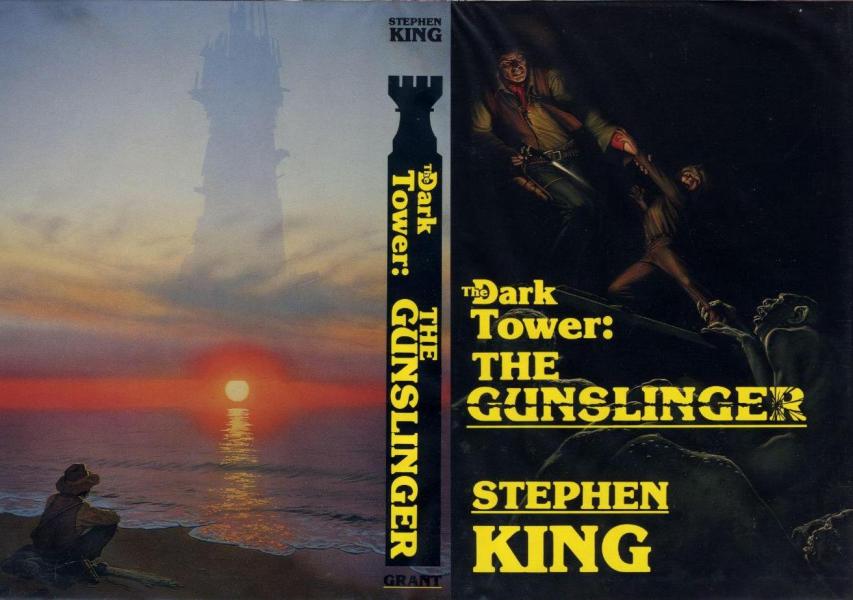
                  Stephen King multiverse

                  universe · 46 books · 1967

                  Start hereThe Gunslinger · Start here

                  similar bydark+3 more

                  The man in black fled across the desert, and the gunslinger followed. So begins the long walk of Roland Deschain, last of an order of knight-errant pistoleers, across a land that has "moved on" — where the compass points drift, dead machines rot toward sentience, and the weave of what's real wears thin. His quest is the Dark Tower itself: a spire standing at the hub of every world that exists, the linchpin that holds all of them back from ruin. Roland's road runs eight volumes, from The Gunslinger through the closing Dark Tower, with the later, interleaved tale The Wind Through the Keyhole folding a story-within-a-story back into his youth. Along the way he draws a ka-tet — a fellowship bound by fate, not choosing — through doorways between worlds: a heroin-shackled New Yorker, a woman of two minds, a boy who dies twice. The Tower is also the secret axle around which the wider shelf of King's work turns; threads from The Stand, 'Salem's Lot and beyond wind quietly toward it. Expect a mongrel of Western, high fantasy, horror and decayed science fiction, told in a dusty, incantatory dialect all its own — ka, thankee-sai, the world that has moved on. This is King at his most mythic and most personal, a decades-spanning circle that rewards a patient reader. Begin at the beginning: The Gunslinger, then walk forward in publication order. There are other worlds than these — but this door opens first.

                • Cover of Firestarter
                  Firestarter

                  Stephen King · standalone novel · 1980

                  similar bydarknorth americacontemporary+1 more

                  WorldCat: Innocence and beauty ignite with evil and terror... First, a man and a woman are subjects of a top-secret government experiment designed to produce extraordinary psychic powers. Then, they are married and have a child. A daughter. Early on the daughter shows signs of a wild and horrifying force growing within her. Desperately, her parents try to train her to keep that force in check, to 'act normal'. Now the government wants its brainchild back for its own insane ends.

                • Cover of Rosemary Reilly
                  Rosemary Reilly

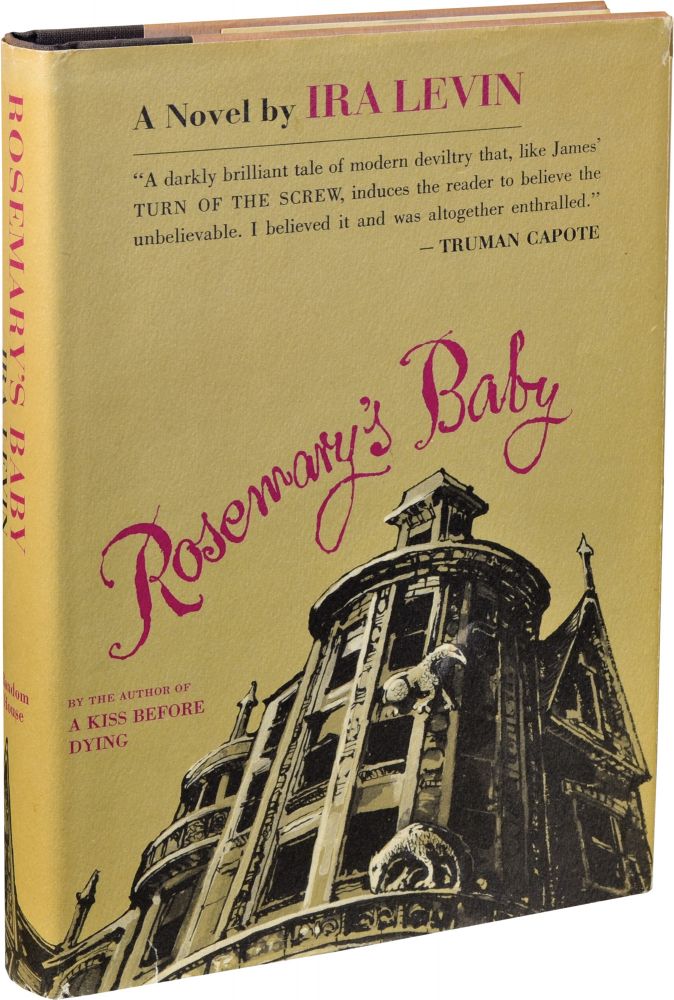
                  series · 2 books · 1967

                  completed

                  similar bynorth america+3 more

                  Rosemary's Baby follows a young wife in a Gothic Manhattan apartment building who grows increasingly convinced that her elderly neighbors, and even her own husband, are part of a conspiracy surrounding her pregnancy. Ira Levin returned to the character thirty years later in the 1997 sequel Son of Rosemary. Together the two novels form a short, self-contained horror series about faith, control, and motherhood.

                • Cover of Meredith Gentry
                  Meredith Gentry

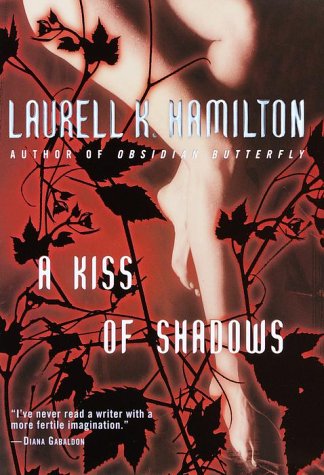
                  series · 10 books · 2000

                  similar bycontemporary+4 more

                  The Merry Gentry series is a series of urban fantasy novels by New York Times bestselling author Laurell K. Hamilton. The series is told through the lens of the titular character Meredith "Merry" Gentry, a faerie princess turned private investigator in a world where faeries exist and are known to the general public. The first book in the series, A Kiss of Shadows, was released by Del Rey on October 3, 2000. There are currently nine books in the series.

                • Cover of Talisman
                  Talisman

                  series · 4 books · 1984

                  similar byfantasynorth americacontemporary+1 more

                  Stephen King and Peter Straub's The Talisman follows twelve-year-old Jack Sawyer as he crosses between our world and the Territories, a parallel realm, on a cross-country quest to save his dying mother. The 2001 sequel Black House catches up with Jack decades later as a retired detective drawn into a serial-murder case in small-town Wisconsin that pulls the Territories back into his life. A third book, Other Worlds Than These, was announced in 2025 to complete the trilogy.

                • Cover of Patternist
                  Patternist

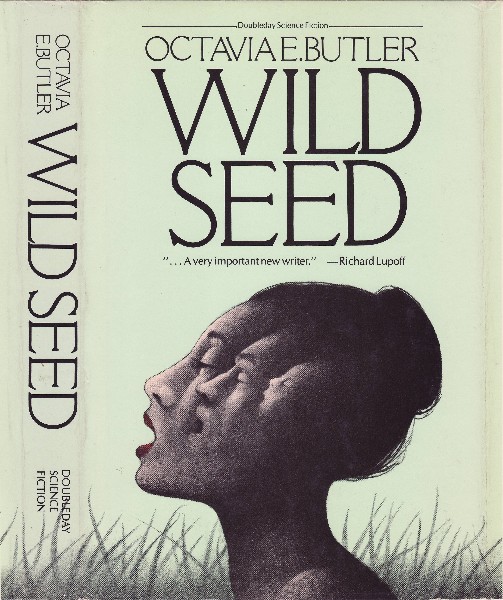
                  series · 6 books · 1976

                  completed

                  similar bydark+1 more

                  The Patternist series is a group of science fiction novels by Octavia E. Butler that detail a secret history continuing from the Ancient Egyptian period to the far future that involves telepathic mind control and an extraterrestrial plague. A profile of Butler in Black Women in America notes that the themes of the series include "racial and gender-based animosity, the ethical implications of biological engineering, the question of what it means to be human, ethical and unethical uses of power, and how the assumption of power changes people."

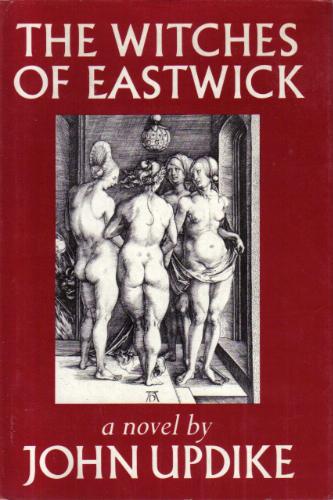
                • Cover of The Witches of Eastwick
                  The Witches of Eastwick

                  series · 2 books · 1984

                  completed

                  similar byfantasynorth americacontemporary+1 more

                • Cover of Anna Korlov
                  Anna Korlov

                  series · 2 books · 2011

                  similar bycontemporary+3 more

                  Kendare Blake's YA horror duology follows Cas Lowood, who has spent three years continuing his late father's work of hunting and dispatching violent ghosts, until he meets Anna, a ghost far more dangerous, and more sympathetic, than any he's faced. Anna Dressed in Blood and its sequel Girl of Nightmares follow Cas as his professional detachment gives way to a bond that complicates everything he thought he knew about his calling.

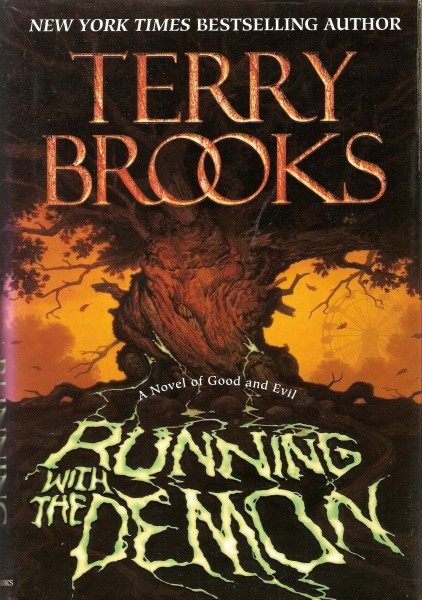
                • Cover of Word and the Void
                  Word and the Void

                  series · 5 books · 1991

                  part of Shannara

                  similar byfantasydarknorth america+1 more

                  Shannara is a series of high fantasy novels written by Terry Brooks, beginning with The Sword of Shannara in 1977 and concluding with The Last Druid which was released in October 2020; there is also a prequel, First King of Shannara. The series blends magic and primitive technology and is set in the Four Lands, which are identified as Earth long after civilization was destroyed in a chemical and nuclear holocaust called the Great Wars. By the time of the prequel First King of Shannara, the world had reverted to a pre-industrial state and magic had re-emerged to supplement science.

                • Cover of Desperation/Regulators
                  Desperation/Regulators

                  series · 2 books · 1996

                  similar bydarknorth americacontemporary+1 more

                  Stephen King published Desperation and The Regulators simultaneously in 1996, the first under his own name and the second under his Richard Bachman pseudonym. The two novels are mirror-universe companions: largely the same cast of characters appears in both, recast into different roles and circumstances, with each book's story driven by the same malevolent supernatural entity, Tak.

                • Cover of Floating Dragon
                  Floating Dragon

                  Peter Straub · standalone novel · 1983

                  similar bydarknorth americacontemporary+1 more

                  Floating Dragon is a horror novel by American writer Peter Straub, originally published by Underwood-Miller in November 1982 and G.P. Putnam's Sons in February 1983. The novel won the August Derleth Award in 1984.

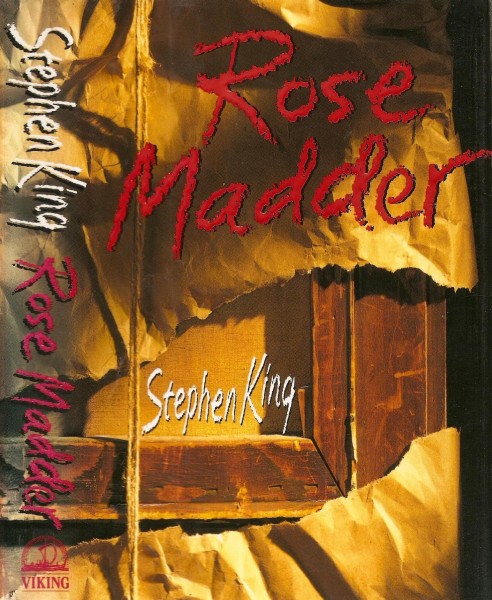
                • Cover of Rose Madder
                  Rose Madder

                  Stephen King · standalone novel · 1995

                  similar byfantasydarknorth americacontemporary

                  Rose Madder is a horror/fantasy novel by American writer Stephen King, published in 1995. It deals with the effects of domestic violence and, unusually for a King novel, relies for its fantastic element on Greek mythology. In his memoir, On Writing, King states that Rose Madder and Insomnia are "stiff, trying-too-hard novels."

                • Cover of Black Dagger Brotherhood
                  Black Dagger Brotherhood

                  series · 40 books · 2005

                  part of Black Dagger

                  similar bycontemporaryemotional+2 more

                  The Black Dagger Brotherhood is an ongoing series of paranormal romance books by author J. R. Ward. The series focuses on a society of vampire warriors who live together and defend their race against de-souled humans called lessers. The first book in the series was published in 2005.

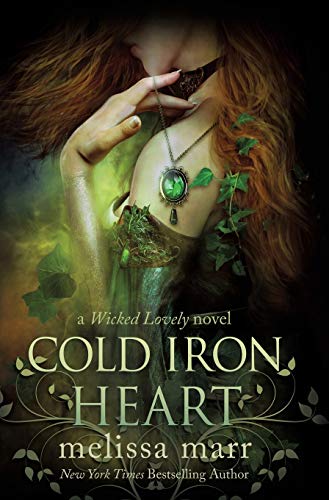
                • Cover of Wicked Lovely
                  Wicked Lovely

                  series · 17 books · 2007

                  similar bycontemporary+3 more

                  Melissa Marr's Wicked Lovely opens a YA urban-fantasy series about Aislinn, a teenage girl who has always been able to see faeries and has spent her life following her grandmother's rules to avoid their notice - until Keenan, the Summer King, decides she is meant to be his queen. Later books widen out to other faerie courts and other narrators drawn into the same modern-day faerie politics layered invisibly over ordinary life. It helped kick off the mid-2000s wave of YA faerie romance.

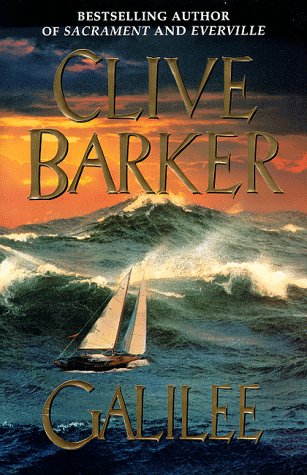
                • Cover of Galilee
                  Galilee

                  Clive Barker · standalone novel · 1998

                  similar byfantasydarknorth americacontemporaryemotional

                  Galilee is a novel by British writer Clive Barker, published in 1998 by HarperCollins Publishers. It chronicles the rise and fall of two very different, but equally powerful dynasties. The first dynasty, the Gearys, are a glamorous and rich family, similar to the Kennedys, who have been a power in America since the Reconstruction. The Barbarossas are a family of godlike beings. The two parents, Cesaria and Nicodemus, came into existence during the Bronze Age, somewhere between Canaan and the city of Samarkand. They have since had four children, the eldest of which is the titular Galilee.

                • Cover of The Yiddish Policemen's Union
                  The Yiddish Policemen's Union

                  Michael Chabon · standalone novel · 2007

                  similar bydarknorth americacontemporary+1 more

                  In an alternate present where Jewish refugees settled Alaska during World War II rather than Israel, homicide detective Meyer Landsman -- divorced, drinking, living in a run-down hotel -- catches a case in his own building: a former chess prodigy, shot dead beside an unfinished game. Landsman and his half-Tlingit partner Berko Shemets learn the dead man was more than he seemed, connected to a messianic movement within Sitka's Orthodox community, just as the settlement faces a countdown of its own -- its status as a federal district about to expire, everyone's future up for grabs. Michael Chabon's Hugo- and Nebula-winning noir, told as hardboiled alternate history.

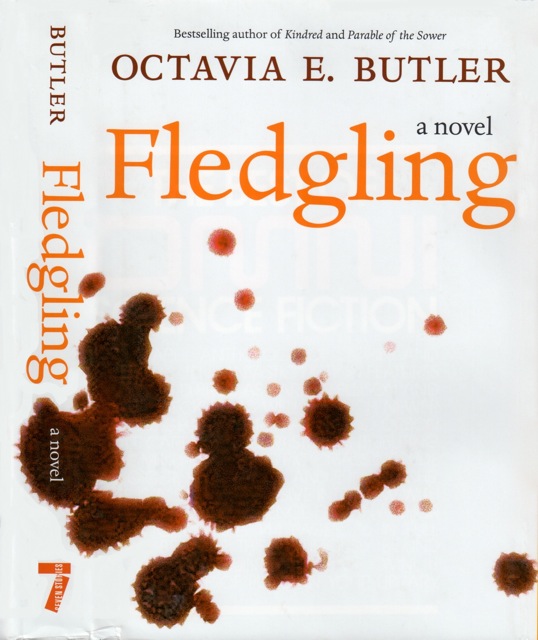
                • Cover of Fledgling
                  Fledgling

                  Octavia E. Butler · standalone novel · 2005

                  similar byfantasydarknorth americacontemporary

                  Fledgling is a science fiction vampire novel by American writer Octavia E. Butler, published in 2005. It was the author's final book published before her death in 2006.

                • Cover of Dark-Hunter
                  Dark-Hunter

                  series · 65 books · 2000

                  similar bycontemporary+4 more

                  Dark-Hunter is a term from a paranormal romance and fantasy series by Sherrilyn Kenyon. Kenyon began writing the series in 1986 in horror, fantasy and science fiction magazines.

                • Cover of Alex Stern
                  Alex Stern

                  series · 4 books · 2019

                  similar bycontemporary+3 more

                  Leigh Bardugo's Alex Stern series follows Galaxy 'Alex' Stern, a survivor and college dropout offered a scholarship to Yale in exchange for policing the eight secret societies that practice occult magic on campus, as a member of the shadowy organization Lethe. The opening novel, Ninth House, establishes her as an outsider gifted with the ability to see ghosts; the sequels continue her investigation into the societies' abuses and the murder that first drew her into Lethe's world. It is a dark fantasy series blending campus intrigue with horror.

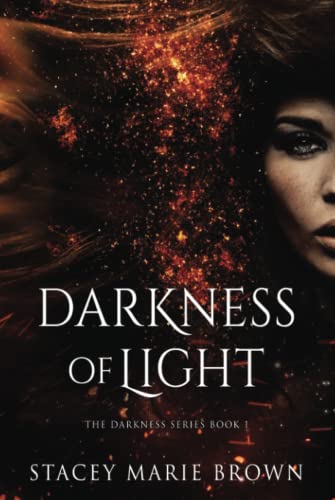
                • Cover of Darkness (Stacey Marie Brown)
                  Darkness (Stacey Marie Brown)

                  series · 6 books · 2013

                  similar bycontemporary+3 more

                  Stacey Marie Brown's Darkness series follows Ember Brycin, who begins seeing monstrous creatures that shouldn't exist after witnessing her mother's murder and is committed to a facility for troubled teens, where a mysterious biker named Eli Dragen draws her into a hidden supernatural underworld hunting her as prey. The four core novels follow Ember's fight to survive that world, with a fifth book, West, extending the story further.

                • Cover of The Taker / Immortal
                  The Taker / Immortal

                  series · 5 books · 2011

                  similar byemotional+4 more

                  Alma Katsu's The Taker opens the Immortal trilogy (plus a linked prequel novella) when a young doctor named Luke meets a woman who reveals she is immortal, and hears how she was abandoned by a lover two centuries earlier and made eternal by a centuries-old Hungarian count who abducted her. The dark historical fantasy continues across The Reckoning and The Descent, with The Devil's Scribe serving as a prequel novella.

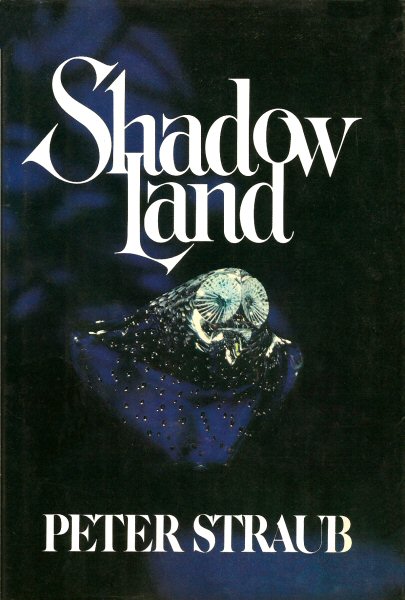
                • Cover of Shadowland
                  Shadowland

                  Peter Straub · standalone novel · 1980

                  similar bydarknorth americacontemporary+1 more

                  WorldCat: Two apprentices studying under a master magician spend a season residing in a dark house located in the deep recesses of the Vermont forest. Learning secrets best left unlearned, they enter a world of incalculable evil and terror. Only one of them will survive the ordeal.

                • K
                  Kairos

                  series · 11 books · 1962

                  completed

                  similar by+3 more

                  The Time Quintet is a science fantasy series of five young adult novels written by American author Madeleine L'Engle and made up of A Wrinkle in Time (1962), A Wind in the Door (1973), A Swiftly Tilting Planet (1978), Many Waters (1986), and An Acceptable Time (1989).