Loreful
HomeDiscover
Search series, authors…⌘K
Loreful

Reading orders for SF/F series and shared universes — with your place kept in every one.

Explore

UniversesSeriesWorksAuthorsAtlas

Help

FAQAboutSite map

Account & legal

Sign inCreate accountPrivacyTerms

Data

Built on ISFDB, Wikipedia, Wikidata and Open Library. Curated reading orders carry their reasoning on the page; the rest follow publication order. Data sources & licenses

© Loreful · data: ISFDB · CC BY

More like Exit Zero

anchored on:literary & generalnorth americacontemporaryshort story cycleidentitygrief and loss+2 more

but

Mood

The mood the book leaves you in.

  • The reading experience is propelled by journeys, exploration, and physical risk; excitement and forward momentum dominate over dread or introspection.
  • Joy and loss are deliberately mixed; the resolution grants characters something real while taking something else away, leaving warmth and sorrow together.
  • The book demands work from the reader — dense prose, difficult structure, unfamiliar ideas, or morally uncomfortable material — as part of its intended effect.
  • Grim events, cruelty, or despair dominate the atmosphere, and the book does not soften them with comfort or comic relief.
  • The atmosphere is quietly unsettling — wrongness, unease, and the uncanny pervade the book without necessarily escalating into overt horror.
  • The book is built to move the reader; character feeling is foregrounded and major scenes aim at a strong emotional response.
  • Humor is a primary aim and the prose plays for laughs — comic situations, wit, or dialogue produce sustained comedy, not occasional levity.
  • The book insists that things can improve; effort and decency are shown to matter, and the arc bends toward better outcomes even through hardship.
  • The book teaches as it goes — real facts, history, science, or craft are conveyed in enough depth that learning is part of the reading experience.
  • The book is designed to uplift and motivate, presenting perseverance or achievement in a way that invites the reader to aspire or act.
  • The overall register is cheerful and easygoing; stakes are kept gentle and the book avoids dwelling on pain or dread.
  • Withheld information drives the experience; the book sustains enigmas and secrets the reader wants resolved, whatever its genre.
  • The book is contemplative and inward-looking, giving more weight to thought, memory, and meaning than to external events.
  • The book works as comfort reading — low tension, a soothing pace, and an atmosphere the reader can unwind in.
  • Grief, loss, or melancholy set the dominant register, and the book lets sorrow stand rather than resolving it into comfort.
  • Sustained suspense is the point; the book keeps the reader braced for what happens next through danger, pressure, or impending revelation.
  • Playful invention and charm define the register — fanciful conceits, light absurdity, and a narration that delights in its own oddity.

About

What the story runs on.

  • Stories in which extraterrestrial beings are central — as characters, cultures, or the object of the plot.
  • Stories structured as a quest — a journey undertaken to find, deliver, or destroy something of great import.
  • Stories in which staying alive against nature, catastrophe, or scarcity is the central problem.
  • Stories of lovers kept apart by law, family, faith, or station, where the obstacle to love is the plot.
  • Stories in which a friendship — its making, testing, or loss — is the emotional center.
  • Stories of growing up — a young protagonist crossing from childhood into adult knowledge and responsibility.
  • Stories about who a character truly is — self-discovery, doubled lives, and the search for a self.
  • Stories about mourning — living through the death of a loved one and what loss does to the survivors.
  • Stories in which a buried family truth — hidden parentage, crimes, or shames — surfaces and reorders the present.
  • Stories driven by maneuvering for power — factions, conspiracies, and statecraft conducted in shadow.
  • Stories in which war itself is the subject — combat, occupation, and what warfare does to soldiers and civilians.
  • Stories organized around investigating a killing — the case, the clues, and the pursuit of the killer, in any genre's clothing.

Shelf

Where it sits in the library.

    • Fiction built on magic or other supernatural elements that have no scientific explanation.
    • Secondary-world fantasy at large scale, where the fate of nations or the world turns on the protagonists' struggle.
    • Fantasy set in a recognizably modern city or contemporary world where the supernatural intrudes on everyday life.
    • Fantasy that blends in horror's atmosphere and imagery, keeping a fantastical frame around grim or frightening material.
    • Action-driven fantasy following warriors or rogues with personal stakes against sorcerous threats, rather than world-spanning conflicts.
    • Fantasy set in a real historical period or a close analogue of one, with magic woven into the era.
    • Fantasy in which protagonists cross from the ordinary world into another world through a portal or similar passage.
    • Fiction that retells or reworks a traditional fairy tale in a new form or setting.
    • Fantasy drawing directly on myths, legends, and folklore, retelling them or building on their figures and logic.
    • Fantasy of ghosts, vampires, shapeshifters, psychics, and similar phenomena, usually set in an otherwise ordinary world.
    • Fiction mixing science-fictional trappings with overtly magical or impossible elements in one setting.
    • Low-stakes fantasy emphasizing comfort, community, and everyday pleasures over conflict and peril.
    • Speculative fiction of pervasive moral ambiguity, violence, and cynicism that rejects heroic conventions — fantasy and SF alike.
      • Fiction that extrapolates from science and technology — future societies, space travel, or speculative inventions — within at least nominally natural laws.
      • Science fiction of interstellar scope — starships, galactic polities, and adventure across star systems.
      • Science fiction committed to scientific rigor, where technical plausibility constrains the story.
      • Science fiction centered on armed forces and warfare, told largely from a military point of view.
      • Science fiction of networked, corporate-dominated near futures, pairing high technology with social decay.
      • Science fiction styled on nineteenth-century steam-powered technology, often in a Victorian or pseudo-Victorian setting.
      • Fiction depicting an oppressive or catastrophic society, presented as a warning.
      • Fiction set after civilization's collapse, following survivors in the ruins of the old world.
      • Fiction in which characters move between past and future, and the mechanics or consequences of that travel drive the plot.
      • Fiction exploring a world where a historical event went differently and history diverged from ours.
      • Science fiction about humanity's first encounter and communication with an alien intelligence.
      • Science fiction in which extraterrestrial forces attack or occupy Earth and humanity resists.
      • Fiction whose primary aim is to frighten or unsettle the reader through dread, menace, or the monstrous.
      • Horror of vast, indifferent, incomprehensible entities before which humanity is insignificant, in the Lovecraft tradition.
      • Horror of decaying houses, buried family secrets, and oppressive atmosphere in the Gothic literary tradition.
      • Horror centered on hauntings and the returning dead.
      • Horror located in the mind — paranoia, obsession, and unreliable perception rather than external monsters.
      • Horror built around the reanimated dead and survival amid their outbreaks.
      • Horror defined by explicit, transgressive gore that refuses to cut away from violence.
      • Speculative fiction of the strange and uncanny that resists both natural explanation and standard genre categories.
      • Fiction organized around solving a crime or puzzle, typically following an investigator toward the identification of a culprit.
      • A puzzle-first mystery that lays out clues so the culprit's identity can be deduced before the reveal.
      • Crime fiction of moral ambiguity, fatalism, and hard-edged style, set among the corrupt and the doomed.
      • A mystery following the realistic routines of police work — forensics, interviews, and case-building.
      • A gentle mystery with an amateur sleuth, a small community, and violence kept off the page.
      • A mystery set in a past era, where the investigation works within that period's methods and society.
      • Fast-paced fiction driven by imminent danger, pursuit, or high-stakes conspiracy, built to sustain tension.
      • A thriller of espionage — agents, tradecraft, and intelligence services in conflict.
      • A thriller centered on lawyers and the courtroom, where litigation carries the suspense.
      • A thriller driven by detailed contemporary or near-future technology, often military or scientific.
      • A thriller whose tension comes from mental states and manipulation between characters rather than external action.
      • Fiction whose central plot is a romantic relationship and its development toward an emotionally satisfying resolution.
      • Romance in which one or both partners are supernatural beings, blending fantasy elements into the love story.
      • A fantasy-romance hybrid in which the romantic arc and the fantasy plot carry equal weight.
      • Romance set in a past era, with courtship shaped by the period's society and manners.
      • Romance set in the present day, without supernatural or historical elements.
      • Fiction set in a real past period, where the historical setting materially shapes characters and events.
        • General and literary fiction emphasizing prose style, character interiority, or formal ambition over genre plot conventions.
        • Fiction in a realistic world where magical events occur and are treated as ordinary, in the tradition of Latin American literature.
        • Fiction that ridicules people, institutions, or society in order to criticize them.
        • Fiction of dreamlike, irrational imagery and logic that breaks from realistic representation.
        • Fiction that plays with narrative convention through metafiction, fragmentation, and self-reference.
        • Fiction propelled by journeys, exploration, and physical peril, where action and survival carry the plot.
        • Adventure fiction of ships and seafaring — naval engagements, voyages, and life at sea.
        • Fiction of the American frontier West — gunmen, ranchers, and lawmen, typically in the late nineteenth century.
        • Fiction centered on soldiers, campaigns, and the experience of warfare, historical or imagined.
          • Fiction written primarily to amuse, using comedic situations, wit, or parody as its organizing principle.
            • Multi-generational fiction following a family or dynasty across decades, with inheritance and kinship as the through-line.
              • Fiction whose world runs on explicit game mechanics — levels, stats, and skills that characters can see and exploit.
                • Fiction about costumed or superpowered heroes and their conflicts with comparable villains.

                Practical

                How long a commitment, whether it stands alone, and whether it has finished.

                Tap a chip to ask for it · tap again to rule it out · once more to clear. Numbers show what would be left.

                • Cover of The Gum Thief
                  The Gum Thief

                  Douglas Coupland · standalone novel · 2007

                  similar byliterary & generalreflectivenorth americacontemporaryidentityloneliness

                  The Gum Thief is Canadian author Douglas Coupland's twelfth novel. It was published on September 25, 2007 , by Random House Canada in Canada and Bloomsbury Publishing in the United States.

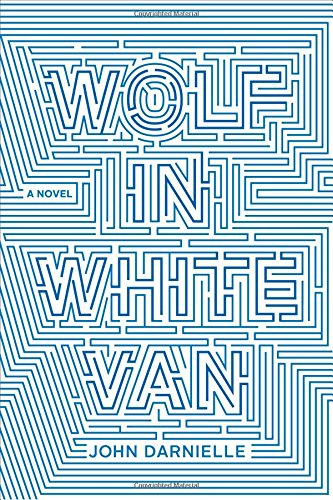
                • Cover of Wolf in White Van
                  Wolf in White Van

                  John Darnielle · standalone novel · 2014

                  similar byliterary & generalreflectivenorth americacontemporaryidentityloneliness+1 more

                  Wolf in White Van is the first novel by the American author and singer-songwriter John Darnielle. Wolf in White Van tells the story of Sean Phillips, a reclusive game designer whose face has been severely disfigured. One reviewer characterizes Sean as someone "steeped in video games, bad sci-fi movies, and Conan the Barbarian comic books". The plot, which is told non-chronologically, alternates among Sean's childhood, adolescence, and adulthood to describe the circumstances surrounding the incident that disfigured him. A fictional play-by-mail role-playing game called Trace Italian figures prominently in the novel.

                • Cover of Gods Without Men
                  Gods Without Men

                  Hari Kunzru · standalone novel · 2011

                  similar byliterary & generalreflectivenorth americacontemporaryidentity+1 more

                  Gods Without Men is Hari Kunzru's fourth novel, first published in 2011. The title is a quotation from Honoré de Balzac. The novel is set in the American southwest, and contains elements of magical realism.

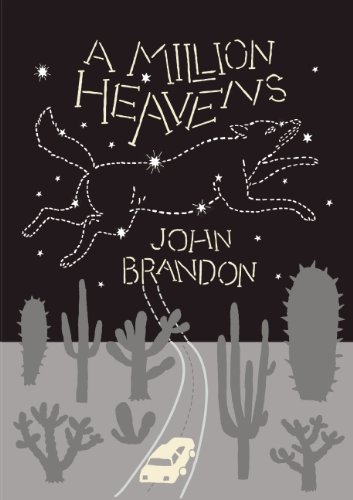
                • Cover of A Million Heavens
                  A Million Heavens

                  John Brandon · standalone novel · 2012

                  similar byliterary & generalreflectivenorth americacontemporaryidentitygrief and loss

                  A Million Heavens is a 2012 novel by John Brandon. The book was first published on 3 July 2012 by McSweeney's and is Brandon's third novel, following his 2010 book Citrus County.

                • Cover of Mickelsson's Ghosts
                  Mickelsson's Ghosts

                  John Gardner · standalone novel · 1982

                  similar byliterary & generalreflectivenorth americacontemporaryidentity+2 more

                  Mickelsson's Ghosts, published in 1982, is American writer John Gardner's ninth novel. It was the final novel published during Gardner’s lifetime.

                • Cover of Surfacing
                  Surfacing

                  Margaret Atwood · standalone novel · 1972

                  similar byliterary & generalreflectivenorth americaidentitygrief and losseerie+1 more

                  Surfacing is a novel by Canadian author Margaret Atwood. Published by McClelland and Stewart in 1972, it was her second novel. Surfacing has been described by commentators as a companion novel to Atwood's collection of poems, Power Politics, which was written the previous year and deals with complementary issues.

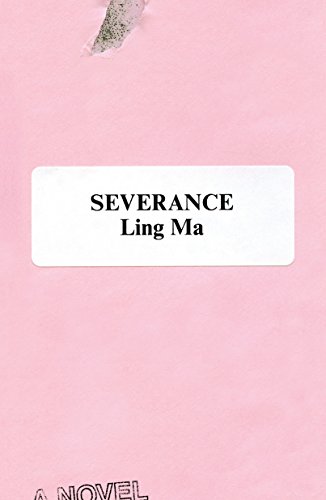
                • Cover of Severance
                  Severance

                  Ling Ma · standalone novel · 2018

                  similar byliterary & generalreflectivenorth americacontemporaryidentityloneliness+1 more

                  Severance is a 2018 post-apocalyptic novel by Chinese American author Ling Ma. It follows Candace Chen, an unfulfilled Bible product coordinator, before and after an incurable infection slowly obliterates global civilization. Severance explores themes of nostalgia, modern office culture, monotony, and intimate relationships. The novel, Ma's debut, won the 2018 Kirkus Prize for Fiction and was included on many prominent Best Books of 2018 lists.

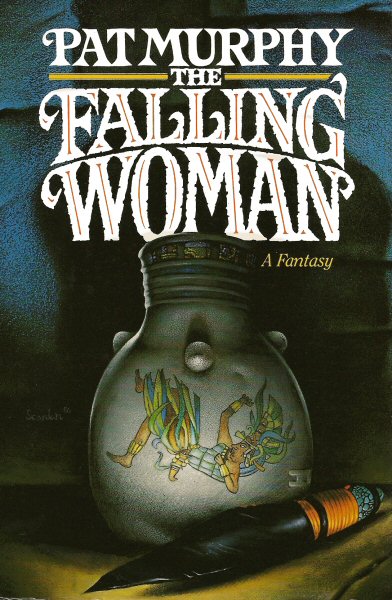
                • Cover of The Falling Woman
                  The Falling Woman

                  Pat Murphy · standalone novel · 1986

                  similar byliterary & generalreflectivenorth americacontemporaryidentitygrief and loss

                  The Falling Woman is a 1986 contemporary psychological fantasy novel by Pat Murphy. The book won the Nebula Award for Best Novel in 1987.

                • Cover of The Robber Bride
                  The Robber Bride

                  Margaret Atwood · standalone novel · 1993

                  similar byliterary & generalreflectivenorth americacontemporaryidentity

                  The Robber Bride is a novel by Canadian writer Margaret Atwood, first published by McClelland and Stewart in 1993.

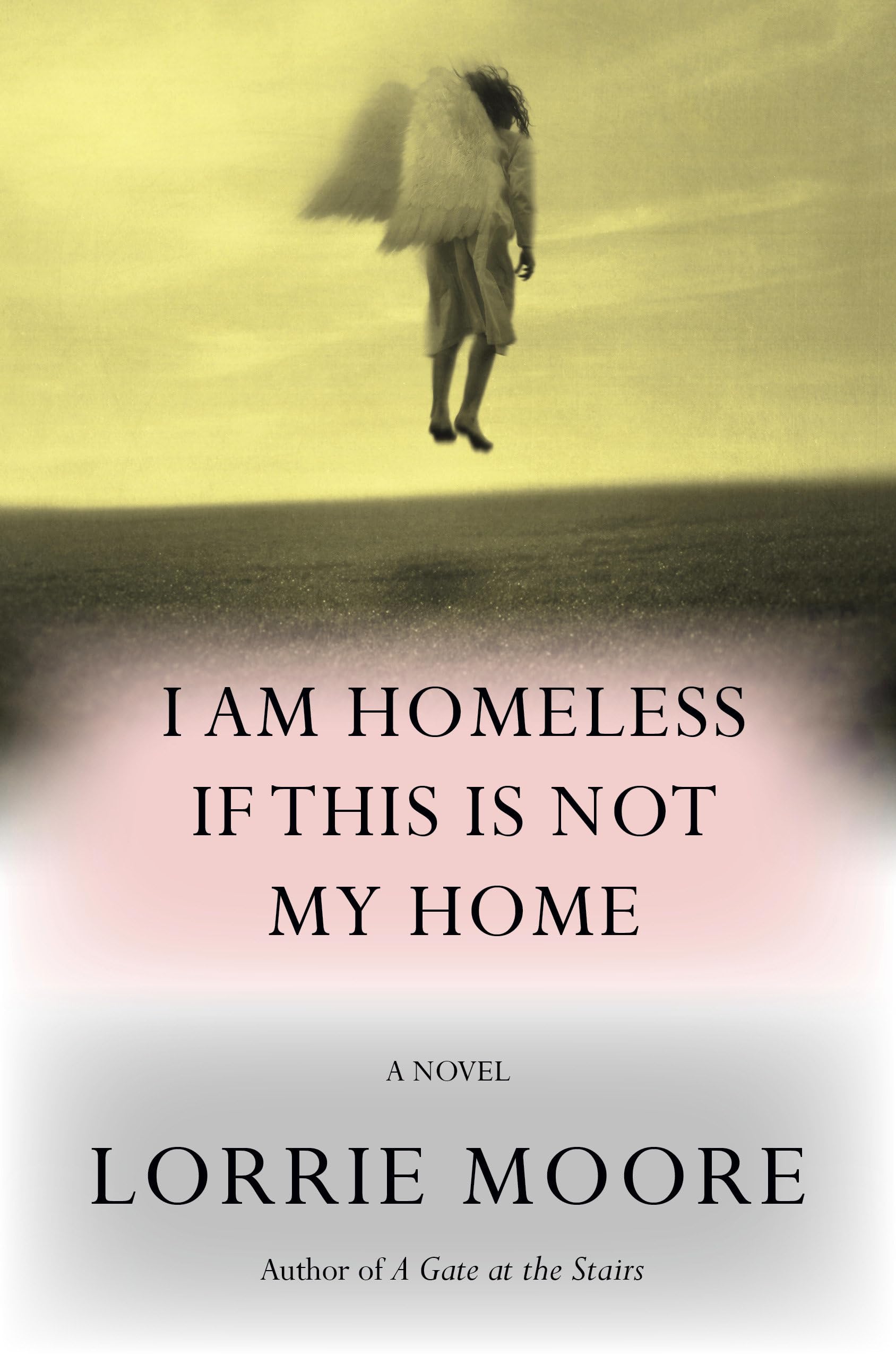
                • Cover of I Am Homeless If This Is Not My Home
                  I Am Homeless If This Is Not My Home

                  Lorrie Moore · standalone novel · 2023

                  similar byliterary & generalreflectivecontemporarynorth americagrief and lossloneliness

                  I Am Homeless if This Is Not My Home is a 2023 novel by American novelist Lorrie Moore. It was her fourth published novel, and was the winner of the 2023 National Book Critics Circle Award in Fiction.

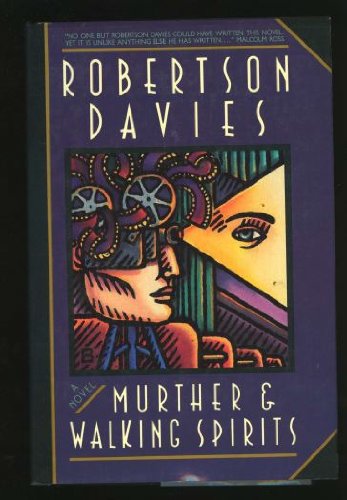
                • Cover of Murther & Walking Spirits
                  Murther & Walking Spirits

                  Robertson Davies · standalone novel · 1991

                  similar byliterary & generalreflectivenorth americacontemporaryidentityfamily secrets

                  The editor of a Toronto newspaper finds out about his ancestors in an unusual private Film Festival.

                • Cover of Dhalgren
                  Dhalgren

                  Samuel R. Delany · standalone novel · 1975

                  similar byliterary & generalcontemporarynorth americaidentitylonelinesseerie

                  Dhalgren is a 1975 science fiction novel by American writer Samuel R. Delany. It features an extended trip to and through Bellona, a fictional city in the American Midwest cut off from the rest of the world by an unknown catastrophe. It is number 33 on the 20th Century's Greatest Hits: 100 English-Language Books of Fiction list.

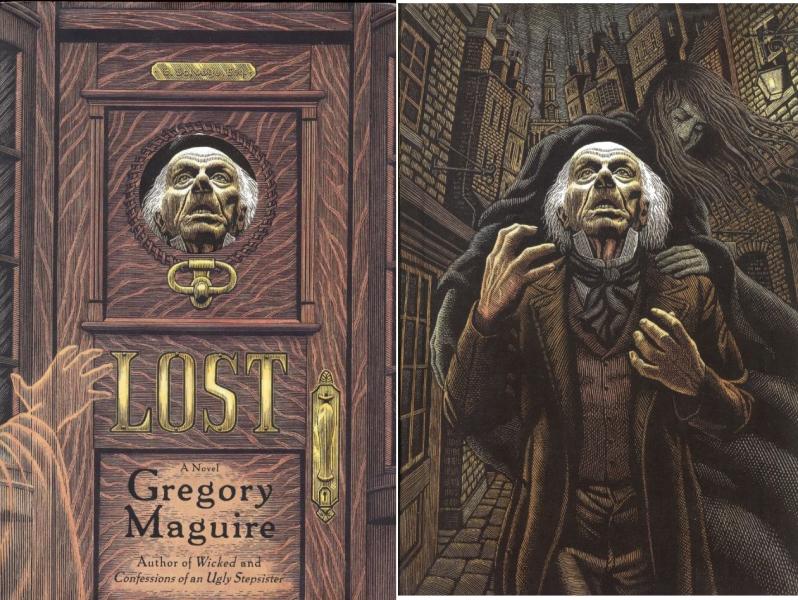
                • Cover of Lost
                  Lost

                  Gregory Maguire · standalone novel · 2001

                  similar byliterary & generalreflectivecontemporaryidentitygrief and lossfamily secrets

                  Lost is a 2001 novel by American author Gregory Maguire. Unlike many of Maguire's other adult novels, Lost is set in the real world. The novel's concept is that the protagonist is a distant relative of the man who inspired Charles Dickens' character of Ebenezer Scrooge.

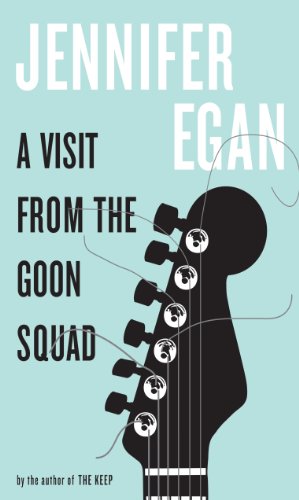
                • Cover of A Visit from the Goon Squad
                  A Visit from the Goon Squad

                  series · 2 books · 2010

                  similar byliterary & generalreflectivecontemporaryshort story cycle+2 more

                  Jennifer Egan's A Visit from the Goon Squad follows a loosely connected group of characters orbiting the music industry across several decades, told through interlocking chapters that jump between narrators, timelines, and, in one chapter, a PowerPoint presentation. The Candy House returns to several of the same characters and their descendants a decade later, in a world reshaped by a technology that lets people access and share their memories. Egan links the two books through recurring characters more than a continuous plot.

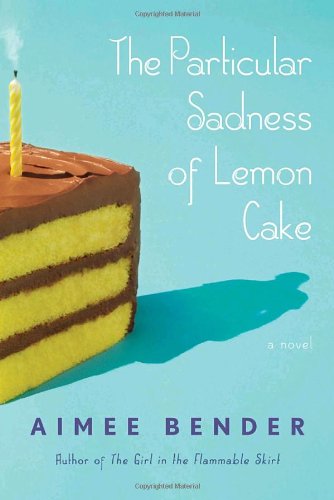
                • Cover of The Particular Sadness of Lemon Cake
                  The Particular Sadness of Lemon Cake

                  Aimee Bender · standalone novel · 2010

                  similar byliterary & generalreflectivecontemporarynorth americaidentityfamily secrets

                  The story follows a girl with a talent, from childhood to young adulthood. Rose has the ability to taste emotions in the food she eats, which she discovers on her ninth birthday, tasting in her birthday cake the emotions of her mother who baked it.

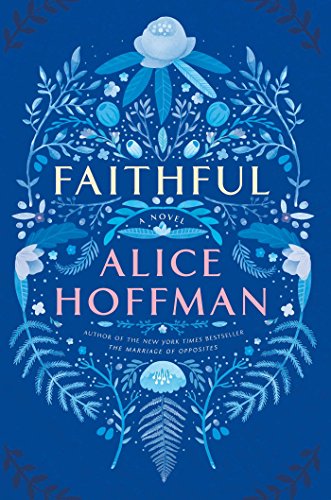
                • Cover of Faithful
                  Faithful

                  Alice Hoffman · standalone novel · 2016

                  similar byliterary & generalreflectivenorth americacontemporaryidentitygrief and loss

                  Growing up on Long Island, Shelby Richmond is an ordinary girl until one night an extraordinary tragedy changes her fate. Her best friend's future is destroyed in an accident, while Shelby walks away with the burden of guilt. What happens when a life is turned inside out? When love is something so distant it may as well be a star in the sky? Faithful is the story of a survivor, filled with emotion--from dark suffering to true happiness--a moving portrait of a young woman finding her way in the modern world. A fan of Chinese food, dogs, bookstores, and men she should stay away from, Shelby has to fight her way back to her own future. In New York City she finds a circle of lost and found souls--including an angel who's been watching over her ever since that fateful icy night.

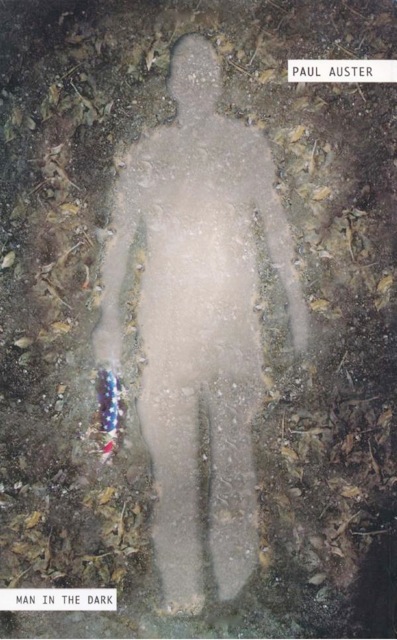
                • Cover of Man in the Dark
                  Man in the Dark

                  Paul Auster · standalone novel · 2008

                  similar byliterary & generalreflectivenorth americacontemporaryidentity

                  An insomniac makes up a story about a man transported to an alternate reality in which a US civil war erupted after the 2000 election.

                • Cover of Before I Fall
                  Before I Fall

                  series · 2 books · 2010

                  similar byliterary & generalreflectivenorth americacontemporarygrief and loss

                  Lauren Oliver's Before I Fall is a 2010 young-adult novel narrated by teenager Samantha Kingston, who is forced to relive the day of her death repeatedly over the course of a week. Attempting to understand why, Samantha tries different choices and actions each time through, some starkly out of character, as she reckons with her life and relationships. It was adapted into a 2017 film of the same name.

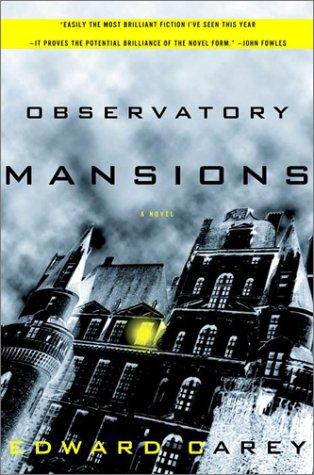
                • Cover of Observatory Mansions
                  Observatory Mansions

                  Edward Carey · standalone novel · 2000

                  similar byliterary & generalreflectivecontemporaryidentitygrief and lossloneliness+1 more

                  "Easily the most brilliant fiction I've seen this year -- it proves the potential brilliance of the novel form."-- John Fowles, author of The MagusObservatory Mansions, once the Orme family's magnificent ancestral home set on beautiful grounds, is now a crumbling apartment block stranded on a traffic island, peopled with eccentrics.Thirty-seven-year-old Francis Orme lives in Observatory Mansions with his peculiar parents and a collection of misfits. By day he is a street performer, earning money as "a statue of whiteness" in the park, wearing white gloves to ensure that his skin never touches anything. He steals items for his museum of significant objects (996 in all), not for their monetary value but because they have been loved, often bringing grief to their erstwhile owners. His bedridden mother, Alice, who has created for herself an alternative time frame called "fiction," and his father, Francis, are among the occupants set apart from the rest of the busy city by their histories, their memories, and their relationships with the other seven inhabitants of the flats.Each of the house dwellers has his or her own story, as seen through Francis's eyes, and the careful routine and harmony of the house are shaken when along comes a new resident, the half-blind, vulnerable Anna Tap. She is sympathetic and resourceful, and slowly the desperately lonely residents begin to open up their long-closed hearts. As the delicate balance of Observatory Mansions begins to shift, Francis finds himself having to protect the secrets of his past and the sanctity of his collection, while growing emotionally closer to Anna.Hailed as no less than a tour de force, Observatory Mansions is a debut novel of immense originality--a strangely haunting landscape occupied by compelling and unforgettable characters.From the Hardcover edition.

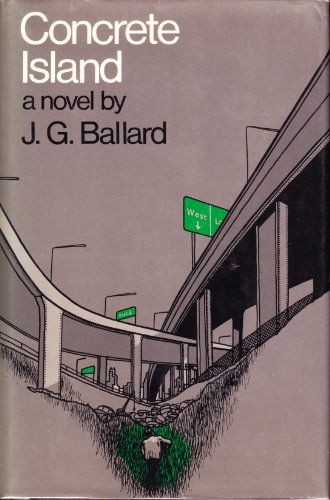
                • Cover of Concrete Island
                  Concrete Island

                  J. G. Ballard · standalone novel · 1974

                  similar byliterary & generalreflectivecontemporaryidentityloneliness

                  Architect Robert Maitland crashes his car onto a stretch of wasteland trapped between three converging motorways -- visible from thousands of cars, reachable by none of them. Injured and unable to climb back to the road, Maitland adapts to life on what he starts calling the Island, scavenging food thrown from car windows, and discovers he isn't alone: a runaway sex worker hiding in a bunker, and a brain-damaged former circus acrobat, both long past expecting rescue. What begins as a survival story turns into a question of whether Maitland even wants to leave. A J. G. Ballard novel of urban isolation, grouped with Crash and High-Rise.

                • Cover of The Martian Child
                  The Martian Child

                  David Gerrold · standalone novel · 2002

                  similar byliterary & generalreflectivenorth americacontemporaryidentity

                  A Novel About A Single Father Adopting A Son

                • Cover of Dying Inside
                  Dying Inside

                  Robert Silverberg · standalone novel · 1972

                  similar byreflectivenorth americacontemporaryidentityloneliness+1 more

                  Dying Inside is a 1972 science fiction novel by American writer Robert Silverberg. It was first serialized in Galaxy in 1972 and published in book form by Charles Scribner's Sons later that year. The novel follows David Selig, a middle-aged telepath in contemporary New York City, as the mind-reading ability that has shaped his life begins to disappear.

                • Cover of Death in Her Hands
                  Death in Her Hands

                  Ottessa Moshfegh · standalone novel · 2020

                  similar byliterary & generalcontemporarynorth americaidentitylonelinesseerie+1 more

                  Death in Her Hands is a 2020 novel by Ottessa Moshfegh.

                • Cover of The Sentence
                  The Sentence

                  Louise Erdrich · standalone novel · 2021

                  similar byliterary & generalreflectivenorth americacontemporarygrief and loss

                  The Sentence is a 2021 novel by American author Louise Erdrich. The novel was shortlisted for the Women's Prize for Fiction and longlisted for the Andrew Carnegie Medal for Excellence in Fiction.