More like Extortion, Inc.
anchored on:science fictionnear futurepolice procedural
but
- Sprawl Trilogy
series10 books1981
similar bytensenear futurescience fiction
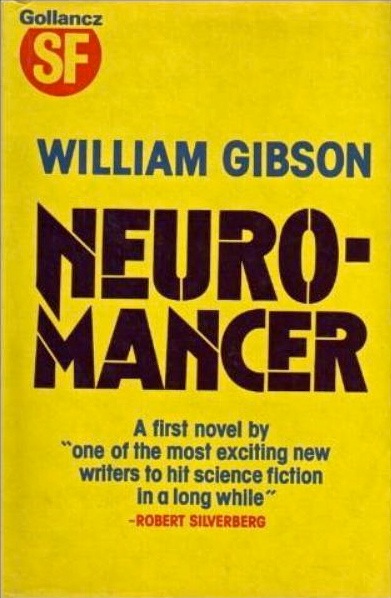
The Sprawl Trilogy is William Gibson's foundational cyberpunk sequence: Neuromancer (1984), in which hacker Case is drawn into a high-stakes heist alongside an artificial intelligence and a damaged ex-soldier, followed by Count Zero (1986) and Mona Lisa Overdrive (1988), which widen the same near-future world of corporate power and networked cyberspace to new characters. Johnny Mnemonic, an early short story set in the same fictional milieu, predates the novels and introduces the courier Molly Millions before her role in the trilogy. Together these works established much of cyberpunk's visual and thematic vocabulary.
- Budayeen
series13 books1973
completed
similar bynear futurescience fiction+2 more
George Alec Effinger's Budayeen sequence reimagines the French Quarter of New Orleans as a 22nd-century red-light district in a future Middle Eastern city, where body modification has gone electronic: cybernetic 'moddies' and 'daddies' let people plug in new personalities and skills at will. Its hero, hustler-turned-investigator Marid Audran, works the Budayeen's back alleys across the novels When Gravity Fails, A Fire in the Sun, and The Exile Kiss. Budayeen Nights, published after Effinger's death, gathers his shorter fiction set in the same neon-lit quarter.
- Hardwired
series3 books1986
similar bytensenear futureour worldscience fiction+1 more
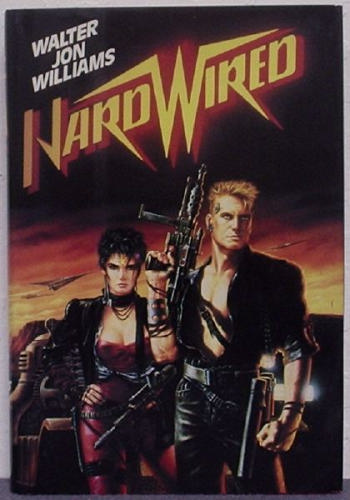
Walter Jon Williams' Hardwired (1986) is an early and influential cyberpunk novel. Voice of the Whirlwind, published three years later, is a loosely connected follow-up set in the same future, sharing its technological and political backdrop with a different cast of characters.
- Snow Crash
Neal Stephensonstandalone novel1992
similar byorganized crimetensenear futurescience fiction
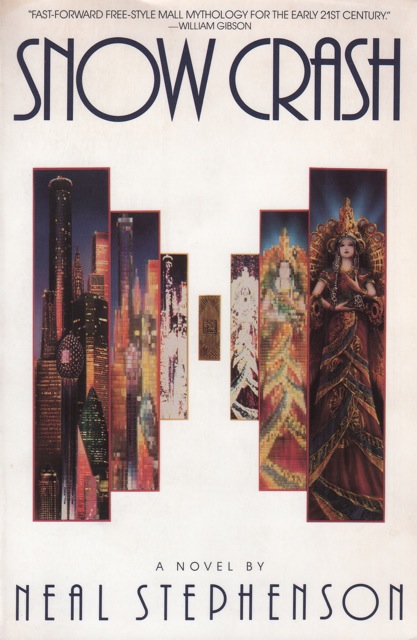
Snow Crash is a 1992 science fiction novel by Neal Stephenson. Like many of Stephenson's novels, its themes include history, linguistics, anthropology, archaeology, religion, computer science, politics, cryptography, memetics, and philosophy.
- Richard Forthrast
series2 books2011
similar byour worldscience fiction+2 more
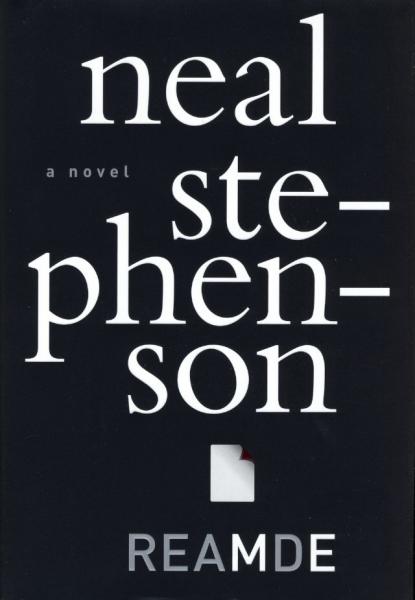
Neal Stephenson's Richard 'Dodge' Forthrast novels open with Reamde, a globe-spanning thriller that starts when ransomware inside an MMORPG economy pulls Richard's extended family into a real-world hostage crisis involving hackers, jihadists and Russian mobsters. The sequel Fall; or, Dodge in Hell shifts registers entirely, following Richard's digitally preserved mind after death into an afterlife simulation built from his scanned brain. The two books share a protagonist and family but differ sharply in genre and scale.
- Shadowrun
series147 books1990
similar bynear future+2 more
Shadowrun's tie-in fiction line spins stories out of the tabletop RPG's setting: a near-future world where corporate cyberpunk has collided with the sudden return of magic, dragons, elves, and other fantasy races. Spanning dozens of authors over more than three decades since Never Deal with a Dragon (1990), the novels mostly follow shadowrunners - deniable mercenary operatives - pulling off corporate espionage and heists among megacorporations, street gangs, and awakened magic. Books are largely standalone or loosely trilogy-linked rather than one continuous narrative.
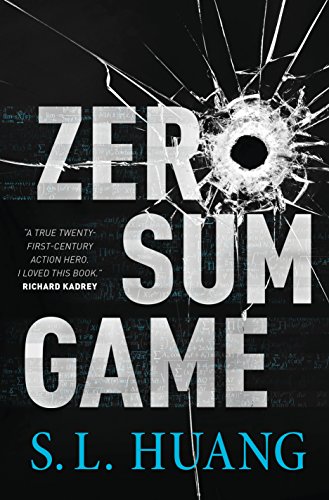
- Cas Russell / Russell's Attic
series5 books2014
similar bytenseour worldscience fictionnear future+1 more
- Avery Cates
series22 books2007
similar bytensenear futurescience fiction+1 more
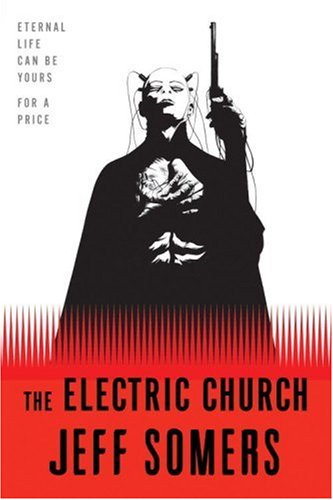
Avery Cates is set in a collapsed future New York ruled by a corrupt, cybernetically augmented security state, following a gun-for-hire navigating the city's violent underworld and its growing rebellion against System Security Force control. Jeff Somers' cyberpunk series, beginning with The Electric Church, follows Cates through escalating jobs and betrayals across six novels.
- Blade Runner Universe
series6 books1968
similar bynear futurescience fiction+2 more
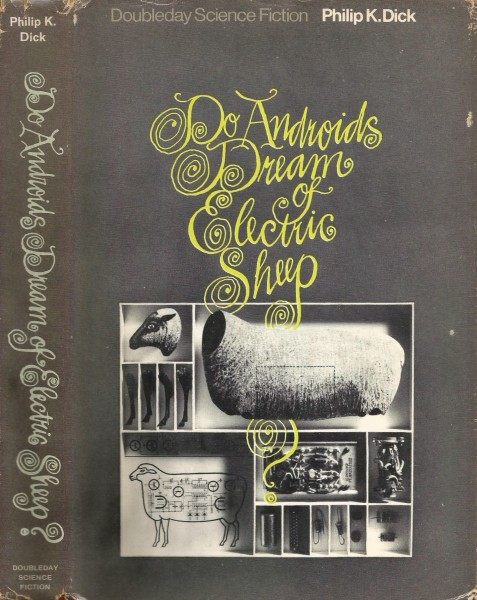
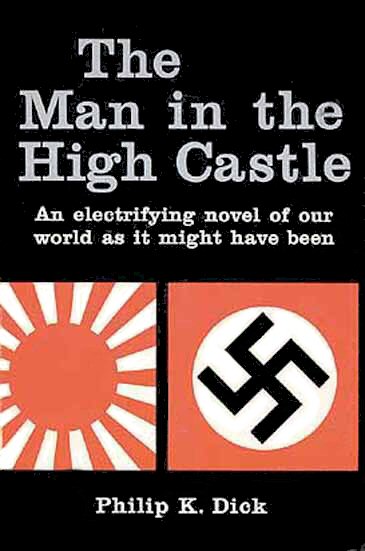
Philip K. Dick's 1968 novel Do Androids Dream of Electric Sheep? follows bounty hunter Rick Deckard as he tracks escaped androids through an irradiated, near-abandoned San Francisco, using the hunt to probe questions of empathy and what separates human from machine. The novel became the basis for Ridley Scott's 1982 film Blade Runner, and Marvel Comics later published an illustrated adaptation of that film. Together the two trace the story's path from prose original to screen and comic-page adaptation.
- The Martian
series2 books2012
similar bytensenear futureour worldscience fiction
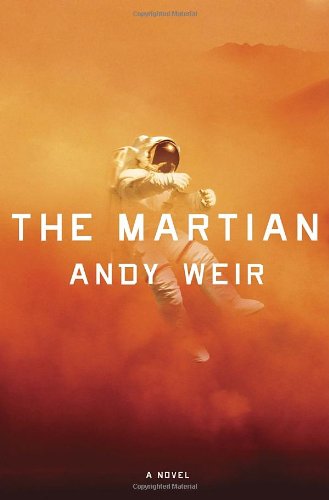
Andy Weir's novel The Martian, first self-published in 2011 before a commercial re-release, follows astronaut Mark Watney after he is stranded alone on Mars when his crew presumes him dead and departs. Using scientific improvisation and dark humor, Watney works to keep himself alive long enough for a rescue to reach him. It is a single, self-contained survival story.
- The Merchant Princes
series14 books2004
similar bytenseour worldscience fiction
The Merchant Princes is a science fantasy and alternate history series of nine novels by British writer Charles Stross. In the series, there exist a number of parallel worlds, all of which are on the same geographical Earth but with different societies at different points of development. Members of a certain bloodline can travel between these worlds along with their immediate possessions. The series largely follows Miriam Beckstein, a technology journalist raised in a familiar "normal" Earth, who discovers she was born in a parallel world and is a member of this bloodline. She quickly becomes entangled in political maneuvering and assassination plots with her estranged family. Miriam uses modern technology and investigative journalism to attempt to stay a step ahead.
- Ready Player One
series3 books2011
similar bynear futurescience fiction+2 more
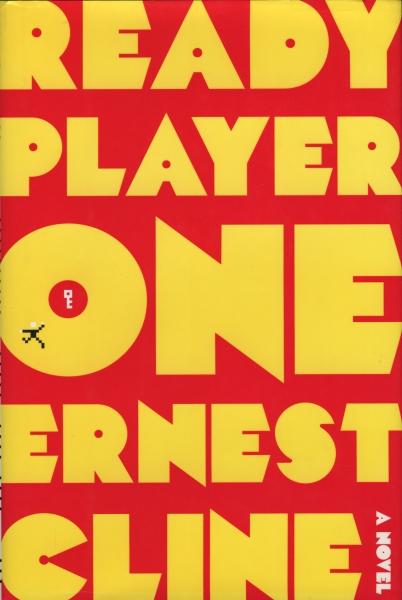
Ernest Cline's Ready Player One (2011) is set in a near-future dystopia where much of humanity escapes into the OASIS, a vast virtual-reality universe, and follows teenager Wade Watts as he chases an Easter egg hidden by the OASIS's late creator in a puzzle-based hunt worth a fortune. The 2020 sequel, Ready Player Two, picks up after Wade has gained control of the OASIS and follows him and his friends into a new quest built around a brain-computer interface the creator left behind.
- Library of America P. K. Dick Collection
series9 books1962
completed
similar byscience fictionnear future+1 more
- Space Merchants
series2 books1953
completed
similar bynear futurescience fiction+1 more
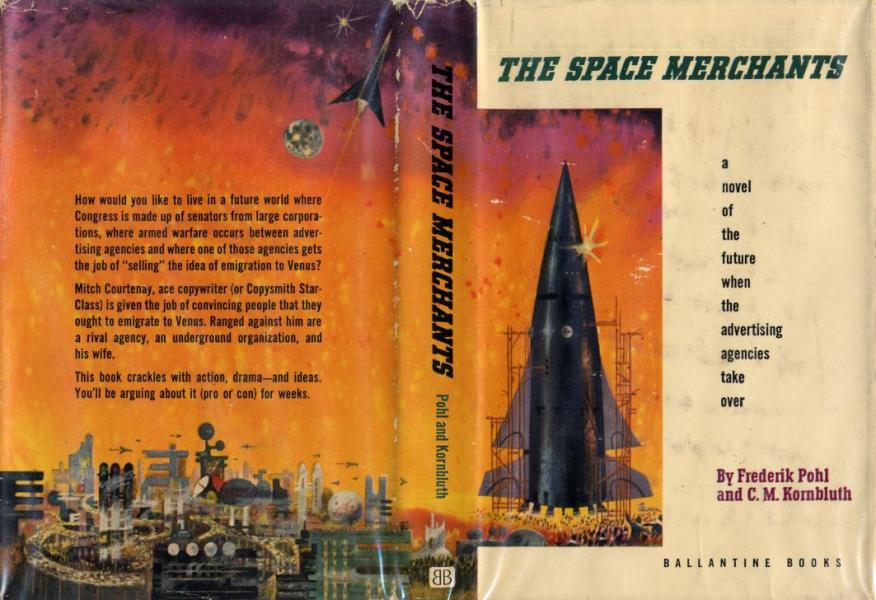
The Space Merchants (1953) is a satirical science fiction novel by Frederik Pohl and C. M. Kornbluth that follows an advertising executive navigating a future where aggressive consumer capitalism has swallowed politics and daily life. The authors reunited three decades later for a direct sequel, The Merchants' War (1984), returning to the same satirical world. Together the two books form a compact bookend pair rather than an ongoing series.
- The Lathe of Heaven
Ursula K. Le Guinstandalone novel1971
similar bytensenear futureour worldscience fiction
The Lathe of Heaven is a 1971 science fiction novel by American writer Ursula K. Le Guin, first serialized in the American science fiction magazine Amazing Stories. It won the 1972 Locus Award for Best Novel and was a finalist for the 1971 Nebula Award for Best Novel and 1972 Hugo Award for Best Novel. Two television film adaptations were released: the PBS production, The Lathe of Heaven (1980), and Lathe of Heaven (2002), a remake produced by the A&E Network.
- City of Bohane
Kevin Barrystandalone novel2011
similar byorganized crimetensenear futurescience fiction
City of Bohane is the debut novel by Ireland's Kevin Barry. The book is set in the year 2053, in a world with minimal technology. It received largely positive reviews and won the 2013 International Dublin Literary Award.