More like Fee
anchored on:horrornorth america
but
- Blue Rose (Peter Straub)
series9 books1985
completed
similar byhorrornorth america+5 more
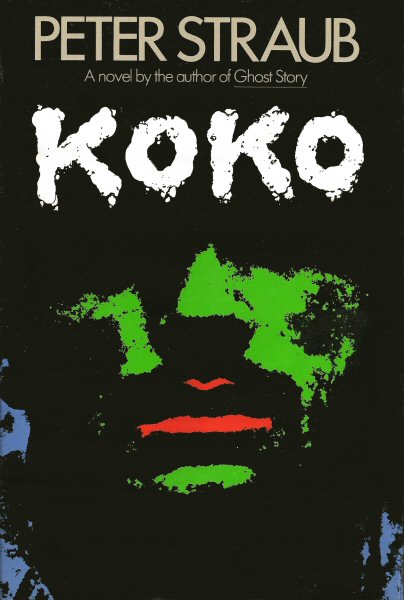
The Blue Rose novels are only loosely a series: Peter Straub's Koko, Mystery, and The Throat are separate suspense novels connected by recurring characters, a shared Midwestern town, and the shadow of a Vietnam-era program called Blue Rose that haunts several of the men at their centers. Koko follows a group of Vietnam veterans hunting a former comrade turned serial killer decades after the war. The 1985 novella Blue Rose and later story collections explore the same program's darker origins.
- The Shining
series5 books1977
similar byhorrorcontemporarynorth america+3 more
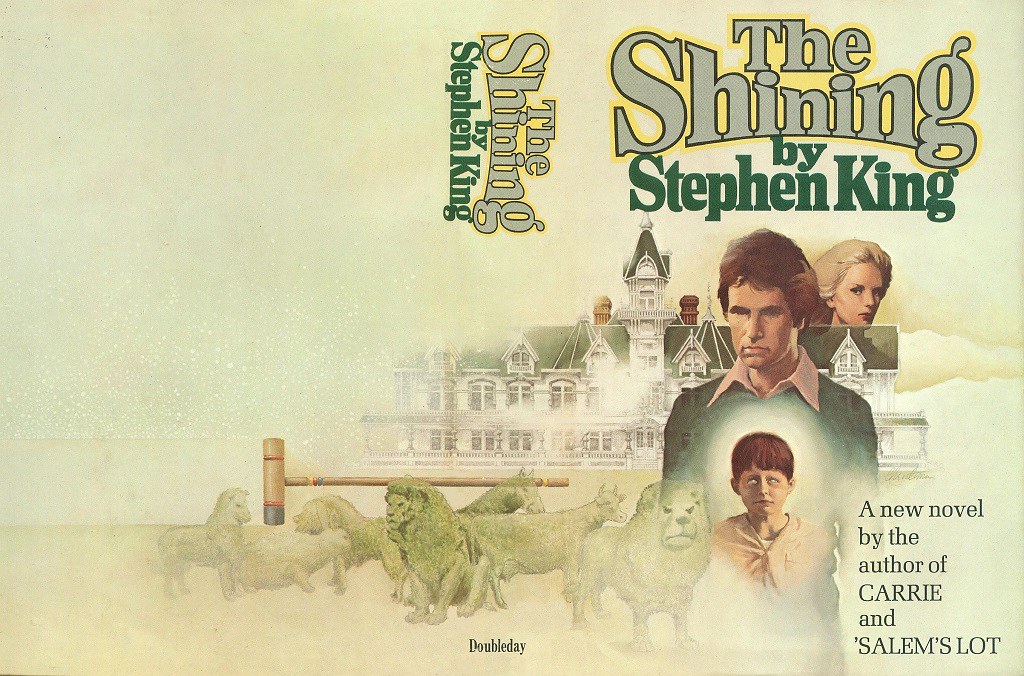
Stephen King's 1977 novel The Shining follows the Torrance family as winter caretakers of the isolated, malevolent Overlook Hotel, where father Jack is gradually consumed by the hotel's influence while his young son Danny's psychic "shining" draws its attention. Doctor Sleep (2013) picks up the story decades later, following Danny as an adult still marked by that childhood ordeal. Together the two form a horror duology spanning nearly forty years of real-world publication.
- Pet Sematary
Stephen Kingstandalone novel1983
similar byhorrorcontemporarynorth americaeeriegrief and loss+1 more
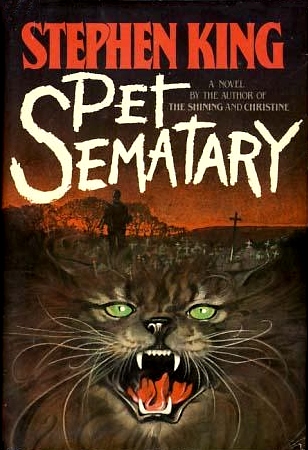
Pet Sematary is a 1983 horror novel by American writer Stephen King. It tells the story of a family moving to Maine and settling closer to a pet cemetery in the woods, which is home to a terrifying force that brings death and sorrow. The novel was nominated for a World Fantasy Award for Best Novel in 1984, and adapted into two films: one in 1989 and another in 2019 as well as several spinoffs.
- Lisey's Story
Stephen Kingstandalone novel2006
similar byhorrorcontemporarynorth americaeeriegrief and losspsychological horror+2 more
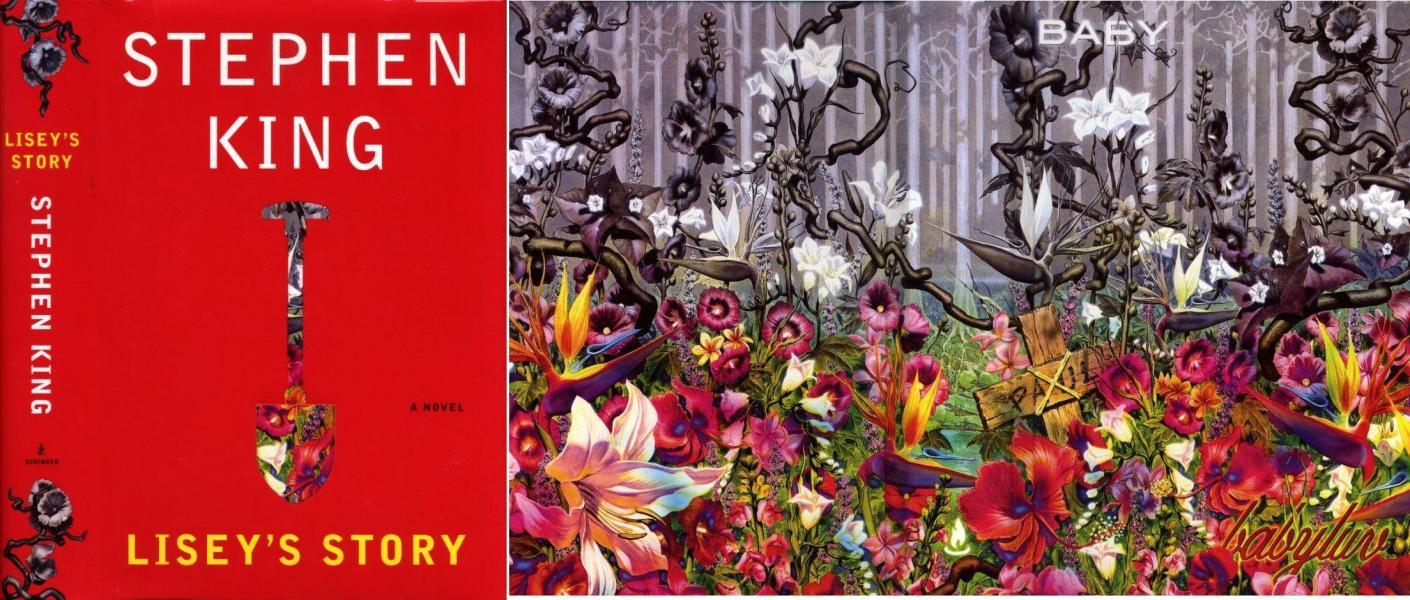
When the widow of a successful author is targeted by a psychopath, she must make use of the ability to shift to a parallel world, which she learned from her husband.
- Jerusalem's Lot
series3 books1975
similar byhorrorcontemporarynorth americaeeriegrief and lossour world
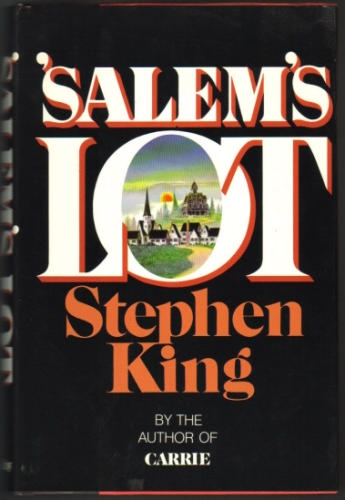
Stephen King's 1975 novel 'Salem's Lot follows writer Ben Mears as he returns to his childhood town of Jerusalem's Lot, Maine, only to discover that its residents are being turned into vampires by a newly arrived stranger. It transplants Gothic vampire horror into a small New England community, tracking that community's collapse under a supernatural siege. It is a single, self-contained novel.
- A Head Full of Ghosts
Paul Tremblaystandalone novel2015
similar byhorrorcontemporarynorth americaeeriemadnessfamily secretspsychological horror+1 more
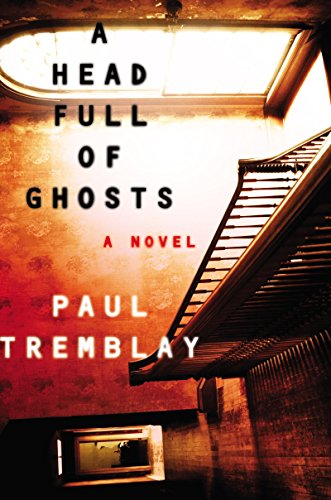
A Head Full of Ghosts is a 2015 horror novel by American writer Paul Tremblay. The plot involves a Massachusetts family under financial and emotional strain while their fourteen-year-old daughter, Marjorie Barrett, exhibits signs of severe mental illness. The Barretts come to believe she is possessed by a demon, and her behavior is publicized when the family stars in a reality TV show. Marjorie's younger sister, Merry Barrett, relays the experiences of her childhood fifteen years later. Themes include elements of Catholic exorcism and reality television exploitation.
- Bag of Bones
Stephen Kingstandalone novel1998
similar byhorrorcontemporarynorth americamadnessgrief and loss+1 more
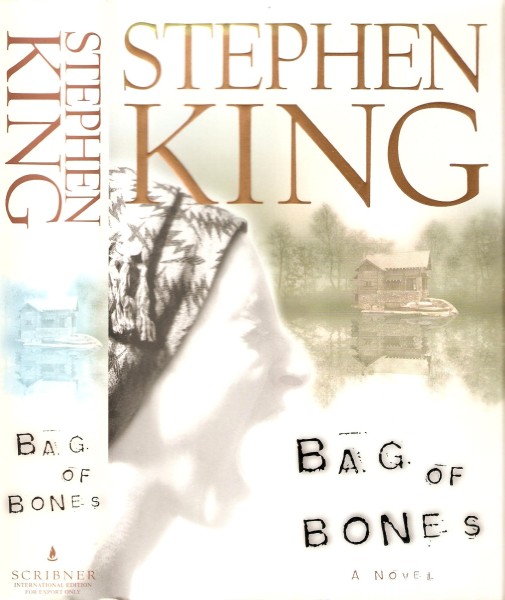
Bag of Bones is a 1998 horror novel by American writer Stephen King. It focuses on an author who suffers severe writer's block and delusions at an isolated lake house four years after the death of his wife. It won the 1999 Bram Stoker Award for Best Novel, the 1999 British Fantasy Award for Best Novel, and the 1999 Locus Award for Best Dark Fantasy/Horror Novel.
- Insomnia
Stephen Kingstandalone novel1994
similar byhorrorcontemporarynorth americaeeriemadnessgrief and loss
When an elderly widower in Maine finds himself with sleep maintenance insomnia, awakening early every morning, this state of exhaustion allows him to perceive a higher state of reality, where he learns of an impending disaster which will shake not just the Earthly reality. but all the higher realities, and which he has been recruited to prevent.
- Duma Key
Stephen Kingstandalone novel2008
similar byhorrorcontemporarynorth americaeeriegrief and losspsychological horror+1 more
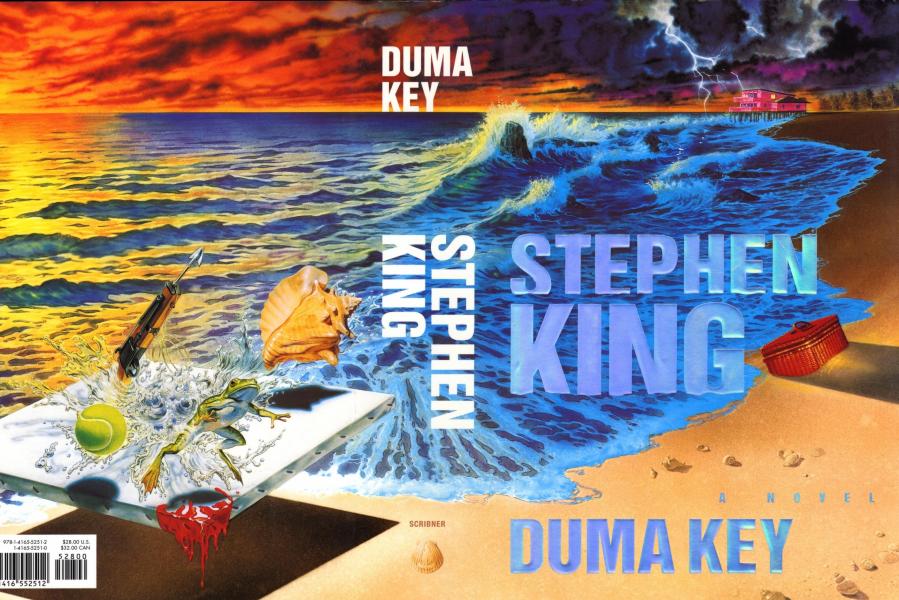
A workplace accident crushes Edgar Freemantle's truck, costs him his right arm, and leaves him with brain damage that scrambles his speech and memory -- severe enough that his marriage doesn't survive. On his psychologist's advice, Edgar relocates alone to a beach house on Duma Key, a quiet stretch of Florida's Gulf coast, taking up sketching as therapy, hiring a local student as an assistant and befriending an elderly heiress with dementia and her caretaker. But the drawings that pour out of him start showing things he has no way of knowing -- secrets about the people he loves, and the island itself. A standalone novel by Stephen King.
- If You Could See Me Now
Peter Straubstandalone novel1976
similar byhorrorcontemporarynorth americaeeriegrief and lossour world+1 more
If You Could See Me Now is a horror novel by American author Peter Straub. It is his third novel and his second work of gothic or supernatural fiction. The book was published by Jonathan Cape in June 1977 – the same London publisher who published Julia in 1976. Coward, McCann & Geoghegan published an American edition also in June 1977.
- The Book of Accidents
Chuck Wendigstandalone novel2021
similar byhorrorcontemporarynorth americaeeriegrief and lossfamily secrets+1 more
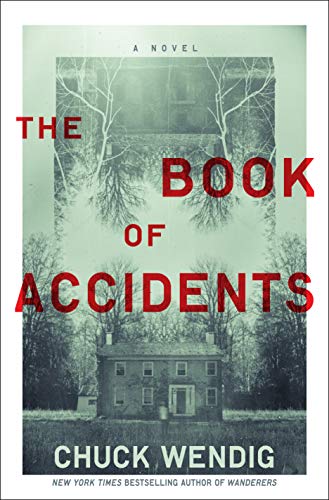
Long ago, Nathan lived in a house in the country with his abusive father—and has never told his family what happened there. Long ago, Maddie was a little girl making dolls in her bedroom when she saw something she shouldn’t have—and is trying to remember that lost trauma by making haunting sculptures. Long ago, something sinister, something hungry, walked in the tunnels and the mountains and the coal mines of their hometown in rural Pennsylvania. Now, Nate and Maddie Graves are married, and they have moved back to their hometown with their son, Oliver. And now what happened long ago is happening again . . . and it is happening to Oliver. He meets a strange boy who becomes his best friend, a boy with secrets of his own and a taste for dark magic. This dark magic puts them at the heart of a battle of good versus evil and a fight for the soul of the family—and perhaps for all of the world. But the Graves family has a secret weapon in this battle: their love for one another.
- Revival
Stephen Kingstandalone novel2014
similar byhorrorcontemporarynorth americaeeriemadness+1 more
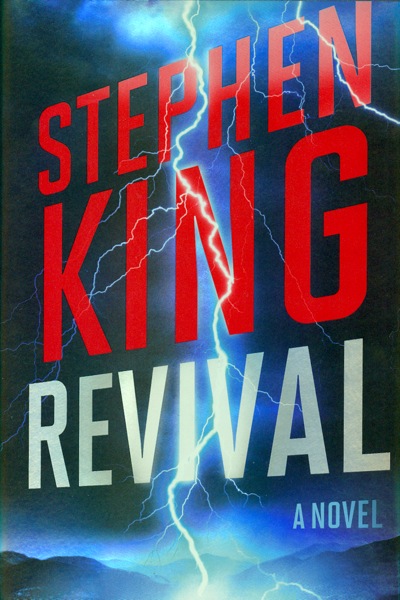
The protagonist details how his life keeps intersecting with that of the man he first met as the pastor of his church in childhood, whose experiments with electricity lead to mastery of a cosmic power which he uses to help people, until his obsession leads to physical and spiritual disaster for all.
- The Grin of the Dark
series2 books2007
similar byhorrorcontemporaryeeriemysteriousmadnesspsychological horrorour world+2 more
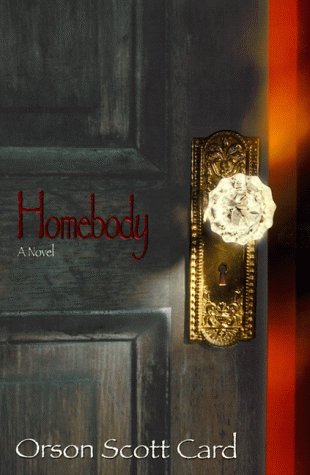
- Homebody
Orson Scott Cardstandalone novel1998
similar byhorrorcontemporarynorth americaeeriemadnessgrief and lossfamily secrets
Homebody (1998) is a horror novel by American writer Orson Scott Card. It takes place in modern-day America.
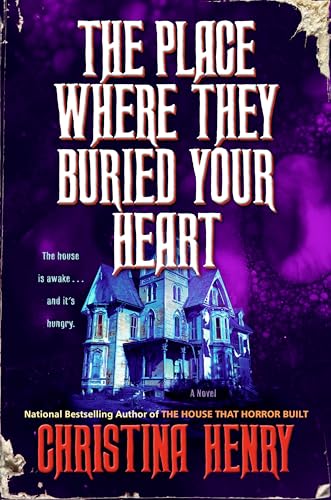
- The Place Where They Buried Your Heart
Christina Henrystandalone novel2025
similar byhorrorcontemporarynorth americaeeriegrief and lossfamily secrets+1 more
On an otherwise ordinary street in Chicago, there is a house. An abandoned house where, once upon a time, terrible things happened. The children who live on this block are told by their parents to stay away from that house. But of course, children don’t listen. Children think it’s fun to be scared, to dare each other to go inside. Jessie Campanelli did what many older sisters do and dared her little brother Paul. But unlike all the other kids who went inside that abandoned house, Paul didn’t return. His two friends, Jake and Richie, said that the house ate Paul. Of course adults didn’t believe that. Adults never believe what kids say. They thought someone kidnapped Paul, or otherwise hurt him. They thought Paul had disappeared in a way that was ordinary, explainable. The disappearance of her little brother broke Jessie’s family apart in ways that would never be repaired. Jessie grew up, had a child of her own, kept living on the same street where the house that ate her brother sat, crouched and waiting. And darkness seemed to spread out from that house, a darkness that was alive—alive and hungry.
- Wildwood Road
Christopher Goldenstandalone novel2005
similar byhorrorcontemporarynorth americaeerieour world+3 more
Michael and Jillian Dansky seemed to have it all--a happy marriage, two successful careers, a bright future. But late one October evening, all that changed. Driving home from a Halloween masquerade, Michael momentarily nods off behind the wheel--and wakes to find nothing is the same.Standing by his car is the little girl he came within a breath of running down. She leads Michael to her "home," an empty house haunted by whispers, and sends him away with a haunting whisper of her own: "come find me." But in the weeks to follow, it's clear that someone--or some thing--doesn't want Michael to find her: ominous figures in grey coats with misshapen faces are following him everywhere. And then Jillian wakes one morning replaced by a cold, cruel, vindictive woman Michael hardly recognizes as his wife. Michael must now search not only for the lost girl, but for a way to find the Jillian he's always loved, and to do so he must return to where the nightmare began. Down an isolated lane where he'll find them, or die trying.From the Trade Paperback edition.
- Castle Rock
series16 books1978
similar byhorrorcontemporarynorth america+1 more
Castle Rock is the fictional Maine town that links a cluster of otherwise separate Stephen King novels and novellas, including The Dead Zone, Cujo, The Dark Half, Needful Things, and Elevation. Rather than telling one continuous story, the books share a setting and occasional recurring figures, such as Sheriff Alan Pangborn, while each follows its own self-contained plot and cast. Any title can be read on its own without needing the others.
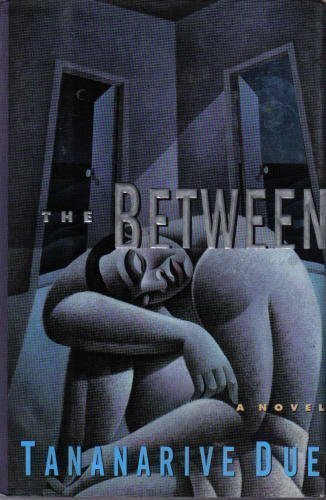
- The Between
Tananarive Duestandalone novel1995
similar byhorrorcontemporarynorth americaeeriemadnesspsychological horror+1 more
The Between is a 1995 horror novel by Tananarive Due and her debut novel. It follows a middle-class African-American husband and father who has lived with the belief that he cheated death as a child. When his family becomes the target of racist threats, he suffers a psychological breakdown intertwined with supernatural elements that blur the boundary between reality and death. It was nominated for the 1996 Bram Stoker Award.
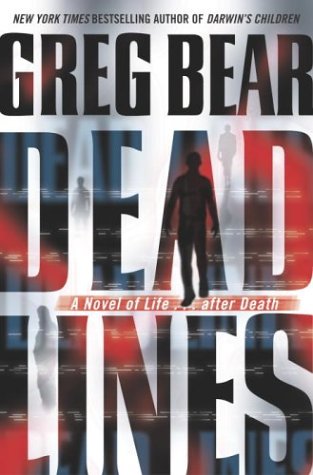
- Dead Lines
Greg Bearstandalone novel2004
similar byhorrorcontemporarynorth americaeeriemadnessgrief and lossour world
From the flaps of the Ballantine first edition: "For the last two years, Peter Russell has mourned the death of one of his twin daughters - who was just ten when she was murdered. Recent news of his best friend's fatal heart attack has now come as another devastating blow. Divorced, despondent, and going nowhere in his career, Peter fears his life is circling the drain. Then Trans comes along. The brainchild of an upstart telecom company, Trans is (as its name suggests) a transcendent marvel, a sleek, handheld interpersonal communication device capable of flawless operation anywhere in the world, at any time. "A cell phone, but not" - transmitting with crystal clarity across a newly discovered, never-utilized bandwidth... and poised to spark a new-technology revolution. When its creators offer Peter a position on their team, it should be a golden opportunity for him. If only he wasn't seemingly going mad. Everywhere Peter turns, inexplicable apparitions are walking before him or reaching out in torment. After a chilling encounter with his own lost child he begins to grasp the terrifying truth: Trans is a Pandora's box that has tapped into a frequency not of this world... but of the next. And now, via this open channel to oblivion, the dead have gained access to the living. For Peter, and for humankind, a long shadowy night of the soul has descended, bringing with it the stuff of a horrifying nightmare from which they may never awaken."
- House of Leaves
series2 books2000
similar bycontemporaryhorrornorth americaeeriemadness+3 more
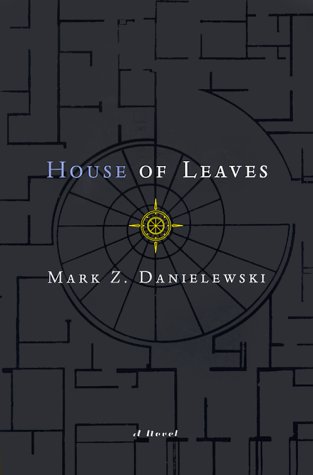
House of Leaves is the debut novel by American author Mark Z. Danielewski, published in March 2000 by Pantheon Books. A bestseller, it has been translated into a number of languages, and is followed by a companion piece, The Whalestoe Letters.
- Ancient Images
Ramsey Campbellstandalone novel1989
similar byhorrorcontemporarynorth americaeeriefamily secretsour world+1 more
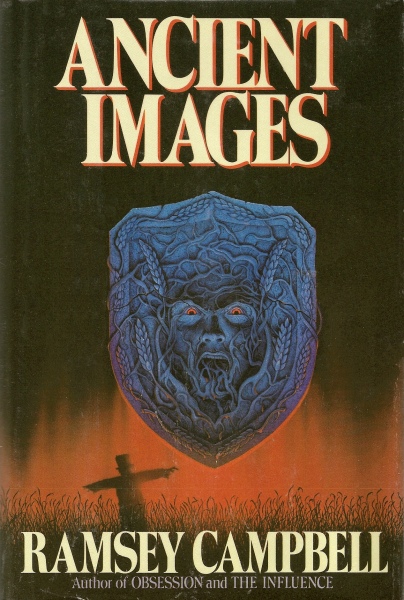
A lost horror film holds the key to terrifying secrets. The legends have persisted for decades of a lost horror film starring Boris Karloff and Bela Lugosi that was never released. Rumor has it that, for reasons long forgotten, powerful forces suppressed the film and burned all known prints. Nobody now living has seen the finished film. But that might no longer be true… Film researcher Sandy Allan is invited to a screening of a newly-discovered sole-surviving print, but then the film disappears and the real horror begins. Sandy’s search for the film leads her to Redfield, a rural community known its rich soil, fertilized by blood from an ancient massacre. But Redfield guards its secrets closely, with good reason. During every step of her search, Sandy is watched, shadowed by strange figures. Is it paranoia, or is someone—or something—determined to keep the lost film and the secrets it reveals buried forever?
- No Doors, No Windows
Joe Schreiberstandalone novel2009
similar byhorrorcontemporarynorth americaeeriemysteriousmadnessfamily secretspsychological horror+1 more
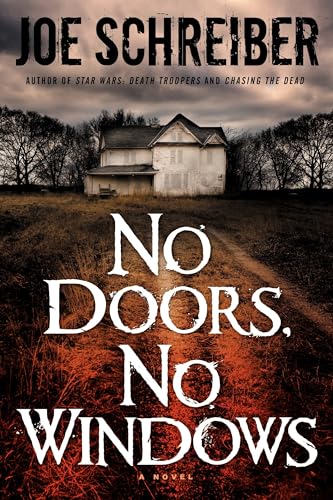
When madness is your inheritance, how do you escape it?Scott Mast thought he got away--first from a family haunted by a dark fate, then from a dull career writing greeting cards in Seattle. But now he has come back to his New Hampshire hometown only to find that his family is in ruins, his nephew needs a home, and a shattering truth is clawing its way into the light.Fifteen years ago, Scott's mother died in a fire. And now the shadowy circumstances--the bodies buried beneath the ashes, the lives ripped apart that fateful day--are starting to be revealed. The answers unspool in the pages of a peculiar old manuscript--an unfinished ghost story written in his father's own hand that beckons Scott out to a strange house in the woods with a lightless corridor that cannot be seen from the outside. Here Scott Mast will uncover all that has been hidden--and perhaps finish his father's unspeakable work.From the Trade Paperback edition.
- Mister Magic
Kiersten Whitestandalone novel2023
similar byhorrorcontemporarynorth americaeeriemadnesspsychological horrorour world+1 more
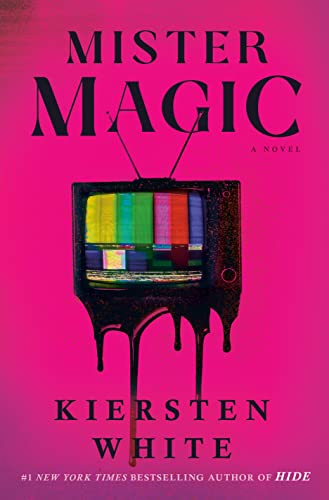
Mister Magic is a 2023 horror novel by American writer Kiersten White. Published by Del Rey, the novel centers upon the five survivors of a children's television series that got cancelled due to a tragic accident.