More like Fire
anchored on:horrorour worldnear futuredarkscience fictionpost-apocalyptic+3 more
but
- I Am Legend
Richard Mathesonstandalone novel1954
similar byour worlddarksurvivalplague and pandemictensehorrorscience fictionpost-apocalyptic
The last human survivor of the vampire epidemic has to maintain his defences against their onslaught, while attempting to research the cause and possibly solution to the plague. Robert Neville is the last living man on Earth... but he is not alone. Every other man, woman and child on the planet has become a vampire, and they are hungry for Neville's blood. By day he is the hunter, stalking the undead through the ruins of civilization. By night, he barricades himself in his home and prays for the dawn. How long can a man survive like this?
- Cell
Stephen Kingstandalone novel2006
similar byour worlddarksurvivalplague and pandemictensehorrorscience fictionpost-apocalyptic
In Cell, King taps into readers fears of technological warfare and terrorism. Mobile phones deliver the apocalypse to millions of unsuspecting humans by wiping their brains of any humanity, leaving only aggressive and destructive impulses behind. Those without cell phones, like illustrator Clayton Riddell and his small band of "normies," must fight for survival, and their journey to find Clayton's estranged wife and young son rockets the book toward resolution.
- The Fireman
Joe Hillstandalone novel2016
similar byour worldnear futuresurvivalplague and pandemicdarktensescience fictionpost-apocalyptic
The Fireman is a novel set in a post-apocalyptic time by American author Joe Hill. The novel, Hill's fourth, tells the tale of a deadly spore that has infected most of the world's population. Hill first spoke of the novel in 2013 in promotional interviews for his then-new novel NOS4A2. The novel was released on May 17, 2016.
- The Passage
series3 books2010
similar bynear futuredarksurvivaltensehorrorscience fictionpost-apocalyptic+1 more
The Passage is a novel series by Justin Cronin. There are three published books in the series. The film rights were acquired by Fox Entertainment Group in 2007 for adaptation into a film trilogy, but after 12 years of development and planning, it was changed to a television series, which premiered in January 2019 and was canceled after the first season.
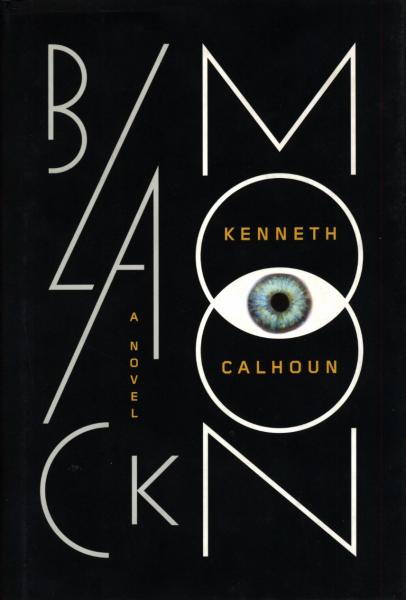
- Black Moon
Kenneth Calhounstandalone novel2014
similar byour worldnear futuredarksurvivalplague and pandemictensescience fictionpost-apocalyptic
Insomnia has claimed everyone Biggs knows. Even his beloved wife, Carolyn, has succumbed to the telltale red-rimmed eyes, slurred speech and cloudy mind before disappearing into the quickly collapsing world. Yet Biggs can still sleep, and dream, so he sets out to find her.
- Deadweight
series3 books2019
similar byour worldnear futuredarksurvivalplague and pandemictensescience fictionpost-apocalyptic+1 more
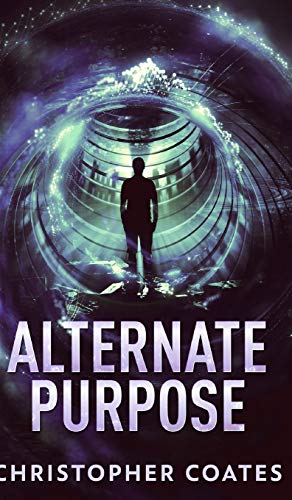
- Alternate Purpose
Christopher Coatesstandalone novel2019
similar byour worldnear futuresurvivalplague and pandemictensescience fictionpost-apocalyptic
• "A global pandemic has devastated the world. Facing a rebuilding time of generations, two scientists come up with a solution: send someone back in time to prevent the horrible accident that released the deadly pathogen on the world. The problem with their discovery? The time travel process is fatal to anyone trying it." ― quoted from this book's product page on Amazon.com as of 2020-05-28.
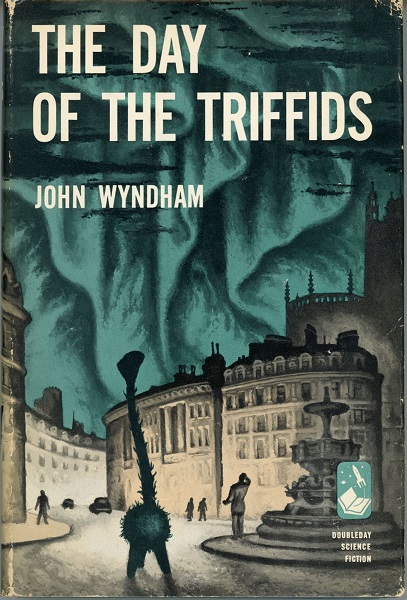
- The Triffids
series3 books1951
similar byour worldsurvivaldarkscience fictionpost-apocalyptic+2 more
John Wyndham's The Day of the Triffids (1951) opens with a meteor-shower-like event that leaves most of Britain's population blind, throwing civilization into collapse just as triffids, an aggressive and mobile species of poisonous plant, become free to hunt the helpless survivors. Simon Clark's authorized sequel The Night of the Triffids (2001) picks up a generation later, narrated by the original protagonist's son as he confronts a new triffid-dominated world, and John Whitbourn's The Age of the Triffids extends the shared setting further still. Together the three novels form a loose post-apocalyptic trilogy built on Wyndham's original premise rather than a tightly plotted single story.
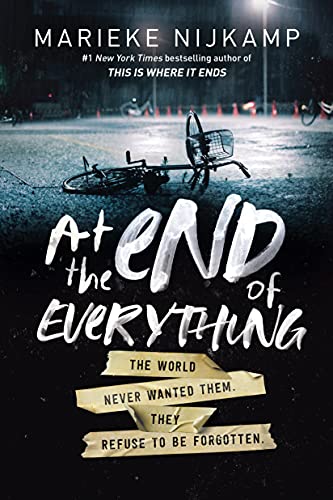
- At the End of Everything
Marieke Nijkampstandalone novel2022
similar byour worldnear futuresurvivalplague and pandemicdarktensescience fictionpost-apocalyptic
The Hope Juvenile Treatment Center is ironically named. No one has hope for the delinquent teenagers who have been exiled there; the world barely acknowledges that they exist. Then the guards at Hope start acting strange. And one day…they don't show up. But when the teens band together to make a break from the facility, they encounter soldiers outside the gates. There's a rapidly spreading infectious disease outside, and no one can leave their houses or travel without a permit. Which means that they're stuck at Hope. And this time, no one is watching out for them at all. As supplies quickly dwindle and a deadly plague tears through their ranks, the group has to decide whom among them they can trust and figure out how they can survive in a world that has never wanted them in the first place.
- Down to a Sunless Sea
David Grahamstandalone novel1979
similar byour worldnear futuredarksurvivaltensescience fictionpost-apocalyptic
David Graham's Down to a Sunless Sea (1979) is a post-apocalyptic novel about a planeload of people during and after a short nuclear war, set in a near-future world where the USA is critically short of oil. The title of the book is taken from a line of the poem Kubla Khan by Samuel Taylor Coleridge.
- The Death of Grass
John Christopherstandalone novel1956
similar byour worldsurvivalplague and pandemicdarktensescience fictionpost-apocalyptic
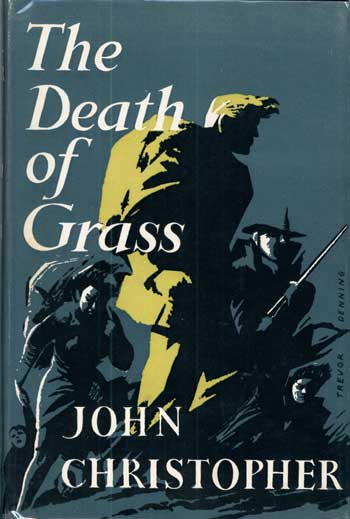
The Death of Grass is a 1956 post-apocalyptic science fiction novel written by the English author Sam Youd under the pen name John Christopher. The plot concerns a virus that kills off grass species, including rice and wheat. The Death of Grass was the first of several post-apocalyptic novels written by Youd. The novel was written in a matter of weeks and liberated him from his day job.
- The Last Gasp
Trevor Hoylestandalone novel1983
similar byour worldnear futuresurvivalplague and pandemicdarktensescience fiction
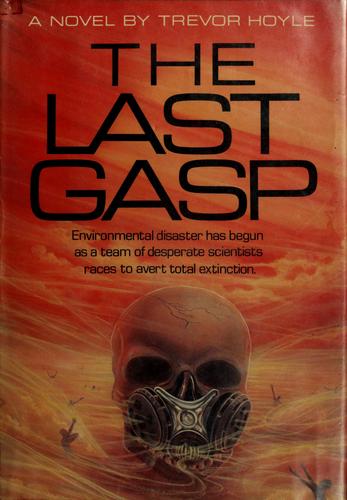
From the flaps of the Crown first edition: "When British marine biologist Gavin Chase stepped out into the windswept wastes at the Halley Bay antarctic research station one morning, the last thing he expected to see was a sled team coming out of nowhere carrying a half-mad, half-frozen Russian scientist babbling an incomprehensible warning. But that warning would threaten the future of the human race and force Chase to make some of the hardest decisions of his life. Months later, at a Geneva environmental conference, Chase meets Cheryl Detrick, the daughter of Theo Detrick, the grand old man of diatom research. Chase, the Detricks, and Soviet scientist Boris Stanovnik theorize that the oxygen-producing microscopic plants of the world's oceans are dying and the level of atmospheric pollutants has finally exceeded the ability of the planet's ecology to recycle them. There is also good reason to believe that the superpowers are planning to wage a new type of environmental warfare. Sooner or later there will be nothing left to breathe. So begins a race against the future. Chase and Cheryl, now lovers, struggle to avert ecological catastrophe as agents of the military-industrial complex hunt them down... and as a growing belt of unbreathable gases spreads outward from the equator, uprooting millions. Their enemies are Lloyd Madden, an insane military mastermind planning to seed the earth with poison and then repopulate it with a race of mutants, and Joseph Earl Gelstrom, a wealthy chemical manufacturer who has Cheryl's father killed to hide his involvement. But Gelstrom himself falls victim to pollution sickness, and he repents. To raise money to finance a research team, Chase must make an unholy alliance with the dying Gelstrom, but this is too much for Cheryl, who leaves him. As more and more of the world becomes uninhabitable, as industries and governments collapse and chaos reigns, as the oceans fill up with dioxin, as the climate changes and mutant life-forms encroach upon the last refuges of humankind, Chase leads a last desperate mission to find and rescue Cheryl and to lead his team of scientists to safety."
- Make Room! Make Room!
Harry Harrisonstandalone novel1966
similar byour worldnear futuresurvivaldarktensescience fiction
Make Room! Make Room! is a 1966 science fiction novel written by Harry Harrison exploring the consequences of both unchecked population growth on society and the hoarding of resources by a wealthy minority. It was originally serialized in Impulse magazine.
- '48
James Herbertstandalone novel1996
similar byour worlddarksurvivalplague and pandemictensehorrorpost-apocalyptic
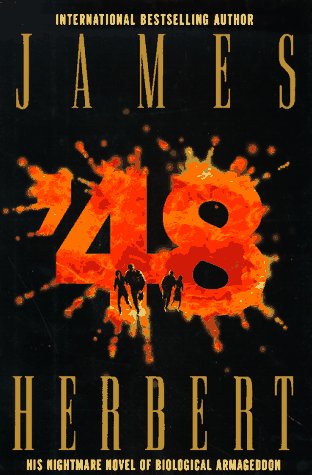
Blood sucking, plague-ridden fascists roam the dark, seething ruins of London. Their prey is the select few who have not fallen victim to the blood-tainting biological warfare dispensed in the final convulsive collapse of the Nazis. A lone hero and his companion dog skirt the corpses, smashed cars, and bitter memories while trying to stay one step ahead of their bloodless fate and complete their mission of obsession. When others who are also relentlessly pursued stumble onto the duo's path, their haunting odyssey takes them underground. Beneath the bowels of a broken city an explosive disaster and a deadly betrayal propel the powers of good into a cataclysmic clash with the forces of evil.
- The Hopkins Manuscript
R. C. Sherriffstandalone novel1939
similar bynear futuredarksurvivalour worldtensescience fictionpost-apocalyptic
The Hopkins Manuscript is a dystopian science fiction novel by R. C. Sherriff, first published in 1939 by Victor Gollancz. In 1958 it was reissued in a revised edition as a Pan paperback under the title The Cataclysm. The novel was later republished under its original title by The Macmillan Company in 1963 and by Persephone Books in 2002.
- Aftermath (Charles Sheffield)
series2 books1998
completed
similar bynear futuresurvivalour worlddarktensescience fiction+2 more
Charles Sheffield's Aftermath duology opens with a near-future Earth devastated by a nearby supernova's radiation, which knocks out electronics and forces survivors to rebuild without most modern technology. Starfire continues years later as a second, larger stellar threat approaches and humanity must recover enough capability to respond. Sheffield, a physicist by training, grounds both books in hard-science consequences of the disaster rather than treating it as mere backdrop.
- Last Day
Bryan Smithstandalone novel2018
similar byour worldnear futuredarksurvivaltensescience fictionpost-apocalyptichorror+1 more
"The last day of the world starts out like any ordinary day. Everything seems normal. Then news breaks of an imminent killer asteroid strike and everything changes forever. With the human race facing sudden extinction, the world descends into chaos. Now that no one has anything to lose, hidden horrors are unearthed and brought to the light. Serial killers and other predators no longer have to hide, indulging their dark appetites without fear of reprisal. The seemingly meek reveal inner monsters and go on killing sprees. The world is engulfed in carnage and blood flows freely in the streets. A few seek to rise above the madness and find a way to do the impossible—survive the end of the world." — quoted from this book's product page on Amazon as of 2018-04-15.
- The Animals in That Country
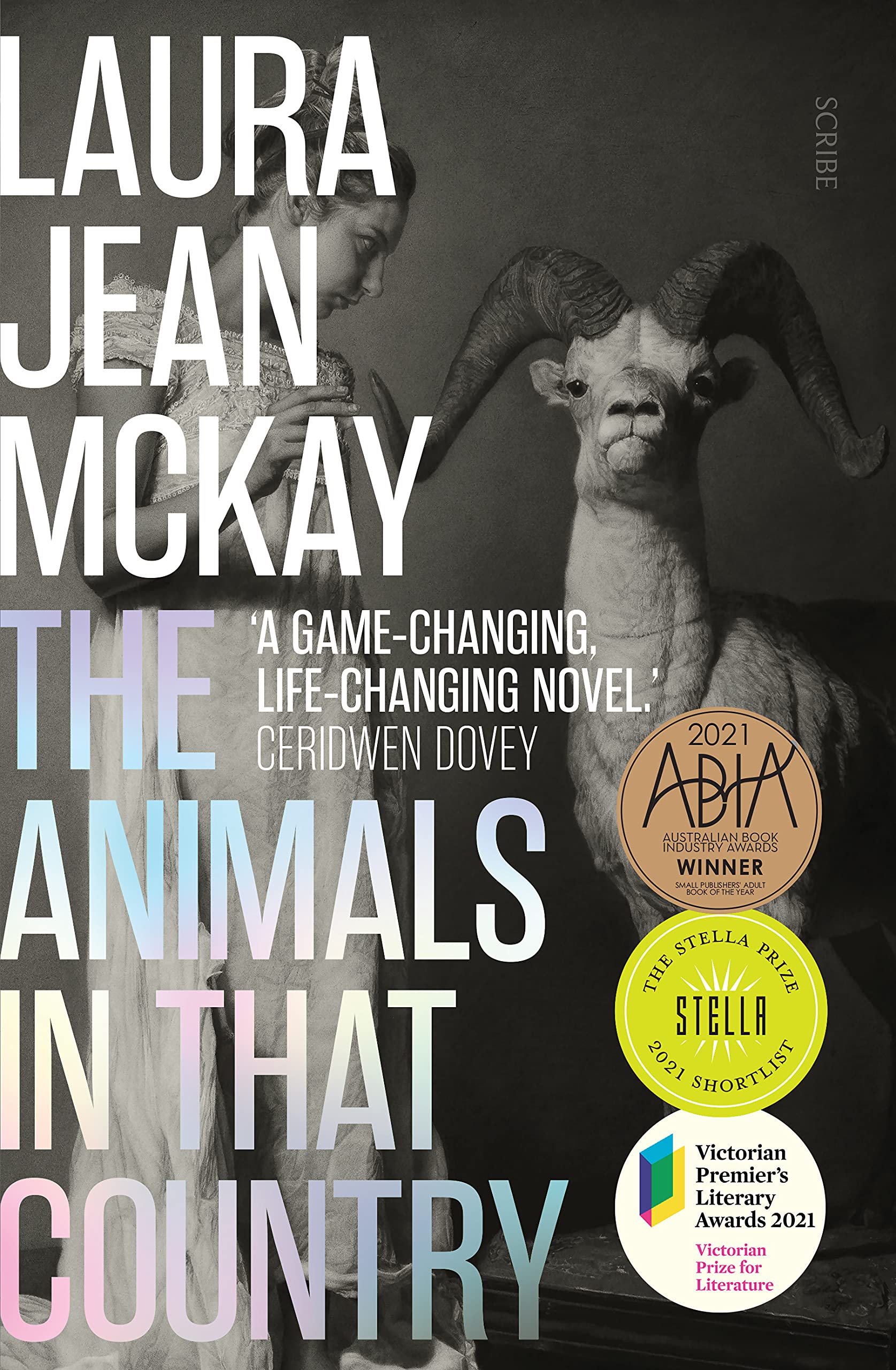
Laura Jean McKaystandalone novel2020
similar byour worldnear futuredarksurvivalplague and pandemicscience fictionpost-apocalyptic
The Animals in That Country is a 2020 science fiction novel by Australian writer Laura Jean McKay, published by Scribe. The novel won the Aurealis Award for Best Science Fiction Novel (2020), Arthur C. Clarke Award (2021), Victorian Prize for Literature (2021), and Victorian Premier's Prize for Fiction (2021).
- Swan Song
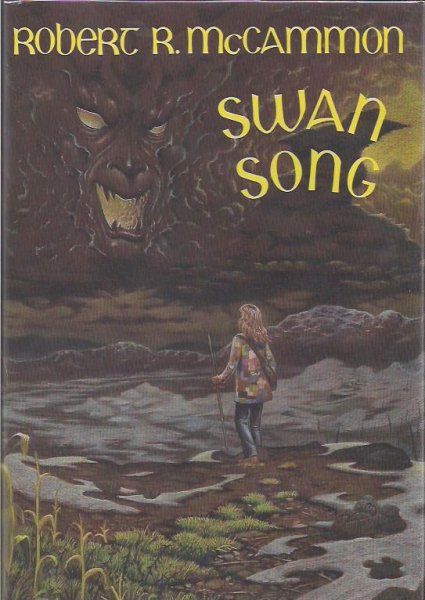
Robert R. McCammonstandalone novel1987
similar bynear futuredarksurvivaltensehorrorscience fictionpost-apocalyptic
Swan Song is a 1987 post-apocalyptic horror novel by American novelist Robert R. McCammon. Published June 1, 1987, the novel describes the aftermath of a nuclear war that provokes an evolution in humankind. Swan Song won the 1987 Bram Stoker award, tying with Stephen King's Misery.
- The Twilight of Briareus
Richard Cowperstandalone novel1974
similar byour worldnear futuresurvivaldarktensescience fictionpost-apocalyptic
It took the light of the supernova Briareus Delta one hundred and thirty-two years to cross space to the Solar System. But the night it exploded in our sky was a night that would never be forgotten in the history of the world. For in that bath of cosmic particles, all things changed. Not only the weather and the flora and fauna, but humanity itself received what seemed to be its death sentence. Sterility signalled the end of man, until the strange children known as the Zeta-mutants began to appear. Richard Cowper, author of Clone and other sf novels, has produced in this new novel a gripping story of how one man coped with the terrible dilemma of his world - how he attempted to solve the problem of the girls with the amber eyes and what he did when he found out what he himself had become during The Twilight of Briarseus. (from the back cover of the DAW Books first printing)
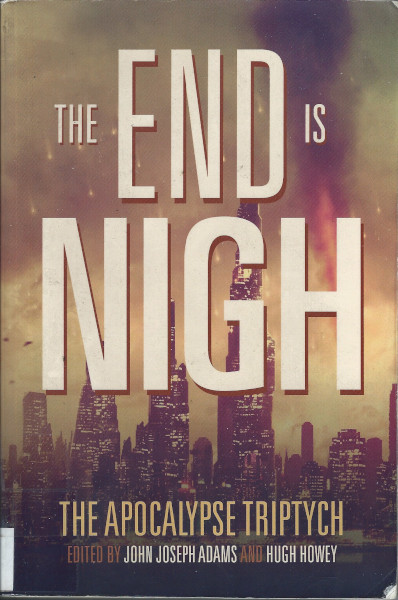
- The Apocalypse Triptych
series4 books2014
similar byour worldnear futuresurvivaldarktenseplague and pandemicscience fictionpost-apocalyptic
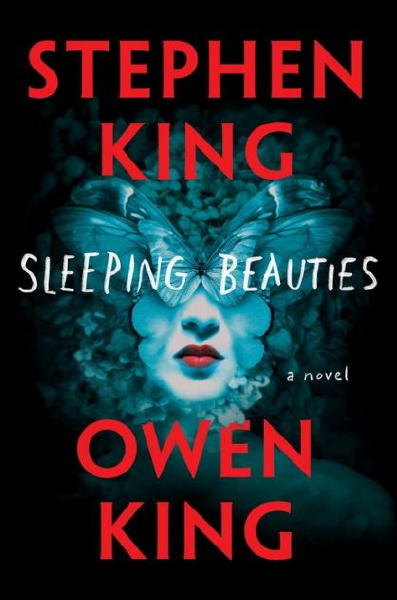
- Sleeping Beauties
Stephen King & Owen Kingstandalone novel2017
similar bydarksurvivalplague and pandemictensehorrorscience fiction+1 more
Sleeping Beauties is a novel by Stephen King and his son Owen King, released on September 26, 2017. The book was first mentioned during a promotional appearance on the CBC radio program q. Of the novel, Stephen King stated, "Owen brought me this dynamite idea and I've collaborated a couple of times with Joe. I'm not going to say what the idea is because it's too good."
- Mother of Storms
John Barnesstandalone novel1994
similar byour worldnear futuresurvivaltensescience fictionpost-apocalyptic+1 more
From the flaps of the Tor first edition: "It is 2028. A strike to destroy an illegal Arctic weapons cache has a catastrophic side effect. Massive amounts of energy are liberated from the polar ice, suddenly warming the Earth's climate. In the middle of the Pacific, a gigantic hurricane thousands of miles across is forming, larger than any in human history. A storm with winds of supersonic speed. A storm that changes direction at whim. A storm that refuses to die. A storm so vast it spawns dozens more in its wake... Blinded by intrigue, expedience, and greed, the world's politicians and power brokers have ignored the killer storms threat until it is too late. Already the death toll is in the tens of millions, as it savages the Pacific coast, while its devil's brood of smaller storms are wreaking havoc across the face of the planet. While the survivors scramble for advantage, a handful of courageous men and women undertake a daring, desperate plan to save humanity from total destruction - a plan so visionary it may alter forever the future of the human race."
- The Children's Hospital
Chris Adrianstandalone novel2006
similar byour worldnear futuredarksurvivalplague and pandemicscience fictionpost-apocalyptic
The Children's Hospital is the second novel by Chris Adrian, published on August 22, 2006 by McSweeney's. One critic called it a "dark, hilarious .. epic novel" that "can be gruesome."