Loreful
HomeDiscover
Search series, authors…⌘K
Loreful

Reading orders for SF/F series and shared universes — with your place kept in every one.

Explore

UniversesSeriesWorksAuthorsAtlas

Help

FAQAboutSite map

Account & legal

Sign inCreate accountPrivacyTerms

Data

Built on ISFDB, Wikipedia, Wikidata and Open Library. Curated reading orders carry their reasoning on the page; the rest follow publication order. Data sources & licenses

© Loreful · data: ISFDB · CC BY

More like Firebrand

anchored on:historical fantasybritish islesrenaissance and early modernyoung adultwitchesfae+3 more

but

Mood

The mood the book leaves you in.

  • The reading experience is propelled by journeys, exploration, and physical risk; excitement and forward momentum dominate over dread or introspection.
  • Joy and loss are deliberately mixed; the resolution grants characters something real while taking something else away, leaving warmth and sorrow together.
  • The book demands work from the reader — dense prose, difficult structure, unfamiliar ideas, or morally uncomfortable material — as part of its intended effect.
  • Grim events, cruelty, or despair dominate the atmosphere, and the book does not soften them with comfort or comic relief.
  • The atmosphere is quietly unsettling — wrongness, unease, and the uncanny pervade the book without necessarily escalating into overt horror.
  • The book is built to move the reader; character feeling is foregrounded and major scenes aim at a strong emotional response.
  • Humor is a primary aim and the prose plays for laughs — comic situations, wit, or dialogue produce sustained comedy, not occasional levity.
  • The book insists that things can improve; effort and decency are shown to matter, and the arc bends toward better outcomes even through hardship.
  • The book teaches as it goes — real facts, history, science, or craft are conveyed in enough depth that learning is part of the reading experience.
  • The book is designed to uplift and motivate, presenting perseverance or achievement in a way that invites the reader to aspire or act.
  • The overall register is cheerful and easygoing; stakes are kept gentle and the book avoids dwelling on pain or dread.
  • Withheld information drives the experience; the book sustains enigmas and secrets the reader wants resolved, whatever its genre.
  • The book is contemplative and inward-looking, giving more weight to thought, memory, and meaning than to external events.
  • The book works as comfort reading — low tension, a soothing pace, and an atmosphere the reader can unwind in.
  • Grief, loss, or melancholy set the dominant register, and the book lets sorrow stand rather than resolving it into comfort.
  • Sustained suspense is the point; the book keeps the reader braced for what happens next through danger, pressure, or impending revelation.
  • Playful invention and charm define the register — fanciful conceits, light absurdity, and a narration that delights in its own oddity.

About

What the story runs on.

  • Stories in which extraterrestrial beings are central — as characters, cultures, or the object of the plot.
  • Stories structured as a quest — a journey undertaken to find, deliver, or destroy something of great import.
  • Stories in which staying alive against nature, catastrophe, or scarcity is the central problem.
  • Stories of lovers kept apart by law, family, faith, or station, where the obstacle to love is the plot.
  • Stories in which a friendship — its making, testing, or loss — is the emotional center.
  • Stories of growing up — a young protagonist crossing from childhood into adult knowledge and responsibility.
  • Stories about who a character truly is — self-discovery, doubled lives, and the search for a self.
  • Stories about mourning — living through the death of a loved one and what loss does to the survivors.
  • Stories in which a buried family truth — hidden parentage, crimes, or shames — surfaces and reorders the present.
  • Stories driven by maneuvering for power — factions, conspiracies, and statecraft conducted in shadow.
  • Stories in which war itself is the subject — combat, occupation, and what warfare does to soldiers and civilians.
  • Stories organized around investigating a killing — the case, the clues, and the pursuit of the killer, in any genre's clothing.

Shelf

Where it sits in the library.

    • Fiction built on magic or other supernatural elements that have no scientific explanation.
    • Secondary-world fantasy at large scale, where the fate of nations or the world turns on the protagonists' struggle.
    • Fantasy set in a recognizably modern city or contemporary world where the supernatural intrudes on everyday life.
    • Fantasy that blends in horror's atmosphere and imagery, keeping a fantastical frame around grim or frightening material.
    • Action-driven fantasy following warriors or rogues with personal stakes against sorcerous threats, rather than world-spanning conflicts.
    • Fantasy set in a real historical period or a close analogue of one, with magic woven into the era.
    • Fantasy in which protagonists cross from the ordinary world into another world through a portal or similar passage.
    • Fiction that retells or reworks a traditional fairy tale in a new form or setting.
    • Fantasy drawing directly on myths, legends, and folklore, retelling them or building on their figures and logic.
    • Fantasy of ghosts, vampires, shapeshifters, psychics, and similar phenomena, usually set in an otherwise ordinary world.
    • Fiction mixing science-fictional trappings with overtly magical or impossible elements in one setting.
    • Low-stakes fantasy emphasizing comfort, community, and everyday pleasures over conflict and peril.
    • Speculative fiction of pervasive moral ambiguity, violence, and cynicism that rejects heroic conventions — fantasy and SF alike.
      • Fiction that extrapolates from science and technology — future societies, space travel, or speculative inventions — within at least nominally natural laws.
      • Science fiction of interstellar scope — starships, galactic polities, and adventure across star systems.
      • Science fiction committed to scientific rigor, where technical plausibility constrains the story.
      • Science fiction centered on armed forces and warfare, told largely from a military point of view.
      • Science fiction of networked, corporate-dominated near futures, pairing high technology with social decay.
      • Science fiction styled on nineteenth-century steam-powered technology, often in a Victorian or pseudo-Victorian setting.
      • Fiction depicting an oppressive or catastrophic society, presented as a warning.
      • Fiction set after civilization's collapse, following survivors in the ruins of the old world.
      • Fiction in which characters move between past and future, and the mechanics or consequences of that travel drive the plot.
      • Fiction exploring a world where a historical event went differently and history diverged from ours.
      • Science fiction about humanity's first encounter and communication with an alien intelligence.
      • Science fiction in which extraterrestrial forces attack or occupy Earth and humanity resists.
      • Fiction whose primary aim is to frighten or unsettle the reader through dread, menace, or the monstrous.
      • Horror of vast, indifferent, incomprehensible entities before which humanity is insignificant, in the Lovecraft tradition.
      • Horror of decaying houses, buried family secrets, and oppressive atmosphere in the Gothic literary tradition.
      • Horror centered on hauntings and the returning dead.
      • Horror located in the mind — paranoia, obsession, and unreliable perception rather than external monsters.
      • Horror built around the reanimated dead and survival amid their outbreaks.
      • Horror defined by explicit, transgressive gore that refuses to cut away from violence.
      • Speculative fiction of the strange and uncanny that resists both natural explanation and standard genre categories.
      • Fiction organized around solving a crime or puzzle, typically following an investigator toward the identification of a culprit.
      • A puzzle-first mystery that lays out clues so the culprit's identity can be deduced before the reveal.
      • Crime fiction of moral ambiguity, fatalism, and hard-edged style, set among the corrupt and the doomed.
      • A mystery following the realistic routines of police work — forensics, interviews, and case-building.
      • A gentle mystery with an amateur sleuth, a small community, and violence kept off the page.
      • A mystery set in a past era, where the investigation works within that period's methods and society.
      • Fast-paced fiction driven by imminent danger, pursuit, or high-stakes conspiracy, built to sustain tension.
      • A thriller of espionage — agents, tradecraft, and intelligence services in conflict.
      • A thriller centered on lawyers and the courtroom, where litigation carries the suspense.
      • A thriller driven by detailed contemporary or near-future technology, often military or scientific.
      • A thriller whose tension comes from mental states and manipulation between characters rather than external action.
      • Fiction whose central plot is a romantic relationship and its development toward an emotionally satisfying resolution.
      • Romance in which one or both partners are supernatural beings, blending fantasy elements into the love story.
      • A fantasy-romance hybrid in which the romantic arc and the fantasy plot carry equal weight.
      • Romance set in a past era, with courtship shaped by the period's society and manners.
      • Romance set in the present day, without supernatural or historical elements.
      • Fiction set in a real past period, where the historical setting materially shapes characters and events.
        • General and literary fiction emphasizing prose style, character interiority, or formal ambition over genre plot conventions.
        • Fiction in a realistic world where magical events occur and are treated as ordinary, in the tradition of Latin American literature.
        • Fiction that ridicules people, institutions, or society in order to criticize them.
        • Fiction of dreamlike, irrational imagery and logic that breaks from realistic representation.
        • Fiction that plays with narrative convention through metafiction, fragmentation, and self-reference.
        • Fiction propelled by journeys, exploration, and physical peril, where action and survival carry the plot.
        • Adventure fiction of ships and seafaring — naval engagements, voyages, and life at sea.
        • Fiction of the American frontier West — gunmen, ranchers, and lawmen, typically in the late nineteenth century.
        • Fiction centered on soldiers, campaigns, and the experience of warfare, historical or imagined.
          • Fiction written primarily to amuse, using comedic situations, wit, or parody as its organizing principle.
            • Multi-generational fiction following a family or dynasty across decades, with inheritance and kinship as the through-line.
              • Fiction whose world runs on explicit game mechanics — levels, stats, and skills that characters can see and exploit.
                • Fiction about costumed or superpowered heroes and their conflicts with comparable villains.

                Practical

                How long a commitment, whether it stands alone, and whether it has finished.

                Tap a chip to ask for it · tap again to rule it out · once more to clear. Numbers show what would be left.

                • Cover of The Wise Woman
                  The Wise Woman

                  Philippa Gregory · standalone novel · 1992

                  similar byhistorical fantasybritish islesrenaissance and early moderndarkwitchesfaith and religion

                  This is a haunting story of a woman’s desire in a time of turbulence. Alys joins the nunnery to escape hardship and poverty but finds herself thrown back into the outside world when Henry VIII’s wreckers destroy her sanctuary. With nothing to support her but her looks, her magic and her own instinctive cunning, Alys has to tread a perilous path between the faith of her childhood and her own female power. When she falls in love with Hugo, the feudal lord and another woman’s husband, she dips into witchcraft to defeat her rival and to win her lover, but finds – as her cynical old foster-mother had advised – that magic makes a poor servant but a dominant master. Since heresy against the new church means the stake, and witchcraft the rope, Alys’s danger is mortal. A woman’s powers are no longer safe to use!

                • Cover of The Tudor Witch
                  The Tudor Witch

                  series · 3 books · 2012

                  similar byhistorical fantasyrenaissance and early modernbritish islestensewitchesyoung adult

                • Cover of Onyx Court
                  Onyx Court

                  series · 7 books · 2008

                  similar byhistorical fantasybritish islestensefae+2 more

                  Marie Brennan's Onyx Court series is set in a faerie court hidden beneath London, ruled across the centuries by successive fae monarchs shadowing the human city above. It opens with Midnight Never Come, set in Elizabethan England under Elizabeth I's faerie counterpart Invidiana, and continues across later centuries through In Ashes Lie, A Star Shall Fall, and With Fate Conspire.

                • Cover of The Perilous Gard
                  The Perilous Gard

                  Elizabeth Marie Pope · standalone novel · 1974

                  similar byhistorical fantasybritish islesrenaissance and early modernfaecoming of age

                  In 1558 while imprisoned in a remote castle, a young girl becomes involved in a series of events that lead to an underground labyrinth peopled by the last practitioners of druidic magic.

                • Cover of Fawkes
                  Fawkes

                  Nadine Brandes · standalone novel · 2018

                  similar byhistorical fantasybritish islesrenaissance and early moderndarktenseyoung adult

                  In 17th century England, Thomas Fawkes is infected with the Stone Plague, and the only cure is to join his father's Gunpowder Plot to assassinate the king of England. The problem: Doing so will destroy the family of the girl Thomas loves. But backing out of the plot will send his father and the other plotters to the gallows.

                • Cover of Dark Birthright Saga
                  Dark Birthright Saga

                  series · 3 books · 2006

                  similar byhistorical fantasybritish islesrenaissance and early moderndark+2 more

                • Cover of The Armor of Light
                  The Armor of Light

                  Melissa Scott & Lisa A. Barnett · standalone novel · 1988

                  similar byhistorical fantasybritish islesrenaissance and early moderntensewitches+1 more

                  From the back cover of the Baen first edition: "A Battle of Wizardry From A History Not Quite Our Own... God save the King of Scotland - The heavy summer air of 1593 is full of portents for Elizabeth, England's Queen and James VI, King of Scotland. A coven of witches secretly controlled by the Wizard Earl of Bothwell has summoned a storm to sink the ship that bears James' bride to Scotland. Though the ship made port, the success of their summoning has emboldened them; the coven is now launching wizardly attacks on the King himself - and James is terrified. From Satan's Wizard Earl - The King has his protectors - not least the Queen of England herself - but not even Elizabeth's secret service and her champion, the redoubtable Sir Philip Sidney, can be on watch every instant. Eventually a trap is sprung, and King James is at the mercy of the satanic Bothwell's deadly spells..."

                • Cover of I, Coriander
                  I, Coriander

                  Sally Gardner · standalone novel · 2005

                  similar byhistorical fantasybritish islesrenaissance and early moderncoming of age

                  I, Coriander is a 2005 young adult novel by Sally Gardner, a historical fantasy set in London at the time of the Puritan Commonwealth. The novel traces the time period of the beheading of Charles the 1st through the Restoration of Charles the 2nd. It won the Nestlé Children's Book Prize Gold Award. It was also shortlisted for the British Children's Book of the Year and the Stockton Children's Book of the Year, as well as longlisted for the Carnegie Medal.

                • Cover of Witch Wood
                  Witch Wood

                  John Buchan · standalone novel · 1927

                  similar bybritish islesrenaissance and early moderndarktensefaith and religion+1 more

                  Witch Wood is a 1927 historical novel by the Scottish author John Buchan, set in the Scottish Borders during the 17th-century Wars of the Three Kingdoms. It follows the story of a young Church of Scotland minister, newly-arrived in a rural parish, who is undermined by devil-worshipping parishioners. A substantial part of the dialogue is in Scots.

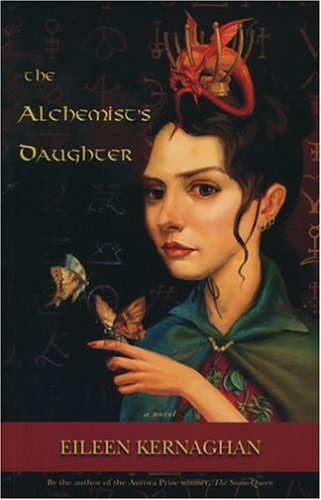
                • Cover of The Alchemist's Daughter
                  The Alchemist's Daughter

                  Eileen Kernaghan · standalone novel · 2004

                  similar byhistorical fantasybritish islesrenaissance and early moderncoming of ageyoung adult+1 more

                  The Alchemist's Daughter is a young adult historical fantasy, set in Elizabethan England a year before the Spanish Armada, in which Sidonie Quince attempts to save her father from the consequences of a rash night with the Queen. It was written by Eileen Kernaghan and published in 2004.

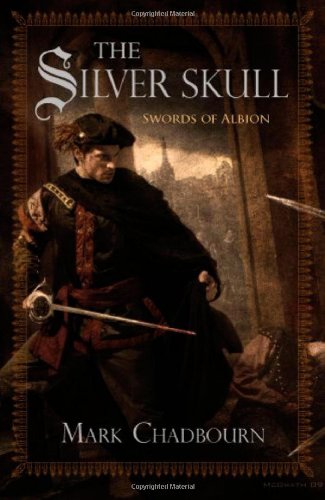
                • Cover of Swords of Albion
                  Swords of Albion

                  series · 4 books · 2007

                  similar byhistorical fantasybritish islesrenaissance and early moderntense

                • Cover of Witchdame
                  Witchdame

                  Kathleen Sky · standalone novel · 1985

                  similar byhistorical fantasyrenaissance and early moderndarktensebritish isleswitches

                  Historical fantasy, where the witchlords invaded "Englene" in 1066. This story is set about 1530 as Elizabeth, of woodwitch blood, is prophesied to succeed her father, King Richard as "the dark forces" muster against her.

                • Cover of The Familiar
                  The Familiar

                  Leigh Bardugo · standalone novel · 2024

                  similar byhistorical fantasyrenaissance and early moderntensewitches

                  The Familiar is a historical fantasy novel written by Leigh Bardugo, published by Flatiron Books on April 9, 2024. The novel follows Luzia Cotado, a scullion with a gift for "little miracles", who must use her magic to survive and gain favor in the royal court all while hiding the truth about her ancestry. The book is not part of a series.

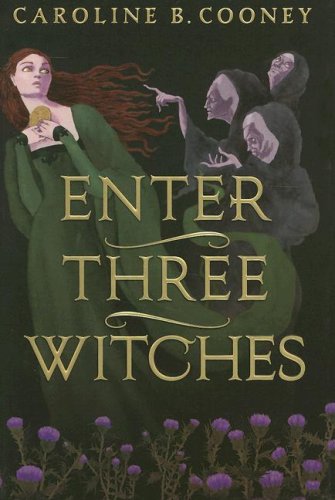
                • Cover of Enter Three Witches
                  Enter Three Witches

                  Caroline B. Cooney · standalone novel · 2007

                  similar byhistorical fantasybritish islesdarktenseyoung adult+1 more

                  In this story based on the Shakespeare play, "Macbeth," and set in eleventh-century Scotland, Lady Mary, the fourteen-year-old ward of Lord and Lady Macbeth, is sent to live with Lady Macbeth to learn the ways of nobility, but after Mary's father is hanged as a traitor, her fate is in the hands of her ruthlessly ambitious guardians.

                • Cover of Gemma Doyle
                  Gemma Doyle

                  series · 4 books · 2003

                  similar byhistorical fantasybritish islescoming of ageyoung adult+1 more

                  The Gemma Doyle Trilogy is a trilogy of fantasy novels by American writer Libba Bray. They are told from the perspective of Gemma Doyle, a girl in the late nineteenth century. The Gemma Doyle Trilogy consists of three books: A Great and Terrible Beauty, Rebel Angels, and The Sweet Far Thing.

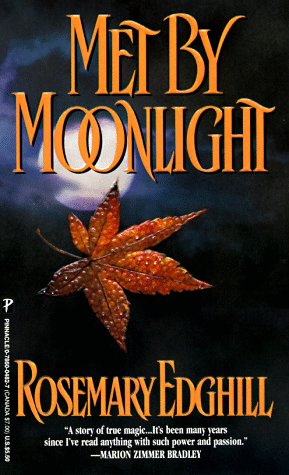
                • Cover of Met by Moonlight
                  Met by Moonlight

                  Rosemary Edghill · standalone novel · 1998

                  similar byhistorical fantasybritish islesrenaissance and early moderntensewitches

                  When modern day witch Diana Crossways plunges back to 1647 England, she learns that a mysterious man she saw in Salem, Massachusetts is a notorious witch hunter. He holds the power of life and death over Diana--but she also inflames his desire.

                • Cover of Tangled in Time
                  Tangled in Time

                  series · 2 books · 2019

                  similar byhistorical fantasyrenaissance and early modernbritish islescoming of age+2 more

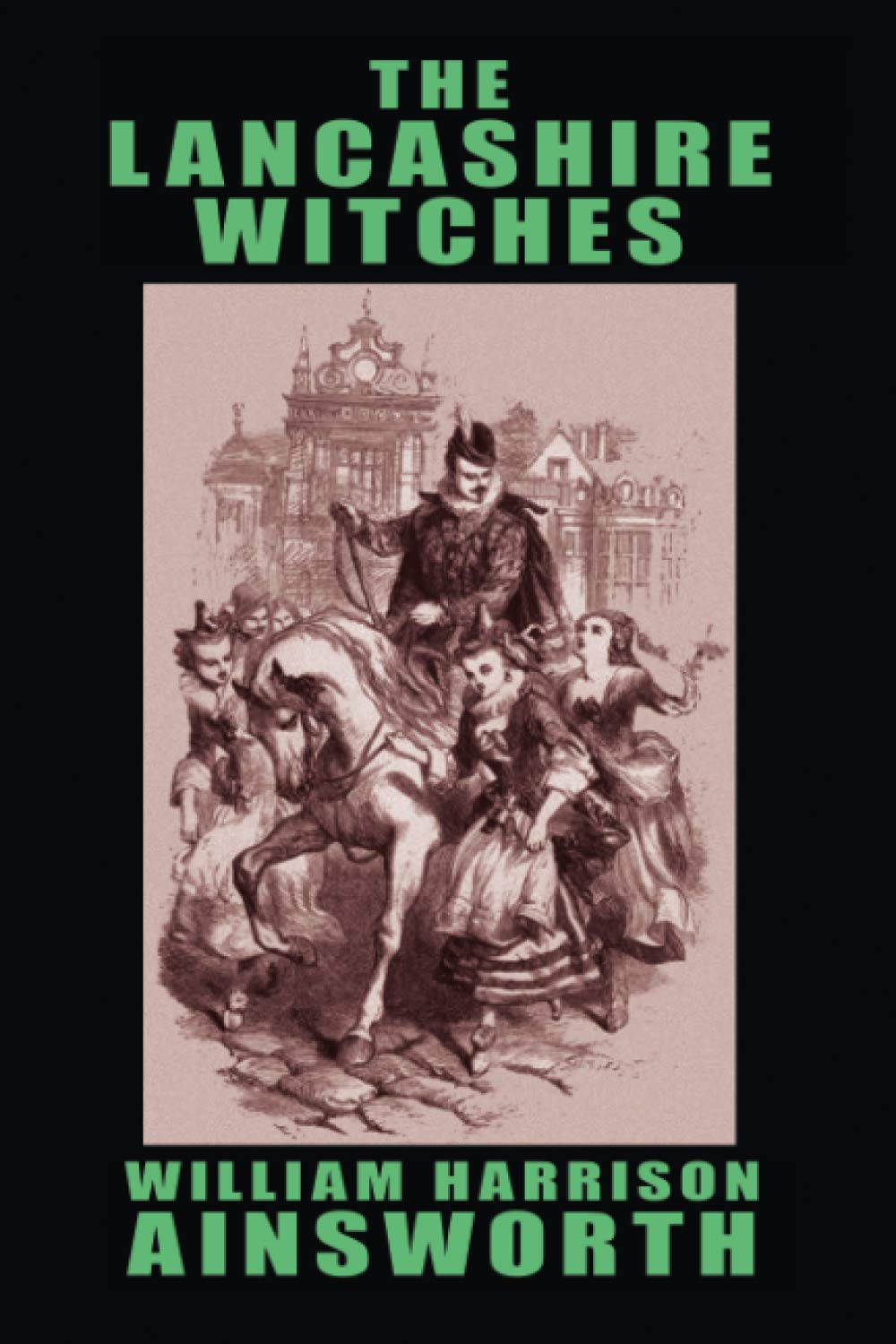
                • Cover of The Lancashire Witches
                  The Lancashire Witches

                  William Harrison Ainsworth · standalone novel · 1849

                  similar bybritish islesrenaissance and early moderndarkwitchesfaith and religion+1 more

                  The Lancashire Witches is the only one of William Harrison Ainsworth's forty novels that has remained continuously in print since its first publication. It was serialised in the Sunday Times newspaper in 1848; a book edition appeared the following year, published by Henry Colburn. The novel is based on the true story of the Pendle witches, who were executed in 1612 for causing harm by witchcraft. Modern critics such as David Punter consider the book to be Ainsworth's best work. E. F. Bleiler rated the novel as "one of the major English novels about witchcraft".

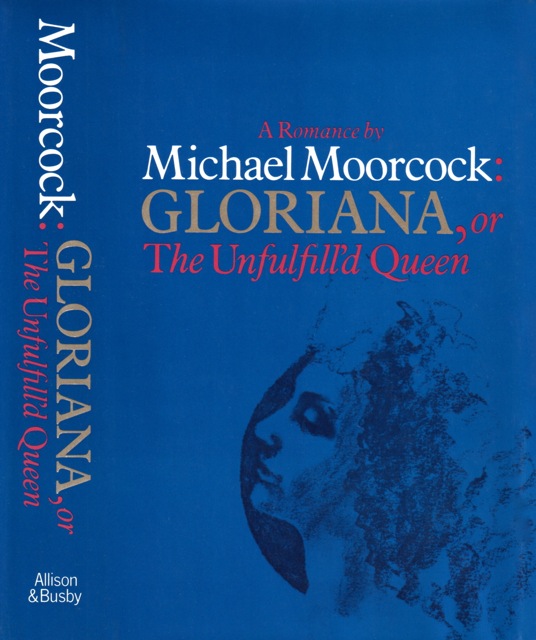
                • Cover of Gloriana, or, the Unfulfill'd Queen
                  Gloriana, or, the Unfulfill'd Queen

                  Michael Moorcock · standalone novel · 1978

                  similar byhistorical fantasyrenaissance and early moderndarkbritish isles

                  Gloriana, or The Unfulfill'd Queen is a work of literary fantasy by British novelist Michael Moorcock. It was first published in 1978 and has remained in print ever since.

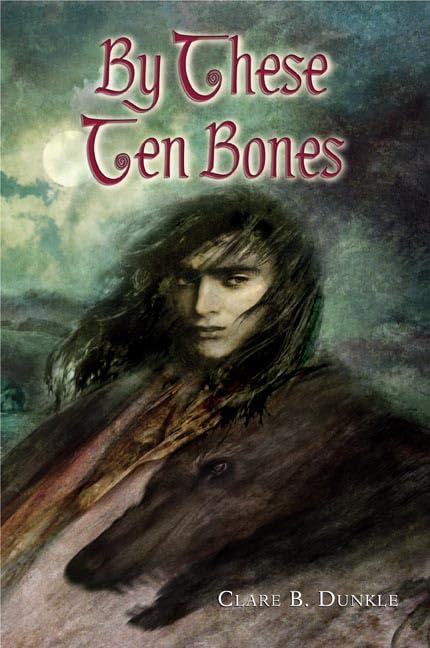
                • Cover of By These Ten Bones
                  By These Ten Bones

                  Clare B. Dunkle · standalone novel · 2005

                  similar byhistorical fantasybritish islesdarkyoung adult+1 more

                  A bone-chilling tale of werewolves and love, set in medieval Scotland. A mysterious young man has come to a small Highland town. His talent for wood carving soon wins the admiration of the weaver's daughter, Maddie. Fascinated by the silent carver, she sets out to gain his trust, only to find herself drawn into a terrifying secret that threatens everything she loves. There is an evil presence in the carver's life that cannot be controlled, and Maddie watches her town fall under a shadow. One by one, people begin to die. Caught in the middle, Maddie must decide what matters most to her-and what price she is willing to pay to keep it.

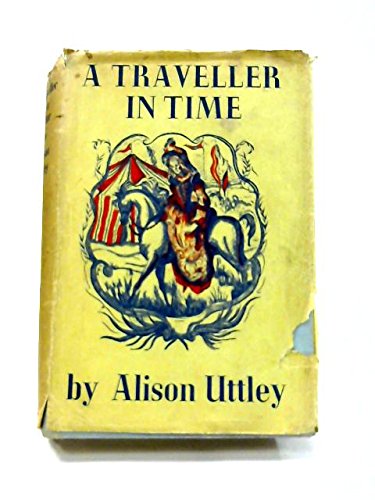
                • Cover of A Traveller in Time
                  A Traveller in Time

                  Alison Uttley · standalone novel · 1939

                  similar byhistorical fantasybritish islesrenaissance and early moderncoming of age

                  Timeslip story featuring the historical plot to free Mary Queen of Scots, or to murder, or both? Among more than 100 novels and collections, "Her most famous and successful novel for older children, A Traveller in Time (1939), is a fantasy based again on her rural childhood, concerning a local plot to murder Mary Queen of Scots in 1569 and a girl from the 20th century who uncontrollably Timeslips back 400 years to witness the tragedy." (underscore represents linked cross-reference) --SFE: Encyclopedia of Fantasy, biographical entry by Jo Fletcher "Based on the Babington Plot of Anthony Babington at Dethick, near her family home, this romance mixes dream and historical fact in a story about a 20th-century girl who is transported to the 16th century, becoming involved in a plot to free Mary, Queen of Scots from nearby Wingfield Manor." --Wikipedia, "Alison Uttley"

                • Cover of The Dark Queen
                  The Dark Queen

                  series · 6 books · 2005

                  similar byhistorical fantasyrenaissance and early moderntensewitches+2 more

                • Cover of The Witches
                  The Witches

                  Roald Dahl · standalone novel · 1983

                  similar bydarktensebritish isleswitches+2 more

                  The Witches is a 1983 children's novel by British author Roald Dahl. A dark fantasy, the story is set partly in Norway and partly in England, and features the experiences of a young English boy and his Norwegian grandmother in a world where child-hating societies of witches secretly exist in every country. The witches are ruled by the vicious and powerful Grand High Witch, who arrives in England to organise her plan to turn all of the children there into mice.
                • Cover of Rebel Angels (Gillian Philip)
                  Rebel Angels (Gillian Philip)

                  series · 5 books · 2010

                  similar bydarkfaeyoung adult+5 more