More like Flicker
anchored on:literary & generalnorth americalate 20th centurythriller & suspenseart and artistsmysterious+1 more
but
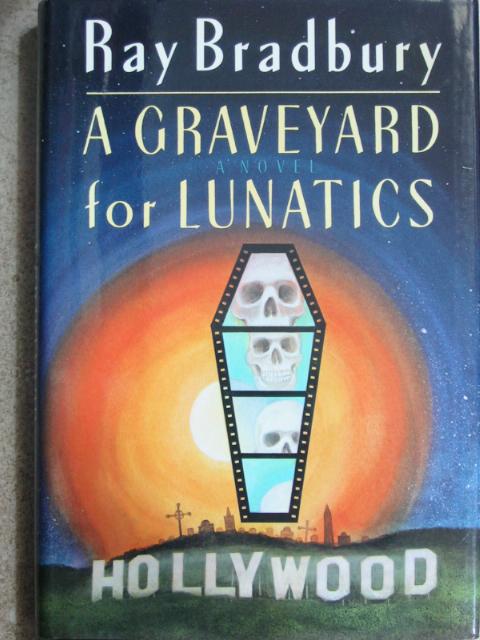
- A Graveyard for Lunatics: Another Tale of Two Cities
Ray Bradburystandalone novel1990
similar byart and artistsnorth americalate 20th centurymysterious
A Graveyard for Lunatics: Another tale of two cities is a mystery novel by American writer Ray Bradbury, published in 1990. It is the second in a series of three mystery novels that Bradbury wrote featuring a fictionalized version of the author himself as the unnamed narrator.
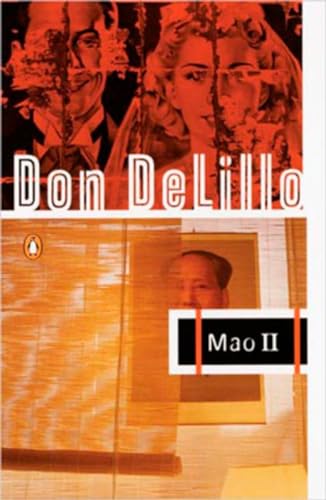
- Mao II
Don DeLillostandalone novel1991
similar byart and artistslate 20th centuryliterary & generaltensethriller & suspense+1 more
Mao II, published in 1991, is Don DeLillo's tenth novel. The book tells the story of a novelist, struggling to finish a novel, who travels to Lebanon to assist a writer being held hostage. The title is derived from Andy Warhol's Mao silkscreen prints depicting Chinese Communist leader Mao Zedong. DeLillo dedicated the book to his friend Gordon Lish. Major themes of the book include crowds and the effects of political terrorism. Mao II received positive reviews from critics and won the PEN/Faulkner Award in 1992.
- Grave Markings
Michael A. Arnzenstandalone novel1994
similar bynorth americalate 20th centurytensethriller & suspensedarkhorror+1 more
A "tattoo killer" terrorizes Colorado Springs in a quest for infamy.
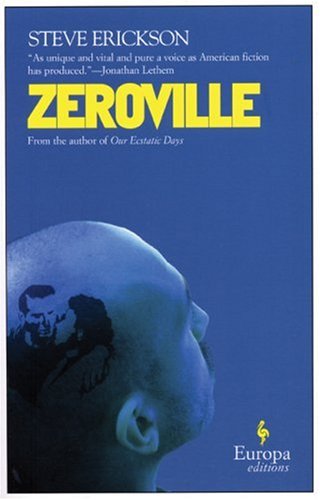
- Zeroville
Steve Ericksonstandalone novel2007
similar byart and artistsnorth americalate 20th centuryliterary & general
Zeroville is a 2007 novel by Steve Erickson about the upheaval in the film industry in the 1970s. It has been translated into French, Spanish, Italian, Japanese and other languages. It was named one of the best novels of the year by Newsweek, the Washington Post BookWorld and the Los Angeles Times Book Review among others, and in winter 2008 was one of the five favorite novels of 800 novelists and critics in a poll of the National Book Critics Circle. The novel was also shortlisted for the Believer Book Award.
- Diary
Chuck Palahniukstandalone novel2003
similar byart and artistsnorth americathriller & suspenseliterary & generaldark+1 more
Diary is a 2003 novel by Chuck Palahniuk. The book is written like a diary. Its protagonist is Misty Wilmot, a once-promising young artist who works as a waitress in a hotel. Her husband, a contractor, is in a coma after a suicide attempt. According to the description on the back of Diary, Misty "soon finds herself a pawn in a larger conspiracy that threatens to cost hundreds of lives."
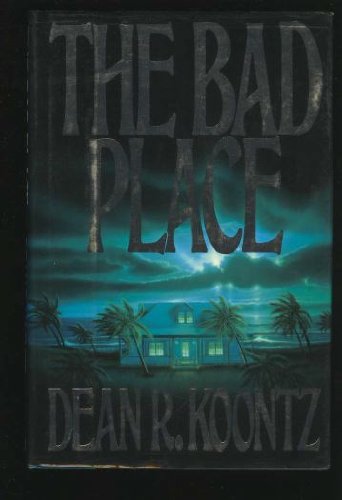
- The Bad Place
Dean R. Koontzstandalone novel1990
similar bynorth americalate 20th centurytensethriller & suspensedarkhorror
The Bad Place is a horror novel by American writer Dean Koontz, released in 1990. It includes elements of horror, suspense, and mystery, and is presented partially as a twist on the private eye drama. The story follows Frank Pollard, a man who wakes up each night with no memory of where he has been or what he has done, only to find himself covered in injuries or in possession of strange items. As his condition worsens, private investigators Bobby and Julie Dakota are hired to track him and uncover the truth behind his blackouts. Their investigation leads them into a disturbing web of genetic experimentation, family secrets, and a hidden force manipulating human lives from the shadows. As the plot unfolds, the novel reveals that Frank and others are being pursued by powerful, almost inhuman figures connected to a twisted experiment involving selective breeding and enhanced abilities. The Dakotas become entangled in a struggle not only to save Frank but also to survive against forces that seem to operate beyond normal human limits. Themes in the novel include identity, memory loss, the abuse of science, and the nature of evil. Koontz blends psychological horror with fast-paced action, creating a narrative that shifts between detective fiction and supernatural thriller. The book received generally positive reception from readers who enjoyed Koontz’s signature suspense style, though some critics noted its complex and sometimes chaotic plot structure. Over time, it has remained one of his more memorable early-1990s works due to its unusual blend of genres and its dark, unsettling tone.
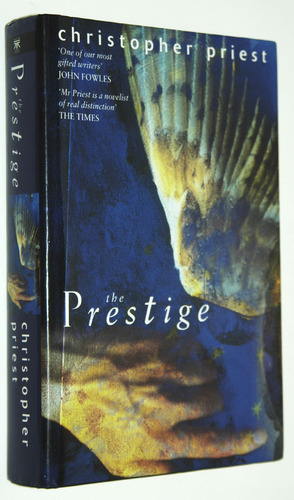
- The Prestige
Christopher Prieststandalone novel1995
similar byart and artistsliterary & generalmysterious+1 more
A magician called Borden (at least in private) writes his own version of his life as a magician. There's a lot of focus on a trick, where he seems to move across any width of stage in an instant, and on a feud with another magician, Angier. The account includes passages, where he can't decide what exactly to write, arguing with himself. 3 generations later a Borden (at least biologically) learns about his ancestor. He's also convinced, he somehow has a twin brother, who's happy about this development.
- Nightwing
Martin Cruz Smithstandalone novel1977
similar bynorth americalate 20th centurytensethriller & suspensedarkhorror
Nightwing is a 1977 thriller novel by American author Martin Cruz Smith, who adapted it for a 1979 film with the same title directed by Arthur Hiller.
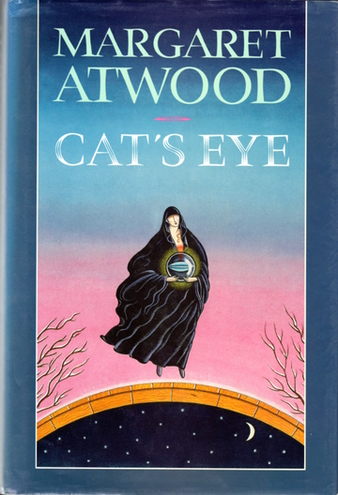
- Cat's Eye
Margaret Atwoodstandalone novel1988
similar byart and artistsnorth americaliterary & general
Cat's Eye is a 1988 novel by Canadian writer Margaret Atwood about fictional painter Elaine Risley, who vividly reflects on her childhood and teenage years. Her strongest memories are of Cordelia, who was the leader of a trio of girls who were both very cruel and very kind to her in ways that tint Elaine's perceptions of relationships and her world — not to mention her art — into her middle years. The novel unfolds in mid-20th century Canada, from World War II to the late 1980s, and includes a look at many of the cultural elements of that time period, including feminism and various modern art movements. The book was a finalist for the 1988 Governor General's Award and for the 1989 Booker Prize.
- King of the City
Michael Moorcockstandalone novel2000
similar byart and artistslate 20th centuryliterary & general+1 more
King of the City (2000) is a novel by Michael Moorcock. It is a satire on modern London and its literary scene and, in part, a sequel to Mother London. Narrated by celebrity photographer and erstwhile rock star Dennis Dover, it charts a chaotic ride through London from the sixties to the end of the century.
- Station Eleven
Emily St. John Mandelstandalone novel2014
similar byart and artistsnorth americaliterary & general
"Set in the days of civilization's collapse, Station Eleven tells the story of a Hollywood star, his would-be savior, and a nomadic group of actors roaming the scattered outposts of the Great Lakes region, risking everything for art and humanity. One snowy night a famous Hollywood actor slumps over and dies onstage during a production of King Lear. Hours later, the world as we know it begins to dissolve. Moving back and forth in time — from the actor's early days as a film star to fifteen years in the future, when a theater troupe known as the Traveling Symphony roams the wasteland of what remains — this suspenseful, elegiac, spellbinding novel charts the strange twists of fate that connect five people: the actor, the man who tried to save him, the actor's first wife, his oldest friend, and a young actress with the Traveling Symphony, caught in the crosshairs of a dangerous self-proclaimed prophet." (source: Goodreads.com)
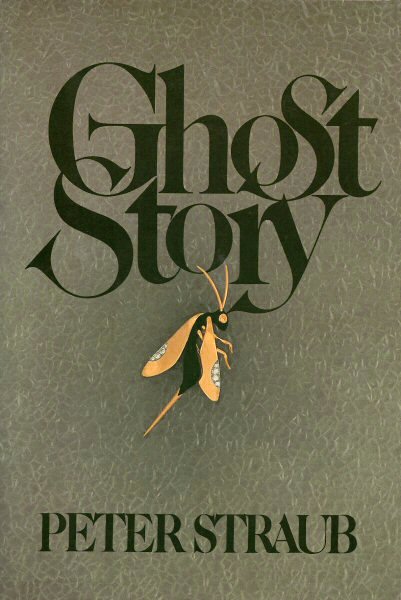
- Ghost Story
Peter Straubstandalone novel1979
similar bynorth americalate 20th centurytensedarkhorror
Four prominent citizens of a small town in upstate New York who share guilt over something that happened in their youth are revisited late in life by a destructive evil force which uses their guilt as an opportunity to destroy them as well as the entire town.
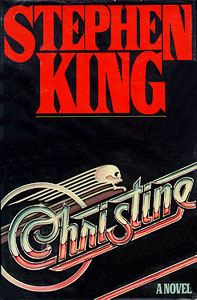
- Christine
Stephen Kingstandalone novel1983
similar bynorth americalate 20th centurytensedarkhorror
Christine is a horror novel by American writer Stephen King, published in 1983. It tells the story of a car possessed by malevolent supernatural forces.
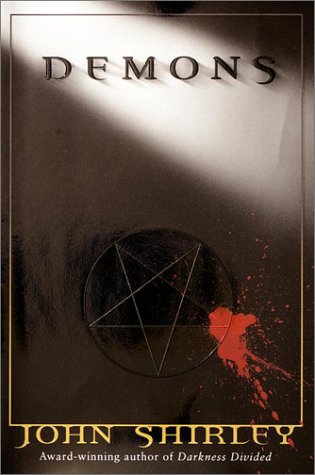
- Demons
John Shirleystandalone novel2002
similar byart and artistsnorth americatensedarkhorror
Writers from Clive Barker to Bruce Sterling and Roger Zelazny have praised John Shirley's searing, apocalyptic visions of postmodern hell on earth. Now this perversely brilliant author, one of the seminal representatives on the cyberpunk movement, unleashes his newest masterpiece.DEMONSIn a future uncomfortably close to the present day, the apocalypse has surpassed all expectations. Hideous demons roam the streets in an orgy of terror, drawing pleasure from torturing humans as sadistically as possible. Divided into seven clans, these grisly invaders--gnashing, writhing, bloodthirsty monsters--seem horrifically to belong in our world.Ira, a young San Francisco artist, becomes involved with a strange group of scientists and philosophers desperately trying to end the bloody siege. Yet through it all, Ira continues to paint--for in his canvasses lie crucial clues to the demons' origins.Yet the demons draw their strength from an all-too-familiar evil--a deadly malevolence supported by some of the greatest powers on earth, concealed beneath the trappings of status, success, and abused power. Ira and his allies-- including a compelling young seeress--come to believe these demons didn't just appear. They were summoned. But the most shocking revelation is yet to come . . .EXCLUSIVE TO THIS EDITION: The original novella Demons was published as an acclaimed, limited edition hardcover which Publishers Weekly called a "mini-masterpiece." Now the terror continues, as the sequel story, "Undercurrents," takes the reader on a macabre journey into the center of the conspiracy that may lay waste to the Earth. From the Hardcover edition.
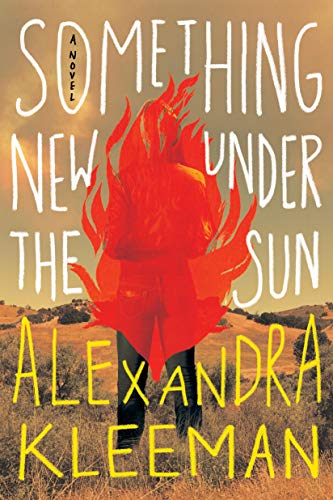
- Something New Under the Sun
Alexandra Kleemanstandalone novel2021
similar byart and artistsnorth americaliterary & generaldark
Something New Under the Sun is a 2021 novel by American writer Alexandra Kleeman. The novel takes place in the near future in which California has been rendered nearly uninhabitable by climate change.
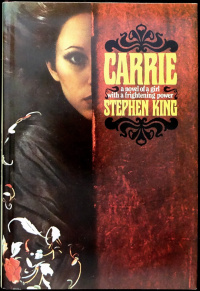
- Carrie
Stephen Kingstandalone novel1974
similar bynorth americalate 20th centurytensedarkhorror
In one way or another, everybody abused Carrie. This sixteen-year-old misfit was forbidden everything that was young and fun by her fanatical mother. She was teased and taunted by her classmates, misunderstood by her teachers, and given up as hopeless by almost everyone. But Carrie had a secret: She possessed terrifying telekinetic powers that could make inanimate objects move, a lighted candle fall, or a door lock. Carrie could make all kinds of startling bizarre, and malevolent things happen. (WorldCat)
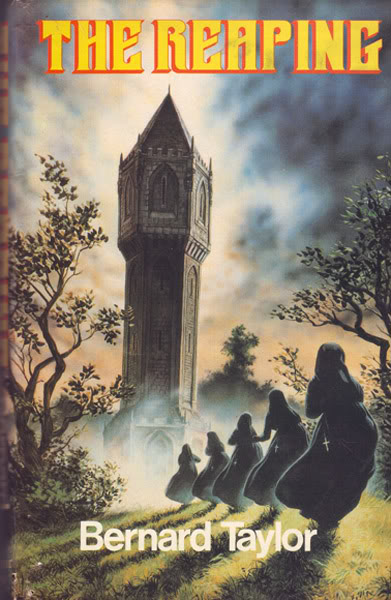
- The Reaping
Bernard Taylorstandalone novel1980
similar byart and artistsmysterioustensedarkhorror
Amazon: Commissioned to paint a portrait at the Woolvercombe House, painter Tom Rigsby is drawn into the secluded mansion's maze of horror and mystery.
- Dark Places
Gillian Flynnstandalone novel2009
similar bynorth americalate 20th centurytensethriller & suspensedark
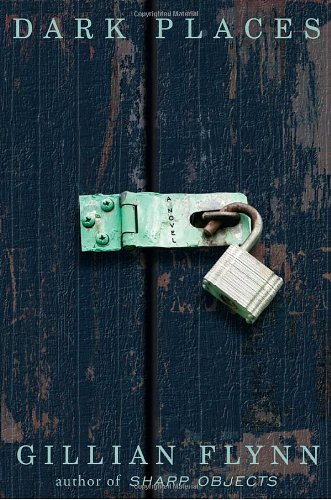
Dark Places is a mystery novel by Gillian Flynn published in 2009. The novel deals with class issues in rural America, intense poverty and the Satanic cult hysteria that swept the United States in the 1980s. Dark Places was shortlisted for the Crime Writers' Association Ian Fleming Steel Dagger Award and won Dark Scribe Magazine's Black Quill Award for Dark Genre Novel of the Year. It was also listed on The New York Times Best Seller list for hardcover fiction for two consecutive weeks. A film adaptation of the novel starring Charlize Theron was released on August 7, 2015.
- Lady Oracle
Margaret Atwoodstandalone novel1976
similar byart and artistsnorth americaliterary & general
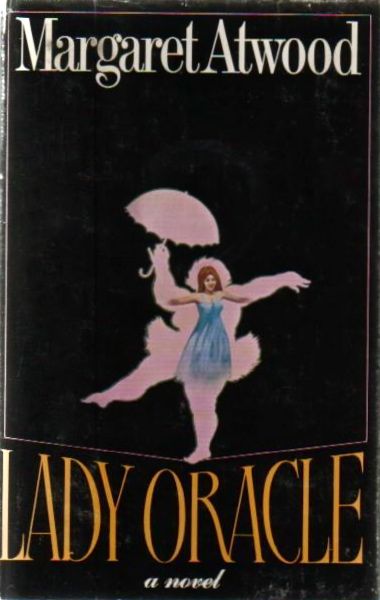
Lady Oracle is a novel by Margaret Atwood that parodies Gothic romances and fairy tales. It was first published by McClelland and Stewart in 1976.
- Coldheart Canyon
Clive Barkerstandalone novel2001
similar byart and artistsnorth americadarkhorror
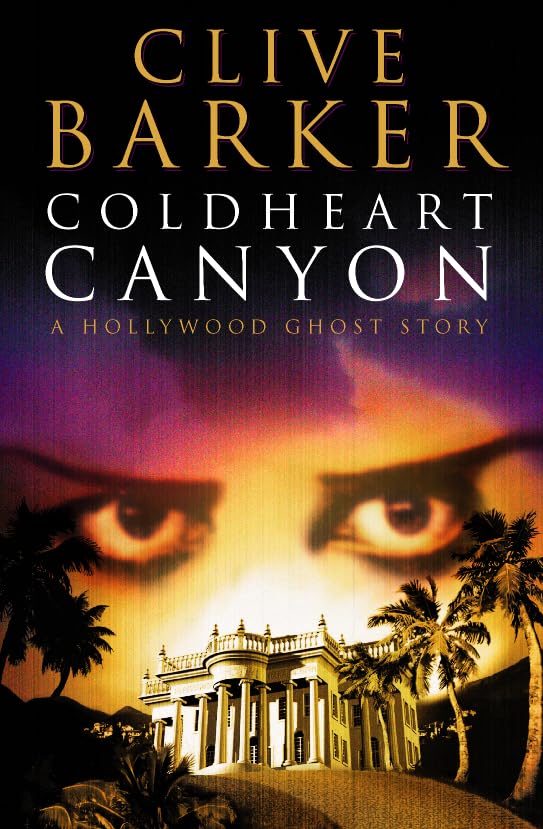
Coldheart Canyon is a novel by Clive Barker, published in 2001 by HarperCollins. The story centers on Todd Pickett, a failing movie star, and Tammy Lauper, Todd's obsessive fan.
- Fox & Hare
Chester Andersonstandalone novel1980
similar byart and artistsnorth americalate 20th centuryliterary & general
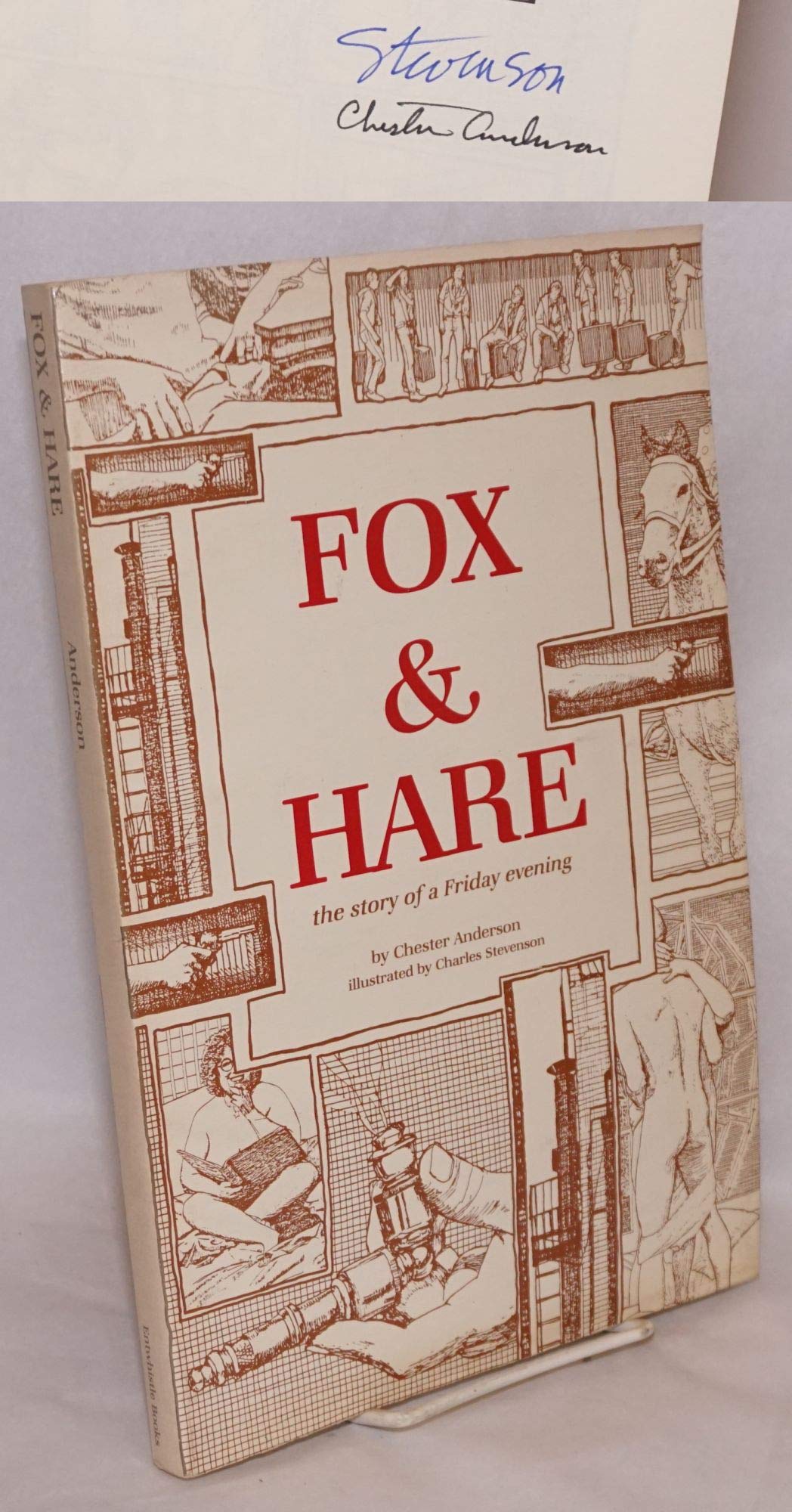
Fictionalized memoir of the real lives behind the Greenwich Village trilogy [Clute/Nicholls]
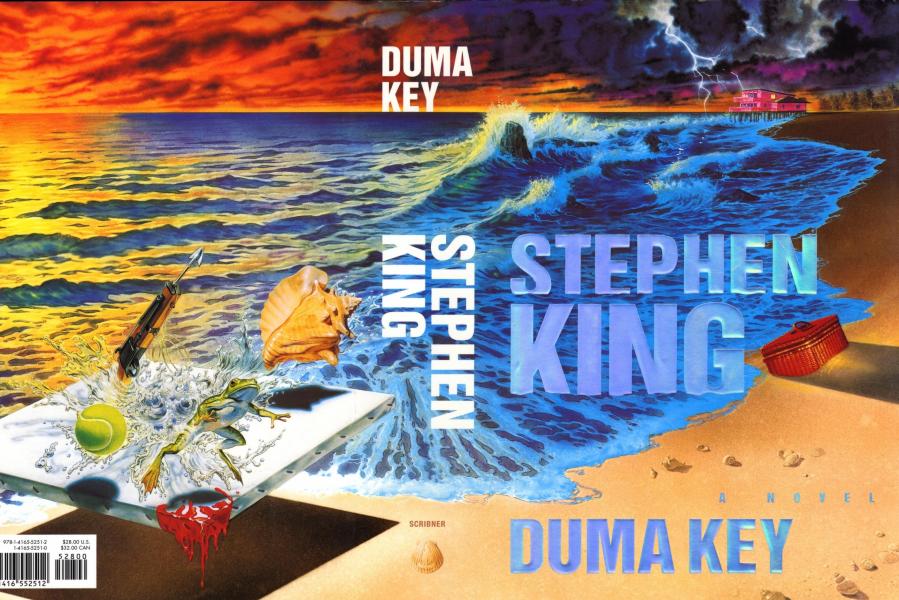
- Duma Key
Stephen Kingstandalone novel2008
similar byart and artistsnorth americahorror
A workplace accident crushes Edgar Freemantle's truck, costs him his right arm, and leaves him with brain damage that scrambles his speech and memory -- severe enough that his marriage doesn't survive. On his psychologist's advice, Edgar relocates alone to a beach house on Duma Key, a quiet stretch of Florida's Gulf coast, taking up sketching as therapy, hiring a local student as an assistant and befriending an elderly heiress with dementia and her caretaker. But the drawings that pour out of him start showing things he has no way of knowing -- secrets about the people he loves, and the island itself. A standalone novel by Stephen King.
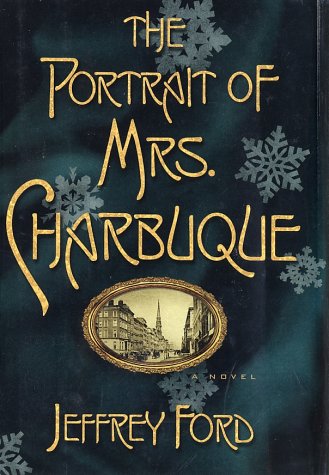
- The Portrait of Mrs. Charbuque
Jeffrey Fordstandalone novel2002
similar byart and artistsnorth americamysterioushorror
"The toast of 1893 New York society, the portraitist Piero Piambo has his pick of choice assignments. Acclaimed by his peers and his "betters," he is a fixture in the city's most opulent salons, yet he fears he has sold his soul to arrive there. But then comes a commission unlike any other - one that will test Piambo's talents, his will .. and his sanity.". "The client is a Mrs. Charbuque, and the offer she makes to the artist is as bizarre and intriguing as it is financially rewarding. Piambo must paint the lady's portrait, and for the service he may name any price. However, though he may question her at length on any topic, he must never look upon his subject. And if the painting ends up a true likeness, his payment will be doubled.". "With sketchbook in hand and his "model" hidden behind an elegant screen, the artist begins his haunting descent into her life and mind. Carried by her words through a strange childhood in a world of ice - where she aided an obsessed, perhaps murderous, father in his study of the divine language of snowflakes - and across a history marked by fame and despair, desire and rage, phantasm and myth, Piambo is alternately seduced and repulsed by the story she has to tell. Yet each session leaves him more determined than ever to unwrap the enigma that is Mrs. Charbuque.". "But while he struggles to capture in oils the face of a woman he has never seen, a series of horrific and inexplicable deaths rocks the outside city. On street corners, in the alleys off the bustling shopping areas, and between the crumbling tenements, anonymous women are dying, their lifeblood flowing freely like tears from their eyes. And the deeper Piambo is drawn into Mrs. Charbuque's world, the more he begins to suspect that these terrible events, his impossible task, and his odd "benefactress" are somehow intimately connected."--BOOK JACKET.