More like Flickerman
anchored on:science fictioncontemporary
but
- The Andromeda Strain
series2 books1969
similar byscience fictioncontemporary+1 more
Michael Crichton's 1969 novel The Andromeda Strain follows a team of scientists racing to contain a lethal extraterrestrial microorganism that crash-lands in Arizona, told in the clinical, document-driven style that helped establish the techno-thriller genre. Daniel H. Wilson's authorized 2019 sequel The Andromeda Evolution revisits the same threat five decades later. Together the two books form a two-part outbreak story separated by a fifty-year gap in publication.
- Chocky
series2 books1968
similar byscience fictioncontemporary+1 more
Chocky (1968) is John Wyndham's science fiction novel about an eleven-year-old boy, Matthew, whose parents grow alarmed by his conversations with an unseen presence that feeds him unsettling insights into mathematics and human progress, building toward the reveal of what, or who, Chocky really is. Mark Daniel's Chocky's Challenge (1986), published after Wyndham's death, is an authorized continuation that carries the story forward.
- The Wanderer
Fritz Leiberstandalone novel1964
similar byscience fictionour worldcontemporary
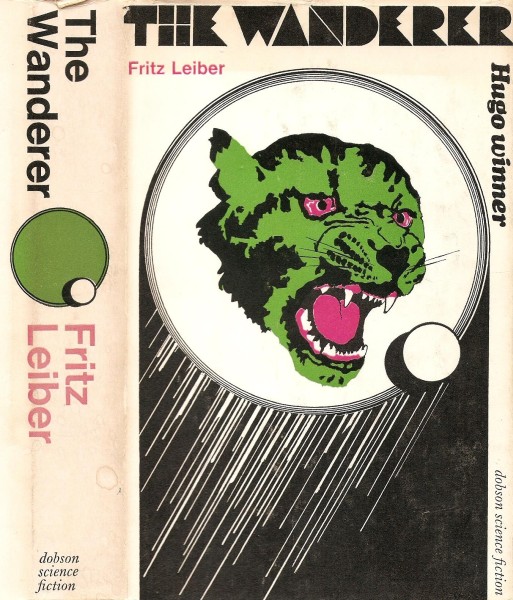
The Wanderer is a science fiction novel by American writer Fritz Leiber, published as a paperback original by Ballantine Books in 1964. It won the 1965 Hugo Award for Best Novel.
- The Dreaming Jewels
Theodore Sturgeonstandalone novel1950
similar byscience fictionour worldcontemporary
The Dreaming Jewels (1950), also known as The Synthetic Man, is a science fiction novel by American writer Theodore Sturgeon. It was his first published novel.
- Footfall
Larry Niven & Jerry Pournellestandalone novel1985
similar byscience fictionour worldcontemporary
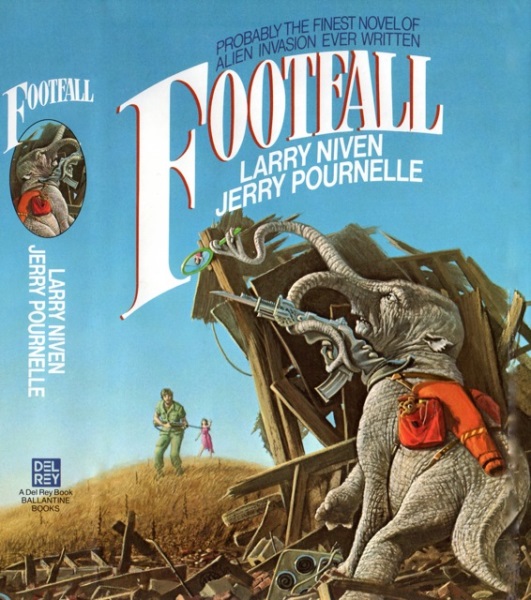
When aliens travel to Earth from Alpha Centauri, differences between alien and human psychology result in an unprovoked invasion, and the resulting resistance results in the aliens' use of a devastating weapon.
- Contact
Carl Saganstandalone novel1985
similar byscience fictionour worldcontemporary
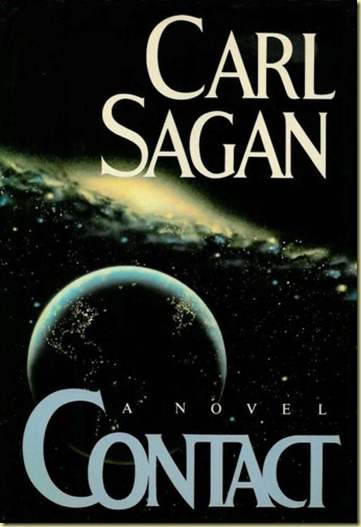
From the front flap of the Simon and Schuster first edition: For centuries humanity has dreamed of life and intelligence beyond the Earth; for decades scientists have searched for it in every corner of the sky; for years Project Argus, a vast, sophisticated complex of radio telescopes, has listened for a signal indicating the existence, somewhere in the universe, of extraterrestrial intelligence. Then, one afternoon, the course of human history is changed, abruptly and forever. The Message, awaited for so long, its very possibility doubted by so many, arrives. Contact has been made. Life, intelligence, someone, something beyond Earth, 26 light-years away, in the vicinity of the star Vega, is calling, beaming across space a wholly unexpected message to say that we are not - have never been - alone. In Contact, Carl Sagan, whose Cosmos enthralled millions of readers and television viewers, has brilliantly employed the freedom of fiction to imagine the greatest adventure of all - humanity's first encounter with other intelligent beings. But the novel is not only about contact between humans and extraterrestrials; it is also about contact, down here on Earth, with each other and ourselves. At its center is a brilliant scientist, Eleanor Arroway, director of Project Argos, who is the first to realize that chapter one of human history is over. It is she who is instrumental in decoding the Message - and in persuading world leaders not to treat it as a threat - she who finds her own life changed by the immense challenge of responding to the Message; she who finally journeys out to experience, in circumstances at once profoundly religious and scientific, the most fateful encounter in human history.
- WWW Trilogy
series3 books2009
similar byscience fictionour worldcontemporary
The WWW Trilogy is a trilogy of science-fiction novels by Canadian science fiction author Robert J. Sawyer. The first book, Wake, was originally serialized in four parts in Analog Science Fiction and Fact from November 2008 to March 2009, published in book form through Ace on April 7, 2009, and was followed by the second book, Watch, on April 6, 2010. Wonder was published in 2011.
- Passage
Connie Willisstandalone novel2001
similar byscience fictionour worldcontemporary
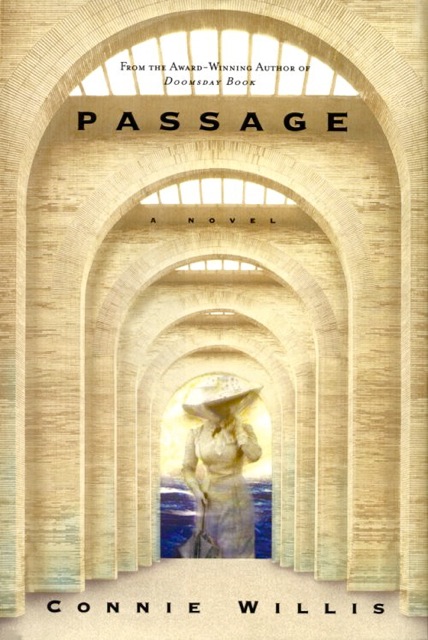
Passage is a science fiction novel by Connie Willis, published in 2001. The novel won the Locus Award for Best Novel in 2002, was shortlisted for the Nebula Award in 2001, and received nominations for the Hugo, Campbell, and Clarke Awards in 2002.
- Dark Matter
Blake Crouchstandalone novel2016
similar byscience fictionour worldcontemporary
Jason Dessen, college physics professor, husband and father, is kidnapped and taken to a parallel universe where his counterpart had dedicated his life to inventing a method of traveling between an infinity of parallel universes.
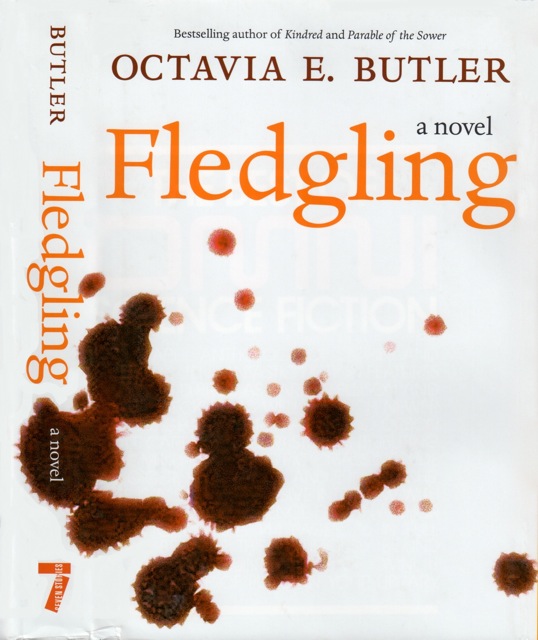
- Fledgling
Octavia E. Butlerstandalone novel2005
similar byscience fictionour worldcontemporary
Fledgling is a science fiction vampire novel by American writer Octavia E. Butler, published in 2005. It was the author's final book published before her death in 2006.
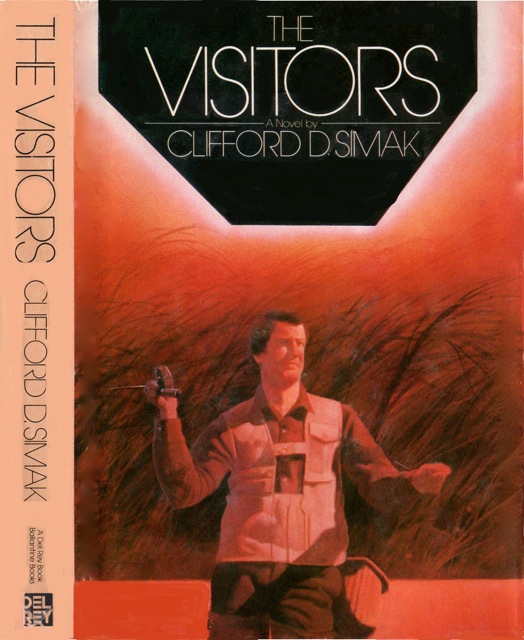
- The Visitors
Clifford D. Simakstandalone novel1980
similar byscience fictionour worldcontemporary
WorldCat: Intelligent, alien creatures arrive on Earth from outer space, threatening world stability and presaging the destruction of civilization.
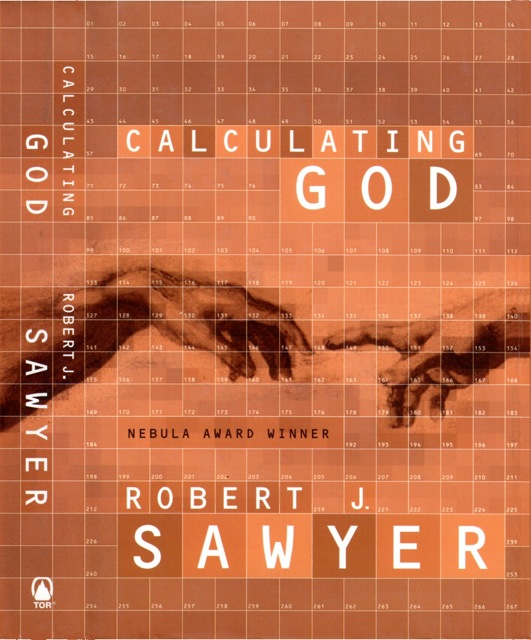
- Calculating God
Robert J. Sawyerstandalone novel2000
similar byscience fictionour worldcontemporary
Calculating God is a 2000 science fiction novel by Canadian writer Robert J. Sawyer. It takes place in the present day and describes the arrival of sentient aliens on Earth. The bulk of the novel covers the many discussions and arguments on this topic, as well as the nature of belief, religion, and science. Several planetary civilizations illustrate the logical conclusion of the Fermi paradox.
- Crosstalk
Connie Willisstandalone novel2016
similar byscience fictionour worldcontemporary
Crosstalk is a science fiction novel by Connie Willis, published in 2016. It is a romantic comedy that explores the intersection of telephones and telepathy. In a similar situation to Bellwether and Passage, the main character, Briddey Flannigan, is part of a larger institution who gets caught up in series of escalating events. Additionally, Crosstalk like Bellwether and Passage feature themes of neuroscience, communication and technology.
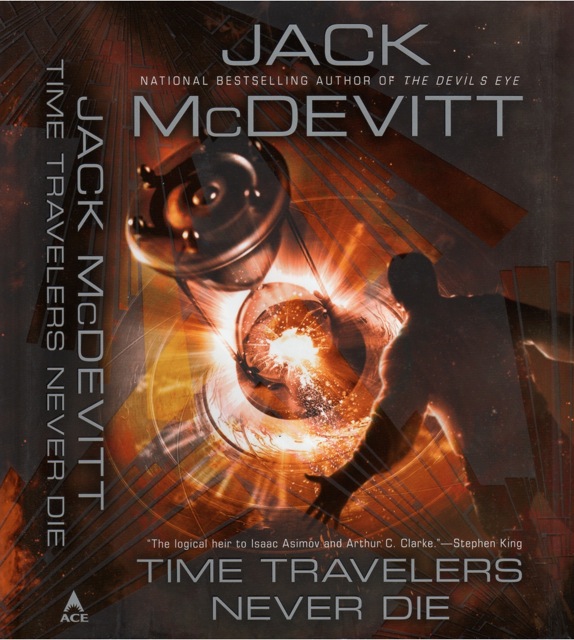
- Time Travelers Never Die
series2 books1996
similar byscience fictionour worldcontemporary
Time Travelers Never Die started life as a Jack McDevitt novella in the mid-1990s (Hugo- and Nebula-nominated) before he expanded it into a full novel over a decade later; the novella and novel are two forms of the same story rather than a sequel. It follows a small circle of people who gain access to working time travel and use it to step into the past, in McDevitt's characteristic register of curious, history-minded science fiction.
- Out of Their Minds
Clifford D. Simakstandalone novel1970
similar byscience fictionour worldcontemporary
From the back cover of the first DAW printing: "Out of their minds and the force of their imagination, men have created countless beings, from demons and dragons and monsters of legend to story-book heroes and comic strip characters. What if their world were real - if vampires, devils and Don Quixote hobnobbed with Dagwood Bumstead and Charlie Brown. Such a world would have its fascinations... and its dreadful perils - if it existed. Horton Smith found out that it did exist... and that he was right in the middle of it!"
- The Humans
Matt Haigstandalone novel2013
similar byscience fictionour worldcontemporary
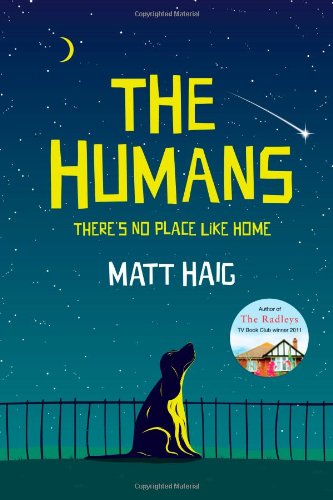
When an extraterrestrial arrives on Earth, his first impressions of humans are less than positive. Taking the form of Professor Andrew Martin at Cambridge University, the visitor is eager to complete his task and hurry back to his own utopian planet. Disgusted by the way humans look, what they eat, their capacity for murder and war, he is equally baffled by the concepts of love and family. But as time goes on, he starts to reconsider.
- Southern Reach Trilogy
series4 books2014
similar byscience fictionour worldcontemporary
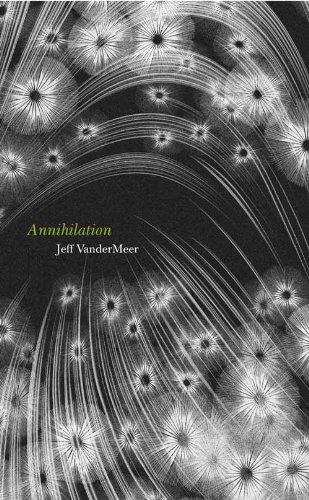
The Southern Reach Series is a series of novels by the American author Jeff VanderMeer first published in 2014—Annihilation, Authority, Acceptance, and Absolution. The series takes its name from the secret agency that is central to the plot. In 2013, Paramount Pictures bought the movie rights for the series, and a film adaptation of Annihilation was made with Alex Garland as writer-director. The film was released in 2018. The most recent book in the series, Absolution, was released on 22 October 2024.
- Next
Michael Crichtonstandalone novel2006
similar byscience fictionour worldcontemporary
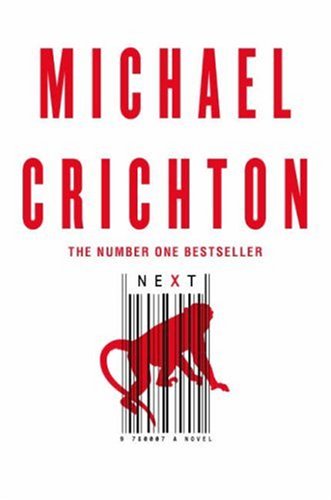
Next is a 2006 satirical science fiction novel by American writer Michael Crichton. It was the fifteenth novel under his own name and his twenty-fifth overall, and the last to be published during his lifetime. It follows a number of characters, including transgenic animals, as they try to survive in a world dominated by genetic research, corporate greed, and legal interventions.
- The Man Who Folded Himself
David Gerroldstandalone novel1973
similar byscience fictionour worldcontemporary
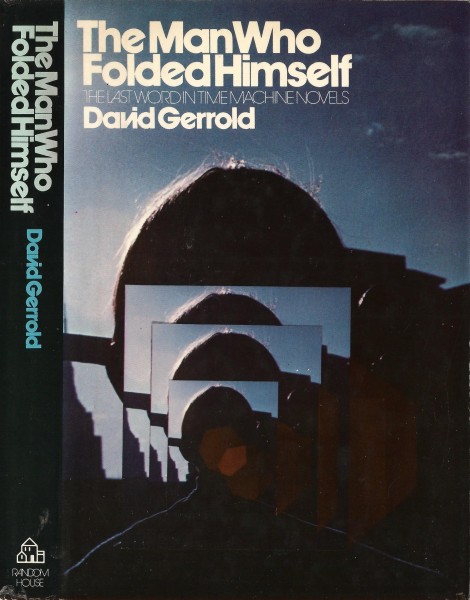
The Man Who Folded Himself is a 1973 science fiction novel by American writer David Gerrold. It was nominated for the Nebula Award for Best Novel in 1974 and the Hugo Award for Best Novel in 1974. The book explores the psychological, physical, and personal challenges that manifest when time travel is possible for a single individual at the touch of a button.
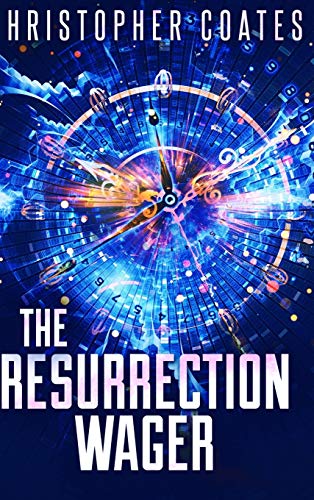
- The Resurrection Wager
Christopher Coatesstandalone novel2018
similar byscience fictionour worldcontemporary
• "When a man of science and a man of faith develop the ability to go back in time, there is only one place for them to go to demonstrate their new technology. After they make a wager about whether or not the resurrection of Jesus really happened, the two set out to prove it one way or the other. Along the way, they face obstacles and challenges from those who want to use their technology for personal gain." ― quoted from this book's product page on Goodreads.com as of 2020-05-28.
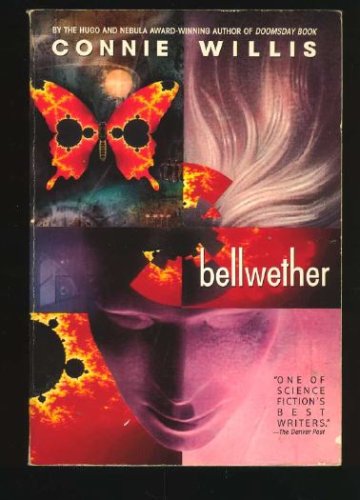
- Bellwether
Connie Willisstandalone novel1996
similar byscience fictionour worldcontemporary
Bellwether is a 1996 science fiction novel by Connie Willis. It was nominated for the Nebula Award for Best Novel and won the Locus Award for Best Novella in 1997.
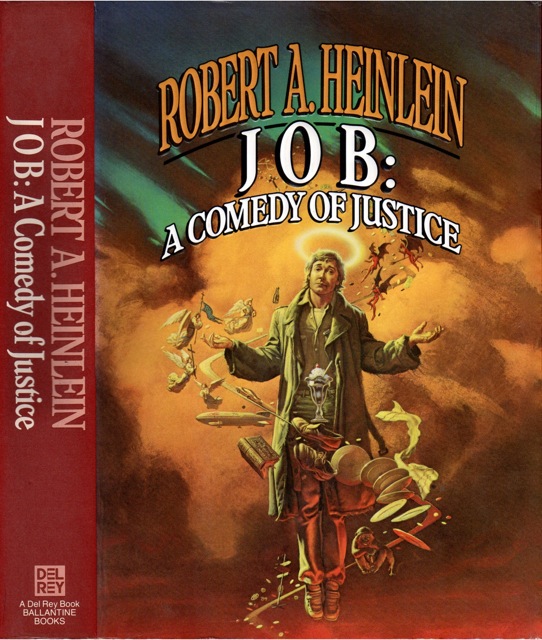
- Job: A Comedy of Justice
Robert A. Heinleinstandalone novel1984
similar byscience fictionour worldcontemporary
Job: A Comedy of Justice is a science fiction novel by American writer Robert A. Heinlein published in 1984. The title is a reference to the biblical Book of Job and James Branch Cabell's book Jurgen, A Comedy of Justice. It won the Locus Award for Best Fantasy Novel in 1985 and was nominated for the Nebula Award for Best Novel in 1984, and the Hugo Award for Best Novel in 1985.
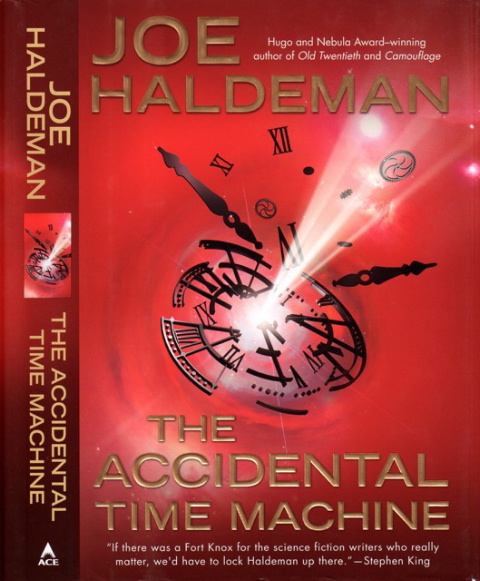
- The Accidental Time Machine
Joe Haldemanstandalone novel2007
similar byscience fictionour worldcontemporary
"Grad-school dropout Matt Fuller is toiling as a lowly research assistant at MIT when, while measuring subtle quantum forces that relate to time changes in gravity and electromagnetic force, his calibrator turns into a time machine. With a dead-end job and a girlfriend who has left him for another man, Matt has nothing to lose taking a time machine trip himself - or so he thinks."
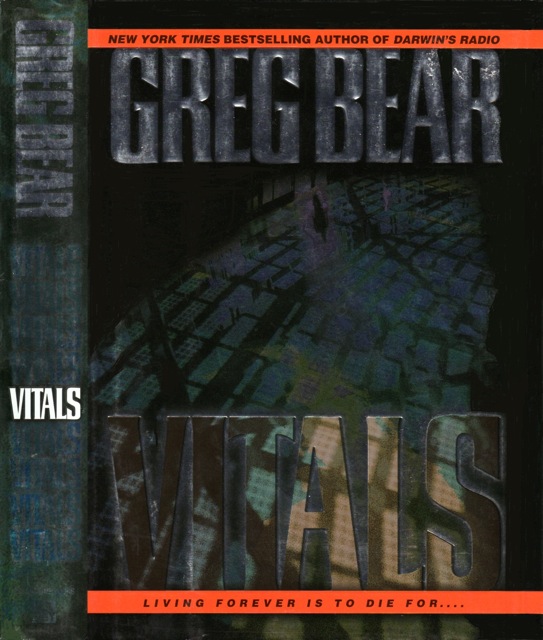
- Vitals
Greg Bearstandalone novel2002
similar byscience fictionour worldcontemporary
From the flaps of the Del Rey first edition: "Hal Cousins is one of a handful of scientists nearing the most sought after discovery in human history: the key to short-circuiting the aging process. Fueled by a wealth of research, an overdose of self-confidence, and the money of influential patrons to whom he makes outrageous promises, Hal experiments with organisms living in the hot thermal plumes in the ocean depths. But as he journeys beneath the sea, his other world is falling apart. Across the country, scientists are being inexplicably murdered - including Hal's identical twin brother, who is also working to unlock the key to immortality. Hal himself barely eludes a cold-blooded attack at sea, and when he returns home to Seattle, he finds himself walking into an eerie realm where voices speak to him from the dead ... where a once-brilliant historian turned crackpot is leading him on a deadly game of hide-and-seek ... and where the beautiful, rich widow of his twin is more than willing to pick up the pieces of Hal's life-and take him places he's never been before. Suddenly Hal is trapped inside an ever-twisting maze of shocking revelations. For he is not the first person to come close to ending aging forever - and those who came before him will stop at nothing to keep the secret to themselves. Now every person on earth is at risk of being made an unsuspecting player in one man's spectacular and horrifying master plan. From the bottom of Russia's Lake Baikal to a billionaire's bionic house built into the cliffs of the Washington seashore, from the darkest days of World War II and the reign of Josef Stalin to the capitalist free-for-all that is the United States, Vitals tells an astounding tale of the most unimaginable scientific secret of all - exposed by the quest for immortality itself..."