Loreful
HomeDiscover
Search series, authors…⌘K
Loreful

Reading orders for SF/F series and shared universes — with your place kept in every one.

Explore

UniversesSeriesWorksAuthorsAtlas

Help

FAQAboutSite map

Account & legal

Sign inCreate accountPrivacyTerms

Data

Built on ISFDB, Wikipedia, Wikidata and Open Library. Curated reading orders carry their reasoning on the page; the rest follow publication order. Data sources & licenses

© Loreful · data: ISFDB · CC BY

More like Formaldehyde

but

Mood

The mood the book leaves you in.

  • The reading experience is propelled by journeys, exploration, and physical risk; excitement and forward momentum dominate over dread or introspection.
  • Joy and loss are deliberately mixed; the resolution grants characters something real while taking something else away, leaving warmth and sorrow together.
  • The book demands work from the reader — dense prose, difficult structure, unfamiliar ideas, or morally uncomfortable material — as part of its intended effect.
  • Grim events, cruelty, or despair dominate the atmosphere, and the book does not soften them with comfort or comic relief.
  • The atmosphere is quietly unsettling — wrongness, unease, and the uncanny pervade the book without necessarily escalating into overt horror.
  • The book is built to move the reader; character feeling is foregrounded and major scenes aim at a strong emotional response.
  • Humor is a primary aim and the prose plays for laughs — comic situations, wit, or dialogue produce sustained comedy, not occasional levity.
  • The book insists that things can improve; effort and decency are shown to matter, and the arc bends toward better outcomes even through hardship.
  • The overall register is cheerful and easygoing; stakes are kept gentle and the book avoids dwelling on pain or dread.
  • Withheld information drives the experience; the book sustains enigmas and secrets the reader wants resolved, whatever its genre.
  • The book is contemplative and inward-looking, giving more weight to thought, memory, and meaning than to external events.
  • The book works as comfort reading — low tension, a soothing pace, and an atmosphere the reader can unwind in.
  • Grief, loss, or melancholy set the dominant register, and the book lets sorrow stand rather than resolving it into comfort.
  • Sustained suspense is the point; the book keeps the reader braced for what happens next through danger, pressure, or impending revelation.
  • Playful invention and charm define the register — fanciful conceits, light absurdity, and a narration that delights in its own oddity.

About

What the story runs on.

  • Stories of lovers kept apart by law, family, faith, or station, where the obstacle to love is the plot.
  • Stories of growing up — a young protagonist crossing from childhood into adult knowledge and responsibility.
  • Stories about who a character truly is — self-discovery, doubled lives, and the search for a self.
  • Stories about mental unraveling — descent into madness, delusion, and minds at war with themselves.
  • Stories about mourning — living through the death of a loved one and what loss does to the survivors.
  • Stories about isolation and estrangement — characters cut off from connection, by circumstance or by nature.
  • Stories in which belief, doubt, and religious life are the central subject, from crises of faith to life inside a religious community.
  • Stories in which a buried family truth — hidden parentage, crimes, or shames — surfaces and reorders the present.
  • Stories about being a parent — motherhood, fatherhood, and the weight of raising a child.
  • Stories about making art and living as an artist — painters, sculptors, and the demands of the work.
  • Stories about books themselves — readers, writers, libraries, and bookshops, where the written word is the subject.
  • Stories about leaving one country for another — migration, exile, diaspora, and lives split between homelands.

Shelf

Where it sits in the library.

    • Fiction built on magic or other supernatural elements that have no scientific explanation.
    • Secondary-world fantasy at large scale, where the fate of nations or the world turns on the protagonists' struggle.
    • Fantasy set in a recognizably modern city or contemporary world where the supernatural intrudes on everyday life.
    • Fantasy that blends in horror's atmosphere and imagery, keeping a fantastical frame around grim or frightening material.
    • Fantasy set in a real historical period or a close analogue of one, with magic woven into the era.
    • Fiction that retells or reworks a traditional fairy tale in a new form or setting.
    • Fantasy drawing directly on myths, legends, and folklore, retelling them or building on their figures and logic.
    • Fantasy of ghosts, vampires, shapeshifters, psychics, and similar phenomena, usually set in an otherwise ordinary world.
    • Fiction mixing science-fictional trappings with overtly magical or impossible elements in one setting.
    • Fiction that extrapolates from science and technology — future societies, space travel, or speculative inventions — within at least nominally natural laws.
    • Science fiction of interstellar scope — starships, galactic polities, and adventure across star systems.
    • Fiction depicting an oppressive or catastrophic society, presented as a warning.
    • Fiction set after civilization's collapse, following survivors in the ruins of the old world.
    • Fiction in which characters move between past and future, and the mechanics or consequences of that travel drive the plot.
    • Fiction exploring a world where a historical event went differently and history diverged from ours.
    • Science fiction about humanity's first encounter and communication with an alien intelligence.
    • Fiction whose primary aim is to frighten or unsettle the reader through dread, menace, or the monstrous.
    • Horror of decaying houses, buried family secrets, and oppressive atmosphere in the Gothic literary tradition.
    • Horror centered on hauntings and the returning dead.
    • Speculative fiction of the strange and uncanny that resists both natural explanation and standard genre categories.
    • Fiction organized around solving a crime or puzzle, typically following an investigator toward the identification of a culprit.
    • Crime fiction of moral ambiguity, fatalism, and hard-edged style, set among the corrupt and the doomed.
    • Fiction whose central plot is a romantic relationship and its development toward an emotionally satisfying resolution.
    • Romance set in the present day, without supernatural or historical elements.
    • Fiction set in a real past period, where the historical setting materially shapes characters and events.
      • General and literary fiction emphasizing prose style, character interiority, or formal ambition over genre plot conventions.
      • Fiction in a realistic world where magical events occur and are treated as ordinary, in the tradition of Latin American literature.
      • Fiction that ridicules people, institutions, or society in order to criticize them.
      • Fiction of dreamlike, irrational imagery and logic that breaks from realistic representation.
      • Fiction propelled by journeys, exploration, and physical peril, where action and survival carry the plot.
      • Adventure fiction of ships and seafaring — naval engagements, voyages, and life at sea.
      • Fiction of the American frontier West — gunmen, ranchers, and lawmen, typically in the late nineteenth century.
      • Fiction written primarily to amuse, using comedic situations, wit, or parody as its organizing principle.
        • Multi-generational fiction following a family or dynasty across decades, with inheritance and kinship as the through-line.

        Practical

        How long a commitment, whether it stands alone, and whether it has finished.

        Tap a chip to ask for it · tap again to rule it out · once more to clear. Numbers show what would be left.

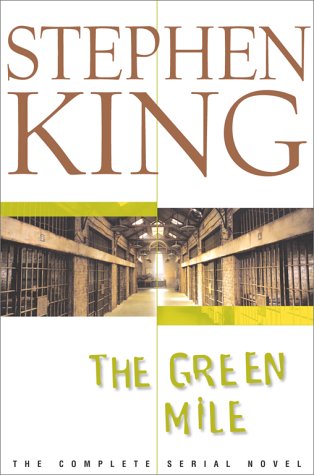
        • Cover of The Green Mile
          The Green Mile

          Stephen King · standalone novel · 1996

          similar bymagical realism

          The Green Mile is a 1996 serial novel by American writer Stephen King. It tells the story of death row supervisor Paul Edgecombe's encounter with John Coffey, an unusual inmate who displays inexplicable healing and empathetic abilities. The serial novel was released in six volumes before being republished as a single-volume work. The book is an example of magical realism. The subsequent film adaptation was a critical and commercial success. The Green Mile won the Bram Stoker Award for Best Novel in 1996. In 1997, The Green Mile was nominated as Best Novel for the British Fantasy Award and the Locus Award. In 2003 the book was listed on the BBC's The Big Read poll of the UK's "best-loved novel".

        • Cover of The Magic Toyshop
          The Magic Toyshop

          Angela Carter · standalone novel · 1967

          similar by+1 more
          The Magic Toyshop (1967) is the second novel by British author Angela Carter. It follows the development of the heroine, Melanie, as she becomes aware of herself, her environment, and her own sexuality.

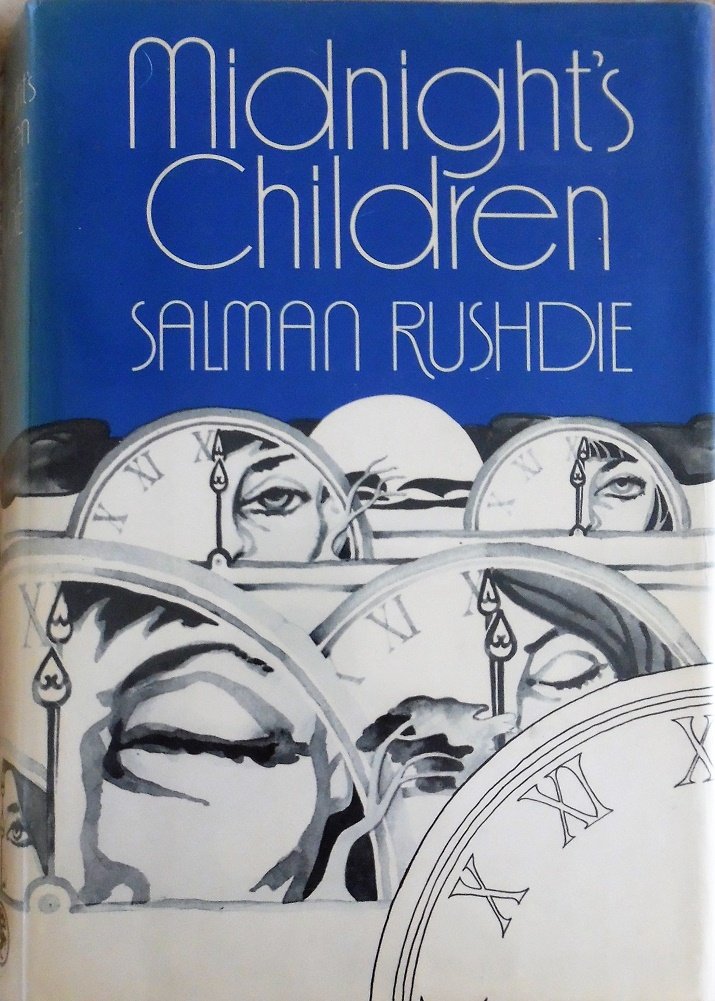
        • Cover of Midnight's Children
          Midnight's Children

          Salman Rushdie · standalone novel · 1980

          similar bymagical realism

          WorldCat: The life of a man born at the moment of India's independence becomes inextricably linked to that of his nation and is a whirlwind of disasters and triumphs that mirror modern India's course.

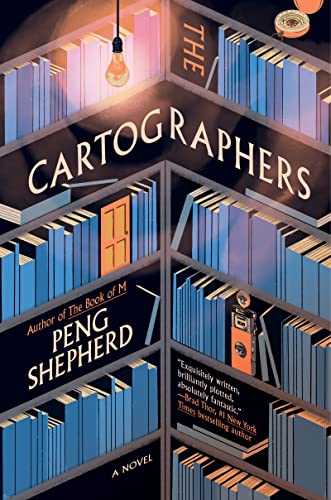
        • Cover of The Cartographers
          The Cartographers

          Peng Shepherd · standalone novel · 2022

          similar by+1 more
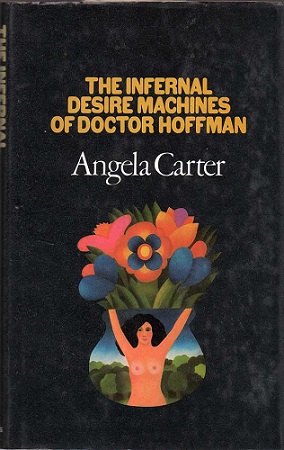
        • Cover of The Infernal Desire Machines of Doctor Hoffman
          The Infernal Desire Machines of Doctor Hoffman

          Angela Carter · standalone novel · 1972

          similar bymagical realism

          The Infernal Desire Machines of Doctor Hoffman, published in the United States as The War of Dreams, is a 1972 novel by Angela Carter. This picaresque novel is heavily influenced by surrealism, Romanticism, critical theory, and other branches of Continental philosophy. Its style is an amalgam of magical realism and postmodern pastiche. The novel has been called a theoretical fiction, as it clearly engages in some of the theoretical issues of its time, notably feminism, mass media and the counterculture.

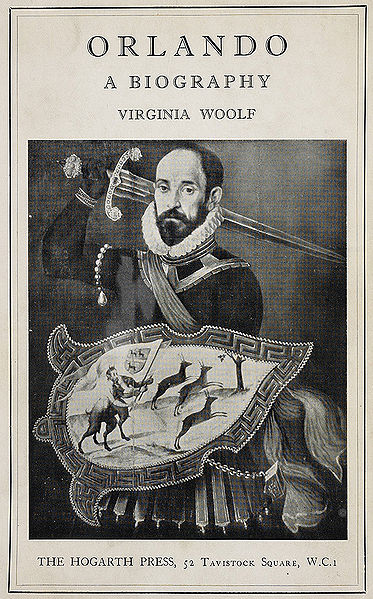
        • Cover of Orlando: A Biography
          Orlando: A Biography

          Virginia Woolf · standalone novel · 1928

          similar by+1 more
          Orlando: A Biography is a novel by Virginia Woolf, first published on 11 October 1928, inspired by the tumultuous family history of the aristocratic poet and novelist Vita Sackville-West, Woolf's lover and close friend. It is a history of English literature in satiric form. The book describes the adventures of a poet who changes from man to woman and lives for centuries, meeting the key figures of English literary history. Considered a feminist classic, the book has been written about extensively by scholars of women's writing and gender and transgender studies.

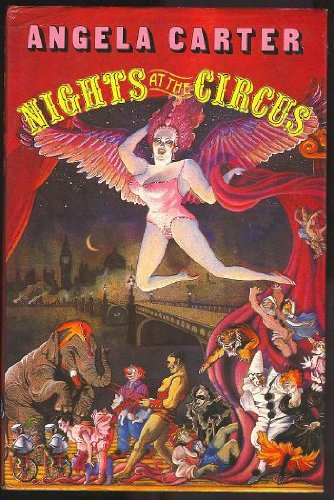
        • Cover of Nights at the Circus
          Nights at the Circus

          Angela Carter · standalone novel · 1984

          similar bymagical realism

          Nights at the Circus is a novel by British writer Angela Carter, first published in 1984 and the winner of the 1984 James Tait Black Memorial Prize for fiction. The novel focuses on the life and exploits of Sophie Fevvers, a woman who is – or so she would have people believe – a Cockney virgin, hatched from an egg laid by unknown parents and ready to develop fully fledged wings. At the time of the story, she has become a celebrated aerialiste. She captivates the young journalist Jack Walser, who runs away with the circus and falls into a world that his journalistic exploits had not prepared him to encounter.

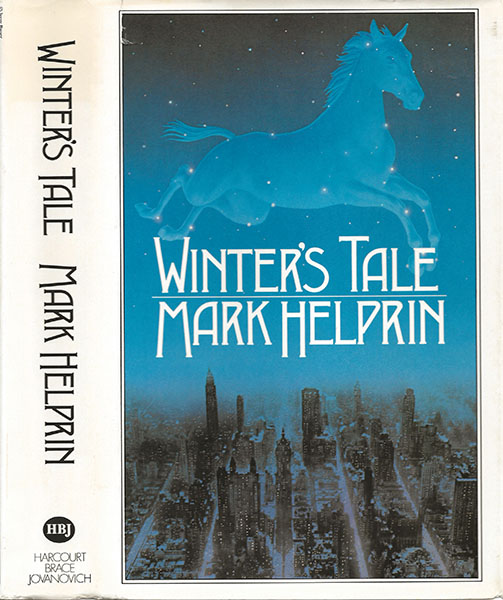
        • Cover of Winter's Tale
          Winter's Tale

          Mark Helprin · standalone novel · 1983

          similar bymagical realism

          Winter's Tale is a 1983 magic realism novel by Mark Helprin. It takes place in a mythic New York City, markedly different from reality, and in an industrial Edwardian era near the turn of the 20th century. Akiva Goldsman wrote a screenplay based on the novel and directed a feature film from the script, which was released in 2014.

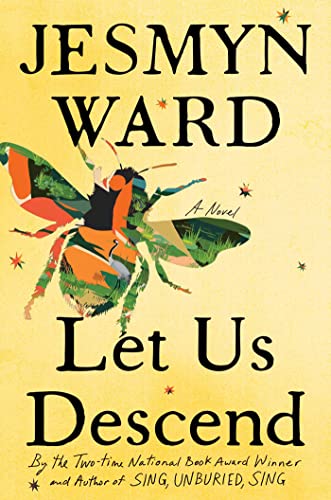
        • Cover of Let Us Descend
          Let Us Descend

          Jesmyn Ward · standalone novel · 2023

          similar by+1 more

        • Cover of The Satanic Verses
          The Satanic Verses

          Salman Rushdie · standalone novel · 1988

          similar bymagical realism

          The Satanic Verses is the fourth novel by British–Indian writer Salman Rushdie. First published in September 1988, the book was inspired by the life of the Islamic prophet Muhammad. As with his previous books, Rushdie used magical realism and relied on contemporary events and people to create his characters. The title refers to the Satanic Verses, a group of Quranic verses about three pagan Meccan goddesses: Allāt, Al-Uzza, and Manāt. The part of the story that deals with the satanic verses was based on accounts from the historians al-Waqidi and al-Tabari.

        • Cover of The Starless Sea
          The Starless Sea

          Erin Morgenstern · standalone novel · 2019

          similar by+1 more

          The Starless Sea is a 2019 speculative fiction novel by Erin Morgenstern. It is her second book, following the best-selling The Night Circus, which was published in 2011. The novel reached number three on The New York Times Best Seller list, and was also a Los Angeles Times and Sunday Times bestseller.

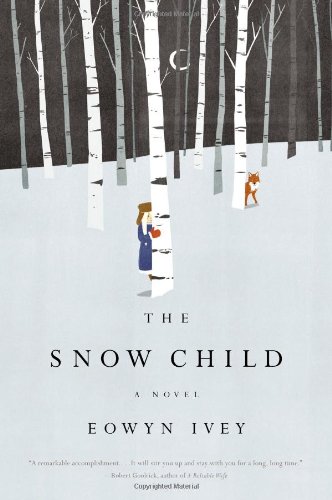
        • Cover of The Snow Child
          The Snow Child

          Eowyn Ivey · standalone novel · 2012

          similar bymagical realism

          The Snow Child is the debut novel by Eowyn Ivey. It was first published on February 1, 2012, by Little, Brown and Company. The novel was a finalist for the 2013 Pulitzer Prize for Fiction and was generally well received by critics.

        • Cover of Illywhacker
          Illywhacker

          Peter Carey · standalone novel · 1984

          similar bymagical realism

          Illywhacker is a novel by Australian writer Peter Carey. It was published in 1985 to commercial and critical success, winning a number of awards and being short-listed for the Booker Prize.

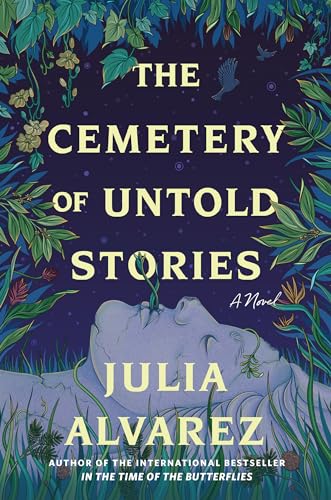
        • Cover of The Cemetery of Untold Stories
          The Cemetery of Untold Stories

          Julia Alvarez · standalone novel · 2024

          similar bymagical realism

          The Cemetery of Untold Stories: A Novel (2024) is a work of magical realism and the seventh novel by Dominican-American writer Julia Alvarez. The book follows Alma, a prolific author who, after retiring from her teaching job and writing career, inherits a plot of land in the Dominican Republic where she decides to create a cemetery for her unfinished manuscripts and notes.

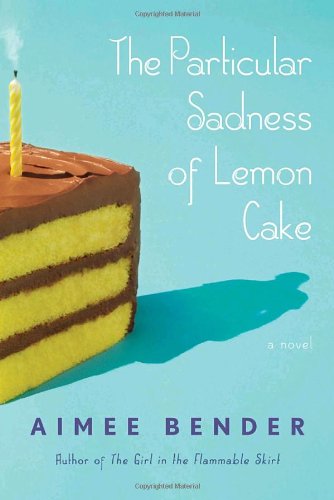
        • Cover of The Particular Sadness of Lemon Cake
          The Particular Sadness of Lemon Cake

          Aimee Bender · standalone novel · 2010

          similar bymagical realism

          The story follows a girl with a talent, from childhood to young adulthood. Rose has the ability to taste emotions in the food she eats, which she discovers on her ninth birthday, tasting in her birthday cake the emotions of her mother who baked it.

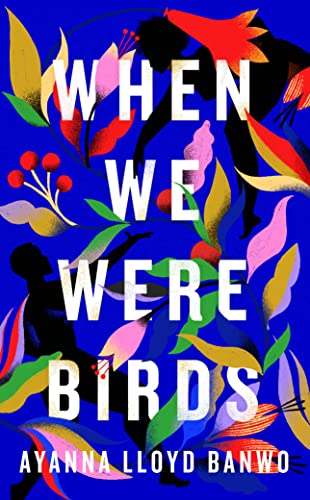
        • Cover of When We Were Birds
          When We Were Birds

          Ayanna Lloyd Banwo · standalone novel · 2022

          similar by+1 more

        • Cover of The Book of Speculation
          The Book of Speculation

          series · 2 books · 2015

          similar by+1 more

        • Cover of Gods Without Men
          Gods Without Men

          Hari Kunzru · standalone novel · 2011

          similar bymagical realism

          Gods Without Men is Hari Kunzru's fourth novel, first published in 2011. The title is a quotation from Honoré de Balzac. The novel is set in the American southwest, and contains elements of magical realism.

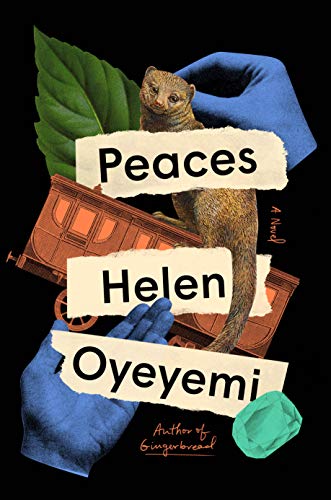
        • Cover of Peaces
          Peaces

          Helen Oyeyemi · standalone novel · 2021

          similar by+1 more

          Peaces is a 2021 novel by Helen Oyeyemi. The novel takes place on a train with several passengers.

        • Cover of Shark Heart
          Shark Heart

          Emily Habeck · standalone novel · 2023

          similar by+1 more

          Subtitled "A Love Story"

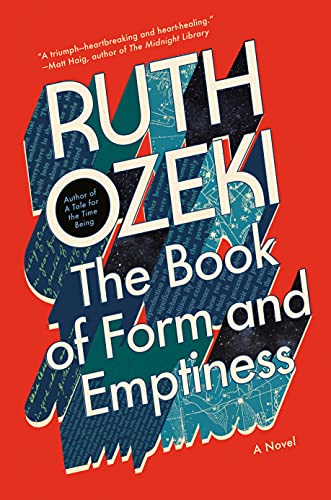
        • Cover of The Book of Form and Emptiness
          The Book of Form and Emptiness

          Ruth Ozeki · standalone novel · 2021

          similar bymagical realism

          The Book of Form and Emptiness is a novel by American author Ruth Ozeki, published in 2021 by Viking. Ozeki's fourth novel, the book won the 2022 Women's Prize for Fiction. The story follows a boy who hears voices from inanimate objects while the narrative explores themes of mental illness and bereavement.

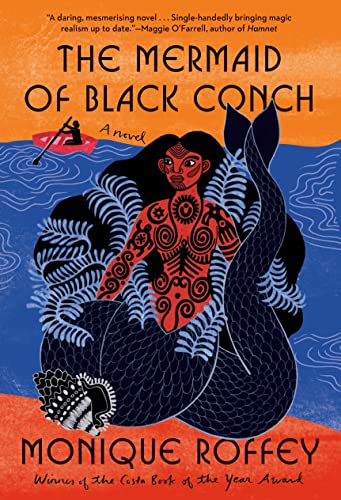
        • Cover of The Mermaid of Black Conch
          The Mermaid of Black Conch

          Monique Roffey · standalone novel · 2020

          similar bymagical realism

          The Mermaid of Black Conch is the sixth novel by Monique Roffey, published in 2020.

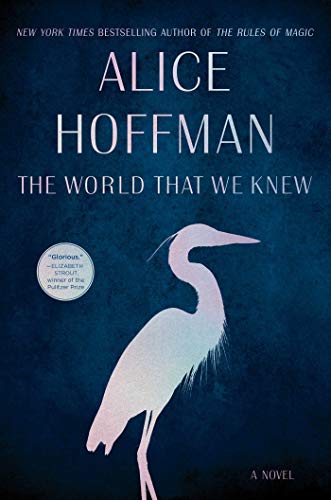
        • Cover of The World That We Knew
          The World That We Knew

          Alice Hoffman · standalone novel · 2019

          similar by+1 more

        • Cover of The Unreal and the Real: Selected Stories of Ursula K. Le Guin
          The Unreal and the Real: Selected Stories of Ursula K. Le Guin

          series · 2 books · 2012

          completed

          similar by+1 more