More like Future Power
anchored on:science fictionnear futuredystopiatotalitarianismour worlddark+1 more
but
- A Clockwork Orange
series4 books1962
completed
similar bydarkour worldtotalitarianismscience fictionnear futuredystopiachallenging+1 more
Anthony Burgess's 1962 novel is narrated by Alex, a teenage gang leader in a near-future Britain gripped by a youth subculture of extreme violence, recounting his crimes in Nadsat, an invented slang blending English with Russian-derived words. After his crimes catch up with him, Alex is made the subject of a controversial state program meant to forcibly reform his behavior, and the novel uses his ordeal to question whether imposed goodness is worth the loss of free will. It is a standalone novel.
- Stand on Zanzibar
John Brunnerstandalone novel1968
similar bydarkour worldnear futurescience fictiondystopiachallenging+1 more
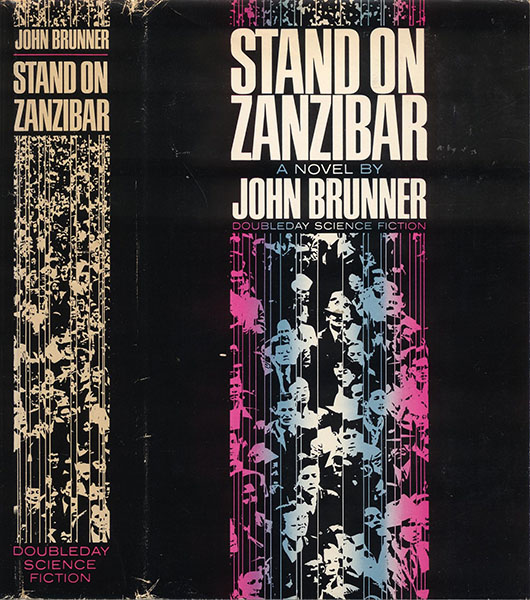
Stand on Zanzibar is a dystopian New Wave science fiction novel written by John Brunner and first in part published in New Worlds magazine in 1967 and in book form in 1968. The book won a Hugo Award for Best Novel at the 27th World Science Fiction Convention in 1969, as well as the 1969 BSFA Award and the 1973 Prix Tour-Apollo Award.
- The Wanting Seed
Anthony Burgessstandalone novel1962
similar bydarkour worldnear futuretotalitarianismscience fictiondystopiachallenging
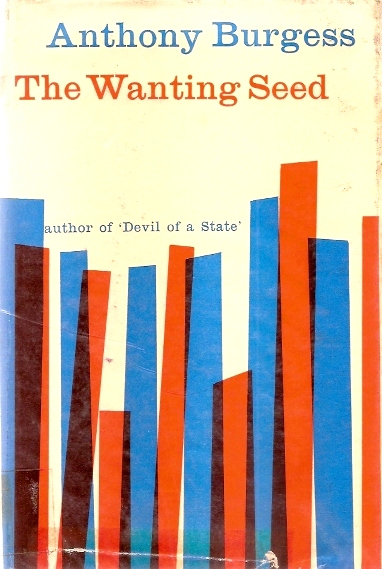
The Wanting Seed is a dystopian novel by the English author Anthony Burgess, written in 1962.
- The Simulacra
Philip K. Dickstandalone novel1964
similar bydarkour worldnear futuretotalitarianismscience fictiondystopia+1 more
The Simulacra is a 1964 science fiction novel by American writer Philip K. Dick. The novel portrays a future totalitarian society apparently dominated by a matriarch, Nicole Thibodeaux. It revolves around the themes of reality and illusionary beliefs, as do many of Dick's works. Additionally, it touches on Nazi ideology.
- Shadrach in the Furnace
Robert Silverbergstandalone novel1976
similar bydarkour worldnear futuretotalitarianismscience fictiondystopia
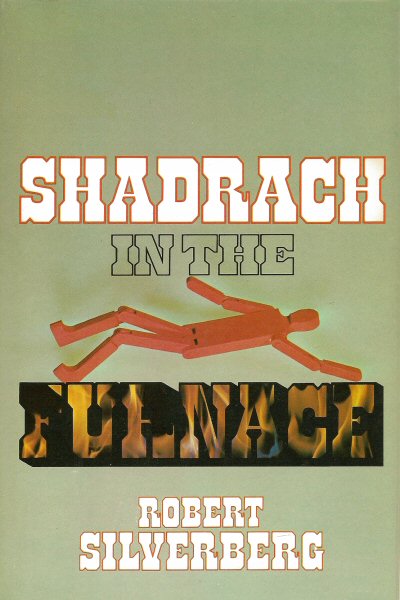
Shadrach in the Furnace is a science fiction novel by American writer Robert Silverberg, first published as a serial in Analog Science Fiction and Fact magazine in the August, September, and October 1976 issues. It was subsequently published by Bobbs Merrill in 1976. The novel was nominated in 1976 for the Nebula Award, and in 1977 for the Hugo Award.
- The Children of Men
P. D. Jamesstandalone novel1992
similar bydarkour worldnear futuretotalitarianismscience fictiondystopia
"The human race has become infertile, and under the despotic rule of Xan Lyppiatt, the Warden of England the old are despairing and the young cruel. Theo Faren, a cousin of the Warden, lives a solitary life in this ominous atmosphere. That is, until a chance encounter with a young woman leads him into contact with a group of dissenters. Suddenly his life is changed irrevocably, as he faces agonising choices which could affect the future of mankind." (pdjames.co.uk)
- The Future
Naomi Aldermanstandalone novel2023
similar bydarkour worldnear futuretotalitarianismscience fictiondystopia
The Future is a 2023 science fiction novel by English writer Naomi Alderman, published by Simon & Schuster. The novel is set in a future dystopia where the world has been altered by environmental crisis and a powerful technocracy.
- Sea of Glass
Barry B. Longyearstandalone novel1987
similar bydarkour worldnear futuretotalitarianismscience fictiondystopiacoming of age
Sea of Glass is an American dystopian science fiction novel by Barry B. Longyear. A bildungsroman, it follows the life of Tommy, growing up in a dire future. It was originally published in 1986.
- Stranger in a Strange Land
Robert A. Heinleinstandalone novel1961
similar byscience fictionnear futureour worldchallengingpsychic powerscoming of age
Stranger in a Strange Land is a 1961 science fiction novel by the American author Robert A. Heinlein. It tells the story of Valentine Michael Smith, a human who comes to Earth in early adulthood after being born on the planet Mars and raised by Martians, and explores his interaction with and eventual transformation of Terran culture.
- Space Merchants
series2 books1953
completed
similar bydarknear futurescience fictiondystopia+1 more
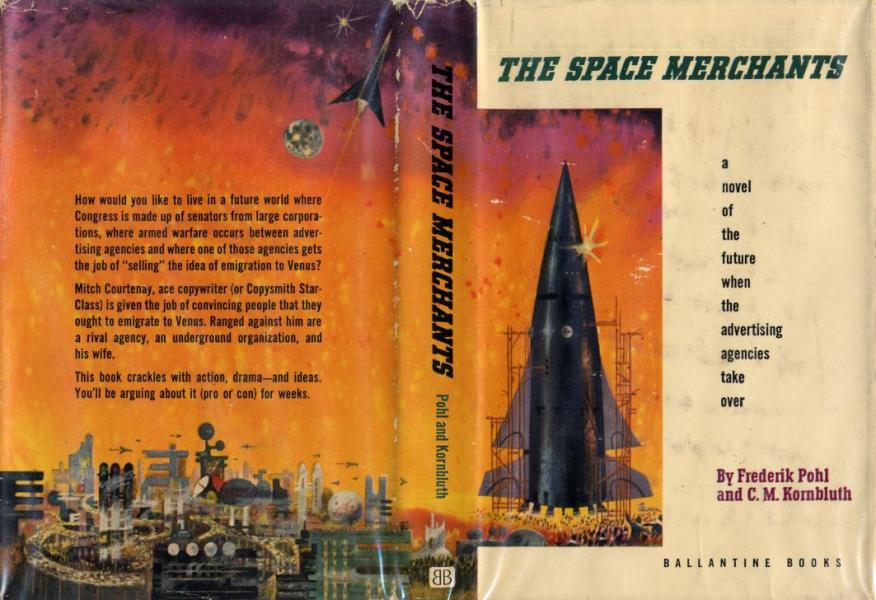
The Space Merchants (1953) is a satirical science fiction novel by Frederik Pohl and C. M. Kornbluth that follows an advertising executive navigating a future where aggressive consumer capitalism has swallowed politics and daily life. The authors reunited three decades later for a direct sequel, The Merchants' War (1984), returning to the same satirical world. Together the two books form a compact bookend pair rather than an ongoing series.
- The Man Who Japed
Philip K. Dickstandalone novel1956
similar bydarkour worldnear futuretotalitarianismscience fictiondystopia
The Man Who Japed is a science fiction novel by American writer Philip K. Dick, first published in 1956. Although one of Dick's lesser-known novels, it features several of the ideas and themes that recur throughout his later works. The "jape[s]" or practical jokes of the novel begin with a statue's unconventional decapitation.
- Shadow Children
series7 books1998
similar bydarknear futuretotalitarianismscience fictiondystopia+2 more
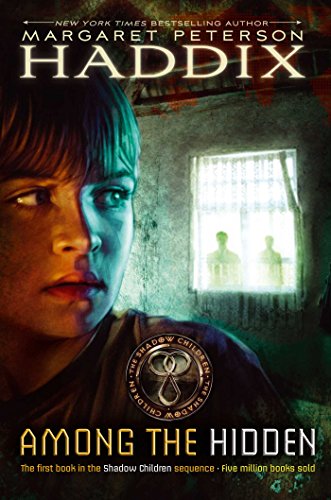
Shadow Children is a series of seven books by Margaret Peterson Haddix about a dystopian country which suffers food shortages due to a drought and the effects of the government's totalitarian attempts to control resources as a way to solidify its power. The Population Police enforce the government's Population Law, killing or imprisoning "shadow children," any child born after their first two siblings. In some cases, a parent may choose to forge a child's identification card so a shadow child can live a normal life.
- The Handmaid's Tale
series3 books1985
similar bydarknear futuretotalitarianismscience fictiondystopia
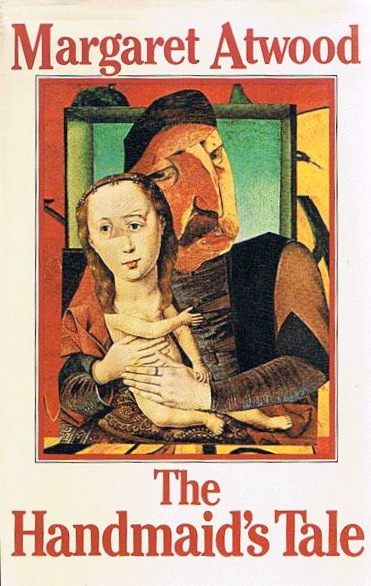
The Handmaid's Tale is Margaret Atwood's 1985 novel set in Gilead, a totalitarian theocracy that has overthrown the United States and forces fertile women into reproductive servitude as Handmaids; it is narrated by one such woman, Offred. Atwood returned to the world in her 2019 sequel The Testaments, set fifteen years later and narrated by three women, including the regime's Aunt Lydia. Together the two novels move from Gilead's grip on power toward the first cracks in it.
- Killing Time
Caleb Carrstandalone novel2000
similar bydarkour worldnear futuretotalitarianismscience fictiondystopia+1 more
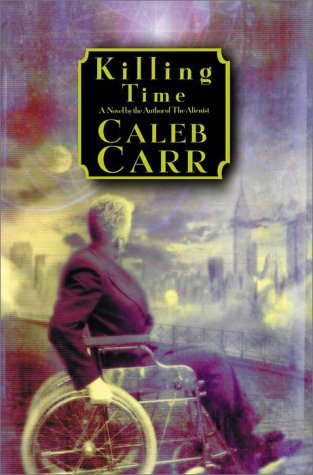
Killing Time is a dystopian novel by Caleb Carr set in the mid-21st century. Its first 22 chapters were initially serialized in five special issues of TIME and the complete work was later published in 2000 by Random House. It includes criticisms of the Information Age. The book was a departure for Carr, whose previous two novels were crime thrillers set in the Victorian era.
- Facial Justice
L. P. Hartleystandalone novel1960
similar bydarkour worldnear futuretotalitarianismscience fictiondystopia
Post World War III novel with underground population again coming to live on the surface.
- Earthseed
series7 books1993
similar bydarknear futurescience fictiondystopia+2 more
Octavia E. Butler's Earthseed novels, Parable of the Sower and Parable of the Talents, follow Lauren Olamina as she survives the collapse of a climate-ravaged, near-future United States and founds a belief system built on the idea that "God is Change." The two-book series was left unfinished at Butler's death; a planned third novel, Parable of the Trickster, was never completed. Later graphic-novel adaptations retell the same two stories rather than continuing the narrative.
- The World Jones Made
Philip K. Dickstandalone novel1956
similar bydarknear futurescience fictiondystopiapsychic powers+2 more
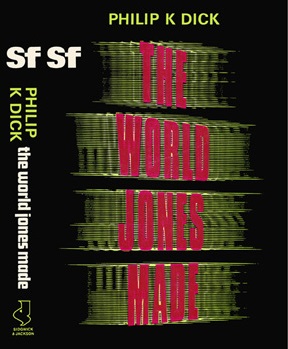
The World Jones Made is a 1956 science fiction novel by American writer Philip K. Dick, examining notions of precognition, humanity, and politics. It was first published by Ace Books as one half of Ace Double D-150, bound dos-à-dos with Agent of the Unknown by Margaret St. Clair.The story takes place after a nuclear war in which society is dominated by relativism, which rejects absolute truths and preaches tolerance as the highest principle. The mutant Floyd Jones, who can see into the future, plans to overthrow the system and colonise space. The story ends with the defeat of Jones, whose plans fail despite his ability to see the future due to the immutability of fate.
- Final Blackout
L. Ron Hubbardstandalone novel1948
similar bydarknear futurescience fictionour worlddystopia+1 more
Final Blackout is a dystopic science fiction novel by American writer L. Ron Hubbard. The novel is set in the future and follows a man known as "the Lieutenant" as he restores order to England after a world war. First published in serialized format in 1940 in the science fiction magazine Astounding Science Fiction, Final Blackout was published in book form in 1948 by The Hadley Publishing Co. Author Services Inc. published a hardcover edition of the book in 1988, and in 1989 the Church of Scientology-affiliated organization Bridge Publications said that a film director named Christopher Cain had signed a contract to write and direct a movie version based on the book.
- Colossus (D. F. Jones)
series3 books1966
completed
similar byour worldnear futurescience fictiondystopia+2 more
Colossus imagines an American supercomputer built to control the country's nuclear arsenal that gains full autonomy, links up with its Soviet counterpart, and jointly seizes control of both superpowers to enforce peace on its own terms. D. F. Jones's trilogy - Colossus, The Fall of Colossus, Colossus and the Crab - follows the escalating, often bleak consequences of humanity losing control to a machine acting in its own interpretation of humanity's interest. The original novel was adapted into the 1970 film Colossus: The Forbin Project.
- The Jagged Orbit
John Brunnerstandalone novel1969
similar bydarknear futuretotalitarianismscience fictiondystopiachallenging
The Jagged Orbit is a science fiction novel by British writer John Brunner. It is similar to his earlier novel Stand on Zanzibar in its narrative style and dystopic outlook. It has exactly 100 titled chapters, which vary from several pages to part of one word. It was first published in 1969 with cover art by Leo and Diane Dillon, in the Ace Science Fiction Specials line issued by Ace Books.
- The Lathe of Heaven
Ursula K. Le Guinstandalone novel1971
similar byour worldnear futurescience fictionpsychic powersdystopia+1 more
The Lathe of Heaven is a 1971 science fiction novel by American writer Ursula K. Le Guin, first serialized in the American science fiction magazine Amazing Stories. It won the 1972 Locus Award for Best Novel and was a finalist for the 1971 Nebula Award for Best Novel and 1972 Hugo Award for Best Novel. Two television film adaptations were released: the PBS production, The Lathe of Heaven (1980), and Lathe of Heaven (2002), a remake produced by the A&E Network.
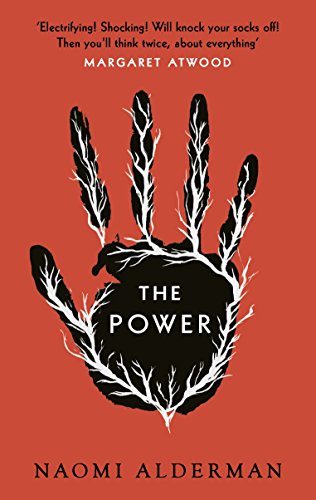
- The Power
Naomi Aldermanstandalone novel2016
similar bydarkour worldnear futurescience fictiondystopiachallenging
The Power is a 2016 science fiction novel by the British writer Naomi Alderman. Its central premise is of women developing the ability to release electrical jolts from their fingers, which allows them to become the dominant sex. In 2017, it won the Baileys Women's Prize for Fiction.
- And Chaos Died
Joanna Russstandalone novel1970
similar bydarkour worldnear futurescience fictiondystopiapsychic powers+1 more
And Chaos Died (1970) is a science fiction novel by American writer Joanna Russ. Its setting is a dystopian projection of modern society, in which Earth's population has continued to grow, with the effects somewhat mitigated by advanced technology. The novel was nominated for the 1970 Nebula Award.
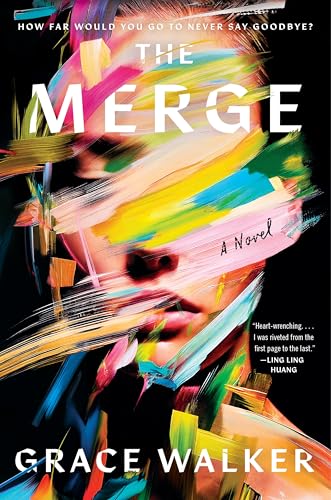
- The Merge
Grace Walkerstandalone novel2025
similar bydarkour worldnear futuretotalitarianismscience fictiondystopia
The Merge is a 2025 dystopian novel by English author Grace Walker.