Loreful
HomeDiscover
Search series, authors…⌘K
Loreful

Reading orders for SF/F series and shared universes — with your place kept in every one.

Explore

UniversesSeriesWorksAuthorsAtlas

Help

FAQAboutSite map

Account & legal

Sign inCreate accountPrivacyTerms

Data

Built on ISFDB, Wikipedia, Wikidata and Open Library. Curated reading orders carry their reasoning on the page; the rest follow publication order. Data sources & licenses

© Loreful · data: ISFDB · CC BY

More like Gateways: (Sample)

anchored on:urban fantasycontemporaryhorrornorth americasmall towneerie+1 more

but

Mood

The mood the book leaves you in.

  • The reading experience is propelled by journeys, exploration, and physical risk; excitement and forward momentum dominate over dread or introspection.
  • Joy and loss are deliberately mixed; the resolution grants characters something real while taking something else away, leaving warmth and sorrow together.
  • The book demands work from the reader — dense prose, difficult structure, unfamiliar ideas, or morally uncomfortable material — as part of its intended effect.
  • Grim events, cruelty, or despair dominate the atmosphere, and the book does not soften them with comfort or comic relief.
  • The atmosphere is quietly unsettling — wrongness, unease, and the uncanny pervade the book without necessarily escalating into overt horror.
  • The book is built to move the reader; character feeling is foregrounded and major scenes aim at a strong emotional response.
  • Humor is a primary aim and the prose plays for laughs — comic situations, wit, or dialogue produce sustained comedy, not occasional levity.
  • The book insists that things can improve; effort and decency are shown to matter, and the arc bends toward better outcomes even through hardship.
  • The book teaches as it goes — real facts, history, science, or craft are conveyed in enough depth that learning is part of the reading experience.
  • The book is designed to uplift and motivate, presenting perseverance or achievement in a way that invites the reader to aspire or act.
  • The overall register is cheerful and easygoing; stakes are kept gentle and the book avoids dwelling on pain or dread.
  • Withheld information drives the experience; the book sustains enigmas and secrets the reader wants resolved, whatever its genre.
  • The book is contemplative and inward-looking, giving more weight to thought, memory, and meaning than to external events.
  • The book works as comfort reading — low tension, a soothing pace, and an atmosphere the reader can unwind in.
  • Grief, loss, or melancholy set the dominant register, and the book lets sorrow stand rather than resolving it into comfort.
  • Sustained suspense is the point; the book keeps the reader braced for what happens next through danger, pressure, or impending revelation.
  • Playful invention and charm define the register — fanciful conceits, light absurdity, and a narration that delights in its own oddity.

About

What the story runs on.

  • Stories in which extraterrestrial beings are central — as characters, cultures, or the object of the plot.
  • Stories structured as a quest — a journey undertaken to find, deliver, or destroy something of great import.
  • Stories in which staying alive against nature, catastrophe, or scarcity is the central problem.
  • Stories of lovers kept apart by law, family, faith, or station, where the obstacle to love is the plot.
  • Stories in which a friendship — its making, testing, or loss — is the emotional center.
  • Stories of growing up — a young protagonist crossing from childhood into adult knowledge and responsibility.
  • Stories about who a character truly is — self-discovery, doubled lives, and the search for a self.
  • Stories about mourning — living through the death of a loved one and what loss does to the survivors.
  • Stories in which a buried family truth — hidden parentage, crimes, or shames — surfaces and reorders the present.
  • Stories driven by maneuvering for power — factions, conspiracies, and statecraft conducted in shadow.
  • Stories in which war itself is the subject — combat, occupation, and what warfare does to soldiers and civilians.
  • Stories organized around investigating a killing — the case, the clues, and the pursuit of the killer, in any genre's clothing.

Shelf

Where it sits in the library.

    • Fiction built on magic or other supernatural elements that have no scientific explanation.
    • Secondary-world fantasy at large scale, where the fate of nations or the world turns on the protagonists' struggle.
    • Fantasy set in a recognizably modern city or contemporary world where the supernatural intrudes on everyday life.
    • Fantasy that blends in horror's atmosphere and imagery, keeping a fantastical frame around grim or frightening material.
    • Action-driven fantasy following warriors or rogues with personal stakes against sorcerous threats, rather than world-spanning conflicts.
    • Fantasy set in a real historical period or a close analogue of one, with magic woven into the era.
    • Fantasy in which protagonists cross from the ordinary world into another world through a portal or similar passage.
    • Fiction that retells or reworks a traditional fairy tale in a new form or setting.
    • Fantasy drawing directly on myths, legends, and folklore, retelling them or building on their figures and logic.
    • Fantasy of ghosts, vampires, shapeshifters, psychics, and similar phenomena, usually set in an otherwise ordinary world.
    • Fiction mixing science-fictional trappings with overtly magical or impossible elements in one setting.
    • Low-stakes fantasy emphasizing comfort, community, and everyday pleasures over conflict and peril.
    • Speculative fiction of pervasive moral ambiguity, violence, and cynicism that rejects heroic conventions — fantasy and SF alike.
      • Fiction that extrapolates from science and technology — future societies, space travel, or speculative inventions — within at least nominally natural laws.
      • Science fiction of interstellar scope — starships, galactic polities, and adventure across star systems.
      • Science fiction committed to scientific rigor, where technical plausibility constrains the story.
      • Science fiction centered on armed forces and warfare, told largely from a military point of view.
      • Science fiction of networked, corporate-dominated near futures, pairing high technology with social decay.
      • Science fiction styled on nineteenth-century steam-powered technology, often in a Victorian or pseudo-Victorian setting.
      • Fiction depicting an oppressive or catastrophic society, presented as a warning.
      • Fiction set after civilization's collapse, following survivors in the ruins of the old world.
      • Fiction in which characters move between past and future, and the mechanics or consequences of that travel drive the plot.
      • Fiction exploring a world where a historical event went differently and history diverged from ours.
      • Science fiction about humanity's first encounter and communication with an alien intelligence.
      • Science fiction in which extraterrestrial forces attack or occupy Earth and humanity resists.
      • Fiction whose primary aim is to frighten or unsettle the reader through dread, menace, or the monstrous.
      • Horror of vast, indifferent, incomprehensible entities before which humanity is insignificant, in the Lovecraft tradition.
      • Horror of decaying houses, buried family secrets, and oppressive atmosphere in the Gothic literary tradition.
      • Horror centered on hauntings and the returning dead.
      • Horror located in the mind — paranoia, obsession, and unreliable perception rather than external monsters.
      • Horror built around the reanimated dead and survival amid their outbreaks.
      • Horror defined by explicit, transgressive gore that refuses to cut away from violence.
      • Speculative fiction of the strange and uncanny that resists both natural explanation and standard genre categories.
      • Fiction organized around solving a crime or puzzle, typically following an investigator toward the identification of a culprit.
      • A puzzle-first mystery that lays out clues so the culprit's identity can be deduced before the reveal.
      • Crime fiction of moral ambiguity, fatalism, and hard-edged style, set among the corrupt and the doomed.
      • A mystery following the realistic routines of police work — forensics, interviews, and case-building.
      • A gentle mystery with an amateur sleuth, a small community, and violence kept off the page.
      • A mystery set in a past era, where the investigation works within that period's methods and society.
      • Fast-paced fiction driven by imminent danger, pursuit, or high-stakes conspiracy, built to sustain tension.
      • A thriller of espionage — agents, tradecraft, and intelligence services in conflict.
      • A thriller centered on lawyers and the courtroom, where litigation carries the suspense.
      • A thriller driven by detailed contemporary or near-future technology, often military or scientific.
      • A thriller whose tension comes from mental states and manipulation between characters rather than external action.
      • Fiction whose central plot is a romantic relationship and its development toward an emotionally satisfying resolution.
      • Romance in which one or both partners are supernatural beings, blending fantasy elements into the love story.
      • A fantasy-romance hybrid in which the romantic arc and the fantasy plot carry equal weight.
      • Romance set in a past era, with courtship shaped by the period's society and manners.
      • Romance set in the present day, without supernatural or historical elements.
      • Fiction set in a real past period, where the historical setting materially shapes characters and events.
        • General and literary fiction emphasizing prose style, character interiority, or formal ambition over genre plot conventions.
        • Fiction in a realistic world where magical events occur and are treated as ordinary, in the tradition of Latin American literature.
        • Fiction that ridicules people, institutions, or society in order to criticize them.
        • Fiction of dreamlike, irrational imagery and logic that breaks from realistic representation.
        • Fiction that plays with narrative convention through metafiction, fragmentation, and self-reference.
        • Fiction propelled by journeys, exploration, and physical peril, where action and survival carry the plot.
        • Adventure fiction of ships and seafaring — naval engagements, voyages, and life at sea.
        • Fiction of the American frontier West — gunmen, ranchers, and lawmen, typically in the late nineteenth century.
        • Fiction centered on soldiers, campaigns, and the experience of warfare, historical or imagined.
          • Fiction written primarily to amuse, using comedic situations, wit, or parody as its organizing principle.
            • Multi-generational fiction following a family or dynasty across decades, with inheritance and kinship as the through-line.
              • Fiction whose world runs on explicit game mechanics — levels, stats, and skills that characters can see and exploit.
                • Fiction about costumed or superpowered heroes and their conflicts with comparable villains.

                Practical

                How long a commitment, whether it stands alone, and whether it has finished.

                Tap a chip to ask for it · tap again to rule it out · once more to clear. Numbers show what would be left.

                • Cover of The House on Moon Creek Avenue
                  The House on Moon Creek Avenue

                  E. Reyes · standalone novel · 2020

                  similar bycontemporaryeerietensehorrornorth america+2 more

                  ● "Cindy is a twenty-one-year-old single mother, retail worker, and college student. She inherits her grandmother's home on Moon Creek Avenue after she passes away. At first, the home is comfortable, nostalgic of Cindy's childhood at nana's, and her daughter enjoys the home, too. But soon, ghosts randomly appear day and night, doors open and close, a streak of bad luck begins, Cindy and her daughter have unsettling nightmares, and Cindy's mental state is pushed to the edge. When Cindy's video recording of paranormal activity goes viral on social media, she gets the attention of famous ghost hunters. Without anywhere else to turn, Cindy accepts their help." ― paraphrased from this book's product page on Amazon.com as of 2024-09-26.

                • Cover of Rosemary Reilly
                  Rosemary Reilly

                  series · 2 books · 1967

                  completed

                  similar byparenthoodtensehorrornorth america+2 more

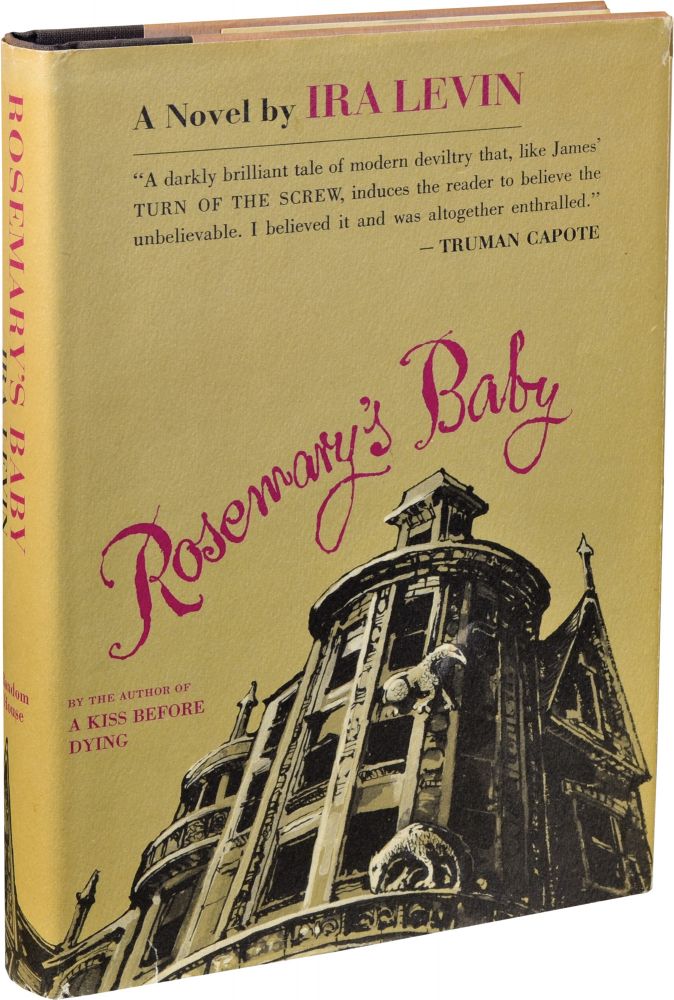
                  Rosemary's Baby follows a young wife in a Gothic Manhattan apartment building who grows increasingly convinced that her elderly neighbors, and even her own husband, are part of a conspiracy surrounding her pregnancy. Ira Levin returned to the character thirty years later in the 1997 sequel Son of Rosemary. Together the two novels form a short, self-contained horror series about faith, control, and motherhood.

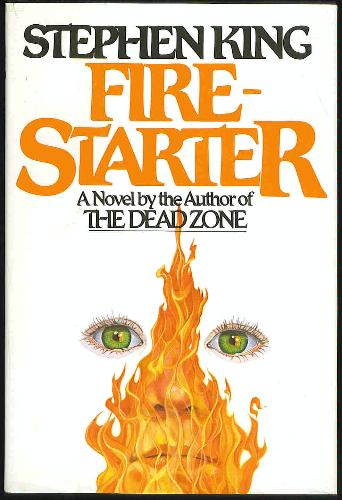
                • Cover of Firestarter
                  Firestarter

                  Stephen King · standalone novel · 1980

                  similar byparenthoodcontemporarytensenorth america+1 more

                  WorldCat: Innocence and beauty ignite with evil and terror... First, a man and a woman are subjects of a top-secret government experiment designed to produce extraordinary psychic powers. Then, they are married and have a child. A daughter. Early on the daughter shows signs of a wild and horrifying force growing within her. Desperately, her parents try to train her to keep that force in check, to 'act normal'. Now the government wants its brainchild back for its own insane ends.

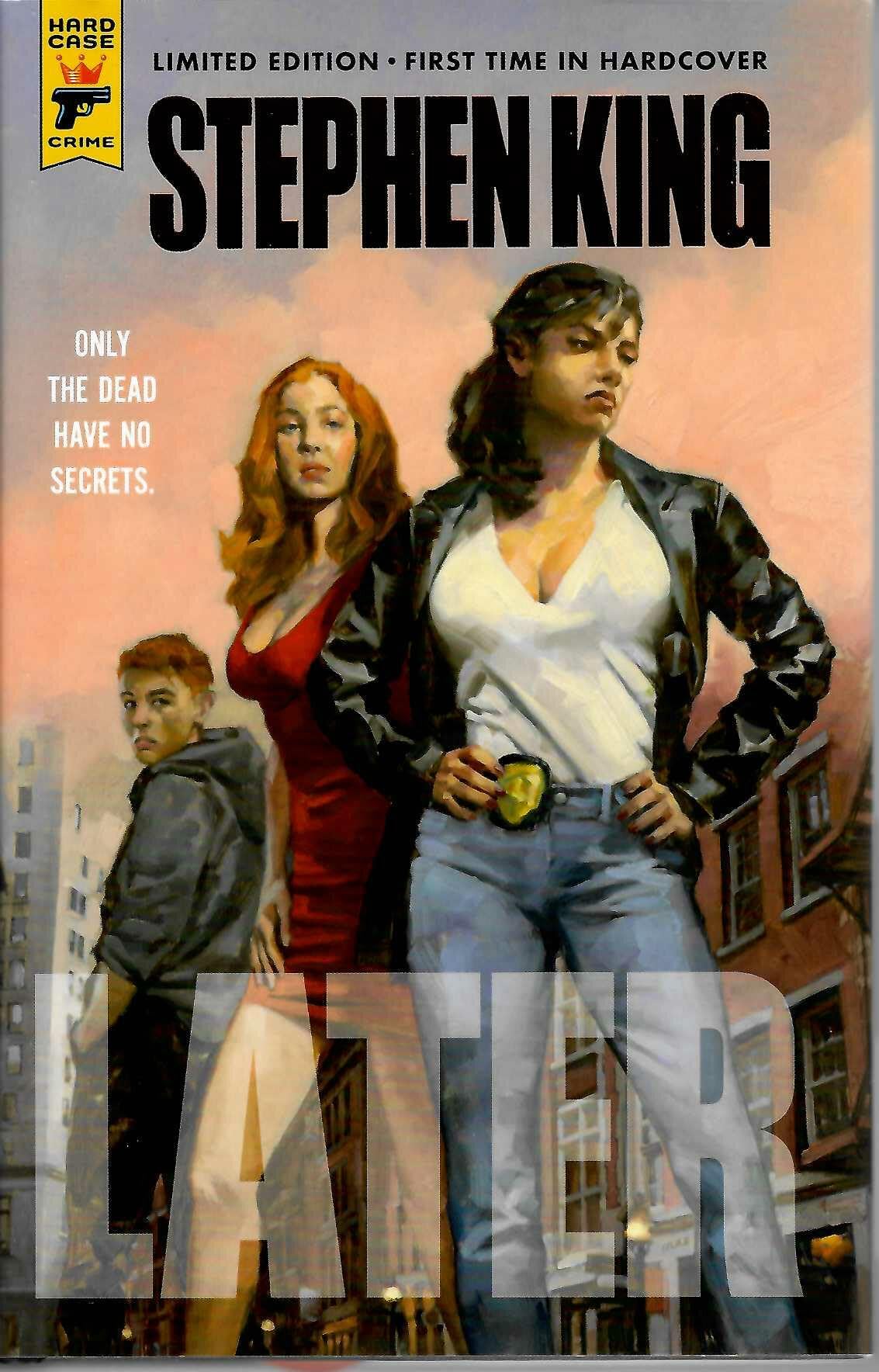
                • Cover of Later
                  Later

                  Stephen King · standalone novel · 2021

                  similar byparenthoodcontemporaryeerietensehorrornorth america

                  A young boy, with the power of seeing and talking with the recently deceased, and his single mother try to avoid personal and financial disasters.

                • Cover of The Changeling
                  The Changeling

                  Victor LaValle · standalone novel · 2017

                  similar byparenthoodcontemporarytenseurban fantasyhorrornorth america

                  The Changeling is a 2017 fantasy horror novel by Victor LaValle. The novel received critical acclaim, winnings awards including the 2017 Dragon Award for Best Horror Novel, 2018 British Fantasy Award for Best Horror Novel, 2018 Locus Award for Best Horror Novel, and 2018 World Fantasy Award—Novel. The novel was adapted into a television show of the same name which premiered in 2023.

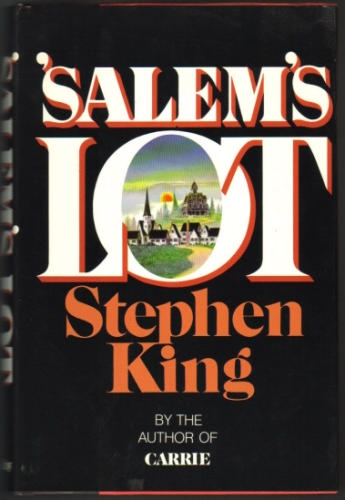
                • Cover of Jerusalem's Lot
                  Jerusalem's Lot

                  series · 3 books · 1975

                  similar bycontemporarytensehorroreerienorth americasmall town

                  Stephen King's 1975 novel 'Salem's Lot follows writer Ben Mears as he returns to his childhood town of Jerusalem's Lot, Maine, only to discover that its residents are being turned into vampires by a newly arrived stranger. It transplants Gothic vampire horror into a small New England community, tracking that community's collapse under a supernatural siege. It is a single, self-contained novel.

                • Cover of Lost Boys
                  Lost Boys

                  Orson Scott Card · standalone novel · 1992

                  similar byparenthoodeerietensehorrornorth americasmall town

                  Lost Boys (1992) is a horror novel by American author Orson Scott Card. The premise of the novel revolves around the daily lives of a Mormon family, and the challenges they face after a move to North Carolina. The story primarily follows the family's troubles at work, church, and the oldest child Stevie's difficulty fitting in at school, which lead to him becoming increasingly withdrawn.

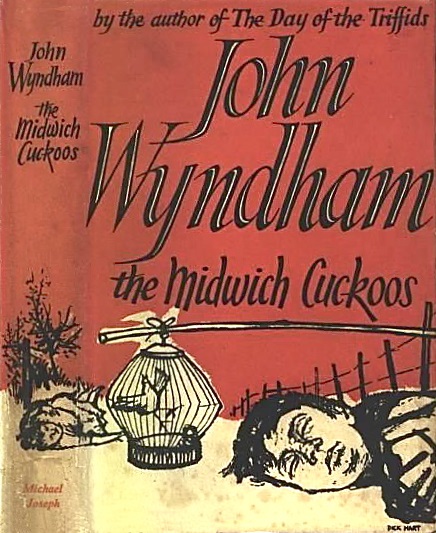
                • Cover of The Midwich Cuckoos
                  The Midwich Cuckoos

                  John Wyndham · standalone novel · 1957

                  similar byparenthoodeerietensesmall town

                  The Midwich Cuckoos is a 1957 science fiction novel written by the English author John Wyndham. It tells the tale of an English village in which the women become pregnant by brood parasitic aliens. The book has been praised by many critics, including the dramatist Dan Rebellato, who called it "a searching novel of moral ambiguities", and the novelist Margaret Atwood, who called the book Wyndham's "chef d'œuvre". The book has been adapted for film, radio, and television.

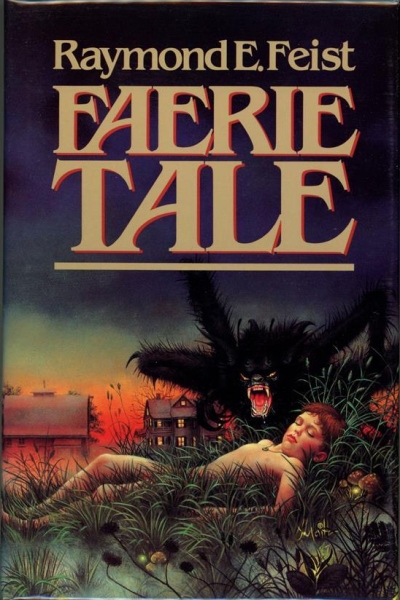
                • Cover of Faerie Tale
                  Faerie Tale

                  Raymond E. Feist · standalone novel · 1988

                  similar bycontemporaryurban fantasyeerietensenorth americasmall town

                  Faerie Tale is a supernatural thriller, falling within the subgenre of contemporary fantasy, by American writer Raymond E. Feist, first published in 1988.

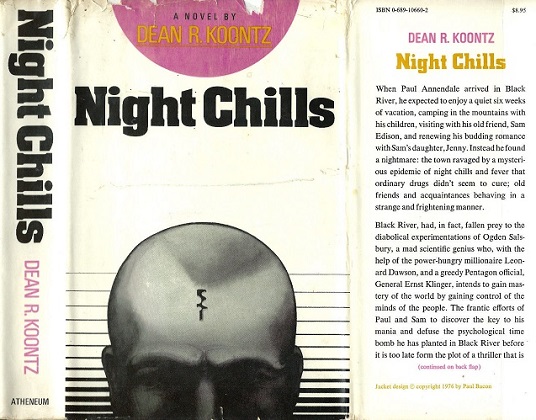
                • Cover of Night Chills
                  Night Chills

                  Dean R. Koontz · standalone novel · 1976

                  similar byparenthoodcontemporarytensenorth america+1 more

                  A single father and his 2 children, along with the father's love interest and her father, stumble upon a plot to perfect mind control via scientific means and must stop it before it is extended to everyone in the world.

                • Cover of Mine
                  Mine

                  Robert R. McCammon · standalone novel · 1990

                  similar byparenthoodcontemporarytensehorrornorth america

                  Mine is a novel written by American author Robert R. McCammon. It won the 1990 Bram Stoker Award for Best Novel.

                • Cover of Insomnia
                  Insomnia

                  Stephen King · standalone novel · 1994

                  similar bycontemporaryeerietensehorrornorth americasmall town

                  When an elderly widower in Maine finds himself with sleep maintenance insomnia, awakening early every morning, this state of exhaustion allows him to perceive a higher state of reality, where he learns of an impending disaster which will shake not just the Earthly reality. but all the higher realities, and which he has been recruited to prevent.

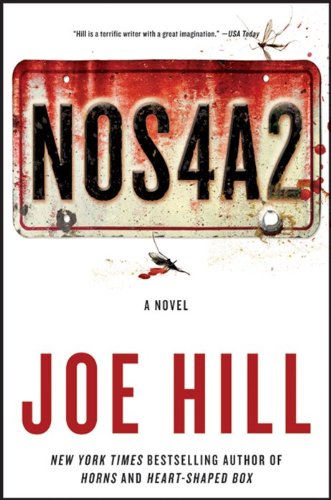
                • Cover of Charlie Manx / Christmasland
                  Charlie Manx / Christmasland

                  series · 3 books · 2013

                  similar bycontemporaryhorror+3 more

                  Joe Hill's NOS4A2 introduces Charlie Manx, a supernatural predator who abducts children in his Rolls-Royce Wraith and carries them to Christmasland, a frozen otherworld reached along roads that exist only in the minds of the gifted. Victoria McQueen, who has a similar power to find impossible roads, spends the novel and the companion story Wraith trying to stop him — a linked pursuit across decades rather than a conventional numbered series.

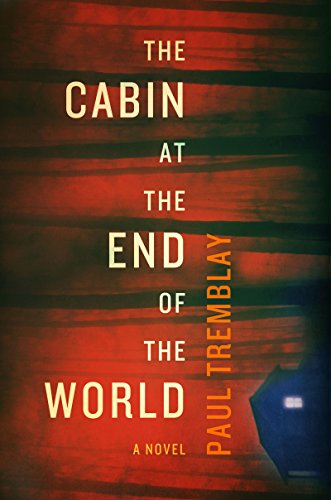
                • Cover of The Cabin at the End of the World
                  The Cabin at the End of the World

                  Paul Tremblay · standalone novel · 2018

                  similar byparenthoodcontemporarytensehorror+1 more

                  The Cabin at the End of the World is a 2018 horror novel by American writer Paul Tremblay. The novel won the Horror Writers Association's Bram Stoker Award for Best Novel in 2019. It was adapted into the 2023 film Knock at the Cabin by director M. Night Shyamalan.

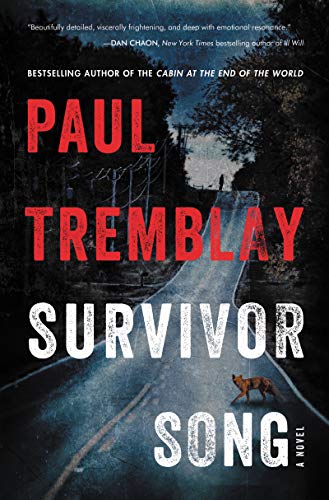
                • Cover of Survivor Song
                  Survivor Song

                  Paul Tremblay · standalone novel · 2020

                  similar bycontemporarytensehorrornorth america+1 more

                  Survivor Song is a horror novel by American author Paul G. Tremblay, published by William Morrow on July 7, 2020. The narrative centers on characters striving to survive amidst a devastatingly infectious viral outbreak in Massachusetts.

                • Cover of The Chrysalis
                  The Chrysalis

                  Brendan Deneen · standalone novel · 2018

                  similar byparenthoodcontemporarytensehorrornorth americasmall town

                  "Barely employed millennials Tom and Jenny Decker have to grow up fast when they lose their cheap Manhattan apartment. Leaving "the city" is hard, but the blow is softened when they stumble upon a surprisingly affordable house in the suburbs. For Tom, the bills, the mortgage, and Jenny's unexpected pregnancy add up to terror. He's not ready for this kind of responsibility. Then he finds the thing in the basement. It makes him feel like a winner even as it scrambles his senses. A new job soon has him raking in the big bucks--enough that Jenny can start making her entrepreneurial dreams come true. The Deckers' dream home conceals more than one deadly secret. As Tom's obsession with the basement grows, Jenny realizes that to save her family, she must expose everything. Before it destroys them all. No one ever really wants to grow up...but sometimes behaving like an adult is the only way to survive"--Amazon.com.

                • Cover of 'Mancer
                  'Mancer

                  series · 3 books · 2015

                  similar byparenthoodcontemporaryurban fantasytensenorth america

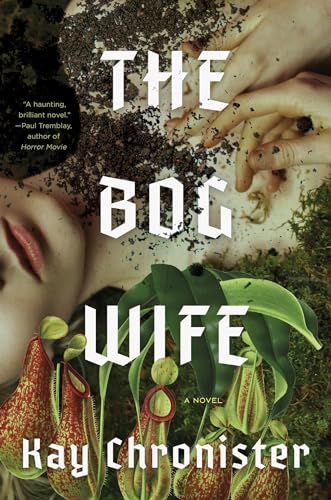
                • Cover of The Bog Wife
                  The Bog Wife

                  Kay Chronister · standalone novel · 2024

                  similar bycontemporaryeeriehorrornorth america+1 more

                  The Bog Wife is a 2024 horror novel by Kay Chronister that incorporates elements of Southern Gothic literature. It tells the story of the Haddesley family, in which family members sacrifice their family patriarch to a bog in order receive a wife in return. The story has received praise for its exploration of patriarchal family dynamics and traditions.

                • Cover of Harvest Home
                  Harvest Home

                  Thomas Tryon · standalone novel · 1973

                  similar bycontemporaryeerietensehorrornorth americasmall town

                  What is the dark secret the people (especially the women!) of Harvest Home are hiding? A family tries to get out of the City and finds the perfect home for their young daughter complete with folk remedies for her allergies and sensitivities in the local wisewoman. But is there something sinister under the surface of the charming little town?

                • Cover of Sorrowland
                  Sorrowland

                  Rivers Solomon · standalone novel · 2021

                  similar byparenthoodcontemporaryeerienorth america+1 more

                  Sorrowland is a 2021 gothic science fiction novel by American writer Rivers Solomon.

                • Cover of Bless the Child
                  Bless the Child

                  Cathy Cash Spellman · standalone novel · 1993

                  similar byparenthoodcontemporarytensehorrornorth america

                  Maggie O'Connor raised her grandaughter after her daughter left the infant on her doorstep, but the daughter returned three years later and taken her into a satanic cult [WorldCat].

                • Cover of Sweet Lamb of Heaven
                  Sweet Lamb of Heaven

                  Lydia Millet · standalone novel · 2016

                  similar byparenthoodcontemporaryeerietensenorth america

                  Lydia Millet's chilling new novel is the first-person account of a young mother, Anna, escaping her cold and unfaithful husband, a businessman who's just launched his first campaign for political office. When Ned chases Anna and their six-year-old daughter from Alaska to Maine, the two go into hiding in a run-down motel on the coast. But the longer they stay, the less the guests in the dingy motel look like typical tourists-- and the less Ned resembles a typical candidate. As his pursuit of Anna and their child moves from threatening to criminal, Ned begins to alter his wife's world in ways she never could have imagined. A double-edged and satisfying story with a strong female protagonist, a thrilling plot, and a creeping sense of the apocalyptic, Sweet Lamb of Heaven builds to a shattering ending with profound implications for its characters-- and for all of us.

                • Cover of Carrie
                  Carrie

                  Stephen King · standalone novel · 1974

                  similar bycontemporarytensehorrornorth americasmall town

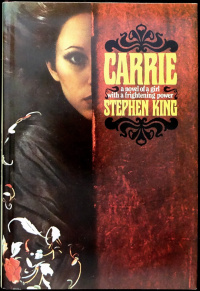
                  In one way or another, everybody abused Carrie. This sixteen-year-old misfit was forbidden everything that was young and fun by her fanatical mother. She was teased and taunted by her classmates, misunderstood by her teachers, and given up as hopeless by almost everyone. But Carrie had a secret: She possessed terrifying telekinetic powers that could make inanimate objects move, a lighted candle fall, or a door lock. Carrie could make all kinds of startling bizarre, and malevolent things happen. (WorldCat)

                • Cover of Mookie Pearl
                  Mookie Pearl

                  series · 2 books · 2013

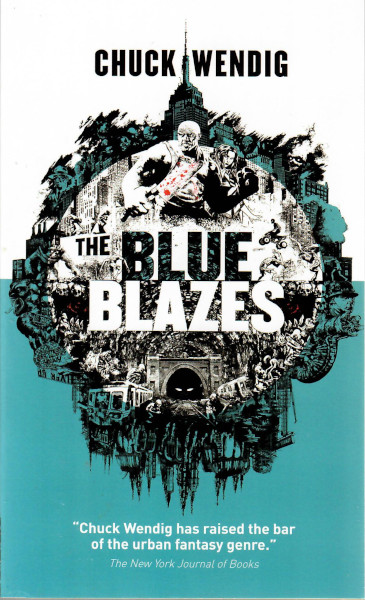
                  similar byparenthoodcontemporaryurban fantasytense+1 more