More like Geist
anchored on:fantasysecondary worlddark fantasyghost storiescursessmall town+2 more
but
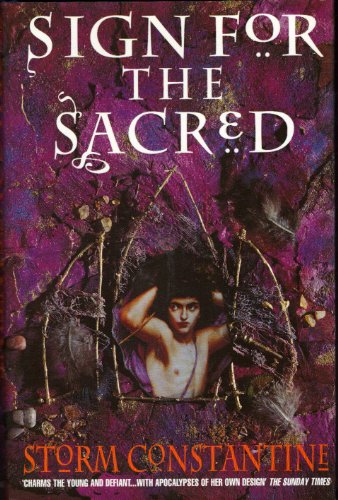
- Sign for the Sacred
Storm Constantinestandalone novel1993
similar bycursesdarkpolitical intriguefantasysecondary worlddark fantasy
The Church of Ixmarity is under siege – the followers of the maverick prophet Resence Jeopardy are winning new converts daily and their heresy threatens the state itself, as well as the wealth and position of those who govern it, particularly the eccliesiarch, Wilfish Implexion. Implexion is determined to stamp out the Jeopardites by any means at his disposal, no matter how ruthless. But the Jeopardites are nomadic, flitting from sanctuary to sanctuary, constantly evading the forces of Ixmarity. Implexion is not alone in his determination to seek out the elusive heretic – four others are desperate in their desire to find Jeopardy... Lucein ... a former colleague of Resences Jeopardy, a vibrancer of the Church of Ixmarity, a man who would have dedicated his life to the dance in respectable slavery had it not been for the love of the prophet to be. Cleo...the child bride of a poisoner. When the beautiful Inky, one of Jeopardy’s illegitimate offspring, is brought to her house for disposal, she falls in love – with the boy and with his sire. Selilah and Trajan..brought together by death and disease. Delilah is orphaned by Rajan’s violent attack on her village, and she’s the only one ont prey to either his wrath or the pernicious plague he carries. Delilah promises to watch over Trajan as he returns to the sanctuary of the Jeopardite camp – he believes Resenence is his only possible saviour from the terrible curse he carries. But in finding Jeopardy all four questers are ultimately surprised by the nature of their success...
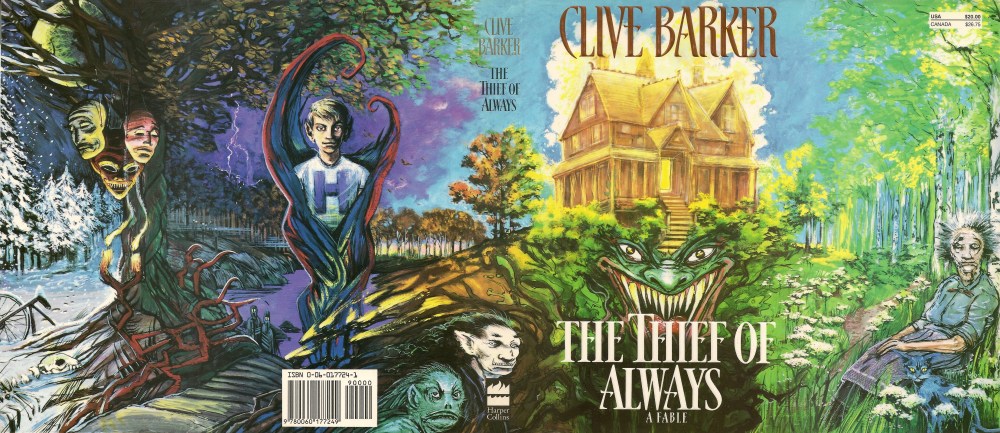
- The Thief of Always
Clive Barkerstandalone novel1992
similar bydarkeeriefantasydark fantasy+1 more
Ten-year-old Harvey Swick is bored out of his mind when a stranger named Rictus offers him a way out: Holiday House, a place where every season of the year -- Christmas, Halloween, summer -- arrives in a single glorious day, one after another. Once inside, Harvey meets fellow children Wendell and Lulu, the elderly caretaker Mrs. Griffin and her cats, and settles into a routine of enchantment that starts to feel too perfect. Their host, the mysterious Mr. Hood, never appears, rumors about a figure called Carna keep surfacing, and something in the nearby lake is very wrong. One of Clive Barker's best-known standalone books, written for younger readers.
- A Song of Ice and Fire
series14 books1996
part of World of Ice and Fire
similar bydarkpolitical intriguesecondary worldfantasy+1 more
A Song of Ice and Fire is a series of high fantasy novels by the American author George R. R. Martin. Martin began writing the first volume, A Game of Thrones, in 1991, and published it in 1996. Martin, who originally envisioned the series as a trilogy, has released five out of seven planned volumes. The most recent entry in the series, A Dance with Dragons, was published in 2011. Since then, Martin has been working on the sixth novel, titled The Winds of Winter. A seventh novel, A Dream of Spring, is planned to follow.
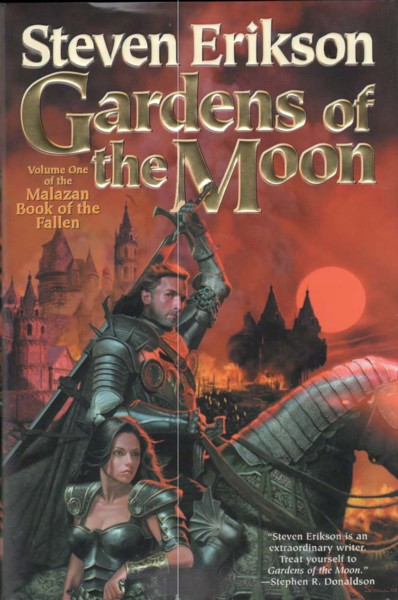
- Malazan Book of the Fallen
series20 books1999
part of Malazan
similar bydarksecondary worlddark fantasyfantasy+1 more
The Malazan Book of the Fallen is a series of epic fantasy novels written by the Canadian author Steven Erikson. The series, published by Bantam Books in the U.K. and Tor Books in the U.S., consists of ten volumes, beginning with Gardens of the Moon (1999) and concluding with The Crippled God (2011). Erikson's series presents the narratives of a large cast of characters spanning thousands of years across multiple continents.
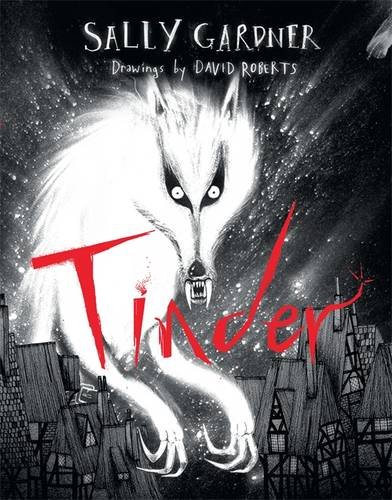
- Tinder
Sally Gardnerstandalone novel2013
similar bycursesdarkeeriefantasysecondary worlddark fantasy
Otto Hundebiss is tired of war, but when he defies Death he walks a dangerous path. A half beast half man gives him shoes and dice which will lead him deep into a web of dark magic and mystery. He meets the beautiful Safire - pure of heart and spirit, the scheming Mistress Jabber and the terrifying Lady of the Nail. He learns the powers of the tinderbox and the wolves whose master he becomes. But will all the riches in the world bring him the thing he most desires? This novel is inspired by the Hans Christian Anderson fairy tale, The tinderbox.
- Gormenghast
series6 books1946
completed
similar bydarkfantasysecondary world+1 more
Gormenghast is a fantasy series by British author Mervyn Peake, about the inhabitants of Castle Gormenghast, a sprawling, decaying, Gothic structure. Originally conceived as a single on-going novel, the series was ended by Peake's death and comprises three novels: Titus Groan (1946), Gormenghast (1950) and Titus Alone (1959); and a novella, Boy in Darkness (1956). Peake was writing a fourth novel, Titus Awakes, at the time of his death in 1968. The book was completed by Peake's widow Maeve Gilmore in the 1970s, but was not published until 2011 after it was discovered by their family.
- Malazan
universe36 books1999
Start hereMalazan Book of the Fallen · Start here
similar bydarksecondary world+3 more
Pity the historian who tries to map this world; pity more the god who thinks he rules it. The Malazan Empire marches across continents on the boots of its common soldiers, and above them move Ascendants — mortals grown into something like gods, and gods worn thin as old coin. Magic is drawn from Warrens, roads of power threaded through reality; the dead keep their grudges; and every empire, however vast, is a wager against time. This is epic fantasy told from the mud, where a sapper cracking a joke weighs as much as an immortal settling a feud older than the human race. The world began as a tabletop campaign two friends built in the 1980s, and it still moves by two hands. Steven Erikson's ten-volume Malazan Book of the Fallen is the spine — Gardens of the Moon, Deadhouse Gates, Memories of Ice, on through The Crippled God — each book a near-standalone campaign that only later reveals how it locks together. Ian C. Esslemont walks the same years from a different vantage in his Novels of the Malazan Empire (Night of Knives, Return of the Crimson Guard onward). Around them stand the prequels: Erikson's Kharkanas Trilogy, archaic and elegiac, chronicling a doomed elder people, and Esslemont's brisker Path to Ascendancy, following two adventurers before they became legends. Erikson's Witness sequence carries the tale forward, and novellas of the genial necromancers Bauchelain and Korbal Broach supply the gallows comedy. Nothing is explained to you; comprehension is earned, and that is the pleasure. The themes run deep — compassion set against cruelty, the toll empires charge, civilizations that fall and are mourned. Begin where the saga does, with Erikson's Gardens of the Moon, and read the ten in publication order; the prequels are for the already-initiated. Trust that confusion is the price of entry.
- New Crobuzon
series4 books2000
similar bydarksecondary worldfantasy+3 more
The New Crobuzon books are three standalone novels by China Miéville set in and around New Crobuzon, a vast, corrupt industrial city in his invented world of Bas-Lag where magic, biopunk technology, and several sentient species coexist. Perdido Street Station follows a renegade scientist and his lover after an experiment unleashes something monstrous on the city, while The Scar and Iron Council return to the same setting with different casts and only loose continuity between books.
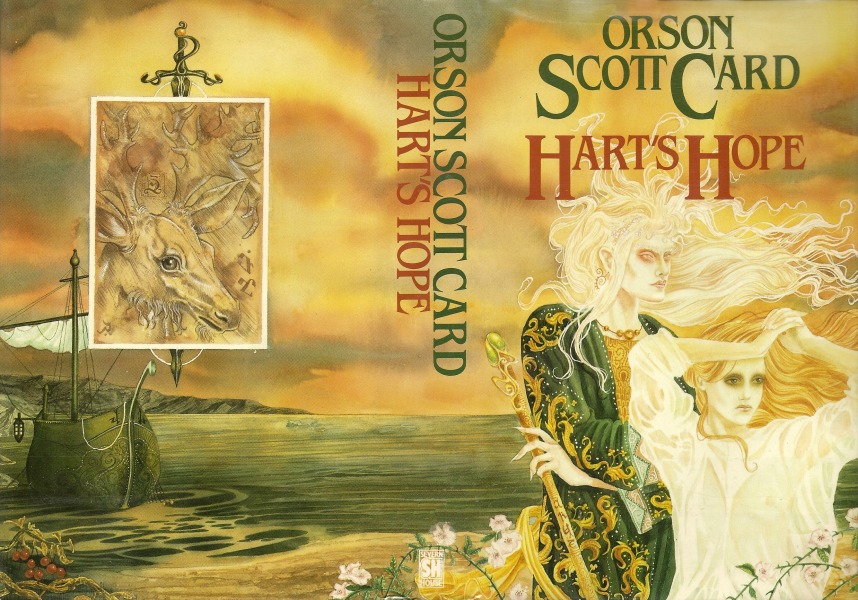
- Hart's Hope
Orson Scott Cardstandalone novel1983
similar bycursesdarkfantasysecondary world
Hart's Hope (1983) is a fantasy novel by American writer Orson Scott Card. It is written in second person.
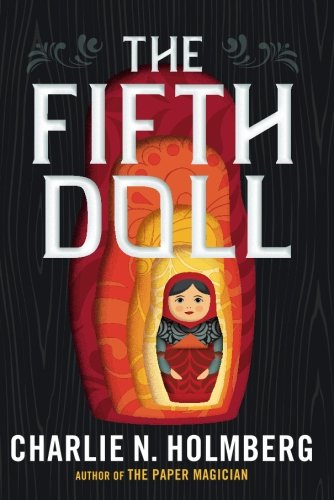
- The Fifth Doll
Charlie N. Holmbergstandalone novel2017
similar bycursesdarkeeriesecondary worlddark fantasy+1 more
The Fifth Doll is a 2017 dark fantasy novel written by Charlie N. Holmberg and published by 47North. It follows a dairymaid named Matrona as she discovers a secret collection of Russian nested dolls that are linked to each inhabitant of her village. The novel was awarded the 2017 Whitney Award for Speculative Fiction.
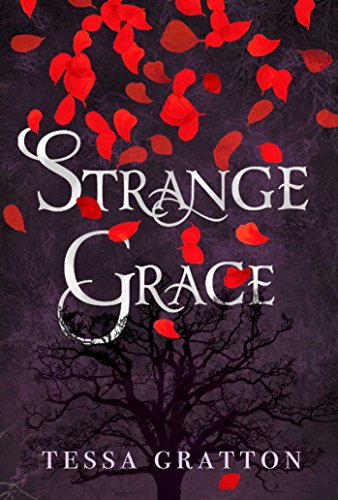
- Strange Grace
Tessa Grattonstandalone novel2018
similar bydarkeeriefantasysecondary worlddark fantasysmall town
Long ago, a village made a bargain with the devil: to ensure their prosperity, when the Slaughter Moon rises, the village must sacrifice a young man to the depths of the Devil's Forest. Only this year, the Slaughter Moon has risen early. Bound by duty, secrets, and the love they share for one another, Mariwen, a spirited witch; Rhun, the expected saint; and Arthur, a restless outcast, will each have a role to play as the devil demands a body to fill the bargain. But the devil these friends find is not the one they expect, and the lies they uncover will turn their town--and their hearts--inside out. Something's gone wrong with the bargain.... This description comes from the publisher.
- Witches Steeped in Gold
series2 books2021
similar bydarkpolitical intriguefantasysecondary worlddark fantasy
- Lud-in-the-Mist
Hope Mirrleesstandalone novel1926
similar byeeriefantasysecondary world+1 more
Lud-in-the-Mist (1926) is the third and final novel by the British writer Hope Mirrlees. It continues the author's exploration of the themes of Life and Art, by a method already described in the preface of her first novel, Madeleine: One of Love's Jansenists (1919): "to turn from time to time upon the action the fantastic limelight of eternity, with a sudden effect of unreality and the hint of a world within a world".
- The Immortal Brothers
series4 books2015
similar bycursesdarkfantasysecondary world
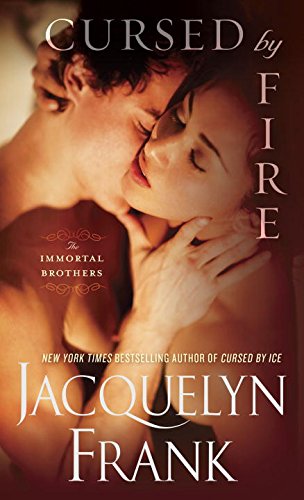
Jacquelyn Frank's The Immortal Brothers is a paranormal romance quartet -- Cursed by Fire, Cursed by Ice, Bound by Sin, and Bound in Darkness -- all published by Ballantine Books in 2015, following different brothers across linked romantic storylines.
- Crimson Bound
Rosamund Hodgestandalone novel2015
similar bycursesdarkfantasysecondary worlddark fantasy
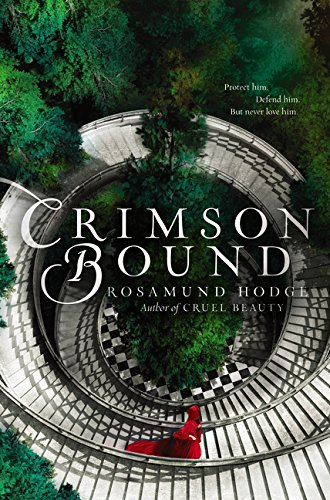
Crimson Bound is a fantasy novel inspired by Little Red Riding Hood and written by Rosamund Hodge. The book is set in a fae-dwelling land with Grimm-style magic and French names and inspired locations. "Crimson Bound" retells Little Red Riding Hood with a dark, magical twist.
- Deerskin
Robin McKinleystandalone novel1993
similar bydarksecondary worlddark fantasyfantasy+1 more
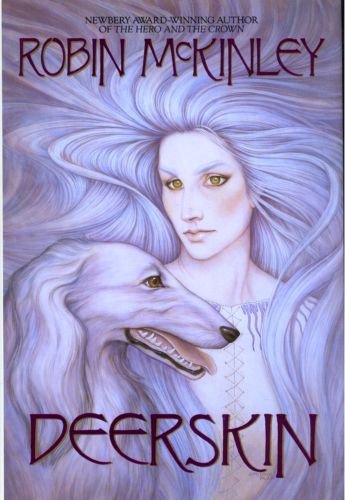
Deerskin is a dark fantasy novel by Robin McKinley, first published in 1993. It is based on an old French fairy tale by Charles Perrault called Peau d'âne. It was nominated for the Mythopoeic Fantasy Award for Adult Literature.
- Prospero and Roger Bacon
series2 books1969
completed
similar bydarkeeriefantasysecondary world
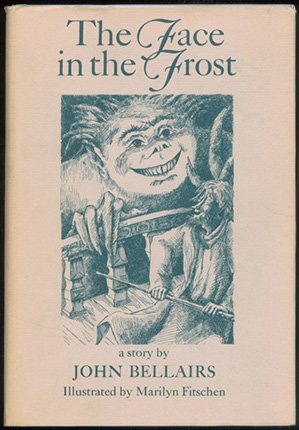
The Face in the Frost, John Bellairs's only adult fantasy novel, follows two aging wizards, Prospero and Roger Bacon, as they track down a rising magical evil that has started to unravel the world around them. Ursula K. Le Guin praised how quickly the book tips from whimsy into genuine nightmare and back; it stands alone rather than launching a series, unlike the children's books Bellairs is now best known for.
- Pet Sematary
Stephen Kingstandalone novel1983
similar bycursesdarkeeriesmall town
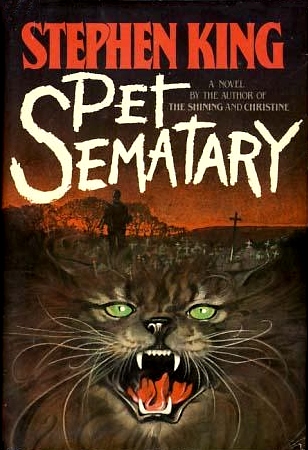
Pet Sematary is a 1983 horror novel by American writer Stephen King. It tells the story of a family moving to Maine and settling closer to a pet cemetery in the woods, which is home to a terrifying force that brings death and sorrow. The novel was nominated for a World Fantasy Award for Best Novel in 1984, and adapted into two films: one in 1989 and another in 2019 as well as several spinoffs.
- Tigana
Guy Gavriel Kaystandalone novel1990
similar bydarkpolitical intriguesecondary worldfantasy
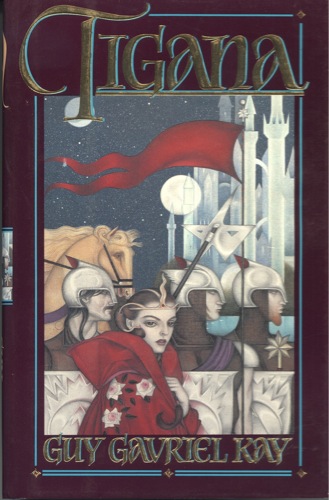
Tigana is a 1990 fantasy novel by Canadian writer Guy Gavriel Kay. The novel is set in a region called the Peninsula of the Palm, which somewhat resembles Renaissance Italy as well as the Peloponnese in shape.
- Faery in Shadow
C. J. Cherryhstandalone novel1993
similar bycursesdarkfantasysecondary world
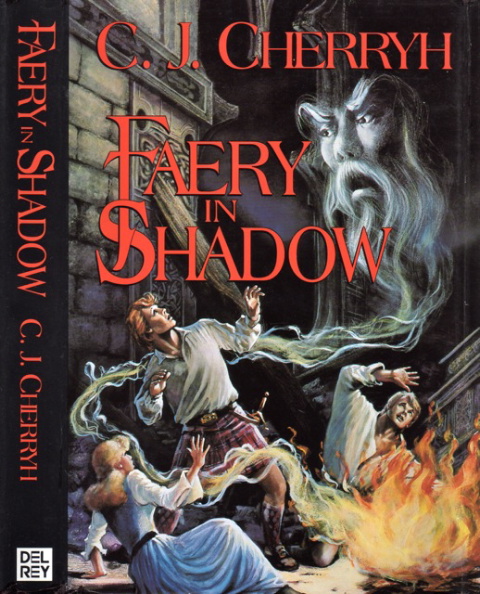
Faery in Shadow is a fantasy novel by American writer C. J. Cherryh. It was first published in the United Kingdom by Legend Books in August 1993 in trade paperback, and the first United States edition was published by Ballantine Books under its Del Rey Books imprint in November 1993 in hardcover. It was nominated for the Locus Award for Best Fantasy Novel in 1994.
- Blood Over Bright Haven
M. L. Wangstandalone novel2023
similar bydarkfantasysecondary worlddark fantasy+1 more
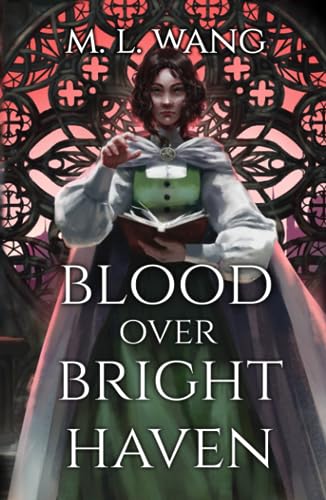
Magic has made the city of Tiran an industrial utopia, but magic has a cost—and the collectors have come calling. An orphan since the age of four, Sciona has always had more to prove than her fellow students. For twenty years, she has devoted every waking moment to the study of magic, fueled by a mad desire to achieve the impossible: to be the first woman ever admitted to the High Magistry. When she finally claws her way up the ranks to become a highmage, however, she finds that her challenges have just begun. Her new colleagues will stop at nothing to let her know she is unwelcome, beginning with giving her a janitor instead of a qualified lab assistant. What neither Sciona nor her peers realize is that her taciturn assistant was once more than a janitor; before he mopped floors for the mages, Thomil was a nomadic hunter from beyond Tiran’s magical barrier. Ten years have passed since he survived the perilous crossing that killed his family. But working for a highmage, he sees the opportunity to finally understand the forces that decimated his tribe, drove him from his homeland, and keep the Tiranish in power. Through their fractious relationship, mage and outsider uncover an ancient secret that could change the course of magic forever—if it doesn’t get them killed first. Sciona has defined her life by the pursuit of truth, but how much is one truth worth with the fate of civilization in the balance? A standalone dark academia brimming with mystery, tragedy, and the damning echoes of the past. For fans of Leigh Bardugo, V. E. Schwab, and Fullmetal Alchemist.
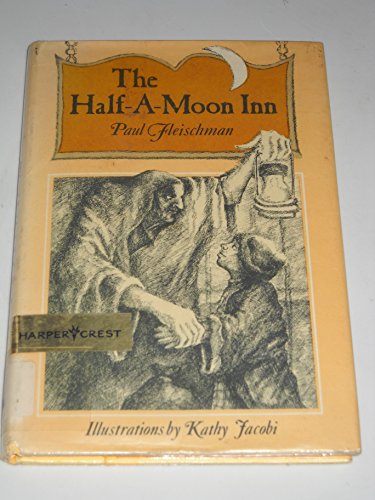
- The Half-a-Moon Inn
Paul Fleischmanstandalone novel1980
similar bydarkeeriefantasysecondary world+1 more
WorldCat: A mute boy is held captive by the strange proprietress of an inn. "The horrors endured by Dickens' most downtrodden characters are akin to what Aaron has to endure at the hands of evil Miss Grackle in The Half-A-Moon Inn". Aaron's mother fails to return home with his 12th birthday present and he sets out in a blizzard to find her. [He gets lost in the woods and snow, yet reaches the Inn. There Miss Grackle reads the dreams of her guests while they sleep and steals money from most of them.] "Aaron becomes a virtual prisoner because [the cursed] Grackle needs an honest person to light the first and warm the inn." --from brief review by Barbara Karlin Los Angeles Times 1980-03-09 p10, not evidently as speculative fiction; bracketed notes gleaned from KirkusReviews.com and April/May newspapers "... Most significant, though, is Fleischman's handling of Aaron's handicap. ... [He] makes neither too much nor too little of Aaron's muteness. He simply incorporates it into the tale, and any message about how resourceful a handicapped person can be is enhanced as a result." [In this and other respects, the story is old-fashioned rather than over-relevant.] --Stephen Krensky The Christian Science Monitor 1980-05-12 pB10